
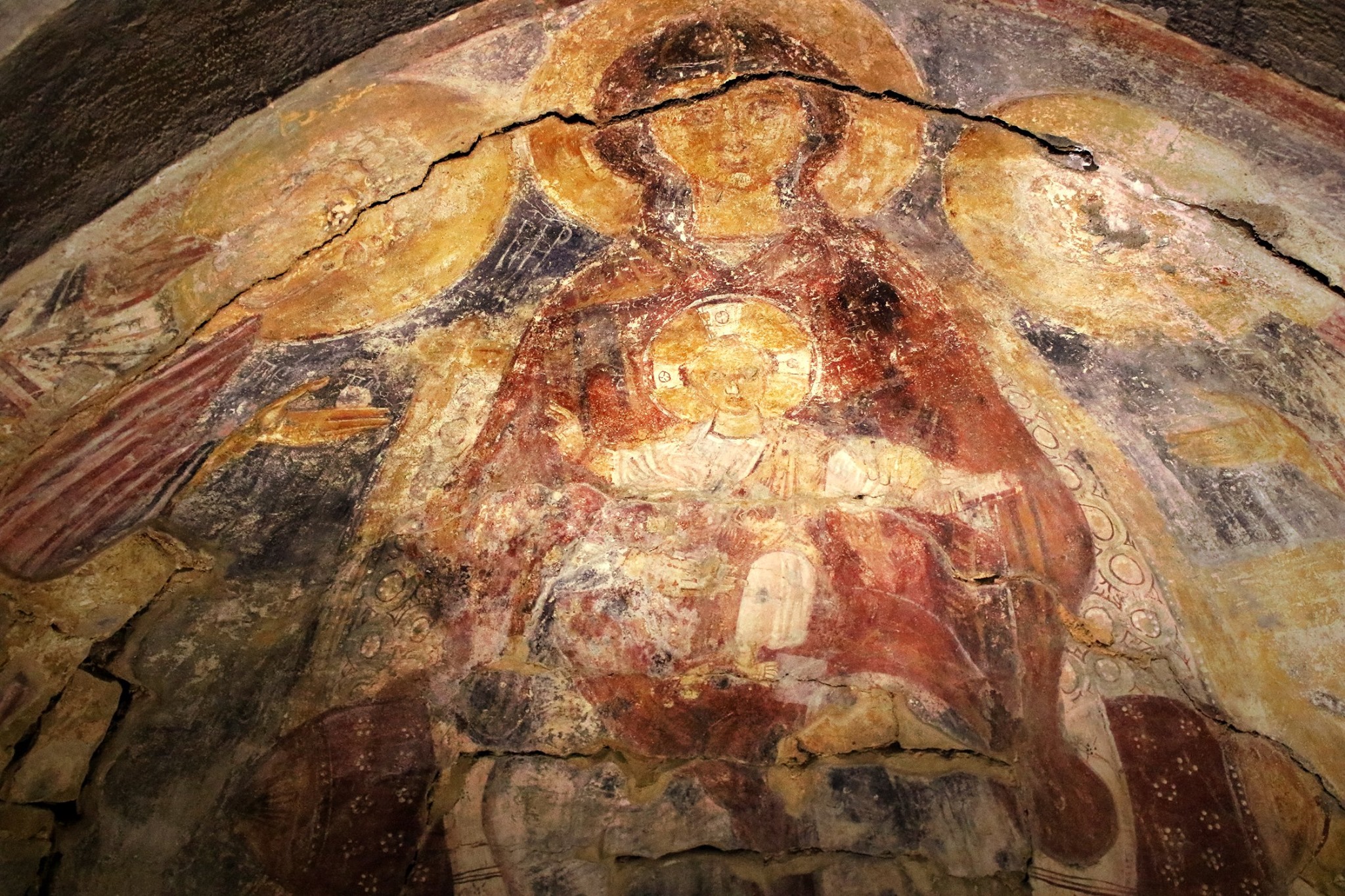
Rachkida – Mar Geryes

مار جرجس, Rachkida, Lebanon

Other Details

دير مار جرجس - راشكيده

Rachkida

Batroun

North

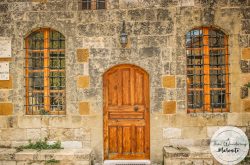
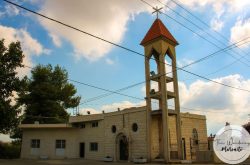
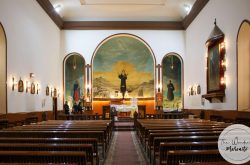
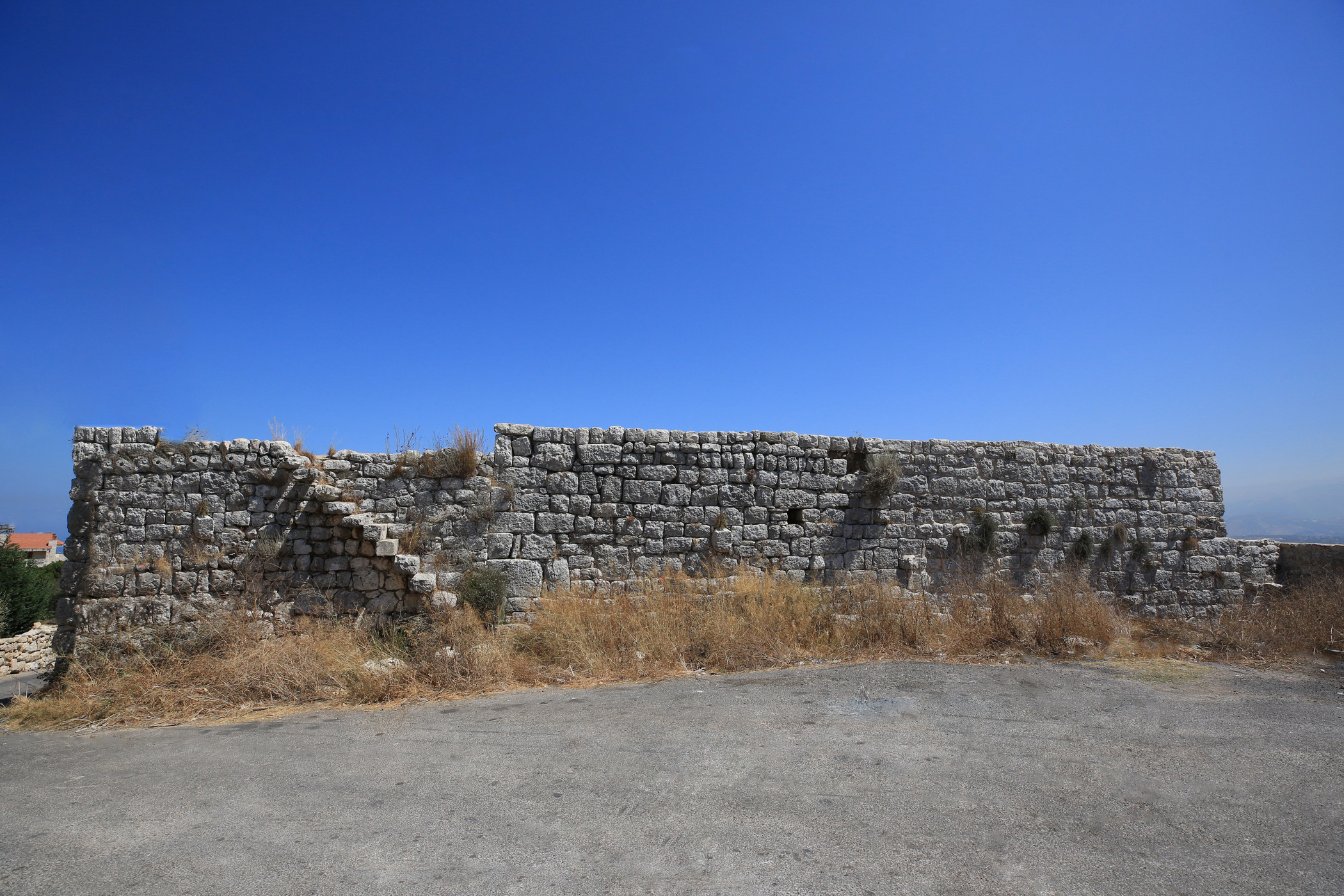
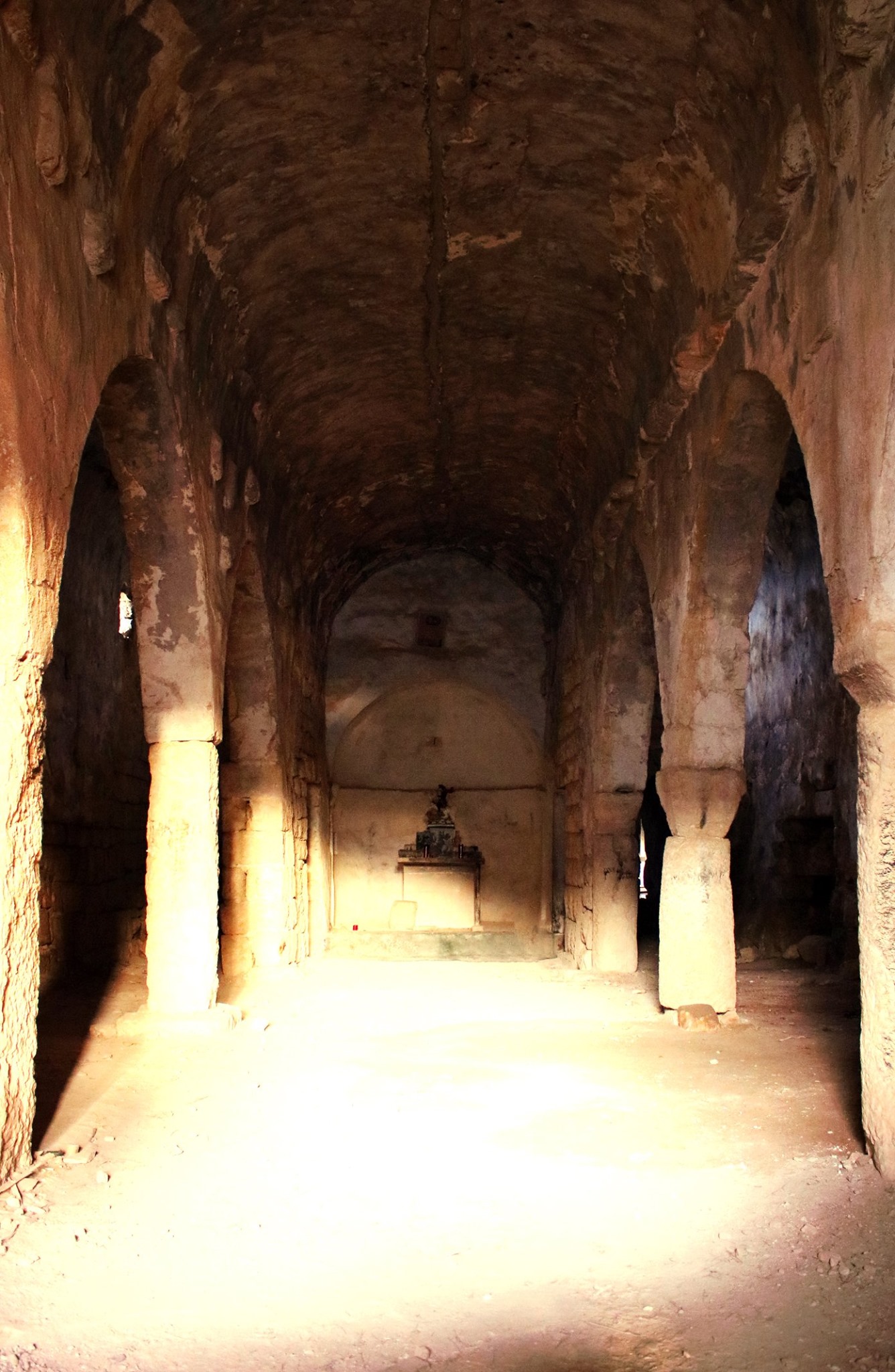
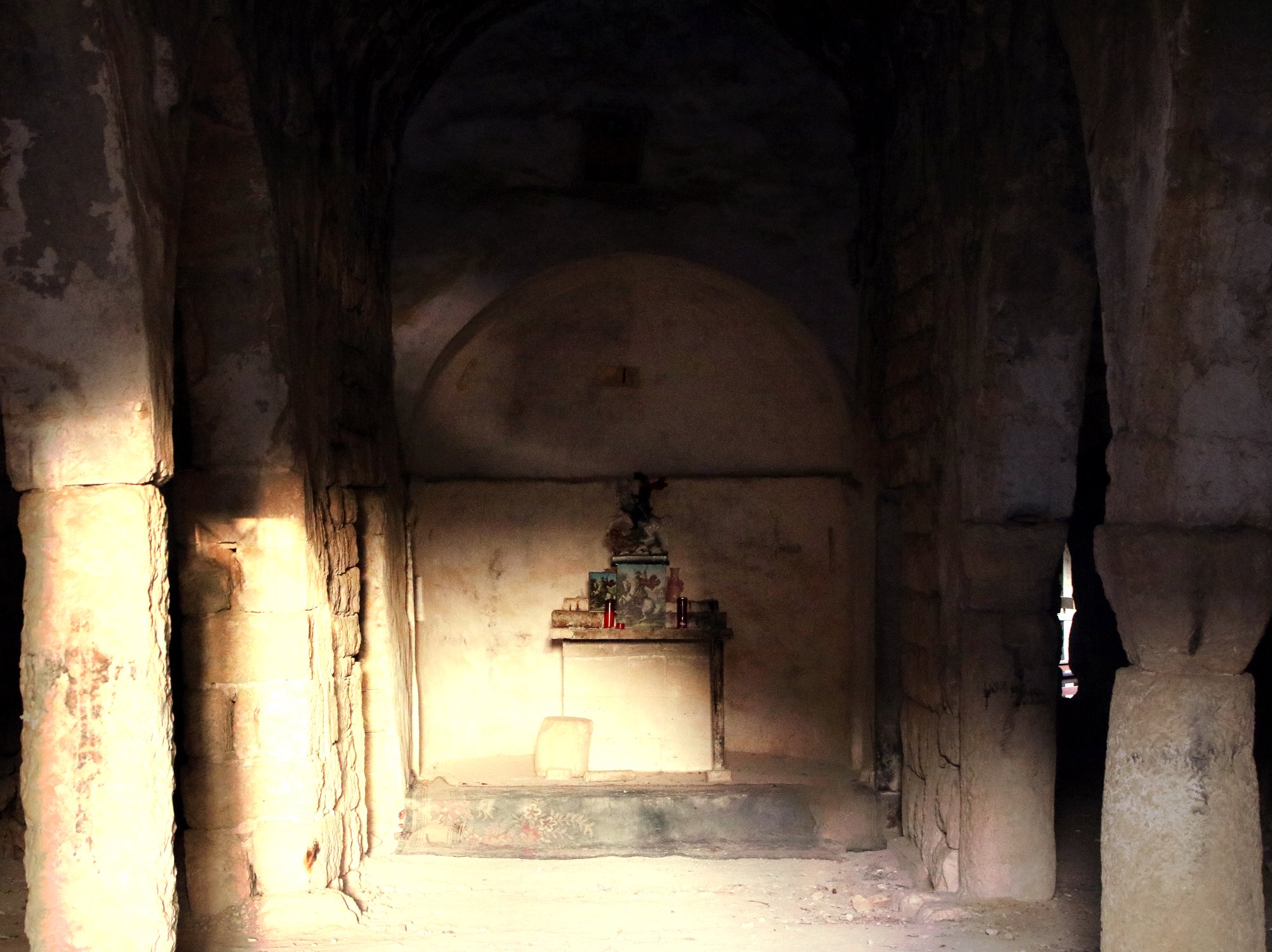
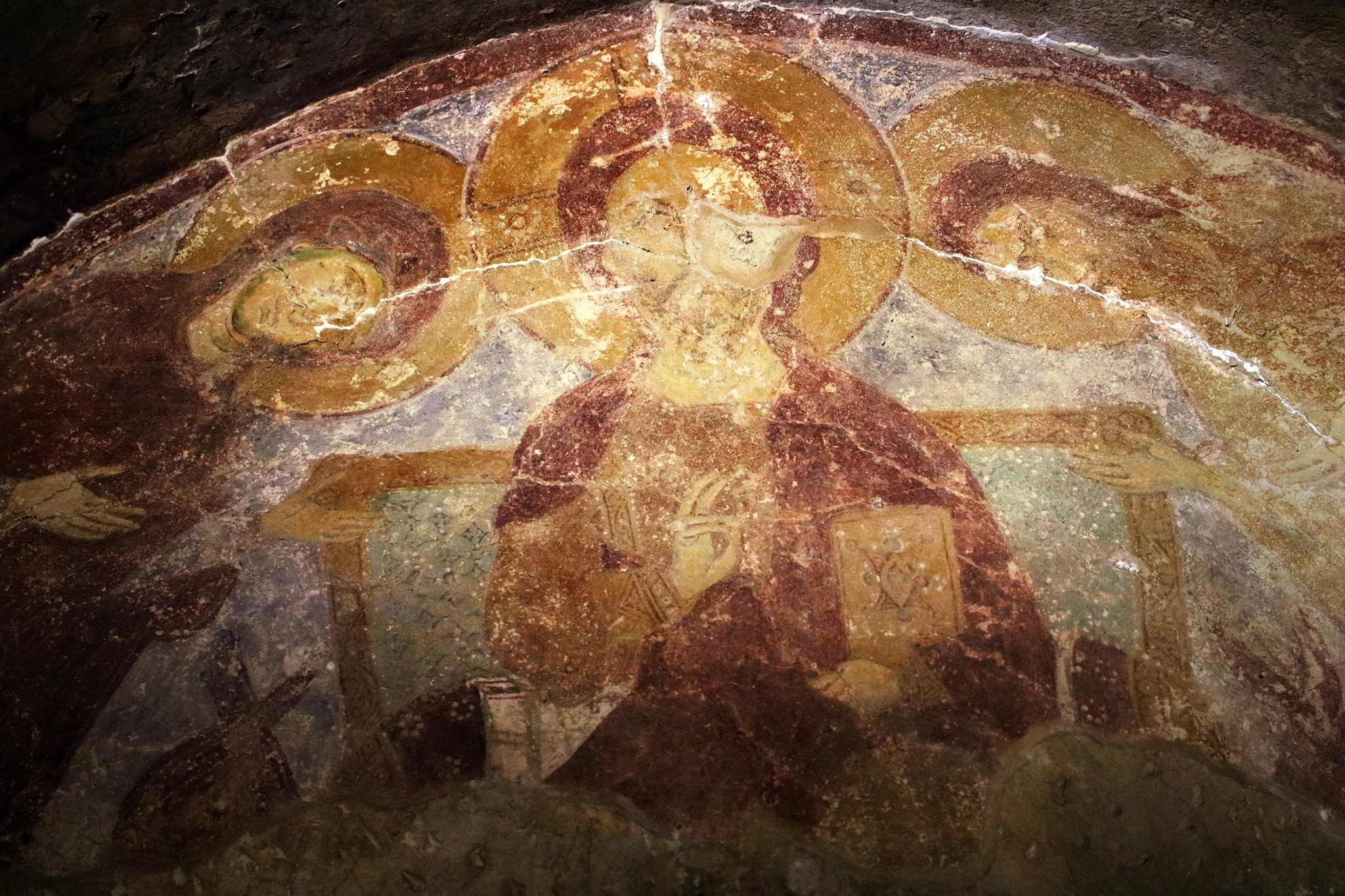
يعود بنا هذه الكنيسة إلى القرون الوسطى وتتألف من كنيستين:الكنيسة القديمة ‏جدرانها مكسوة بالجداريات. هي من النوادر في العمارة الكنيسة لأن فيها حنيتان يتوسطهم رسم المصلوب. مواضيع الجداريات: الشفاعة، العذراء على العرش محاطة بمار بطرس وبولس، ذبيحة النبي ابراهيم، آثار لجدرانيات أخرى باتت مندثرة.اما الكنيسة الثانية فهي أحدث عهداً ملاصقة للأولى، مبنية على النمط البازيليكي بثلاث اسواق، وامامها رواق بالحجر المعقود.بقيت الكنيسة مستخدمة الى القرن التاسع عشر حين نزح آخر موارنة البلدة. ومنذ عام ٢٠١٢ انطلق مشروع ترميم الكنيسة.This church is built in the medieval ages, and is composed of two parts:The old church has walls filled with frescoes. It is one of the very rare churches in which you can see the crucified drawn between two naves.The drawings are as follows:The Deisis, Mary the throne of wisdom, surrounded by Saints Peter and Paul, Abraham's sacrifice, in addition to different frescoes that are damaged and can hardly be seen now.The second church is just next to the first, but built in a later era, in a basilical form with three aisles.The church was still in use by the maronite community until the 19th century.Since 2012 a project to renew the church was launched.

Visited 3000 times, 2 Visits today

Reviews are disabled, but trackbacks and pingbacks are open.

Related Listings

Qannoubin – The monastery of our Lady of Qannoubin

Deir Qannoubine monastery, Wadi Qannoubine, Lebanon

دير سيّدة قنّوبين

Ouadi Qannoubine

Bcharre

North

دير سيّدة قنّوبين - قنّوبين

هو من أهمّ وأقدم الأديار الأثريَّة في الوادي المقدّس. كان الكرسيّ البطريركيّ للكنيسة المارونيَّة من القرن الخامس عشر حتَّى القرن التاسع عشر. أعطى اسمه لجزء من وادي قاديشا أي وادي قنّوبين، ومعناه من اليونانيّة الشركة.
بحسب تقليد الكنيسة المارونيَّة، أسَّس هذا الدير تاودوسيوس الكبَّادوكيّ، في القرن السادس. أمَّا تقليد الكنيسة السريانيَّة الأرثوذكسيَّة فيذكر أنَّ الإمبراطور تاودوسيوس الأوَّل، في القرن الرابع، بنى كنيسة سيِّدة قنُّوبين. هذان التقليدان ليسا إلاَّ إثباتًا على قِدَم الدير وأهمِّيَّته بالنسبة إلى تاريخ الكنيسة في لبنان. يذكر التقليد أن القدّيسة مارينا سكنته وماتت ودفنت في المغارة المجاورة. إنتقل إليه البطريرك يوحنّا الجاجيّ على إثر تنكيل والي طرابلس بالموارنة. فأصبح مقرًّا بطريركيًّا.
جداريّات الكنيسة الأساسيّة مرسومة على عدّة مراحل من القرن العاشر وصاعدًا. جداريّات المذابح: الشفاعة، مار يوسف ومار دانيال، وجداريّة تكليل السيّدة هي من عمل الراهب اللبنانيّ بطرس القبرصيّ.

The monastery of our Lady of Qannoubin - Qannoubin

The monastery is one of the most important religious sites for the Maronite church. Two traditions narrate its history both attesting the great history behind it: the Maronite tradition dates it back to the VIth century with Theodosius the Cappadocien. The Syriac tradition dates it back to the IVth century when the Byzantine emperor Theodosius the first built a church dedicated for the Madonna in Qannoubin.
The frescoes of the main church were done layer over layer starting the Xth century up until the XVIth century when Boutros el Qobersy the Lebanese monk painted the three apses frescoes: the Deisis, St Joseph and St Daniel, and the frescoe of the coronation of the Virgin.

Harissa – The Monastery of the Theotokos and the unity

Carmelite Sister's Monastery, Harissa, Lebanon

دير كرمل والدة الإله والوحدة

Harissa

Keserwan

Mount Lebanon

دير كرمل والدة الإله والوحدة - حريصا

سنة ١٩٦١ أَذَن رئيس المجمع الشرقيّ الكاردينال تيسيران أن تنتقل ثلاث راهبات إسبانيّات كرمليّات من طقسهنّ اللاتينيّ الى الطقس البيزنطيّ بغية تأسيس دير كرمليّ مشرقيّ هدفه الصلاة لأجل وحدة الكنيسة. وقد شاءت العناية الإلهيّة أن تكون الراهبات من الأديار التي أسّستها تريزيا الأفيليّة بداية الإصلاح. إفتُتح الدّير في ٢٤ آب سنة ١٩٦٢. زاره البابوان يوحنّا بولس الثاني وبندكتوس السادس عشر إبّان زيارتيهما الرسوليّة الى لبنان. كنيسة الدّير بيزنطيّة الطابع مع فبّة، تتميّز كونها مغطاة بالجداريّات، وإيقونوستاز خشبيّ، وشعريّة الحصن للراهبات.

The Monastery of the Theotokos and the unity - Harissa

In 1961 his eminence Cardinal Tisserant agreed that three nuns join the Byzantine rite to create an oriental Carmelite nunnery with the aim of prayer to the unity of the church. The divine wisdom made the three nuns come from the original monasteries founded by St Theresa of Avila. The monastery was inaugurated on the 24 of august 1962. Popes John Paul II and Benedict XVI visited the monastery upon their visit to Lebanon. The monastery’s church is of Byzantine style with a dome and a wooden iconostatis, it is fully covered with frescoes and has a distinctive seperator to demark the cloister of the nuns.