
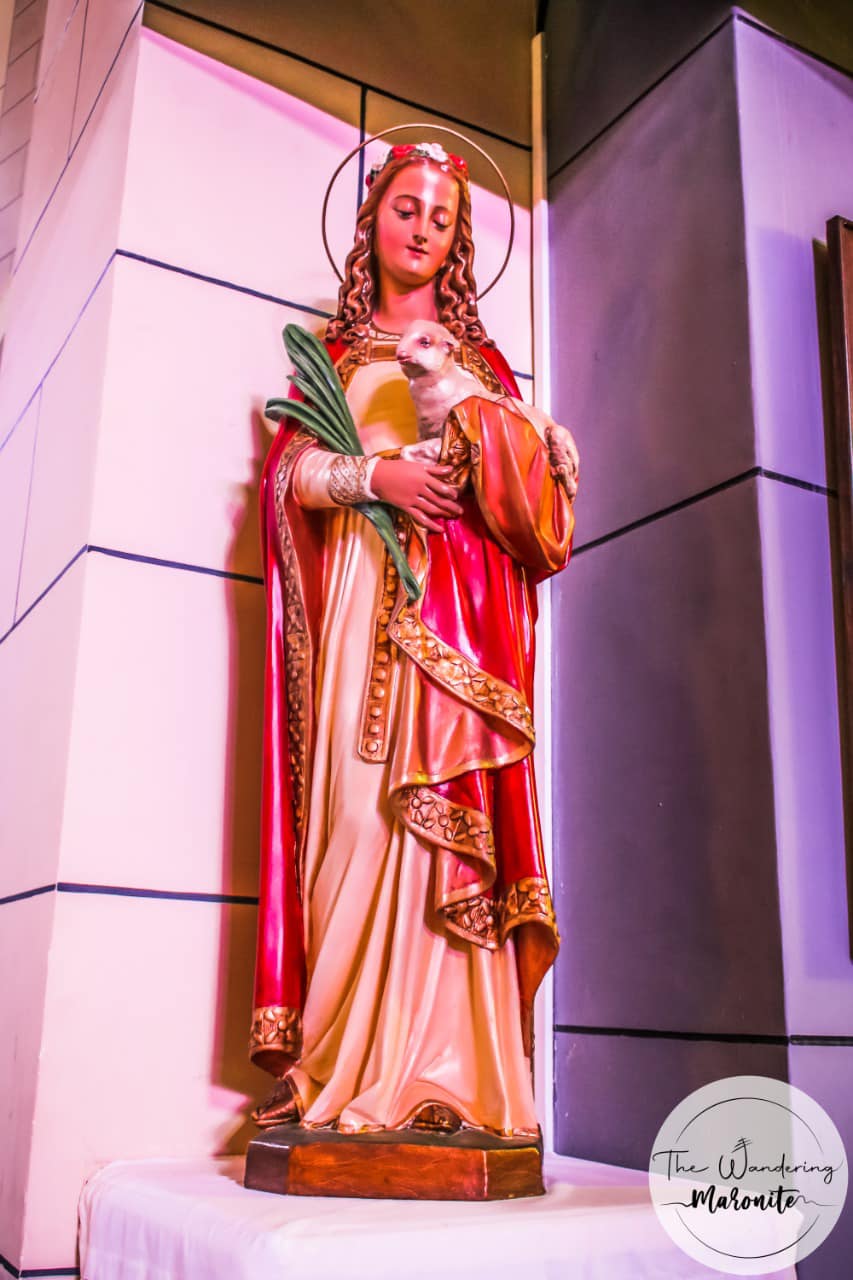
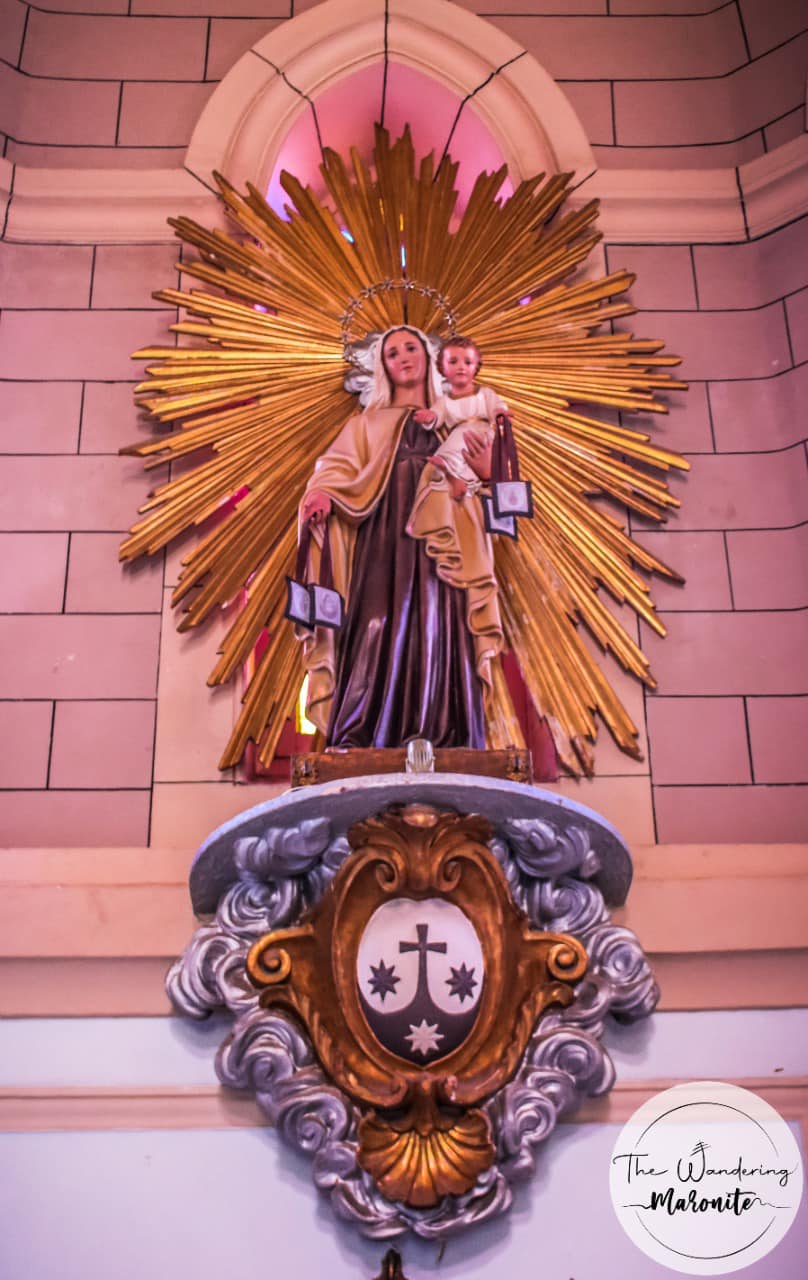
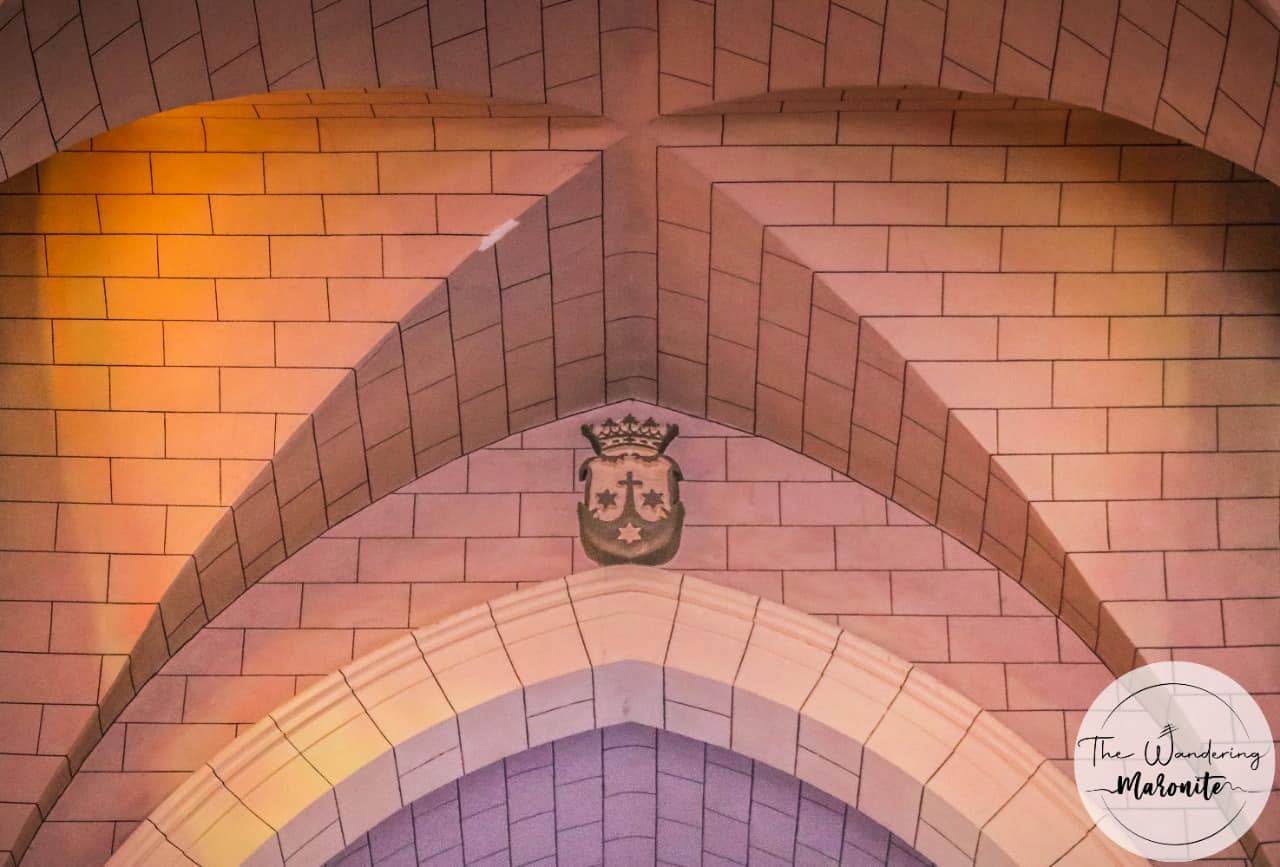
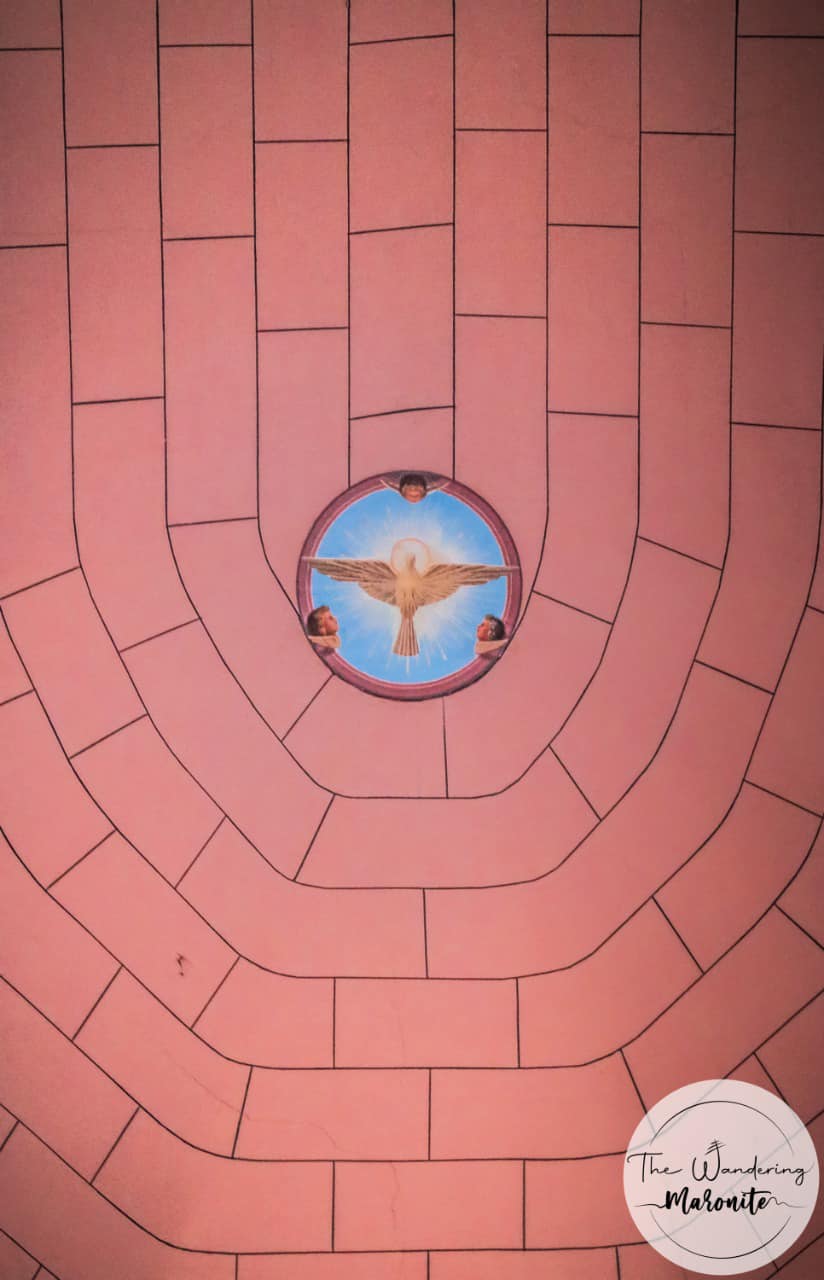
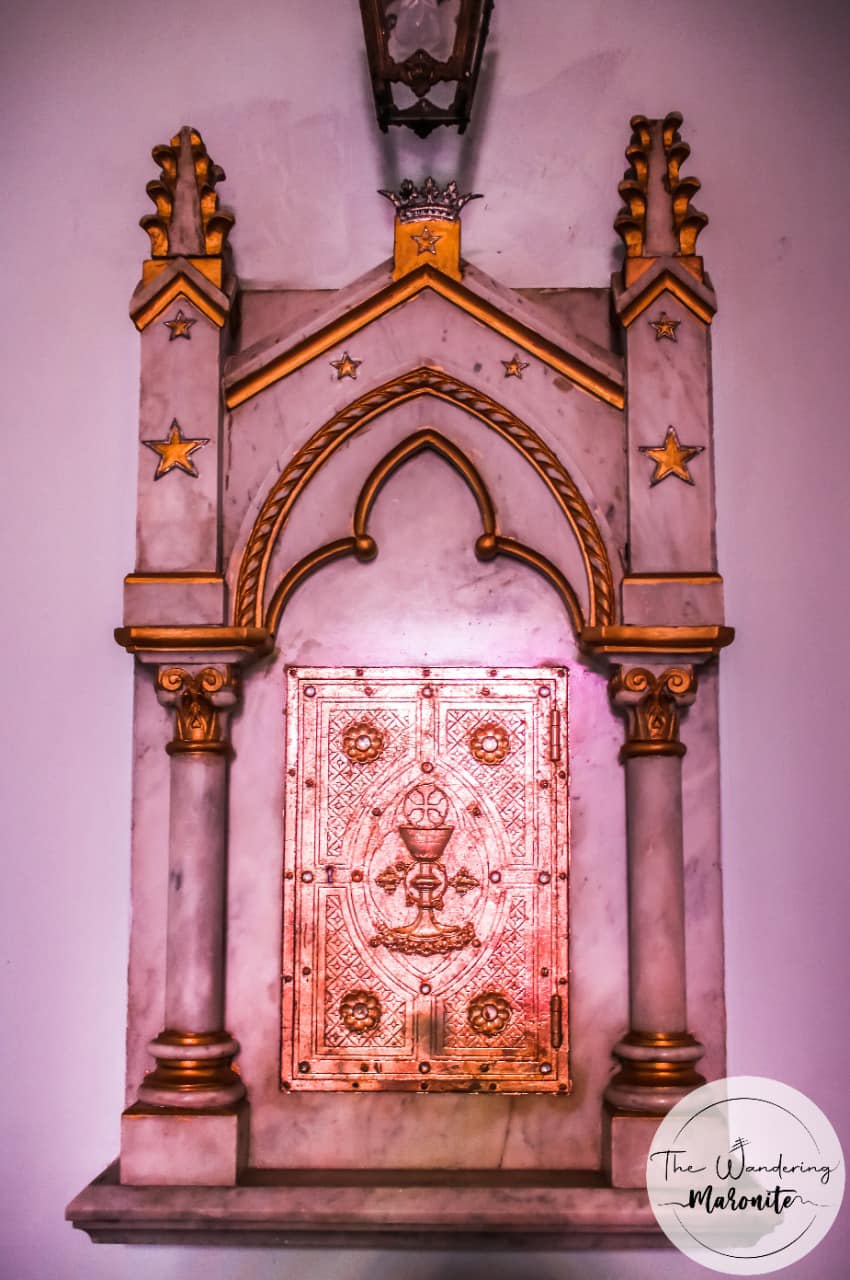
Kobayyat – The monastery of St Doumit of the Carmelite fathers

St. Doumit Monastery, Qoubaiyat, Lebanon

Other Details

دير مار ضومط للآباء الكرمليّين

Qbaiyat Aakkar

Akkar

Akkar

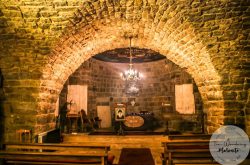
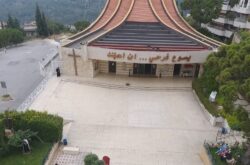
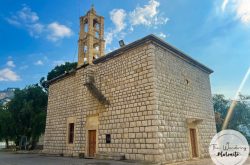
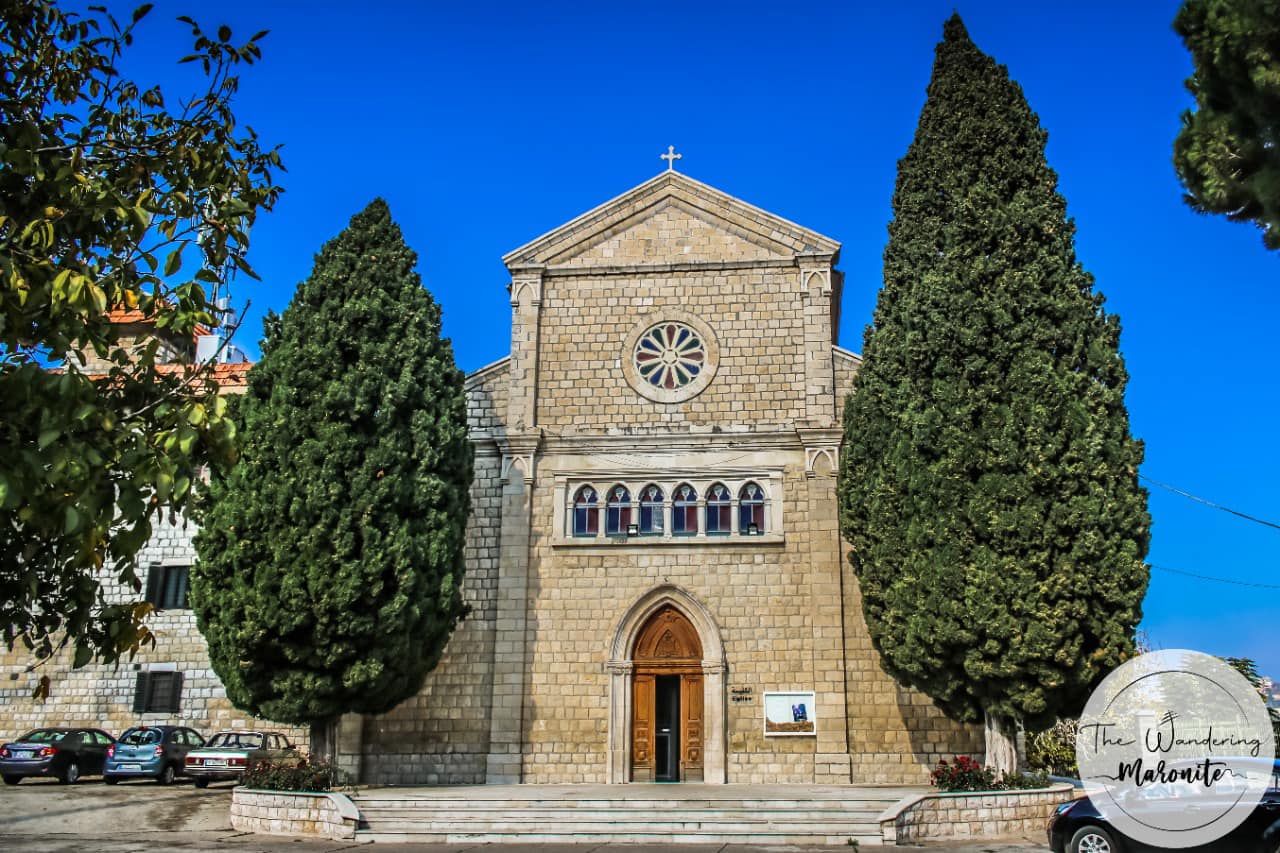
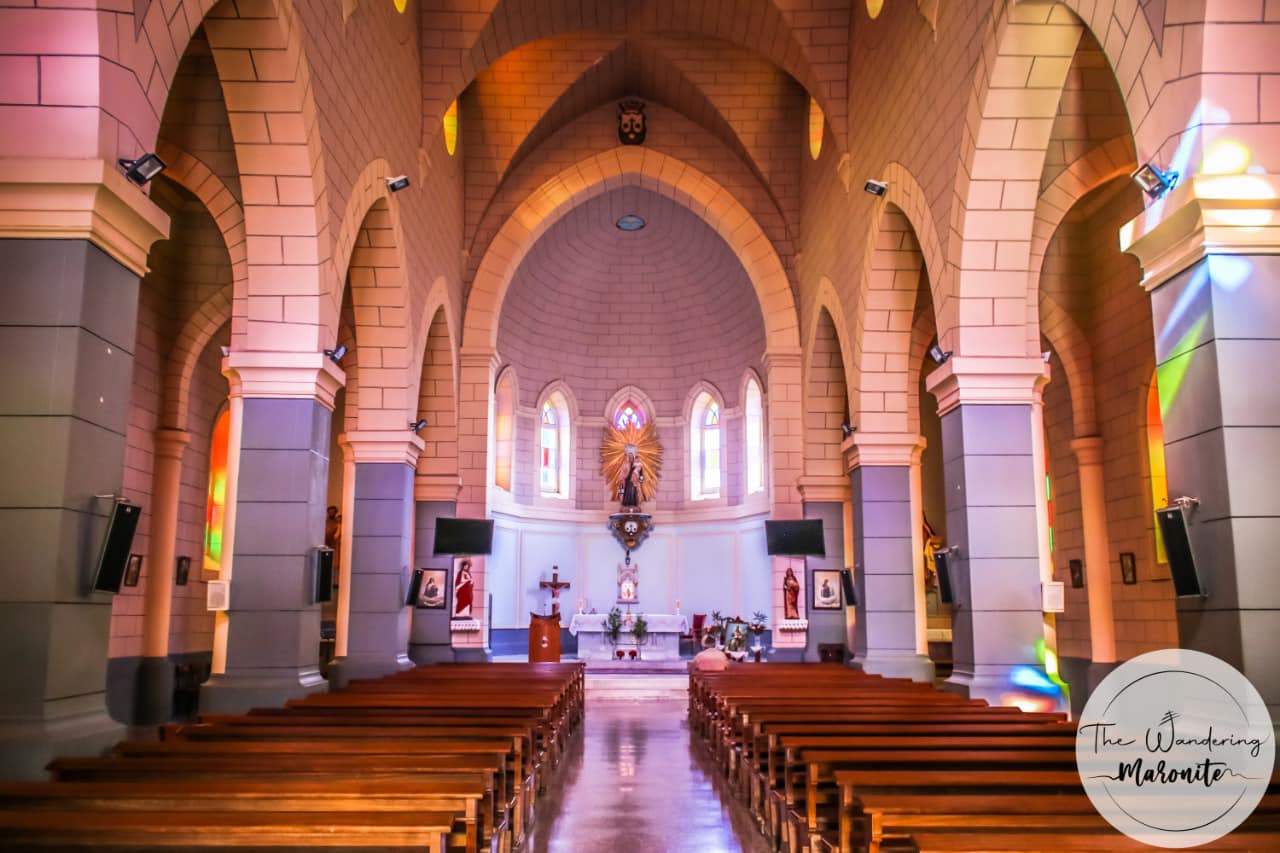
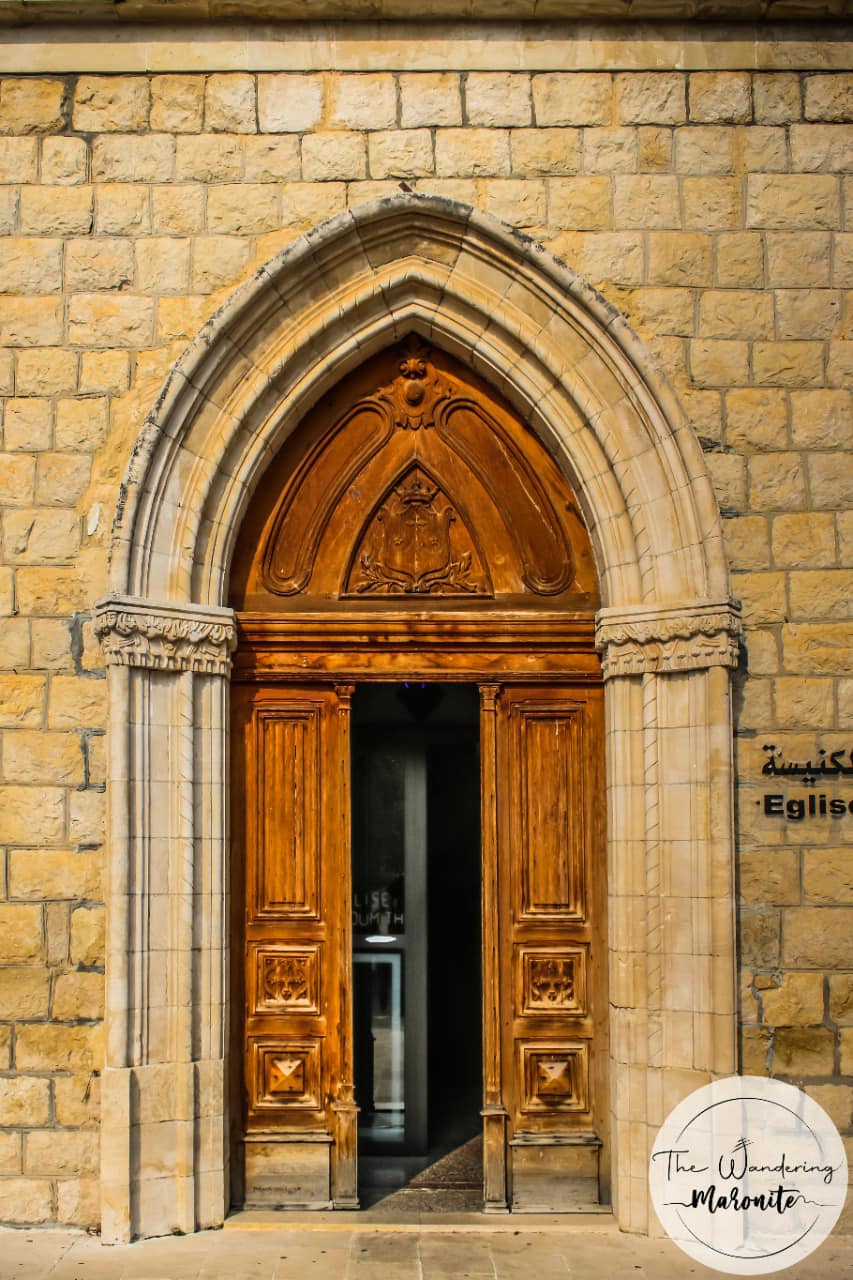
دير مار ضومط للآباء الكرمليّين - القبياتبذأت زسالة الآباء الكرمليّين في القبيّات أوائل القرن التاسع عشر. سنة ١٨٣٥، بدؤا بناء ديرهم، بعد ان أوقف لهم الارض جبّور سيف حبيش. كان في تلك الأرض آثار كنيسةِ لمار ضومط، والعديد من الآثار التي بيعت لبناء الكنيسة الجديدة. بّنيت الكنيسة بشكلها الحاليّ سنة ١٨٥٢، وجدّدت على الطراز النبو غوطي سنة ١٩١٤. لعب الدّير دورًا هامًا في تاريخ البلدة خصوصًا أنّه ضمّ مدرسةً لتعليم الأحداث.The monastery of St Doumit of the Carmelite fathers - KobayyatThe Carmelite mission in the region of Kobayyat began in the dawn of the XIXth century. In 1935 Jabbour Seif Hobeich donated a piece of land to build a monastery. In this land where a ruined church dedicated to St Doumit and lots of ancient artifacts that where sold to museums to build the monastery. In 1852 the current church was built, and it 1914 it was remodeled with a neo gothic style. The monastery played an important role in the community”s history specially on the educational level with the famous Carmelite school.

Visited 5983 times, 3 Visits today

Reviews are disabled, but trackbacks and pingbacks are open.

Related Listings

Jeita – The convent of St Elias el Ras

Mar Elias El Ras Monastere (Church), Mazraat El Ras, Lebanon

دير مار الياس الراس

Jaaita

Keserwan

Mount Lebanon

دير مار الياس الراس – جعيتا

تأسّس الدّير في مزرعة الراس بعد جلاء المماليك عن كسروان. عام ١٧٠٤ كان الدّير بعهدة القسّ بطرس صفرونيوس الحاقلانيّ من زوق مصبح، الذي ترهّب فيه مع رهبانه العبّاد.
قرّر المجمع اللبنانيّ المنعقد سنة ١٧٣٦ إلغاء الأديار المزدوجة، وفصل أديار الرهبان عن أديار الراهبات، وشدّد على أن يكون للراهبات قانون خاصّ. عند الإنتقال إلى مرحلة تطبيق مبدأ الفصل إتّفق القاصد الرسوليّ يوسف السمعانيّ مع المطران عبدالله قراعلي، على إنشاء دير قانونيّ يكون مثالًا وقدوة لسائر أديار الراهبات في دير ما الياس الراس. وهكذا آل الدير إلى الرّهبانيّة اللبنانيّة المارونيّة.
باشر الرهبان، بعد استلام الدّير، بناء كنيسةٍ ودير مخصّص لسكن راهبات محصّنات فبني الدّير الجديد مع كنيسته الكبيرة. فُتحت أبواب الدير في ٦ كانون الثاني ١٧٤٠. ولا يزال إلى اليوم واحة صلاةٍ وتأملٍ، ومزارًا يقصده المؤمنون من كلّ حدبٍ وصوب.

The convent of St Elias el Ras - Jeita

The convent was built in the farm of El Rass after the Mamluks left Keserwan. In 1704 the convent was under the custody of Boutros Safronius el Haklany, a monk from Zouk Mosbeh. In 1736 the Lebanese Council dictated that nunneries shall be separated from monks' monasteries, thereby abolishing mixed monasteries, and giving nuns their own convents and rules. When it was time to apply the new rules, Monsignor Youssef El Semaany, the papal nuncio, and Bishop Abdallah Qaraaly, decided to give St Elias’s convent to the nuns of the newly formed Lebanese Order. It was decided to build a new convent suitable for contemplative nuns with a big church. The new convent was consecrated on the 6th of January 1740, and is still a haven for prayer and meditation, and a shrine for all pilgrims.

Qannoubin – The monastery of our Lady of Qannoubin

Deir Qannoubine monastery, Wadi Qannoubine, Lebanon

دير سيّدة قنّوبين

Ouadi Qannoubine

Bcharre

North

دير سيّدة قنّوبين - قنّوبين

هو من أهمّ وأقدم الأديار الأثريَّة في الوادي المقدّس. كان الكرسيّ البطريركيّ للكنيسة المارونيَّة من القرن الخامس عشر حتَّى القرن التاسع عشر. أعطى اسمه لجزء من وادي قاديشا أي وادي قنّوبين، ومعناه من اليونانيّة الشركة.
بحسب تقليد الكنيسة المارونيَّة، أسَّس هذا الدير تاودوسيوس الكبَّادوكيّ، في القرن السادس. أمَّا تقليد الكنيسة السريانيَّة الأرثوذكسيَّة فيذكر أنَّ الإمبراطور تاودوسيوس الأوَّل، في القرن الرابع، بنى كنيسة سيِّدة قنُّوبين. هذان التقليدان ليسا إلاَّ إثباتًا على قِدَم الدير وأهمِّيَّته بالنسبة إلى تاريخ الكنيسة في لبنان. يذكر التقليد أن القدّيسة مارينا سكنته وماتت ودفنت في المغارة المجاورة. إنتقل إليه البطريرك يوحنّا الجاجيّ على إثر تنكيل والي طرابلس بالموارنة. فأصبح مقرًّا بطريركيًّا.
جداريّات الكنيسة الأساسيّة مرسومة على عدّة مراحل من القرن العاشر وصاعدًا. جداريّات المذابح: الشفاعة، مار يوسف ومار دانيال، وجداريّة تكليل السيّدة هي من عمل الراهب اللبنانيّ بطرس القبرصيّ.

The monastery of our Lady of Qannoubin - Qannoubin

The monastery is one of the most important religious sites for the Maronite church. Two traditions narrate its history both attesting the great history behind it: the Maronite tradition dates it back to the VIth century with Theodosius the Cappadocien. The Syriac tradition dates it back to the IVth century when the Byzantine emperor Theodosius the first built a church dedicated for the Madonna in Qannoubin.
The frescoes of the main church were done layer over layer starting the Xth century up until the XVIth century when Boutros el Qobersy the Lebanese monk painted the three apses frescoes: the Deisis, St Joseph and St Daniel, and the frescoe of the coronation of the Virgin.

Ghalboun – The church of St George

Saint Georges Church, Ghalboun, Lebanon

كنيسة مار جرجس

Ghalboun

Jbeil

Mount Lebanon

كنيسة مار جرجس: غلبون

كنيسة القرية الأولى كانت تقع في محلّة الحوش. بعد توسّع القرية مع بداية القرن التاسع عشر، قرّر الأهالي بناء كنيسةٍ جديدةٍ مكان محبسة مار جرجس والتي كانت قائمة بدورها على أنقاض معبدٍ فارسيٍ. وواجهة الكنيسة الغربية ما زالت تحتفظ بشعار الإمبراطوريّة الفارسية، النمر وزهرة اللّوتوس.. أما المذبح القديم فقد إستقدمه الخوري بطرس أبي سليمان من روما، بواسطة البطريرك الياس الحويّك. ورُسمت على جدران الكنيسة أيقونات بريشة كنعان ديب الذي رسم أيقونة مار جرجس القديمة،سنة ١٩٠٤. سنة ٢٠٠٦ رُمّمت الكنيسة.

The church of St George - Ghalboun

The first parochial church was built in the Hawsh area. With the expansion of the village in the beguiling of the XIXth century the locals decided to build their new church over an old hermitage dedicated to St George. The hermitage was built over a Persian Achaemenid watch tower. The church’s western wall still holds a stone from the old tower with Achaemenid engravings: a tiger and a lotus. The church was decorated with frescoes and a painting of St George by Kanaan Dib in 1904. The old marble altar was brought from Rome by Fr. Boutros Abi Sleiman with the aid of Patriarch Elias Howeyck. In 2006 the church was restored.