
Qartaba – Saint Teddy

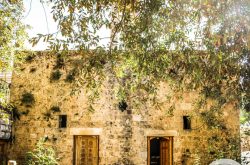
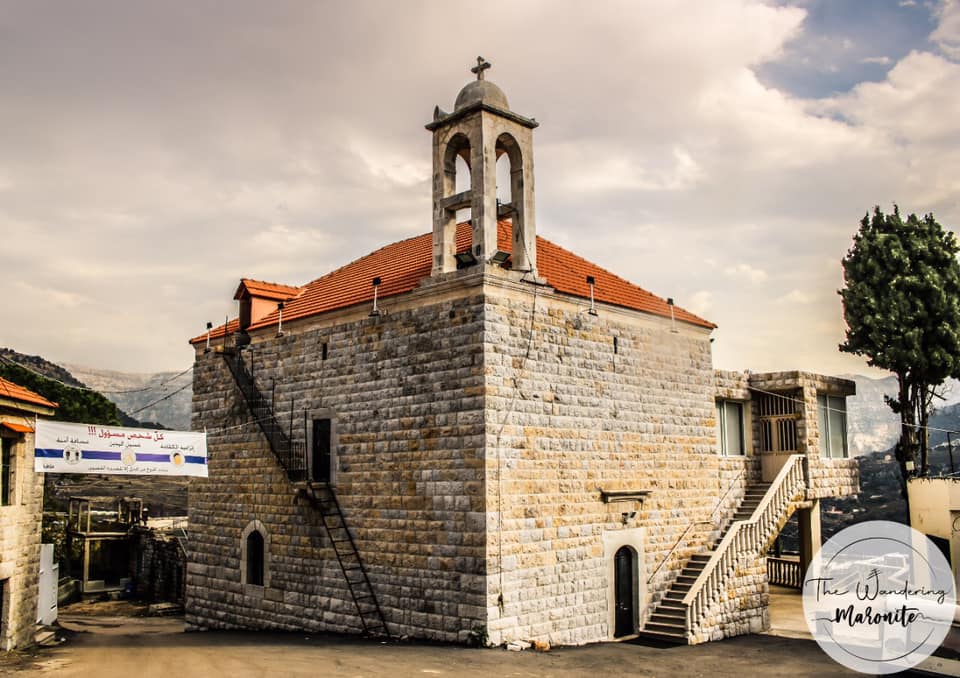
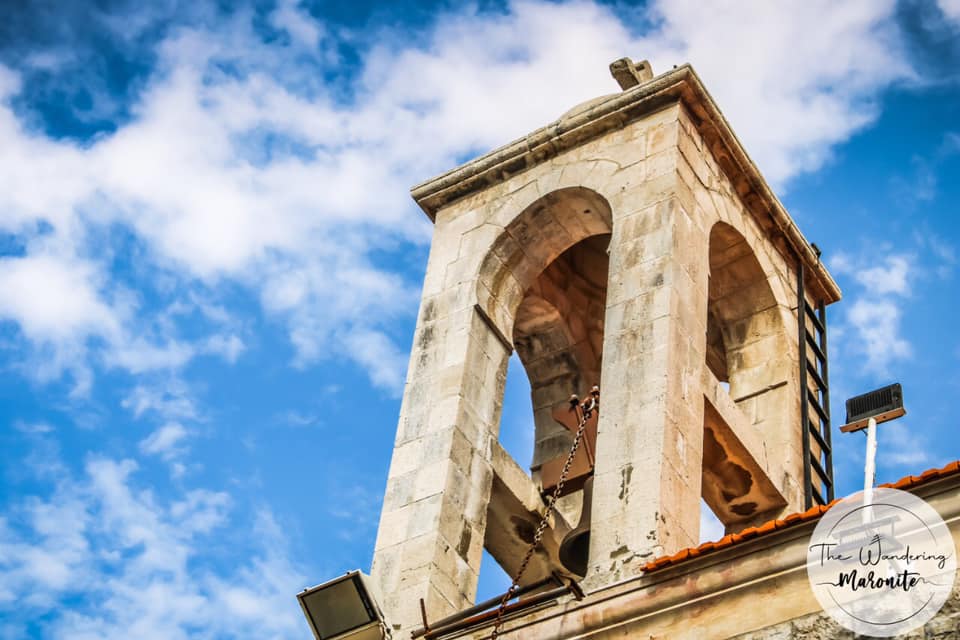
St Teddy Church, Qartaba, Lebanon

Other Details

مار تادي - قرطبا

1607

Qartaba

Jbeil

Mount Lebanon

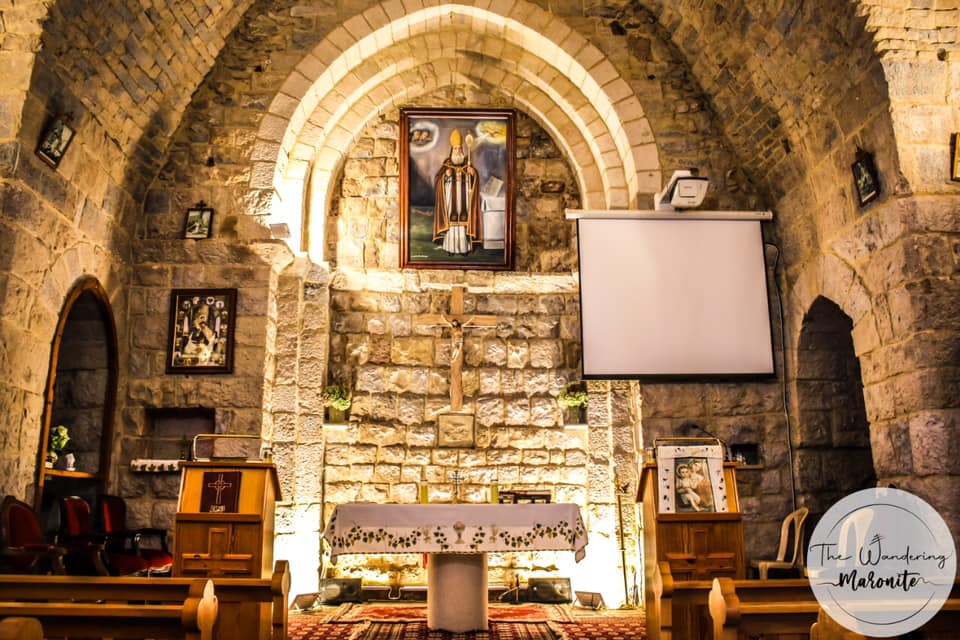
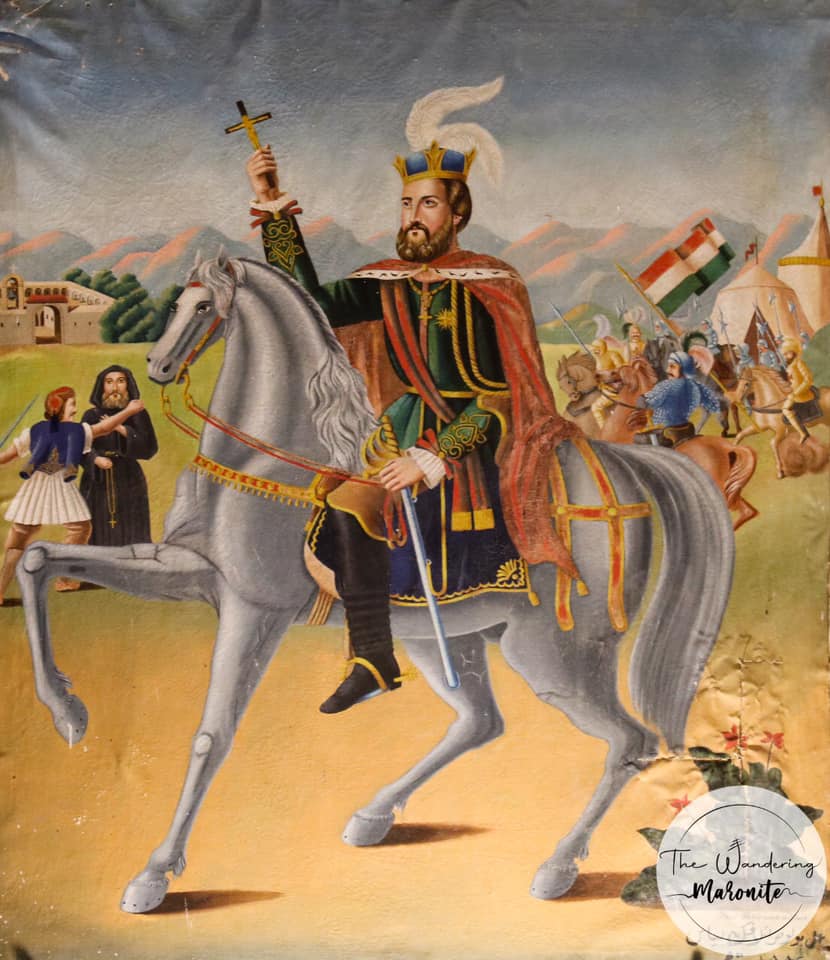
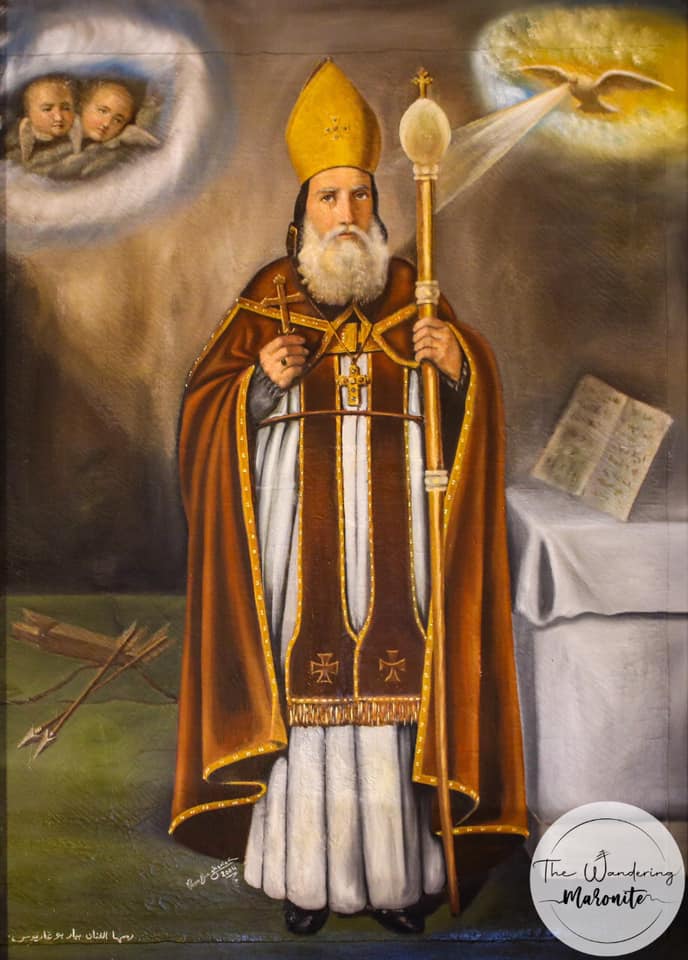
بنيت الكنيسة سنة ١٦٠٧ عندما نزح الخوري تادي وأولاده من بلاد الرها الى قرطبا ووهبهم الأرض لبنائها مشايخ آل حمادة. الكنيسة هي الوحيدة في لبنان على إسم مار تادي أي تدّاوس رسول آسية الصغرى وهو المعروف بمار لابا في سائر كنائس لبنان. أعيد بناء الكنيسة سنة ١٨٦٨. اللوحة الأساسيّة تعود لسنة ١٨٨٠ من عمل الرسّام داود القرم رُمّمت سنة ٢٠٠٤ وتُمثّل مار تادي بهيئة أسقف. وفي الكنيسة لوحة ثانية لمار شلّيطا من عمل الرسّام البولوني بولس شلافاك.‏The church was built in 1607 when the family of the priest Tedy came to Qartaba from Urfa. It was built upon a parcel of land that was donated by the Hamade sheikhs. It is the only church in Lebanon dedicated to St Tedy or Jude the apostle of Asia Minor. The other churches in Lebanon are usually dedicated to him under the name of apostle Leba. The church was rebuilt in 1868. The painting is the work of Dawoud Al Qorm dating back to year 1880 representing St Tedy as a bishop. It was restored in 2004. The church holds another painting by the polish painter Paul Shlavak and represents St Shalita (Artemius of Antioch) on his horse.

Visited 2375 times, 6 Visits today

Reviews are disabled, but trackbacks and pingbacks are open.

Related Listings

Lehfed – The monastery of St Sabas the hermit

Lehfed, Lebanon

دير مار سابا الناسك

Lehfed

Jbeil

Mount Lebanon

دير مار سابا الناسك - لحفد

هو دير قديم يعود لأوائل القرون الوسطى، لم يبقَ منه سوى الكنيسة. الكنيسة مبنيّة بعقدٍ سريريّ وحنيتين بمذبحين، على اسم السيّدة ومار سابا. على الجدران ماثلة بقايا جداريّات. إستُخدم الدّير كمركزٍ أسقفيّ في حبريّة البطريرك يوحنّا اللحفديّ. رُمّم أخيرًا سنة ٢٠١٠ بمناسبة تطويب الأخ اسطفان نعمه.

The monastery of St Sabas the hermit - Lehfed

An ancient ruined monastery that dates back to the high middle ages, with a church still standing. The church is a crib vault structure with a double apse and two altars dedicated respectively to the Madonna and St Sabas. Some traces of the frescoes can be noticed on the walls. The church was an episcopal residence during the pontificate of Patriarch John of Lehfed. The church was restored in 2010 with the canonisation of Blessed Estfan Nehme.

Obeidat – The church of St Eusebius

Saint Eusebius Church, Aabeidat, Lebanon

كنيسة مار أوسابيوس

Aabaydat

Jbeil

Mount Lebanon

كنيسة مار أوسابيوس - عبيدات

بُنيت الكنيسة الحاليّة سنة ١٨٨٩ بسعي الخوري يوسف نصر فوق مقامِ أقدم كان بدوره بُني مكان هيكلٍ وثنيّ ما زالت آثاره ظاهرة في البناء: وهي كناية عن حجرٍ يحوي كتابة يونانيّة وبعض الأعمدة. أمّا تسمية الكنيسة مار أوسابيوس فنادرة لأن الموارنة غالبًا ما نادوه بلقبه السريانيّ حوشب. تشتهر الكنيسة بوجود جحر للنذورات، فمار اوسابيوس شفيع المصابين بالثآليل. تضم الكنيسة لوحة محليّة لمار حوشب مجهولة الراسم.

The church of St Eusebius - Obeidat

The current church was built in 1889 under the mandate of Fr. Youssef Naser over an older shrine, that was built over a pagan temple with some of its ruins still visible: some columns and an epitaph with greek inscriptions. The dedication of the church to St Eusebius is unique because the maronites usually call him by his Syriac attribute Hawsheb meaning the wise one. The church is famous for being a pilgrimage site for people with warts. The church holds a local icon of the saint drawn by an unknown painter.

Kobayyat – The monastery of Chalita

Saint Challita church, Qatlabah, Lebanon

دير مار شليطا

Qbaiyat Aakkar

Akkar

Akkar

دير مار شليطا - القبيات

يقع الدّير في منطقة وادي حلسبان، في الأصل كان البناء معبدًا رومانيًّا للإله بان إله الرعيان والمواشي. حوّله الأهالي إلى كنيسةٍ بيزنطيّة على اسم القدّيس شليطا (أرتاميوس) شفيع الحيوانات والمواشي، إشارةً إلى تحوّلهم من الوثنيّة. بقي الدّير مُهملاً فترةً طويلةً، فآل إلى الخراب. خلال تسعينيّات القرن العشرين رُمّم الدّير، لكنّ الترميم أزال قسمًا كبيرًا من معالمه. أصبح الدّير اليوم مقصدًا للسيّاح ومحجًّا.

The monastery of Chalita - Kobayyat

The monastery is located in the valley of Helesban. The building was a roman temple dedicated to Pan the god of shepherds. The temple was converted into a church during the byzantine era and was dedicated to St Chalita (Arthemius) the patron saint of animals and heards. After the middle ages, the monastery fell into ruins for along time. The structure was restored in the last decade of the XXth century, yet the restoration destroyed many of the original elements. The monastery became a pilgrimage site.