
Qartaba – Our Lady of Herezmeny

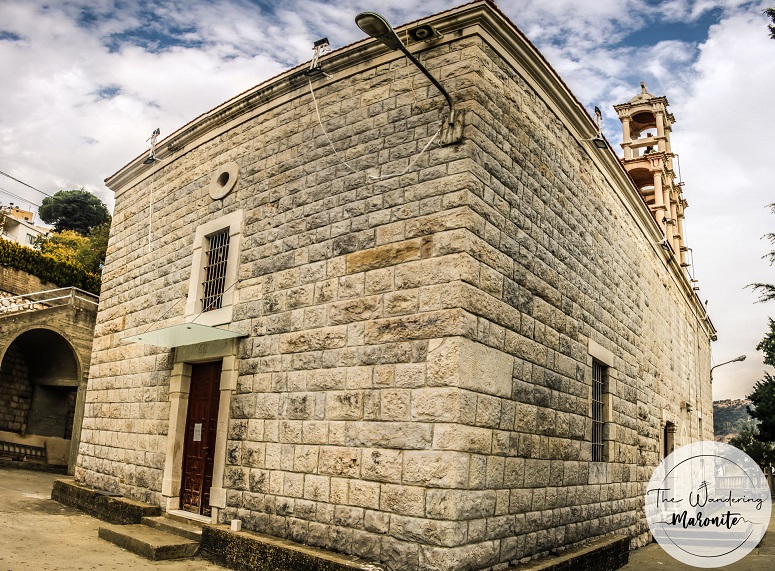
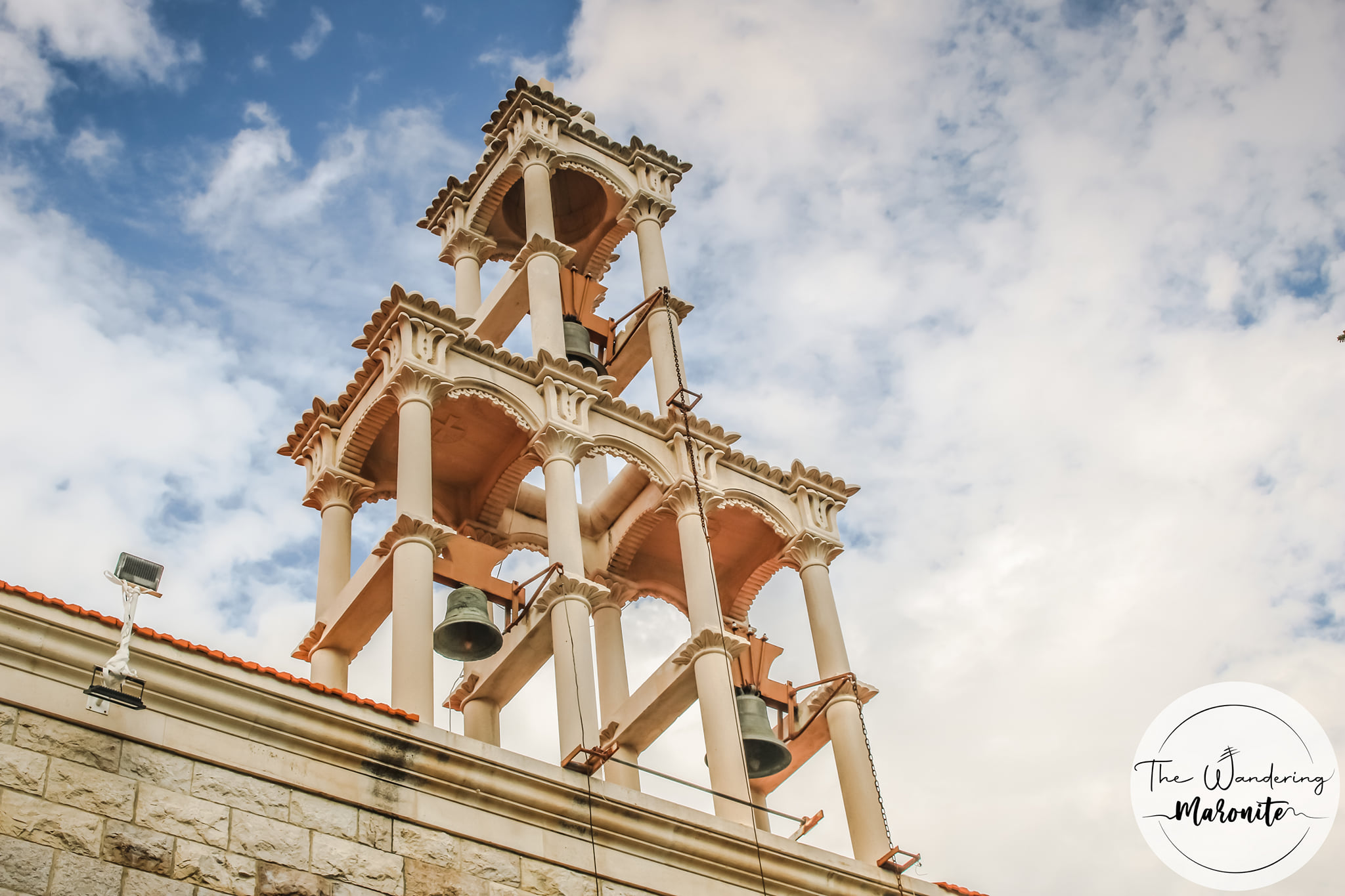
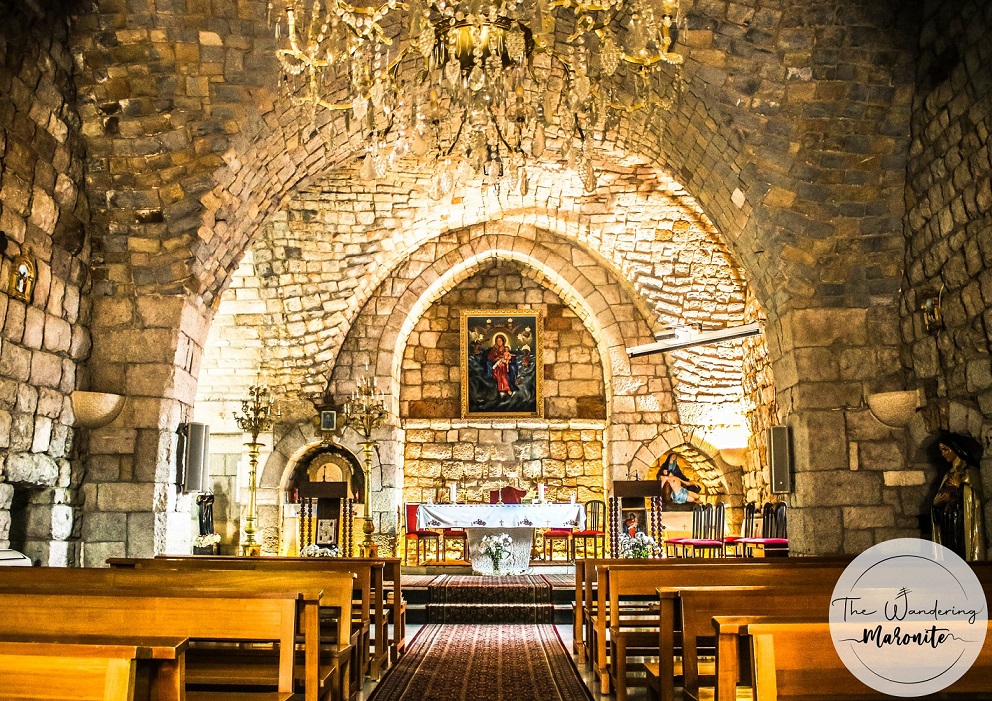
Our Lady Of Herezmeny Church, Qartaba, Lebanon

Other Details

كنيسة سيّدة الحرزمانة - قرطبا

1827

Qartaba

Jbeil

Mount Lebanon

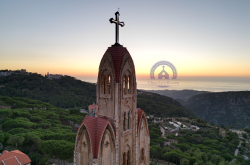
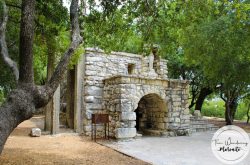
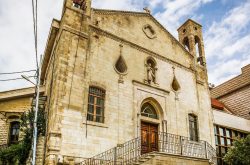
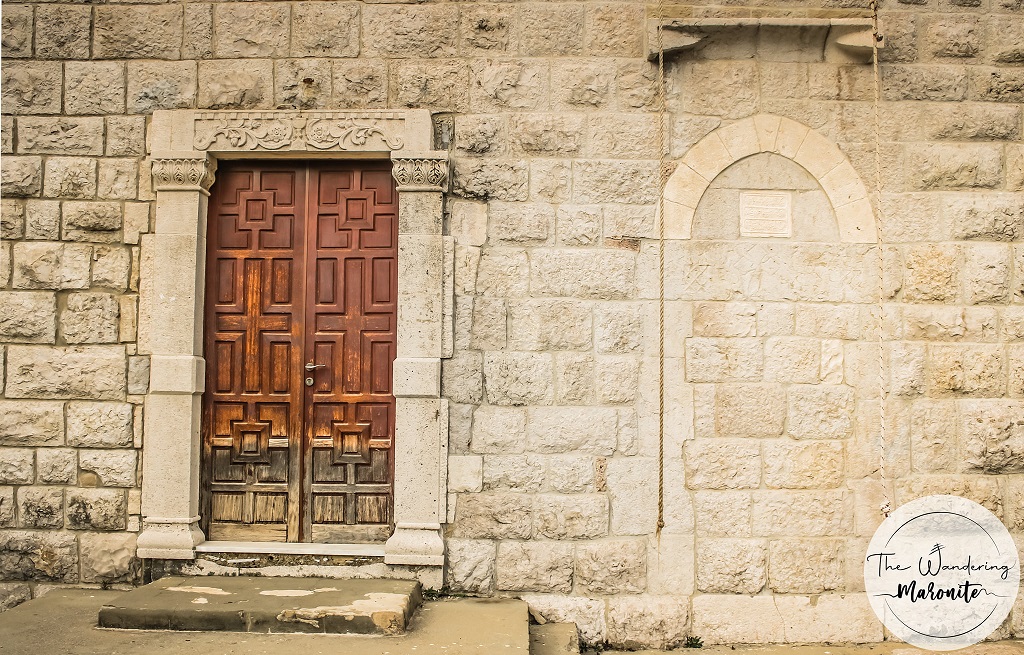
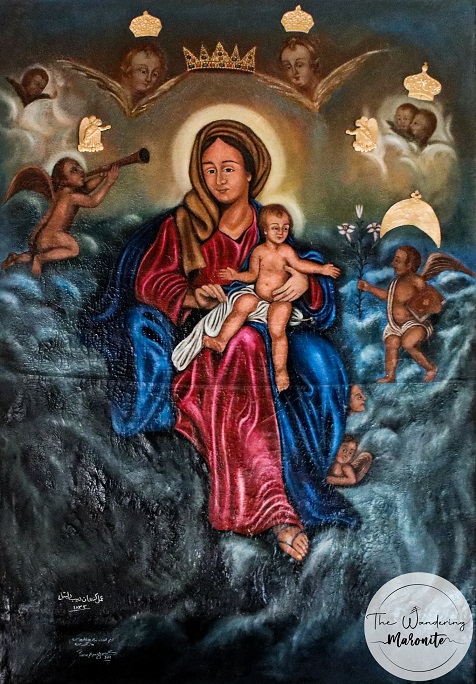
بنيت سنة ١٨٢٧ عندما نزح آل كرم من يانوح الى قرطبا وطلبوا بناء كنيسة من مشايخ آل حمادة الذين أذنوا بناء كنيسة في الحرزمانة أي في المكان عينه حيث جرى الوفاق حيث كانت توجد بقايا رومانيّة. وبُنيت بالعونة بين أهالي قرطبا. بُنيت الكنيسة على مرحلتين وتصالبت أسواق العقد بشكل L وأُلغي الباب القديم أواخر القرن التاسع عشر. اللوحة من عمل كنعان ديب الدلبتاوي سنة ١٨٣٢. The church of Our Lady of Herezmeny - QartabaThe church was built in 1827 when the Karam family moved from Yanouh to Qartaba. The family made a deal with the sheikhs of the Hamade family to build a church in the Herezmeny land where stood some roman ruins. The church was built with the villagers' voluntary work and effort. In the late 19th century a vault was added to the main building that ended up with an L shape. The painting is the work of Kanaan Dib and dates back to 1832

Visited 3194 times, 1 Visit today

Reviews are disabled, but trackbacks and pingbacks are open.

Related Listings

Kousba – Hamatoura Monastery

Hamatoura Monastery, Karm Saddeh, Lebanon

دير رقاد السيدة - حمطورة

Kousba

Koura

North

On the northern side of the village of Kousba, is the monastery of Our Lady of Hamatoura, built in the rocky hollow of a high cliff which overlooks the holy valley of Kadisha. Hamatoura is 84km from Beirut.

The church of Saint Jacob is the most ancient part of the monastery, belonging to the 4th century, while a large cross from the 7th century rises above the outer doorway. Some quite well preserved frescoes dating back to the middle ages cover the walls of the church, one of which shows the Holy Virgin, Queen of Heaven, seated on a throne with the Child Jesus on her knees.

Near the monastery are two venerable churches, one dedicated to Saint Michael and the other to Saint John the Baptist. On the top of the hill one can see the church of St. George. Close by the monastery is a rocky cave where one may perceive the base of a stalagmite, where barren women come to pray in the hope of bearing a child, for this grotto was dedicated to the pagan goddess of fecundity.

Late in the 13th century, at Our Lady Monastery in Hamatoura, Saint Jacob began his ascetic life. Later, when the monastery was destroyed by the Mamlukes, he reestablished monasticism along the perimeter of the ruined monastery. In time, he rebuilt the monastery, regenerating and giving renewed vigor to monastic life in the area. His spiritual briskness, vivacity, and popularity among believers drew the attention of the Mamelukes who set their minds to stop his verve and determination and force him to convert to Islam. He stubbornly refused their relentless pressures. The Mamlukes killed him and burned the church. Today, believers and pilgrims are constantly reporting his apparitions, miraculous healings and other Grace-filled deeds.

Amioun – The church of St Focas

Saint Phocas Antique Church, Amioun, Lebanon

كنيسة مار فوقا

Amioun

Koura

North

كنيسة مار فوقا – أميون
كنيسة مار فوقا كنيسة أرثوذكسيّة تعود الى العهد الصليبيّ. شُيِّدت فوق معبد وثنيّ فوقه كنيسة بيزنطيّة تعود الى القرن السابع. الكنيسة بازيليكيّة، بثلاثة أروقة. تحوي الكنيسة جداريّات بيزنطيّة، تُمَثِّل السيد المسيح والعذراء مريم والرُسُل والقدّيسين، منهم مار فوقا ومار سمعان. دُفن في هذه الكنيسة قائد الجيش البيزنطيّ موريق، الذي أرسله الامبراطور يوستينيانوس لِقَمع تَمَرُّد الموارنة، وقتل في المواجهة التي حدثت في أميون بين الفريقين سنة ٦٩٤.

The church of St Focas - Amioun

The church of St Focas is a Greek Orthodox church built during the times of the Crusades, over a VIIth century Byzantine church built over a Roman temple. The church is basilical with three naves. It is decorated with medieval frescoes depicting Christ, the Theotokos, Apostles and other saints. In this church is buried the Byzantine commander Moricius sent by emperor Justinian to quell the Maronite’s revolt in 694, and died in the battle of Amioun.

Smar Jbeil – Fortress (Citadel)

Smar Jbeil Citadel, Smar Jbeil, Lebanon

قلعة سمار جبيل

Smar Jbayl

Batroun

North

على تلة مشرفة في البلدة ترتفع قلعة عسكرية حصينة. وتعلو القلعة حوالى 500 متر عن سطح البحر ويعود تاريخ بنائها الى ملوك جبيل الفينيقيين الذين اشتهروا بالقصور والقلاع المنحوتة بالصخر، ثم سكنها ملك بابل “بختنصر”. وثمّة تماثيل رومانيّة بأوشحتها المعروفة تدلّ على أنّ الرومان احتلوها وبنوا فيها هيكلًا بأعمدة ضخمة بقاياها مشتتة في نواح عدة من سمار جبيل، وفي الحائط الجنوبي لكنيستها الأثرية. وقد بنى فيها الرومان أيضًا مسرحًا يدعى الراميّة، وهو مفروش بالإسمنت القديم، كما بنوا معاصر موجودة في الجنوب الغربي من القلعة. في القلعة خندق منحوت في الصخر يُملأ بالمياه لمنع دخول الغزاة، وبرج مراقبة وطاقات لفوانيس.
في التقليد القديم يُروى ان مار لوجيوس وهو شفيع العيون والمعروف لدى السريان بمار نوهرا، قصد بلاد البترون للتبشير، ونال اكليل الشهادة بقطع الرأس ورميه في أحد آبار هذه القلعة بالذات. هذا البئر مازال مقصودًا الى اليوم للتبرك بمائه العجائبي الشافي لأمراض العيون.
كذلك يذكر تقليد آخر ان مار يوحنا مارون قصد القلعـة، يوم تعيينه أسقـفًا على البترون سنة 676، واختارهـا حصـناً له بعـد خراب دير مـار مارون في سوريا. ولمّا أصبـح بطريركـًا سنة 685 نُقل مقـرّه الى كفرحي وبنى فيها ديرًا.
بعد سقوط الامبراطورية البيزنطية، تعاقب على القلعة العرب والصليبيون، وأتى بعدهم المماليك ثم العثمانيون. الحكام اللبنانيون قديماً كان لهم نصيب في هذه القلعة، حيث سكنها الشيخ أبو نادر الخازن الذي ولّاه الأمير فخر الدين على مقدّمي البلاد.

Built by the phonecian kings of Byblos on a hill overlooking the coastline, the castle was used by the Babylonian king Baktensar. Later on in the classical period, the romans built a temple inside of it with a large atrium, nowadays the columns of the atrium are scatered all around the village and in the walls of the historical church. The romans also built a theater, and a winery in the western side of the castle. A watch tower and a protective water trench were added in the late classical period for protection.
According to tradition St Logius the patron saint of eye illness, also known as Nohra in the Syriac world, preached in the lands of Batroun. He was sentenced to death during the Diocletian persecution by beheading in the castle patio. His head was thrown in a well nearby, still visited for its miraculous eye healing waters.
According to another tradition, the first Maronite patriarch St John Maroun, and when he became bishop of Batroun in 676, resided in the castle after the devastation of the monastery of St Maroun on the Orontes in Syria. After he was elected patriarch in 685 he moved again to Kfarhay where he built a new monastery.
After the fall of the Byzantine empire the castle was occupied by the Arabs, the Crusarders, the Mamluks and the Ottomans. During the reign of prine Fakhredyn the Second, the first Christian regent of the land Aby Nader Al khazin took hold of the castle and made it his headquarter.