
Qannoubine valley – St Marina’s Grotto

St. Marina the Monk, Wadi Qannoubine, Lebanon

Other Details

مغارة القدّيسة مارينا

Ouadi Qannoubine

Bcharre

North

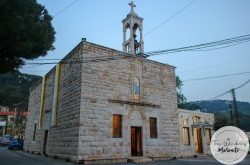
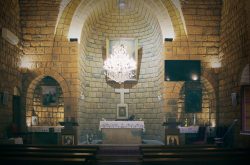
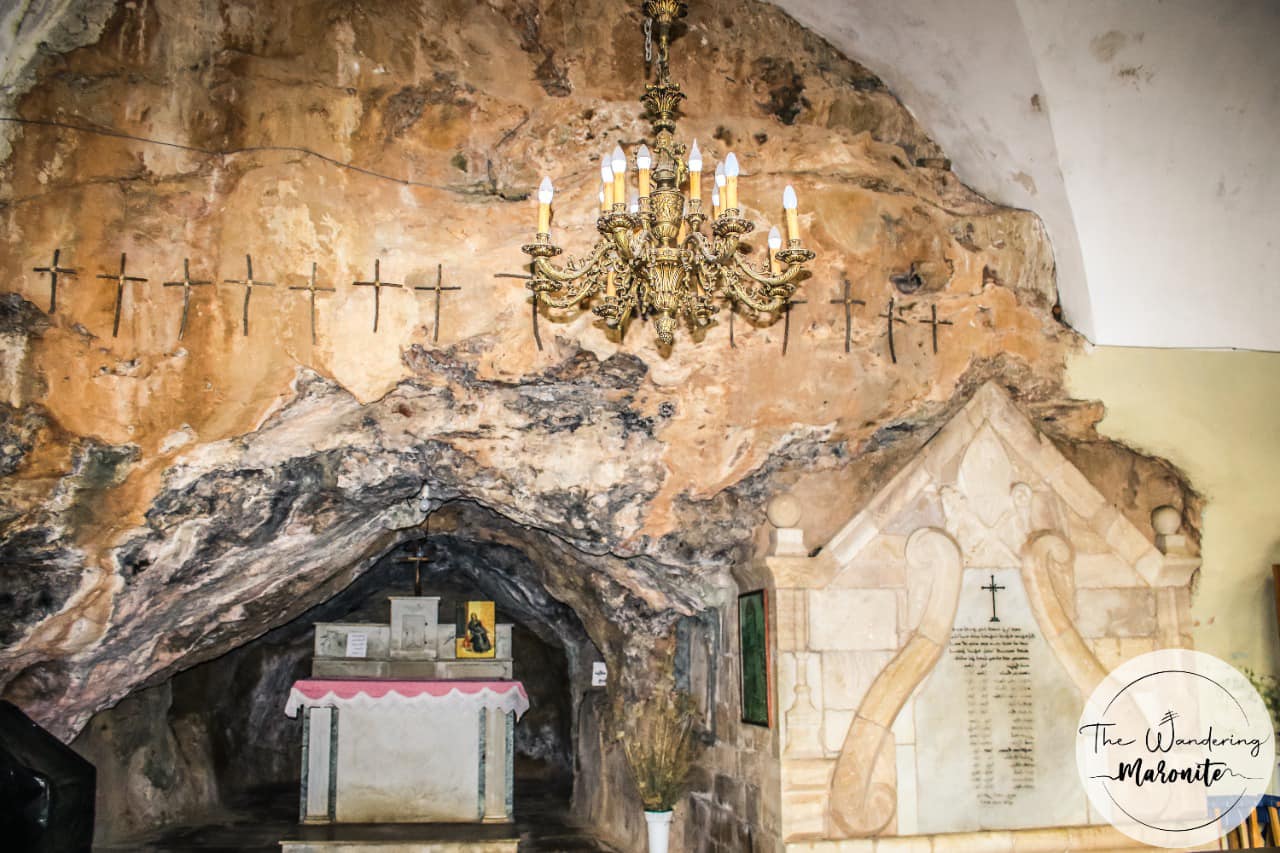
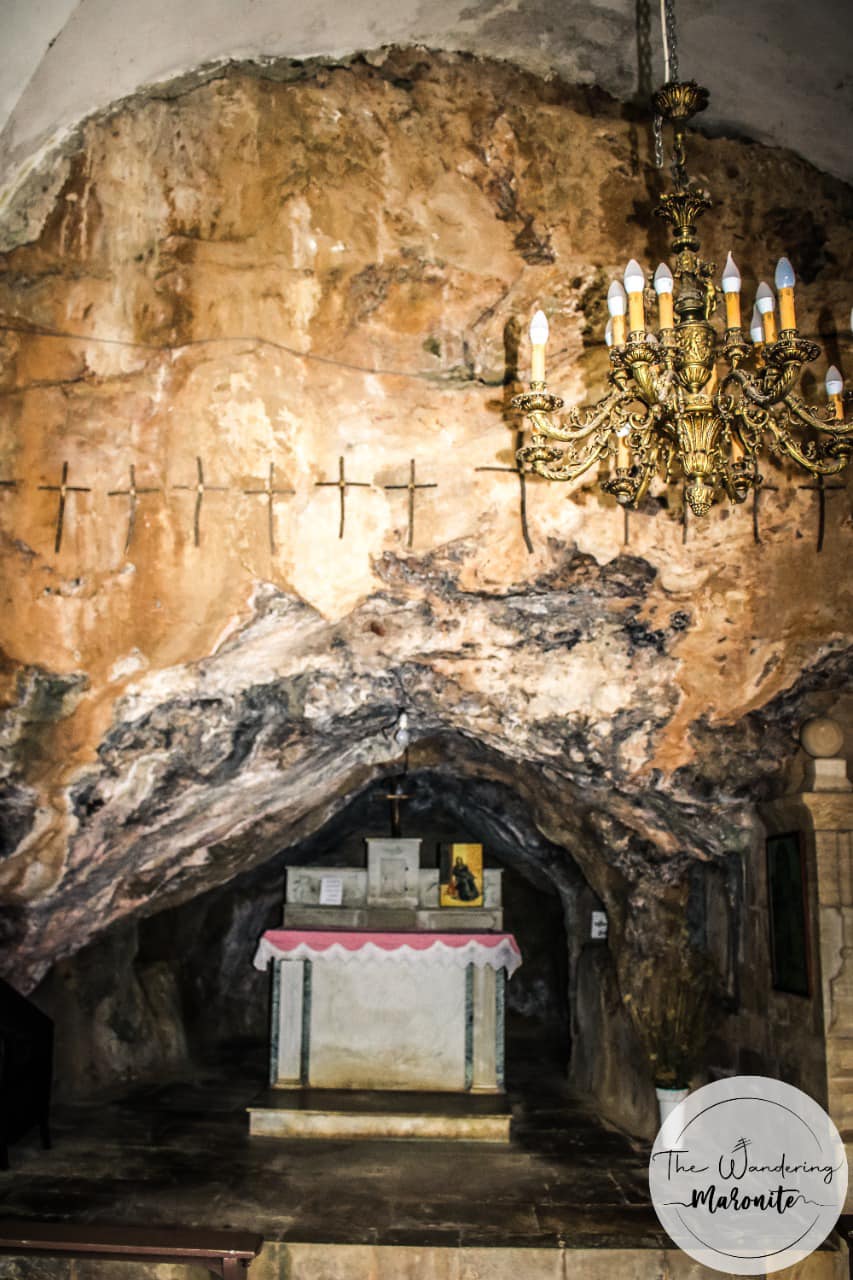
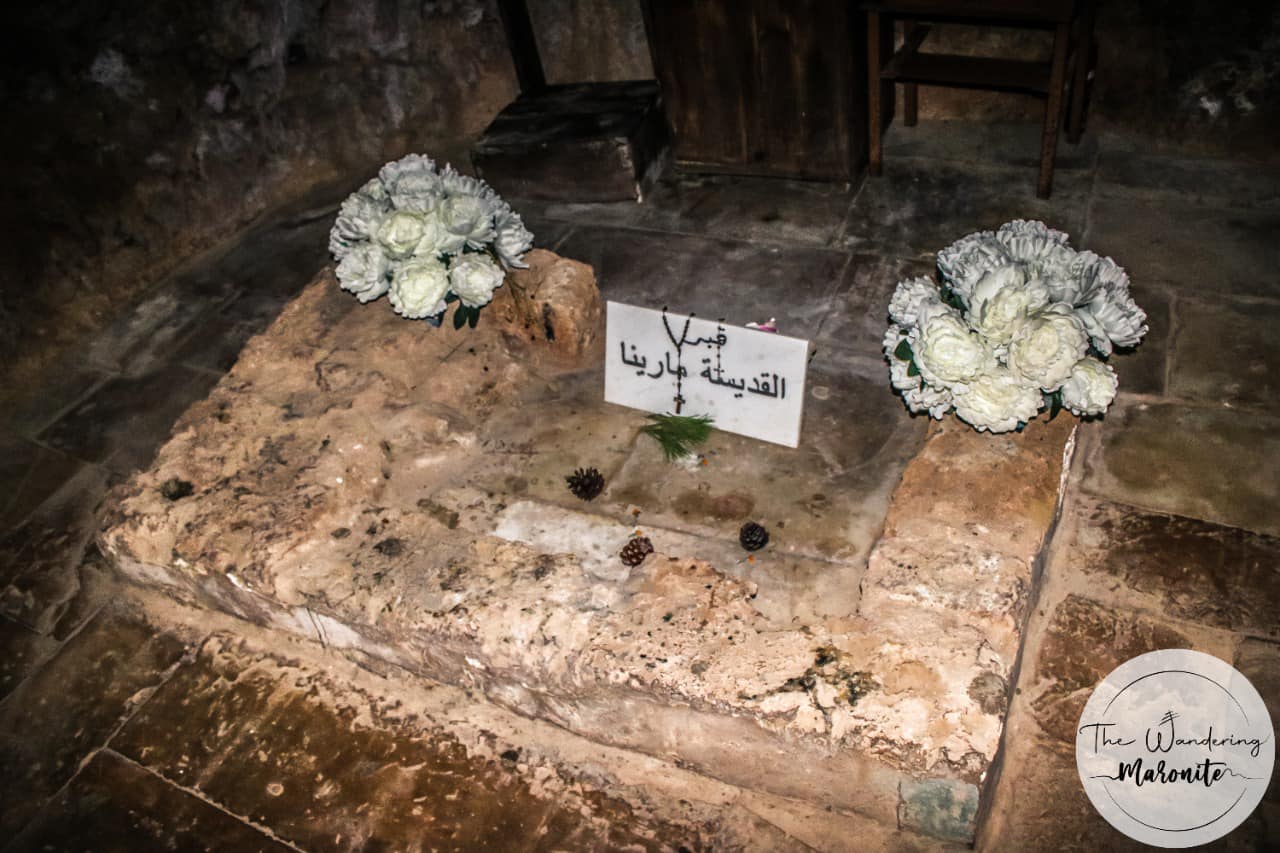
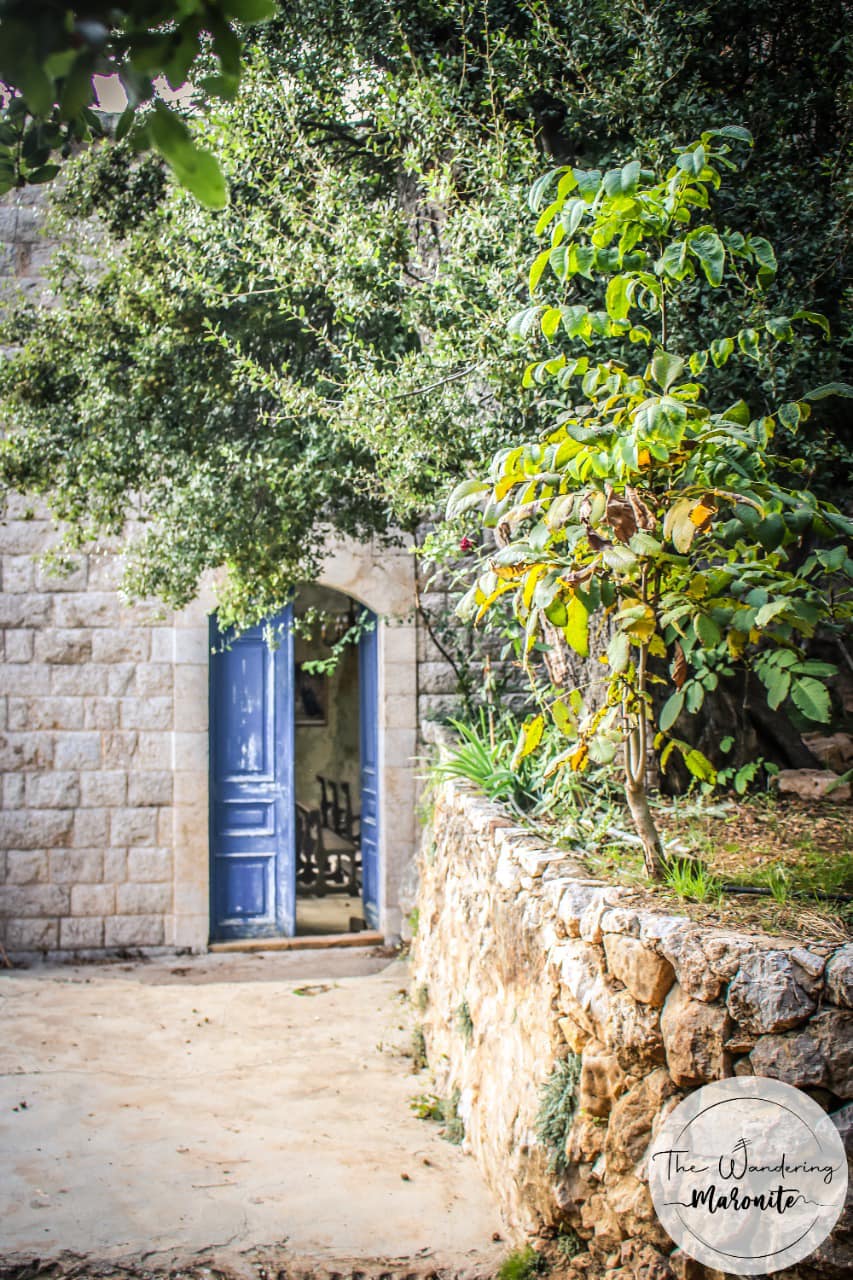
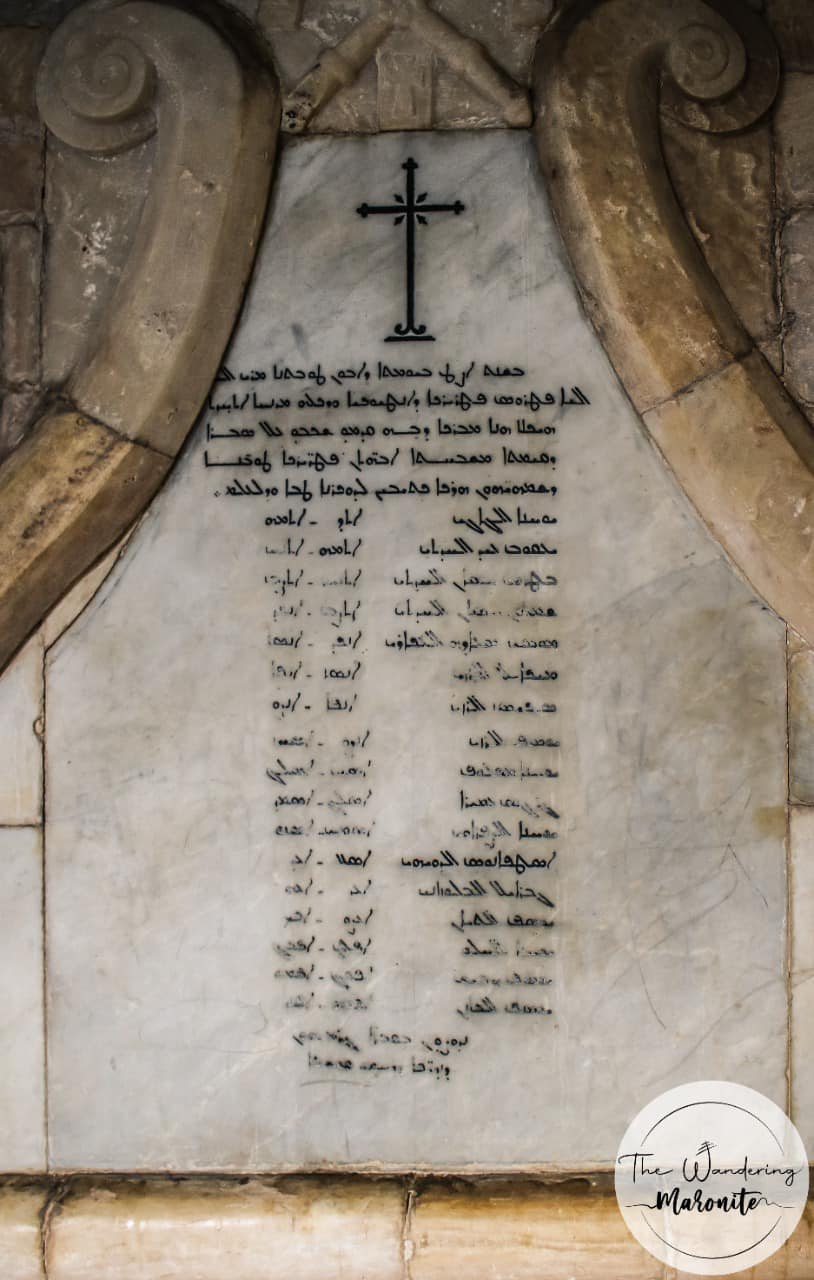
مغارة القدّيسة مارينا - وادي قنّوبينبالأصل هذه المحبسة مغارة طبيعيّة بقرب دير قنّوبين، قصدها الحبساءللخلوة. الى هذه المغارة لجأت القديسة مارينا والولد اللقيط الذي ربّته واهتمّت به بعد طردها من الدّير، وفيها ماتت ودفنت. بحسب البطريرك الدويهيّ أخذ الصليبيّون جثمانها الى البندقيّة وبقيت يدها اليسرى في المغارة. أصبحت هذه المغارة محجًّا ومدفنًا لسبعة عشر بطريركًا سكنوا في دير قنّوبين، من يوحنّا الجاجيّ الى يوحنّا الحلو. سنة ١٩٠٩ خلال حبريّة البطريرك الياس الحويّك ، رُمّم المدفن، وبنيت للمغارة واجهة حجريّة، ووضع في داخله مذبح رخاميّ جديد.St Marina’s Grotto - Qannoubine valleyThe cave was a hermitage dependent of the monastery of Qannoubine. In this cave St Marina took refuge with the bastard child she raised after her unfair expulsion from the monastery. She was buried in the same cave that became a pilgrimage site. The Crusaders transferred her relics to Venice leaving only her left hand in the cave according to patriarch Douweihy. The cave became the patriarchal necropolis, a total of 17 patriarchs were buried there from John of Jaj to John El Helou. In 1909 during the pontificate of Patriarch Elias Howayek the necropolis was restored, a stone facade was built to the west, and a new marble altar was brought in.

Visited 6928 times, 2 Visits today

Reviews are disabled, but trackbacks and pingbacks are open.

Related Listings

Aqoura – The church of Sts Peter and Paul

Saint Peter and Paul, Aaqoura, Lebanon

كنيسة مار بطرس وبولس

Aaqoura

Jbeil

Mount Lebanon

كنيسة مار بطرس وبولس - العاقورة

الكنيسة عبارة عن مغارة كانت مدفنًا لكهنة أدونيس وتحوي عدّة نواويس، وثلاث اعمدة تنضح الماء كانت قديمًا لنذور العواقر. وثّق المغارة العالم إرنست رينان والمفوّضيّة السّامية الفرنسيّة، لكنّ العديد من معالم المدفن خرّبت جرّاء البحث عن الطمائر. على الجدار الشرقيّ داخل الكنيسة كتابة منقوشة باللغة السريانيّة وهي مختلفة من حيث الاسلوب، لأنّها منقوشةٌ بشكلٍ عاموديٍّ وليس افقياً. وقد فسّر علماء الآثار هذه الظاهرة أنّه في القرن السابع للميلاد زمن الامويّين ذهبت بعثات نسطوريّة الى الصين. وهذا ما يفسّر الاسلوب العامودي في الكتابة الآراميّة المنقوشة، فهؤلاء تأثروا بالكتابة الصينيّة العاموديّة كالكتابات السريانيّة في شيان التي تعود للحقبة نفسها. رمّم المذبح سنة ١٨٩٥، والواجهة الأماميّة سنة ١٩٥٢.

The church of Sts Peter and Paul - Aqoura

The church was a funerary cave for the priests of Adonis, it holds many sarcophaguses and three columns that pour water. The cave was studied by Ernest Renan and the archeologists of the French high commissariat. The church holds a VIIth century Syriac calligraphy that is distinct since it was written vertically, which relates to the Nestorian monks who went to missions during the Umayyad era and reached China. There they were influenced by the mandarin calligraphy and began writing Syriac in this manner. The stella of Xian uses the same type of writing and dates back to that era. The church was plundered by tomb raiders, the high altar was restored in 1895, and the entrance in 1952.

Bteden Al-Laqsh – The Church of St Joseph

Saint Joseph Church, Bteddine El Loqch, Lebanon

كنيسة مار يوسف

Btedine El-Leqch

Jezzine

South

كنيسة مار يوسف - بتدين اللقش

بنيت الكنيسة الأولى أوائل القرن التاسع عشر وكانت صغيرةً تعرضت للتخريب بعد حوادث سنة ١٨٦٠. سنة ١٨٧٠ بُنيت الكنيسة الحاليّة بشكل عقدٍ مُصالبٍ. تضمّ الكنيسة لوحتين الأولى للعائلة المقدّسة وهي أيقونة من المدرسة الأورشليميّة تعود لأواسط القرن التاسع عشر أمّا الثانية فهي لوحة غربيّة من أوائل القرن العشرين.

The Church of St. Joseph- Bteden Al-Laqsh

The Church of St. Joseph in Bteden Al-Laqsh has a rich history dating back to the early XIXth century. The original church was constructed in the first half of the 1800s but was unfortunately vandalized during the events of 1860. In response, a new church was constructed in 1870 with a cross-vaulted architectural style. Today, the church is known for its stunning interior, which contains two significant paintings. The first is an icon of the Holy Family from the Jerusalemite school, dating back to the mid-XIXth century. The second is a classical painting from the early XXth century.

Qsaibeh – Our Lady of Deliverance

St Mary Church, Qsaybeh, Lebanon

كنيسة سيّدة النجاة القصيبة

1883

Qsaibeh Baabda

Baabda

Mount Lebanon

دُشّنت كنيسة سيّدة النجاة-القصيبة في عيد السيّدة سنة ١٨٨٣ بسعي وهمّة الخوري بطرس زيدان. تحتوي هذه الكنيسة على ثلاثة رسومات قيّمة لشفيعة الرعيّة (رسم داود القرم، ١٨٩٤) عليها كتابة: "من وجدني وجد الحياة ونال مرضاة الربّ" (أمثال ٨ /٣٥)، ومار مارون (رسم حبيب سرور، ١٩٢٣)، ومار بطرس(رسم جرجس عبدالله أبو جودة، ١٩١١).
من الملفت وجود عين العناية الإلهية على بيت القربان، رمزًا قّل استخدامه بعد منتصف القرن التاسع عشر في الفن المسيحي بعدما أخذ دلالةً ماسونيّةً.
رُمّمت الكنيسة في القرن الماضي وأُعيد تدشينها وتكريس المذبح الجديد في عيد السيّدة سنة ١٩٧٤.
Our Lady of Deliverance Church Qsaybeh
The church was consecrated on the feast of Assumption of Mary year 1883 with the efforts of Father Boutros Zeidan. Three main paintings are hung in the three apses. On the main apse, stands that of the Assumption of the Lady, painted by Dawoud El Qorm in year 1894, with the verse :"For whoever finds me finds life, and wins favor from the Lord" (Proverbs 8: 35) written below the virgin. On the side apses, one can find a painting that depicts Saint Maroun drawn by Habib Srour in 1923, and another one depicting Saint Peter, a work by Gerges Abdallah Abou Jaoudeh, year 1911.
What is remarkable is the presence of the Eye of Providence on the tabernacle, a symbol that was rarely used after the mid 19th century in Christian art for its relation with the Masonry.
The Church was renovated in the past century, and the Altar was reconsecrated on the feast of the Assumption of the Lady year 1974.