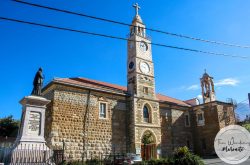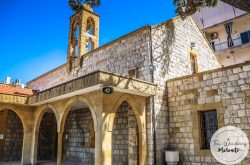

Qannoubine valley – St Marina’s Grotto

St. Marina the Monk, Wadi Qannoubine, Lebanon

Other Details

مغارة القدّيسة مارينا

Ouadi Qannoubine

Bcharre

North

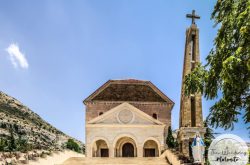
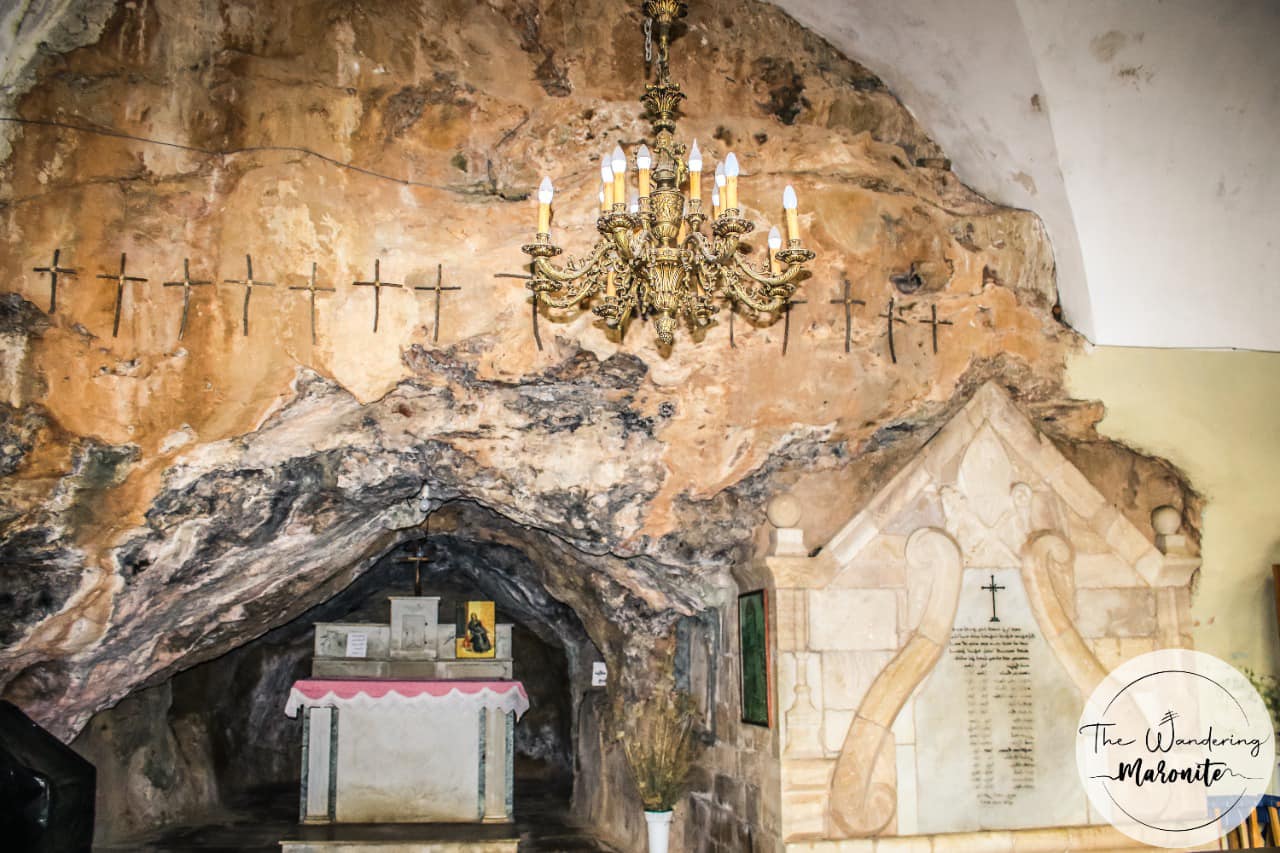
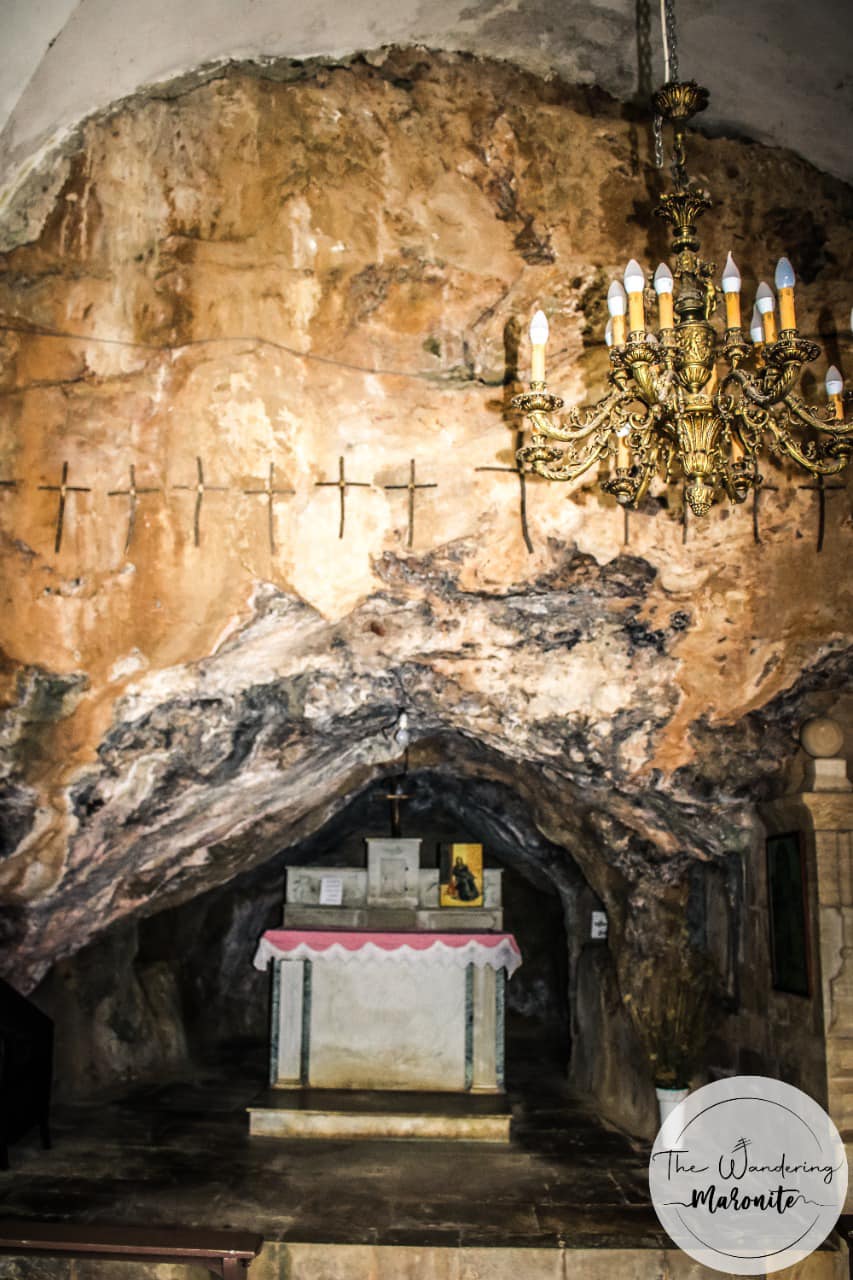
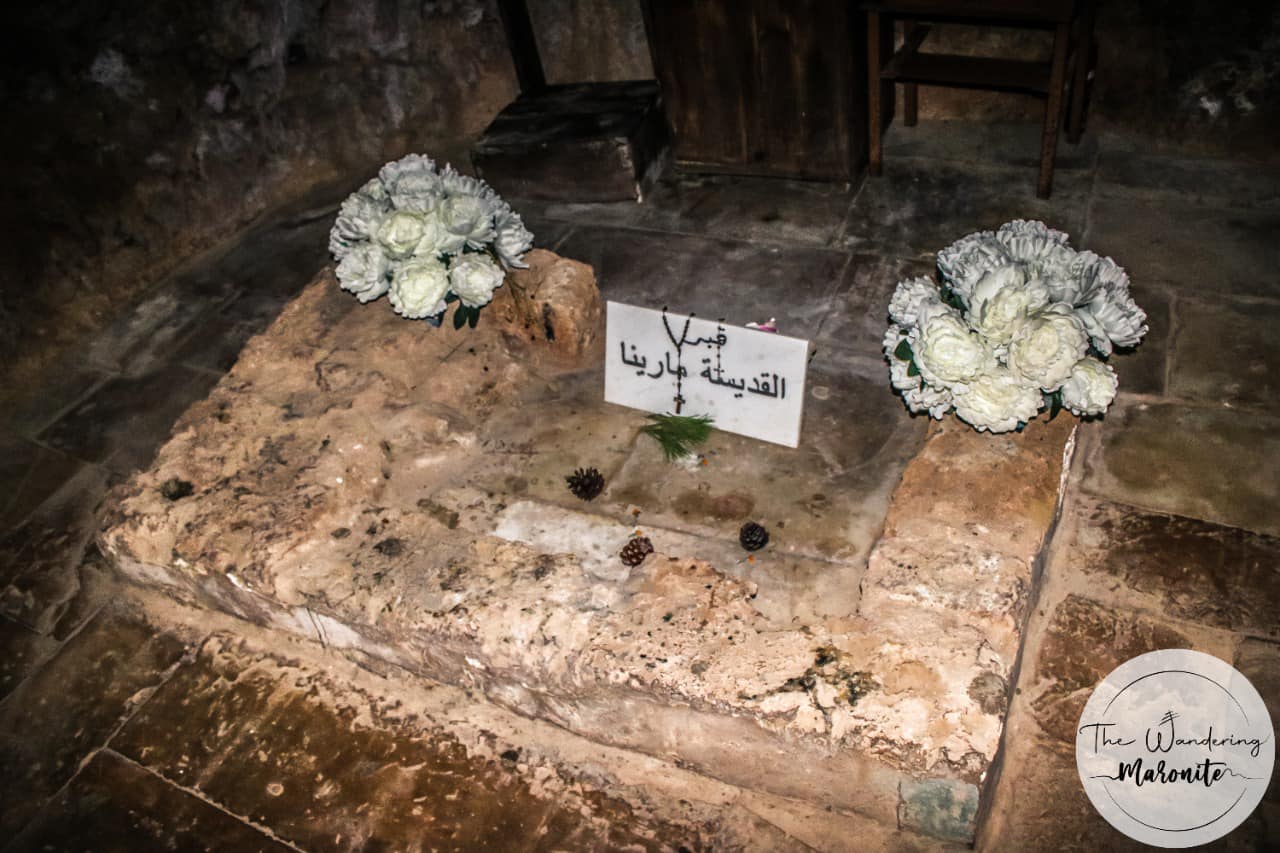
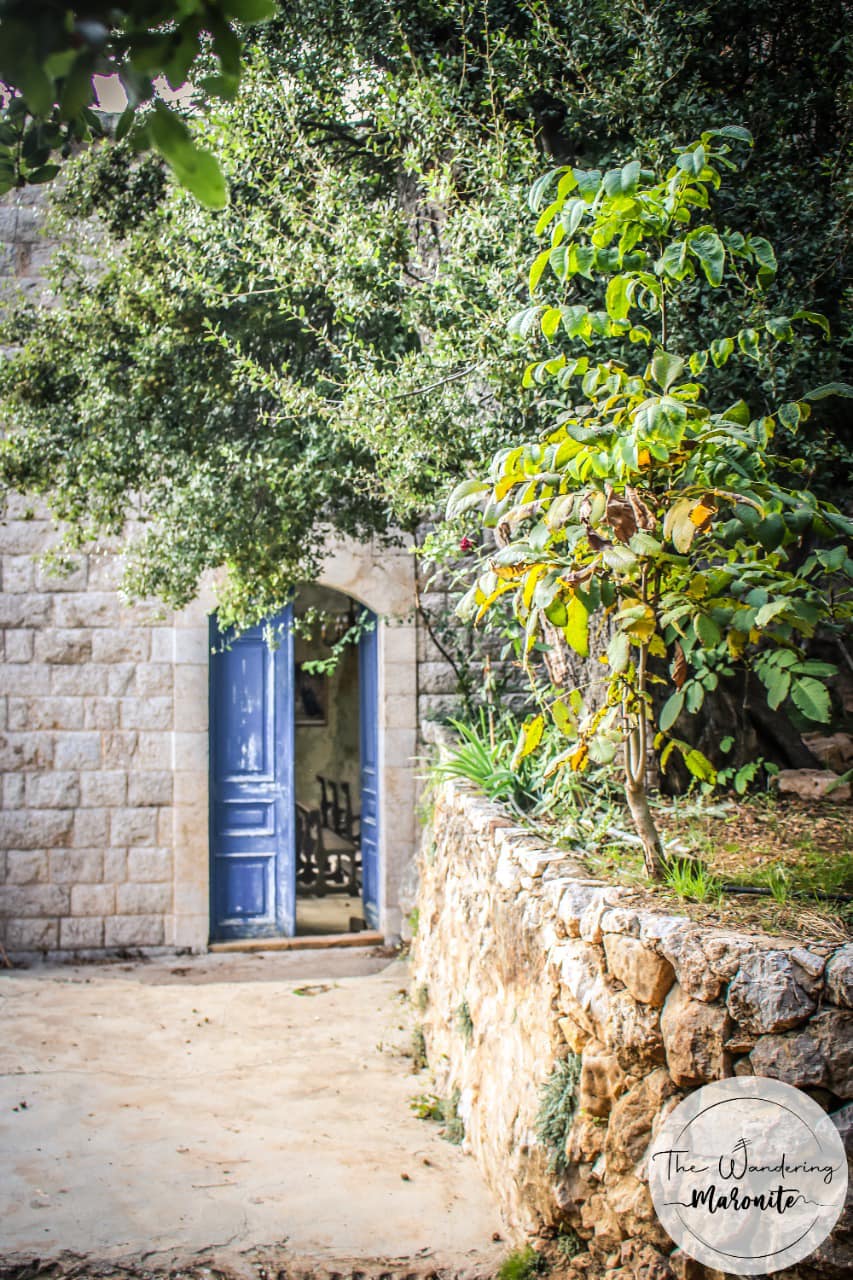
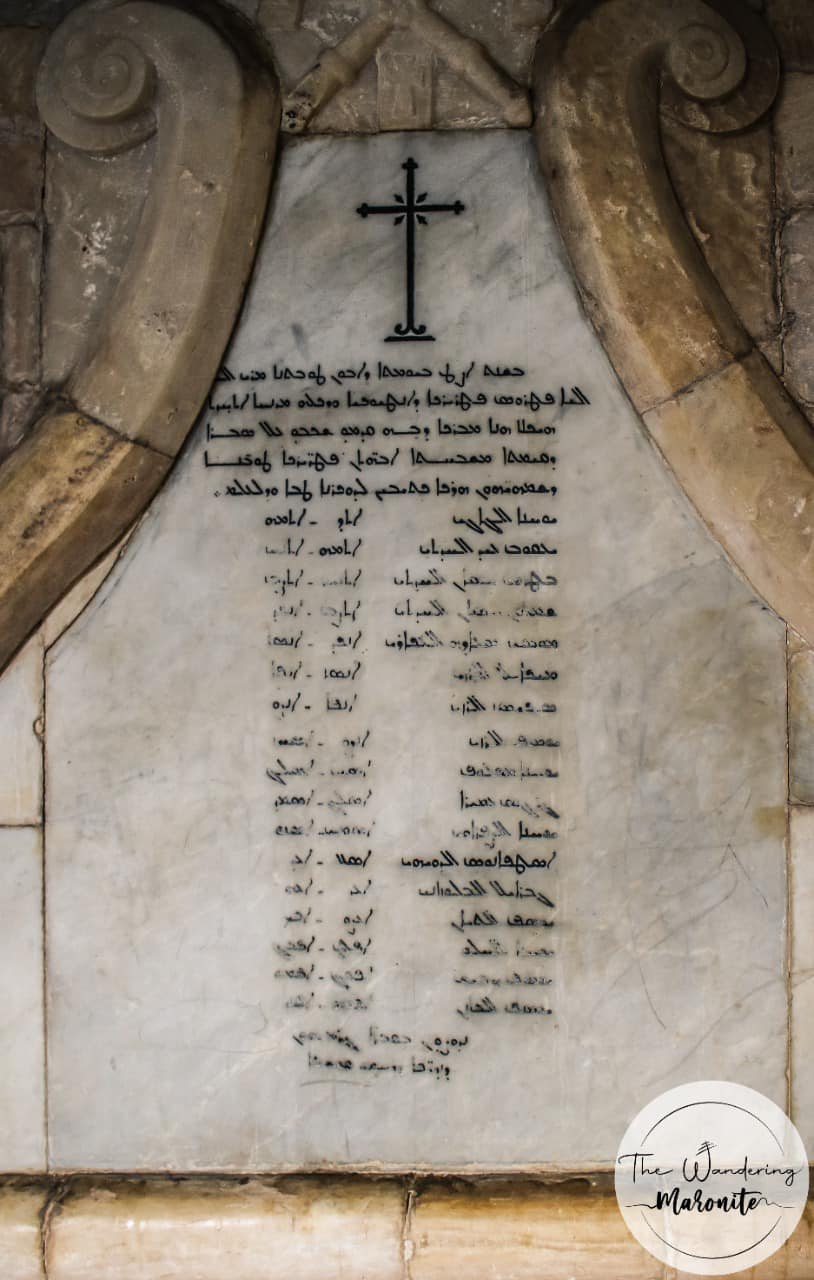
مغارة القدّيسة مارينا - وادي قنّوبينبالأصل هذه المحبسة مغارة طبيعيّة بقرب دير قنّوبين، قصدها الحبساءللخلوة. الى هذه المغارة لجأت القديسة مارينا والولد اللقيط الذي ربّته واهتمّت به بعد طردها من الدّير، وفيها ماتت ودفنت. بحسب البطريرك الدويهيّ أخذ الصليبيّون جثمانها الى البندقيّة وبقيت يدها اليسرى في المغارة. أصبحت هذه المغارة محجًّا ومدفنًا لسبعة عشر بطريركًا سكنوا في دير قنّوبين، من يوحنّا الجاجيّ الى يوحنّا الحلو. سنة ١٩٠٩ خلال حبريّة البطريرك الياس الحويّك ، رُمّم المدفن، وبنيت للمغارة واجهة حجريّة، ووضع في داخله مذبح رخاميّ جديد.St Marina’s Grotto - Qannoubine valleyThe cave was a hermitage dependent of the monastery of Qannoubine. In this cave St Marina took refuge with the bastard child she raised after her unfair expulsion from the monastery. She was buried in the same cave that became a pilgrimage site. The Crusaders transferred her relics to Venice leaving only her left hand in the cave according to patriarch Douweihy. The cave became the patriarchal necropolis, a total of 17 patriarchs were buried there from John of Jaj to John El Helou. In 1909 during the pontificate of Patriarch Elias Howayek the necropolis was restored, a stone facade was built to the west, and a new marble altar was brought in.

Visited 5420 times, 7 Visits today

Reviews are disabled, but trackbacks and pingbacks are open.

Related Listings

Karm Saddeh – Saint Jacob Monastery and Saint Anthony Padua Church

Saint Jacob Monastery (Couvent Saint Jacques), Karm Saddeh, Lebanon

دير مار يعقوب وكنيسة مار أنطونيوس البادوانيّ

Karm Saddeh

Zgharta

North

دير مار يعقوب وكنيسة مار أنطونيوس البادوانيّ – كرم سدّه

الدير كان قديمًا هيكلًا وثنيًّا رومانيًّا. تاريخ البناء الأوّل مجهول. سكنه اليعاقبة وتركوه في القرن الخامس عشر فأصبح خرابًا. جدّده عام ١٨٣٧ المطران بولس موسى رئيس أساقفة طرابلس لجعله كرسيًّا أسقفيًّا ومدرسة إكليركيّة لـمار أنطونيوس البادوانيّ، الذي على اسمه شُيّدت الكنيسة. عام ١٨٨٤ شيّد المطران إسطفان عواد الجهة الشرقية وجدّد عام ١٨٧٩ الإكليركيّة. عام ١٩١٢ وسّعه المطران أنطون عريضة، لكنّ الإكليريكيّة أغلقت أبوابها مع الحرب العالميّة الأولى إلى أن عادت لتفتح أبوابها سنة ١٩١٩. زارها عام ١٩٢٠ المفوّض السامي الفرنسي الجنرال غورو . شيّد المطران أنطون عبد عام ١٩٦٠ قسمًا جديدًا من الدير، وعام ١٩٩٦ بُني البناء الجديد. ضمّ هذا البناء سنة ١٩٩٨ كليّة العلوم اللاهوتية والدراسات الرعائية في الجامعة الأنطونيّة، بسعي المطران يوحنّا فؤاد الحاج.

Saint Jacob Monastery and Saint Anthony Padua Church - Karm Saddeh

The monastery was originally an ancient Roman pagan structure. The exact date of its initial construction is unknown. It was inhabited by the Jacobites and abandoned in the 15th century, falling into ruins. It was renovated in 1837 by Archbishop Paul Moussa, the head of the Archdiocese of Tripoli, to serve as an episcopal see and a seminary for Saint Anthony Padua, after whom the church was named. In 1884, Archbishop Estephan Awwad constructed the eastern side and renovated the seminary in 1879. In 1912, Archbishop Antoine Arida expanded it further, but the seminary closed its doors during World War I and reopened in 1919. It was visited by the French High Commissioner General Gouraud in 1920. Archbishop Antoine Abed built a new section of the monastery in 1960, and in 1996, a new building was constructed, which included the Faculty of Theology and Pastoral Studies at Antonine University, under the guidance of Archbishop Youhanna Fouad El-Hage.

El Gharbye Kobayat – The church of the Forty Martyrs

40 Martyrs Church, Qoubaiyat El Gharbiyeh, Lebanon

كنيسة الأربعين شهيد

Qbaiyat Aakkar

Akkar

Akkar

كنيسة الأربعين شهيد - الغربيّة القبيّات

بُنيت الكنيسة الأولى في القرن السادس عشر في المحلّة التي تعرف بالقبيّات العتيقة. ومن أبرز أبنائها في تلك الحقبة الأولى سمعان ابن شمعة الذي كتب مدحًا في البطريرك موسى سعادة العكّاري سنة ١٥٥٧ بحسب سلسلة البطاركة التي كتبها البطريرك الدويهيّ. أعيد بناء الكنيسة سنة ١٩٢٥ وكرّسها رئيس أساقفة طرابلس آنذاك المطران أطون عريضه (البطريرك لاحقً). الكنيسة مبنيّة بالحجر البركانيّ الأسود، مؤلفة من سوق واحد بحنية نصف دائريّة. رمّمت في العقد الأخير ممّا أضفى على داخلها نمطًا حديثًا في الهندسة يختلف عن نمطها الخارجيّ.

The church of the Forty Martyrs - El Gharbye Kobayat

The first church was originally built in the XVIth century in the locality known as Kobayat el Atiqa (the old Kobayat). One of its most famous parishioners from that era is Semaan Ibn Shamaa el Kobayati who wrote a eulogy for patriarch Moussa Saade el Akkari in 1557, according to the patriarchal list written by patriarch El Douwaihy. The church was rebuilt in 1925 and consecrated by the archbishop of Tripoli Mgr. Antoun Arida (later patriarch). The church is built with black basalt, it consists of a single nave with a semi circular apse. It was restored in the last decade, with a modern interior that is in real contrast with the exterior.

Rachkida – Mar Geryes

مار جرجس, Rachkida, Lebanon

دير مار جرجس - راشكيده

Rachkida

Batroun

North

يعود بنا هذه الكنيسة إلى القرون الوسطى وتتألف من كنيستين:
الكنيسة القديمة ‏جدرانها مكسوة بالجداريات. هي من النوادر في العمارة الكنيسة لأن فيها حنيتان يتوسطهم رسم المصلوب. مواضيع الجداريات: الشفاعة، العذراء على العرش محاطة بمار بطرس وبولس، ذبيحة النبي ابراهيم، آثار لجدرانيات أخرى باتت مندثرة.
اما الكنيسة الثانية فهي أحدث عهداً ملاصقة للأولى، مبنية على النمط البازيليكي بثلاث اسواق، وامامها رواق بالحجر المعقود.
بقيت الكنيسة مستخدمة الى القرن التاسع عشر حين نزح آخر موارنة البلدة. ومنذ عام ٢٠١٢ انطلق مشروع ترميم الكنيسة.


This church is built in the medieval ages, and is composed of two parts:
The old church has walls filled with frescoes. It is one of the very rare churches in which you can see the crucified drawn between two naves.
The drawings are as follows:
The Deisis, Mary the throne of wisdom, surrounded by Saints Peter and Paul, Abraham's sacrifice, in addition to different frescoes that are damaged and can hardly be seen now.
The second church is just next to the first, but built in a later era, in a basilical form with three aisles.
The church was still in use by the maronite community until the 19th century.
Since 2012 a project to renew the church was launched.