
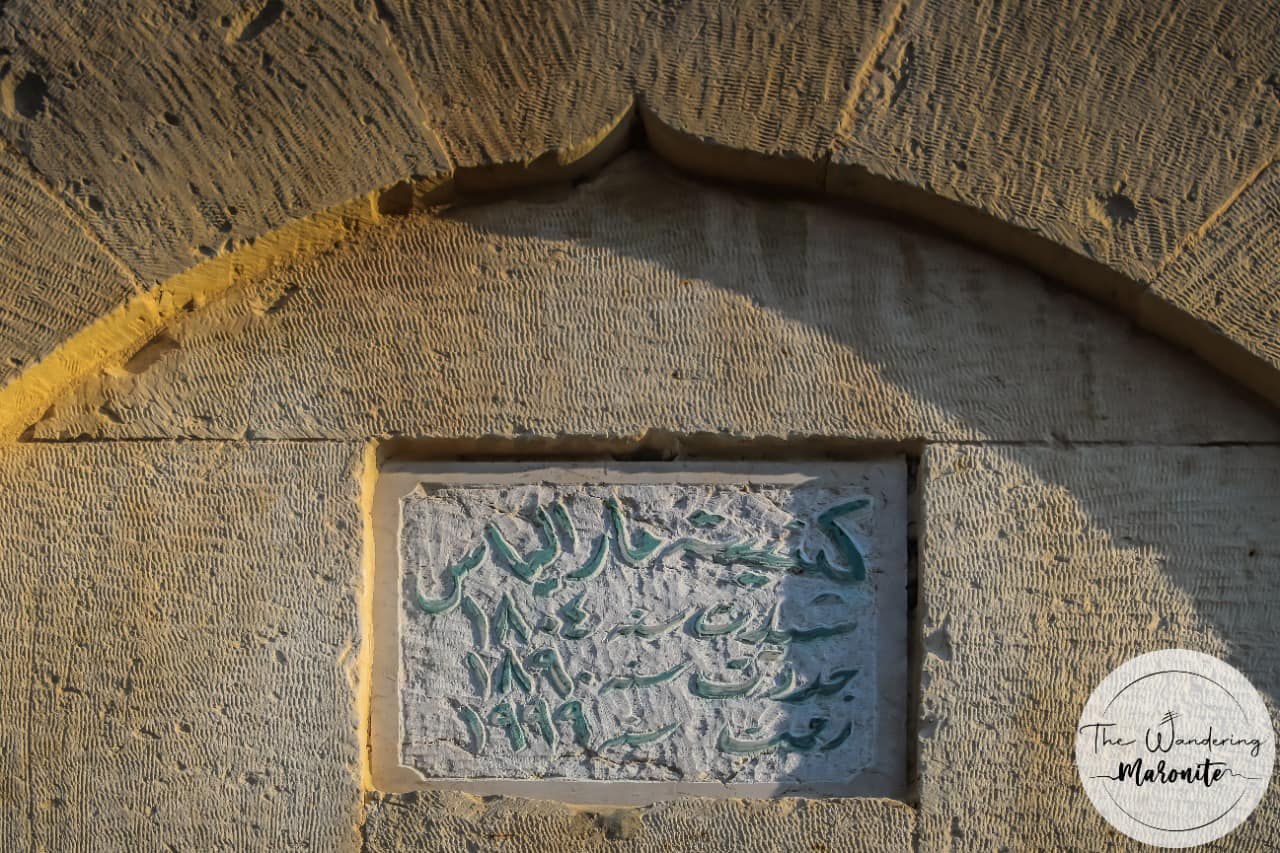
El Mjeidel – The old church of St Elijah

Mjaydel, Lebanon

Other Details

كنيسة مار الياس القديمة

Mjaydel Jezzine

Jezzine

South

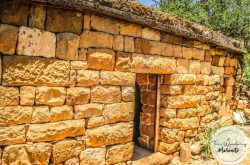
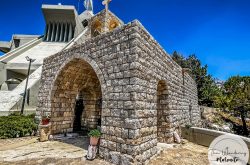
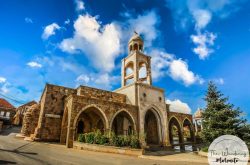
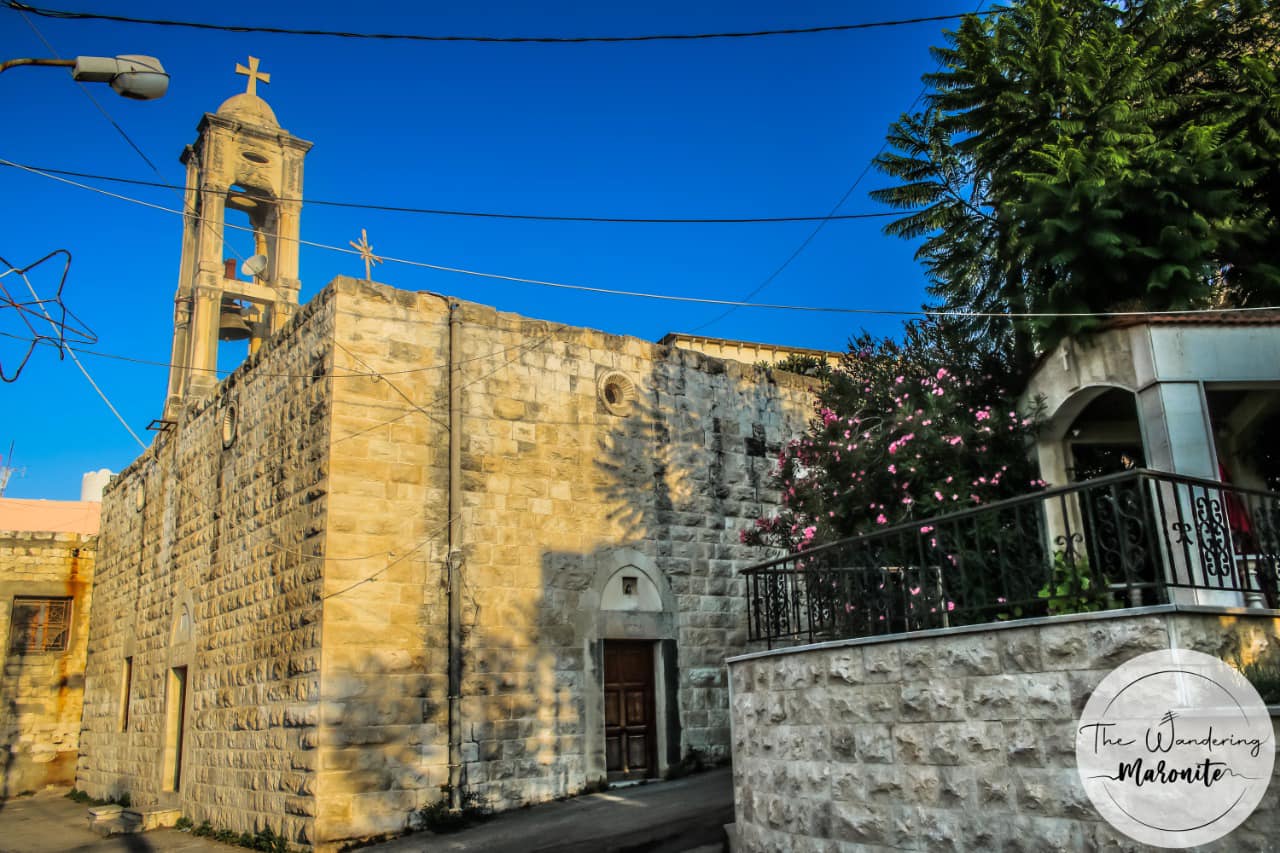
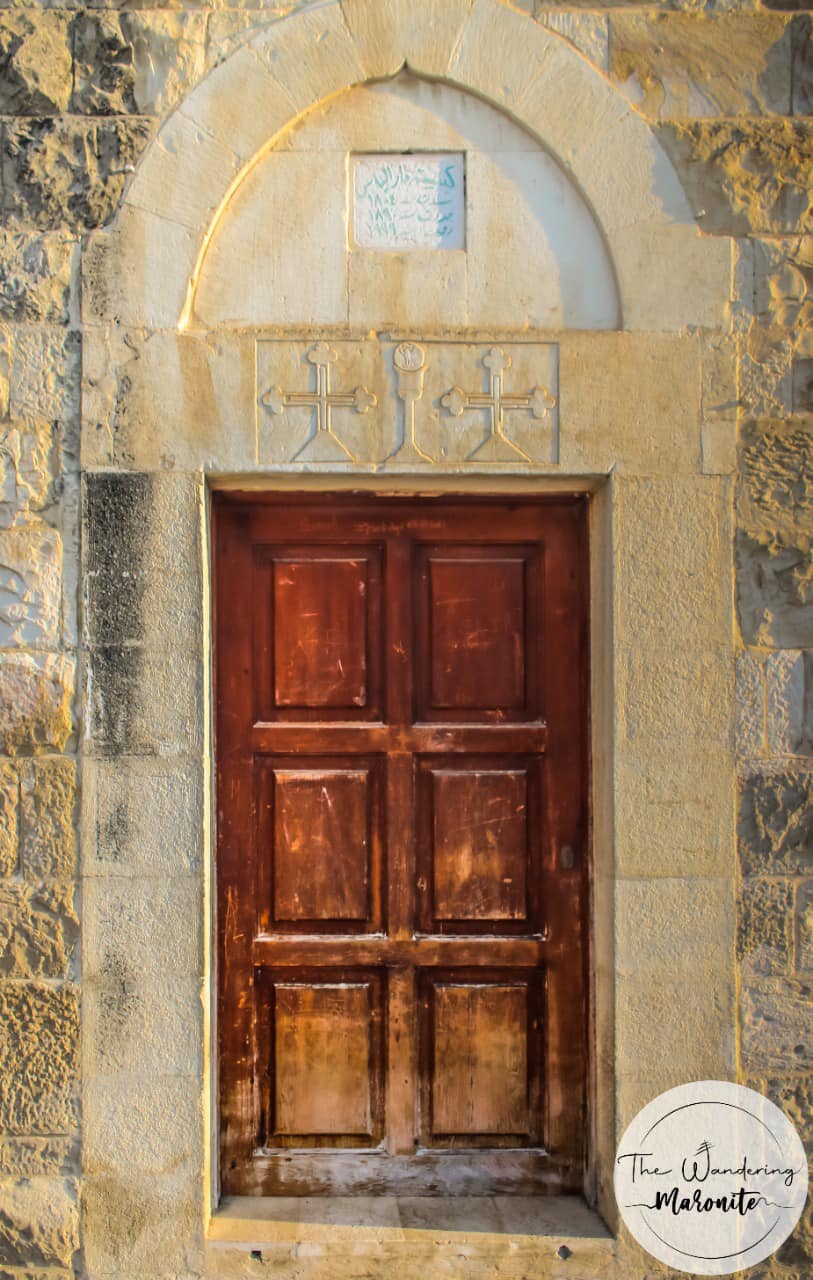
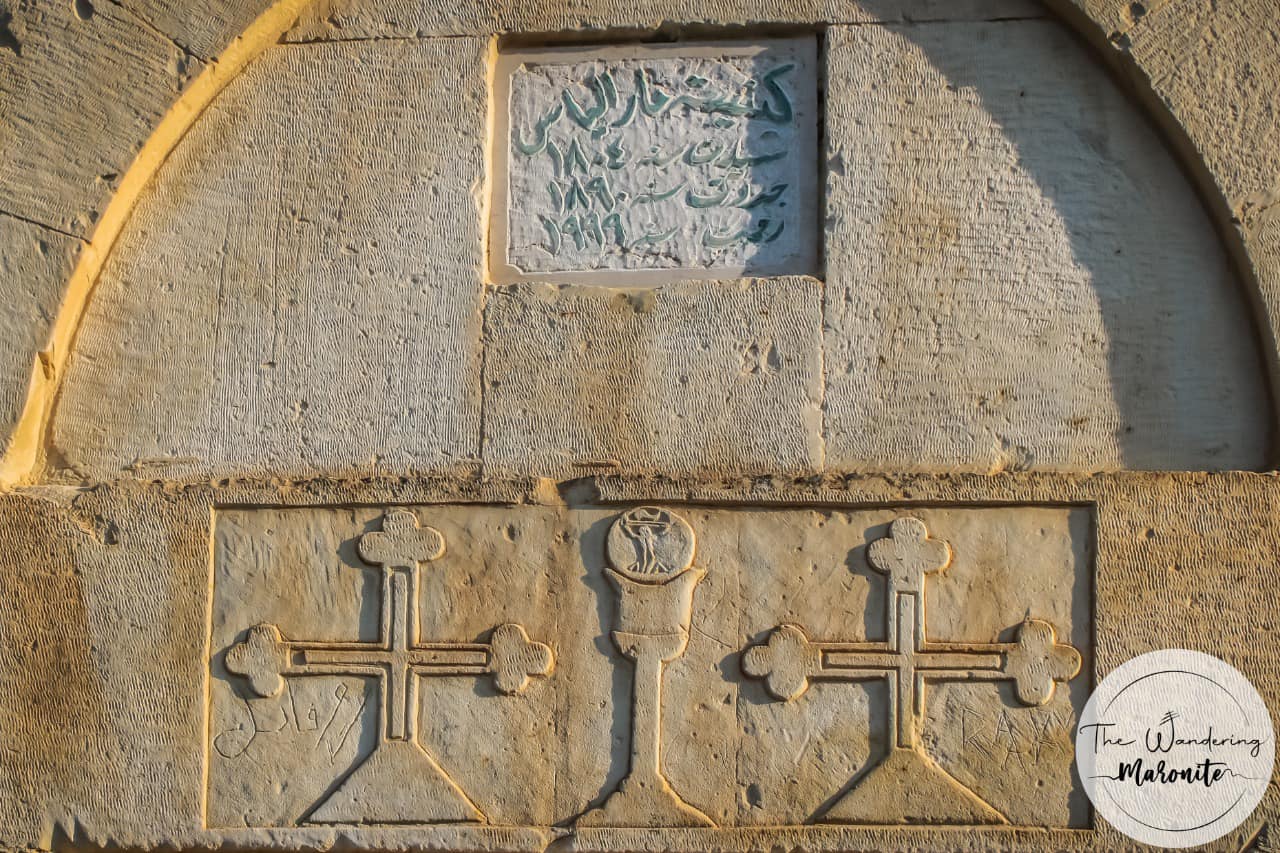
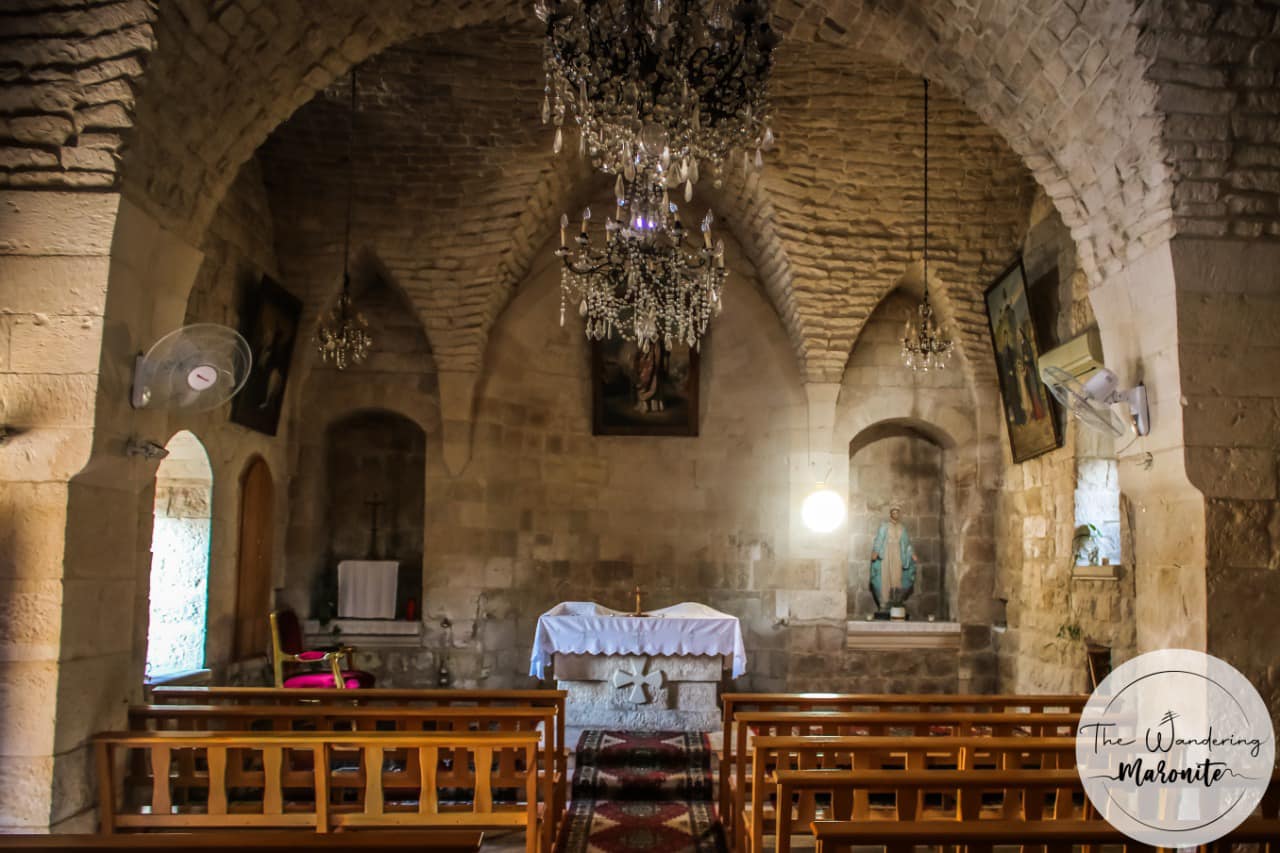
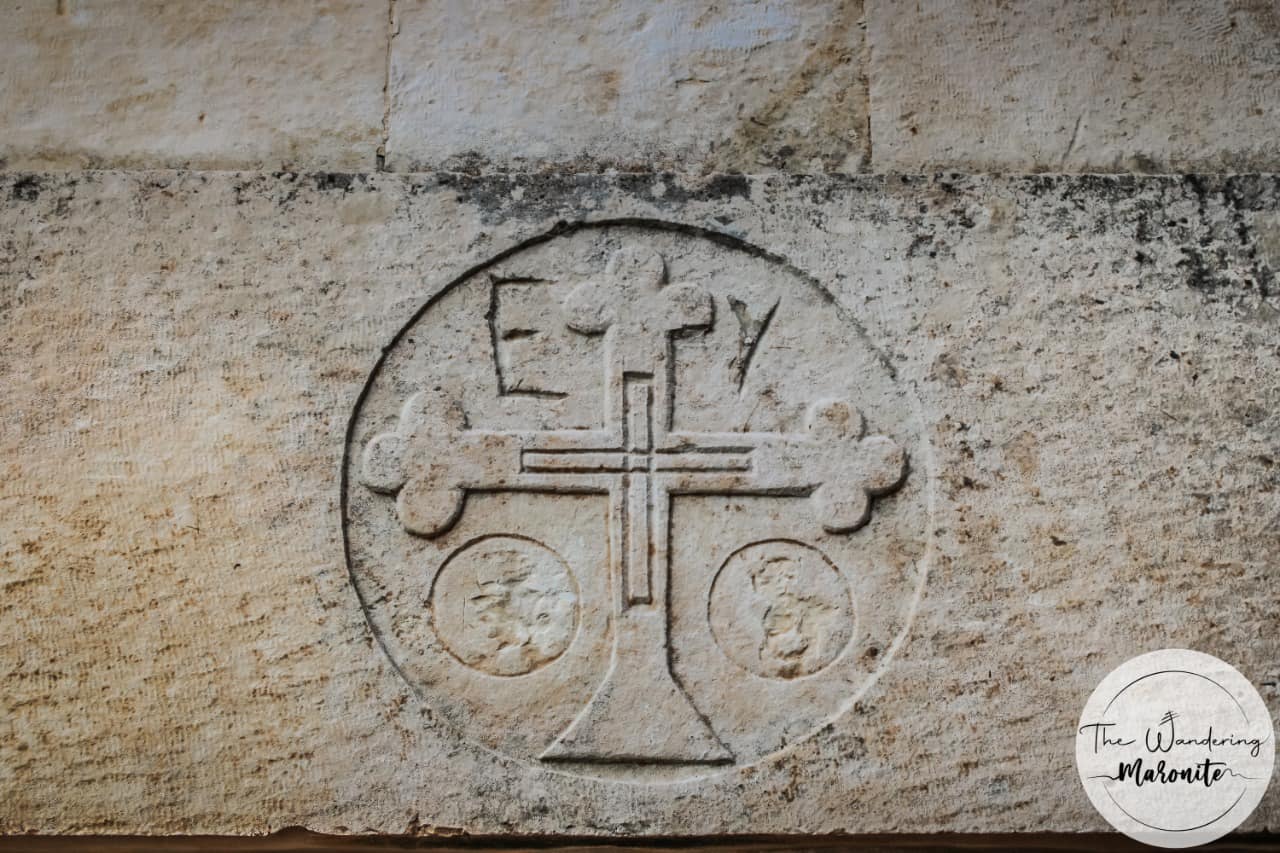
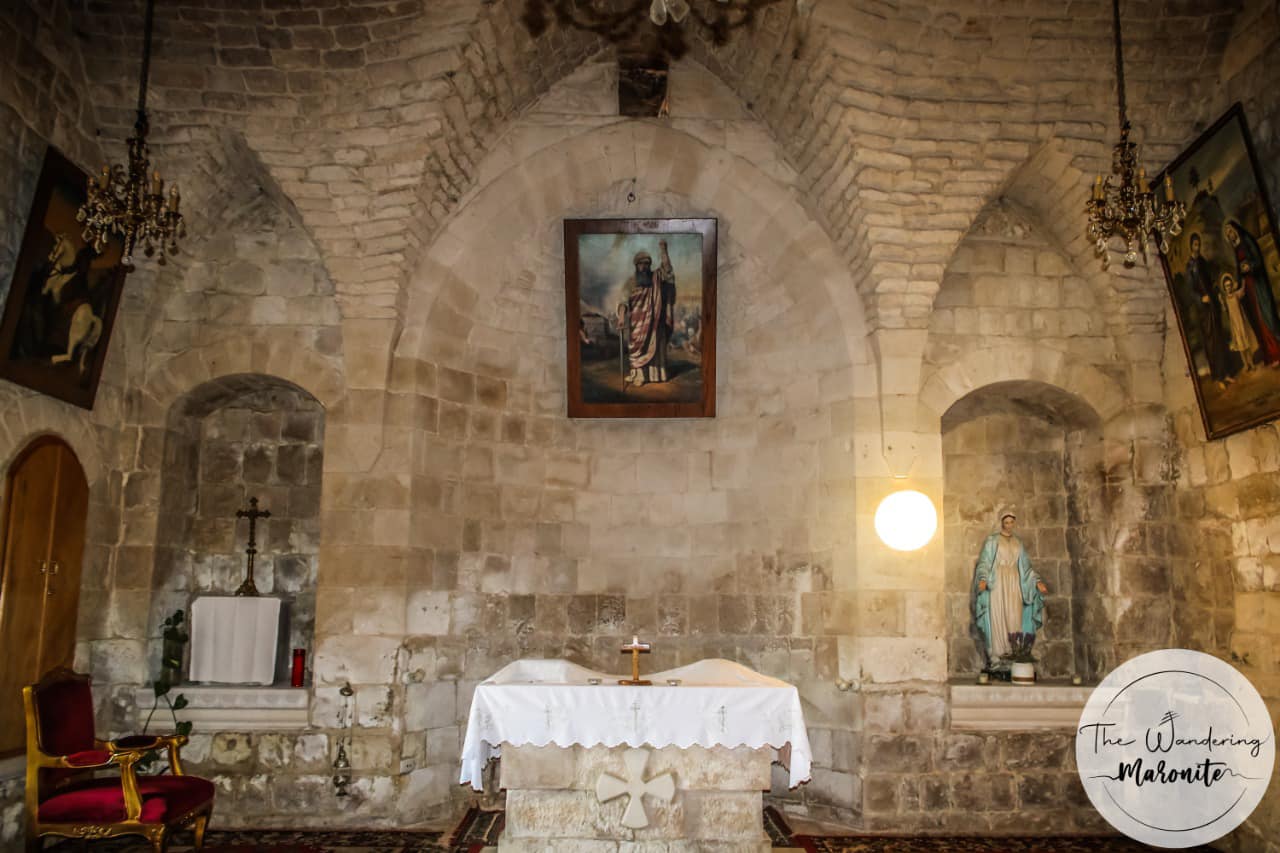
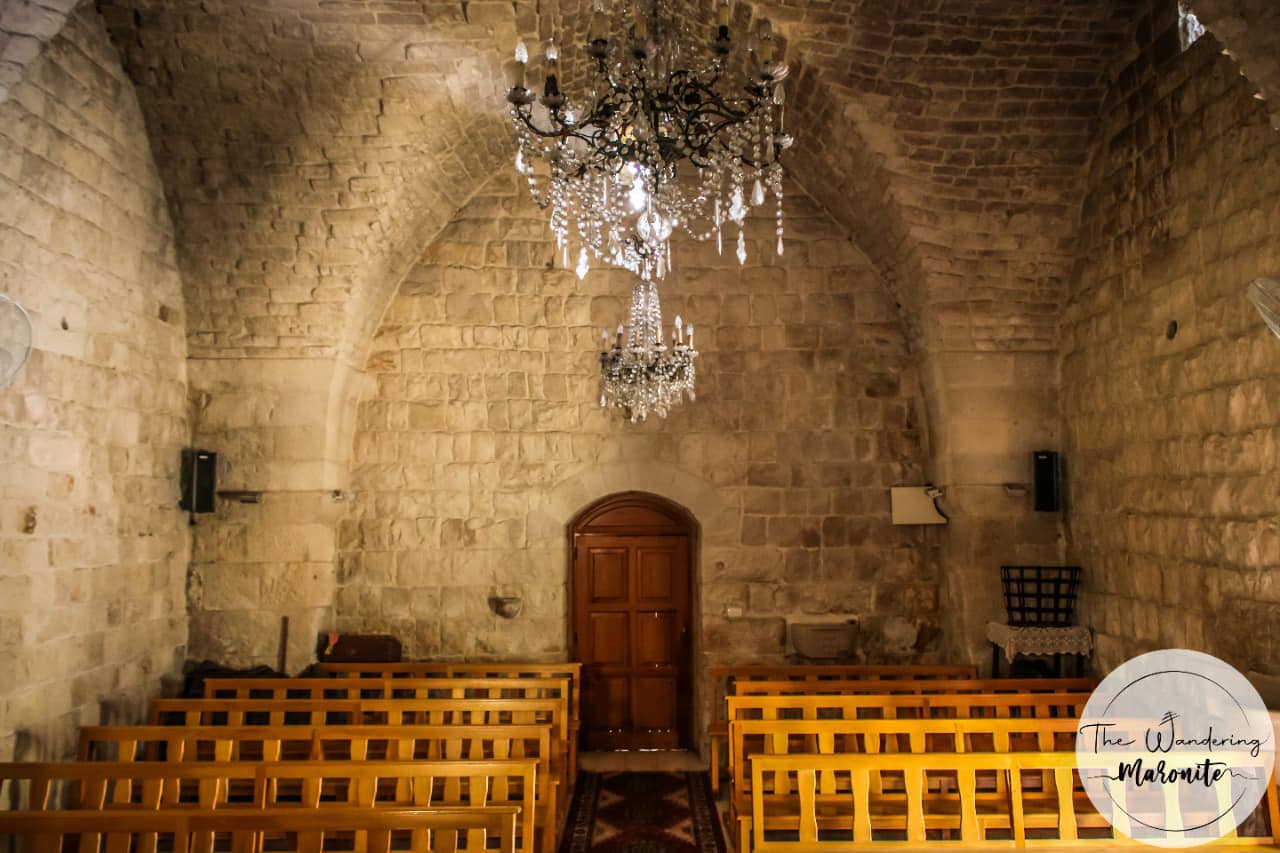
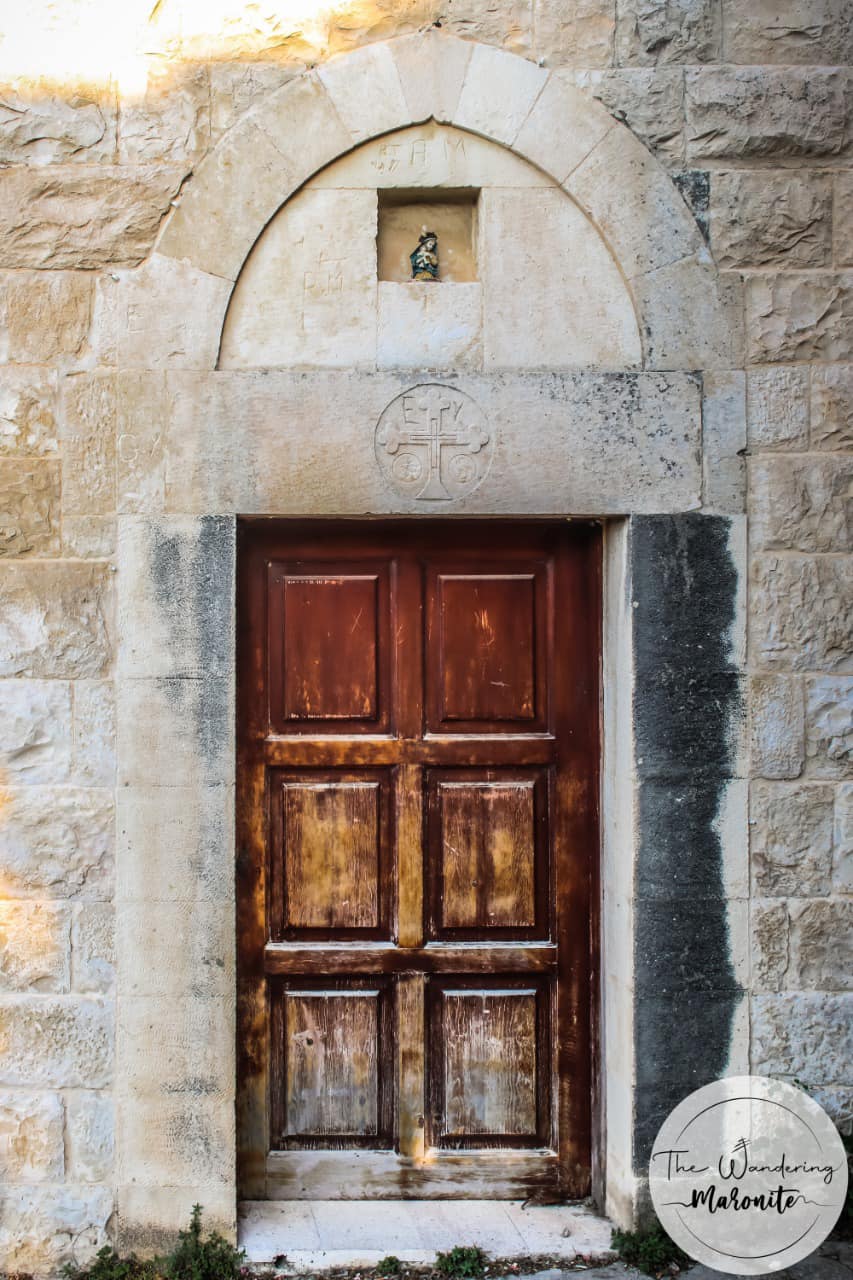
كنيسة مار الياس القديمة - المجيدلبْنيت سنة ١٨٠٤، وجُدّدت سنة ١٨٩٩ وسنة ١٩٩٩. البناء كناية عن عقدِ مْصالبِ ينتهي بحنية. تضمّ الكنيسة ثلاث لوحات: مار الياس ومار جرجس والعائلة المقدّسة من عمل خليل عقل تعود لأوائل القرن العشرين.The old church of St Elijah - El MjeidelThe church was built in 1804, and renewed in 1899 and 1999. The structure consists of a crossed vault ending with an apse. The church has three paintings by Khalil Akl from the beginning of the XXth century: St Elijah, St George and the Holy Famil

Visited 6533 times, 1 Visit today

Reviews are disabled, but trackbacks and pingbacks are open.

Related Listings

Bejdarfel – The church of St Pandeleimon

St. Pantaleon Church, Bejdarfil, Lebanon

كنيسة مار بنديليمون

Bijdarfil

Batroun

North

كنيسة مار بنديليمون - بجدرفل

بُنيت الكنيسة سنة ١٩١١، وهي الكنيسة الرعائيّة لبلدة بجدرفل. هي على إسم مار بنديليمون أو آسيا الصدّيق كما عرفه السّريان، وهو الطبيب الشافي. تشتهر الكنيسة كونها عجائبيّة، تقصدها للنذر العواقر. اللوحة التصويريّة مجلوبة من روما سنة ١٩٢٣، وهي من عمل جيورجيو مونتي.

The church of St Pandeleimon - Bejdarfel

The church was built in 1911 as the village’s parish and consecrated to St Pandeleimon also known as St Asia the just in the syriac tradition, as he was a doctor. The church is a pilgrimage site for barren women. The painting is brought from Rome, dates back to 1923, and is the work of Giorgio Monti.

Mar Moussa – The monastery of St Moses of Abyssinia

Mar Moussa El Douar, Lebanon

دير مار موسى الحبشيّ

Mar Moussa Ed-Douar

Metn

Mount Lebanon

دير مار موسى الحبشيّ - مار موسى

بناء الدير يعود إلى سنة ١٦٥٦، سكنه أوّلاً رهبانًا عبّادا. إنضمّ هؤلاء الرهبان المتنسّكون سنة ١٧٥٧، إلى الرهبانيّة اللبنانيّة، وسلّموها الدير بموجب صكّ مكتوب، في عهد الأب العام جرجس قشّوع. كان للدير بعض أملاكٍ حين تسلّمته الرهبانيّة. أمّا بقيّة أملاكه فاتّصلت إلى الرهبانيّة بوجه الشراء من أعيان الطائفة الدرزيّة بعناية الأب العام إغناطيوس بليبل. في السنة ذاتها عقدت الرهبانيّة مجمعها في ربوعه وانتخب الرهبان الأب اقليموس المزرعاني رئيسا لهم على الرغم من معارضة البطرك طوبيا الخازن، وقد ادى هذا الإنتخاب الى انقسام الرهبانية الى بلدية وحلبية في العام ١٧٧٠ وكان دير مار موسى من نصيب الرهبانية البلدية التي تعرف اليوم بالرهبانية اللبنانية. اشترى الدير سنة ١٧٨٩ مطبعة نقلها من روما وعليها طُبعت الشحيمة وخدمة القداس الإلهي. تعرّض دير مار موسى الى النهب والحرق على يد جيش الحملة المصرية عام ١٨٤٠ ثم على يد الدروز اثناء مجازر الستين. عام ١٨٦٣ باشر الأب ليباوس المتيني ترميم الدير وبناء الطابق الثاني والكنيسة الحالية التي انتهى بنيانها عام ١٨٧١. على مرّ التاريخ، عرف الدير حقباتٍ زاهرةٍ. عيّنته الرهبانيّة ديرا للإبتداء، ثمّ مدرسةً للرهبان الدارسين. وعلاوةً على تعليم الفلسفة واللاهوت إعدادًا للكهنوت، كان الدير يؤمّن تعليم السريانيّة والعربيّة واللاتنيّة والفرنسيّة والحساب.

The monastery of St Moses of Abyssinia - Mar Moussa

The monastery was built in 1656, my contemplative monks. In 1757 the monastery was given to the Lebanese Order during the pontificate of Abbot Geryes Qashouh. The monastery had some lands when it was acquired, however most of its lands were bought from local Druze lords during the pontificate of Fr. Abbot Ignatius Bleibel. In 1770 the order had an assembly in the monastery and elected Fr. Abbot Clementis Mazraany against the will of Patriarch Tobias el Khazen, an election that lead to the split of the order into two: Lebanese and Aleppan. The Lebanese order acquired the monastery. The monastery housed a printing press in 1789 and printed the breviary and the missal. The monastery was devastated during the Egyptian campaign in 1840 and during the civil war of 1860. It was then restored by Fr. Abbot Lebaos el Mteiny in 1863 and a new church was built in 1871. During its long history, the monastery became a noviciate and a grammar school.

Kousba – Hamatoura Monastery

Hamatoura Monastery, Karm Saddeh, Lebanon

دير رقاد السيدة - حمطورة

Kousba

Koura

North

On the northern side of the village of Kousba, is the monastery of Our Lady of Hamatoura, built in the rocky hollow of a high cliff which overlooks the holy valley of Kadisha. Hamatoura is 84km from Beirut.

The church of Saint Jacob is the most ancient part of the monastery, belonging to the 4th century, while a large cross from the 7th century rises above the outer doorway. Some quite well preserved frescoes dating back to the middle ages cover the walls of the church, one of which shows the Holy Virgin, Queen of Heaven, seated on a throne with the Child Jesus on her knees.

Near the monastery are two venerable churches, one dedicated to Saint Michael and the other to Saint John the Baptist. On the top of the hill one can see the church of St. George. Close by the monastery is a rocky cave where one may perceive the base of a stalagmite, where barren women come to pray in the hope of bearing a child, for this grotto was dedicated to the pagan goddess of fecundity.

Late in the 13th century, at Our Lady Monastery in Hamatoura, Saint Jacob began his ascetic life. Later, when the monastery was destroyed by the Mamlukes, he reestablished monasticism along the perimeter of the ruined monastery. In time, he rebuilt the monastery, regenerating and giving renewed vigor to monastic life in the area. His spiritual briskness, vivacity, and popularity among believers drew the attention of the Mamelukes who set their minds to stop his verve and determination and force him to convert to Islam. He stubbornly refused their relentless pressures. The Mamlukes killed him and burned the church. Today, believers and pilgrims are constantly reporting his apparitions, miraculous healings and other Grace-filled deeds.