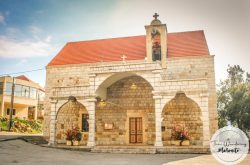

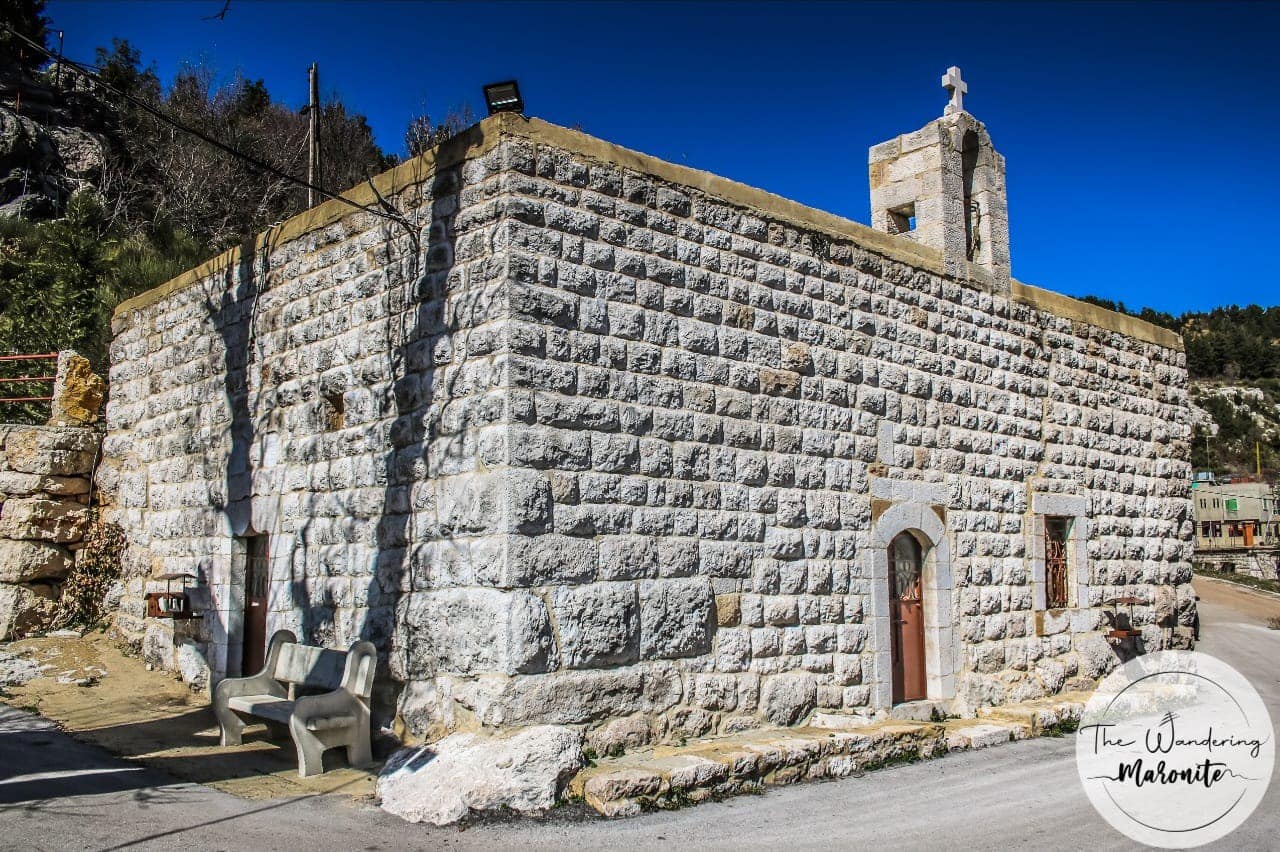
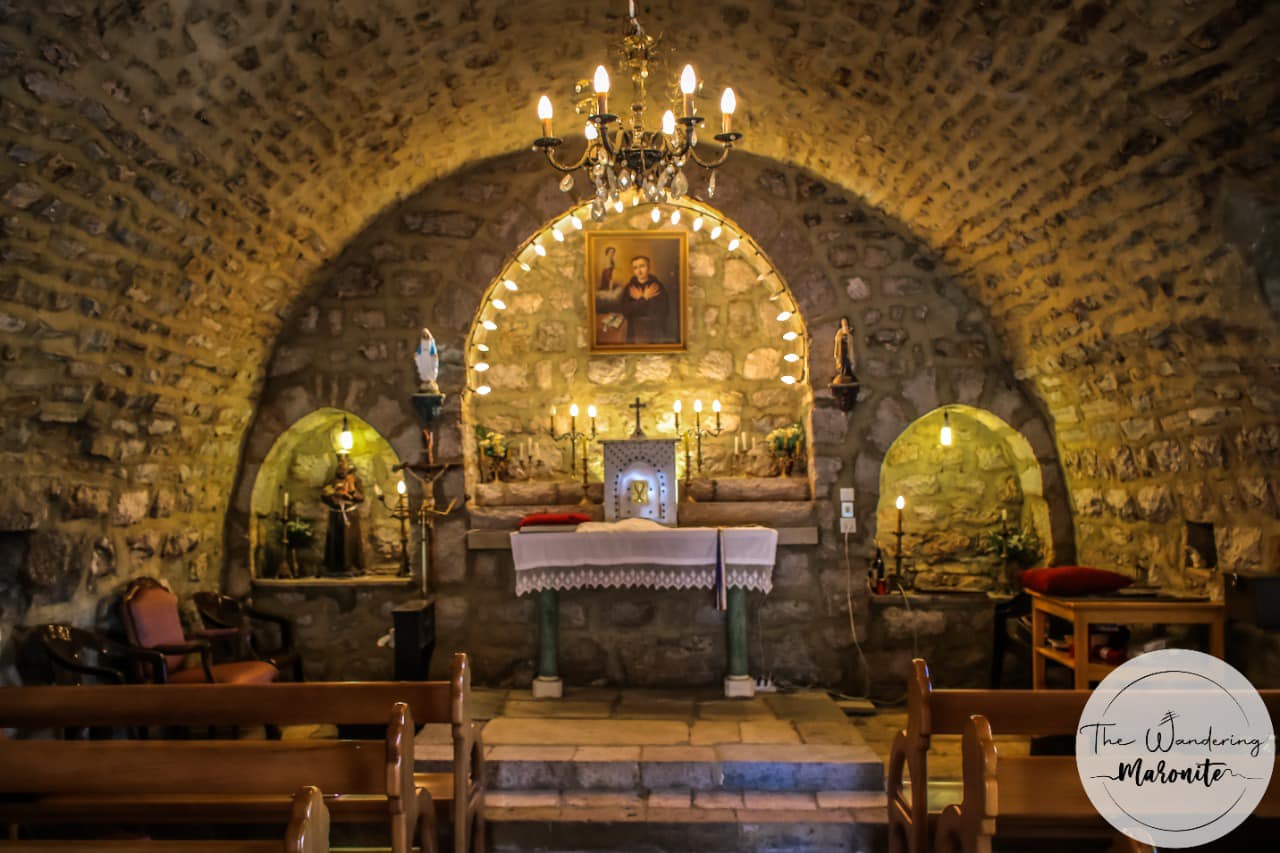
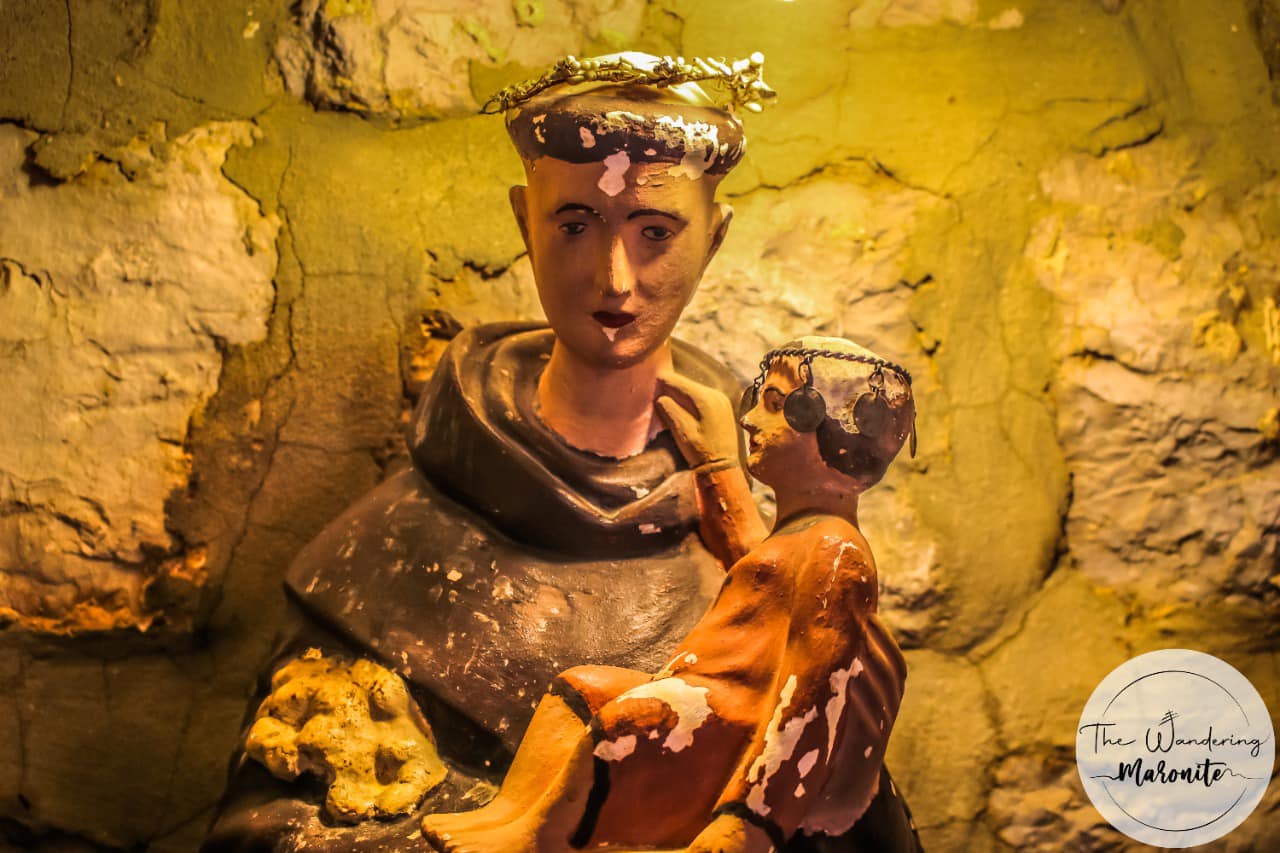
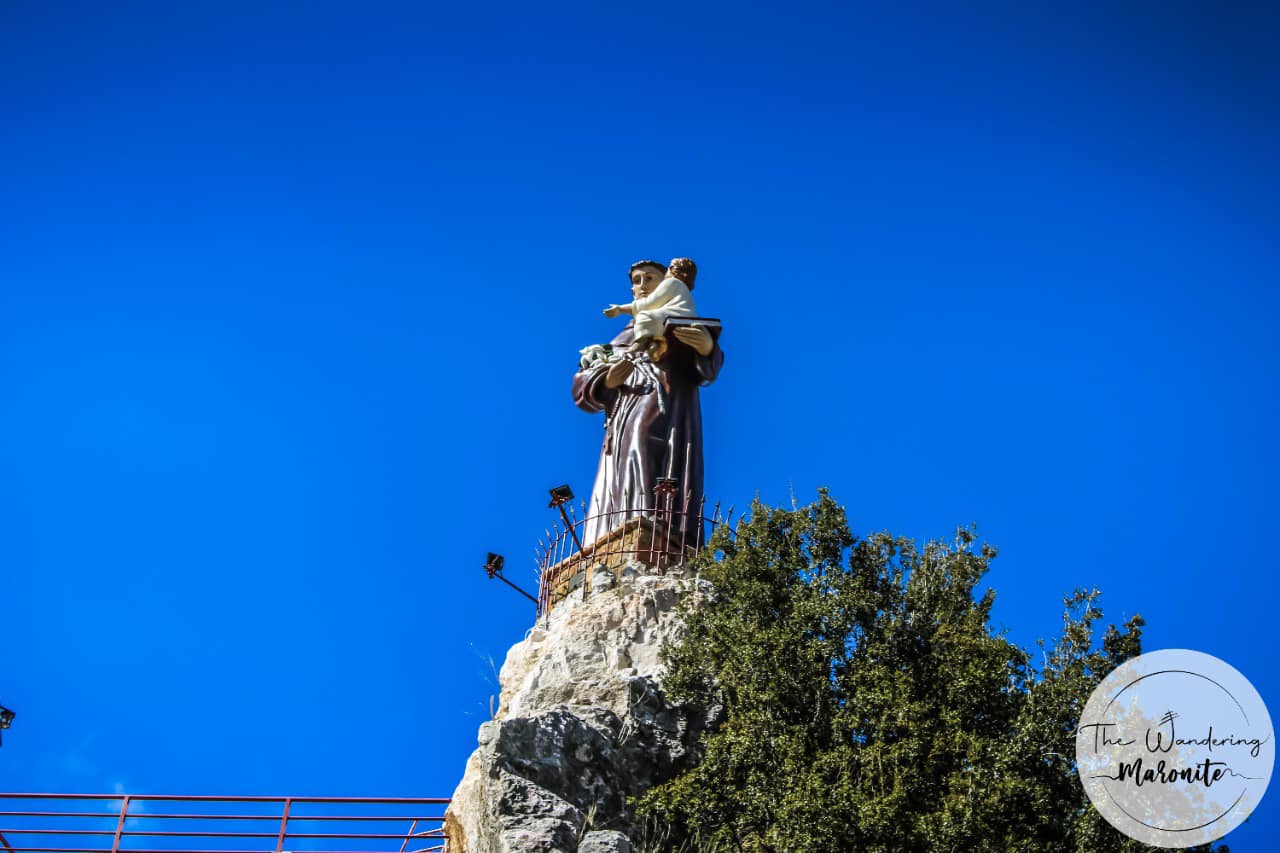
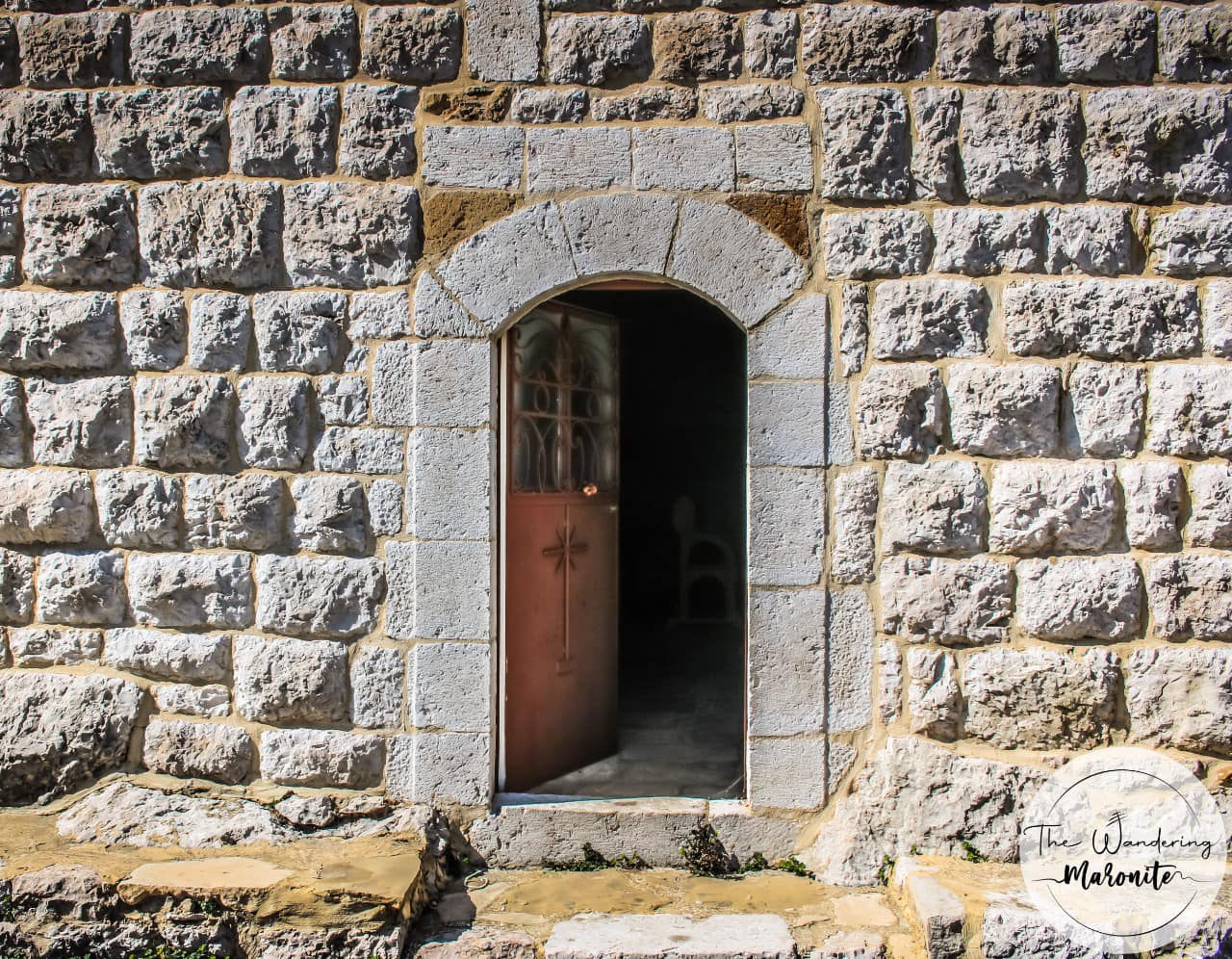
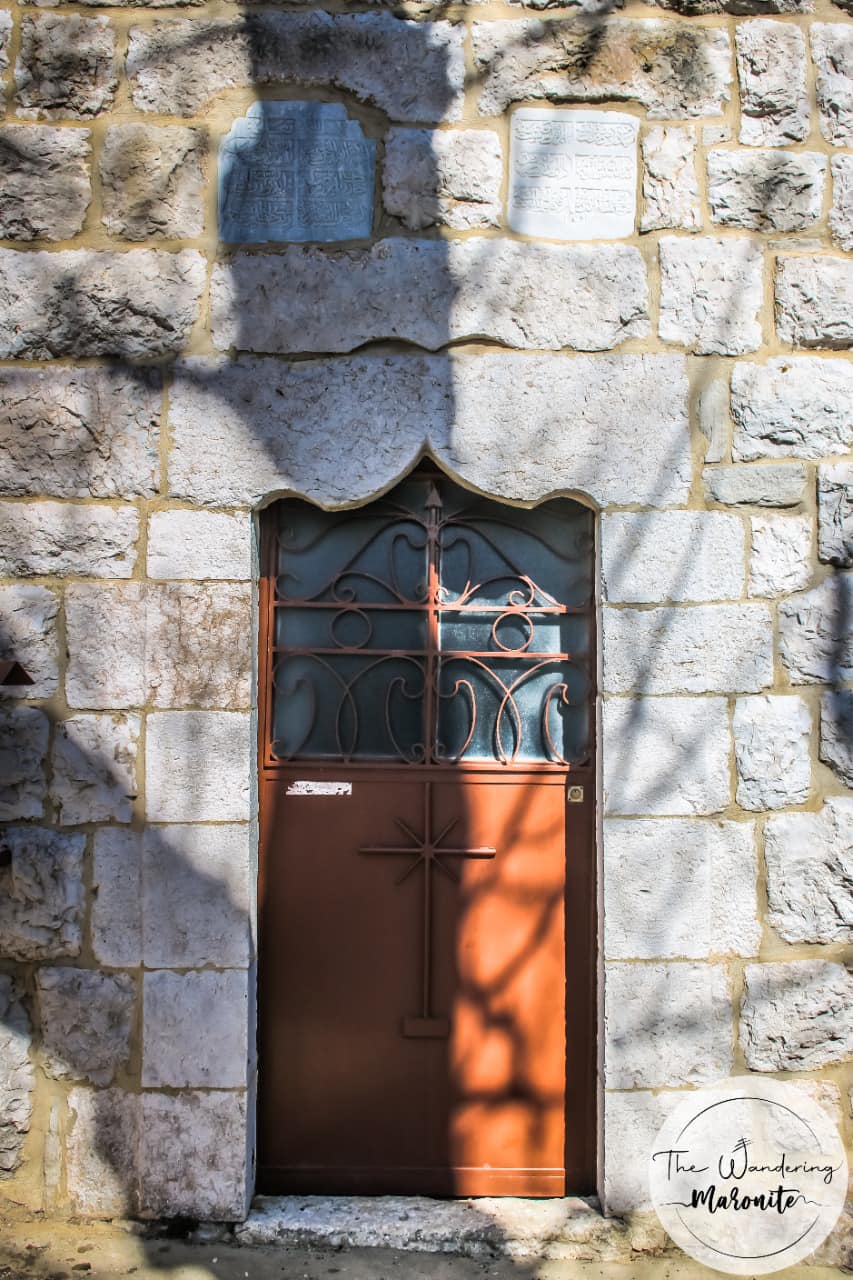
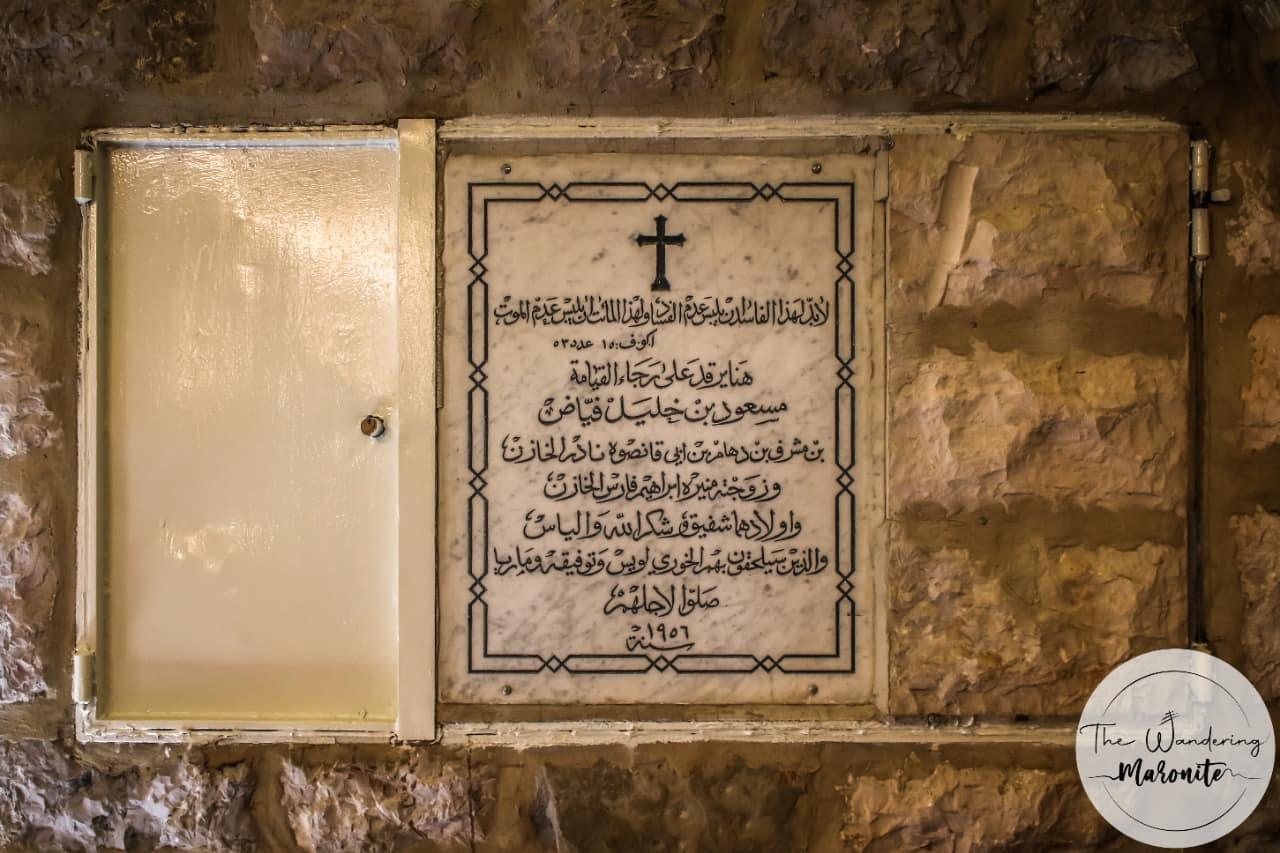
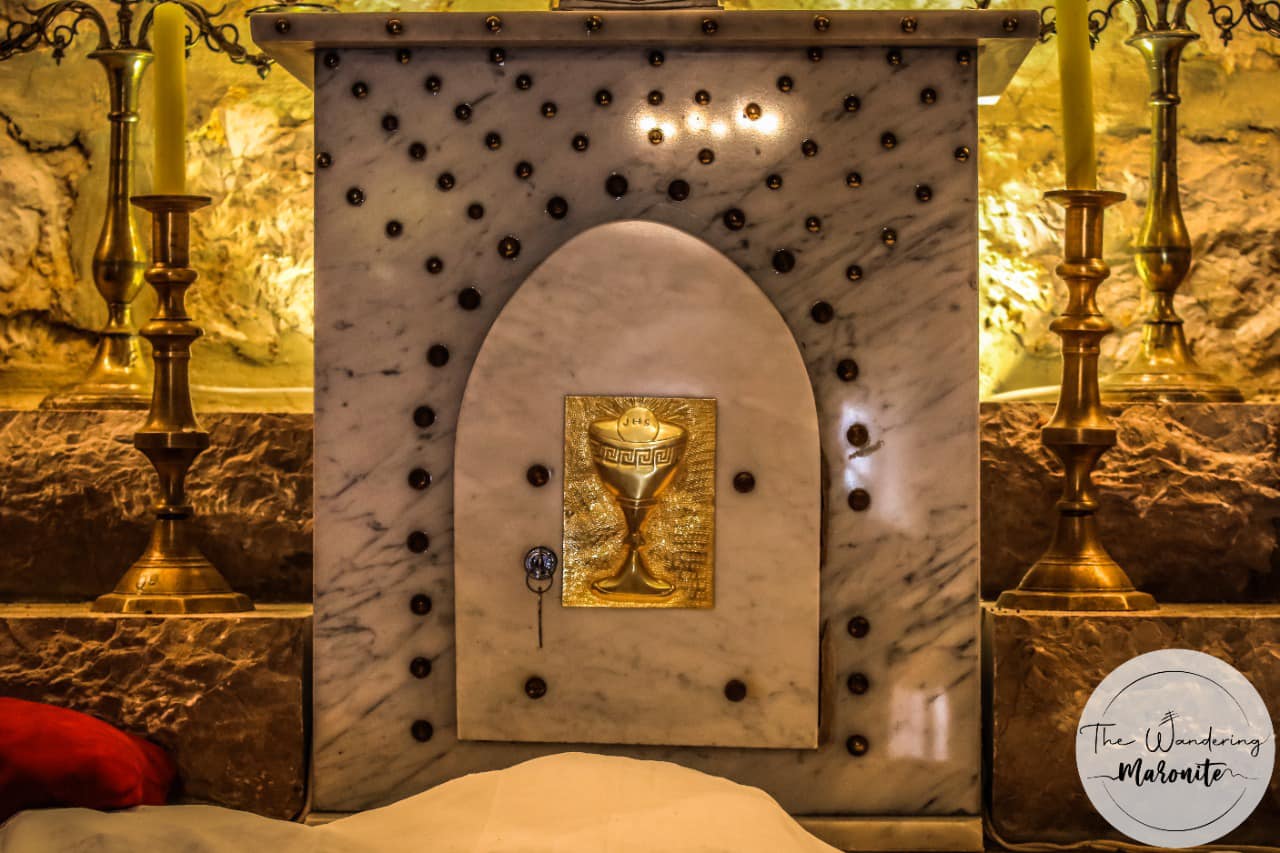
كنيسة مار أنطونيوس البادواني عين التنّور - ميروباهي كنيسة صغيرة ووقفيّة خاصة لآل الخازن. كرّسها المطران أنطون الخازن أواسط القرن التاسع عشر ككنيسة تابعة لدير بقلوش. تضم الكنيسة لوحة غربيّة لمار أنطونيوس وتاج من نقود غربيّة هي نذور المغتربين من أبناء البلدة. البناء قديم وهو عقد سريريّ ينتهي بحنية نصف دائريّة.The church of St Anthony of Padua Ain el Tannour - MayroubaThe church is a small private chapel for the Khazen family. It was consecrated by Bishop Antoun el Khazen in the mid XIXth century as a dependency of the monastery of Baqloush. The church holds a western painting of St Anthony and a rare crown made by coins presented as ex votos by the village’s first expats. The structure is old, consisting of a crib vault with a semi circular apse.
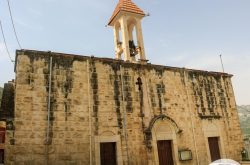
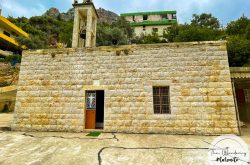
بُنيت الكنيسة الأولى شرفيّ البلدة أواخر القرن الثامن عشر. أعاد الأهالي بناء الكنيسة سنة ١٨٨٣ في موقعها الحاليّ. البناء كناية عن عقدٍ مُصالب ينتهي بحنية نصف دائرية. رمّمت الكنيسة أواخر القرن العشرين.
The Church of the Holy Martyrs, Disciples of St. Maroun - Mazraat Yashou’
The first church was built at the end of the XVIII century east of the village. The villagers rebuilt it in its current location in 1883. The structure is a cross-vault with a semi-circular apse. The church was restored during the nineties.
دير مار سركيس وباخوس من أقدم الأديار في لبنان الشمالي. بُنيت الكنيسة الأولى في القرن الثامن، على أنقاض معبدٍ كنعانيّ، في هذه الكنيسة نال البطريرك اسطفانوس الدويهيّ درجة الكهنوت سنة ١٦٥٦. أمّا كنيسة السيّدة فبُنيت عام ١١٩٨ زمن الصليبيّين. سنة ١٤٧٣، أصبح الدّير كرسيًّا لأساقفة إهدن، بولاية آل الدويهيّ. رَمّم الدير المطران بولس يمّين عام ١٤٠٤، والمطران بولس الدويهيّ عام ١٦٥٩، والخوري مخائيل الدويهي عام ١٦٧٠ والبطريرك إسطفان الدويهي عام ١٦٩٠. تسلّمته الرهبنة الأنطونيّة في أول ايلول سنة ١٧٣٩ فبنوا العقود أمام الكنيستين، والدّير الجديد والكنيسة فوقها. استضاف الدّير الحبيس فرانسوا ده شاستويل، والمونسنيور ميسلن، ويوسف بك كرم، والعديد من البطاركة والأعيان. يلعب الدّير اليوم دورًا ثقافيًّا كبيرًا بالإضافة لدوره الروحيّ.
The monastery of Sts Sergius and Bacchus Ras el Naher - Ehden
The monastery is one of the oldest in Northern Lebanon. The first church was built in the VIIIth century over a Kanaanean temple. In it was ordained a priest the later patriarch Estephan el Douweihy in 1656. The second church dedicated to the Madonna wad built during the crusades in 1198. In 1473 the monastery became the seat of the bishops of Ehden under the jurisdiction of the Douaihy family. In 1739 the monastery became property of the Antonine Maronite Order. The monks built the vaults linking the two churches, the new monastery and another church above the old one. The monastery was restored many times over its long history. It was visited by many patriarchs and notable figures such as the hermit Francois de Chasteuil, Mgr Miselin… The monastery is not only a high spiritual place but also a great cultural hub.
40 Martyrs Church, Qoubaiyat El Gharbiyeh, Lebanon
كنيسة الأربعين شهيد
Qbaiyat Aakkar
Akkar
Akkar
كنيسة الأربعين شهيد - الغربيّة القبيّات
بُنيت الكنيسة الأولى في القرن السادس عشر في المحلّة التي تعرف بالقبيّات العتيقة. ومن أبرز أبنائها في تلك الحقبة الأولى سمعان ابن شمعة الذي كتب مدحًا في البطريرك موسى سعادة العكّاري سنة ١٥٥٧ بحسب سلسلة البطاركة التي كتبها البطريرك الدويهيّ. أعيد بناء الكنيسة سنة ١٩٢٥ وكرّسها رئيس أساقفة طرابلس آنذاك المطران أطون عريضه (البطريرك لاحقً). الكنيسة مبنيّة بالحجر البركانيّ الأسود، مؤلفة من سوق واحد بحنية نصف دائريّة. رمّمت في العقد الأخير ممّا أضفى على داخلها نمطًا حديثًا في الهندسة يختلف عن نمطها الخارجيّ.
The church of the Forty Martyrs - El Gharbye Kobayat
The first church was originally built in the XVIth century in the locality known as Kobayat el Atiqa (the old Kobayat). One of its most famous parishioners from that era is Semaan Ibn Shamaa el Kobayati who wrote a eulogy for patriarch Moussa Saade el Akkari in 1557, according to the patriarchal list written by patriarch El Douwaihy. The church was rebuilt in 1925 and consecrated by the archbishop of Tripoli Mgr. Antoun Arida (later patriarch). The church is built with black basalt, it consists of a single nave with a semi circular apse. It was restored in the last decade, with a modern interior that is in real contrast with the exterior.
Reviews are disabled, but trackbacks and pingbacks are open.