
Kfarhay – The monastery of St John Maroun

Mar Youhanna Maroun, Lebanon

Other Details

دير مار يوحنّا مارون

Kfar Hay

Batroun

North

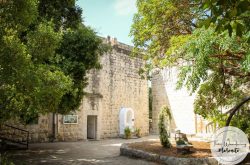
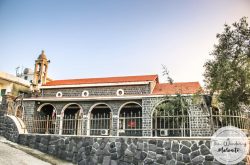
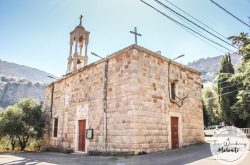
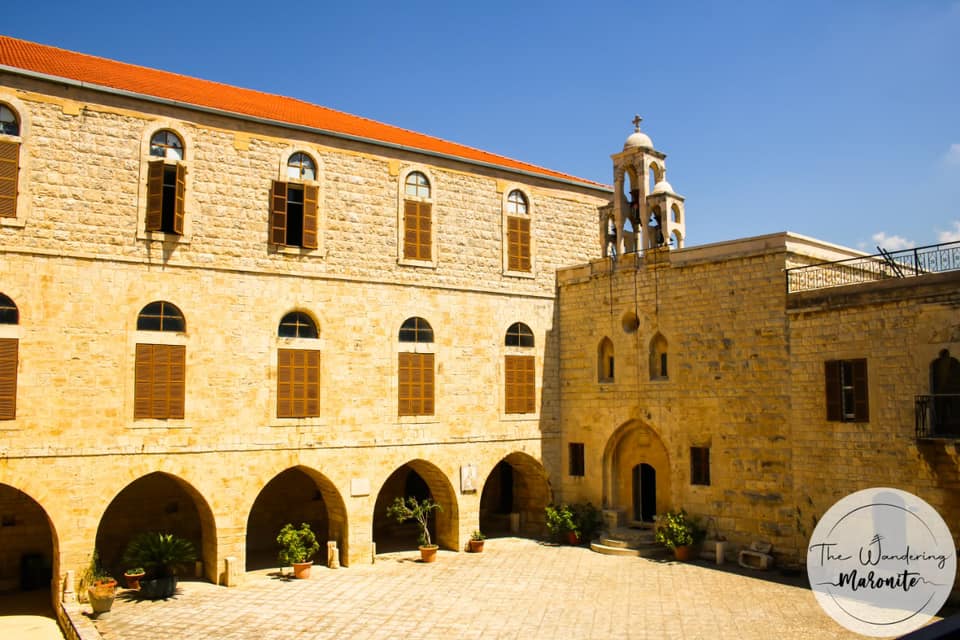
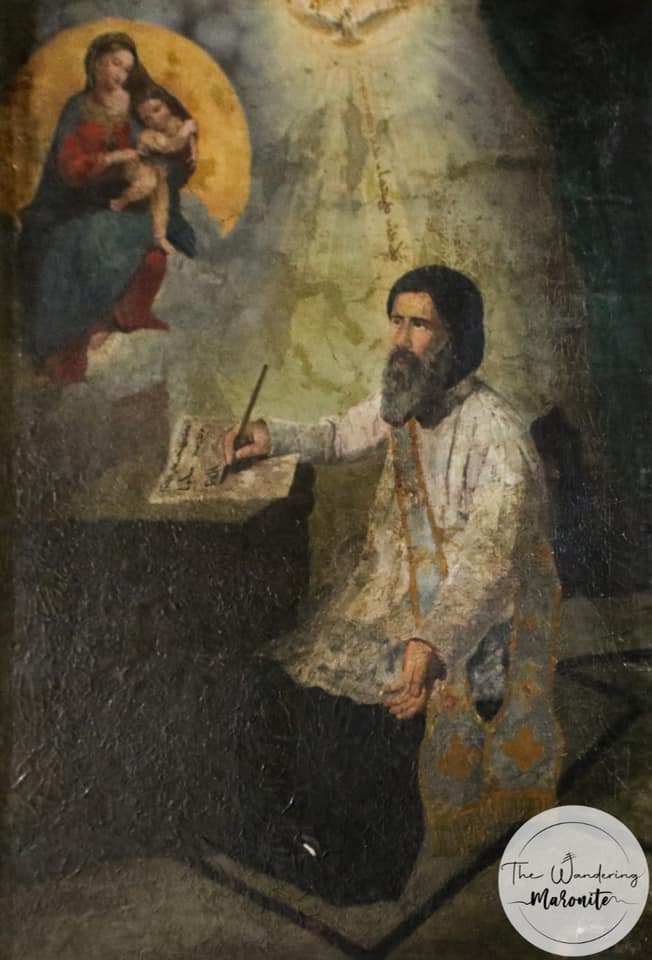
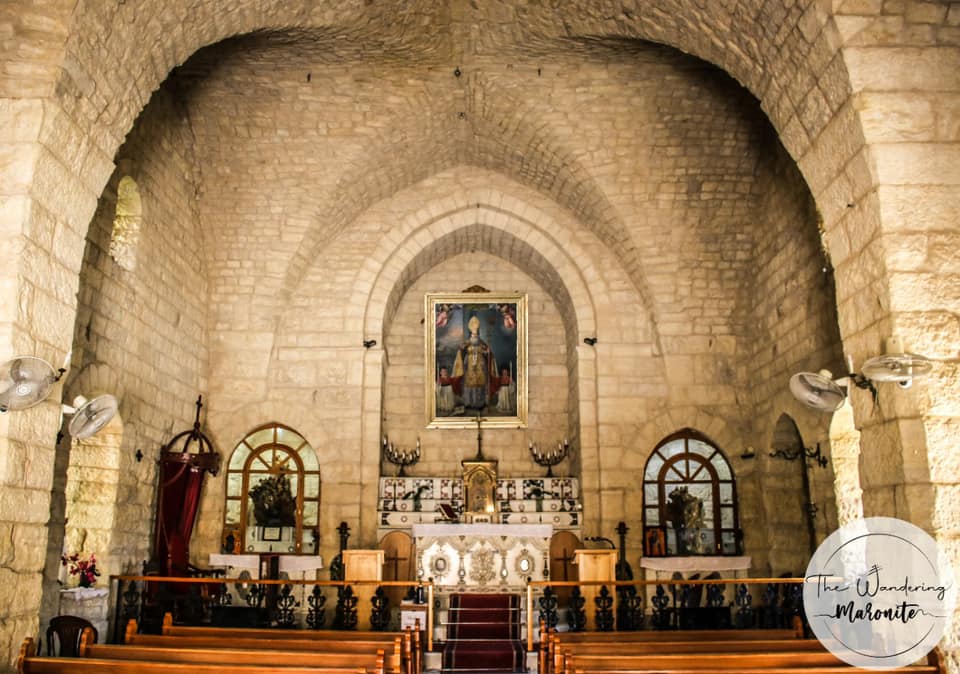
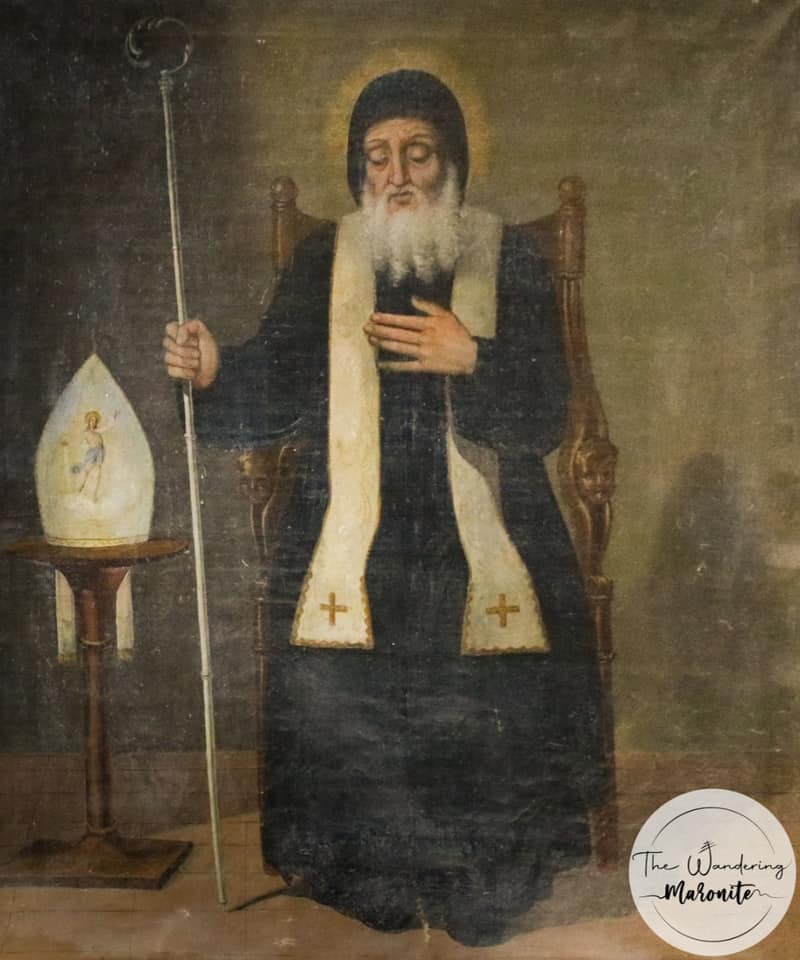
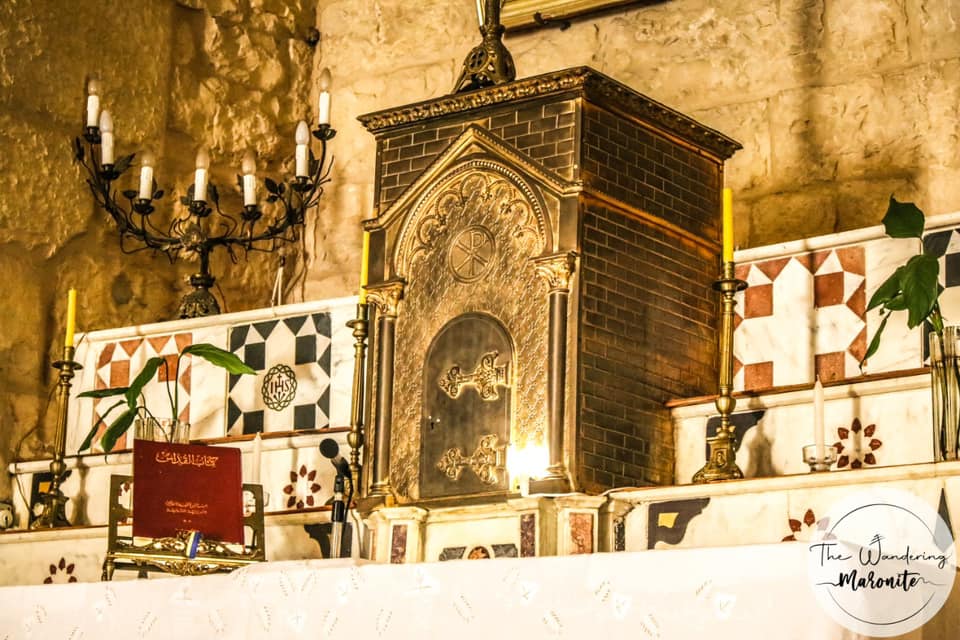
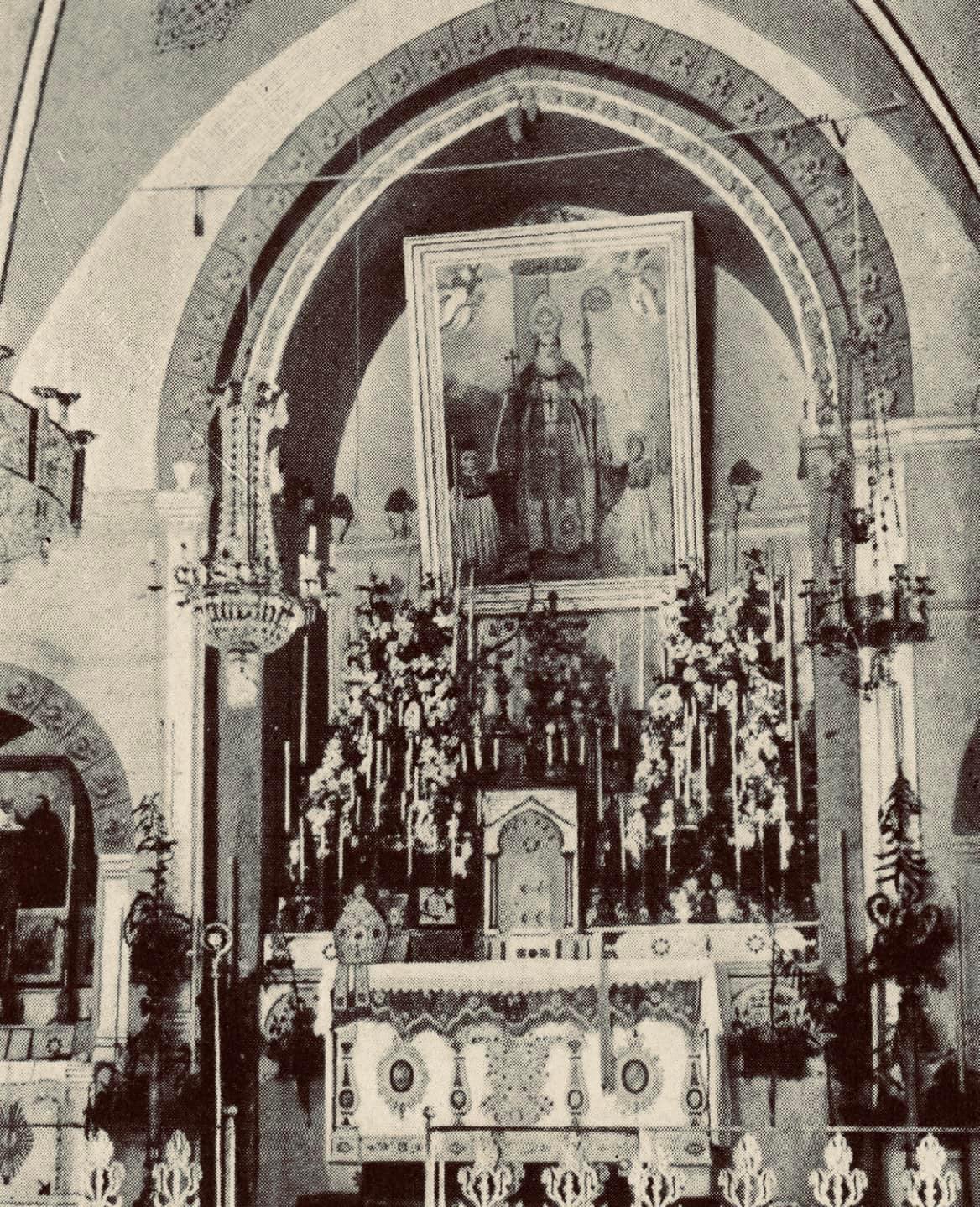
دير مار يوحنّا مارون - كفرحييروي التقليد أنّ القدّيس يوحنّا مارون، بنى الدير على أنقاض بيتٍ سكنه العبّاد يوم سيم اسقفًا على البترون في العام ٦٧٦، ونقل إليه هامة مار مارون وسمّاه ريش موران أي رأس مارون، وجعله كرسيّه بعد انتخابه بطريركًا سنة ٦٨٥. أقام في الدّير، البطاركة الموارنة المتعاقبون إلى دانيال الشاماتي. آل الدّير إلى الخراب بعد أن دمّره يوسف سيفا سنة ١٦٣٤. أعاد بناؤه البطريرك يوسف أسطفان سنة ١٧٨٧ وكرّسه على إسم مار يوحنّا مارون، وجعل فيه مدرسةً لتعليم الأحداث ما لبثت أن تحوّلت لإكليريكيّة سنة ١٨١٨ بأمر البطريرك يوحنّا الحلو. الديّر اليوم كرسيّ أساقفة البترون، وهو الشاهد على تاريخ الموارنة في لبنان.The monastery of St John Maroun - KfarhayAccording to tradition, St John Maroun built the first monastery when he was the bishop of Batroun in 676 over a hermitage, and brought to it the holy relic of the forehead of St Maroun and named it Rish Moran or the head of St Maroun. He made the monastery his patriarcal seat when he was elected in 685. The succeeding patriarchs lived in the monastery until Daniel el Shamaty. The monastery was destroyed by Youssef Sayfa in 1634.Patriarch Youssef Estfen rebuilt it with a school and consecrated it to St John Maroun, the school was transformed into a seminary in 1818 by a decree of Patriarch Youhanna el Helo.The monastery is now the seat of the bishops of Batroun, and the witness to the Maronite history.

Visited 6849 times, 3 Visits today

Reviews are disabled, but trackbacks and pingbacks are open.

Related Listings

Front view of a beige stone church with a small bell tower and a wooden door under a circular window, on a sunny day

Aalma El Chaab – Prophet Elijah Greek Melkite Church

Prophet Elijah Greek Melkite Church, Aalma El Chaeb, Lebanon

كنيسة النبي إيليا للروم الملكيين الكاثوليك - علما الشعب

1875

Aalma Ech-Chaab

Sour

South

تقع كنيسة النبي إيليا للروم الملكيين الكاثوليك في بلدة علما الشعب، وهي جزء من تقليد مسيحي عريق يعود إلى قرون في هذه المنطقة. عُرفت البلدة منذ القرن التاسع عشر بوجود جماعات مسيحية، خصوصًا من الروم الملكيين والمَوارنة، وكانت تضم عدة كنائس صغيرة لخدمة الأهالي. تنتمي الكنيسة إلى الكنيسة الملكية الكاثوليكية ذات الجذور المرتبطة ببطريركية أنطاكية، وتتبع الطقس البيزنطي. وقد كُرِّست للنبي إيليا (مار إلياس)، وهو من أبرز الشخصيات الروحية في المنطقة. تُعدّ الكنيسة اليوم مركزًا دينيًا واجتماعيًا لأبناء الرعية، حيث تُقام فيها الصلوات والاحتفالات الدينية، خاصة عيد مار إلياس في 20 تموز.

Kfarsghab – The church of St Augustin

St. Augustine, Unnamed Road, Ehden, Lebanon

كنيسة مار أغوسطينوس

Kfarsghab

Zgharta

North

كنيسة مار أغوسطينوس - كفرصغاب

كنيسة قديمة العهد تعود للقرون الوسطى. فيها عقد البطريرك يوسف الرزّي مجمع ضيعة موسى سنة ١٥٩٨ الذي أقرّ جملة من الإصلاحات الكنسيّة كاعتماد التقويم الغريغوريّ. بقيت الكنيسة خربةً ردحًا من الزمن، إلى أن رمّمت سنة ٢٠٠٧.

The church of St Augustin - Kfarsghab

An old medieval church dating back to the Middle Ages. In 1598 the council of Dai'at Moussa was held in it, presided by Patriarch Youssef El Rezzi, and proclaimed many liturgical renovations such as the adoption of the Gregorian calendar. The church laid in ruins for a long time, until it was renovated in 2007.

Qrayeh Sidon – The church of St George

St Georges Maronite Church, Qraiyeh, Lebanon

كنيسة مار جرجس

Qraiyet Saida

Saida

South

كنيسة مار جرجس - القريّة صيدا

بُنيت الكنيسة الأولى مع قدوم المسيحيّين إلى البلدة في القرن الثامن عشر، وكانت كنيسة صغيرة قليلة الإرتفاع تعرف بالقبو. تعرّضت هذه الكنيسة للتخريب في أحداث سنة ١٨٦٠. سنة ١٩١٤ ومع ازدياد عدد الأهالي، تقرّر بناء كنيسةٍ أكبر في الموضع عينه. فبدأ المشروع في عهد المطران بولس بصبوص والخوري بطرس كسّاب، نفّذه المعمار الياس قسطنطين من عبرا. وهي كنيسة بسوقٍ واحد ينتهي بحنية وسقف قرميد. في ستّينيات القرن العشرين أضيفت إلى قبّتها برج للجرس عند الواجهة الغربيّة. اللوحة التصويريّة من عمل راجي الحاج تعود لسنة ١٩٣٩. تعرّضت الكنيسة للعبث سنة ١٩٨٥ مع تهجير المسيحيّين من شرق صيدا، وأخذَت حلّةً جديدةً بالترميم في أواخر تسعينات القرن العشرين.

The church of St George - Qrayeh Sidon

The first church was built with the settlement of christians in the region in the XVIIIth century. It was known as the Qabou (the cellar) hence it was a small structure. It was sabotaged in the war of 1860. In 1914 with the growth of the congregation, the village needed a new church. The construction began during the pontificate of Bishop Boulos Basbous and Fr. Boutros Kassab, construction was executed by Elias Constantin from Abra. The church is of a single nave ending with an apse, and a brick roof. During the late sixties a bell tower was added to the original old one on the western side. The painting is the work of Raji el Hajj 1939. The church was sabotaged during the civil war in 1985, and restored in the last decade of the XXth century.