
Kfarhay – The monastery of St John Maroun

Mar Youhanna Maroun, Lebanon

Other Details

دير مار يوحنّا مارون

Kfar Hay

Batroun

North

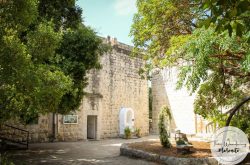
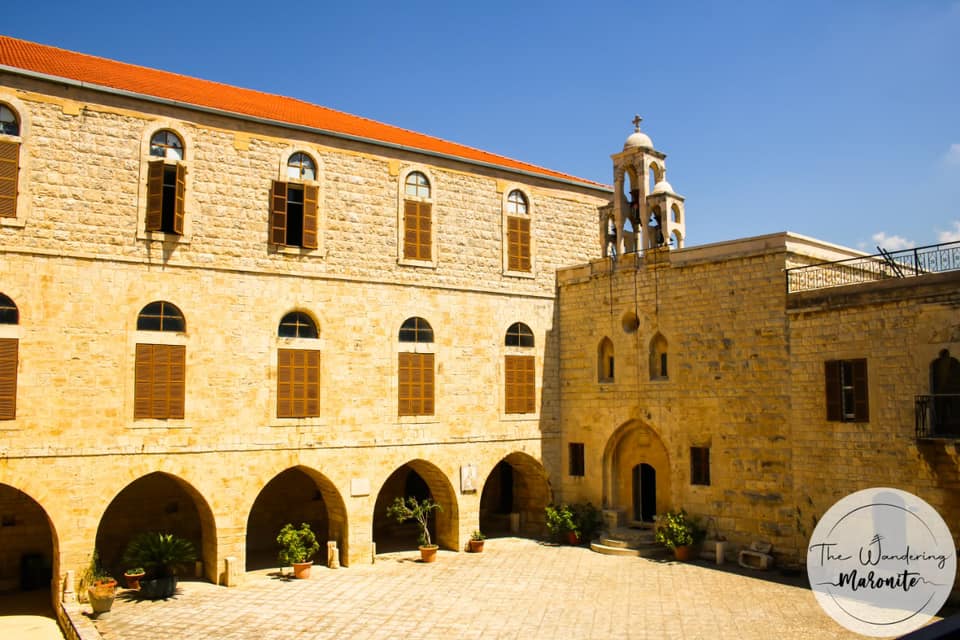
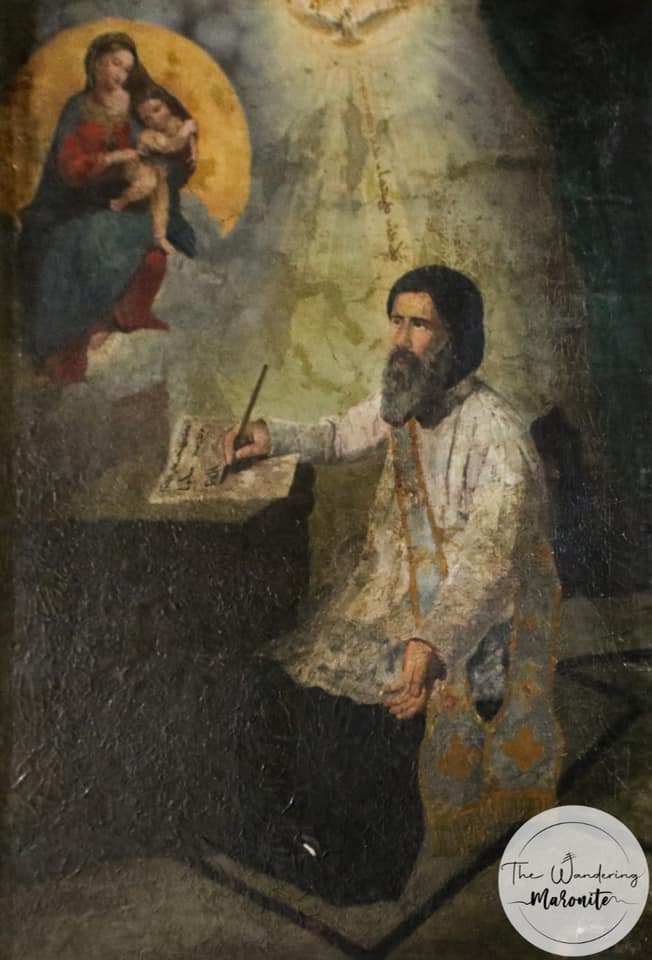
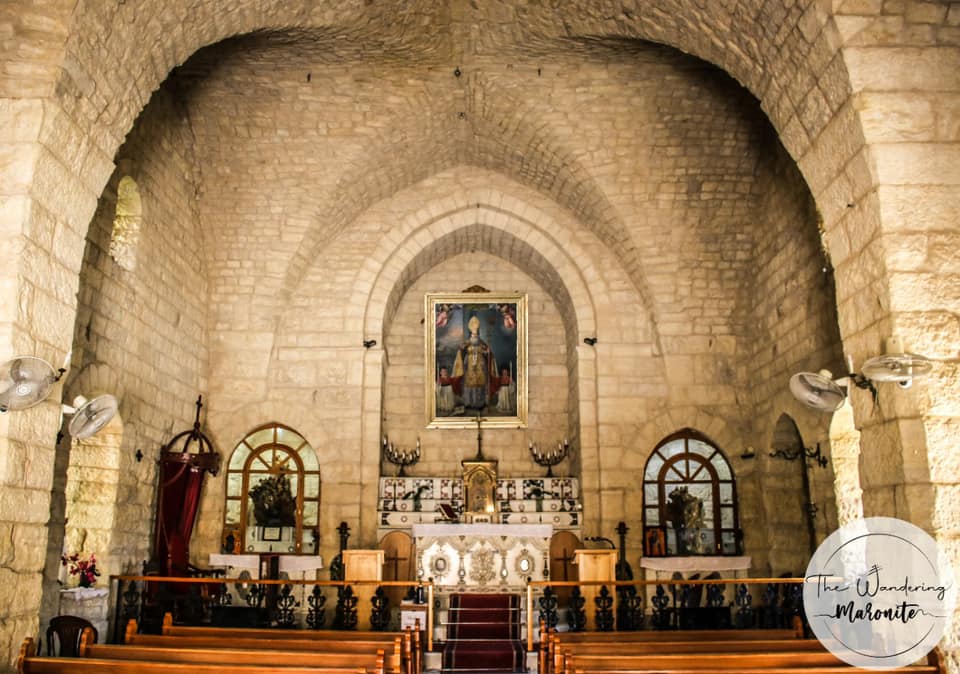
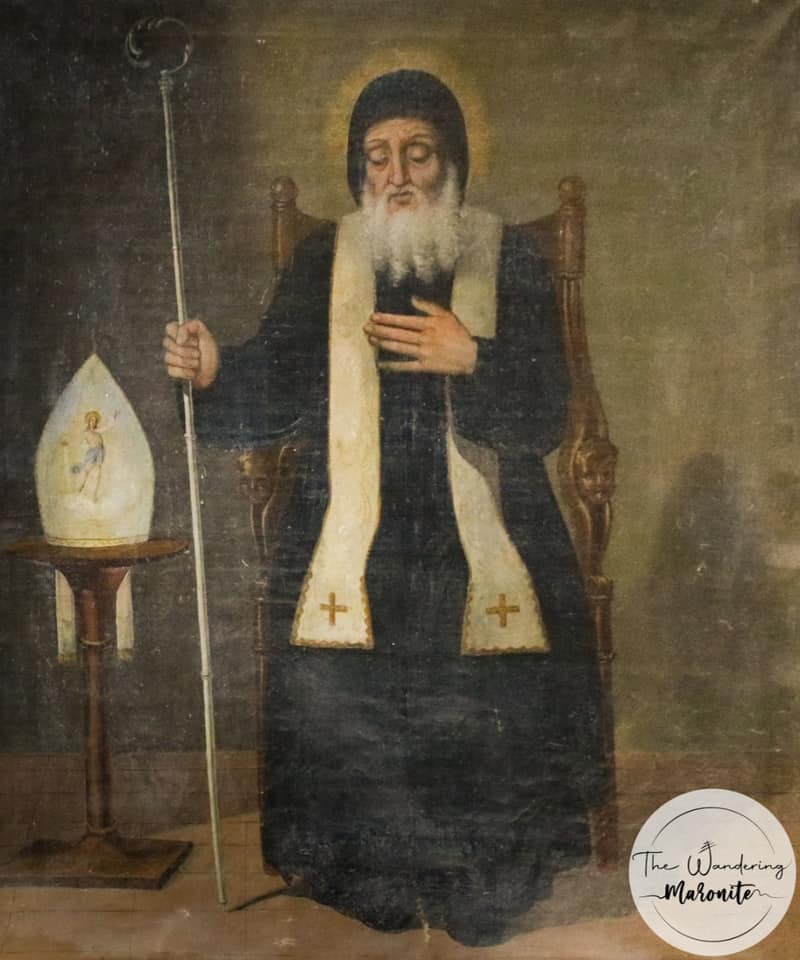
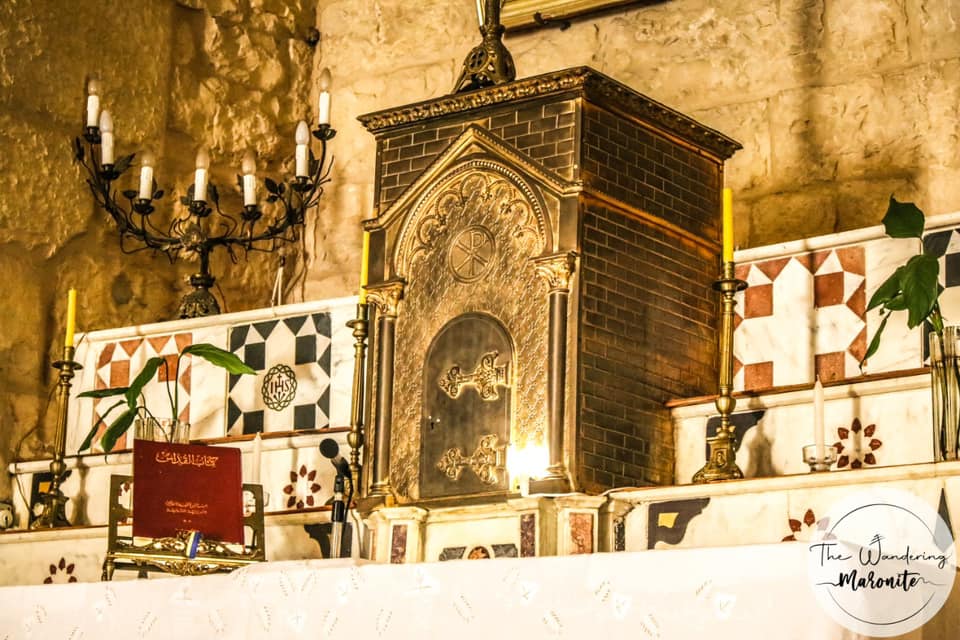
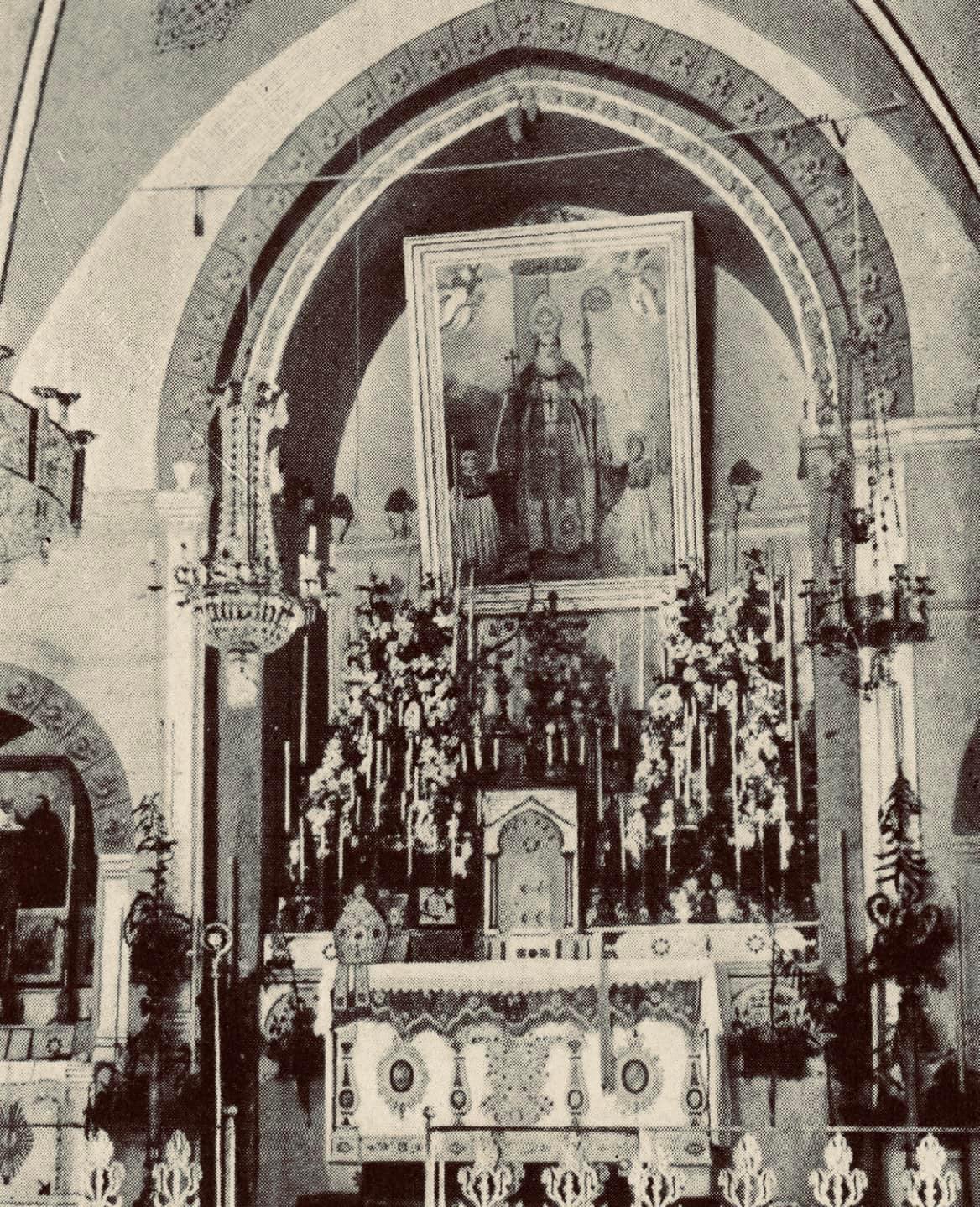
دير مار يوحنّا مارون - كفرحييروي التقليد أنّ القدّيس يوحنّا مارون، بنى الدير على أنقاض بيتٍ سكنه العبّاد يوم سيم اسقفًا على البترون في العام ٦٧٦، ونقل إليه هامة مار مارون وسمّاه ريش موران أي رأس مارون، وجعله كرسيّه بعد انتخابه بطريركًا سنة ٦٨٥. أقام في الدّير، البطاركة الموارنة المتعاقبون إلى دانيال الشاماتي. آل الدّير إلى الخراب بعد أن دمّره يوسف سيفا سنة ١٦٣٤. أعاد بناؤه البطريرك يوسف أسطفان سنة ١٧٨٧ وكرّسه على إسم مار يوحنّا مارون، وجعل فيه مدرسةً لتعليم الأحداث ما لبثت أن تحوّلت لإكليريكيّة سنة ١٨١٨ بأمر البطريرك يوحنّا الحلو. الديّر اليوم كرسيّ أساقفة البترون، وهو الشاهد على تاريخ الموارنة في لبنان.The monastery of St John Maroun - KfarhayAccording to tradition, St John Maroun built the first monastery when he was the bishop of Batroun in 676 over a hermitage, and brought to it the holy relic of the forehead of St Maroun and named it Rish Moran or the head of St Maroun. He made the monastery his patriarcal seat when he was elected in 685. The succeeding patriarchs lived in the monastery until Daniel el Shamaty. The monastery was destroyed by Youssef Sayfa in 1634.Patriarch Youssef Estfen rebuilt it with a school and consecrated it to St John Maroun, the school was transformed into a seminary in 1818 by a decree of Patriarch Youhanna el Helo.The monastery is now the seat of the bishops of Batroun, and the witness to the Maronite history.

Visited 5553 times, 2 Visits today

Reviews are disabled, but trackbacks and pingbacks are open.

Related Listings

Edde Jbeil – Saint Georges

Saint George Church, Byblos, Lebanon

مار جرجس اده جبيل

Eddeh Jbayl

Jbeil

Mount Lebanon

The church dates back to the Phoenician era with a high vault. The great frensh orientalist Ernest Renan retraced its history with its huge stone pillars. The church had a great Phoenician tympant with two snakes revolving around a globe. The huge stone was taken to the Louvre museum by Renan.
The final stage and most recent construction dates back to 1870 when the church was rededicated by bishop Yousef el Marid.
St George’s painting over the altar is the work of Paul Shlavek


تعود الى العهد الفينيقي لأنها مبنيّة بعقد قصبة مرتفعة وكانت معبدًا وثنيًّا.
أشار إرنست رينان الى وجود اعمِدة أثريّة استُعملت في مداميك البناء. رُمّمت وزيد عليها مع تعاقب المراحل التاريخيّة.
رينان انتزع عتبة الكنيسة وأرسلها الى متحف اللوفر في باريس، وهي تحمل نقشًا من الرموز التي كانت شائعةً في الدين الفينيقي يمثّل كرةً تلتفُّ حولها حيّاتٌ مجتمعة الأذناب في أعلاها
رُمِّمت هذه الكنيسة عدَّة مرّات، وكُرِّست عام 1870 بيد المطران يوسف المريض. وصورة مار جرجس فيها هي بريشة الرسّام بولس شلافك

Bickfaya – St George’s church

Saint Georges - grecs catholiques, Ain El Rihane, Lebanon

كنيسة مار جرجس

Bickfaya

Metn

Mount Lebanon

كنيسة مار جاورجيوس - المحيدثة بكفيّا

تسلّمت الرهبانيّة الباسيليّة الشويريّة حجّة عام ١٧٢٦ لبناء كنيسة على إسم مار جرجس للروم الملكييّن الكاثوليك فشرعت بالبناء، وشهدت مراحل ترميم وتوسعة عام ١٩٠٠ و٢٠١١. تتميّز الكنيسة بالإيقونات المقدسيّة والبلديّة التي تعود للنصف الثاني من القرن الثامن عشر.
تخدم كنيسة مار جرجس كلّ أبناء المنطقة وهي أمّ الرعايا الملكيّة والأقدم بينها.

St George’s church - El Mhaydse Bikfaya

The Bassilian Choueirite order received permission to build a church in Bikfaya in 1726, and decided to dedicate the new church to St George. The church underwent major restorations in 1900 and 2011. The church holds a collection of icons from the School of Jerusalem and some other local icons. The icons date back to the XVIIIth century. The church is the mother parish of all the Melkites in the region.

Ghalboun – The church of our Lady of Hawsh

Saint Mary Chapel, Ghalboun, Lebanon

كنيسة سيّدة الحوش

Ghalboun

Jbeil

Mount Lebanon

كنيسة سيّدة الحوش - غلبون

بُنيت سنة ١٩٤٧ بهمّة طالب خيرالله شاهين. البناء كناية عن مستطيل مسقوف على النمط البازيليكيّ بسوقٍ واحد. تقوم الكنيسة على أنقاض دير بيزنطيّ وقد رُمّمت مرارًا.

The church of our Lady of Hawsh - Ghalboun

The church was built in 1947 with the aid of Taleb Khairalla Chahin. The structure is based on a single nave basilical plan. The church was built over the ruins of a Byzantine monastery and was restored many times.