كنيسة مار أنطونيوس البادواني - كفرعبيدا
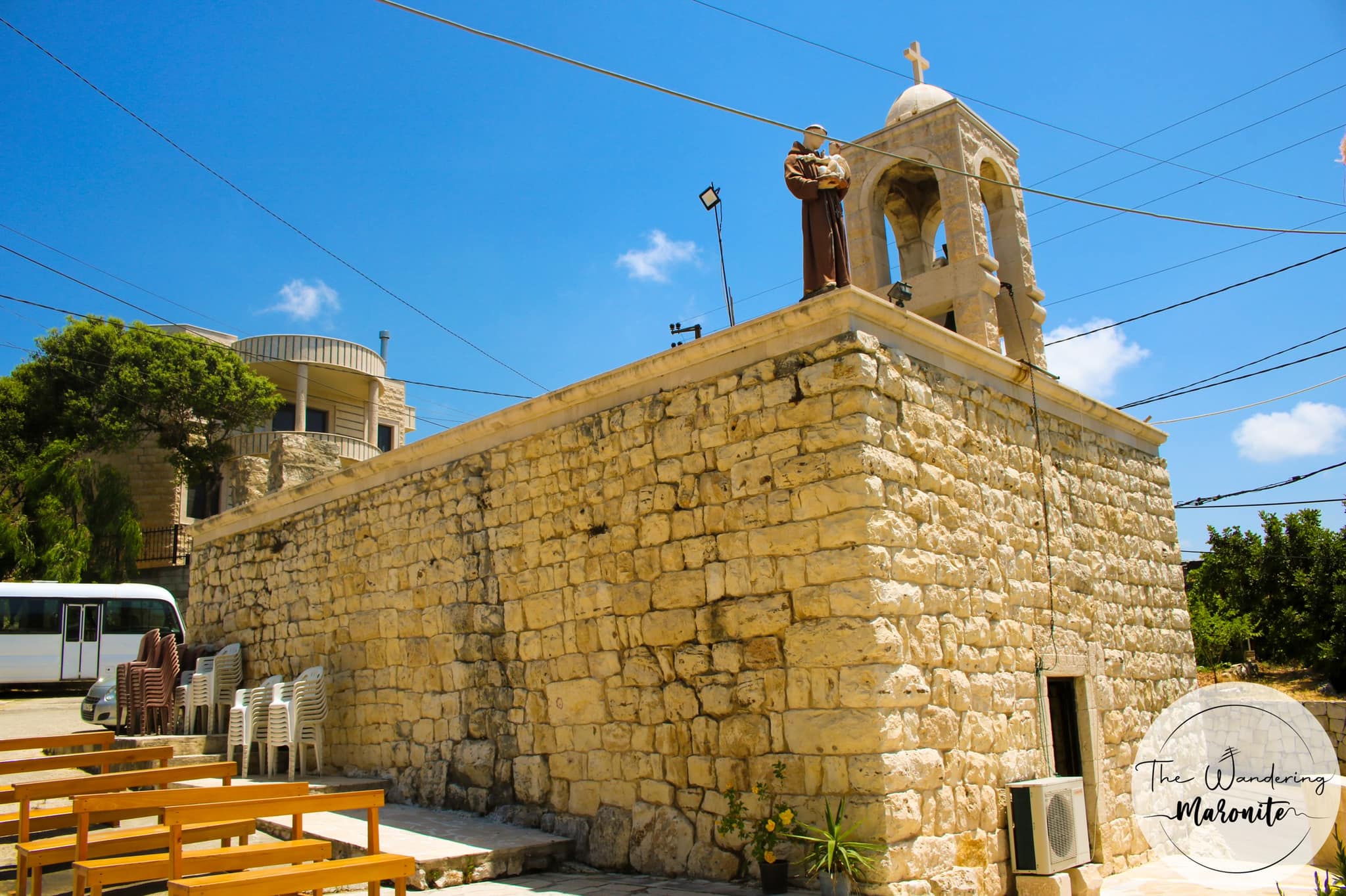
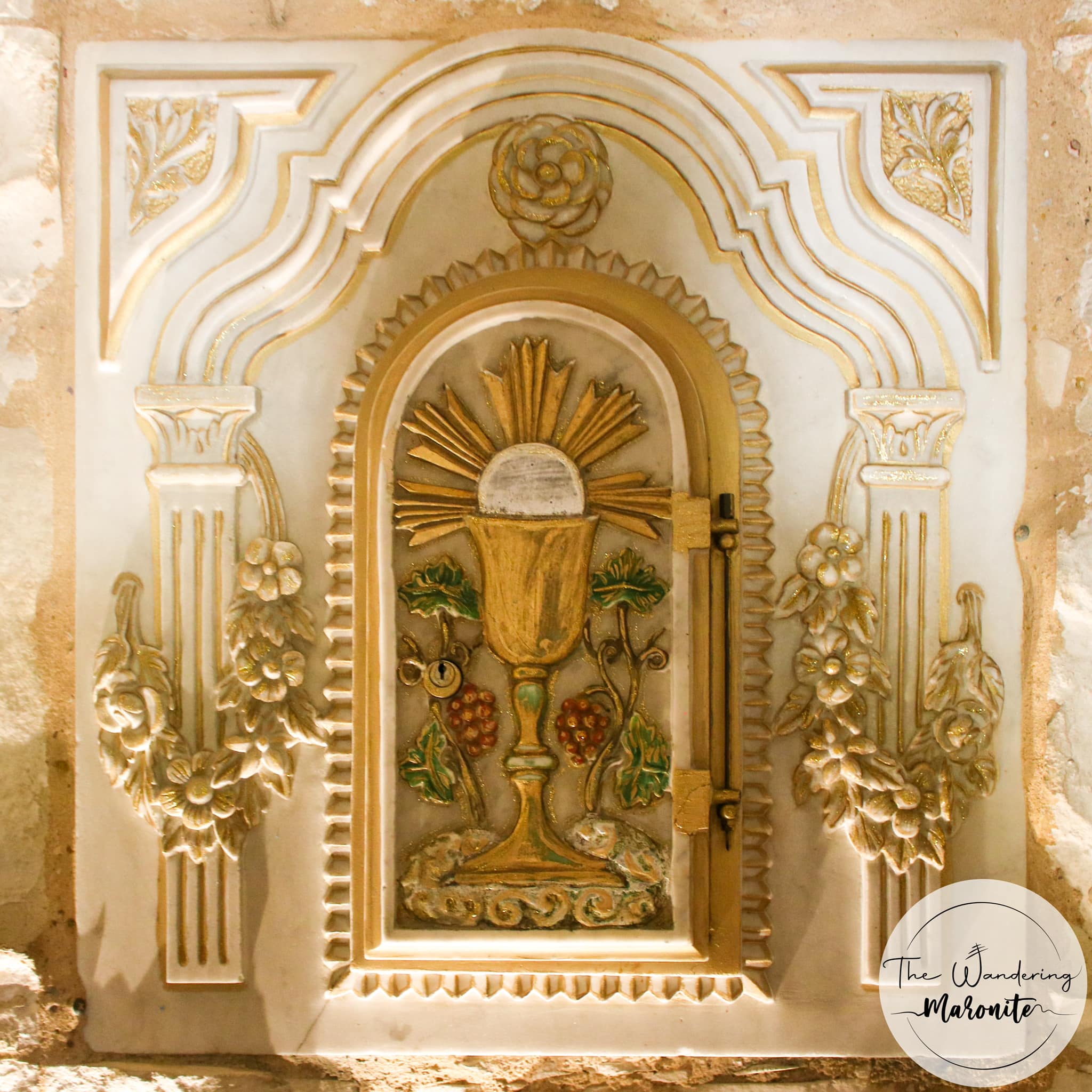
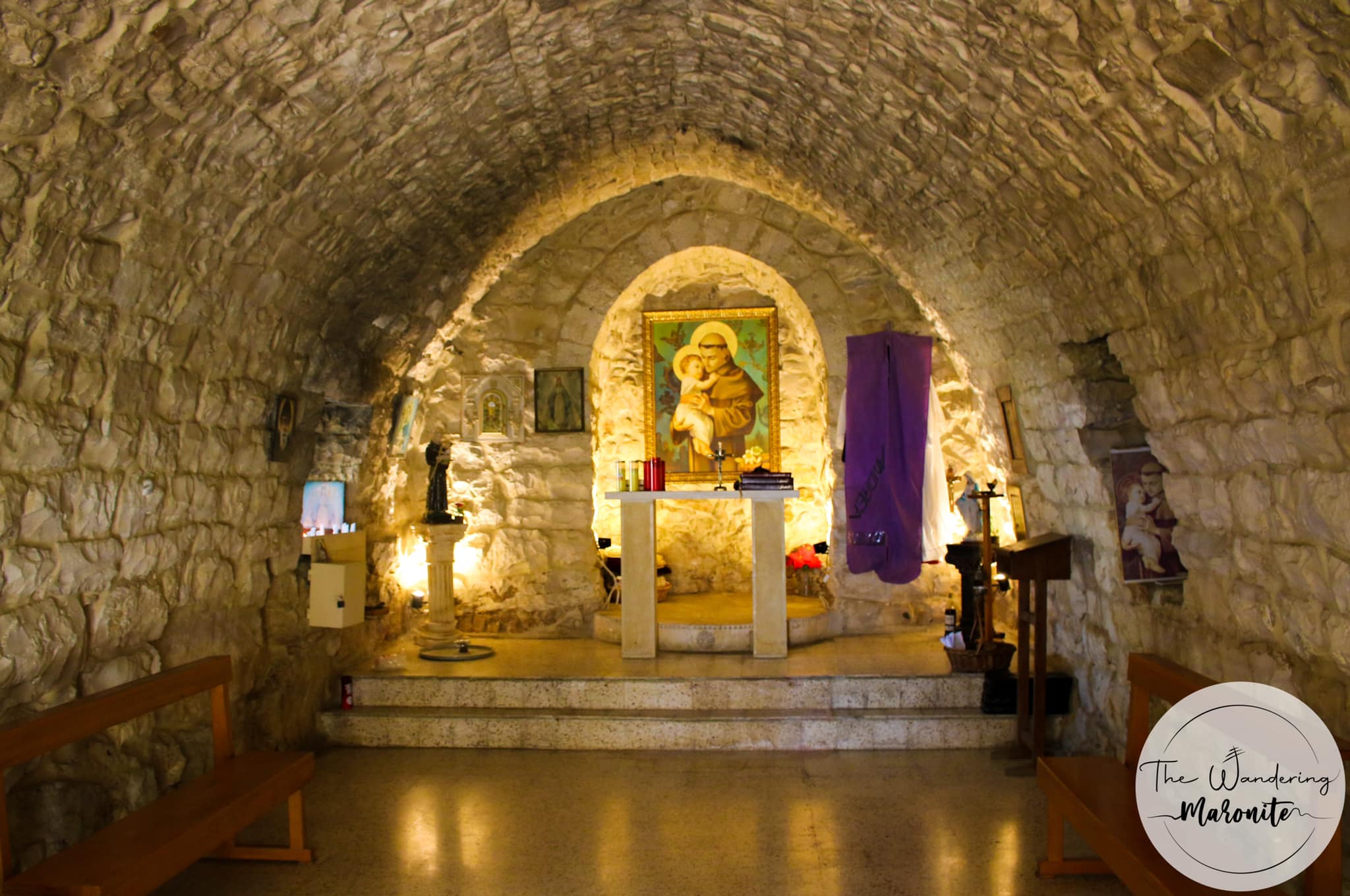
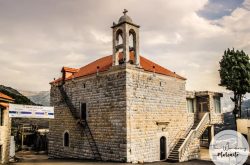
هي كنيسة صغيرة في البلدة، بُنيت سنة ١٨١٦. البناء كناية عن عقدٍ سريريّ بسيط، يعلوه تمثال لمار أنطونيوس البادوانيّ حاملاً الطفل.
The church of St Anthony of Padua - Kfaraabida
A small church on the outskirts of the village, built in 1816. The structure is a simple crib vault, with St Anthony's statue over the building.
بنيت الكنيسة سنة ١٦٠٧ عندما نزح الخوري تادي وأولاده من بلاد الرها الى قرطبا ووهبهم الأرض لبنائها مشايخ آل حمادة. الكنيسة هي الوحيدة في لبنان على إسم مار تادي أي تدّاوس رسول آسية الصغرى وهو المعروف بمار لابا في سائر كنائس لبنان. أعيد بناء الكنيسة سنة ١٨٦٨. اللوحة الأساسيّة تعود لسنة ١٨٨٠ من عمل الرسّام داود القرم رُمّمت سنة ٢٠٠٤ وتُمثّل مار تادي بهيئة أسقف. وفي الكنيسة لوحة ثانية لمار شلّيطا من عمل الرسّام البولوني بولس شلافاك.
The church was built in 1607 when the family of the priest Tedy came to Qartaba from Urfa. It was built upon a parcel of land that was donated by the Hamade sheikhs. It is the only church in Lebanon dedicated to St Tedy or Jude the apostle of Asia Minor. The other churches in Lebanon are usually dedicated to him under the name of apostle Leba. The church was rebuilt in 1868. The painting is the work of Dawoud Al Qorm dating back to year 1880 representing St Tedy as a bishop. It was restored in 2004. The church holds another painting by the polish painter Paul Shlavak and represents St Shalita (Artemius of Antioch) on his horse.
بُنيت الكنيسة سنة ١٨٦٠ على أنقاض كنيسة أخرى أقدم عهدًا، بسعي الخوري مارون العلم، وكرّسها المطران بولس موسى رئيس أساقفة طرابلس. رُمّمت سنة ١٩٨٤. تحوي الكنيسة على ثلاث مذابح: السيّدة وفوقه لوحة لداوود القرم تعود لسنة ١٨٨٤، قلب مريم الطاهر، ومار يوسف.
The church of Our Lady - Daraya
The church was built in 1860 over an older church, with the overseeing of Fr Maroun Al Alam. It was consecrated by Boulos Moussa Archbishop of Tripoli. The structure was restored in 1884. The church holds three altars: the main one is dedicated to the Virgin Mary with a painting drawn by Dawoud el Qorm dating back to 1884, The Immaculate Heart of Mary, and St Joseph.
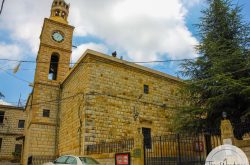
بنى أهل حدشيت الآتين إلى حمّانا الكنيسة الأولى بداية القرن السابع عشر، وحملوا معهم شفاعة مار رومانوس. سنة ١٧٢٣ أخذت الكنيسة شكلها الحاليّ: عقد مُصالب ينتهي بحنية. وًسّعت سنة ١٧٨٣. سنة ١٨٢٥ أنعم قداسة البابا لاوون الثاني عشر، بالغفارين للمذبح الكبير. تعرّضت للتخريب في أحداث ١٨٦٠، وكرّس مذبحها الجديد المطران نعمة الله سلوان سنة ١٨٧٣. في عشرينيّات القرن العشرين بُنيت القبّة والساعة الطنّانة. سنة ١٩٣٦ زارها البطريرك أنطون عريضة. رمّمت الكنيسة سنة ١٩٩٠. تضمّ الكنيسة العديد من المفارش البيعيّة المحليّة الصنع كبيت القربان وقبته، مجموعةً من اللوحات الغربيّة، ولوحة مار رومانوس مقتبسة عن لوحة حدشيت من عمل نجيب حاتم سنة ١٩٢٢.
The church of St. Raymond (Roumanos) - Hammana
The church was built in the beginning of the XVIth century by the villagers of Hadshit who resided in Hammana and imported the devotion towards their patron saint Raymond. In 1723 the church took its current form: a crossed vault with an apse. The church was enlarged in 1783. In 1825 Pope Leo XII gave the privilege to the church's altar. In 1860 the church was damaged during the civil war. The altar was reconsacrated in 1873 by Mgr. Nematullah Selwan. During the second decade a bell tower with a clock was added. In 1936 Patriarch Antoun Arida visited the church. In 1999 the church was restored. The church holds many ecclesiastical artifacts: a tabernacle with a baldaquin, western style paintings, and a painting of Saint Raymond inspired by the one in Hadshit by Najib Hatem dating back to 1922.




Reviews are disabled, but trackbacks and pingbacks are open.