
Sarba – The Shrine of St George El Batyeh

Saint George Shrine, Sarba, Lebanon

Other Details

مزار مار جرجس الباطية

Jounieh Sarba

Keserwan

Mount Lebanon

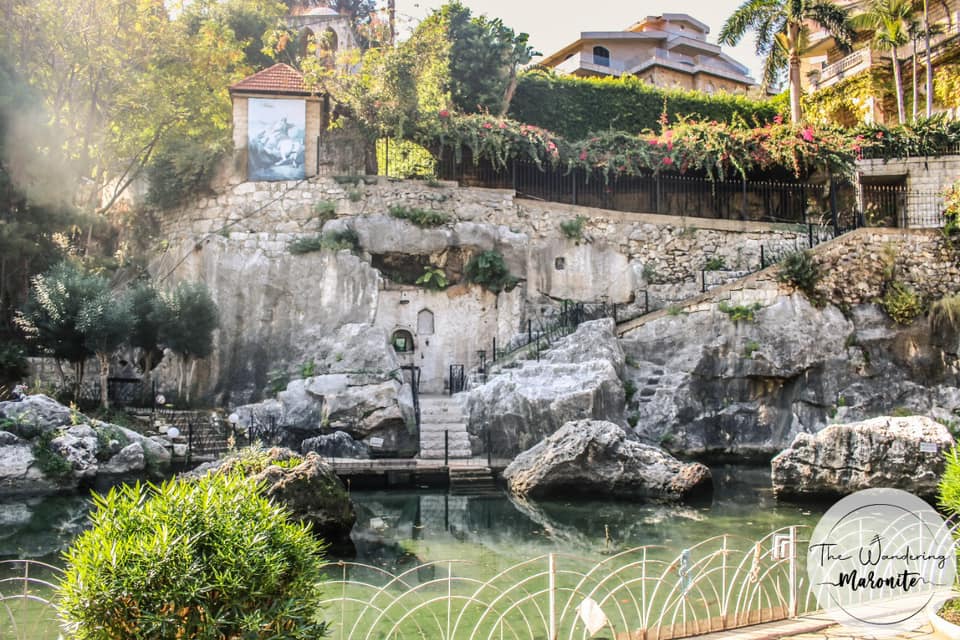
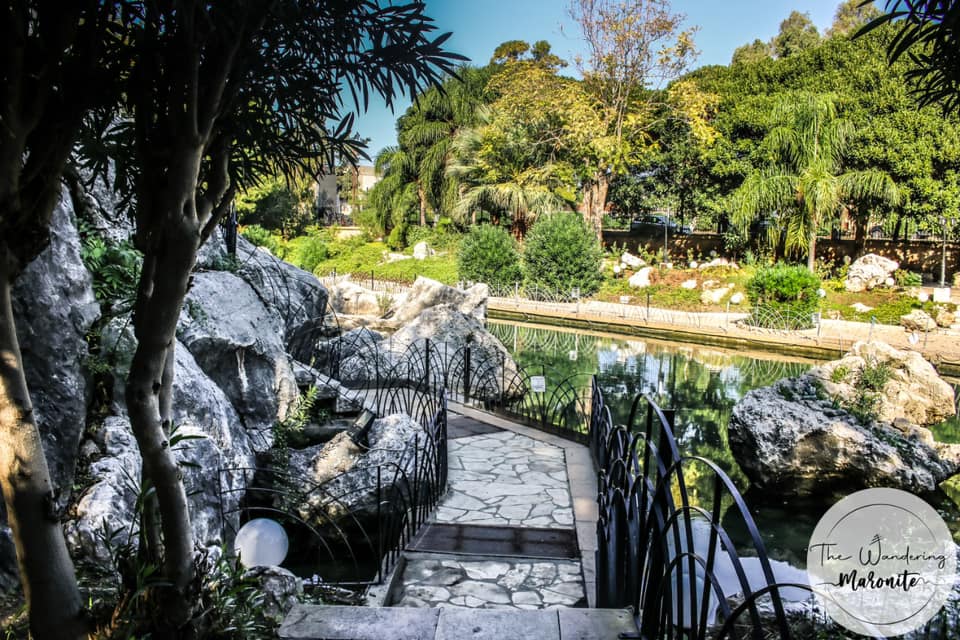
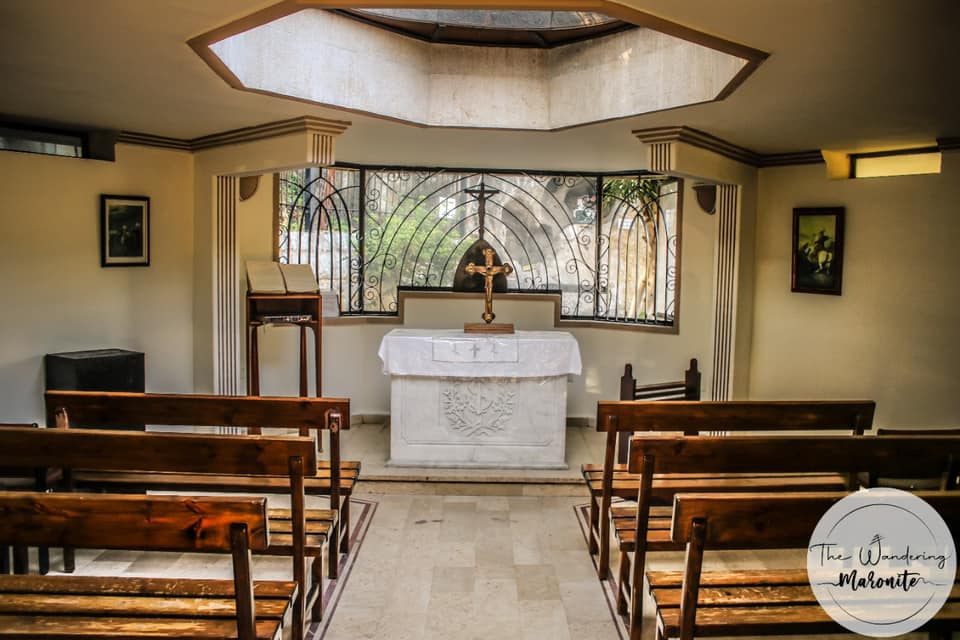
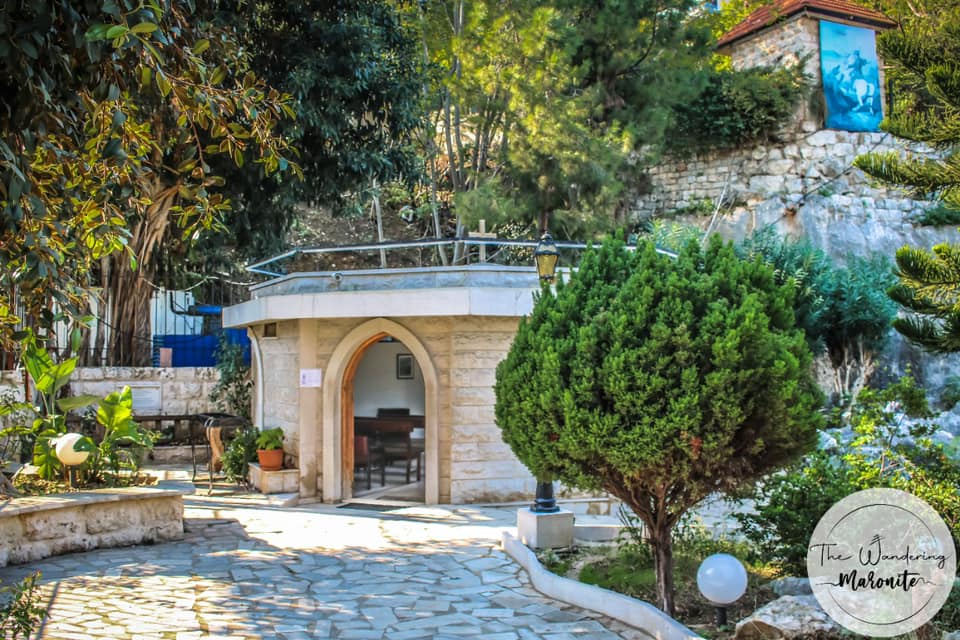
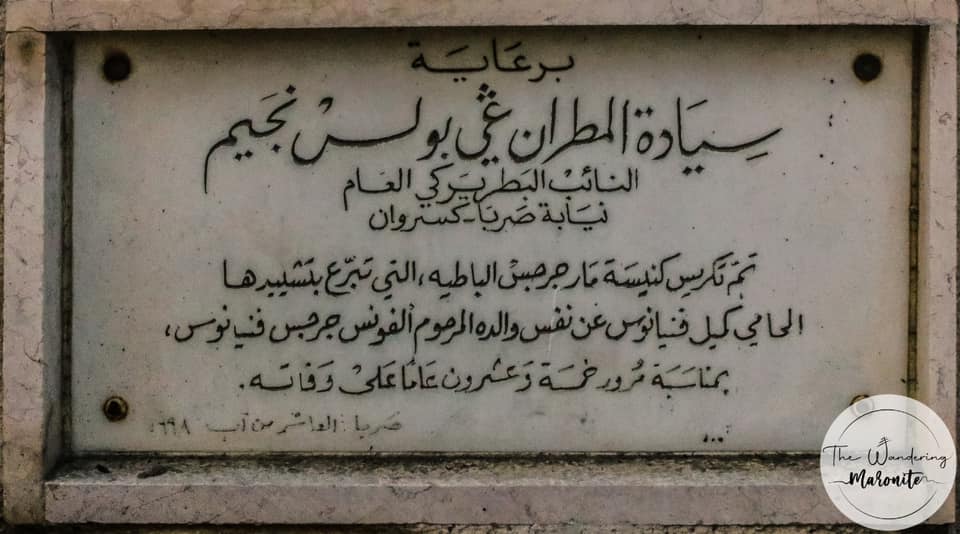
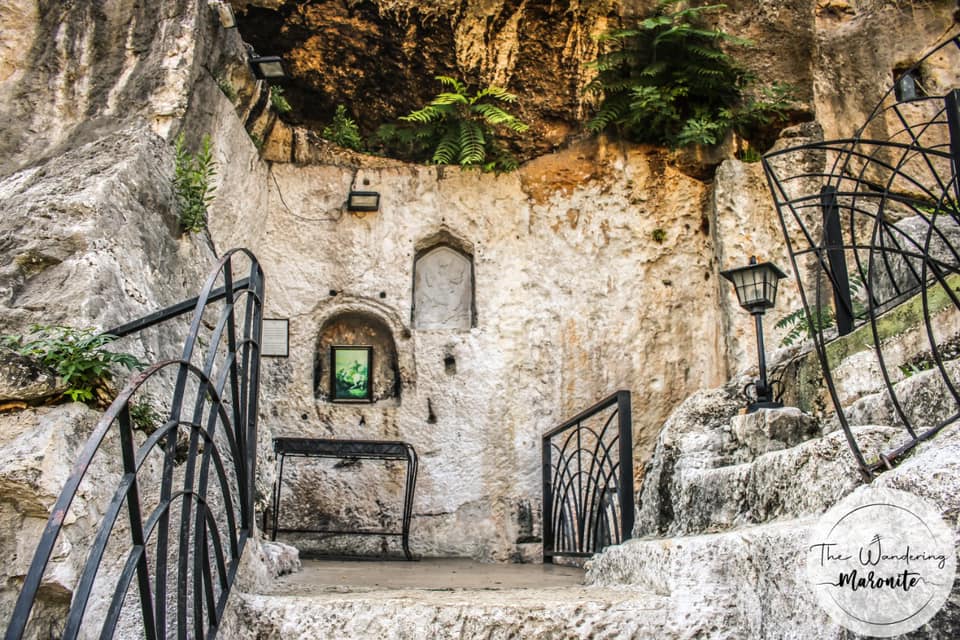
مزار مار جرجس الباطية - صربافي أسفل الشير الصخري عند شاطىء صربا توجد مغارة طبيعية تعرف بـ"الباطية" وهي تعني "إناء للماء"، إذ تتضمّن المغارة حوضًا صخريًّ تملأه مياه البحر المحاذي للموقع.فوق المغارة كان يوجد في السابق معبد قديم مكرّس لعبادة البعل. لقد شيّد المسيحيّون في الموقع كنيسةً كبيرةً كانت قد فُرشت أرضيتها بفسيفساء جميلة لم يبق منها سوى بعض الأجزاء. ومن ثم استُبدلت هذه العادات والتقاليد برموز مسيحيّة، فتحوّل الموقع إلى مزار للقديس جرجس، وأصبح السكان المحليّون يقصدون الموقع ويقدمون النذور للقديس جرجس لشفاء الأطفال من الأمراض المستعصية والنساء من مشاكل العقم.The Shrine of St George El Batyeh - SarbaUnder a huge limestone cliff on the coast of Sarba there is a natural cave known as el Batyeh (meaning the water vessel) because it retains water from the neighboring sea. Over the cave, the Phoenicians erected a temple for Baal, that early christians converted to a church with mosaic flooring. Some of the mosaics are still visible. After the paleochristian era, the local pilgrimage and vitive customs attributed to the site were converted. The shrine was dedicated to St George, with an emergence of votive pilgrimage piety surrounding the place.

Visited 4056 times, 3 Visits today
Reviews are disabled, but trackbacks and pingbacks are open.

Related Listings

Amshit – The church of Our Lady

Notre dame de amchit - كنيسة السيدة عمشيت, Aamchit, Lebanon

كنيسة السيّدة

Aamchit

Jbeil

Mount Lebanon

كنيسة السيّدة - عمشيت
بُنيت الكنيسة الأولى أواسط القرن العاشر وكان يطلق عليها إسم سيّدة البيدر. سنة ١٧٨٢ بُنيت الكنيسة الحاليّة. سنة ١٩٠٠. أُفيم في الكنيسة بيت القربان الرخاميّ ووضعت لوحة سيّدة الإنتقال. سنة ١٩٥٨ رمّمت الكنيسة ووُسّعت آخذة شكلها الحاليّ بعدما أُزيلت من داخلها الشواهد والقبور. رُمّمت الكنيسة أواخر القرن العشرين وهي كناية عن عقد مُصالب ينتهي بحنية.

The church of Our Lady - Amshit
The first church was built in the middle of the Xth century and was known by our Lady of the field. In 1782 the current church was built. In 1900 the marble tabernacle and the painting of the Assumption were brought. In 1958 the church was restored and all of the tombs and the shrines where removed. The church was renewed in the latter part of the XXth century. The structure consists of a crossed vault ending with an apse.

Salima – St. John the Baptist Ancient Church

Mar Youhana Church - كنيسة مار يوحنا, Salima, Lebanon

كنيسة مار يوحنّا المعمدان الأثريّة

Salima Baabda

Baabda

Mount Lebanon

كنيسة مار يوحنّا المعمدان الأثريّة - صليما

يعود بناء الكنيسة إلى سنة ١٦٥٨، فمع توافد الموارنة إلى البلدة شرعوا ببناء كنيسة. ساعدهم على بنائها الآباء الكبوشيّون الذين بدؤا رسالتهم في دير مار بطرس في البلدة وجلبوا لإعانة موارنة البلدة معونة ماديّة من الكاردينال ريوشوليو وزير الملك لويس الثالث عشر. سنة ١٦٨٤ كرّس المذبح البطريرك أسطفان الدويهيّ. البناء كناية عن عقدِ مُصالب، يتميّز ببابٍ فخمٍ قدّمه أمراء آل أبي اللمع. تعرضت الكنيسة للتخريب إبّان الحرب الأهليّة اللبنانيّة. ورمّمت في تسعينيّات القرن العشرين

St. John the Baptist Ancient Church - Salima

The construction of the church dates back to the year 1658 when the Maronites began to settle in the town and started building a church. The Capuchin fathers, who began their mission at the Monastery of St. Peter in the town, assisted them in its construction. They brought financial assistance from Cardinal Richelieu, the Minister of King Louis XIII, to support the Maronites of the town. In 1684, Patriarch Estephan Douaihy consecrated the altar. The building is in the shape of a crucifix and is distinguished by a magnificent door donated by the Al Abi Al Lamaa family. The church suffered damage during the Lebanese Civil War and was restored in the 1990s.

Yanouh – The church of the Theotokos our Lady Mary

Church of Mary mother of god, Yanouh, Lebanon

كنيسة أم الله السيّدة مريم

Yanouh Jbayl

Jbeil

Mount Lebanon

كنيسة أم الله السيّدة مريم - يانوح

بعد محاولته العودة إلى أنطاكيا ورجوعه الى جبل لبنان سنة ٧٥٠، سكن البطريرك الرابع يوحنّا مارون الثاني و من بعده خلفائه البطاركة دير مار جرجس الأزرق يانوح لخمسمئة سنة إلى سنة ١٢٧٧. يُعزى ذلك بحسب المؤرخين لثلاثة أسباب : كون يانوح منطقة جبليّة عاصية، قربها من معبر المنيطرة القريب الى البقاع، وتقوى أهل يانوح بحسب البطريرك الدويهيّ. في القرن الثامن بُنيت كنيسة أم الله في الصرح البطريركيّ لجهة الشمال، وجدّدت في أيّام الصليبيّين. سنة ١٢١٥ صدر أمر البابا اينوشنسيوس الثالث الى الأساقفة الموارنة بالخضوع للبطريرك في كرسيّ يانوح. ضمّت هذه الكنيسة مخطوط إنجيل رابولا. بعد القرون الوسطى خرب الدّير والكرسيّ. رمّمت الكنيسة بسعي البطريرك بشارة بطرس الراعي وأعيد تكريسها سنة ٢٠١٧. تضمّ العرش البطريركيّ القديم، وعلى زواياها نقشت الصلبان المثنية الأطراف.

The church of the Theotokos our Lady Mary - Yanouh

After his failed attempt to go back to Antioch the fourth Maronite patriarch John Maroun II move his seat to the monastery of St George the blue in Yanouh in 1750. The patriarchal seat remained there for 500 years until 1277. The main reasons that Yanouh was chosen was because of the mountainous nature of the region, the closeness to the pass of Mneitra and to the region of Bekaa, and the locals piety described by patriarch Douwaihy. In the VIIIth century the church of the Theotokos was built north of the patriarchal seat, and renewed during the crusades. In 1215 an edict by pope Innocent III ordered the maronite bishops to obey the patriarch in the sear of Our Lady of Yanouh. This church held the Codex Rabbula. After the middle ages the church fell into despair, it was renewed by order of Patriarch Bechara Boutros el Rai in 2017 and reconsecrated. The church holds the old patriarcal throne and has two egged crosses on the four sides of the structure.