كابيلّا القدّيسة ريتا - غادير
سنة ١٩٠٦ بنت عائلة خورشيد إيليان كابيلّا مدفنيّة على اسم مار بطرس وبولس، وكانت تابعة لكنيسة الأرمن الكاثوليك. سنة ١٩٨٩ إنتقلت ملكيّتها لوقف الورديّة، غادير، ورُمّمت. كرّسها الخورأسقف يعقوب الشمالي على اسم القدّيسة ريتا. سنة ٢٠٠٢ أُعيد ترميمها وأُضيفت إليها الباحة الخارجيّة. سنة ٢٠١٥ تمّ الاحتفال باليوبيل الفضيّ لتكريسها. البناء كناية عن عقدٍ مُصالب، بواجهة نيوكلاسيكيّة.
The Chapel of St. Rita - Ghadir
In 1906, the Armenian Catholic family Khorcheid Elian built a funerary chapel dedicated to Sts. Peter and Paul. In 1989, the chapel was purchased by the parish of the Rosary - Ghadir. It was then rededicated to St. Rita by Chorbishop Yaqoub Chemaly. In 2002, the chapel underwent restoration, and an external garden was added. In 2015, the chapel celebrated its silver jubilee. The structure features a crossed vault with a neoclassical facade.
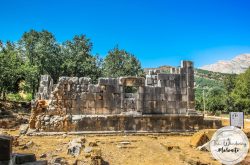
البناء أساسًا كان معبدًا فينيقيّ ثمّ رومانيّ. عُرف بالأزرق نسبةً للون الحجر الكلسيّ. مع قدوم المسيحيّة حُوّل المعبد إلى ديرٍ على اسم مار جرجس وكان الأكبر في جبّة المنيطرة. إختاره البطريرك يوحنّا مارون الثاني مقرًّا له سنة ٧٥٠، وذلك لصعوبة الوصول إليه، ولأن يانوح بحسب البطريرك الدويهيّ: "كانت من أشرف المجالِس في جِبَة المنيطرة وأهلها كثيرو العِبادة والغيرة". بقيت يانوح مقرًّا بطريركيًّا شبه ثابتٍ ما بين ٧٥٠ و١٢٧٧، لأن البطاركة تنقلوا مابين سنتيّ ١١٢٠ و١٢٠٠ بين ميفوق وهابيل ولحفد. بنى البطاركة بقرب المعبد كنيسةً صغيرة خاصة للبطاركة وأقبية وغرف. وبنوا كنيسة السيّدة خارج المحلّة. أقام البطاركة في يانوح، ما مجموعه أربعماية واثنتان وثلاثون سنة، منها ثلاثمائة وسبعون سنةً متواصلةً دون إنقطاع. مع قدوم الصليبيّين في عهد البطريرك يوسف الجرجسيّ إستبشر الموارنة خيرًا بحسب ابن القلاعي، فأُعيد اتصالهم بروما، وعاشوا فترةً من الإزدهار، ويذكر التاريخ أنّه في تلك الحقبة إستبدل الموارنة نوافيس الخشب بنواقيس حديدٍ في يانوح. لكنّ الفترة الصليبيّة شهدت العديد من القلاقل والمعارك ممّا استدعى تنقلاتٍ عديدةٍ للبطاركة واتخاذهم عدّة مراكز. ومع رحيل الصليبييّن وحملة المماليك أُحرقت يانوح، ولم تُجرى أبحاث أركيواوجيّة على الموضع لحين الإنتداب الفرنسيّ بداية القرن العشرين.
The blue monastery of St George - Yanouh
The building was originally a Phoenician than a Roman temple consecutively. With the locals conversion to Christianity the temple was consecrated as a church dedicated to St George. In 750 Yanouh was chosen as a patriarchal seat, it remained a nearly consistent seat between 750 and 1277. The patriarchs built near the temple a patriarchal chapel, many vaults and cells and the church of the Virgin Mary outside of the complex. With the Crusades during the pontificate of Patriarch Youssef el Gergesy, the Maronites entered a golden age, they reconnected with Rome. Yet the latter Crusader’s period saw unrest and struggles, that was the reason why many patriarchs used to change residences. In 1277 the patriarchs moved out of Yanouh. The seat was completly abandoned after the Crusaders left and the Mamluk’s campaign that destroyed the village. The site was excavated by the french archeological missions in the early XXth century.
كنيسة مار سابا الأثريّة St.Saba church, Edde, Lebanon
كنيسة مار سابا
Edde El-Batroun
Batroun
North
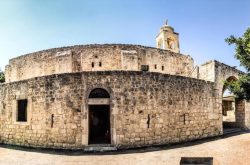
كنيسة مار سابا - اده البترون بناها الصليبيون في القرن الثاني عشر. كانت قديمًا مغطات بالكامل بجداريات بيزنطيّة لم يسلم منها سوى القليل رممت سنة ٢٠١٢. كنيسة مار سابا هذه، سبق للبطريرك إسطفان الدويهي أن أشار اليها عندما إستطاع ان يقرأ فيها مدوَّنةً سريانية تَصِف إنتصاراً احرَزَهُ الموارنة عندما ردّ وا هجومًا شنَّه السلطان بيبرس على طرابلس في العام 1266، مما أتاح للدويهي ان يحدّد العهد الذي تعود اليه جدرانيات هذه الكنيسة ومما يفسر الهندسة الدفاعية والنشابيات. ويتابع الدويهي قائلاً أن الموارنة شيَّدوا عندئذٍ عدَّة كنائس إحتفالاً بإنتصارهم هذا، ورسموا صوراً تخليداً له. وهناك مقطع لا يزال مرئياً في الاطار الذي يعلو صورة رقاد العذراء. ومن ذلك العهد العائد الى ما بعد العام 1266 يمكننا ان نرى صورةً للعذراء جالسةً وحاملةً طفلها. هذه القصة سردها الدويهي في كتاب تاريخ الازمنة.
St Sabba’s church - Eddeh el Batroun Built by the Crusaders during the twelve century and covered entirely by byzantine frescoes (few remain today) and restored in 2012. This church was mentioned by patriarch Al Douaihy, in his book Tarikh Alazmina when he depicted syriac engravings on the frescoes narrating a Maronite victory over the Mamluk sultan named Bybars upon his assult on Tripoli in 1266, this information allowed Douwaihy to date the frescoes, and explains the military structure of the church. This event is still visible in the frame of the Madona’s fresco dedicating the church to the great victory of the Maronites.
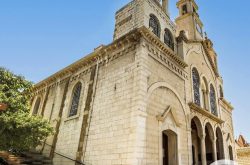
الكنيسة الحاليّة مبنيّة على أنقاض كنيستين: الأولى مجهولة تاريخ البناء وكانت صغيرة واطئة بنيت قرب مصب الينبوع وكانت قائمة في القرن السادس عشر، الثانية وكانت تُعرف بسيّدة الجوزة، بدأ بناؤها سنة ١٧٠٣ في مكانها الحاليّ. كرّسها في ١٠ أيّار سنة ١٧١٦ البطريرك يعقوب عوّاد، جلب لوحاتها من روما الخورأسقف يوسف السمعاني. سنة ١٩٠٣ بوشر بناء الكنيسة الحاليّة، وهي بازيليكيّة الطراز بثلاث أسواق وعقدٍ بغداديّ، تحوي خمس مذابح رخاميّة. كرّسها سنة ١٩٤٠ الخورأسقف يوسف الحايك. رمّمت الكنيسة عدّة مرّات. وهي أكبر كنيسة في بيت شباب تشتهر بأبراج أجراسها.
The church of our Lady the Major - Beit Shabab
The current church was built over two older churches. The first one was built near the village’s water fountain, its history is unknown, yet it was in use during the XVIth century. The second one was in the current place, it was known as our Lady of the Walnut tree. Construction began in 1703 and it was consecrated by Patriarch Yaaqoub Awad on the 10th of May 1716. The paintings of the church were brought from Rome by Mgr Youssef el Semaani. The current church was built in 1903, it is a basilical structure with three naves and five marble altars. It was consecrated in 1940 by Mgr Youssef el Hayek. The church underwent many restorations, it is famous for the three bell towers on its facade




Reviews are disabled, but trackbacks and pingbacks are open.