
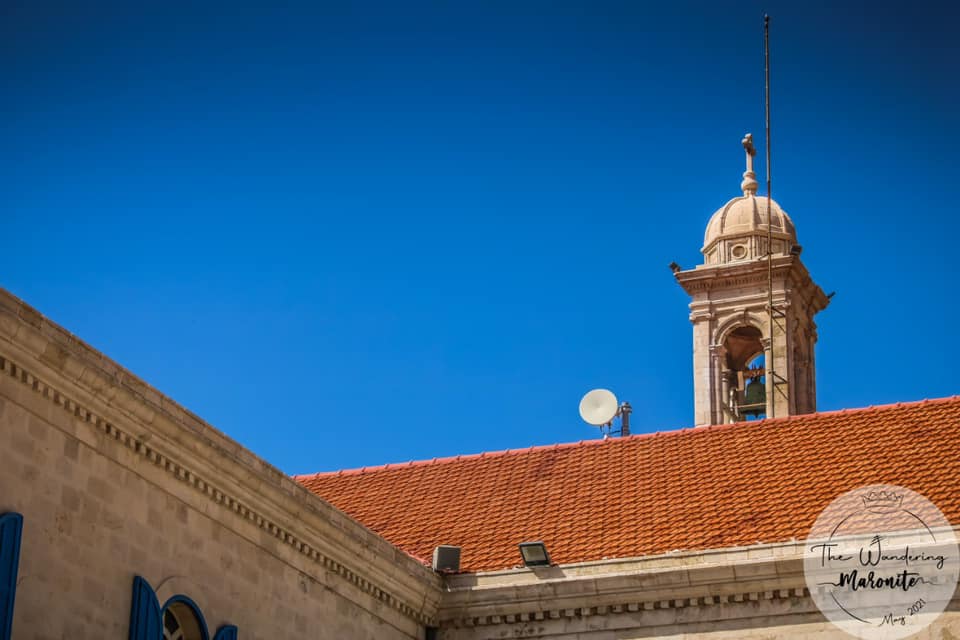
Bkerke – The Patriarchal monastery of Our Lady of Bkerke

Church of Bkerke, Juniyah, Lebanon

Other Details

دير سيّدة بكركي البطريركيّ

Jounie Ghadir

Keserwan

Mount Lebanon

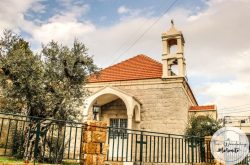
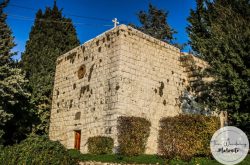
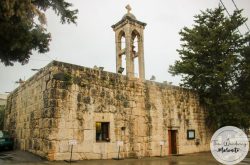
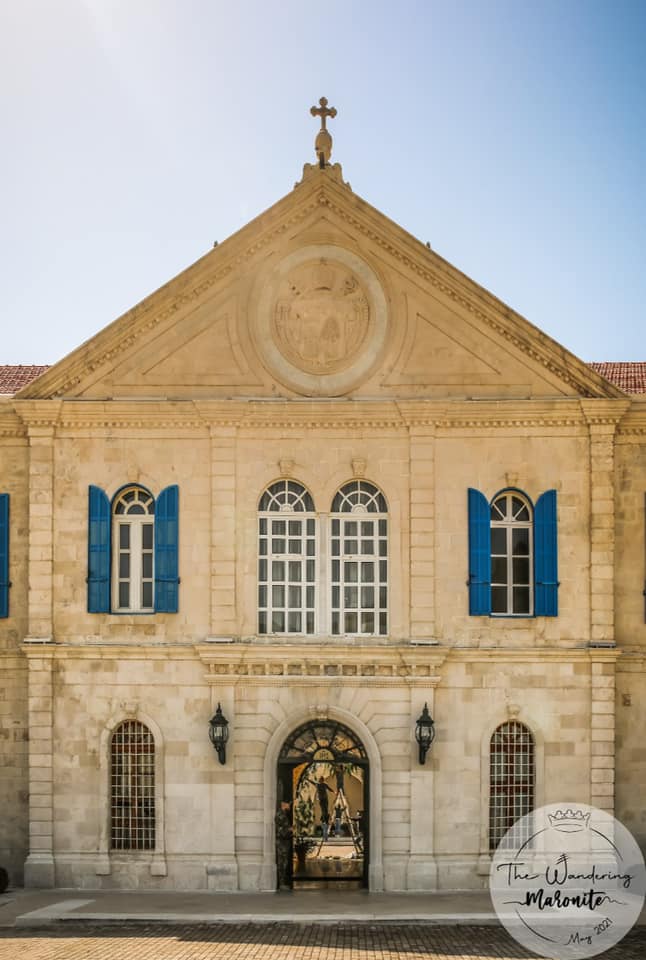
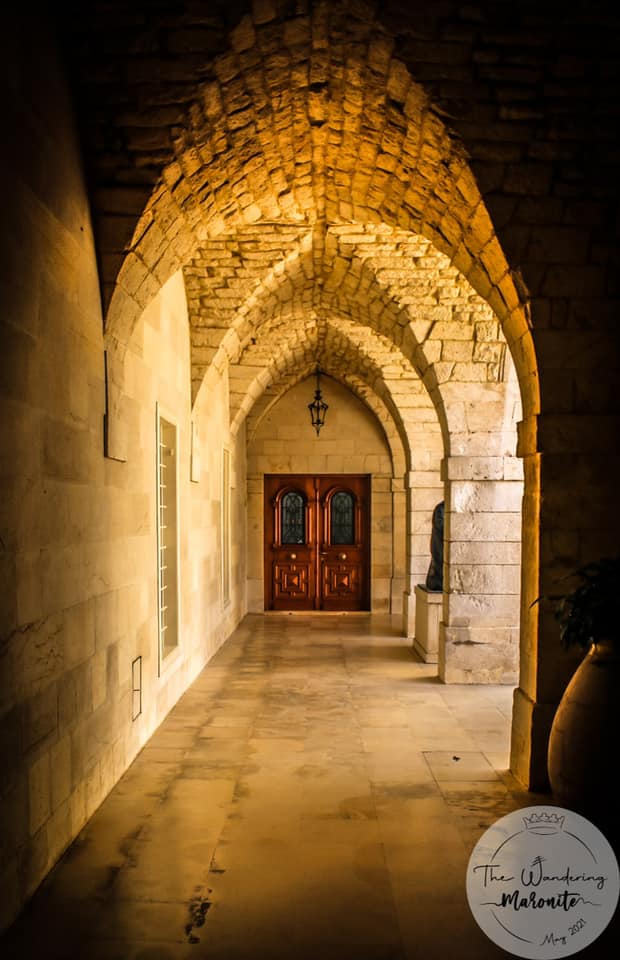
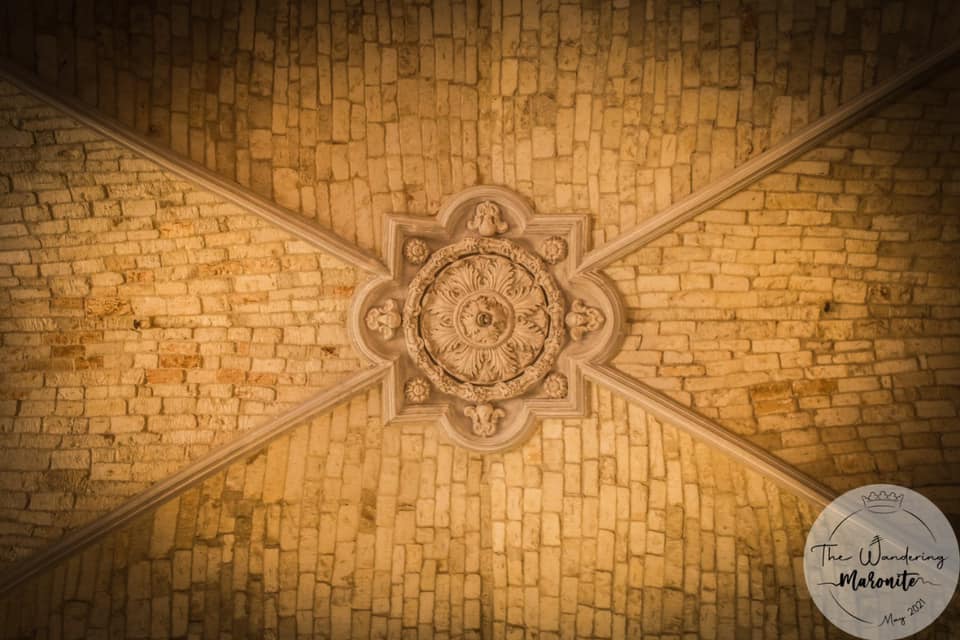
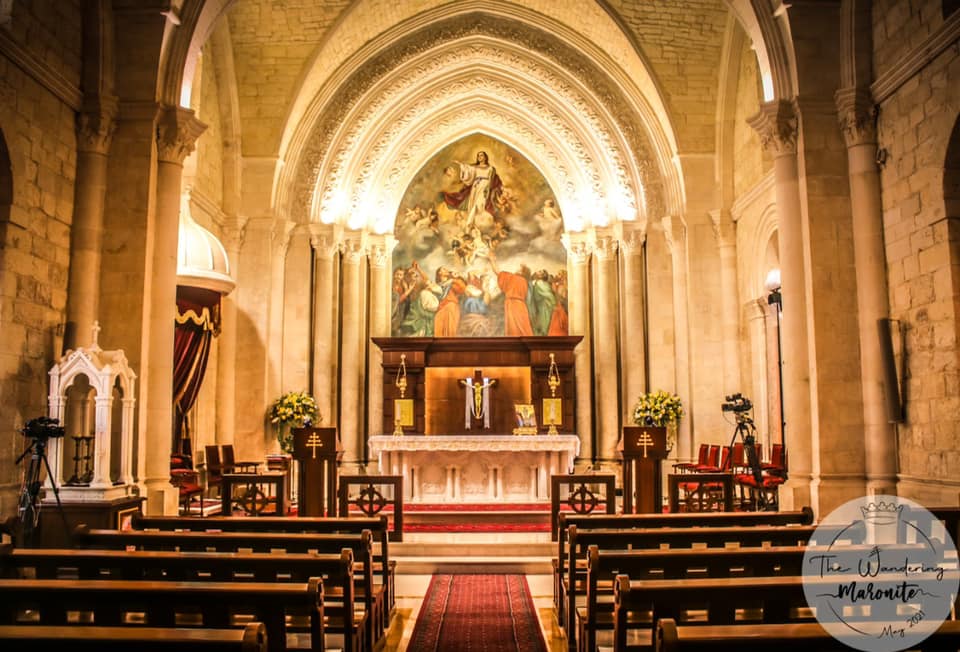
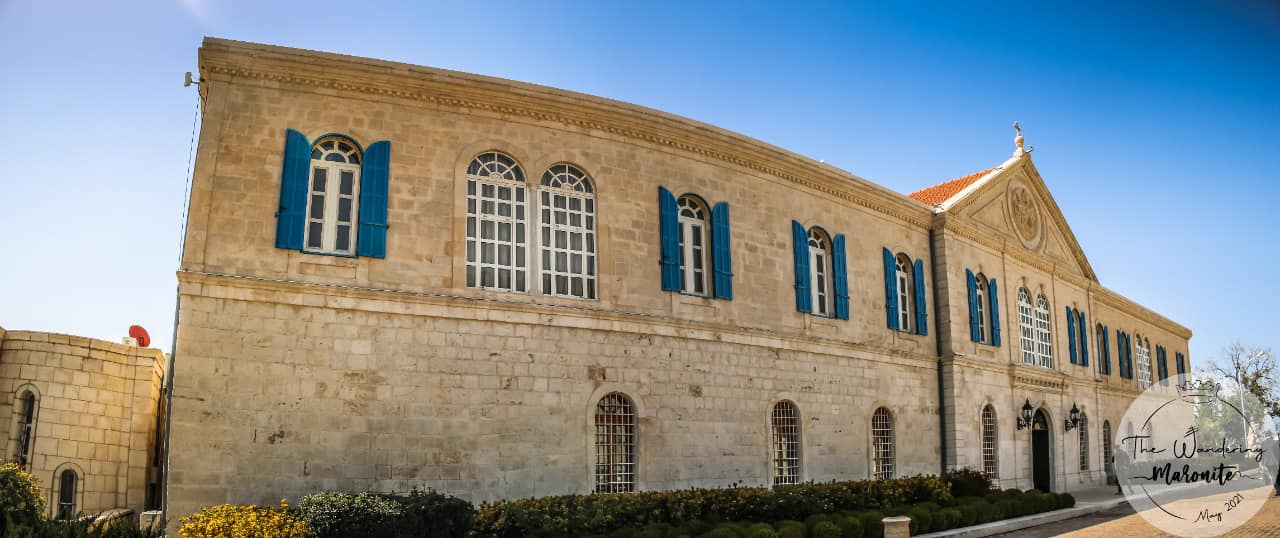
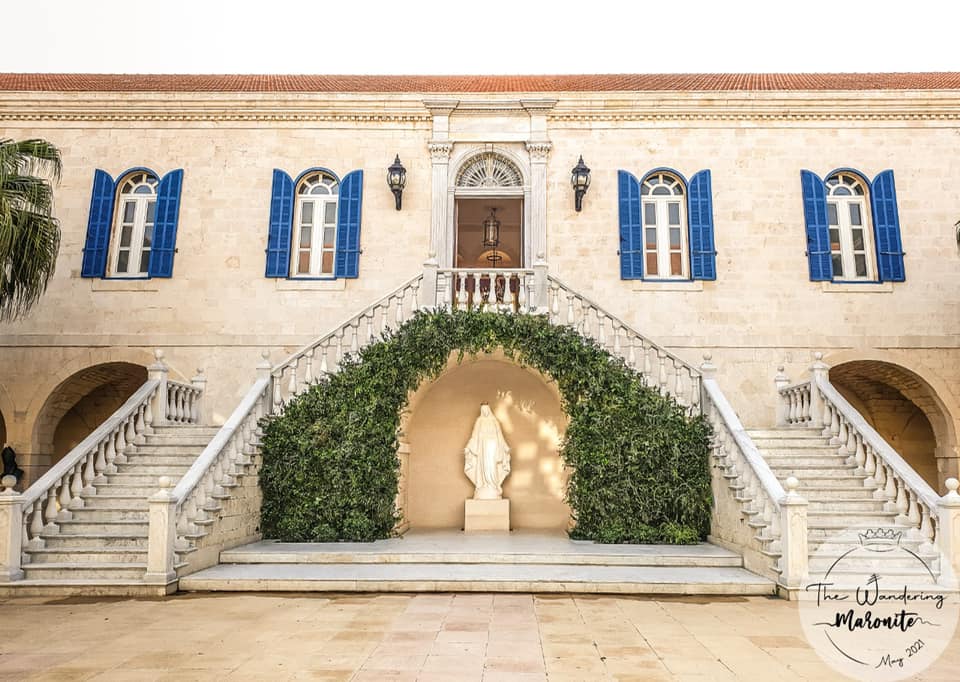
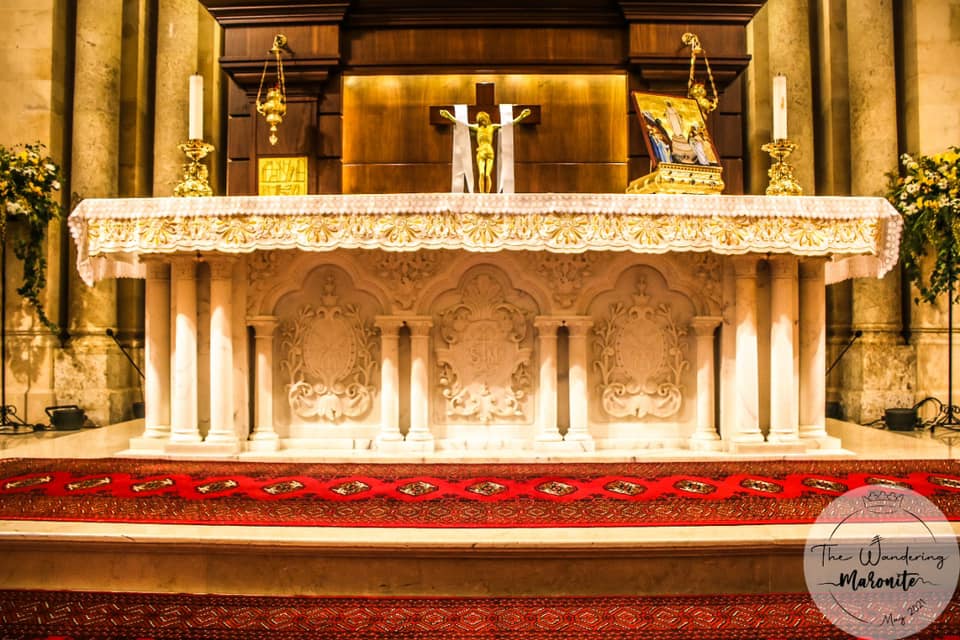
دير سيّدة بكركي البطريركيّ - بكركيسنة ١٧٠٣ بنى الشيخ خطّار الخازن دير بكركي في محلّة البشوشي أوّلاً، وفي سنة ١٧٣٠ تسلّمه الرهبان الأنطونيون؛ بعدها سنة ١٧٥٠ تسلّمه المطران جرمانوس صقر والراهبة هندية عجيمي ليكون مقرًّا لأخوية قلب يسوع التي بدأت تشييد الدّير في موقعه الحاليّ. سنة ١٧٧٩ قضت براءة رسوليّة بأن يتحوّل دير بكركي لخير الطائفة المارونيّة. سنة ١٨٢٣ أصبح الدّير كرسيًّا بطريركيًّا لفصل الشتاء. سنة ١٨٩٠ رمّمه البطريرك يوحنا الحاج وأضاف إليه قسمًا من الطابق السفلي والطابق العلوي بكامله، والكنيسة التي رسم جداريّتها داوود القرم. والدّير من تصميم الأخ ليونار اللعازاريّ. رممّ أيضًا سنة ١٩٧٠ و١٩٨٢. سنة ١٩٩٥ أضاف إليه البطريرك نصر الله صفير جناحاً ليحفظ فيه الأرشيف ويكون متحفاً خاصاً بالكرسيّ البطريركي، كما أنشأ مدافن للبطاركة وزيّن الكنيسة بالزجاجيّات.The Patriarchal monastery of Our Lady of Bkerke - BkerkeIn 1703 Sheikh Khattar el Khazen built the first church in the Bchouchi area and gave it in 1730 to the Antonine Order. In 1750 the monastery was given to Bishop Germanos Sakr and the nun Hindye to become a mother house to the congregation of the Sacred Heart of Jesus, and the construction on the current site began. In 1779 the congregation was dissolved and the monastery became the property of the Maronite church who decided to make it a winter residence for the patriarchs in 1823. In 1890 the building was restored by Patriarch John el Hajj with the design of the Lazarists Brother Lenard. The church was built and decorated with a fresco by Dawoud el Qorm. The building was restored in 1970 and 1982. In 1995 Patriarch Nasrallah Sfeir added a new hall for the archives and the museum, the patriarchal cemetery and decorated the church with stained glass windows.

Visited 3185 times, 8 Visits today

Reviews are disabled, but trackbacks and pingbacks are open.

Related Listings

The valley of Houlat Hadsheet – The Monastery of the Holy Cross and the hermitages of Sts Beskwan and Silwan

دير مار سلوان, Hadchit, Lebanon

دير الصليب ومحابس مار بسكوان ومار سلوان

Hadchit

Bcharre

North

دير الصليب ومحابس مار بسكوان ومار سلوان - وادي حولات حدشيت

دير الصليب يعود للقرون الوسطى، هو دير عاصٍ فيه كنيسة بخورسين. في الحنيتين جداريّات بيزنطيّة بكتابة سريانيّة تمثّل في إحداها الرسل والأخرى البشارة. على الجدار الشماليّ جداريّة الصلب وتشبه الى حدٍّ كبير منمنمة رابولا وتنتمي للمدرسة السريانيّة. وضع الجداريّات مذرٍ بفعل مرور الزمن والتخريب. في سفح الجبل قرب الدّير محبستين، الأولى لمار بسكوان وهو شفيع الإستعداد للموت عند أهالي حدشيت، والأخرى لمار سلوان.

The Monastery of the Holy Cross and the hermitages of Sts Beskwan and Silwan - The valley of Houlat Hadsheet

The monastery of the Holy Cross is a medieval monastery in the Holy Valley. The main church is a double apse structure decorated by byzantine frescoes with Syriac inscriptions depicting on one apse the apostles and on the other the Annunciation. On the northern wall there is a fresco of the crucifixion from the Syriac school of iconography, most probably a reproduction of Rabbula’s miniatures. The frescoes are in dire condition due to time and sabotage. In the cliff of the mountain near the monastery stand two hermitages: St Beskwan the patron of the preparation for death to the people of Hadsheet and St Silwan the athonite.

The Valley of Qannoubine – The monastery of St George of the Abyssinians

محبسة مار جرجس, Hadchit, Lebanon

دير مار جرجس الأحباش

Ouadi Qannoubine

Bcharre

North

دير مار جرجس الأحباش - وادي قنوبين

الدّير عبارة عن كهفٍ طبيعيٍّ يقع في وسط الجُرف الصخريّ ويضمُ كنيسةً ومدفنًا وبعض القلالي. يتمّ الوصول إليه عبر درجٍ من الحجارة المنحوتة. بنى الدّير رهبان مونوفيزيّين جاؤوا من الحبشة في القرن الثاني عشر بقصد التنسك. الكنيسة كناية عن تجويفٍ طبيعيًّ حُفرت حنيتها على شكل عقدٍ مكسورٍ مُليّسة بالكلس، ومزيّنة برسومٍ جداريّة ذات أشكال هندسيّة تنتمي لفنّ الكنيسة الحبشيّة. في الكنيسة كذلك مذبح مربّع الشكل.

The monastery of St George of the Abyssinians - the valley of Qannoubine

The monastery is a natural cave in a cliff consisting of a church, a necropolis and some cells. It is accessible trough a carved stair. The monastery was built by Jacobite monks from Abyssinia during the XIIth century. The church is a natural cave with a carved apse covered by limestone gypson with a geometrical motif fresco from the Ethiopian art tradition, the church also has a squared altar.

Bcharre – The church of Our Lady of the Milk

Saydet al dorr سيدة الدر, Bsharri, Lebanon

كنيسة سيّدة الدرّ

Bcharreh

Bcharre

North

كنيسة سيّدة الدرّ - بشرّي
سيدة الدرّ أو الوريسة كان معبدًا فينيقيًّا تحوّل الى كنيسة في القرن الحادي عشر. بحسب الأب بطرس ضو "تحوّل هذا المعبد الى كنيسة، وكان يوجد فيه رسوم جدرانيّة من القرن الثاني عشر وتحتوي على أسماء القدّيسين باليونانيّة، مما يدلّ على أن الموارنة في وادي قاديشا كانوا حتى القرن الثالث عشر على اتصال بالحضارة البيزنطيّة". الكنيسة عبارة عن مغارة محفورة في الصخر ذات خوروسين، لعلّ جداريتها الأجمل هي الظهور الإلهيّ.

The church of Our Lady of the Milk - Bcharre

The church of Our Lady of the Milk or El Waryse is a Phoenician temple converted in the XIth century. According to the historian Fr. Boutros Daw: ”The shrine was converted into a fresco covered church in the XIIth century with the saints name written in greek, indicating that the Maronites in that era kept contact with the Byzantines”. The church consists of a man made cave with a double apse. The best kept fresco is that of the Epiphany over the altar.