
Byblos – The Chapel of St Aquilina

St. Aquilina Chapel (Aquilina the Martyr Saint of Byblos), Byblos, Lebanon

Other Details

كابيلّا الشهيدة أكويلينا

Jbayl

Jbeil

Mount Lebanon

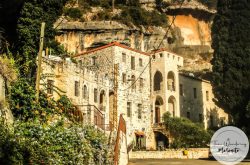
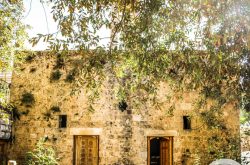
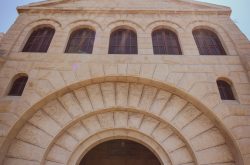
كابيلّا الشهيدة أكويلينا - جبيلالقدّيسة أكويلينا شهيدة من مدينة جبيل استشهدت فيها بعمر اثنتي عشر سنة، سنة ٢٩٣. دُفِنَت ذخائرها خارج مدينة جبيل، في المزار المُشيَّد على اسمها والواقع على تلّة قصّوبا شرقيّ المدينة بحسب المستشرق ارنست رينان. رسم لوحتها سمعان سمعان المصوّر المعروف بسمعان سارة أواخر سنة ١٩٥٣ بسعي الأب أنطونيوس زغيب الذي نشر إكرام القدّيسة. الكابيلّا بنيت أيّام رئاسة الأب يوحنّا وهبه على أنطوش جبيل في سوق جبيل القديم، سنة ١٩٨٢. وهو مزارها في قلب المدينة ومحجًّا لطلب شفاعتها.The Chapel of St Aquilina - ByblosSt Aquilina is a twelve year old martyr from Byblos who died in 293. Her relics were buried in a small shrine on the hill of Qassouba in the vicinity of the city according to the orientalist Ernest Renan. The painting is the work of Semaan Semaan also known as Semaan Sara dating back to 1953, commissioned by Fr Antonios Zgheib who promulgated the devotion to the saint. The chapel was built when Fr Youhanna Wehbe was the rector of Byblos’s presbytery in 1982. The chapel is a pilgrimage site to all those seeking the martyr’s intercession.

Visited 3342 times, 4 Visits today
Reviews are disabled, but trackbacks and pingbacks are open.

Related Listings

Sidon – St Elijah’s Maronite Cathedral

Maronite Diocese of Sidon مطرانية صيدا المارونية, Sidon, Lebanon

كاتدرائيّة مار الياس المارونيّة

Saydoun

Jezzine

South

كاتدرائيّة مار الياس المارونيّة صيدا
بناها المطران أغوسطينوس البستاني على إسم شفيع المدينة مار الياس الحيّ، لتكون كرسيًّا رسميًّا له في المتروبوليّة. وكان ذلك سنة ١٩٣٨. يَذكر الكتاب المقدّس أنّ مار الباس مرّ في صيدا وهي جزء من الأراضي المقدّسة وعلى اسمه أربع كنائس مارونيّة في المدينة. الكنيسة مبنيّة على النمط البازيليكيّ، لوحة الحنية من رسم الفنان اسعد رنّو. تعرّضت للحرق ابان الحرب الأهليّة سنة ١٩٨١. وأُعيد ترميمها مؤخّرًا سنة ٢٠١٧. من أبرز ما تحويه ذخيرة عود الصليب التي حملها مطران صيدا مار انطونيوس خريش (البطريرك لاحقًا) على إثر المجمع الفاتيكاني الثاني.

St Elijah’s Maronite Cathedral Sidon.
It was built during the mandate of archbishop Augustin El Boustany, and was dedicated to Elijah the prophet patron saint of the city, to become the bishop's official new cathedral in the metropolitan city. It was built in 1838 in a basilical plan. The Old Testament states the visit of the prophet to the city. That explains the presence of four churches dedicatd to him in the city. The main painting in the apse is the work of the Lebanese painter Assaad Renno.
The cathedral was burnt down during the civil war in 1981, and finally restored in 2017. Its most prized treasure is the Holy Cross relic brought back from the Second Vatican Council by Archbishop Antonios Khoraish (Later Maronite Patriarch).

Kaftoun – Monastery of our Lady

Monastery of Our Lady of Kaftoun, Kaftoun, Lebanon

دير السيّدة - كفتون

1910

Kaftoun

Koura

North

عود تأسيس الدّير الى القرن السادس، كُتِب عنه في منشورات تعود الى القرن التاسع موجودة في مكتبة أوكسفورد. تمَّ بناؤه على عِدَّة مراحل أمّا ترميمه الأخير فيعود الى العام 1910. الوجهة الخلفية للدير ملاصقة لشيرٍ صخريٍّ ضخم، وكنيسته في قلب الشير.
كان الدير بدايةً ديرًا مارونيًّا سكنه المطران (البطريرك لاحقًا) إرميا الدملصاوي. بعد حملات المماليك تنسّك فيه الرهبان الأرثوذكس. كانت أوجّ الحياة الرهبانيّة فيه عام ١٩٠٤. وفي بداية السبعينات أضحى مهجوراً ونُهبت كافة الأيقونات والمخطوطات. تجدّدت الحياة الرهبانيّة في الدّير سنة ١٩٧٧. عام ١٩٩٧ أُعيدت إليه أيقونة سيّدة كفتون العجائبيّة. تكمن أهميّة هذه الأيقونة أنّها مرسومةٌ على الوجهتين: الأولى تعود الى القرن الحادي عشر وتُمثِّل العذراء مريم والسيّد المسيح، والثانية تعود الى القرن الثالث عشر وتُمثِّل معموديّة السيّد المسيح ومدوَّنٌ عليها باللغات الثلاث: السريانيّة والعربيّة واليونانيّة، شهادةً عريقةً للطقس السريانيّ الملكيّ. يضُمّ الدير آثارًا تاريخيّةً قديمة كأجران منحوتة بالصخر وآبار ومطحنة ومعصرة قديمة تعود للقرن السادس.

The monastery was founded in the VIth century and many documents from the IXth century attesting its existence are still present in the Library of Oxford. The building was done over time up until 1910. The monastery is built inside a rocky cliff, with the main church inside the cave. At first the monastery was served by the Maronites and was the seat of Bishop (later patriarch) Jeremiah of Dmalsa. After the Mamluk’s raids the ownership was taken by the Orthodox hermits. The monastic life saw its peak in 1904 yet it declined up to the seventies when the monastery was deserted and looted. The monastic life would be renewed in 1977. In 1997 the miraculous icon of Our Lady of Kaftoun was returned. The importance of that icon reside in its being a double sided icon: on the first side dating back to the XIth century is a depiction of the Theotokos, on the other one dating back to the XIIIth century is a Theophany with inscriptions in Arabic Greek and Syriac, a true witness to the Syriac Melkite Rite.

Tannourin el Fawka – The monastery of St Challita

Saint Challita Church, Tannourine El Faouqa, Lebanon

دير مار شلّيطا

Tannourine El-Faouqa

Batroun

North

دير مار شلّيطا - تنوّرين الفوقا

من أقدم كنائس تنّورين، يرجّح البعض أن يكون البناء في الأصل هيكلاً وثنيًّا. الكنيسة مزدوجة بمذبحين: مار شليطا ومار جرجس، دلالة على أنّ الكنيسة تعود لأواسط العصر البيزنطيّ. دير مار شليطا يحوي نقوشًا مميّزة: صليب العاموديّين، الصليب الورديّ، والنجوم المثمّنة والمسدّسة. جرسها من عمل فارس النفّاع سنة ١٩٤٤. في الكنيسة لوحتين غير موقّعتين لمار جرجس ومار شليطا تعودا لما قبل القرن السادس عشر.

The monastery of St Challita - Tannourin el Fawka

It is one of the oldest churches in Tannourin, and used to be a pagan temple according to some sources. The double choir indicates that the structure dates back to the mid Byzantine era. The monastery of St Chalyta is finely built with rare encrypted geometric shapes on the apses : the rose cross, the cross of the stylite, the six and the eight pointed stars... The bell is done by of Fares el Nafah in 1944. In the church are two paintings for St Challita and St George dating back to the XVIth century and not signed.