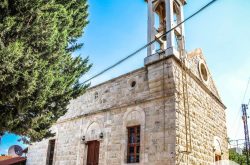

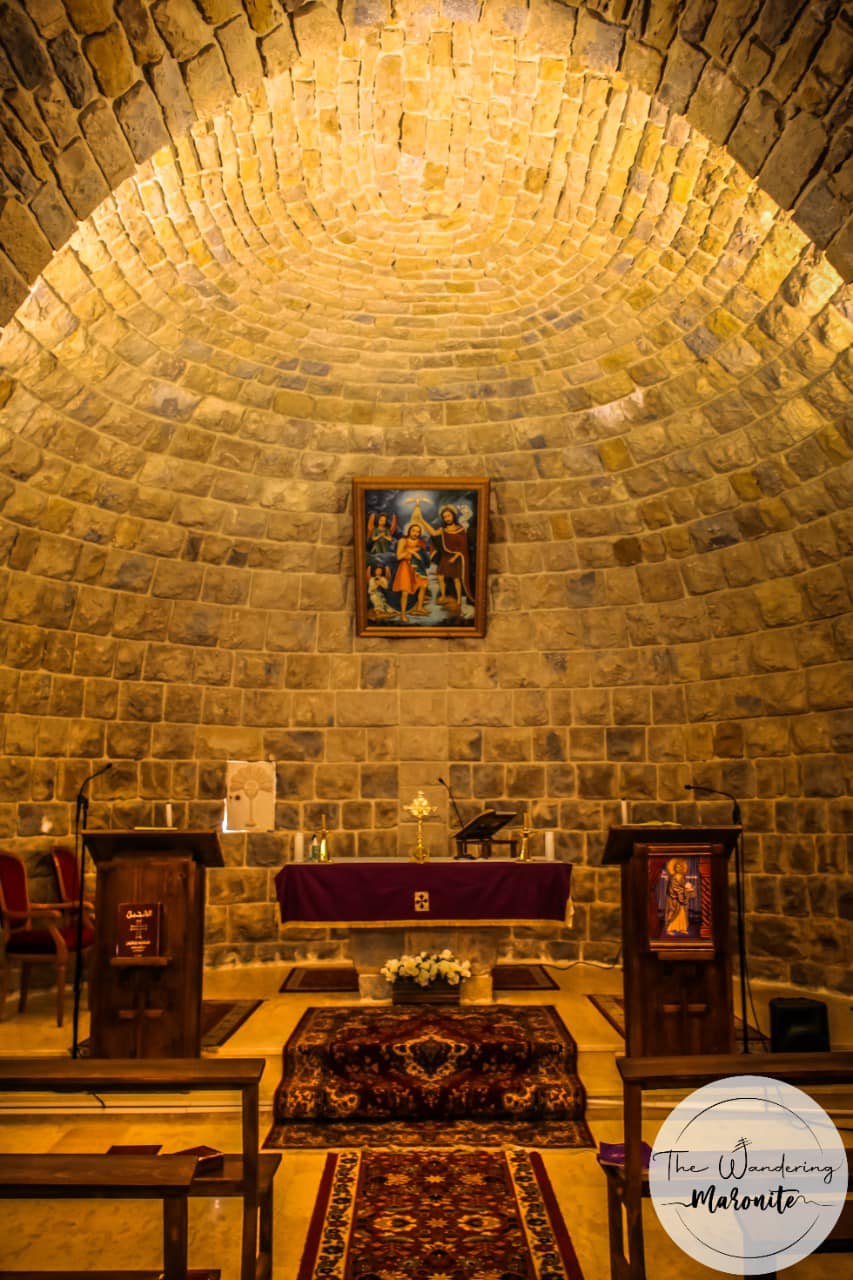
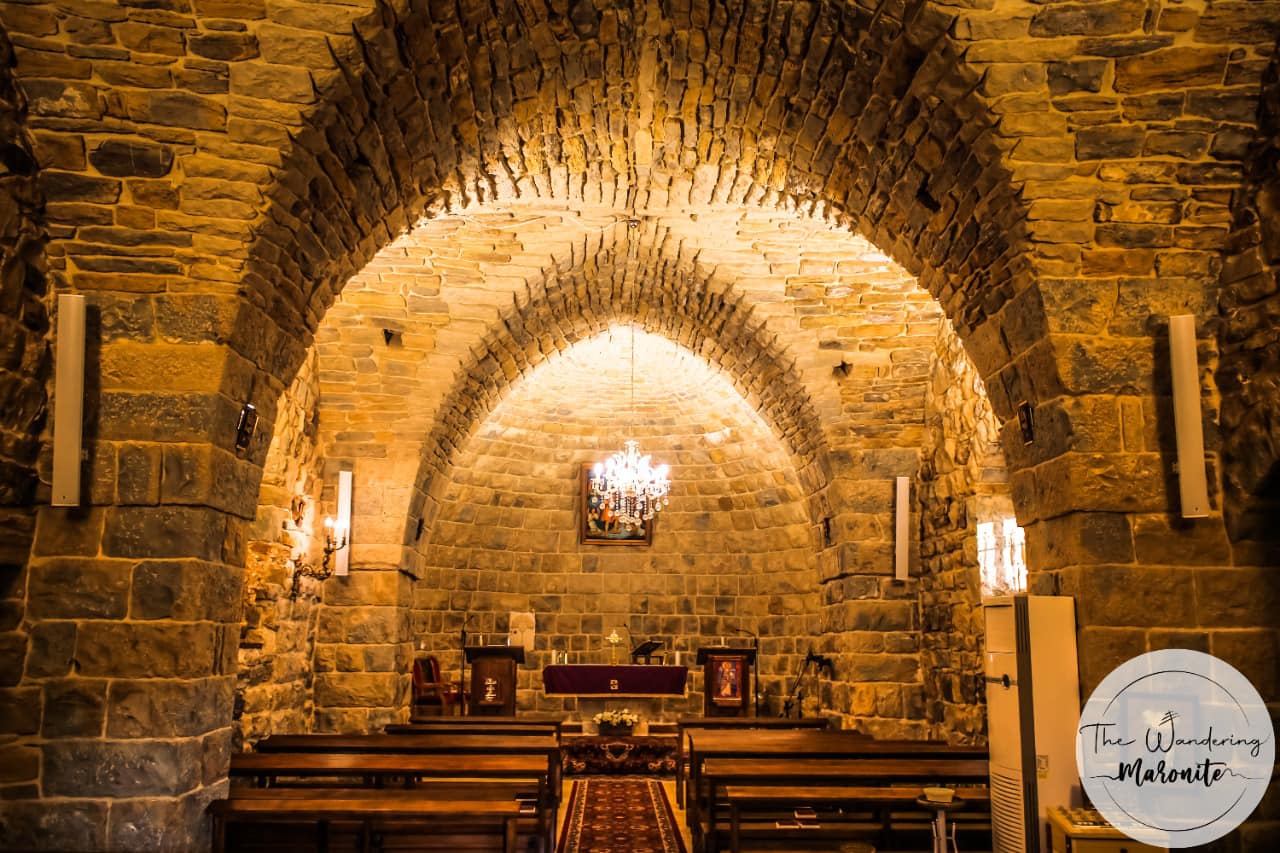
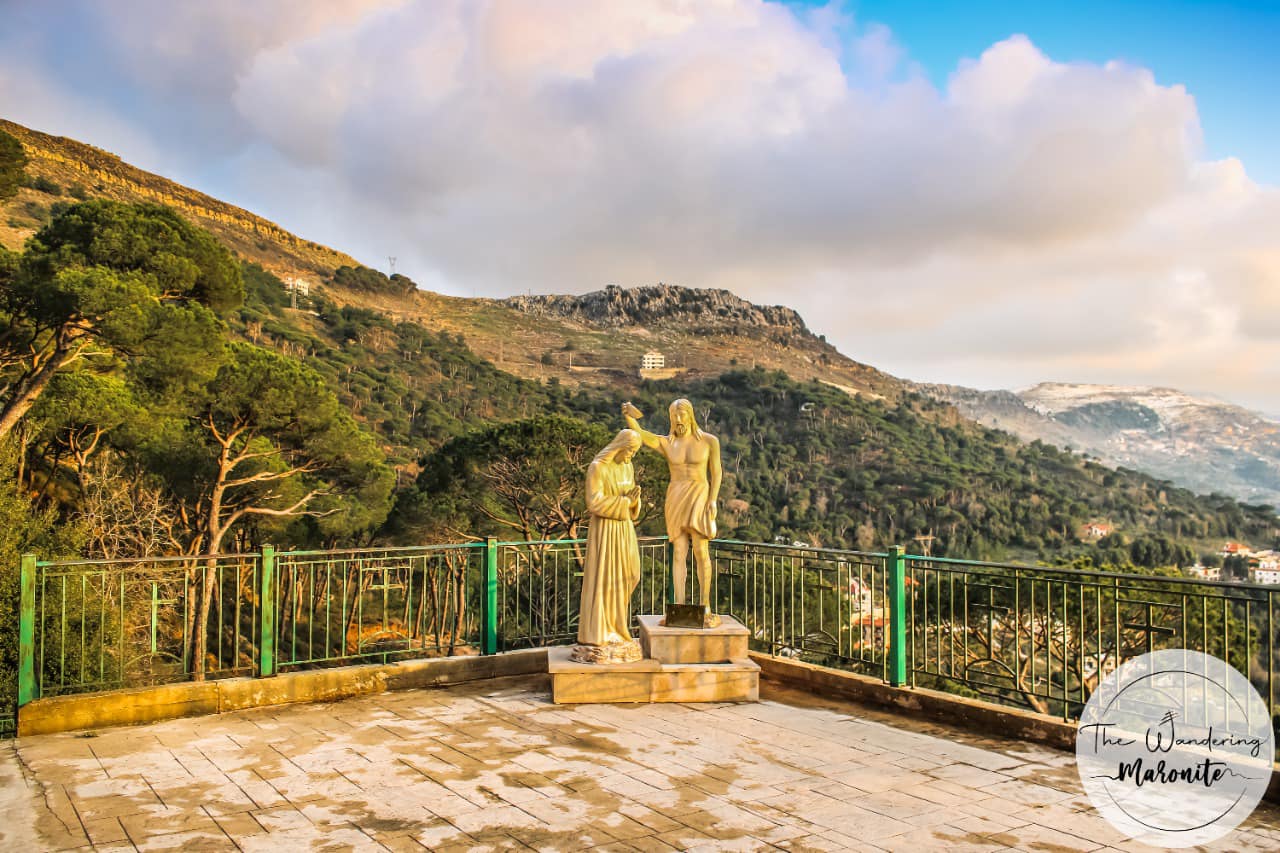
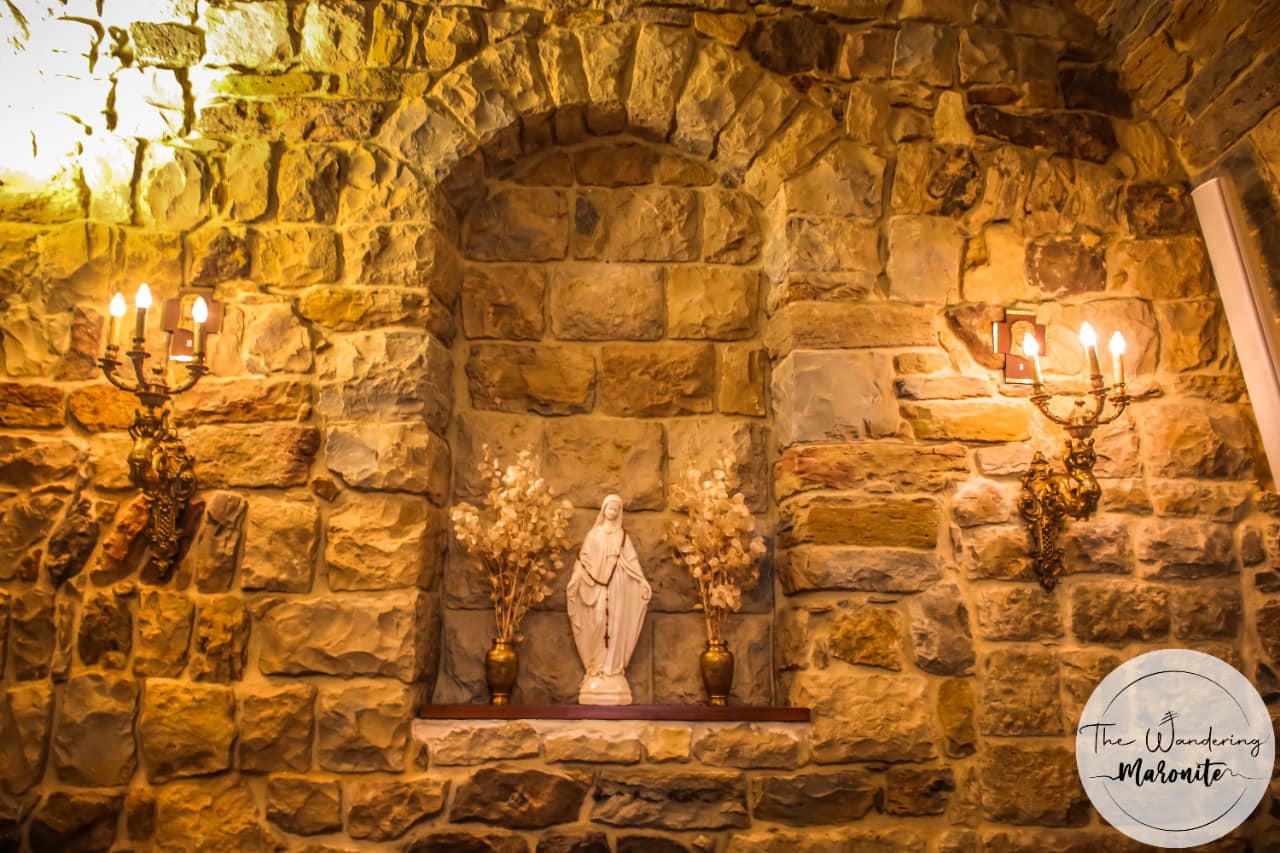
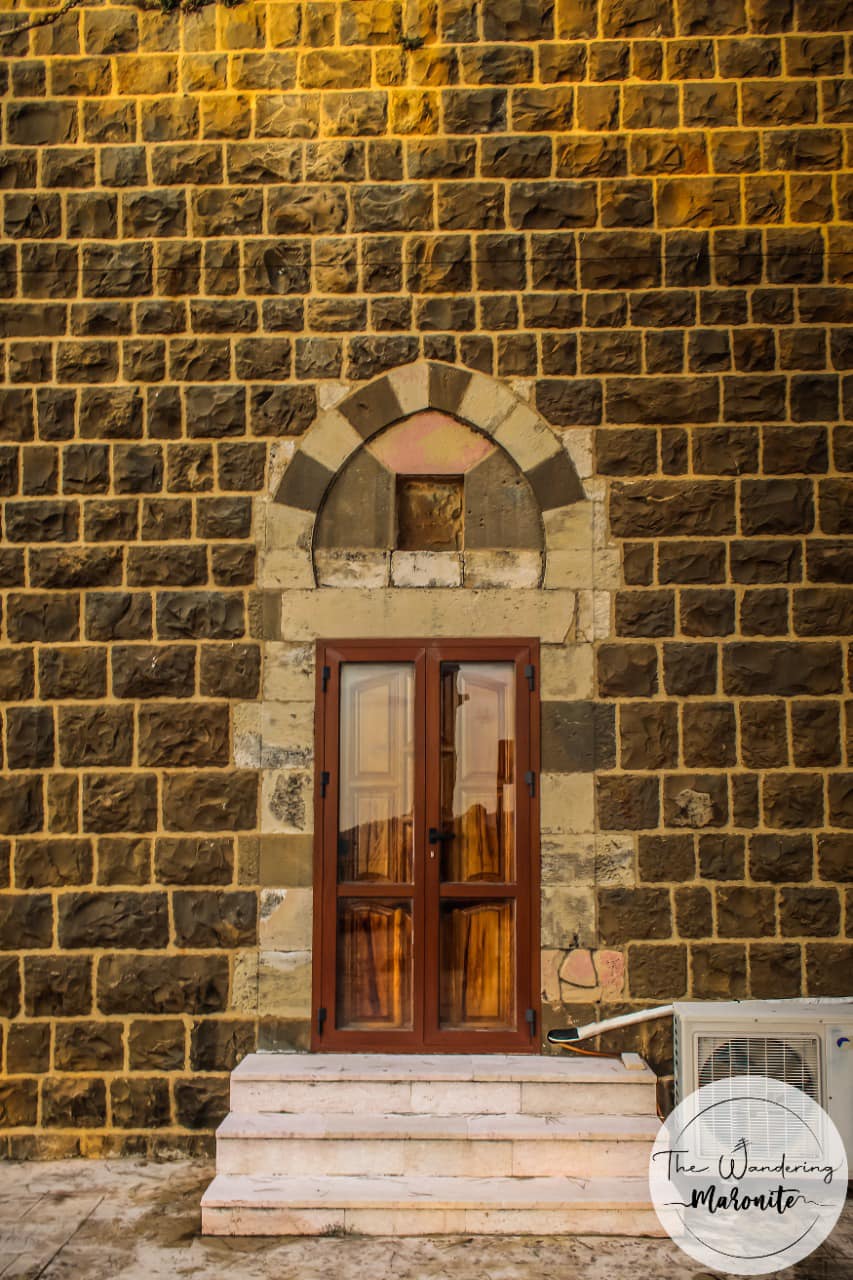
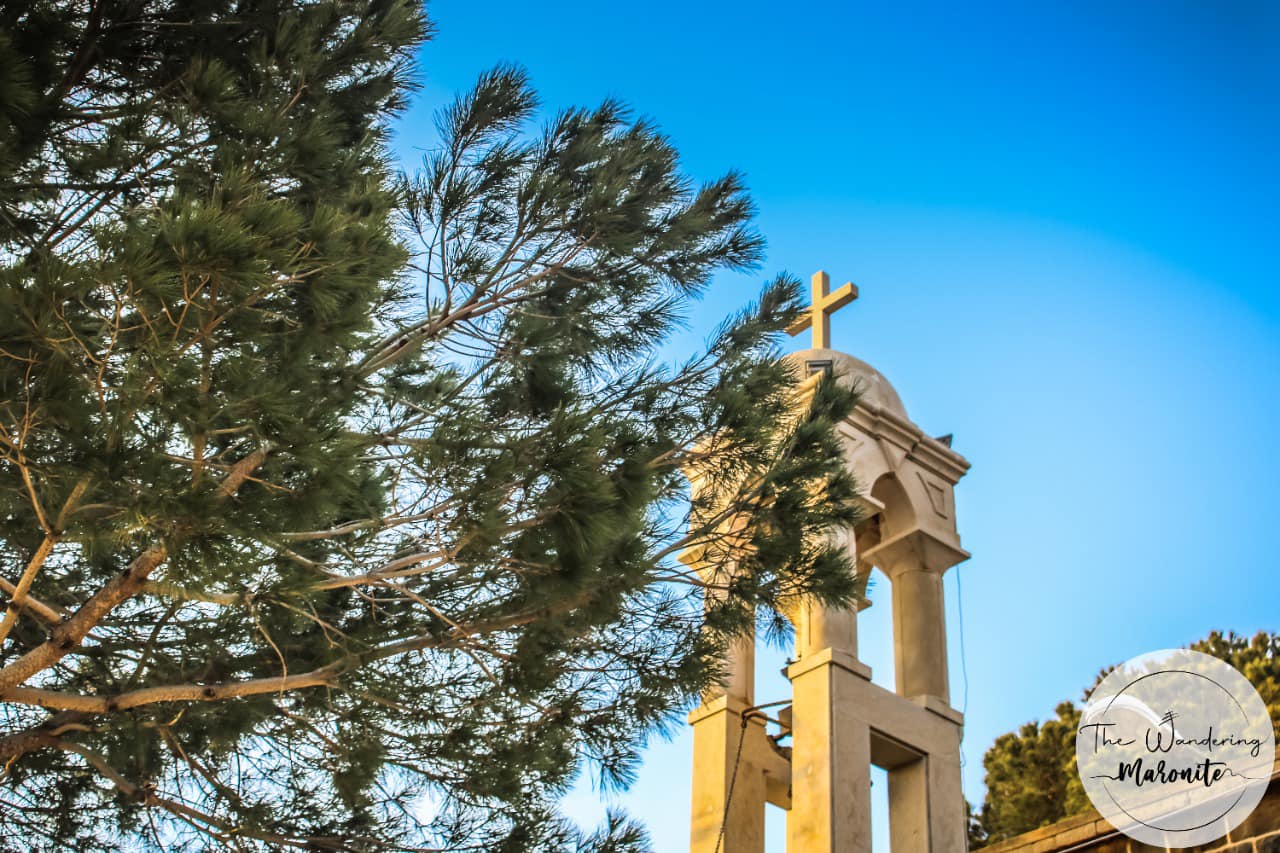
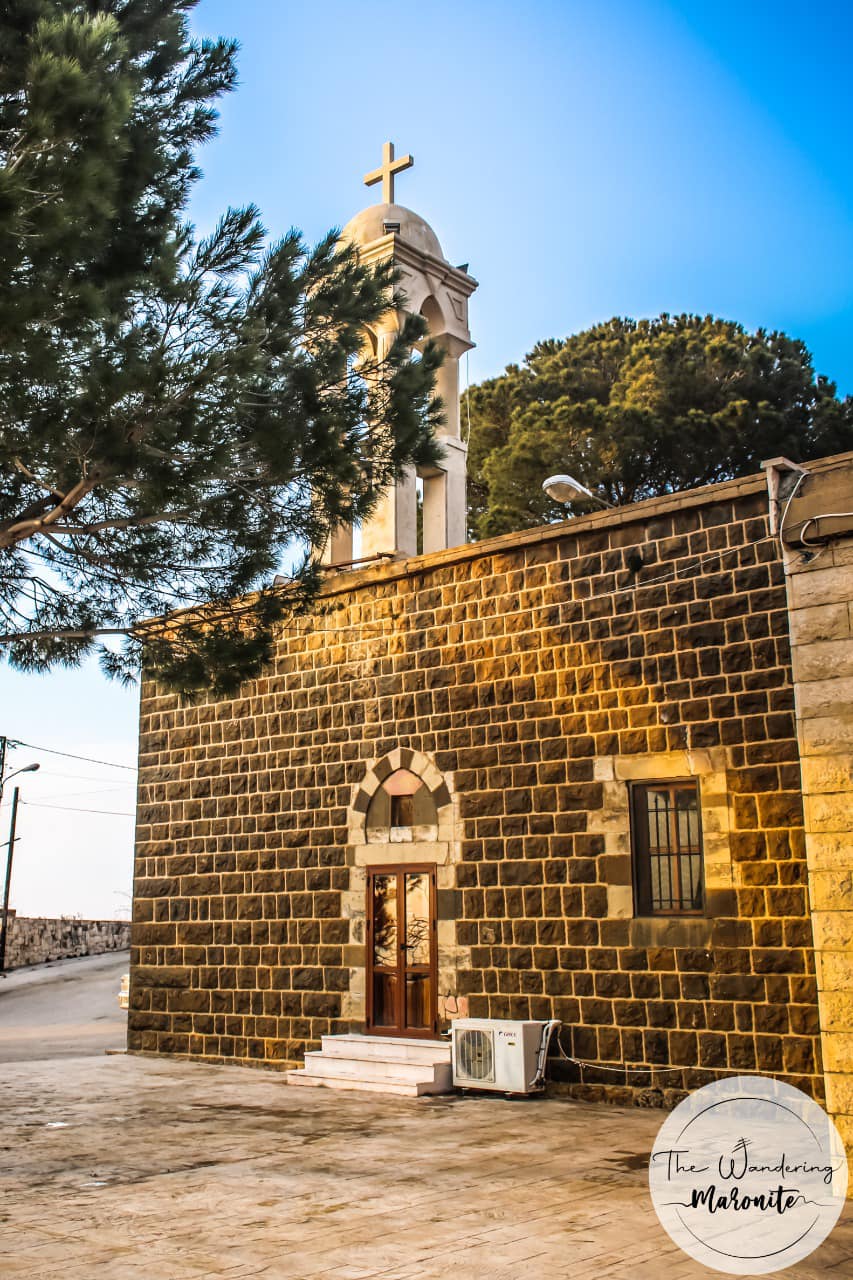
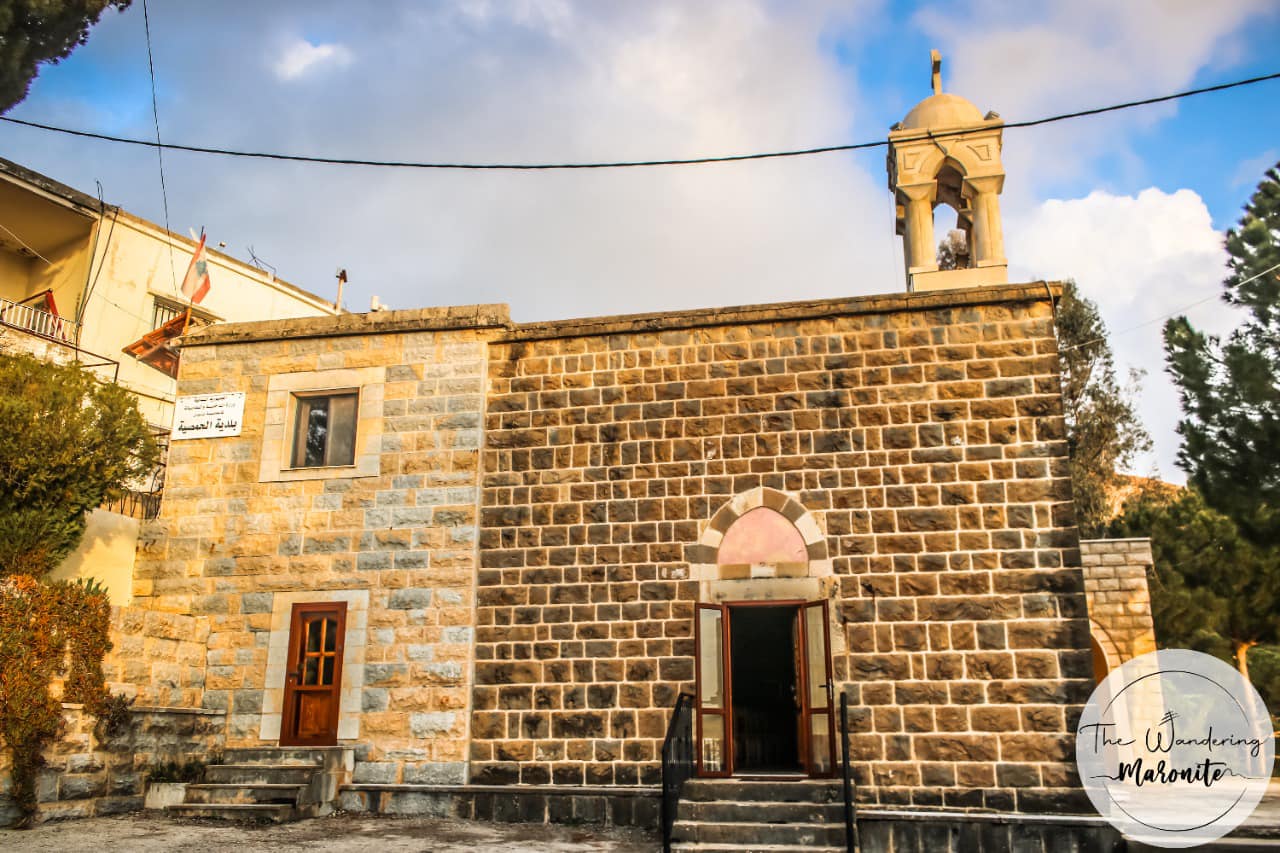
كنيسة مار يوحنا المعمدان - الحمصيّةبُنيت الكنيسة الأولى أوائل القرن التاسع عشر، وخربت في أحداث سنة ١٨٦٠. أعيد بناؤها سنة ١٨٩٠ وكرّسها المطران بطرس البستاني رئيس أساقفة صور وصيدا آنذاك. رمّمت الكنيسة ووسّعت على عدّة مراحل آخرها في تسعينيّات القرن العشرين. البناء هقد مصالب ينتهي بحنية نصف دائريّة. تضمّ الكنيسة أيقونة أورشليميّة أثريّة ونسخةً عنها طبق الأصل.The church of St John the Baptist - HomsyehThe first church was built in the beginning of the XIXth century and was ruined in the war of 1860. The church was rebuilt in 1890 and consecrated by Mgr. Boutros el Boustany archbishop of Tyr and Sidon back then. The church was restored and enlarged many times taking its current form in the nineties. The structure consists of a crossed vault ending with a semi circular apse. The church hold an ancient icon from the school of Jerusalem and an exact copy of it.
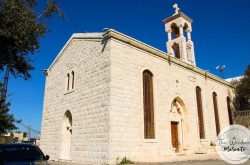
لما ازداد عدد سكّان بشرّي اواخر القرن الثامن عشر، طلب الاهالي والمشايخ من البطريرك يوسف التيّان، بناء كنيسةٍ جديدةٍ في بشرّي، فبنوا كنيسةً على اسم السيّدة العذراء. أوتي بِبَنّائَين من حلب لبناء الكنيسة. سنة ١٨٧٥، عُيِّن الخوري يوسف عريضه رئيس كهنة بشري، وكيلاً على كنيسة السيدة، وقد أضاف الى البناء القديم جناحًا للجهة الجنوبيّة، كما شيّد مدرسة في الجهة الشرقية. مذبح الكنيسة الرئيسيّ أهداه الى الكنيسة يوسف بك كرم سنة ١٨٦٩. كذلك ضمّت الكنيسة مصلوبًا قدّمه الخوري أنطون عريضه الأوّل من مدرسة ميكل انج. سنة ١٩٧٠ بُنيت الكنيسة بشكلها الحاليّ في عهد البطريرك بولس بطرس المعوشي: نمط بازيليكيّ بثلاث أروقة، وزيّنها بالجداريّات الفنّان أسعد رنوّ.
Our Lady Church - Bcharre
As the population of Bcharreh experienced a notable increase in the late eighteenth century, both the local community and the sheikhs approached Patriarch Youssef Al-Tyan with a request to construct a new church in Bcharre. Consequently, a church was erected in honor of the esteemed Virgin Mary. In order to bring this vision to fruition, two skilled builders were sourced from Aleppo to undertake the construction of the church. Subsequently, in the year 1875, Youssef Arida, a prominent clergyman in Bcharre, was appointed as the custodian of Our Lady Church. Under his stewardship, a wing was added to the existing structure on the southern side, and a school was erected on the eastern side. The principal altar within the church was generously donated by Youssef Bey Karam in 1869. Additionally, Father Anton, in his first entreaty from Mikkeleng School, contributed a crucifix that became an integral part of the church. Then, in 1970, during the reign of Patriarch Boulos Boutros Al-Maoushi, the church was reconstructed in its present form—a magnificent basilica-style edifice featuring three aisles. Notably, the gifted artist Asaad Ranno adorned the interior with captivating murals, further enhancing its aesthetic appeal.
هي الكنيسة الرعائيّة الجديدة. بُنيت على سطح الكنيسة القديمة، سنة ١٩٢٥. تجمع بين القديم والحديث. مسقوفة بالقرميد من الخارج، أمّا من الداخل، فسقفها بغداديّ. تتألق الكنيسة سوق واحدة، وتحتوي على رسومات وصُوَر وزخارف ونقوش على جدرانها، وزجاجيّات على شبابيكها.
The New church of Our Lady of Assumption - Bekaa Kafra
The new parish church of Our Lady was built on top of the old one in 1925, and consists of one nave. The walls are lavishly decorated with frescoes mouldings and arabesques. The roof is of local type of decoration called Baghdady. The church also contains beautiful stained glass windows.
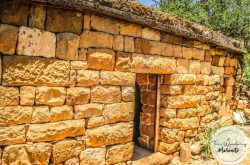
ادنا هو لقب سريانيّ لمار طراخونيوس، وهو من القدّيسين الأكثر شهرة عند موارنة القرون الوسطى. بني هذا الدّير سنة ٥٠٩ على أنقاضٍ رومانيّة ما زالت ماثلة، ويتألّف من كنيسة بخوروسين ما يزال القسم الجنوبيّ منها ماثل. بقيّة الدّير ودير البنات أي دير الراهبات العابدات الذي بقربه أنقاض. قنطرة الحنية مزيّنة بالعديد من الصلبان والنقوش التي ترمز للتجسد والفداء. كان الدّير مقرًّا لأساقفة العاقورة مدى قرون ومن أشهرهم البطريرك يوحنا السابع العاقوري الذي توفي سنة ١٣٥٧.
The monastery of St Edna - Aqoura
Edna is a title given by syriacs to St Trakhonius, who was one of the most venerated saints by the medieval Maronites. The monastery was built in 509 over roman ruins that are still visible, and it consists of a two aped church, with the southern part of the church still standing. The rest of the church and monastery and the adjacent nunnery are all in ruins. The apse is decorated with crosses and symbols of the Incarnation and Redemption. The monastery was the seat of Aqoura’s bishops for centuries, the most famous of them was patriarch John VII El Aqoury who died in 1357.
Reviews are disabled, but trackbacks and pingbacks are open.