
Hermel – The monastery of St Maroun on the Orontes

Hermel, Lebanon

Other Details

دير مار مارون على نهر العاصي

Hermel

Hermel

Baalbek-Hermel

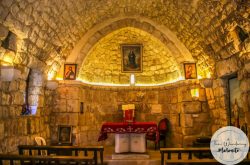
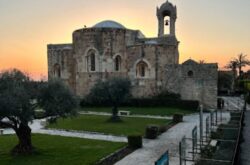
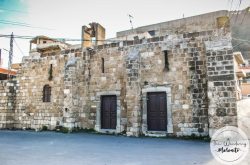
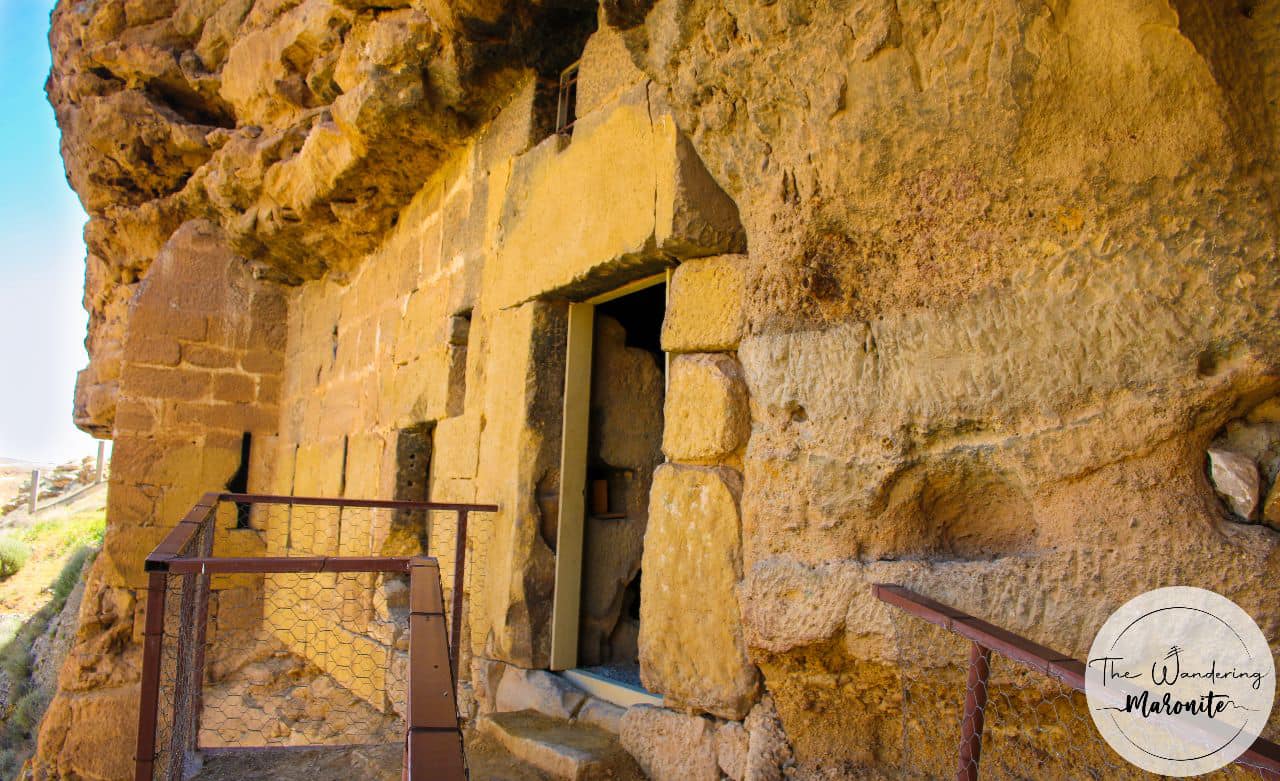
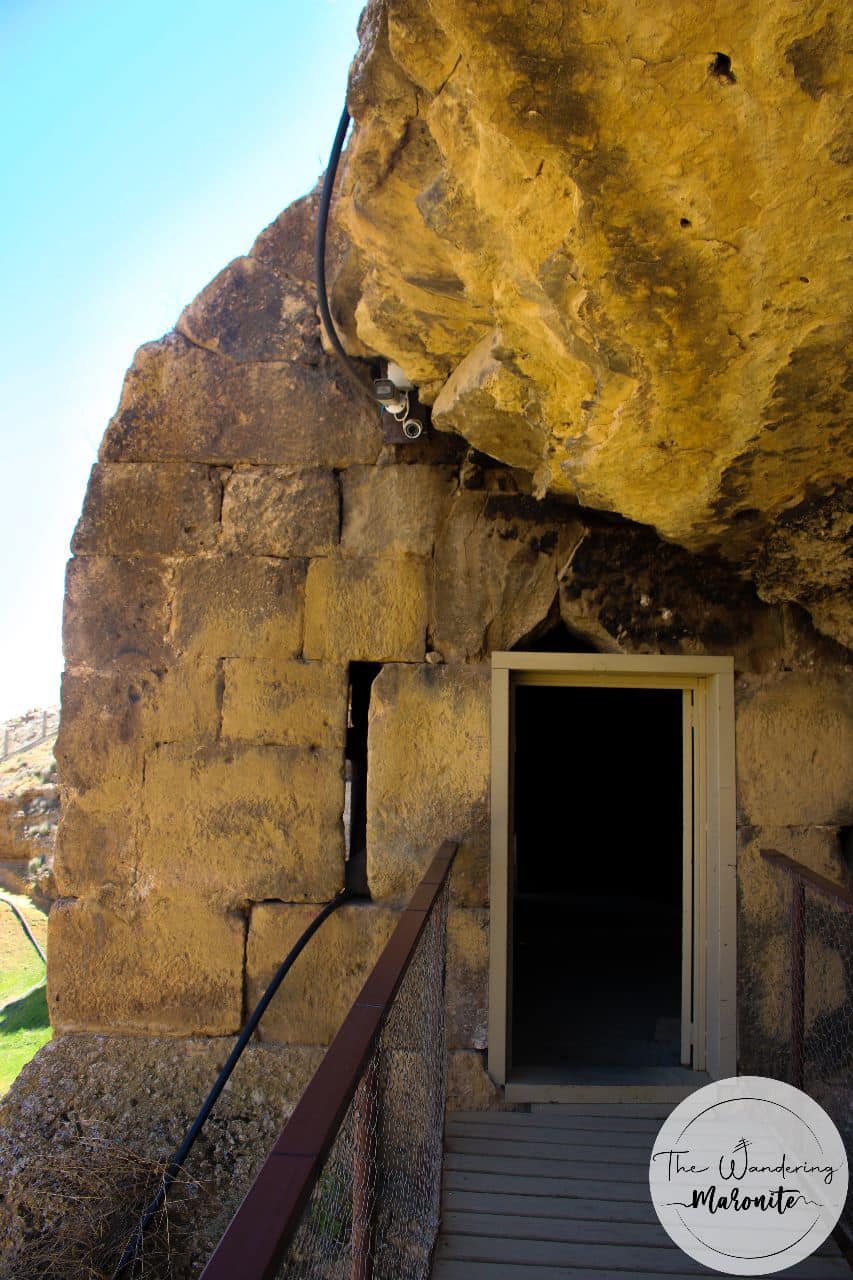
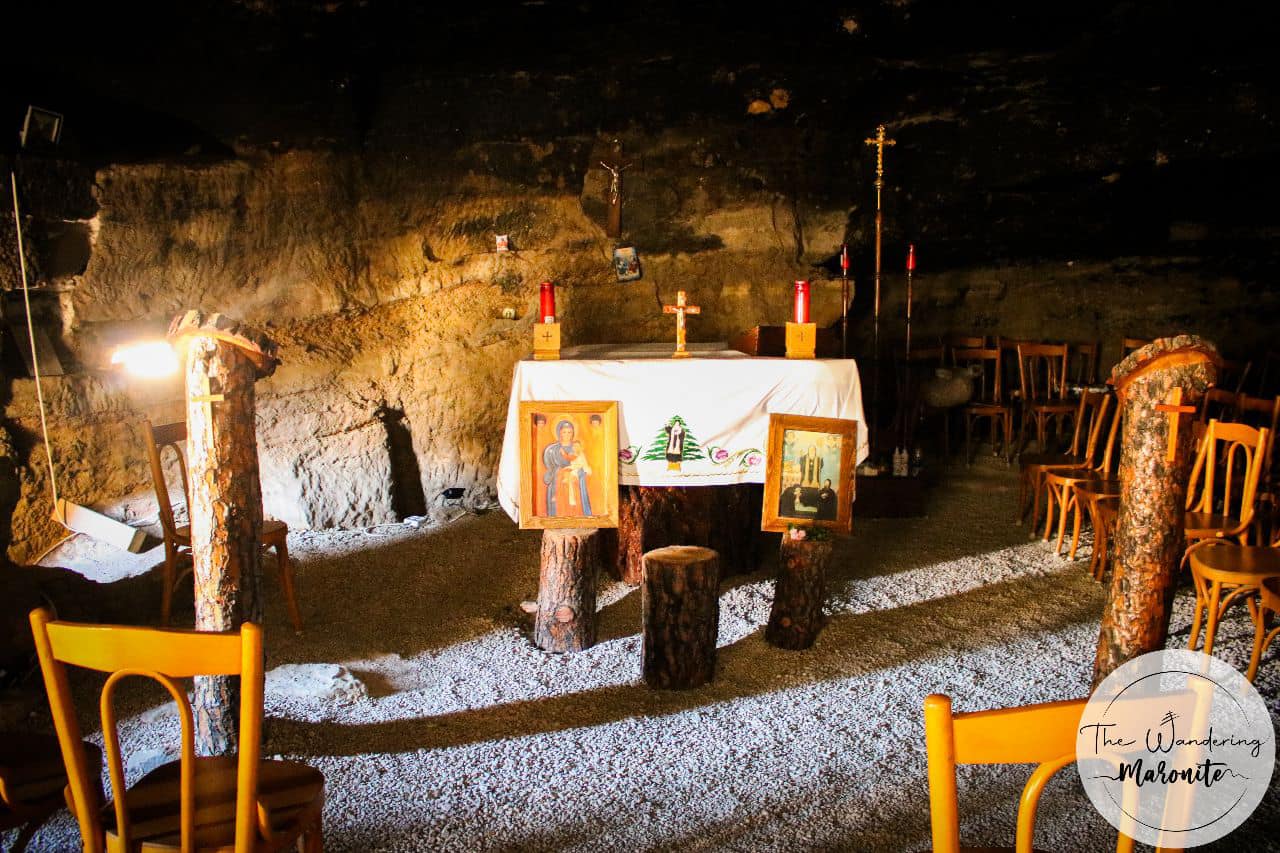
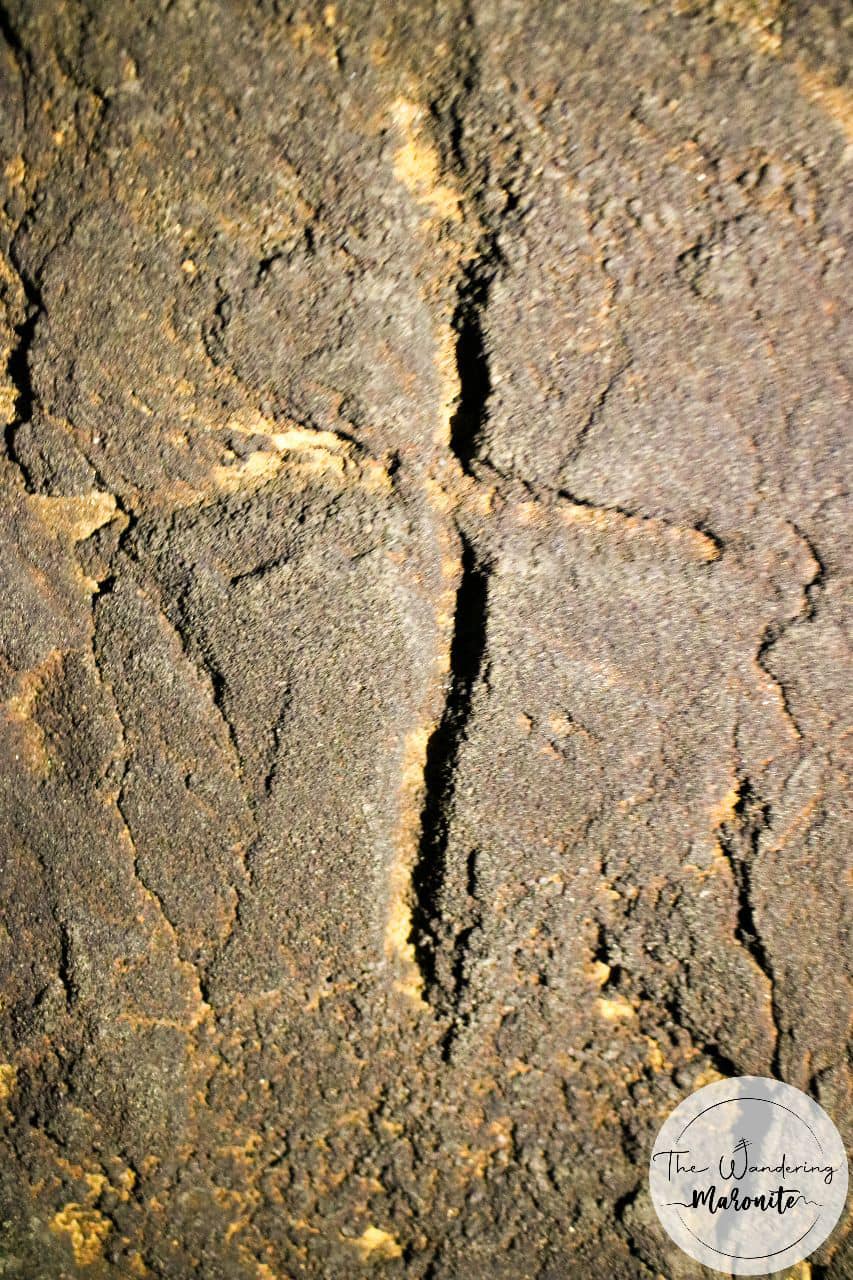
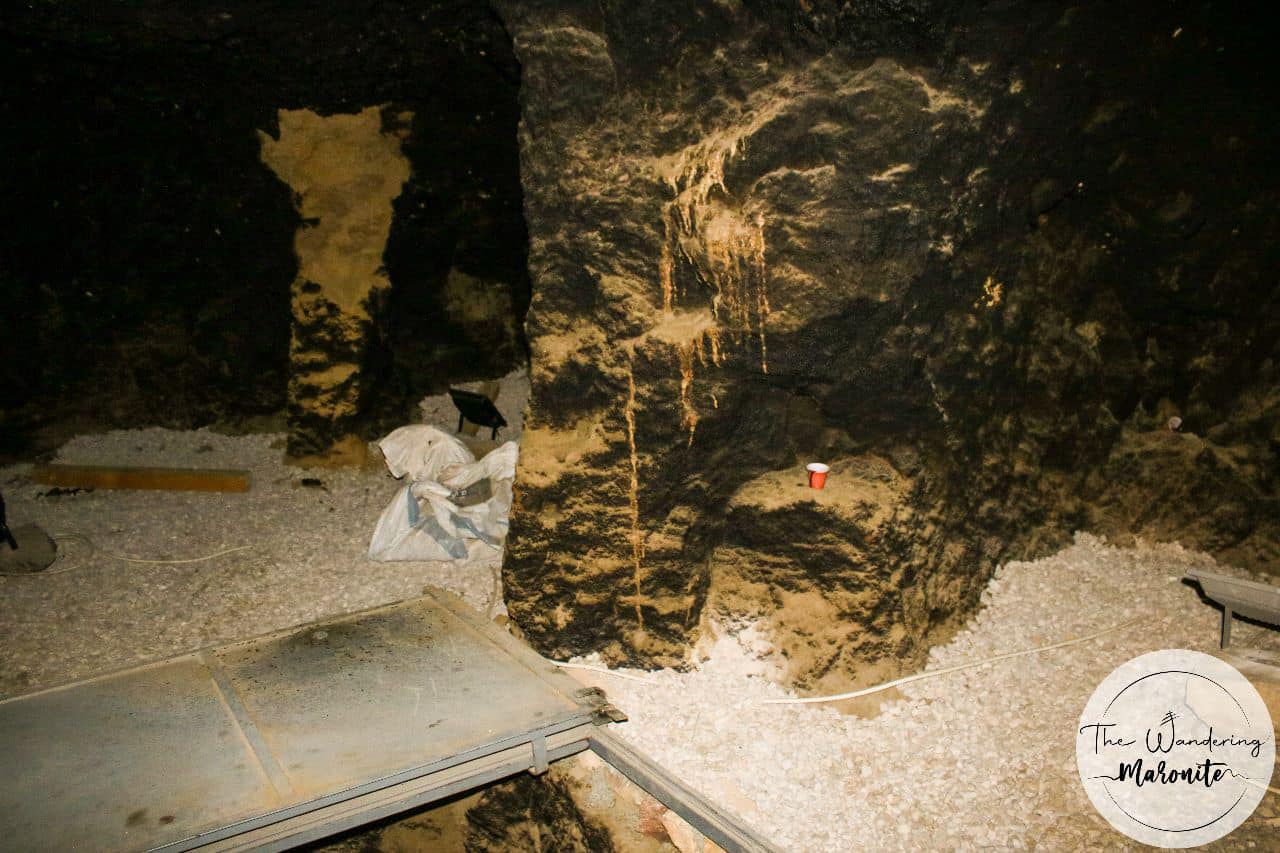
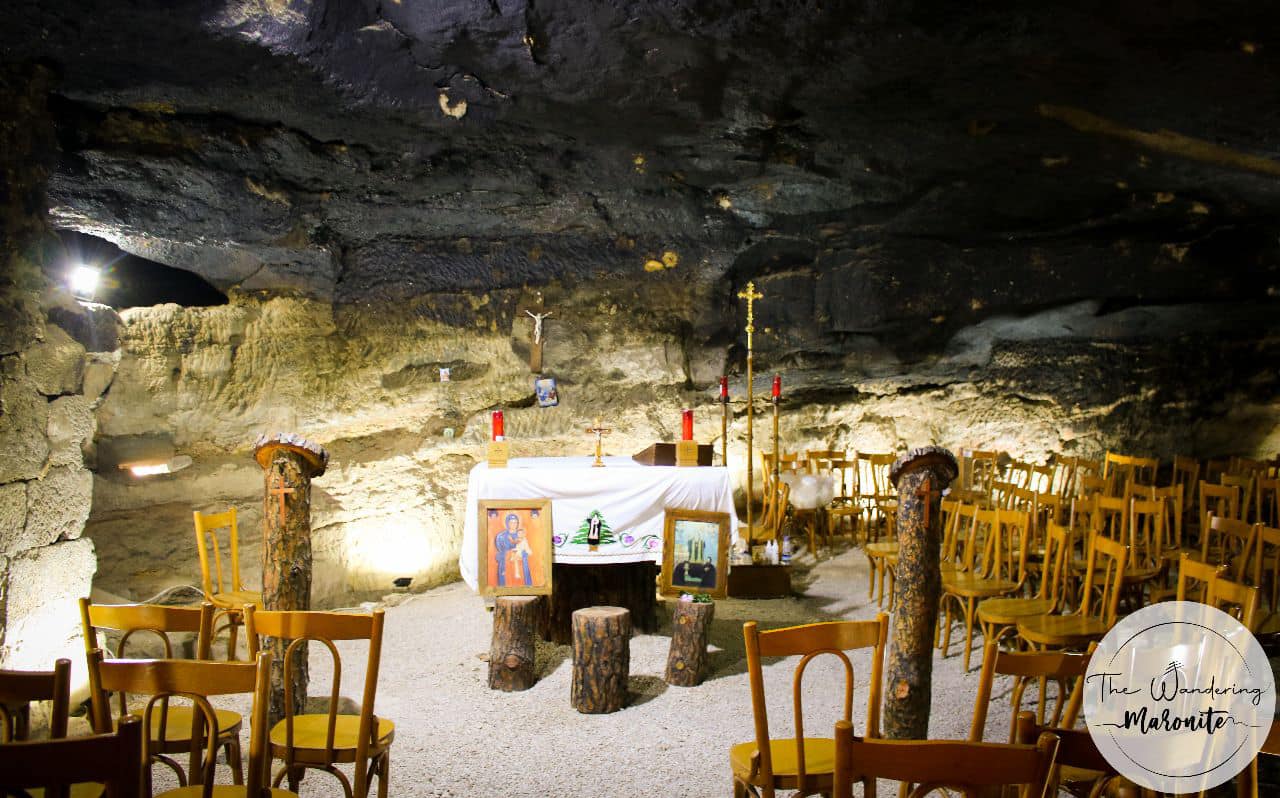
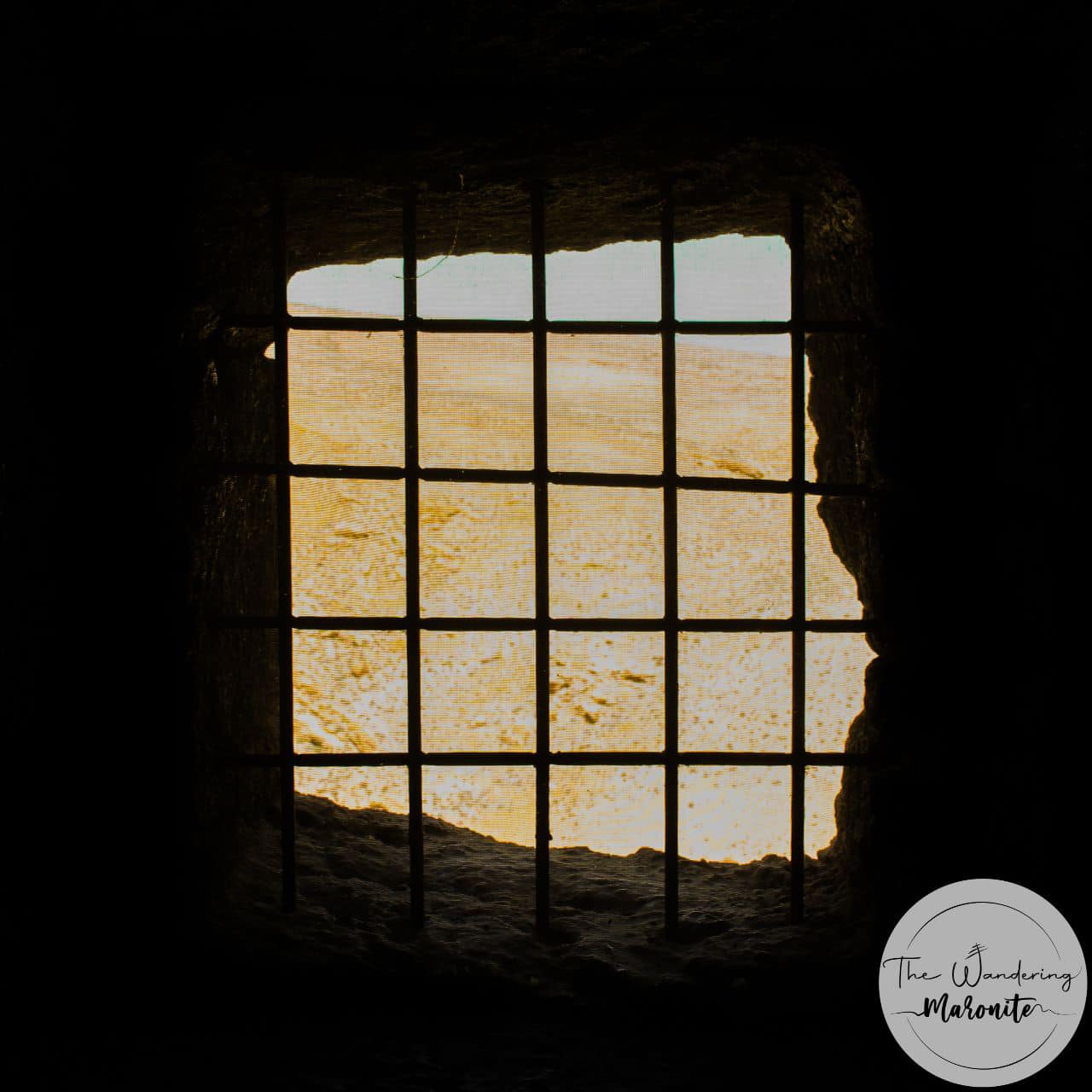
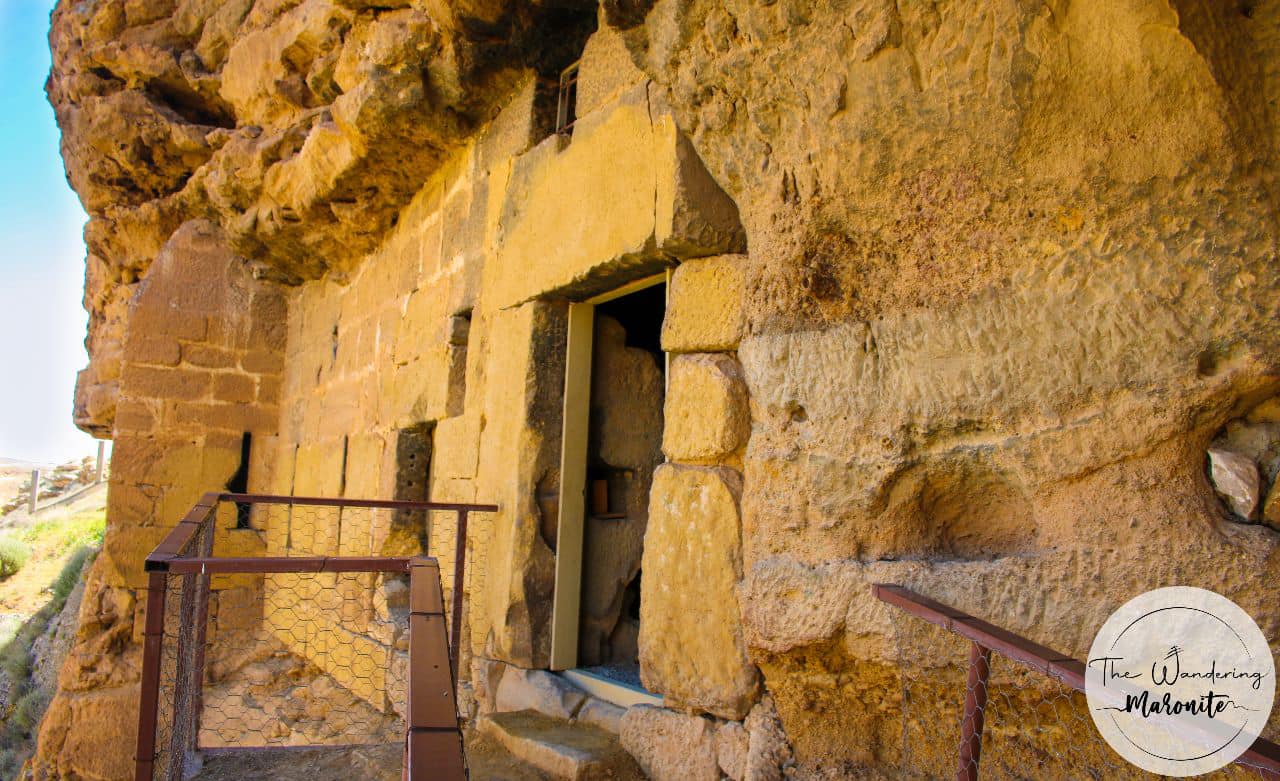
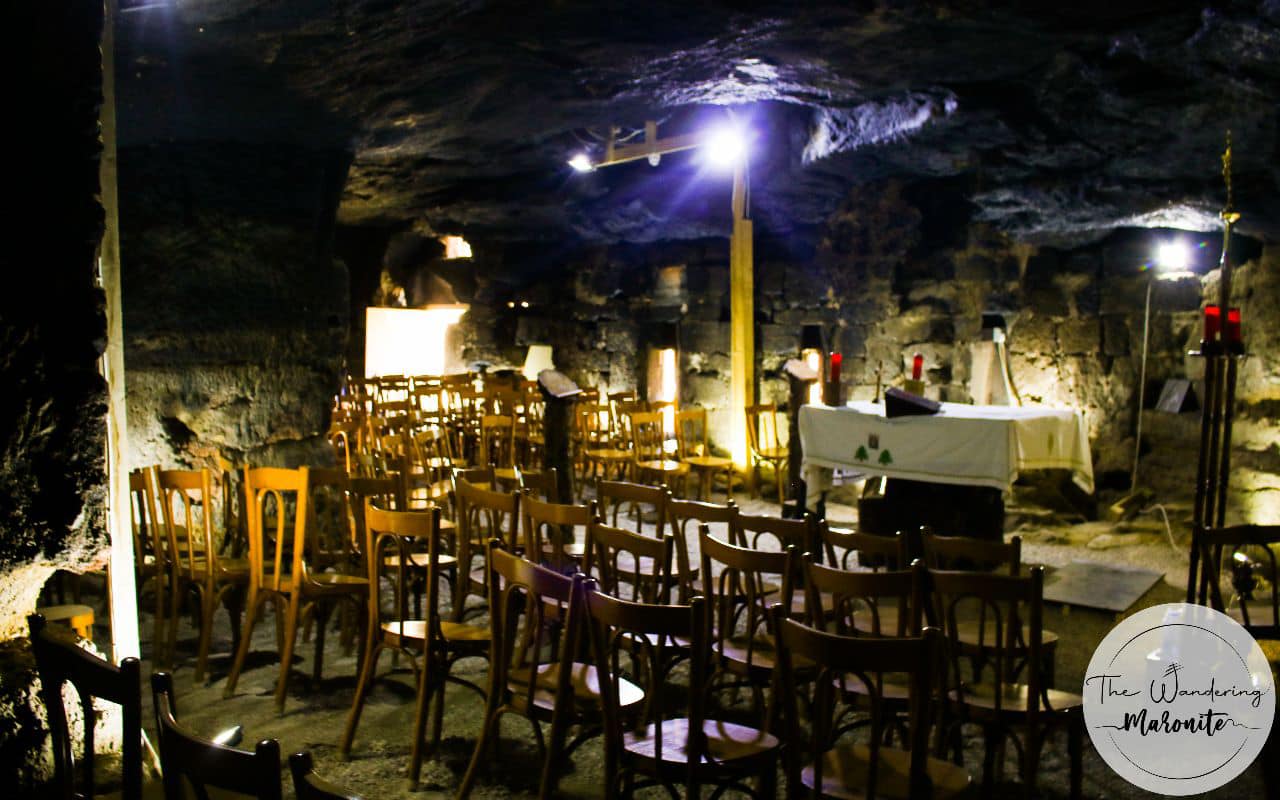
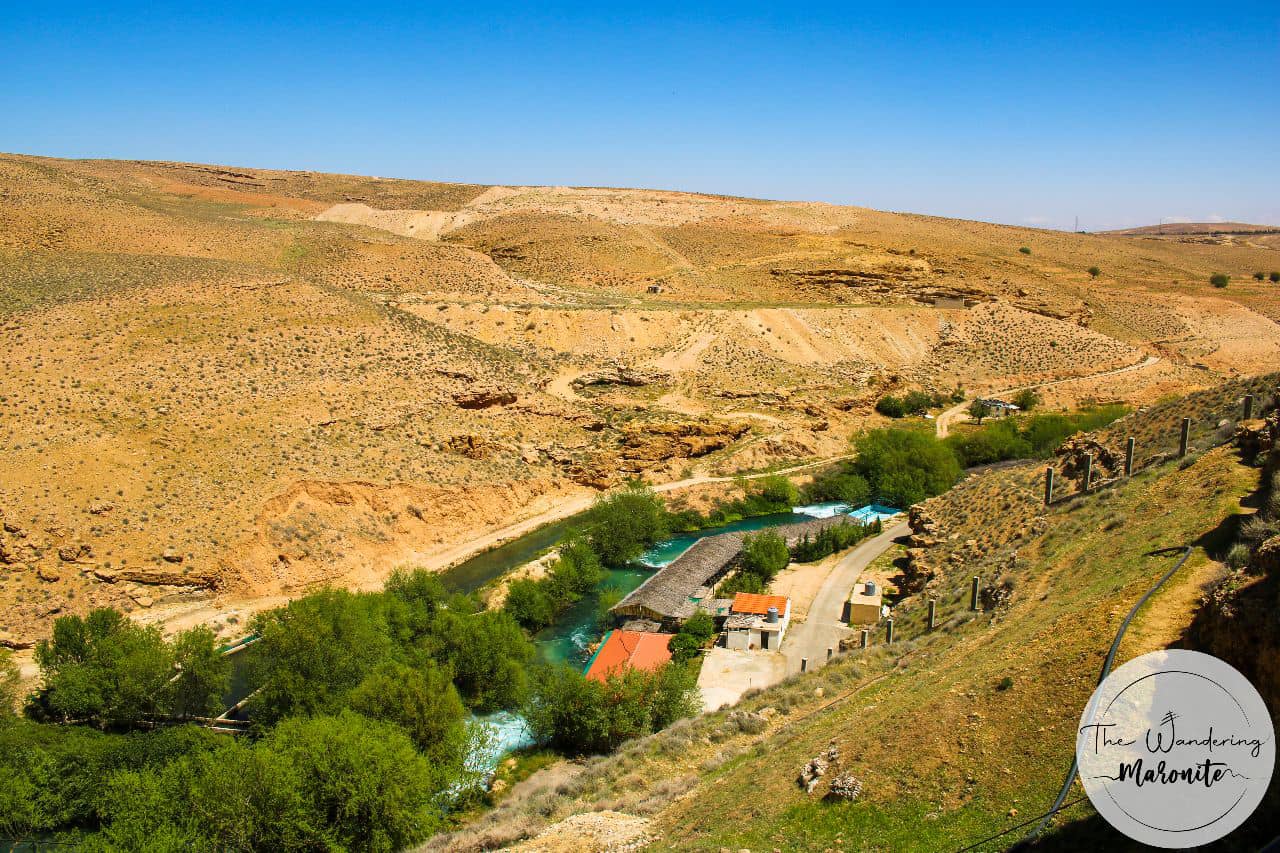
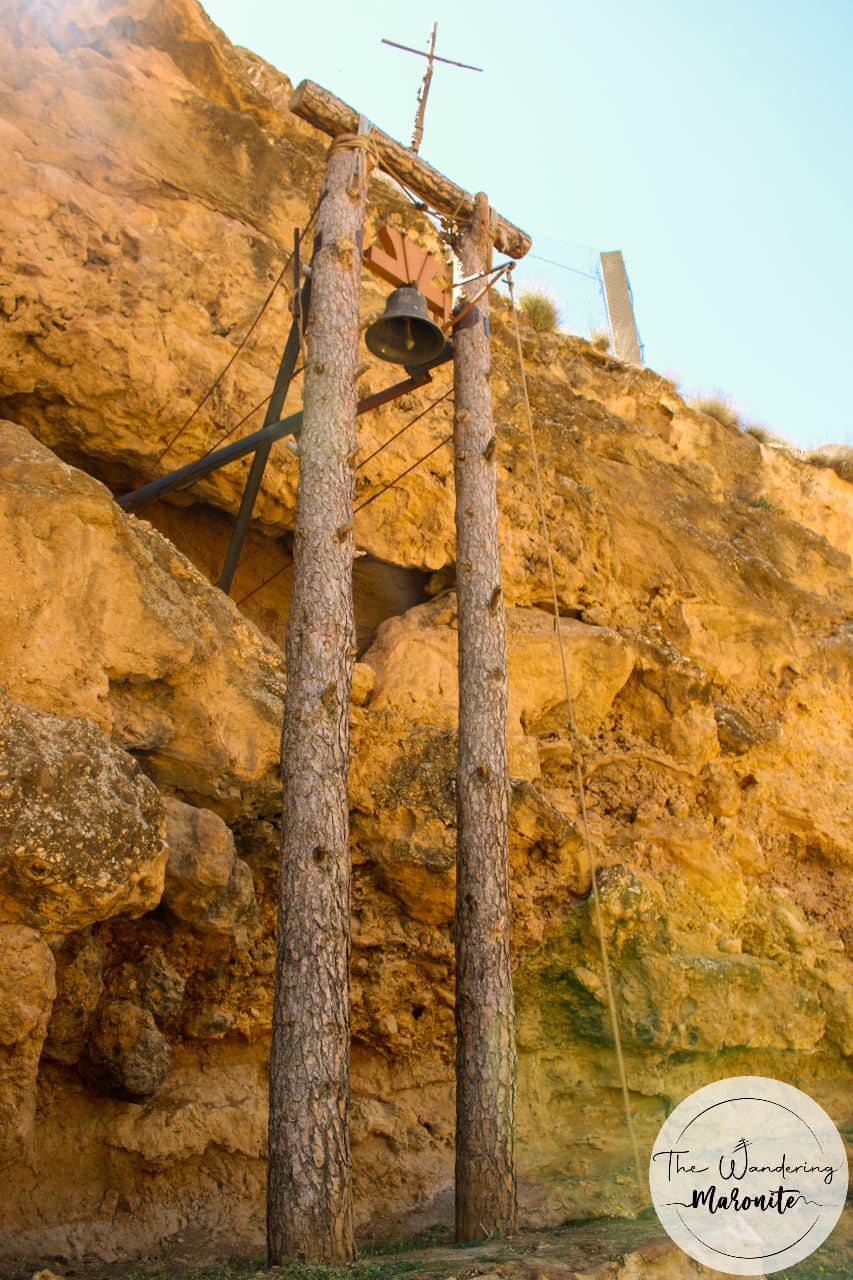
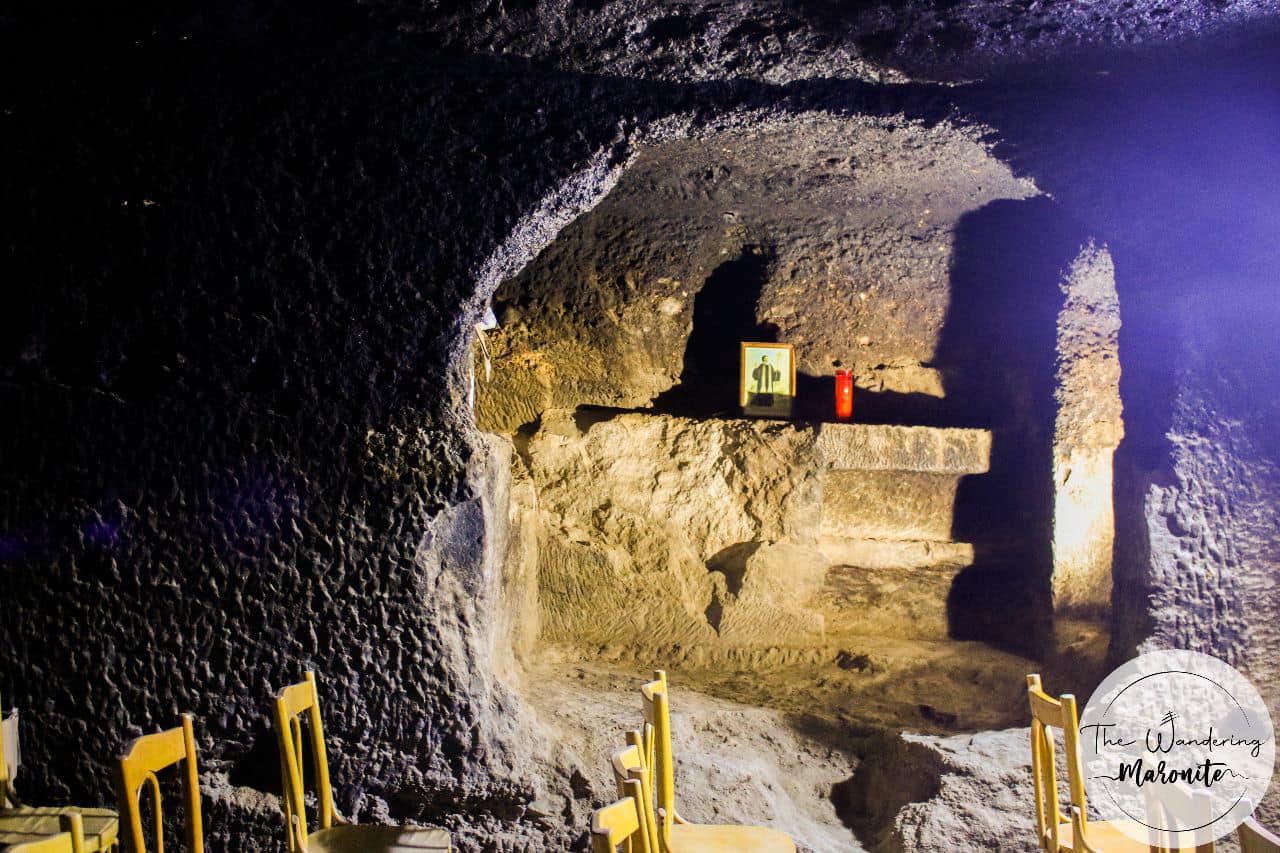
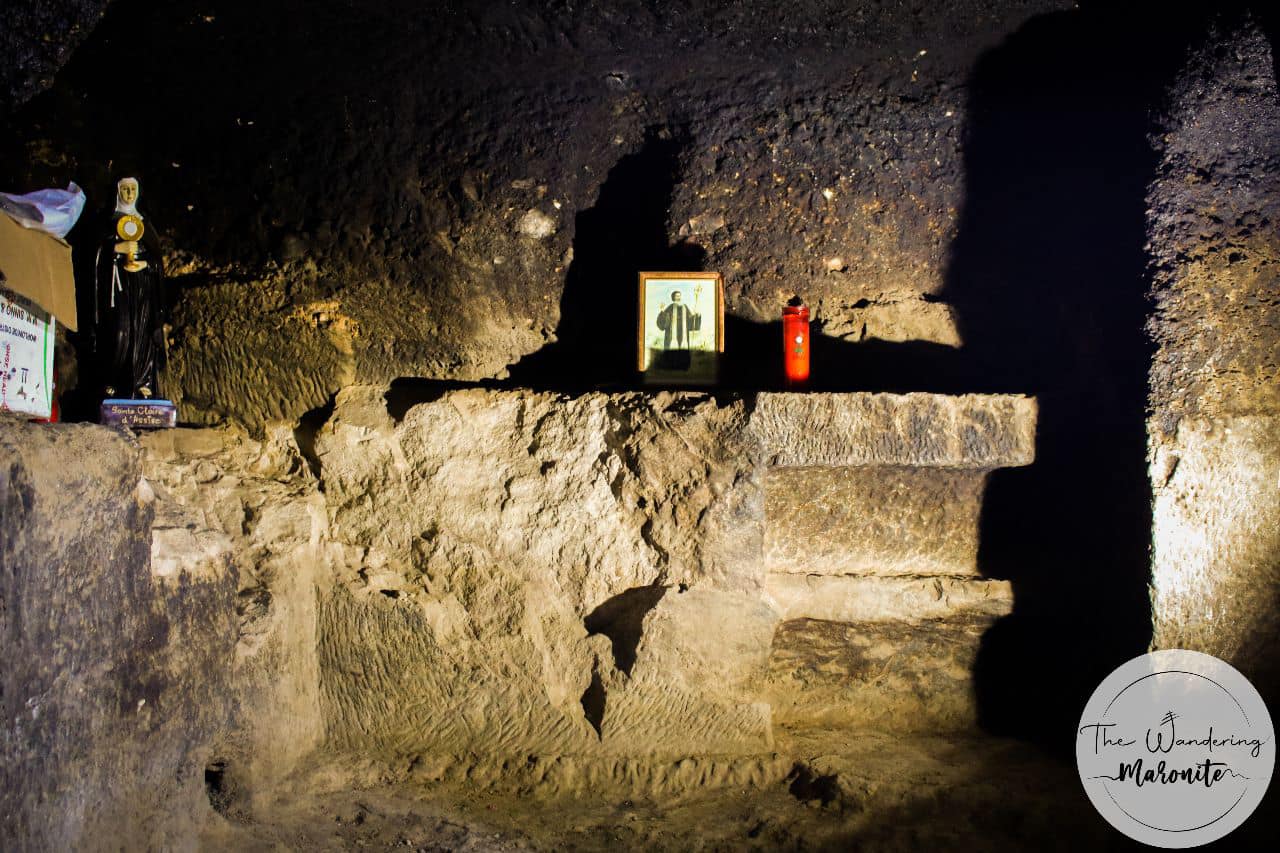
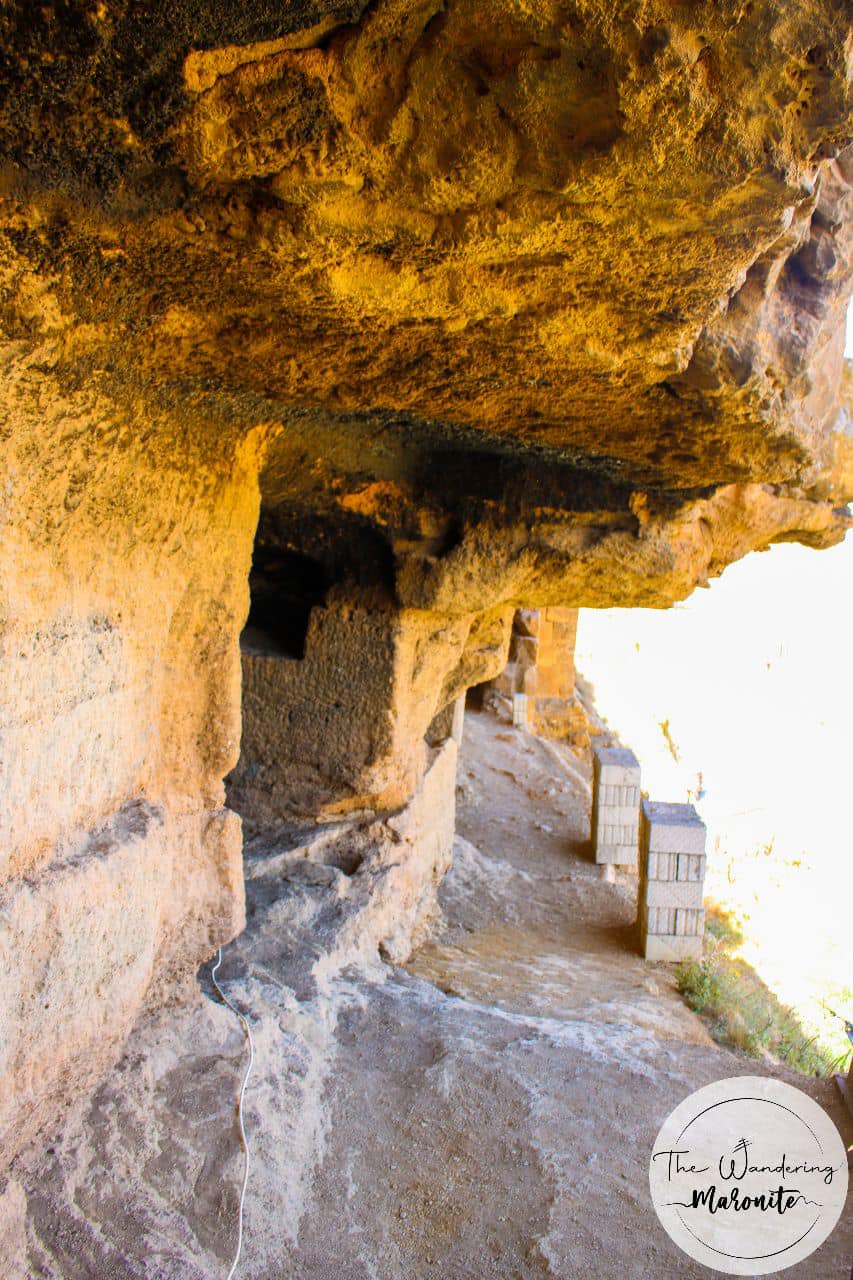
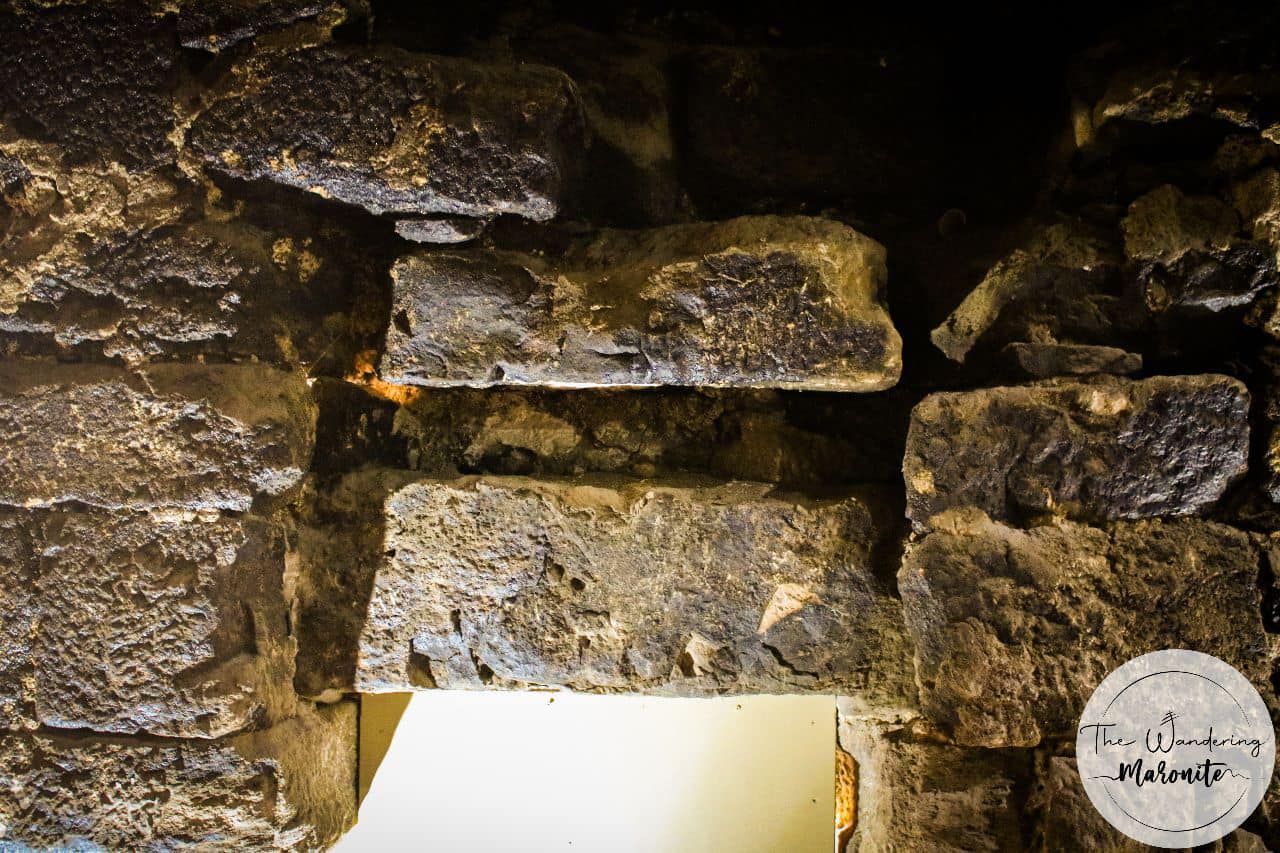
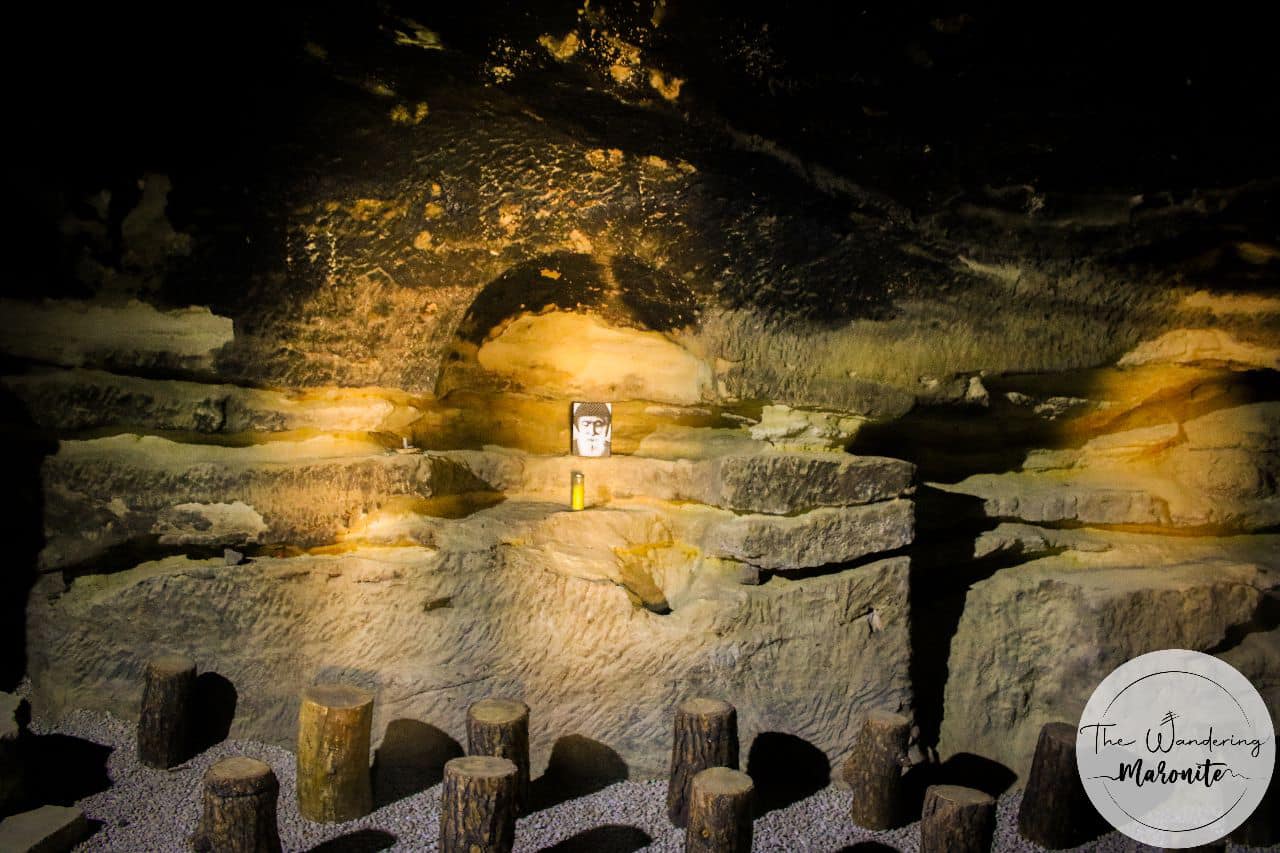
The monastery of St Maroun on the Orontes - Hermel The monastery was originally a natural cave consisting of three sections, it was expanded by Roman builders working in nearby stone quarries. It is situated above Ain El Zarqa, one of the sources of the Orontes River, and connected to the river via a corridor carved into the mountainside. This was used to fetch water and provide a hiding place during enemy attacks. In the VIth century, Maronite monks sought refuge in the cave after facing persecution in northern Syria, where their monastery was destroyed and its contents dispersed. The monks expanded the cave and carved an altar, turning the cave into a new monastery. This marked the beginning of the Maronite migration to the mountains of Lebanon along the Orontes River. Over time, the monastery was neglected and became an abandoned farm. In 2011, it was visited by Patriarch Bechara Boutros Al-Rahi and has since been restored in 2018, returning to the Maronite Church. The monastery serves as a testament to the spread and perseverance of the Maronite Church in the Levant.

Visited 3251 times, 2 Visits today

Reviews are disabled, but trackbacks and pingbacks are open.

Related Listings

Annaya – The Hermitage of Sts Peter and Paul

Saint Charbel hermitage, Aannaya, Lebanon

محبسة مار بطرس وبولس

AAnaya

Jbeil

Mount Lebanon

محبسة مار بطرس وبولس - عنّايا

بُنيت المحبسة سنة ١٧٩٨، على يد الراهبان يوسف أبي رميا وداود بن موسى عيسى خليفة من إهمج، اللذان بنيا معبدًا صغيرًا، على أنقاض معبد قديم، وأطلقوا عليه إسم دير التجلّي، وستّة قلالي للسكن. عام ١٨١٤، إنضمّ هذان الراهبان إلى الرهبانيّة اللبنانيّة المارونيّة، فتسلّمت الرهبانيّة المحبسة على عهد الرئيس العام اغناطيوس بليبل، وتحوّلت كنيستها بأمر البطريرك يوحنا الحلو إلى إسم القديسين بطرس وبولس. من أشهر حبسائها: الأب أليشاع كسّاب الحرديني شقيق القديس نعمةالله، والأب الأب شربل مخلوف أي القديس شربل. تحوّلت المحبسة إلى مزار، يزوره المؤمنون للصلاة وطلب شفاعة القدّيس شربل.

The Hermitage of Sts Peter and Paul - Annaya

The hermitage was built in 1798 by two monks from Ehmej: Youssef Abi Ramia and Dawood Bin Moussa Issa. It consisted of six cells and a chapel dedicated to the Transfiguration of the Lord. In 1814 both monks joined the Lebanese Maronite Order. The hermitage was transferred to the Order during the days of Abbot Ignatius Bleibel and by order of Patriarch Youhanna el Helou was rededicated to Sts Peter and Paul. The most famous hermits who resided in the hermitage are Fr Elishaa Kassab, the brother of St Nematullah and St Charbel Makhlouf. Today the hermitage is a shrine and a pilgrimage site to those asking for St Charbel’s intercession.

Ashqout – The Church of St. Joseph

Saint Joseph, Lebanon

كنيسة مار يوسف

Aachqout

Keserwan

Mount Lebanon

كنيسة مار يوسف - عشقوت

كنيسة مار يوسف في محلّة جبل عشقوت، تم تشييدها سنة ١٩٢٦. الكنيسة وقف لآل موسى بنوها لبُعد مساكنهم عن البلدة. الكنيسة صغيرة عبارة عن عقدٍ مصالبٍ، إختبأ فيها الفراريّة خلال الحرب العالميّة الثانية.

The Church of St. Joseph - Ashqout

The Church of St. Joseph is located in the mountains surrounding Ashqout and was built in 1926 as a private chapel for the Moussa family. They built it because their homes were far away from the village center. The church is a small crossed vault and housed fleeing outlaws during World War II.

Kfarshleiman – The church of Our Lady of Naya

Sayyidat Naya Church, Kafr, Lebanon

كنيسة سيّدة نايا

Kfarb Shlaimane

Batroun

Mount Lebanon

كنيسة سيّدة نايا - كفرشليمان

كانت كفرشليمان مركزًا لمعبدٍ فينيقيّ تحوّل في القرن الخامس الميلادي مع إنتشار الديانة المسيحية، الى كنيسة على إسم سيّدة نايا (الكنيسة الجديدة). إزدانت الكنيسة برسوم وجدرانيات ونقوش مميزة على صخورها رمّمت عام ٢٠٠٧. في الكنيسة جداريّات الشفاعة ، الضابط الكلّ، العذراء المرضعة، مار أفسطاقيوس.
كان البطريرك يوسف التِيّان متنسكًا في هذه الكنيسة، بعدما إستقال من السّدة البطريركية جرّاء خلافه مع الأمير بشير الثاني الشهابيّ.

The church of Our Lady of Naya - Kfarshleiman

Kfarshleiman was the land of a Phoenician shrine that was converted in the Vth century into a Byzantine church dedicated to our Lady and named “nea” meaning new church. The church was ornate with frescoes that were restored in 2007 representing: the Deisis, the Pantokrator, the Nourishing Virgin, St Eustache.
The Patriarch Youssef el Tyan used the church as a hermitage for a while after he resigned from his seat due to the polemic with Prince Beshir the second Shehab.