
Hardine – Saint God’s grace (Neamtallah)

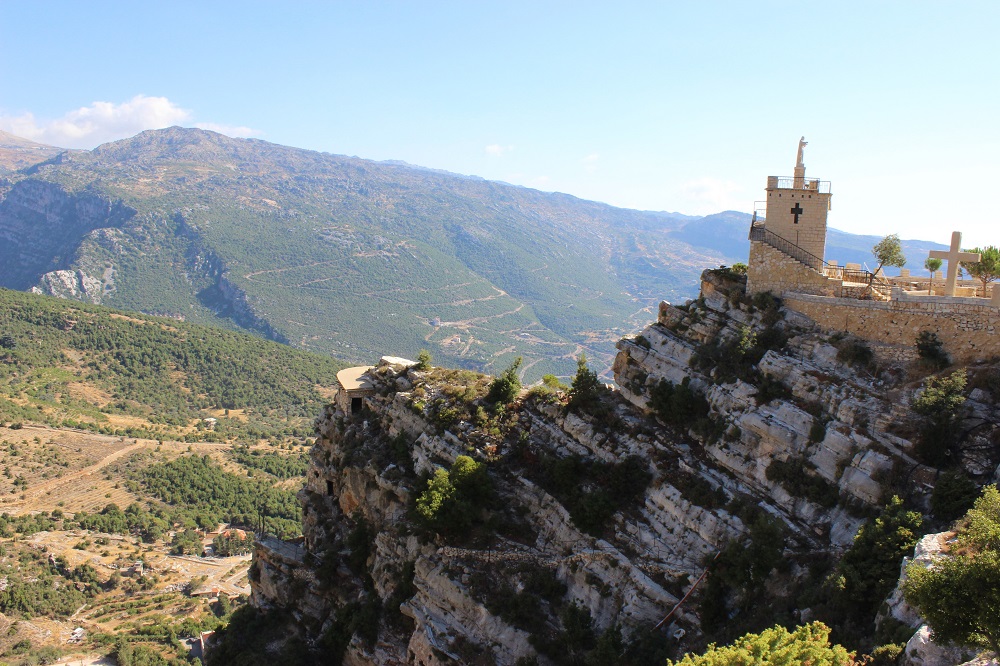
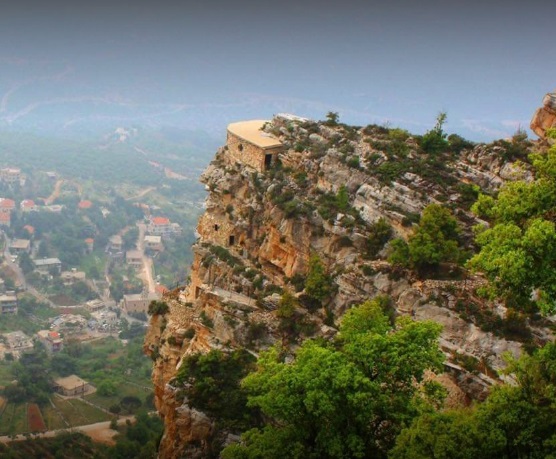
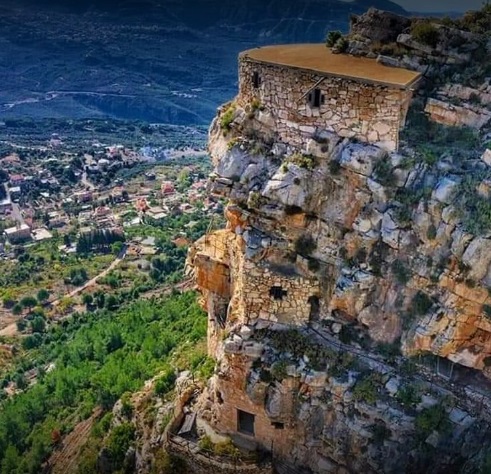
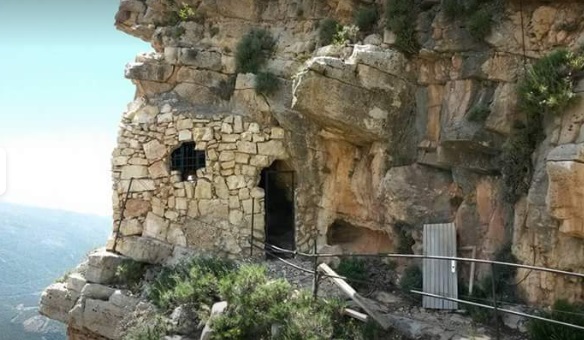
House and the Church of St. God's grace (Neamtallah) Hardini Lebanese Maronite Order, Hardine, Lebanon

Other Details

بيت وكنيسة القديس نعمة الله الحرديني

Hardine

Batroun

North

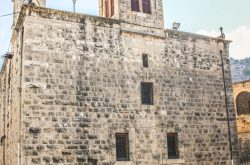
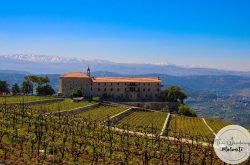
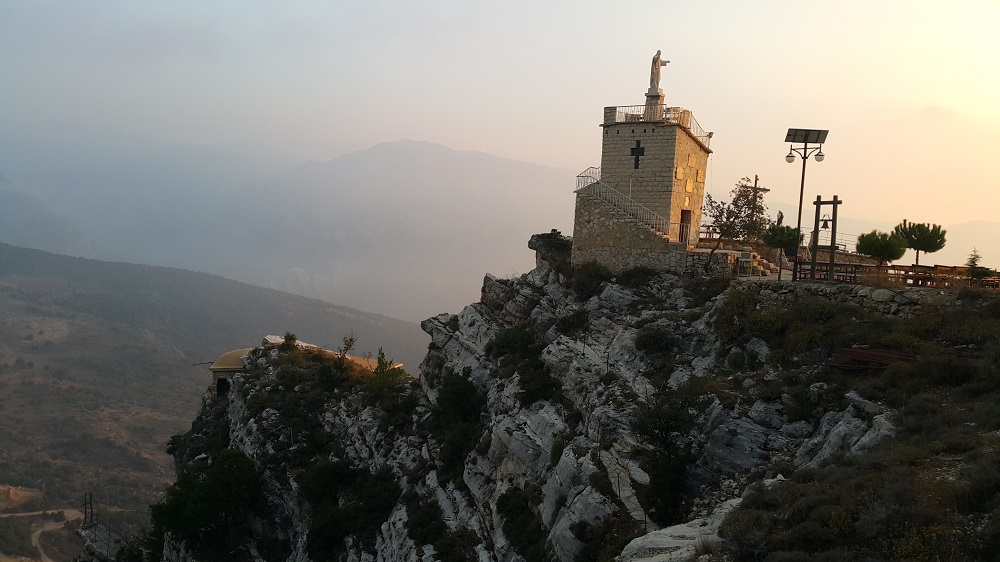
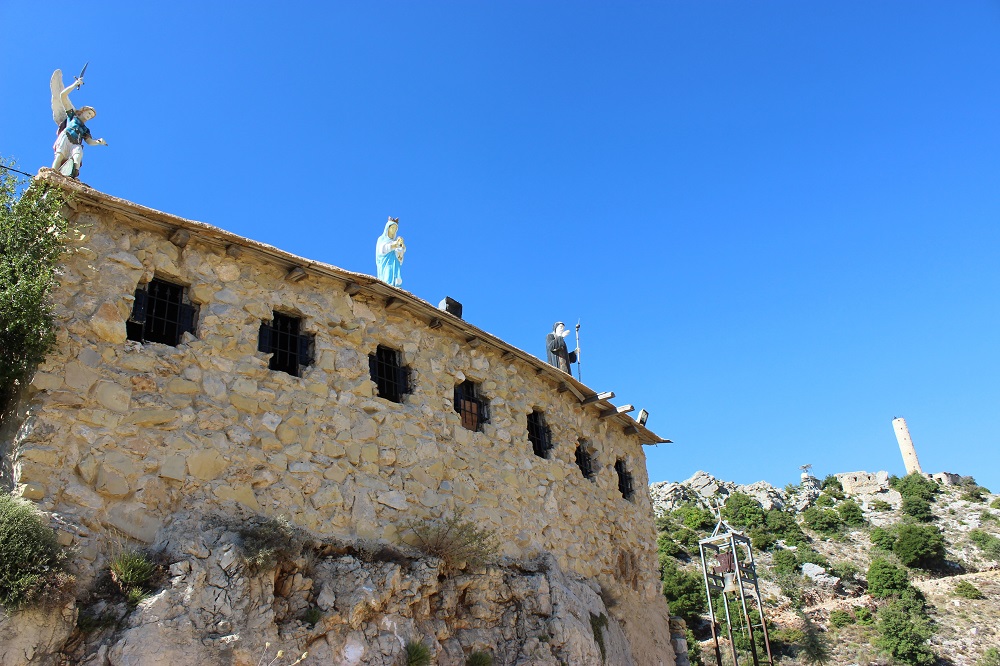
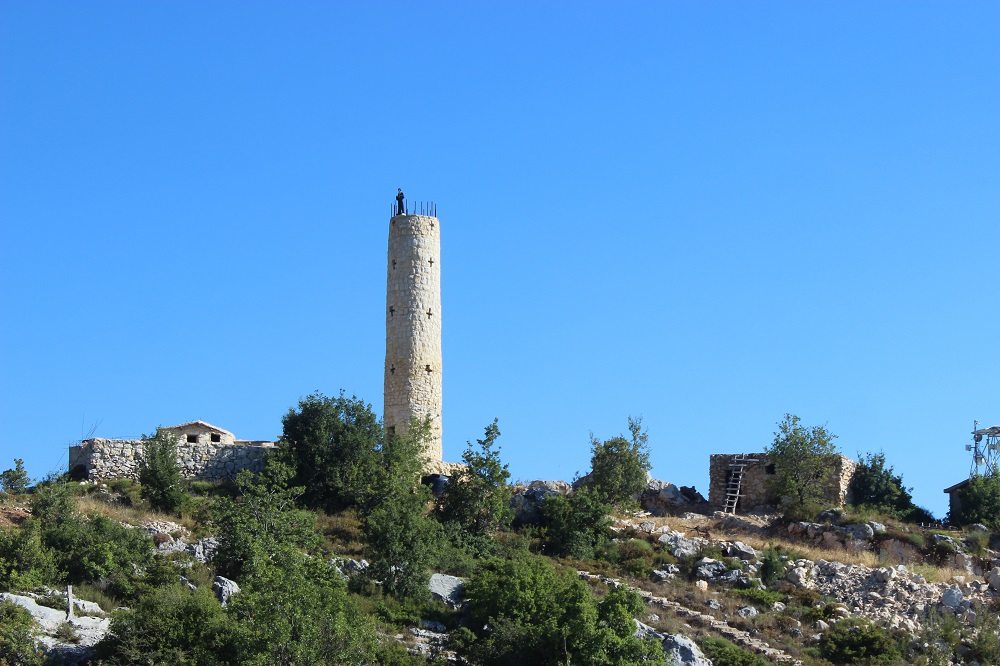
Hardine’s name is derived from the Syriac language meaning ‘pious’, Witness of justice, Ardent in faith and Square of religion. It is located about 1100m. above sea level. A large area of very thick forests surrounds it and the following ruins of its inveterate past decorate its mountain terraces: -The «rocky tile of Hardine» with its marine fossils and its unique length of 350 m along a slope to the west and its width of nearly l00m. Some one said, «The three most beautiful in Mount Lebanon are the valley of Kannoubine, The Palace of Beit Eddine and the tile of Hardine». –The Temple of God Mercury With 30 majestic pillars built according to the rare ionic style. This temple known as «the roman Palace of Hardine». It’s a really fantastic one; it goes back to the time of Emperor Hadrian Augustus (117-137 A.D). -“St Fawka’s” monastery (6th century) -“Patriarchal monastery” since the Maronites came to Lebanon, known as “St. Sergios Alkarn”. -“St John Alchakf” monastery, since the days of the Crusaders. -“St Taqla” church in Beit Kassab square. It was the father of St Hardidni, who first started its renovation in the 19th Century. -The church and hermitage of “St Stephan” in a hollow in a light rock over the Plain of Al Jawz River. -The ruins of “St Richa’s” monastery, where the Syriac Diocese was moved between 1384 and 1598. -The hermitages of “St Joseph”, “Ste Anne”, “St Ephram” the Syriac, “St Jacob Jesus’ brother” and “the pottery monastery” in the hollows of Kfarshira, and “the Lady of the Castle” in the hollow of the water spring. -The Church of “St. Georges and Edna” which is distinguished Christian inscriptions (fish and cross). -The churches of “St Elias”, “St Challita and Nohra” in the hollows engraved in the rocks, the old parish churches, like “St. Sergios and Bacchus” (rebui1t in 1932). “the Lady of deliverance” (rebuilt in 1948). The current one is St. Shayna” (1844), and finally the church of “St. Tadros” with its maronite alter, The two rebuilt churches of “St. Antonios of Padova” (1907), “St. Thomas” (1950) and the church of “Ste Theresa of the Baby Jesus” (1946). -The monastery of St. Hardini» built with the donations of the people from Hardine in Lebanon and all over the world. – Hardine is the hometown of one of Lebanon’s four saints, Saint Nimatullah Hardini (1808-58) who was canonised by Roman Catholic Pope John Paul II in 2004. The village is naturally protected by the valleys and the rocky mountains around it making it an ideal place for the then new religion (Christianity) to flourish. Legend has it that in 270AD, a Roman official imprisoned his daughter in Hardine for converting to Christianity. She converted many others in Hardine to the Christian faith.

Visited 3704 times, 1 Visit today
Reviews are disabled, but trackbacks and pingbacks are open.

Related Listings

Bteden Al-Laqsh – The Church of St Joseph

Saint Joseph Church, Bteddine El Loqch, Lebanon

كنيسة مار يوسف

Btedine El-Leqch

Jezzine

South

كنيسة مار يوسف - بتدين اللقش

بنيت الكنيسة الأولى أوائل القرن التاسع عشر وكانت صغيرةً تعرضت للتخريب بعد حوادث سنة ١٨٦٠. سنة ١٨٧٠ بُنيت الكنيسة الحاليّة بشكل عقدٍ مُصالبٍ. تضمّ الكنيسة لوحتين الأولى للعائلة المقدّسة وهي أيقونة من المدرسة الأورشليميّة تعود لأواسط القرن التاسع عشر أمّا الثانية فهي لوحة غربيّة من أوائل القرن العشرين.

The Church of St. Joseph- Bteden Al-Laqsh

The Church of St. Joseph in Bteden Al-Laqsh has a rich history dating back to the early XIXth century. The original church was constructed in the first half of the 1800s but was unfortunately vandalized during the events of 1860. In response, a new church was constructed in 1870 with a cross-vaulted architectural style. Today, the church is known for its stunning interior, which contains two significant paintings. The first is an icon of the Holy Family from the Jerusalemite school, dating back to the mid-XIXth century. The second is a classical painting from the early XXth century.

Beit El Din – The Cathedral of St Maroun

Mar Maroun Church, Beit ed-Dine, Lebanon

كاتدرائيّة مار مارون

Beit Ed-Dine

Chouf

Mount Lebanon

كاتدرائيّة مار مارون - بيت الدّين
سنة ١٨٢٩ وهب الأمير قاسم شهاب المطران يوحنا الحلو (البطريرك لاحقًا) قطعة أرض لبناء كنيسة على اسم مار مارون لأبناء البلدة، هذه الكنيسة الأولى هي السكرستيّا اليوم. سعى لبناء الكنيسة الحاليّة الأمير بشير الثاني الشهابيّ الكبير، وكرّسها البطريرك يوسف حبيش في زيارته لمركز الإمارة في أيّار سنة ١٨٣٧، وجعلها كرسيًّا لرئيس أساقفة صور وصيدا المطران عبدالله البستاني، وبنى له دارًا للمطرانيّة بقربها، ليكون مركز المطران بجوار مركز الإمارة. تعرّضت الكنيسة للتخريب مرّتين: سنة ١٨٦٠ و١٩٨٣. أعيد ترميمها أخيرًا في تسعينيّات القرن العشرين.

The Cathedral of St Maroun - Beit El Din
In 1829 Prince Qasem Chehab gave Bishop Youhanna El Helou (later Patriarch) a parcel of land to build a church dedicated to St Maroun on, this old church is used today as a sacristy. The current cathedral was built by Prince Bechir the second Chehab and consecrated by Patriarch Youssef Hobeich during his visit to the seat of power in Beit El Din in May 1838, and made it the seat of the archbishop of Tyr and Sidon, with its first prelate Archbishop Abdallah El Boustany. The archbishopric was constructed adjacent to the church, so that the seat of the Archbishop would be near the princely palace. The church was devastated during the wars of 1860 and 1983, and finally renovated during the nineties.

Mar Moussa – The monastery of St Moses of Abyssinia

Mar Moussa El Douar, Lebanon

دير مار موسى الحبشيّ

Mar Moussa Ed-Douar

Metn

Mount Lebanon

دير مار موسى الحبشيّ - مار موسى

بناء الدير يعود إلى سنة ١٦٥٦، سكنه أوّلاً رهبانًا عبّادا. إنضمّ هؤلاء الرهبان المتنسّكون سنة ١٧٥٧، إلى الرهبانيّة اللبنانيّة، وسلّموها الدير بموجب صكّ مكتوب، في عهد الأب العام جرجس قشّوع. كان للدير بعض أملاكٍ حين تسلّمته الرهبانيّة. أمّا بقيّة أملاكه فاتّصلت إلى الرهبانيّة بوجه الشراء من أعيان الطائفة الدرزيّة بعناية الأب العام إغناطيوس بليبل. في السنة ذاتها عقدت الرهبانيّة مجمعها في ربوعه وانتخب الرهبان الأب اقليموس المزرعاني رئيسا لهم على الرغم من معارضة البطرك طوبيا الخازن، وقد ادى هذا الإنتخاب الى انقسام الرهبانية الى بلدية وحلبية في العام ١٧٧٠ وكان دير مار موسى من نصيب الرهبانية البلدية التي تعرف اليوم بالرهبانية اللبنانية. اشترى الدير سنة ١٧٨٩ مطبعة نقلها من روما وعليها طُبعت الشحيمة وخدمة القداس الإلهي. تعرّض دير مار موسى الى النهب والحرق على يد جيش الحملة المصرية عام ١٨٤٠ ثم على يد الدروز اثناء مجازر الستين. عام ١٨٦٣ باشر الأب ليباوس المتيني ترميم الدير وبناء الطابق الثاني والكنيسة الحالية التي انتهى بنيانها عام ١٨٧١. على مرّ التاريخ، عرف الدير حقباتٍ زاهرةٍ. عيّنته الرهبانيّة ديرا للإبتداء، ثمّ مدرسةً للرهبان الدارسين. وعلاوةً على تعليم الفلسفة واللاهوت إعدادًا للكهنوت، كان الدير يؤمّن تعليم السريانيّة والعربيّة واللاتنيّة والفرنسيّة والحساب.

The monastery of St Moses of Abyssinia - Mar Moussa

The monastery was built in 1656, my contemplative monks. In 1757 the monastery was given to the Lebanese Order during the pontificate of Abbot Geryes Qashouh. The monastery had some lands when it was acquired, however most of its lands were bought from local Druze lords during the pontificate of Fr. Abbot Ignatius Bleibel. In 1770 the order had an assembly in the monastery and elected Fr. Abbot Clementis Mazraany against the will of Patriarch Tobias el Khazen, an election that lead to the split of the order into two: Lebanese and Aleppan. The Lebanese order acquired the monastery. The monastery housed a printing press in 1789 and printed the breviary and the missal. The monastery was devastated during the Egyptian campaign in 1840 and during the civil war of 1860. It was then restored by Fr. Abbot Lebaos el Mteiny in 1863 and a new church was built in 1871. During its long history, the monastery became a noviciate and a grammar school.