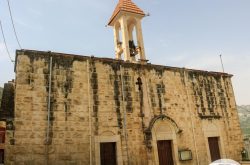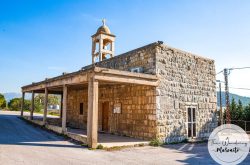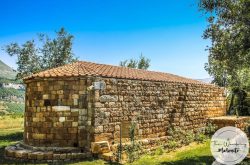

Hadshit – The monastery of the Prophet Elijah

St. Elias Monastery, Hadchit, Lebanon

Other Details

دير مار الياس

Hadchit

Bcharre

North

دير مار الياس - حدشيتيعود بناء الدّير إلى القرون الوسطى، لكنّ الموقع يحوي الكثير من الآثار التي تشير الى استخدامه كحصن بسبب موقعه الاستراتيجيّ. وتشير التقاليد والموروثات أن الموارنة تحصّنوا به إبّان حملة المماليك على جبّة بشرّي. بقي الدّير لمدّةٍ طويلةٍ مزارًا لأهل البلدة. رممّ الموقع سنة ٢٠١٥ وكرّسه البطريرك بشارة بطرس الراعي. يتألف الموقع من الكنيسة الأثريّة بقلب المغارة، آثار القلالي والحديقة الجديدة.The monastery of the Prophet Elijah - HadshitThe monastery dates back to the middle ages yet the site was an antique garrison due to it’s strategical location. According to tradition the maronites took refuge in the monastery during the Mamluk’s campaign on the region of Jebbe. The monastery was a shrine for a long period of time. It was restored in 2015 and consecrated by the Patriarch Bechara Boutros el Raii. The site includes the cave church, the ruins of the cells and the new garden.

Visited 3255 times, 2 Visits today

Reviews are disabled, but trackbacks and pingbacks are open.

Related Listings

Ain Ekrine – The church of Our Lady of Perpetual Help

Sayidet al Maounet Church, Ain Aakrine, Lebanon

كنيسة سيّدة المعونات

Ain Aakrine

Koura

North

كنيسة سيّدة المعونات - عين عكرين

سكن الموارنة بلدة عين عكرين من القرن التاسع عشر. أمّا الكنيسة فبنيت نهاية القرن التاسع عشر. البناء كناية عن سوقٍ واحدٍ مسقوف ينتهي بحنية نصف دائريّة. المميّز في هذه الكنيسة أنّها آن رمّمت أوائل هذا القرن زيّنها المرحوم الأب عبده بدوي رائد الإيقونوغرافيا المارونيّة الحديثة بمجموعةٍ من الفسيفساء والأيقونات.

The church of Our Lady of Perpetual Help - Ain Ekrine

The Maronites first came to Ain Ekrin in the beginning of the XIXth century. They built the church at the end of the century. The structure is a single nave roofed building, with a semi circular apse. The church was restored in the early XXIth century, and it consists a visual iconographical heritage to the belated Fr Abdo Badawi, the pioneer of modern maronite iconography.

Batroun – St Stephen’s cathedral

Saint Stephen Cathedral, 1400، Batroun, Lebanon

كاتدرائيّة مار اسطفان

Batroun

Batroun

North

كاتدرائيّة مار اسطفان - البترون

بُنيت كاتدرائية مار أسطفان على أنقاض كنيسةٍ أقدم عهدًا سنة ١٩١٠، يوم كانت المدينة في أوجّ نموّها. تتميّز الكاتدرائيّة أنّها تجمع الطراز النيوكلاسيكيّ والنيوبيزطيّ. مبنيّة على نمطٍ بازيليكيّ بثلاث أسواقٍ تنتهي بثلاث حنايا وفيها ثلاث مذابح. تحوي الكنيسة كرسيّ الأسقف، لوحة غربيّة الصنع لمار أسطفان، بيما للوعظ، وجرن للعماد ذات قبّة. واجهتها الغربيّة تطلّ على المرفأ وتتميّز بقبابها التي يتوسطها تمثال مار اسطفان.

St Stephen’s cathedral - Batroun

The cathedral was built over an older church in 1910, during the city’s economical peak. The chuch combines neoclassical and neo Byzantine styles, according to a basilical plan with three naves and three semi circular apses with altars. The cathedral holds the episcopal chair, a western painting of St Stephen, a pulpit, and a western style domed baptisimal font. The western facade of the church overlooks the city’s port, with two domes ans St Stephen’s statue between them.

Beit Chabab – The church of our Lady of the Milk

NOTRE DAME NOURRICIÈRE كنيسة سيدة البزاز, Beit Chabeb, Lebanon

كنيسة سيّدة البزاز

Beit Chabab

Metn

Mount Lebanon

كنيسة سيّدة البزاز - بيت شباب

بنتها عائلة غبريل سنة ١٨٣٥ في حيّ بيت الزعرور. تجدّدت سنة ١٨٧٥ وأعيد تكريسها على يد المطران نعمة الله سلوان سنة ١٩٠٦. في الكنيسة لوحتين مريميّتين الأولى هي العذراء المرضعة لداوود القرم تعود لسنة ١٨٨٢، والثانية أقدم عهدًا غير موقعة. ولوحة لمار الياس عمل حبيب سرور سنة ١٨٨٨، وأخرى لمار يوسف بلا توقيع.

The church of our Lady of the Milk - Beit Chabab

The church was built by the Ghobril family in 1835 in the area known as Beit el Zaarour. In 1875 it was renewed and reconsecrated by Bishop Nematullah Selwan in 1906. The church holds two marian paintings: the first by Dawoud El Qorm from 1882 representing the breastfeeding mother, the second one is older and not signed. It also contains a painting of St Joseph not signed, with another of St Elias by Habib Srour from 1888.