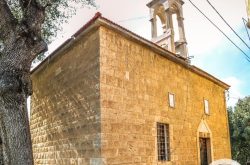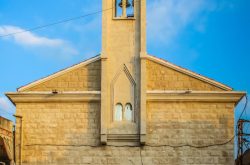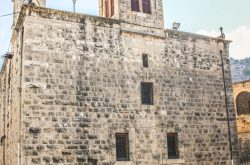

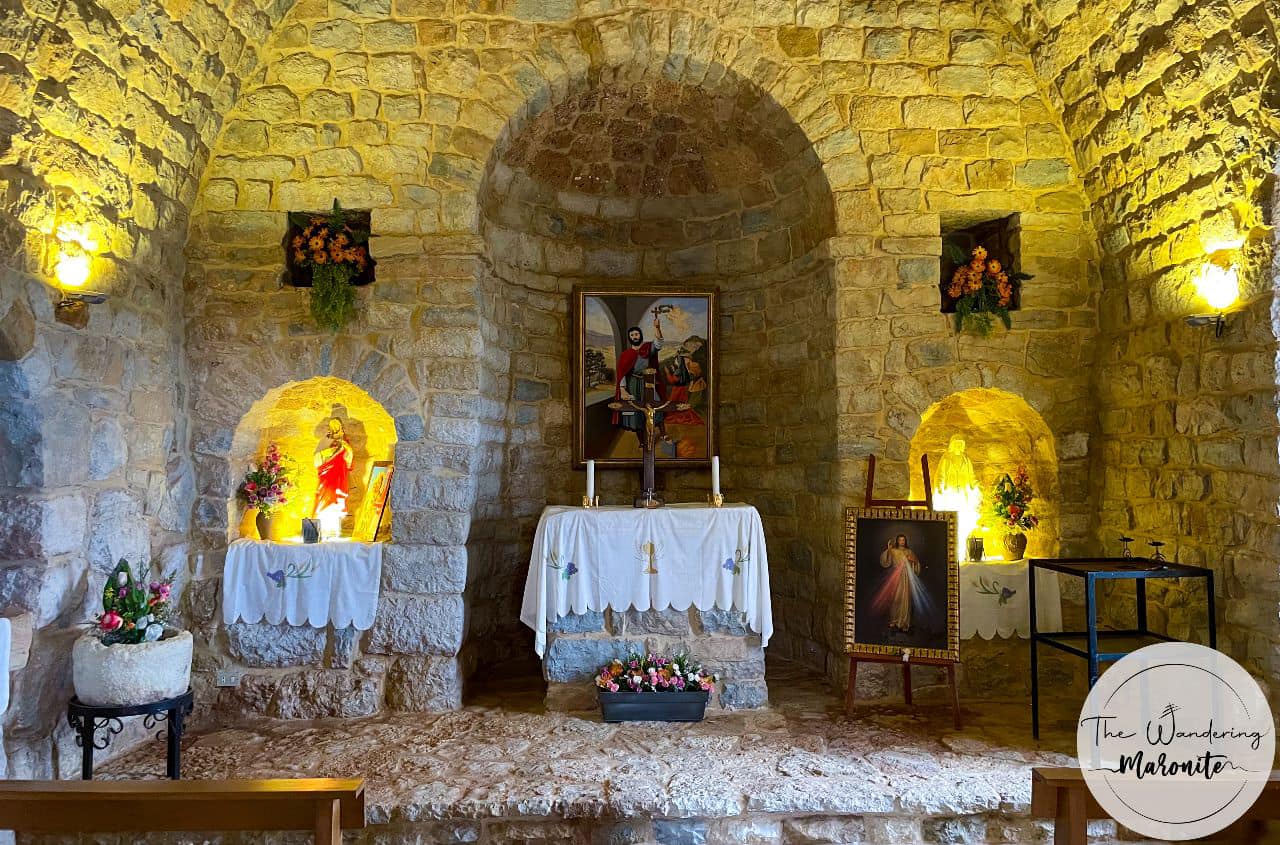
Ehden – Saint Jacob the Persian Monastery

Saint Jacob's Monastery of the Abyssinians دير مار يعقوب الا حباش, Baabda, Lebanon

Other Details

دير مار يعقوب المقطّع

Ehden

Zgharta

North

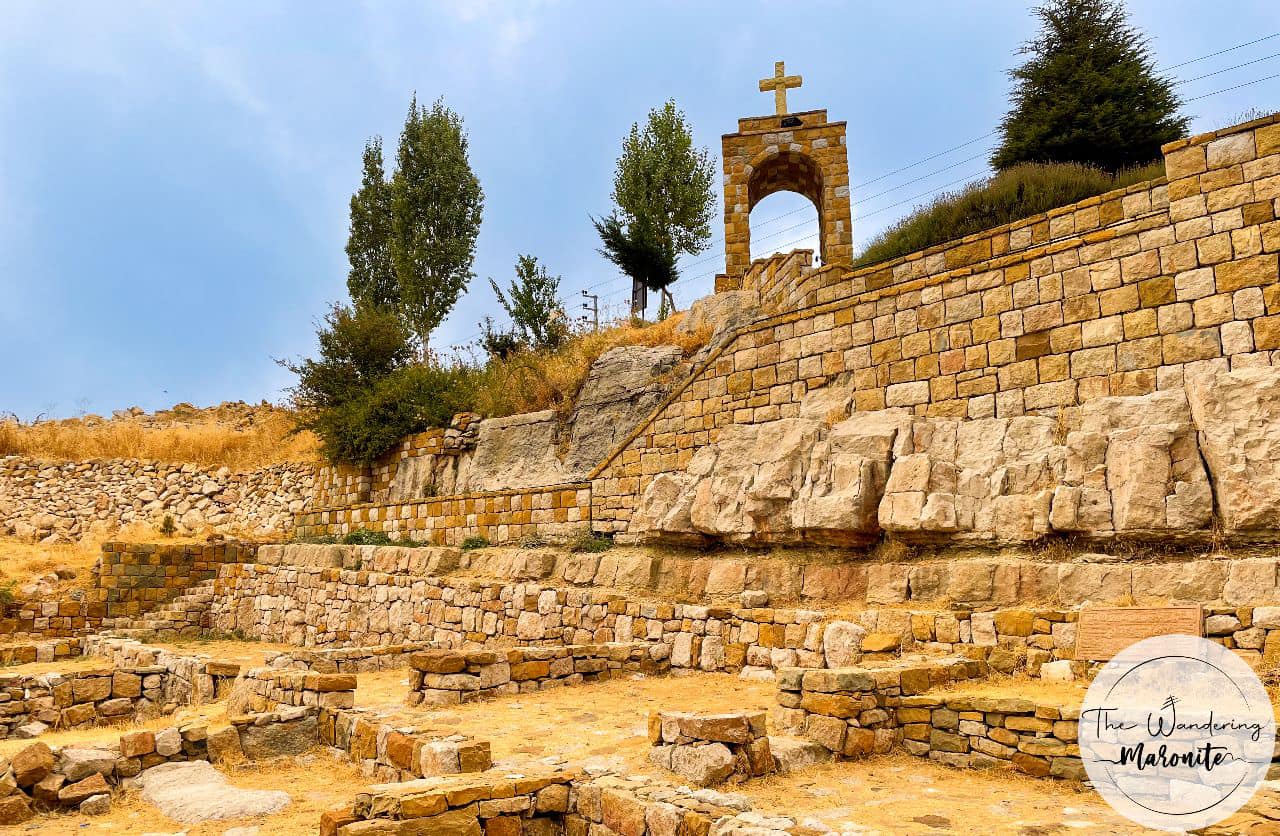
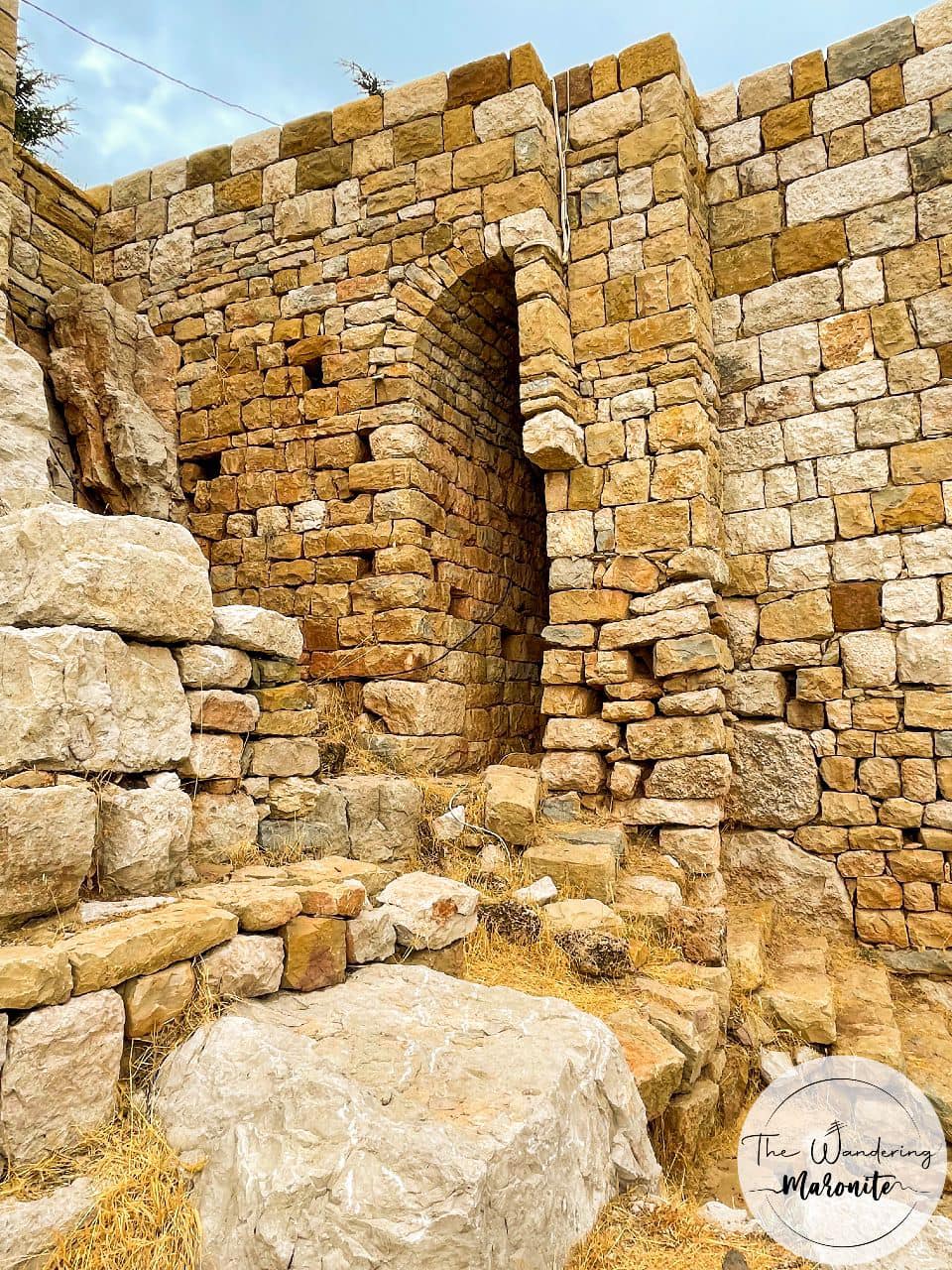
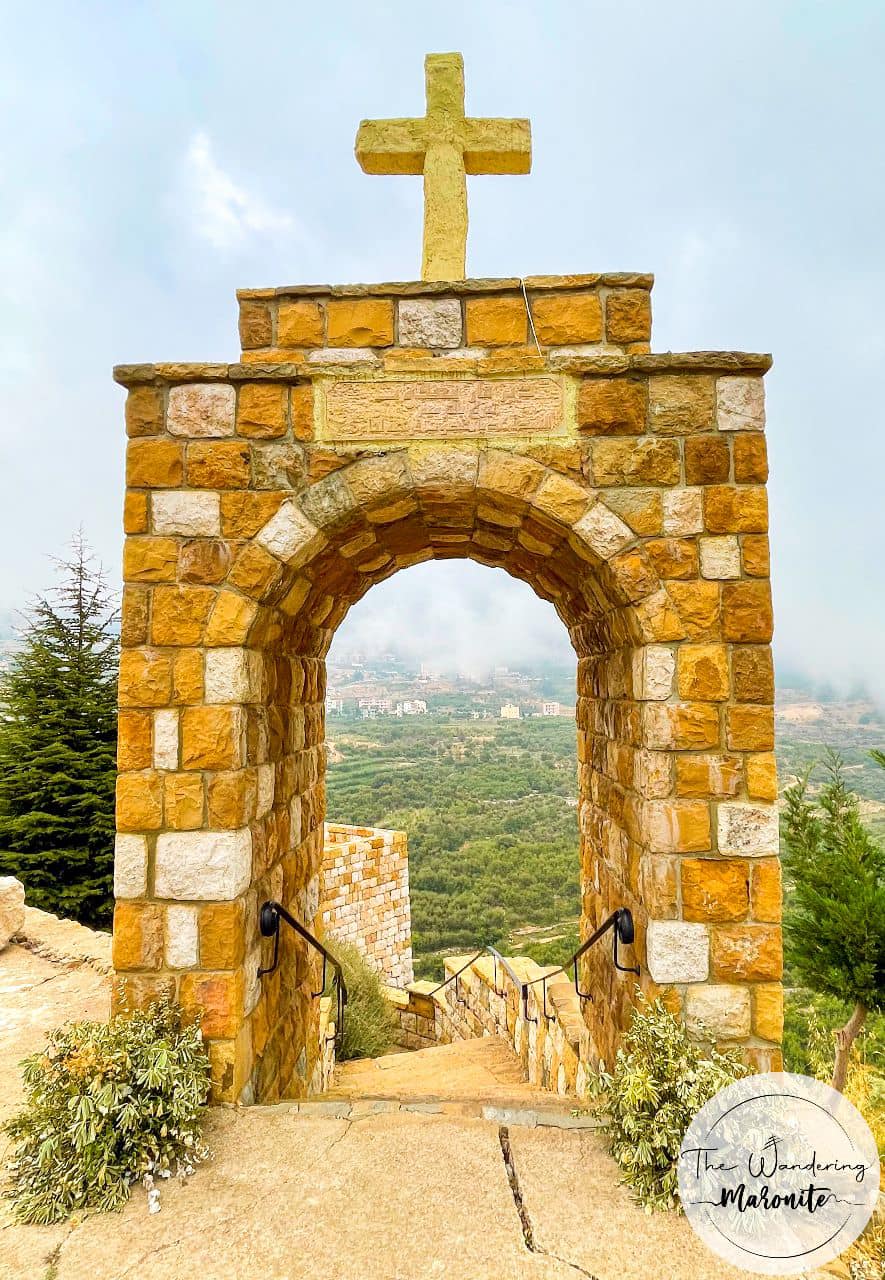
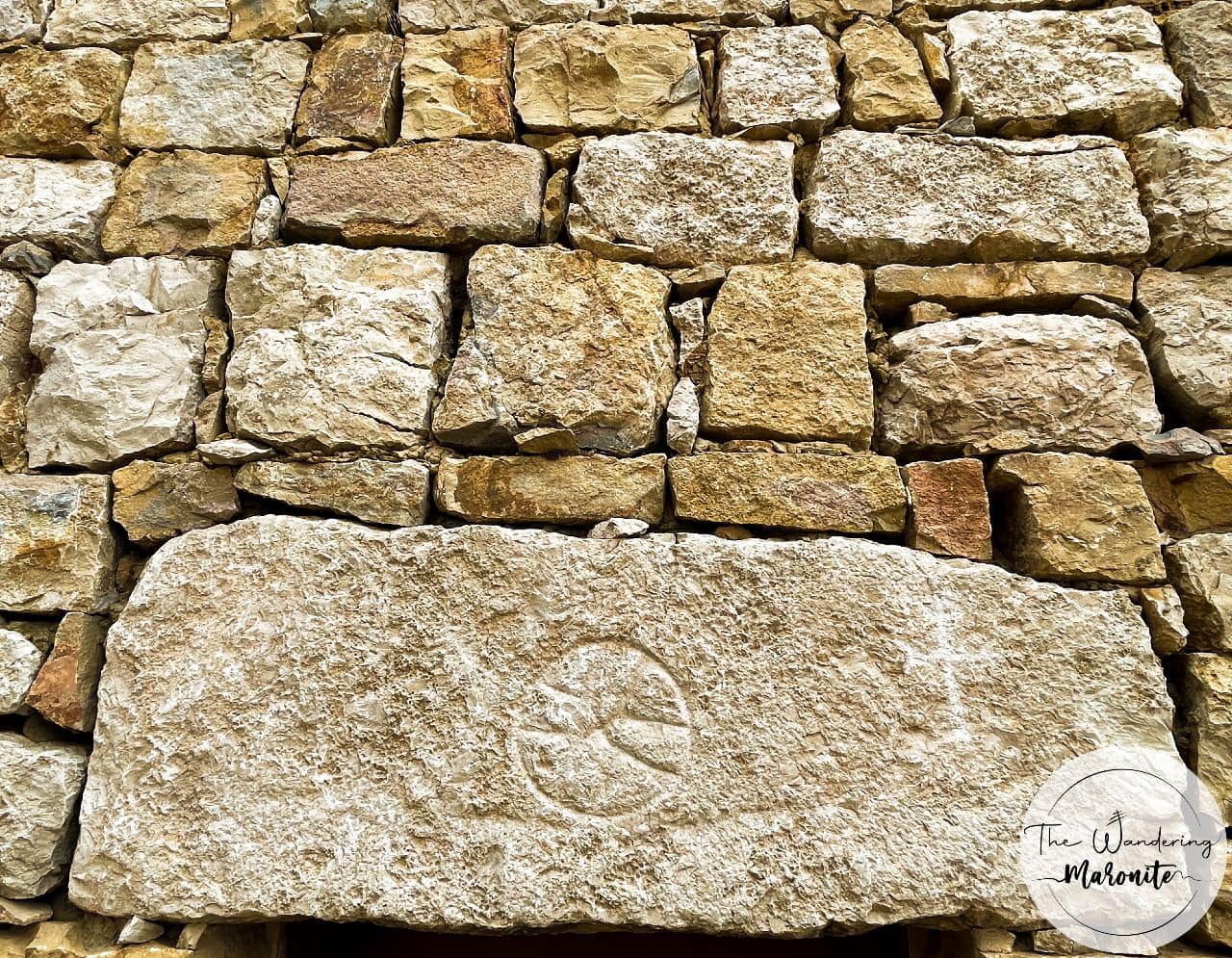
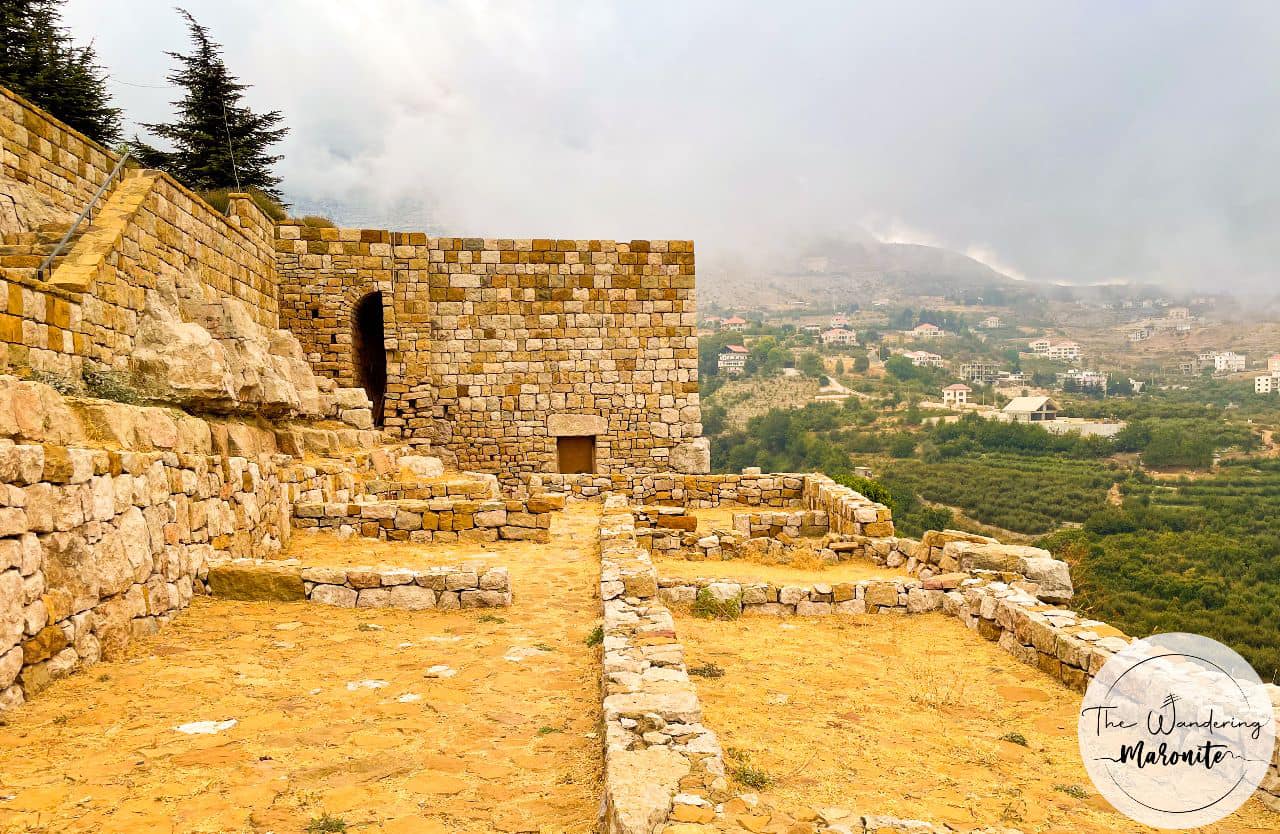
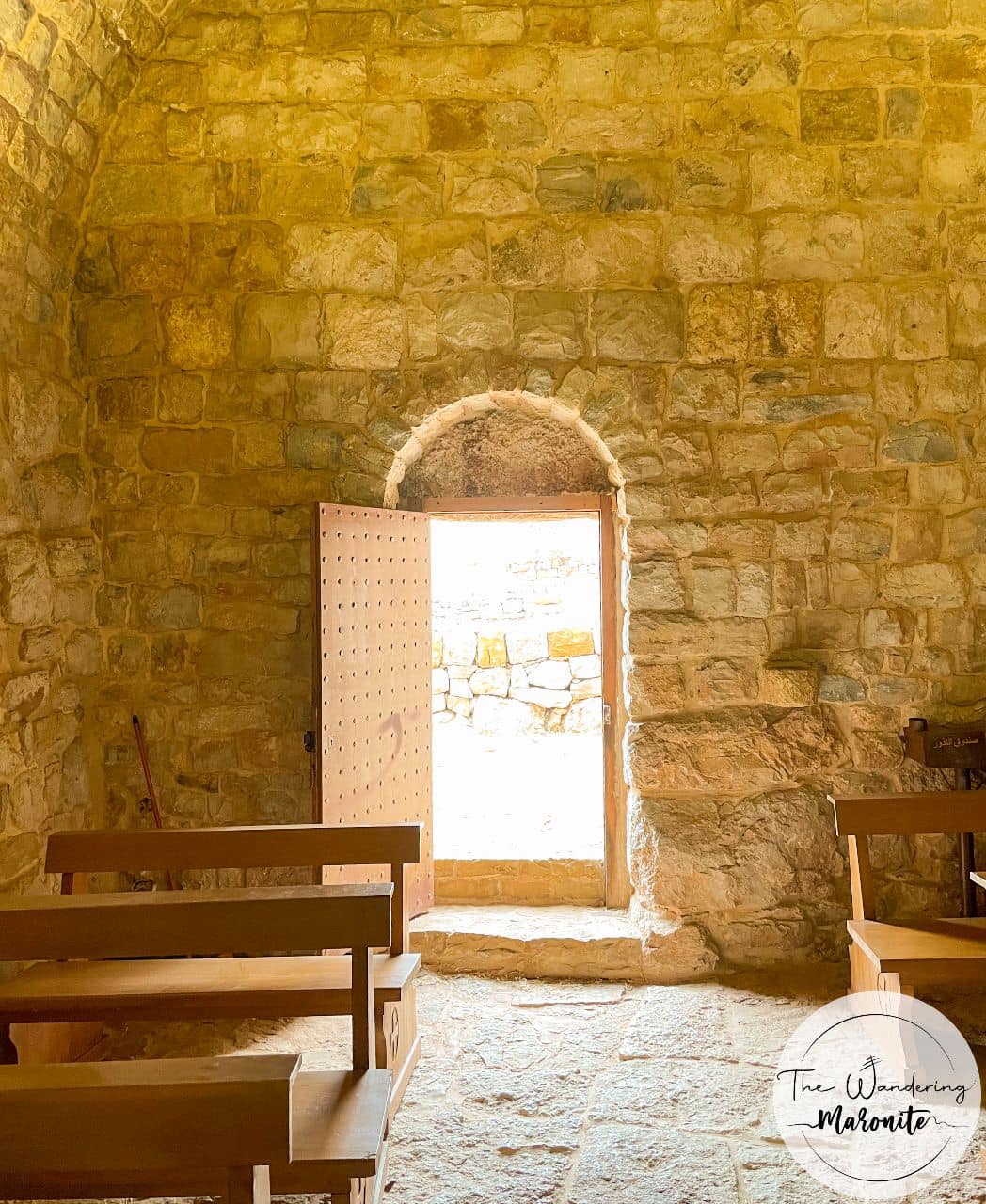
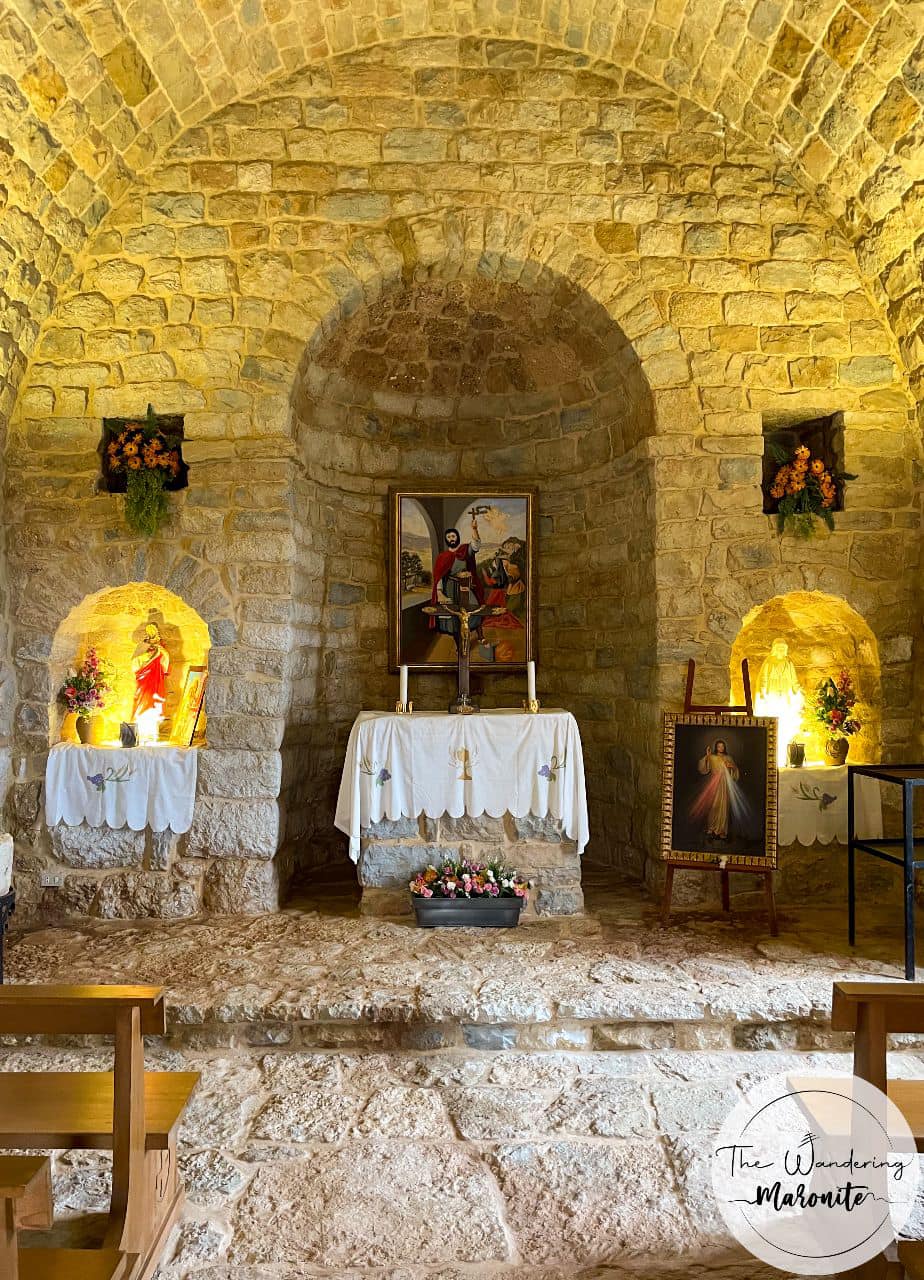
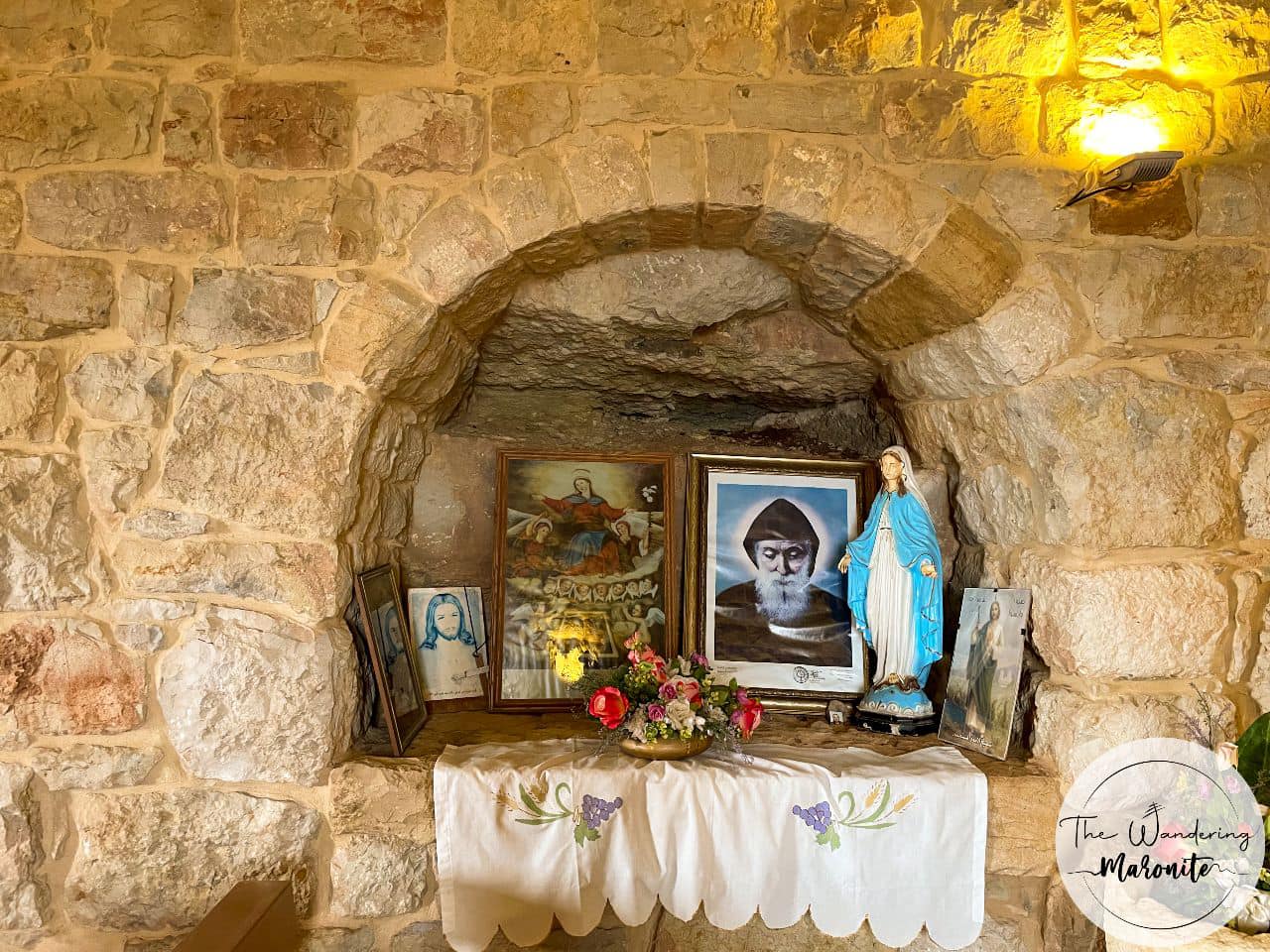
دير مار يعقوب المقطّع - إهدن بُني الدّير أواخر القرن الثالث عشر بعد حملة المماليك. سنة ١٤٧٠ قطنه القس يعقوب ورفاقه الوافدين من الحبشة فدُعي بدير الأحباش نسبةً إليهم. سنة ١٤٨٨، طرد الإهدنيّون الأحباش واليعاقبة بعد معركة بقوفا، فأصبح الدّير مقرًّا لأساقفة إهدن. سنة ١٦٣٢، سكنه الفرنسيسكان. جعله البطريرك إسطفانوس الدويهيّ مدرسةً لتعليم الأحداث عندما كان كاهنًا. سنة ١٩٧٦ إنهارت الكنيسة إثر عاصفة ثلجيّة. أعيد ترميمها وتكريسها صيف ٢٠٠٤ على يد المطران سمير مظلوم. Saint Jacob the Persian Monastery - Ehden Saint Jacob's Monastery was built at the end of the XIIIth century, after the Mamluks' invasion. In 1470, it was inhabited by Abyssinian monks. However, in 1488, the Ehdenites expelled the monks from the monastery after the Battle of Bqoufa. Later on, the monastery became the seat of Ehden's bishops. Then, in 1641, it was inhabited by Franciscan monks. In 1657, Fr. Estfen al Doueihy (later patriarch) turned it into a school for Ehden's youth. During the 18th century, the convent was completely abandoned. In the winter of 1976, a blizzard destroyed the church. Finally, it was restored in 2004 and reconsecrated by Bishop Samir Mazloum.

Visited 3295 times, 3 Visits today

Reviews are disabled, but trackbacks and pingbacks are open.

Related Listings

Baskinta – Our Lady of the Assumption

Saint Mary Church,, Baskinta, Lebanon

كنيسة سيّدة الإنتقال

Baskinta

Metn

Mount Lebanon

كنيسة سيّدة الإنتقال - بسكنتا

تعودُ هذه الكنيسة إلى القرن السابع بحسب التقليد، خُرّبت الكنيسة الأولى مع حملة المماليك في القرن الثالث عشر. أْعيد البناء سنة ١٦٥٠، وجُدّد سنة ١٧١٢. سنة ١٩١١ ذُهِّب المذبح الرئيسيّ.
رُمّمت الكنيسة على عدّة مراحل وحقبات: ١٩٠٧ و ١٩٧٤ و ٢٠٠١. بُنيَ الرواق أمام الكنيسة سنة ١٩١٢. في الكنيسة ثلاث أروقة: السيّدة ولوحتها من عمل القسّ بطرس القبرصيّ الراهب اللبنانيّ، وهو أوّل رسّام في جبل لبنان القديم، مار جرجس، ومار يوحنّا المعمدان. هذه الكنيسة هي الأقدم في بسكنتا، وكانت أروقتها مقسومةً قديمًا بين الموارنة والروم الكاثوليك والروم الأرثوذكس، رعيّة واحدة لكنائس مختلفة!

Our Lady of the Assumption - Baskinta

The first church dates back to the VIIth century, yet it was destroyed with the Mamluk’s invasion in the XIIIth century. The church was rebuilt in 1650, and renewed in 1712. In 1911 the high altar was gilded. The church was renewed several times during its long history: 1907, 1974, and 2001. In 1912 a narthex was added with an Antipendium. The church is in a basilical plan and divided by three naves: Our Lady’s with a Madonna painting drawn by Boutros el Qobrsy the Lebanese Cypriot monk and the first known painter in Mount Lebanon, St John the baptist, and St George. This church is the oldest in Baskinta, in earlier times the naves where divided between the village's Christian communities: the Maronites, the Melkite, and the Greek Orthodox. One parish for three christian communities.

Menjez – The monastery of Our Lady of the fortress

دير سيدة القلعة منجز, Munjez, Lebanon

دير سيّدة القلعة

Mounjez

Akkar

Akkar

دير سيّدة القلعة - منجز
بنى الأمير البيزنطيّ فيليكس قلعةً على ضفاف النهر الكبير، على بقايا هياكل فينيقيّة ورومانيّة. سنة ١١٢٨ رممّ الأمير الصليبيّ جيلبير دي بوي لوران القلعة، ثم باعها لأمير طرابلس ريموند سان جيل. بعد ذلك استولى فرسان القدّيس يوحنا على القلعة وبنوا فيها معبدًا على اسم شفيعهم مار يوحنّا. تعرض الدّير في حقباتٍ عديدةٍ للخراب. وأثناء انتقال الملك الظاهر بيبرس الى القبيات في طريقه الى حصن عكار استولى على الدير والقلعة. بعد رحيل المماليك تحوّل الدّير إلى مزارٍ مريميّ. أواسط القرن التاسع عشر رمّم الدّير يوسف المريض من منجز، وتنسّك به. سنة ١٨٩٢ تسلّم الدّير الآباء اليسوعيّون فبنوا الكنيسة الجديدة، وأقاموا مدرسةً سنة ١٨٩٥. سنة ١٩٢٥ تسلّمت الرهبانيّة اللبنانيّة المارونيّة الدّير. تعرّض الدّير للخراب خلال الحرب الأهليّة، وعاد إليه الرهبان بداية التسعينيّات. الكنيسة مبنيّة بالحجر البركانيّ الأسود، بسوقٍ واحد وعقد سريريّ، تضمّ الكنيسة العديد من اللوحات الغربيّة ومذبح خشبيّ أوروبيّ الصنع.
The monastery of Our Lady of the fortress - Menjez
The Byzantine prince Felix built a castle over phoenician and roman ruins, that the Crusader prince Gilbert de Pui Lorain took in 1128, then he sold it to the prince of Tripoli Raymond de Saint Gilles. After that the knights of St John took the castle and built a monastery dedicated to St John. With the Mamelouk invasion the monastery was sabotaged when king Zaher Bibars took over Tripoli. After the Mamelouks left, the locals converted the ruins into a Marian shrine. In the mid XIXth century, a local named Youssef el Marid renewed the monastery and made it a hermitage. In 1882 the Jesuits took over, rebuilt the church, and built a school in 1885. In 1925 the Lebanese Maronite Order took the monastery and the school. During the civil war the monastery was sabotaged, the monks didin’t return to the mission until the nineties. The church is made of black bazalt, it is a single nave crib vaulted structure. The church holds many western paintings, and a wooden European high altar.

Annaya – The monastery of St Maroun

Monastery Saint Maroun, Aannaya, Lebanon

دير مار مارون

AAnaya

Jbeil

Mount Lebanon

دير مار مارون - عنّايا
دير للرهبانيّة اللّبنانيّة المارونيّة إنتهى العمل من بنائه سنة ١٨٢٨. وبين سنتي ١٨٣٨ و١٨٤١ أُكمِل بناء الكنيسة وجميع الأقبية. هو دير مارونيّ تقليديّ بجميع أقسامه من حوش ومضافة وكنيسة صغيرة. إشتهر الدّير لأنّه مقام القدّيس شربل مخلوف الذي حوّله إلى محجّ ومزار.

The monastery of St Maroun Annaya
A monastery for the Lebanese Maronite Order built in 1828. The church and the vaults were completed between 1838 and 1841. It is a traditional maronite monastery with its vaults, cloister, reception room and small church. It was made famous by being the resting place of St Charbel Makhlouf who transformed it into a pilgrimage site.