
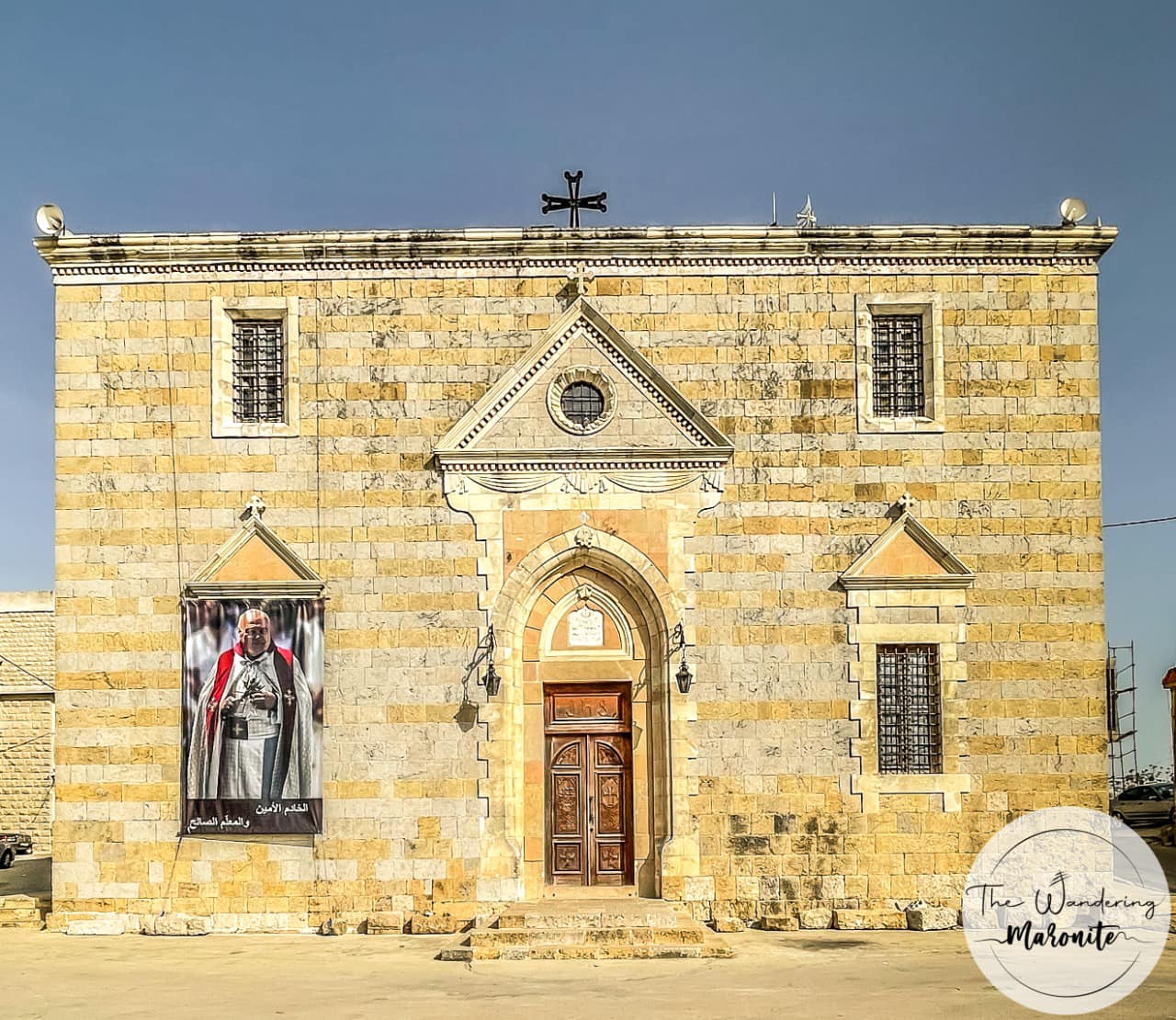
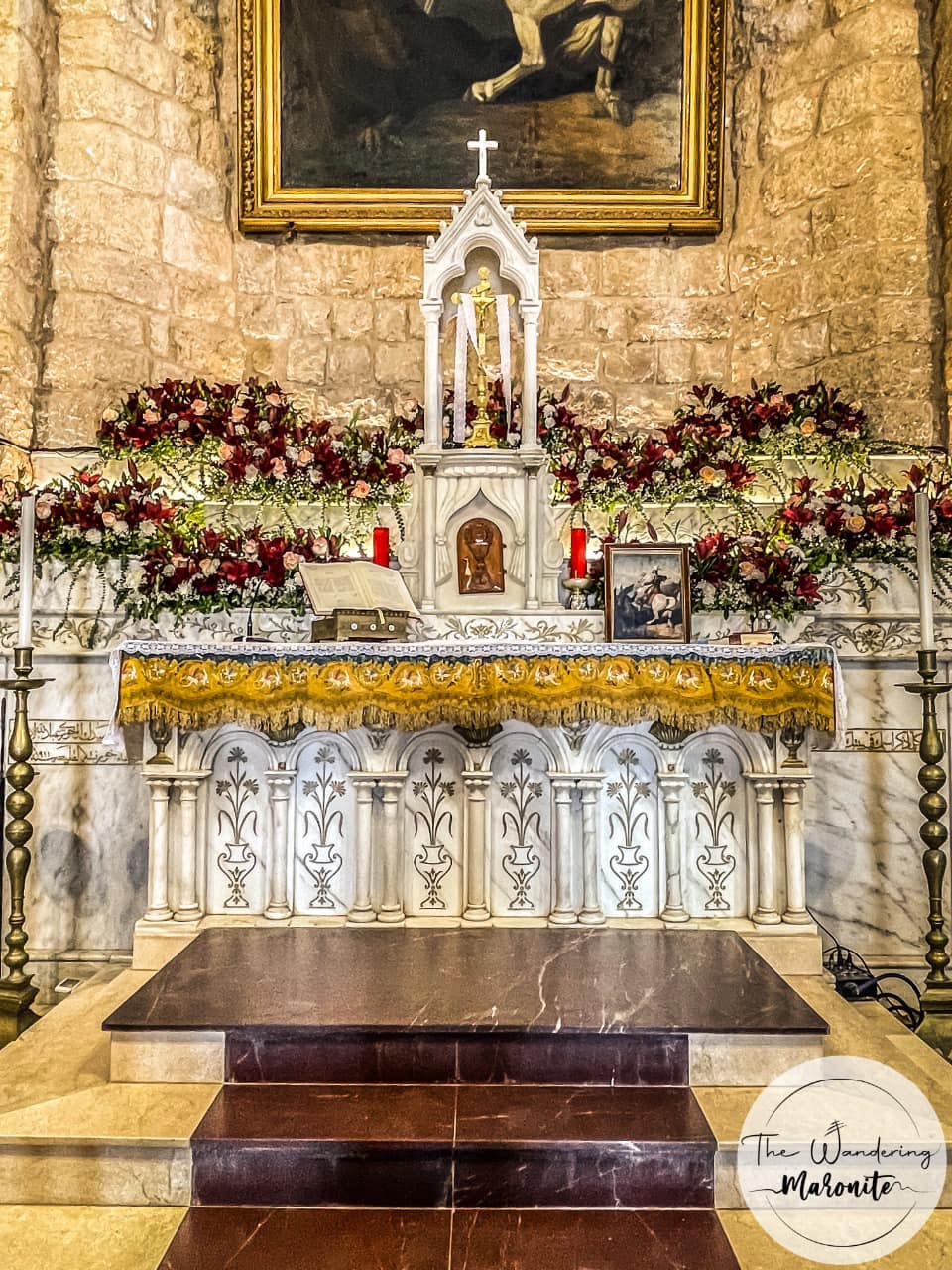
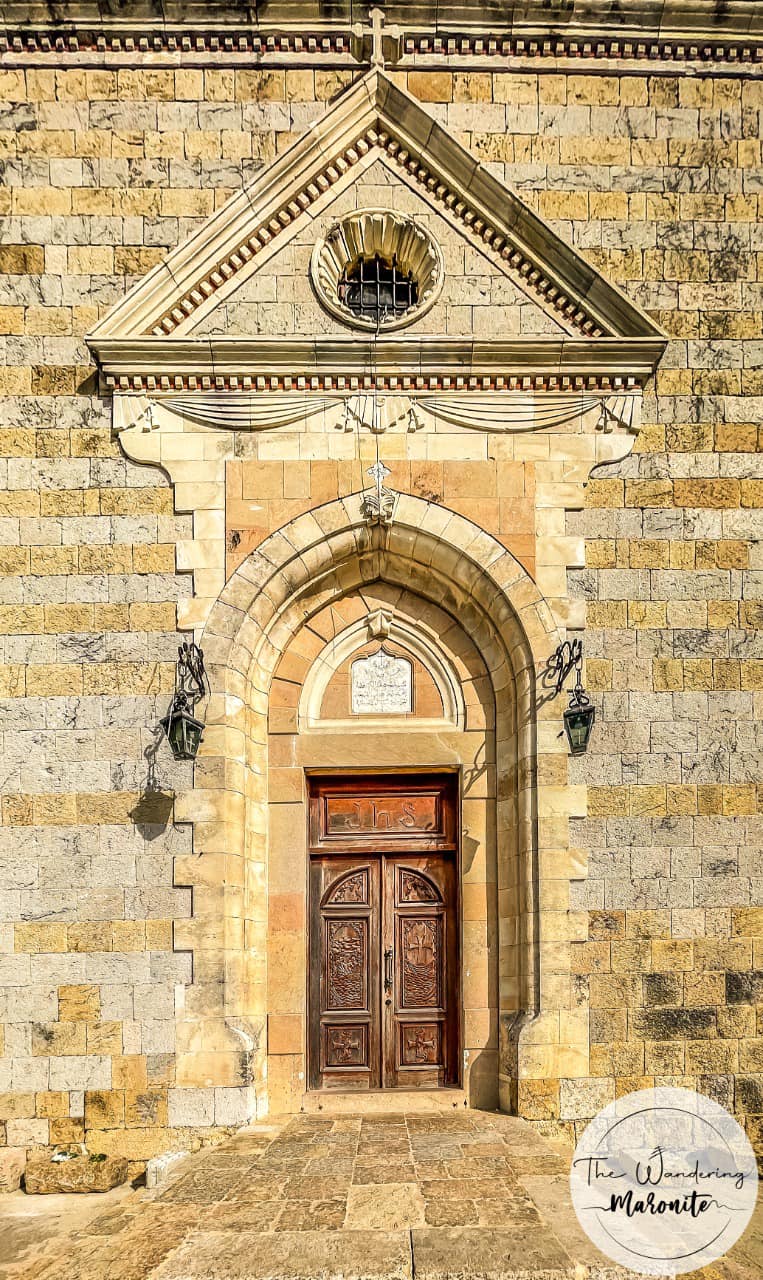
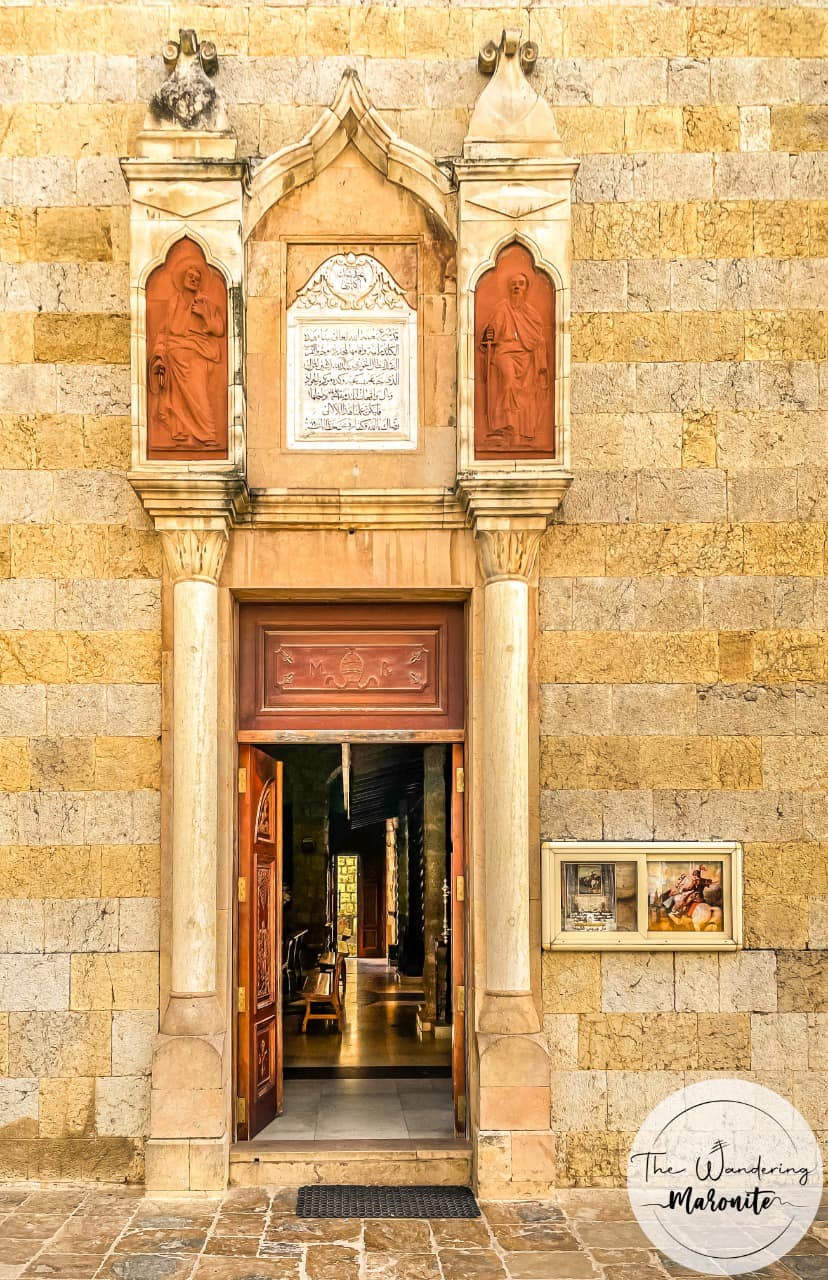
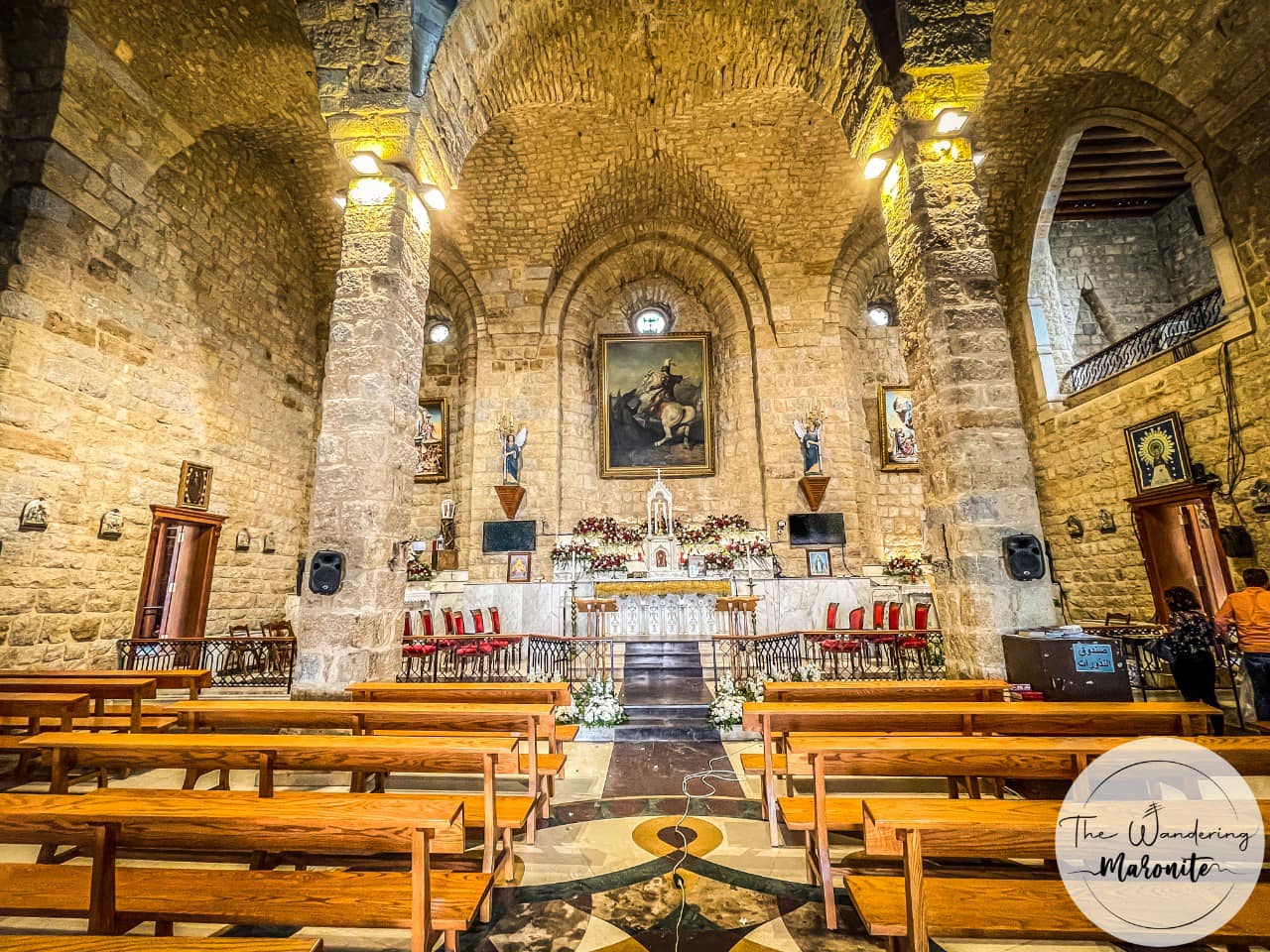
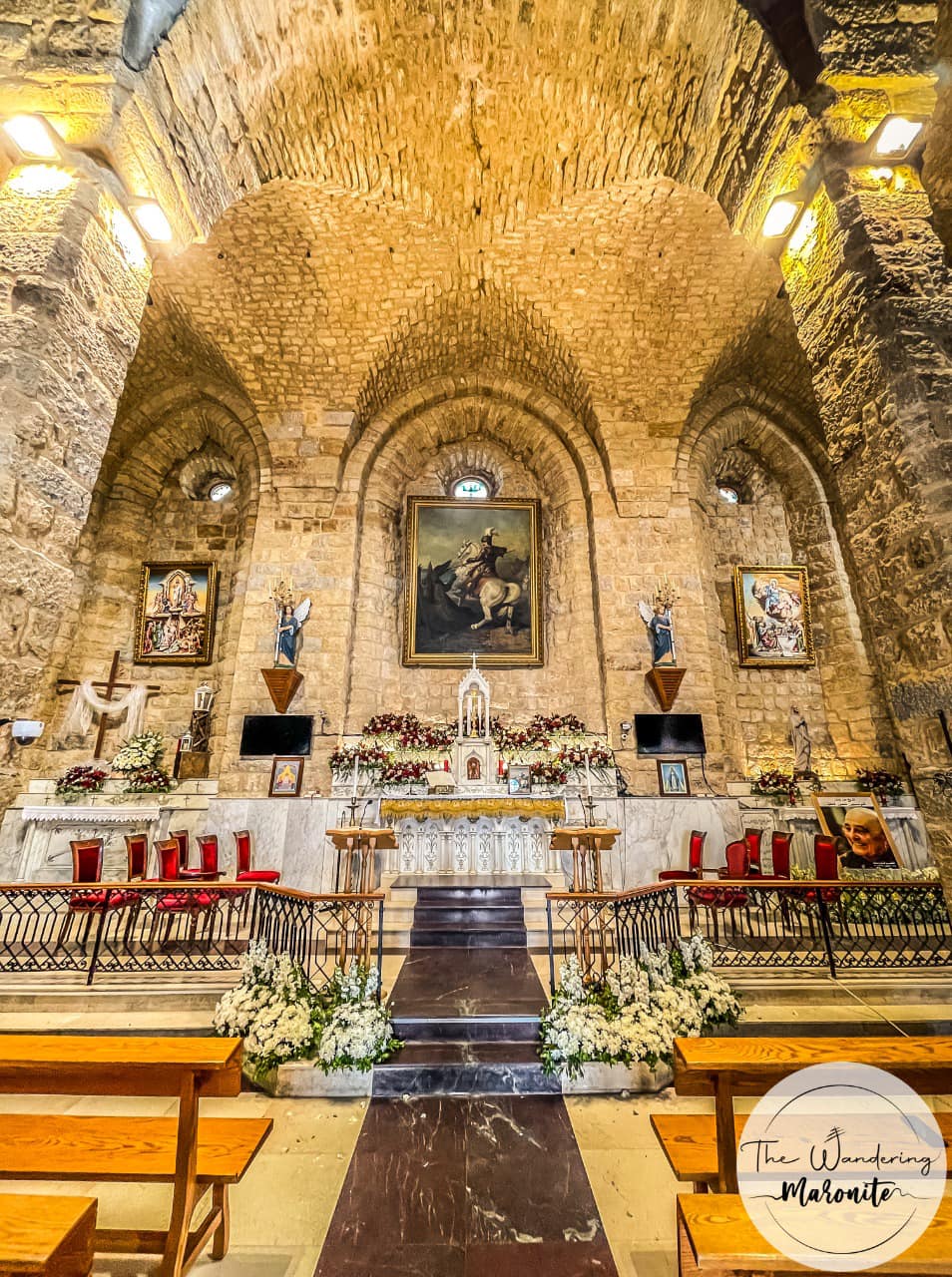
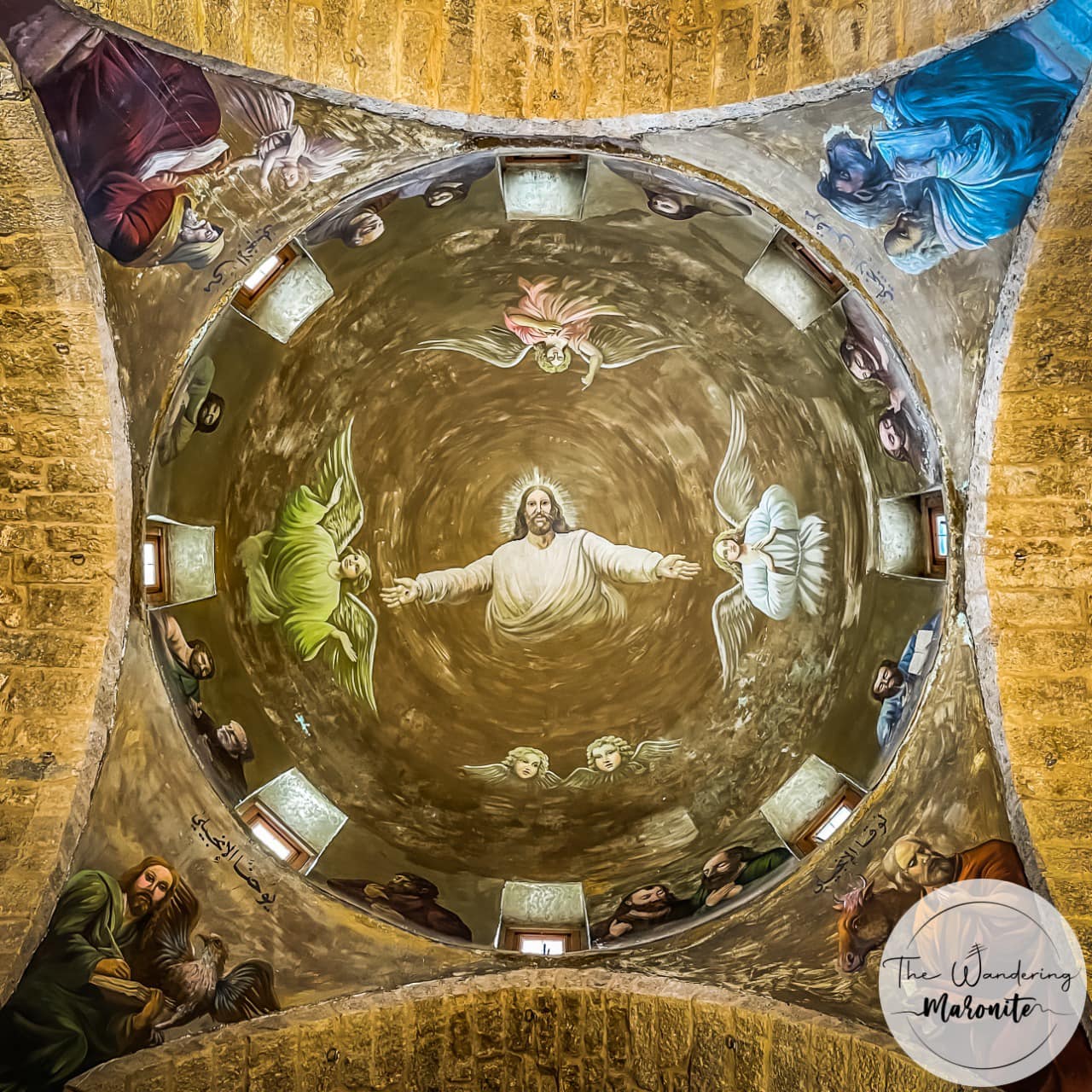
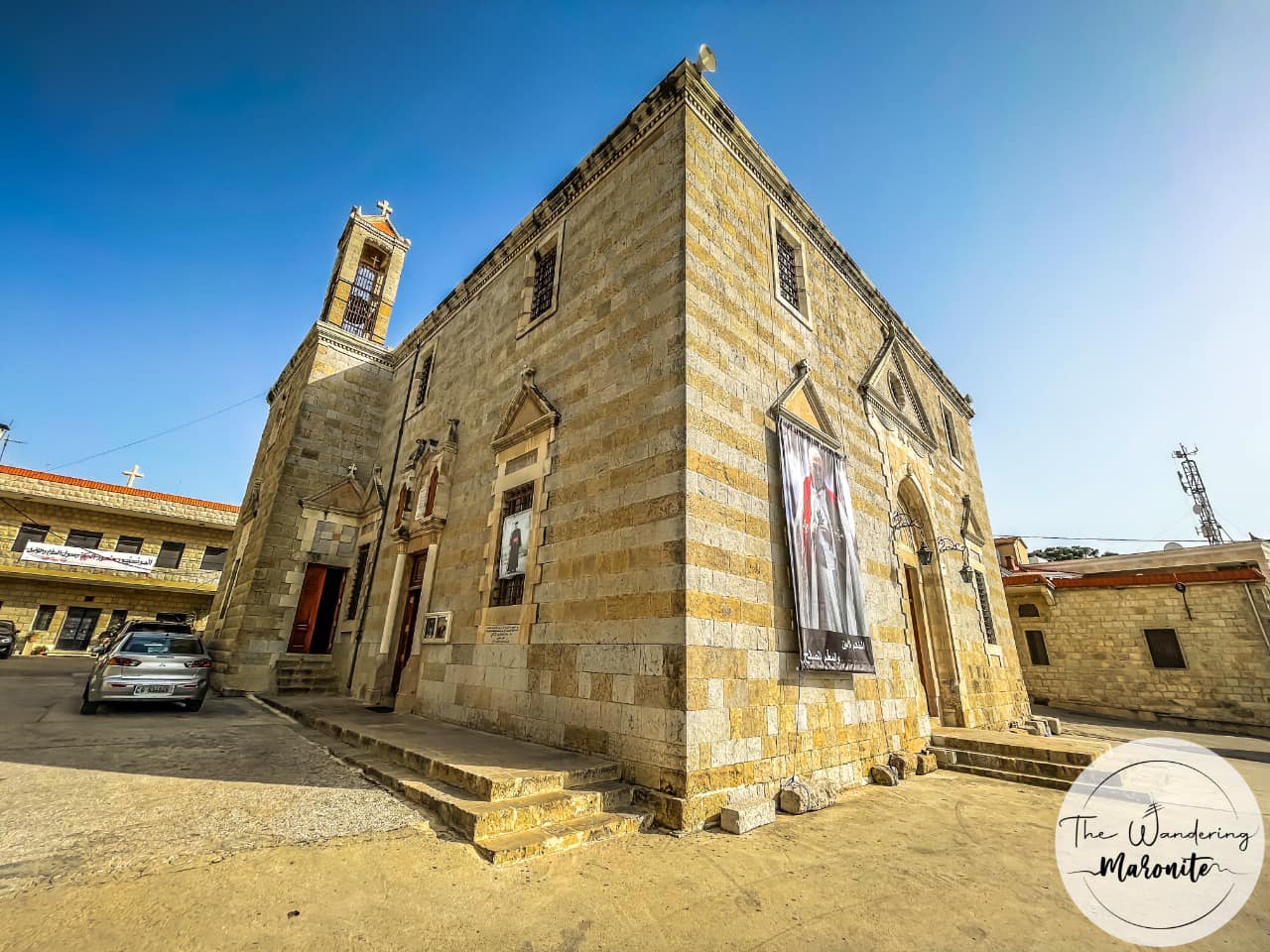
كنيسة مار جرجس - القليعةهي كنيسة البلدة الرعائيّة. بُنيت سنة ١٩٠٠ بسعي الخوري عبدالله لاشين، وكرّسها المطران بطرس البستاني مطران صور وصيدا آنذاك. الكنيسة بازيايكيّة الطراز بثلاث أروقة، والعقد يجتمع بقبّة دائريّة مزيّنة بجداريّة المسيح الفادي محاطًا بالإنجيليّين الأربعة. اللوحة الأساسيّة من عمل داوود القرم. أمّا الكنيسة من الخارج فهي بالحجر المقصوب مزيّنة بلونين من الحجارة.The church of St George - QlayaaThe parochial church of the town, the church was built in 1900 with the efforts of Fr. Abdalla Lachin and dedicated by Mgr. Boutros el Boustany archbishop of Tyr and Sidon back then. The church follows a basilical floor plan with three naves, and a circular dome decorated with a fresco of Christ the Redeemer surrounded by the four evangelists. The main painting of St George is by Dawoud el Qorm. The facade of the church is a decorative alteration of two kinds of colored stones.
بُنيت الكنيسة الأولى أوائل القرن التاسع عشر، وخربت في أحداث سنة ١٨٦٠. أعيد بناؤها سنة ١٨٩٠ وكرّسها المطران بطرس البستاني رئيس أساقفة صور وصيدا آنذاك. رمّمت الكنيسة ووسّعت على عدّة مراحل آخرها في تسعينيّات القرن العشرين. البناء هقد مصالب ينتهي بحنية نصف دائريّة. تضمّ الكنيسة أيقونة أورشليميّة أثريّة ونسخةً عنها طبق الأصل. The church of St John the Baptist - Homsyeh
The first church was built in the beginning of the XIXth century and was ruined in the war of 1860. The church was rebuilt in 1890 and consecrated by Mgr. Boutros el Boustany archbishop of Tyr and Sidon back then. The church was restored and enlarged many times taking its current form in the nineties. The structure consists of a crossed vault ending with a semi circular apse. The church hold an ancient icon from the school of Jerusalem and an exact copy of it.
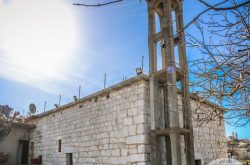
بُنيت الكنيسة أواخر القرن الثامن عشر مع قدوم المسيحيّين إلى البلدة، وكانت كنيستهم الأساسيّة. تعرّضت للسلب خلال أحداث سنة ١٨٦٠. أُهملت الكنيسة بعد بناء كنيسة مار يوسف وسط البلدة، وأعيد ترميمها مؤخّرًا. الكنيسة مبنيّة بأسواقٍ ثلاث أفقيّة على نمط العليّة في البيت اللبنانيّ مسقوفة بالخشب وقد أُضيفت إليها قبّة صغيرة وقت الترميم.
The Church of Our Lady of Mzaar - El Hajje
The church is the original parochial church of the village, built during the late 18th century. It was sabotaged during the war of 1860 and remained abandoned after the construction of St. Joseph's Church in the village center. However, it has been recently restored. The structure of the church resembles that of a cenacle in a traditional Lebanese house, with three horizontal aisles. A dome was added to the structure during the restoration.
كنيسة سيدة كفرملكون الأثرية - كفرحلده, Kfar Helda, Lebanon
كنيسة سيّدة كفرملكون (سيّدة الخرايب)
Kfar Hilda
Batroun
North
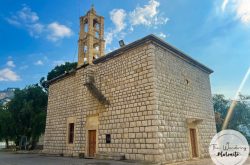
كنيسة سيّدة كفرملكون (سيّدة الخرايب) - كفرحلدا ترقى الكنيسة الى القرن الثالث عشر ، في أعالي بلدة كفرحلدا وكانت قد بنيت هذه الكنيسة بالطريقة البدائية التقليدية كما كان قائماً في القرون الوسطى، أما قبة الجرس فهي حديثة الصنع. هذه الكنيسة كانت جزءاً من قرية كفرملكون الواردة في السجلات العثمانية. مع مرور الزمن هُجّرت القرية وبدأت الابنية بالتفكك والانهيار خاصة بعد حدوث زلزال كان قد ضرب المنطقة أدى الى خرابها فسُميت بسيّدة الخرايب. أما السواد الذي يغطي بعضاً من معالم الرسومات داخل جدران الكنيسة، فكان بسبب ان بعض الرعاة كانوا يرتادون المكان ويشعلون النار للتدفئة. في حنية الكنيسة جدارية الشفاعة مع كتابة يسوع المسيح بالخط السرياني الملكي في الوسط. على الجدار الشمالي رسماً لأسقف أصلع الرأس، هو القديس يوحنا الذهبي الفم. وعلى الجدار نفسه نقرأ اسم ضومطيوس باللغة اليونانية. أما على الجدار الجنوبي بقايا مشهد الميلاد مع أربع ملائكة وراعٍ يعزف على الناي وبجانبه حملان.
Our lady of Kfarmalkoun, or Our lady of ruins - Kfarhelda Dating back to the 13th century, and laying on the high hills of Kfarhelda, this church was built following the traditional medieval style. This church is located in the old Kfarmalkoun village that is found in the Ottoman records. With time, the villagers had left their village and the buildings started to fall apart, especially after it was hit by an earthquake. Thus the name: Our Lady of the Ruins. Some of the Church walls are covered with a black layer caused by the fires that the pastors lit when they were cold. On the Church's apse, one can find the Deisis fresco, surrounded by the words Jesus Christ written in a royal syriac font. On the northen wall, we can see the drawing of a bald bishop, St. John Chrysostom. On the same wall, we can find the words Domtius written in Greek. On the sourhern wall, on can find the remains of a fresco depicting the Nativity scene with four angels and a pastor playing on the flute next to some sheep.
Reviews are disabled, but trackbacks and pingbacks are open.