
Deir el Qamar – The Church of Our Lady Of Talleh

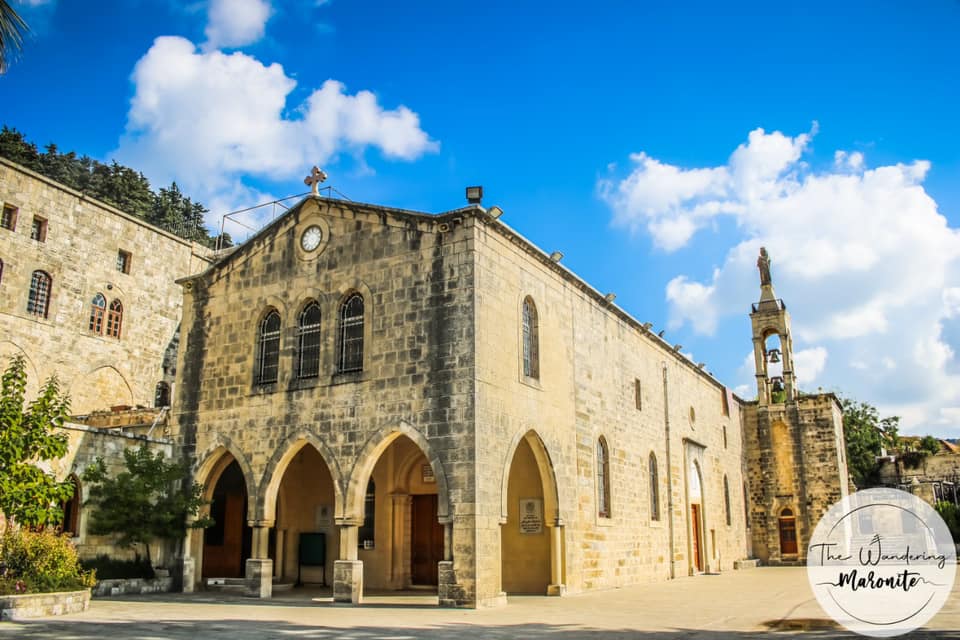
Saydet Al Talle Church, Deir El Qamar, Lebanon

Other Details

كنيسة سيّدة التلّة العجائبيّة

Deir El-Qamar

Chouf

Mount Lebanon

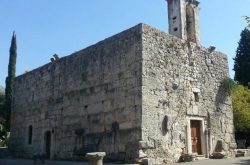
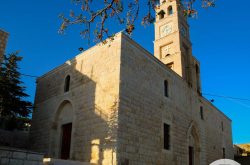
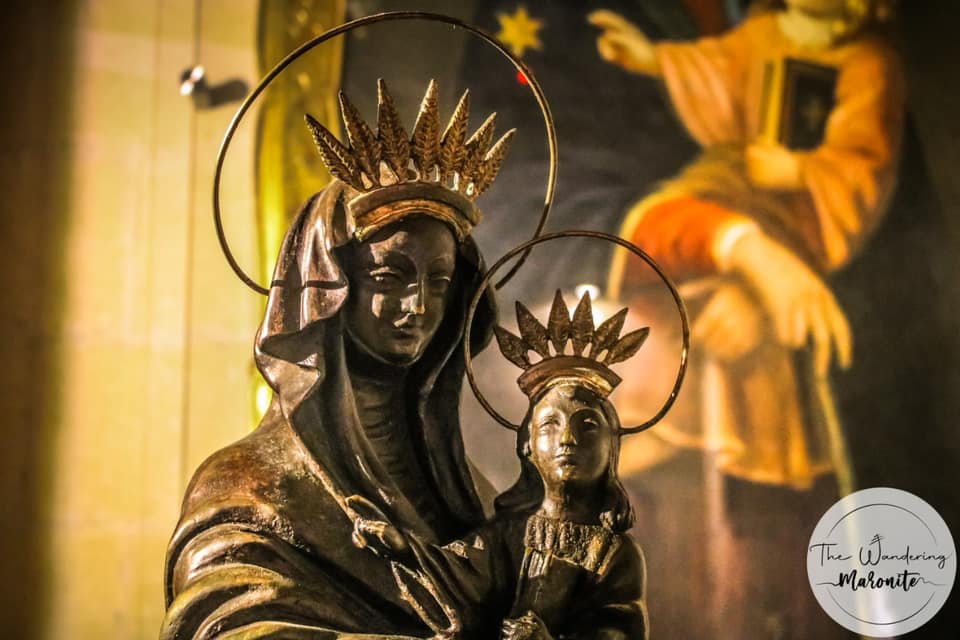
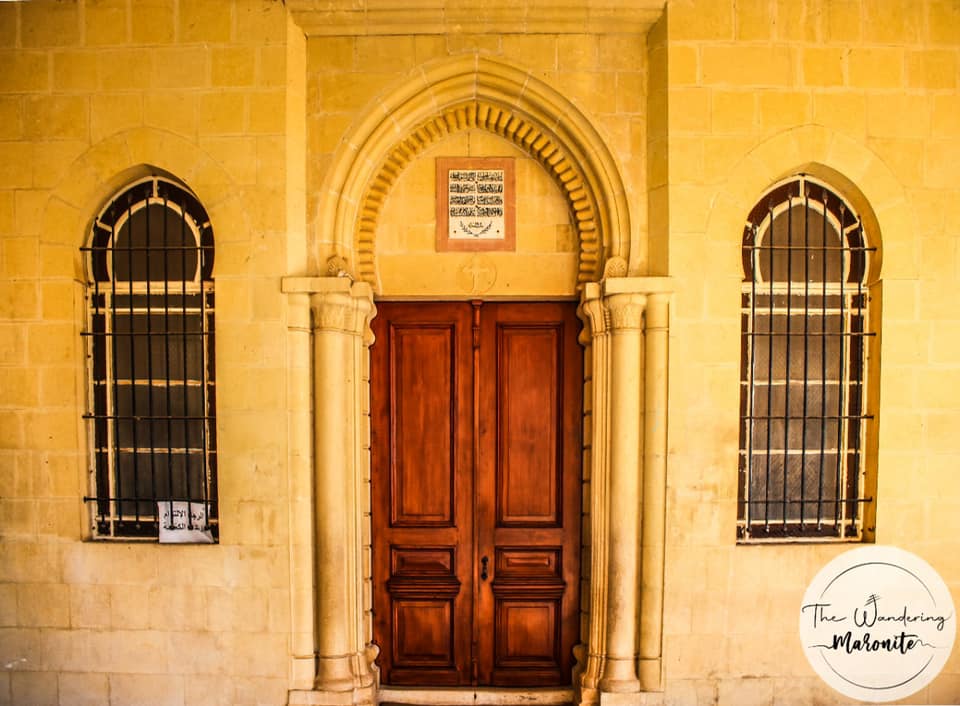
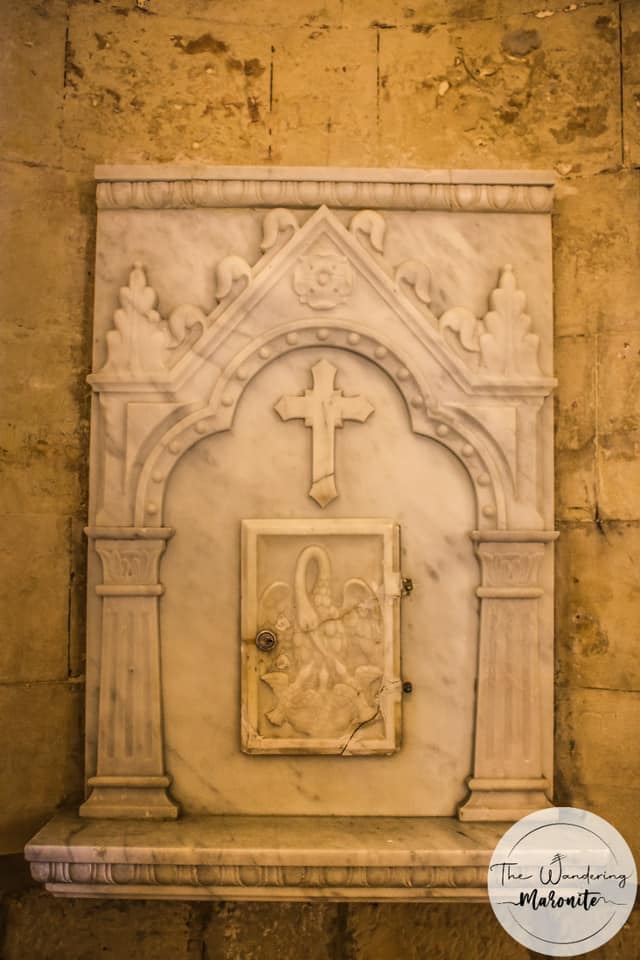
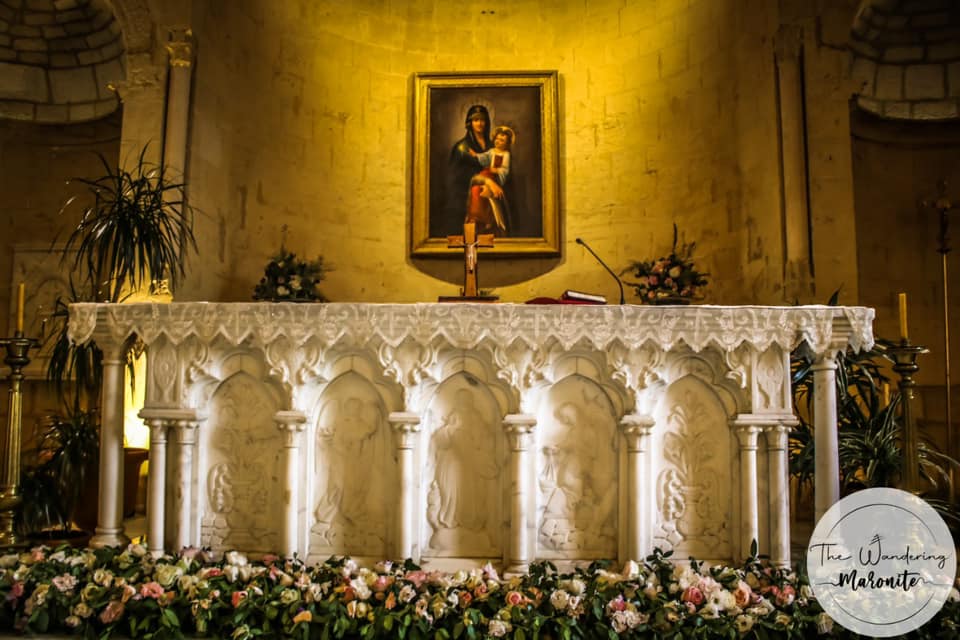
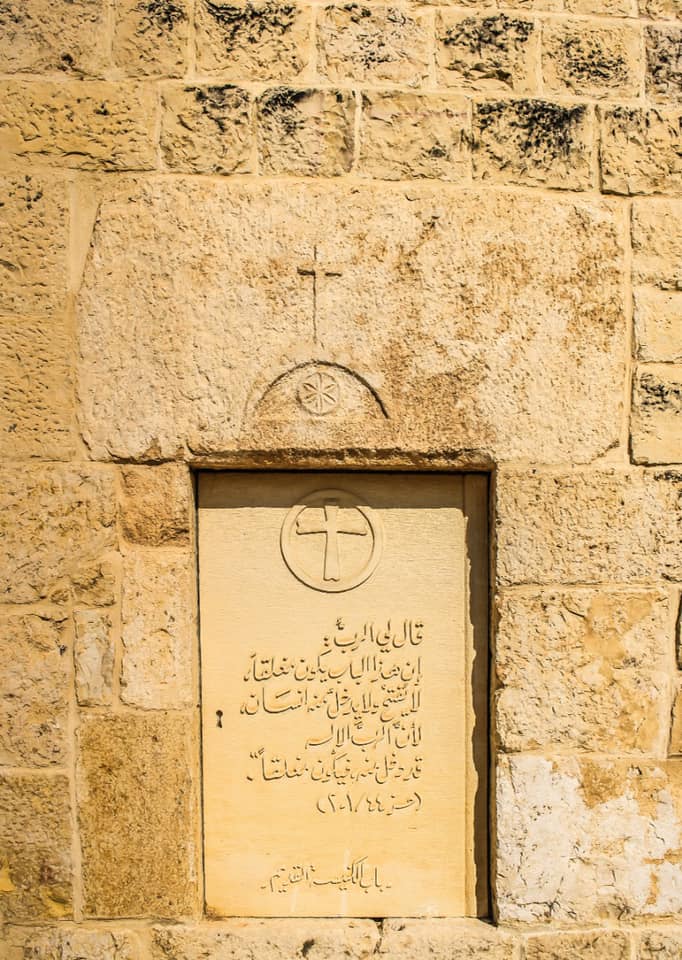
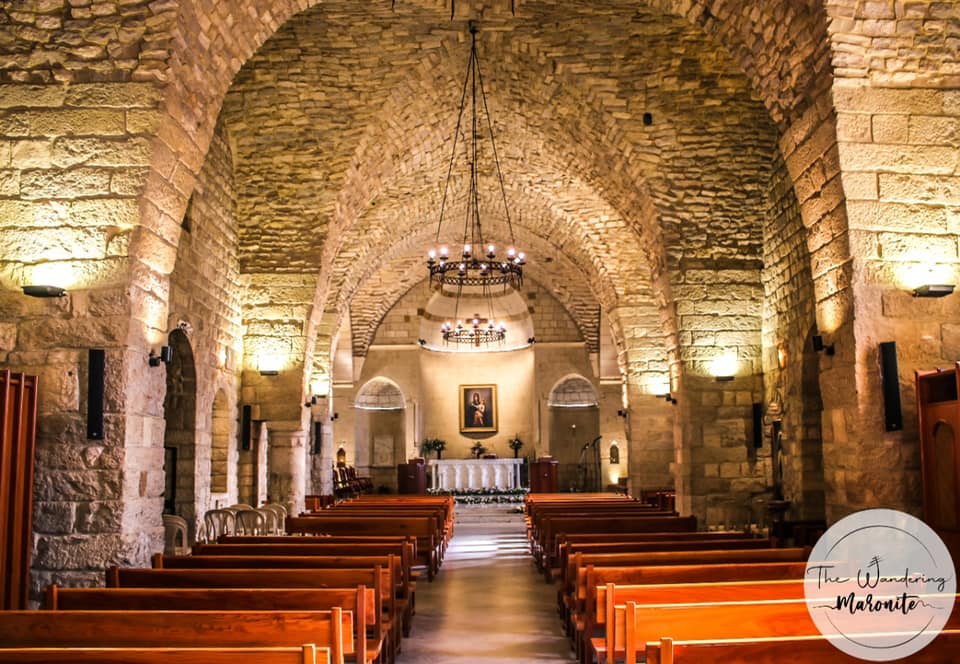
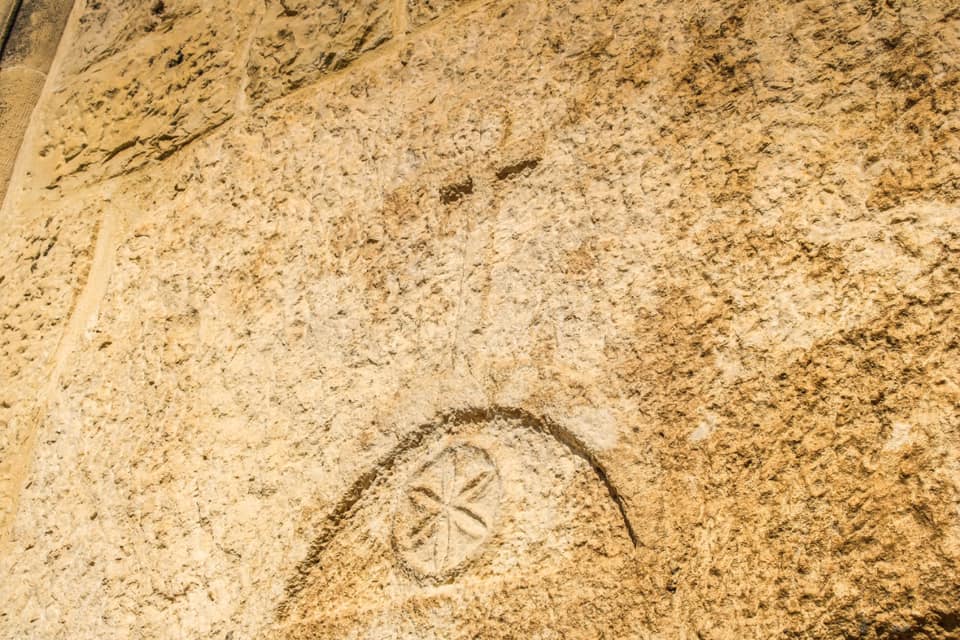
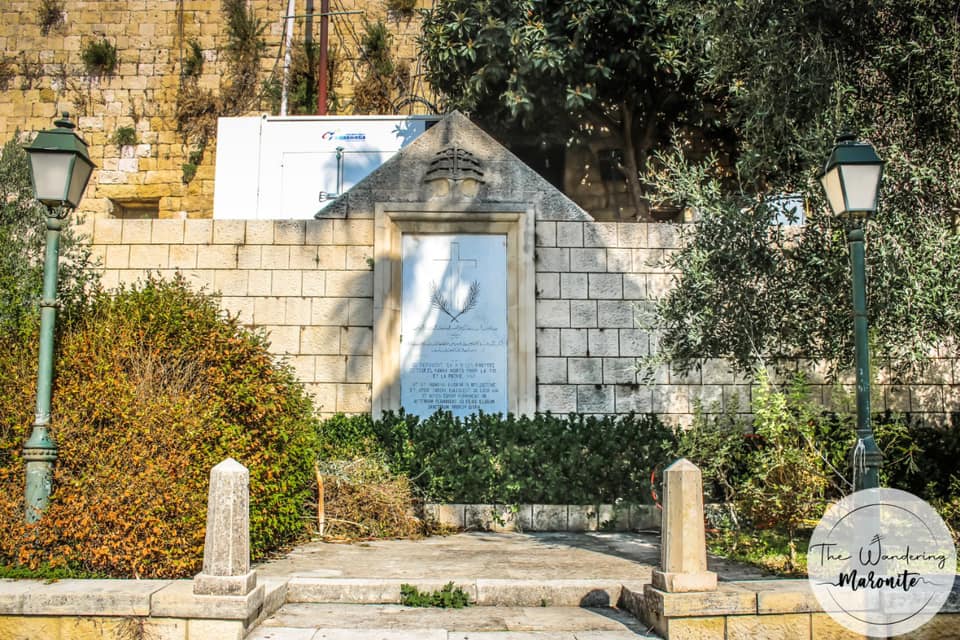
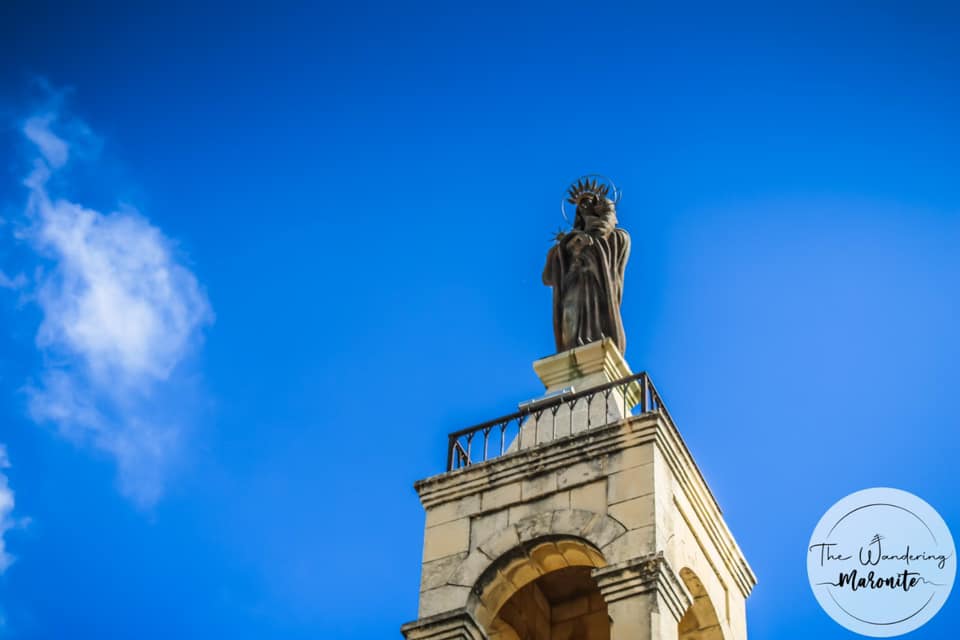
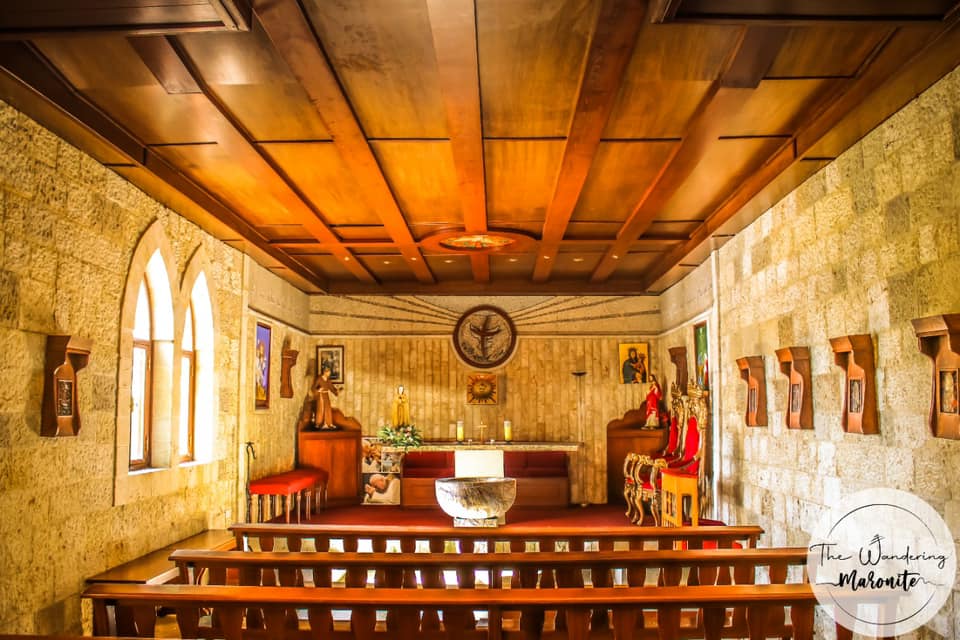
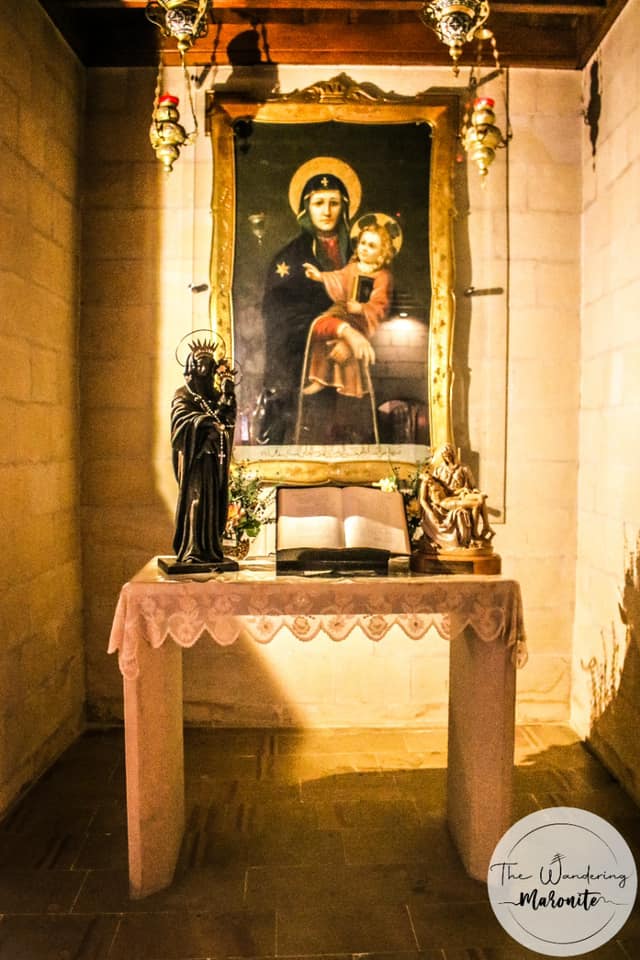
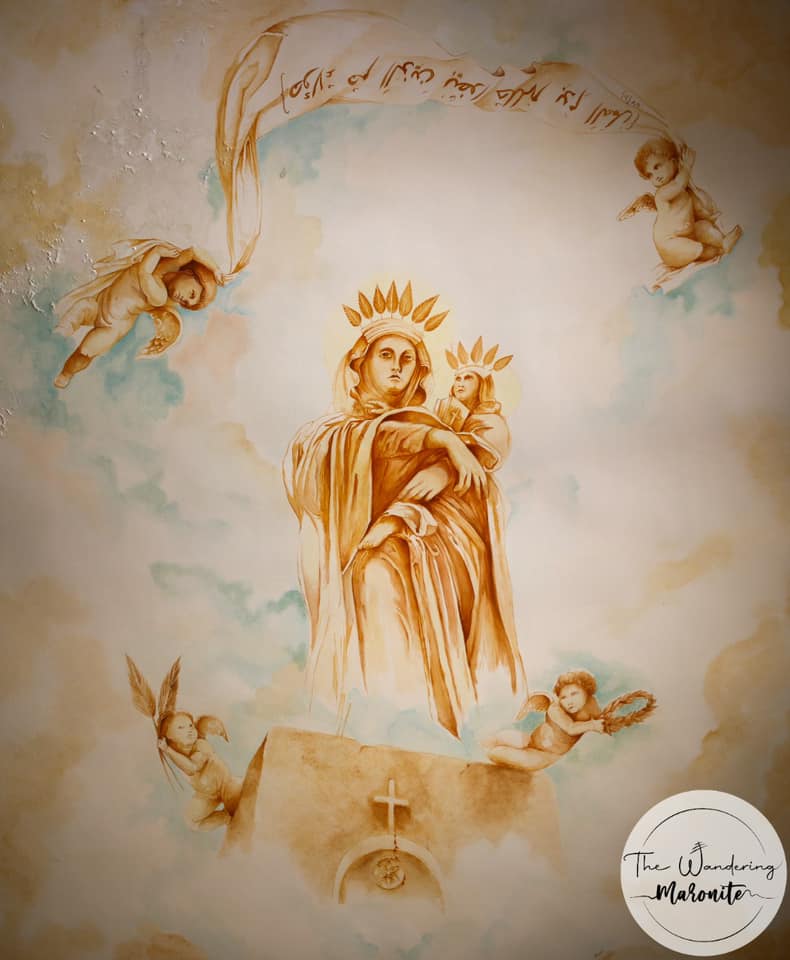
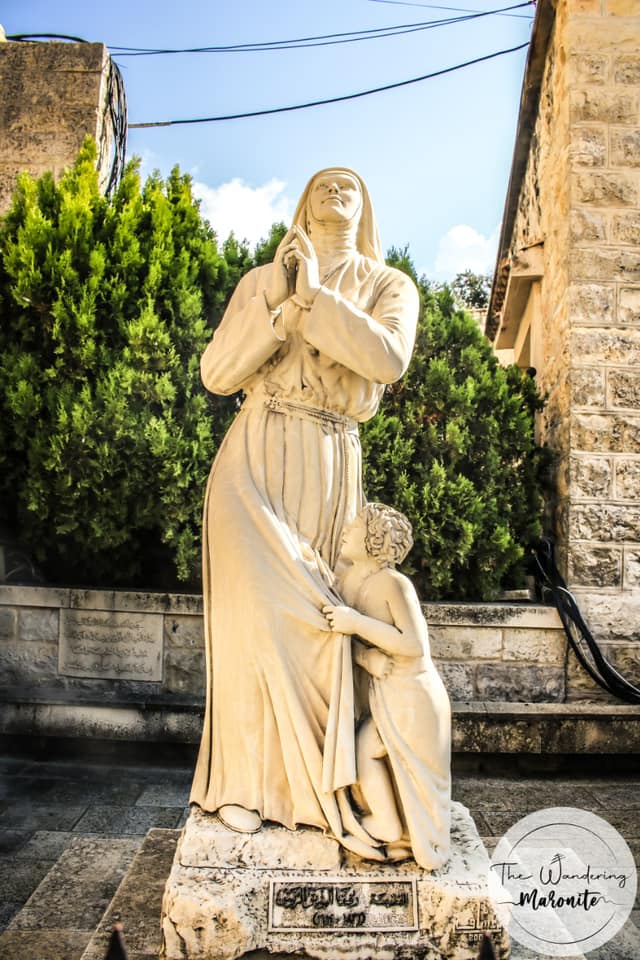
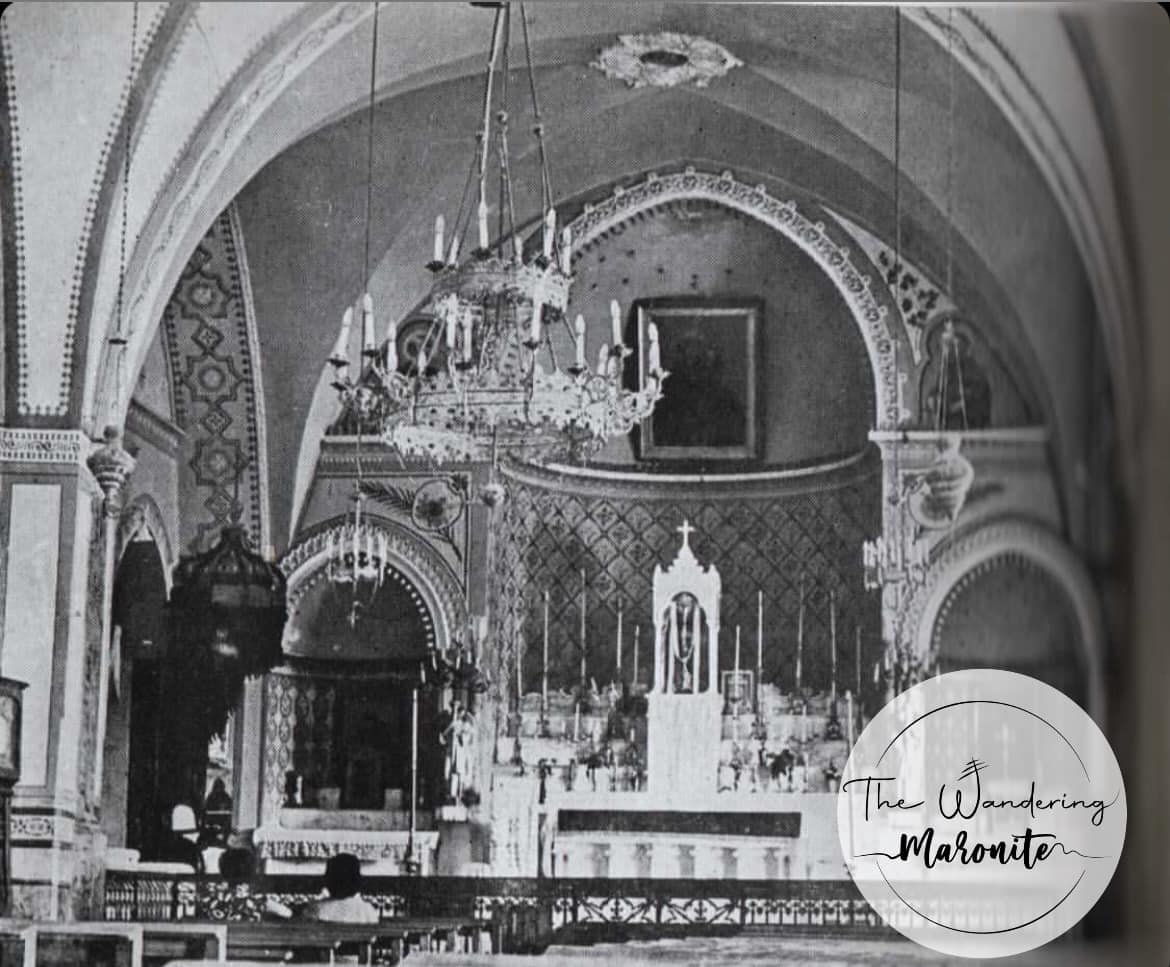
كنيسة سيّدة التلّة العجائبيّة - دير القمربُنِيَتْ كنيسة سيِّدةِ التلَّة على أَنقاضِ هَيْكَلٍ وَثَنِيٍّ أُقيمَ لِعِبادَةِ الإلَهْ القَمَرْ، تَحَوَّلَ إلى مَعْبَدٍ مسيحيٍّ عَلى يَدِ النَاسك إبراهيم القورشيّ. رمّمها البيزنطيّين والفرسان التيتونيّين. خُرِّبَت الكنيسة بعد رحيل الصليبيّين. مع بِدايَةِ القَرْنِ السّادِسَ عَشَرَ، وجَدَ الأهالي حجر العتبة من الكنيسة الأصليّة وسمّوها سيّدة التلّة. كان ذلك سنة ١٥١٦. شهدت الكنيسة على تاريخ دير القمر العريق، ومذابح سنة ١٨٦٠ حيث خَلَّصت القدّيسة رفقا طفلًا من الموت بشكل عجائبيّ إذ خبّأته في ثوبها. هي كنيسة محجّ لكلّ أبناء المنطقة. معروفة بعجائبها الكثيرة وفضلها. تحوي الكنيسة على عدد كبير من اللّوحات والآثار الكنسيّة.The Church of Our Lady Of Talleh - Deir el QamarThe church was originally a pagan temple for a moon deity, then converted into a church by the hermit Abraham of Cyr. It was restored by the Byzantines and the Teutonian knights. The church fell into despair after the Crusaders left, up until the sixteenth century, when local christians found the historical frontal stone and named their church Our Lady of the Hilll, it was consacrated in 1516. The church is a witness on the long history of Deir el Qamar and the massacres of 1860 when St Rafqa shielded a boy miraculously with her habit. The church is a pilgrimage site known for miraculous healings. It also contains a lot of paintings and church furnishings.انطوش ولوحات كنيسة سيّدة التلّة - دير القمر.سنة ١٧٥٠، وهبت الستّ أمّون، والدة الأمير يوسف المعنيّ للرهبانيّة الحلبيّة اللبنانيّة، أربعة أقبية والدكاكين الموجودة فوقها والتي تقع الى جانب الكنيسة، من اجل تعليم الأولاد وفائدة الشعب الروحيّة. فأقامت الرهبانيّة أوّل مدرسة ديموقراطيّة في الشرق حيث كان يتعلّم مجّانًا أولاد الأمراء الى جانب أولاد الفلّاحين، من دروز ومسيحييّن، من بنين وبنات، على إثر قرار المجمع اللبنانيّ سنة ١٧٣٦. سنة ١٩٠١، أُعيد بناء الأنطوش. سنة ١٩٣٧، جرى أوّل إحتفال رسميّ بمناسبة عيد سيّدة التلّة في الأحد الاوّل من شهر آب، وذلك بمنشور صادر عن راعي الابرشيّة آنذاك المطران أوغسطين البستاني.The Presbytery and the paintings of Our Lady of Talleh - Deir el KamarIn 1750 Lady Amoun of house Maan, mother of Prince Yousef, gave the Alepine Maronite Order four crypts and some commercial stores near the church to convert them into a school and provide spiritual assistance for the locals. The new school was the first democratic school in the Levant, teaching for the first time students from all backgrounds: Christians Druze, nobles peasants, boys and girls, in accordance with the precepts of the Lebanese council held in 1736. The presbytery was rebuilt in 1901. In 1937 a new feast day of Our Lady of Talleh was celebrated for the first time on the first Sunday of august.

Visited 4269 times, 3 Visits today

Reviews are disabled, but trackbacks and pingbacks are open.

Related Listings

Dimane – The Old Patriarchate of Saint John Maron

Old Saint John Maroun Church, Dimane, Lebanon

البطريركيّة القديمة مار يوحنّا مارون

Dimane

Bcharre

North

البطريركيّة القديمة مار يوحنّا مارون - الديمان

بداية القرن التاسع عشر، قرّر البطاركة الانتقال من وادي قنوبين إلى قرية الديمان. وفي العام ١٨١٩، بنى البطريرك يوحنا الحلو منزلاً ليكون مقرّ إقامته. سنة ١٨٣٣، بدأ البطريرك يوسف حبيش بناء الدير والكنيسة، وتمّ في هذا الدير البطريركيّ انتخاب البطريرك يوسف راجي الخازن عام ١٨٤٥، ورفع البطريرك بولس مسعد الخوري يوحنا الحاج إلى الرتبة الأسقفية في ١٥ آب ١٨٦١، ليخلفه كبطريرك سنة ١٨٩٠. نهاية القرن التاسع عشر انتهت أعمال بناء الدير البطريركيّ الكبير في الديمان، وأصبح هذا البناء كنيسةً رعائيّة. ومن أبرز الكنوز الموجودة في الكنيسة كأس القدّاس الذي أهداه البابا لاون الثاني عشر إلى البطريرك حبيش، ومكتبة المخطوطات، وبعض الأيقونات المحليّة.

The Old Patriarchate of Saint John Maron - Dimane

At the start of the XIXth century, the patriarchs decided to relocate from Wadi Qannoubin to the village of Diman. In 1819, Patriarch John Al Helou constructed a residence for himself, and in 1833, Patriarch Youssef Hobeish began building a monastery and church. It was at this patriarchal monastery that Patriarch Youssef Raji Al Khazen was elected in 1845. Later on, on August 15, 1861, Patriarch Boulos Massad ordained Fr. Youhanna Al Hajj to the episcopal rank, and he succeeded him as patriarch in 1890. At the end of the XIXth century, the construction of the great patriarchal monastery in Diman was finished, and the building became a parish church. One of the most notable treasures of the church is a chalice gifted to Patriarch Hobeish by Pope Leo XII, as well as the manuscript library and local icons.

Kfarsghab – Saint Awtel

St Awtel Church, Kfarsghab, Lebanon

كنيسة مار أوْتِل - كفرصغاب

1470

Kfarsghab

Zgharta

North

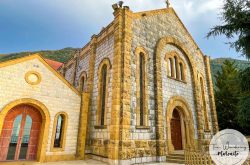
بُنيت الكنيسة أوّلاً سنة ١٤٧٠ ورُمِّمَت سنة ١٧٧٦. هي الوحيدة في الشّرق التي تحمل شفاعة هذا القدّيس. الكنيسة ما زالت تُحافظ على الشَعريّة التي تفصل أماكن جلوس الرجال عن النّساء وهي مِن صُنعٍ مِصريّ تعود للقرن الثامن عشر. مذبح الكنيسة إكتُشف إبّان الترميم الأخير مِن سنة فرمِّمَ وأُعيد لبهائه الأصليّ. لوحة مار أوْتِل تعود لسنة ١٩٠٣. مار أوْتِل هو شفيع كفرصغاب إذ حماها من داء الطاعون، لذلك تُقيم البلدة تذكارًا رسميًّا لهُ في ٣ حزيران وتذكار هذه المعجزة في ٢٧ آب. كذلك مار أوْتِل هو شفيع المسافرين وإليه ينسب حماية بعض أبناء كفرصغاب من الغرق في سفينة التيتانيك سنة ١٩١٢.

The church was first built in 1470 and restored in 1776. It is the only church in the east consecrated to St Awtel. The church still conserves the traditional wooden separator between men’s and women’s sitting place, made in Egypt in the XVIIIth century. The painting of St Awtel dates back to year 1903. The old altar was discovered a year ago during restoration. Kfarsghab celebrates two feasts of the saint on the 3rd of june and the 27th of august when the saint miraculously protected the village from the plague. St Awtel is also the patron of the travelers since he miraculously protected the Kfarsghaby passengers of the Titanic in 1912.

Jezzine – Saint Joseph Church

Saint Joseph Church, Jezzine, Lebanon

دير مار يوسف - جزين

1807

Jezzine

Jezzine

South


سنة ١٨٠٤ رسم المطران يوحنا الحلو الخوري حنا رزق (المطران يوسف) كاهنًا، وفوّض إليه بأمر البطريرك يوسف التيّان حقوق النيابة وزيارة أبرشية صور وصيدا، فسهر على خيرها ملاحظًا شؤونها متجوّلاً في أنحائها. بعد قرابة الثلاثة أعوام من تعيينه نائبًا عامًا على أبرشية صور وصيدا، وبعد أن عرف حاجتها الى العلم، باشر الأب حنا رزق بإنشاء دير ومدرسة مار يوسف في جزين. عام 1810 توقف الأب حنا عن البناء وعاد الى عين ورقة ليصبح رئيسًا للمدرسة في غسطا. عاد المطران يوسف بعد احداث ١٨٦٠ ليبني الدير والكنيسة. ميزة بناء هذه الكنيسة هي عدم وجود اي عمود في وسطها ، وطراز شبابيكها، ونوع حجارتها والدرج الداخلي في حائطها الشمالي. واستقدم لها اللوحات من روما والمذابح الرخاميّة من المرمر الأبيض. وهي آية في الجمال المعماري. اللوحات من عمل رسام ايطالي انريكو سكيفوني. وهي اليوم وقف الآل رزق.

In 1804 Archbishop Youhanna el Helo ordained Hanna Rizk (later bishop Youssef) a priest, and gave him the mission with the blessing of Patriarch Tayyan to oversee as a vicar general the archdiocese of Tyr and Sidon. After three years in his mission, and seeing the urge for a seminary in the diocese, he began the construction of St. Joseph's Seminary in his hometown Jezzin. In 1810 the construction was delayed due to the appointment of Mgr. Rizk as a Rector in the Maronite Grand Patriarcal Seminary in Ain Warqa. Yet after the war in 1860 he resumed his initial project in Jezzin.
The church is unique in its architecture: a high cieling with no columns. The white marble altars are beautifully ornate. And the paintings are the work of the Italian Enrico Scifoni. The establishment is now a private chapel owned by the Rizk family.