
كنيسة مار يوحنّا المعمدان - المشيتية
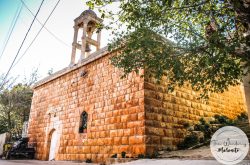
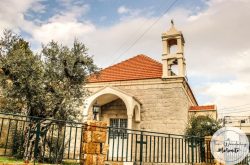
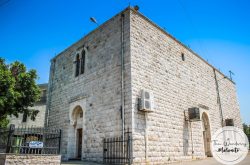
بُنيت الكنيسة سنة ١٨٧٢ بعناية الخوري جرجس خليفة. البناء كناية عن عقدٍ مُصالب بحنية نصف دائريّة. رُمّم البناء أواخر القرن العشرين.
The church of St John the Baptist - Mcheitieh
The church was built in 1872 with the initiative of Fr. Gerges Khalifeh. The structure consists of a crossed vault with a semi circular apse. The church was restored at the end of the XXth century.
كنيسة سيدة كفرملكون الأثرية - كفرحلده, Kfar Helda, Lebanon
كنيسة سيّدة كفرملكون (سيّدة الخرايب)
Kfar Hilda
Batroun
North
كنيسة سيّدة كفرملكون (سيّدة الخرايب) - كفرحلدا ترقى الكنيسة الى القرن الثالث عشر ، في أعالي بلدة كفرحلدا وكانت قد بنيت هذه الكنيسة بالطريقة البدائية التقليدية كما كان قائماً في القرون الوسطى، أما قبة الجرس فهي حديثة الصنع. هذه الكنيسة كانت جزءاً من قرية كفرملكون الواردة في السجلات العثمانية. مع مرور الزمن هُجّرت القرية وبدأت الابنية بالتفكك والانهيار خاصة بعد حدوث زلزال كان قد ضرب المنطقة أدى الى خرابها فسُميت بسيّدة الخرايب. أما السواد الذي يغطي بعضاً من معالم الرسومات داخل جدران الكنيسة، فكان بسبب ان بعض الرعاة كانوا يرتادون المكان ويشعلون النار للتدفئة. في حنية الكنيسة جدارية الشفاعة مع كتابة يسوع المسيح بالخط السرياني الملكي في الوسط. على الجدار الشمالي رسماً لأسقف أصلع الرأس، هو القديس يوحنا الذهبي الفم. وعلى الجدار نفسه نقرأ اسم ضومطيوس باللغة اليونانية. أما على الجدار الجنوبي بقايا مشهد الميلاد مع أربع ملائكة وراعٍ يعزف على الناي وبجانبه حملان.
Our lady of Kfarmalkoun, or Our lady of ruins - Kfarhelda Dating back to the 13th century, and laying on the high hills of Kfarhelda, this church was built following the traditional medieval style. This church is located in the old Kfarmalkoun village that is found in the Ottoman records. With time, the villagers had left their village and the buildings started to fall apart, especially after it was hit by an earthquake. Thus the name: Our Lady of the Ruins. Some of the Church walls are covered with a black layer caused by the fires that the pastors lit when they were cold. On the Church's apse, one can find the Deisis fresco, surrounded by the words Jesus Christ written in a royal syriac font. On the northen wall, we can see the drawing of a bald bishop, St. John Chrysostom. On the same wall, we can find the words Domtius written in Greek. On the sourhern wall, on can find the remains of a fresco depicting the Nativity scene with four angels and a pastor playing on the flute next to some sheep.
كنيسة مار الياس - بجرّين هي البناء الوحيد الباقي من قرية بجرّين التي هُجرت على إثر الحرب العالميّة الأولى. تعود للعهد الصليبيّ، وهي محافِظة على طابعها القديم فلا توجد فيها قبّة جرس. بناؤها بسيط، وتظهر على جدرانها بقايا جداريّات مخفيّة تحت طبقة الكلس.
The church of St Elias - Bjerrin
It is the only standing building in tbe village of Bjerrin that was abandoned after the World War I. The church dates back to the times of the Crusades, and still preserves a modest architecture without a bell tower. On the walls are visible the remains of medieval frescoes under a layer of stuco.
كنيسة مار سابا الأثريّة St.Saba church, Edde, Lebanon
كنيسة مار سابا
Edde El-Batroun
Batroun
North
كنيسة مار سابا - اده البترون بناها الصليبيون في القرن الثاني عشر. كانت قديمًا مغطات بالكامل بجداريات بيزنطيّة لم يسلم منها سوى القليل رممت سنة ٢٠١٢. كنيسة مار سابا هذه، سبق للبطريرك إسطفان الدويهي أن أشار اليها عندما إستطاع ان يقرأ فيها مدوَّنةً سريانية تَصِف إنتصاراً احرَزَهُ الموارنة عندما ردّ وا هجومًا شنَّه السلطان بيبرس على طرابلس في العام 1266، مما أتاح للدويهي ان يحدّد العهد الذي تعود اليه جدرانيات هذه الكنيسة ومما يفسر الهندسة الدفاعية والنشابيات. ويتابع الدويهي قائلاً أن الموارنة شيَّدوا عندئذٍ عدَّة كنائس إحتفالاً بإنتصارهم هذا، ورسموا صوراً تخليداً له. وهناك مقطع لا يزال مرئياً في الاطار الذي يعلو صورة رقاد العذراء. ومن ذلك العهد العائد الى ما بعد العام 1266 يمكننا ان نرى صورةً للعذراء جالسةً وحاملةً طفلها. هذه القصة سردها الدويهي في كتاب تاريخ الازمنة.
St Sabba’s church - Eddeh el Batroun Built by the Crusaders during the twelve century and covered entirely by byzantine frescoes (few remain today) and restored in 2012. This church was mentioned by patriarch Al Douaihy, in his book Tarikh Alazmina when he depicted syriac engravings on the frescoes narrating a Maronite victory over the Mamluk sultan named Bybars upon his assult on Tripoli in 1266, this information allowed Douwaihy to date the frescoes, and explains the military structure of the church. This event is still visible in the frame of the Madona’s fresco dedicating the church to the great victory of the Maronites.
Reviews are disabled, but trackbacks and pingbacks are open.