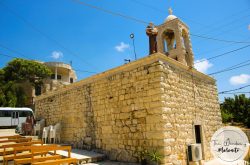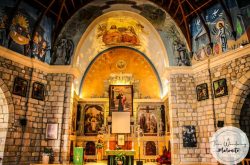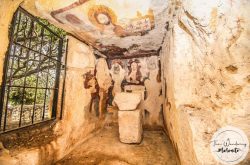

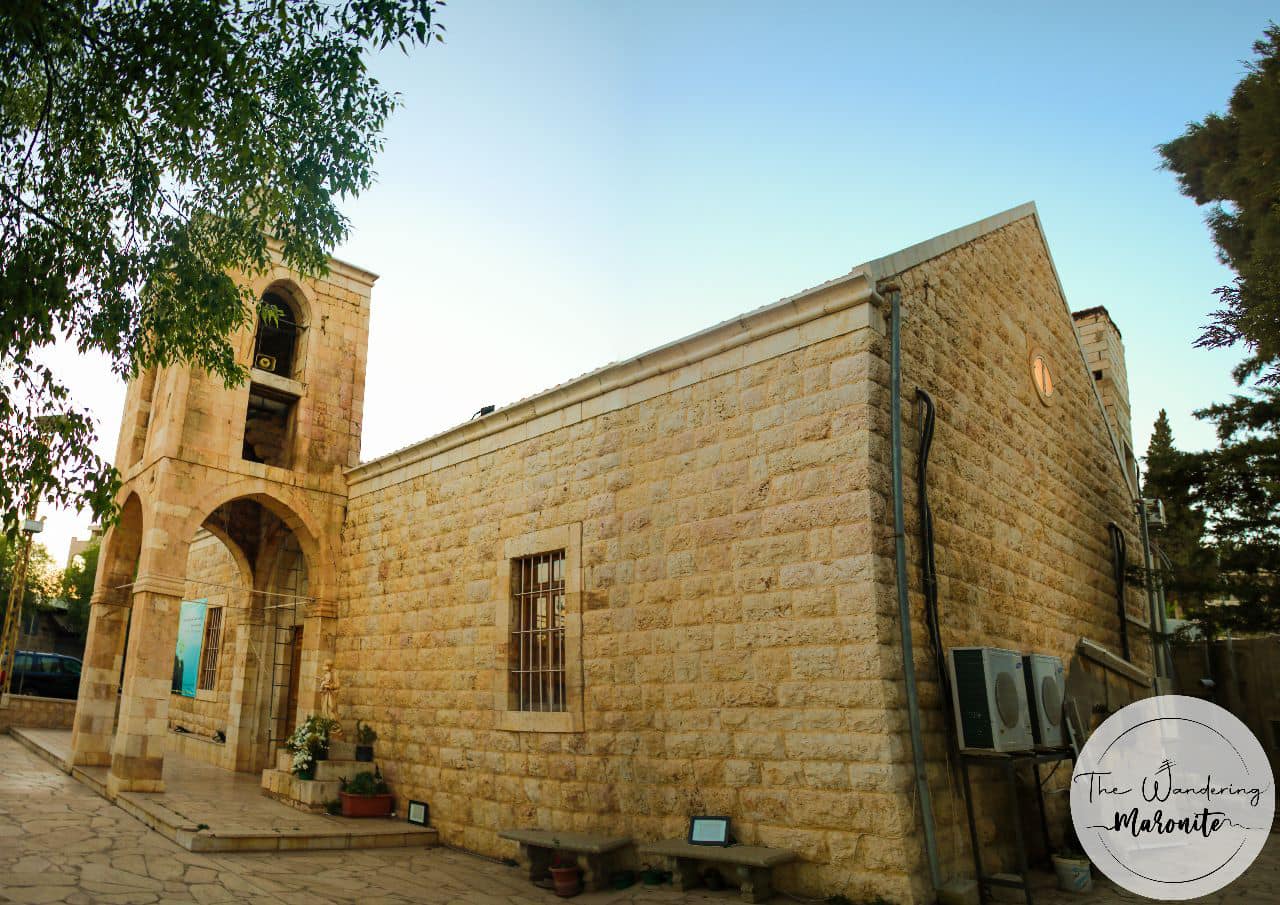
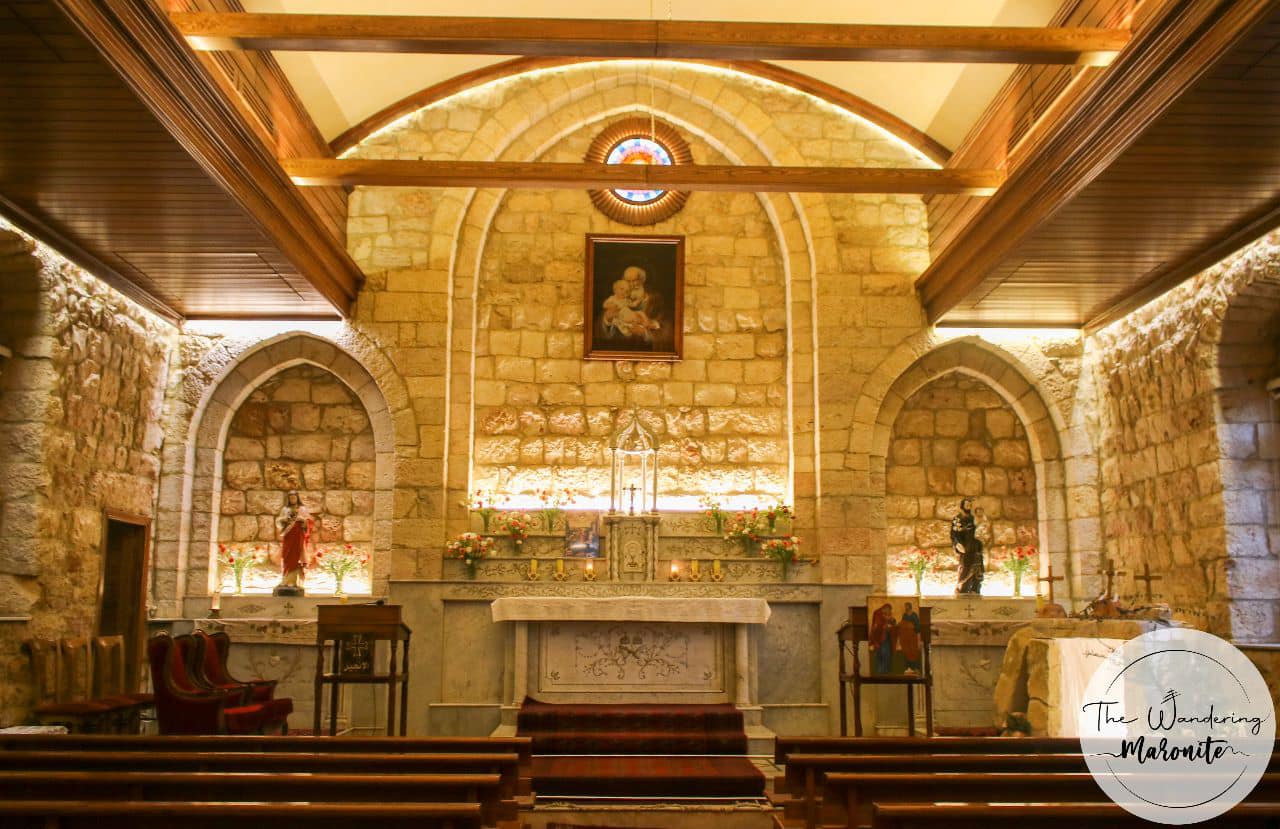
Deir el Ahmar – The church of St Joseph

Church - Saint Joseph, Deir Al-Ahmar, Lebanon

Other Details

كنيسة مار يوسف

Deir El-Ahmar

Baalbek

Baalbek-Hermel

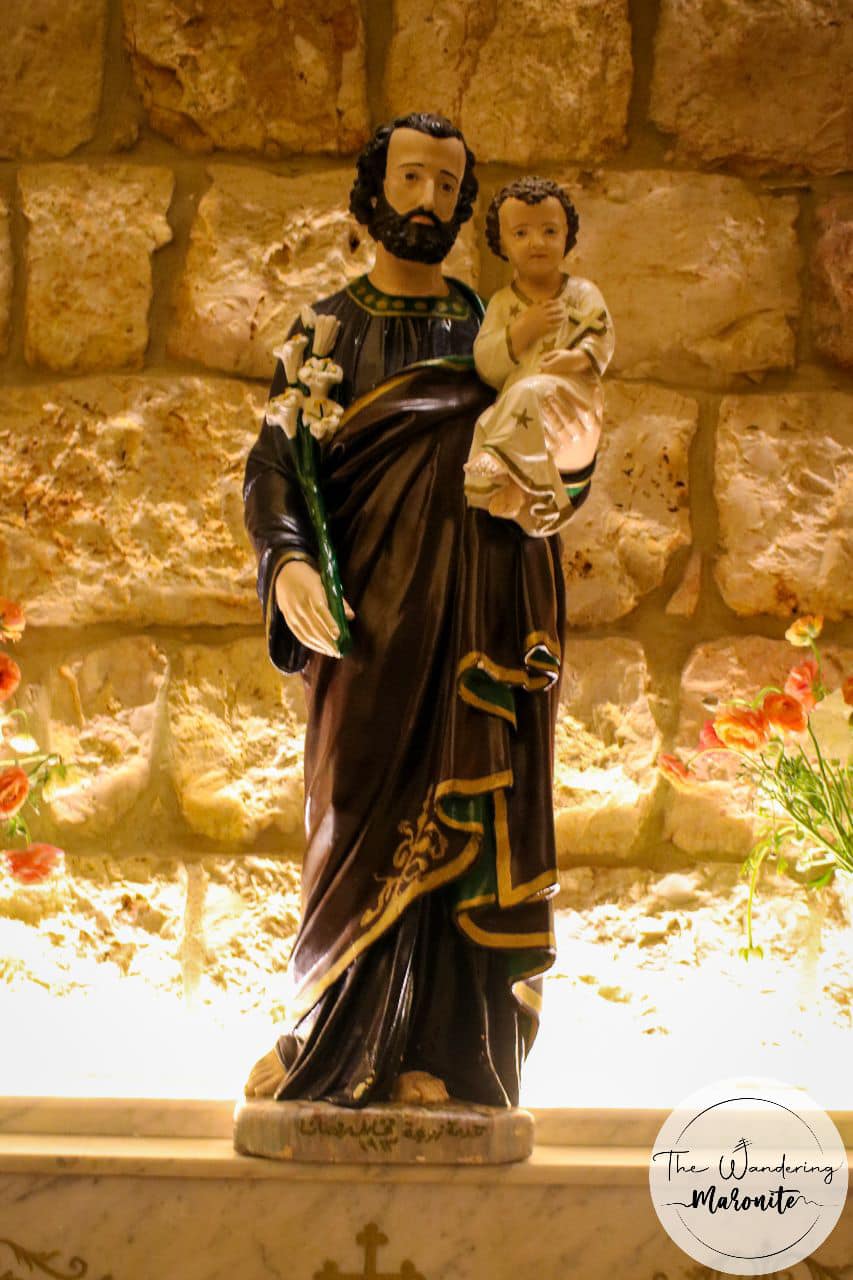
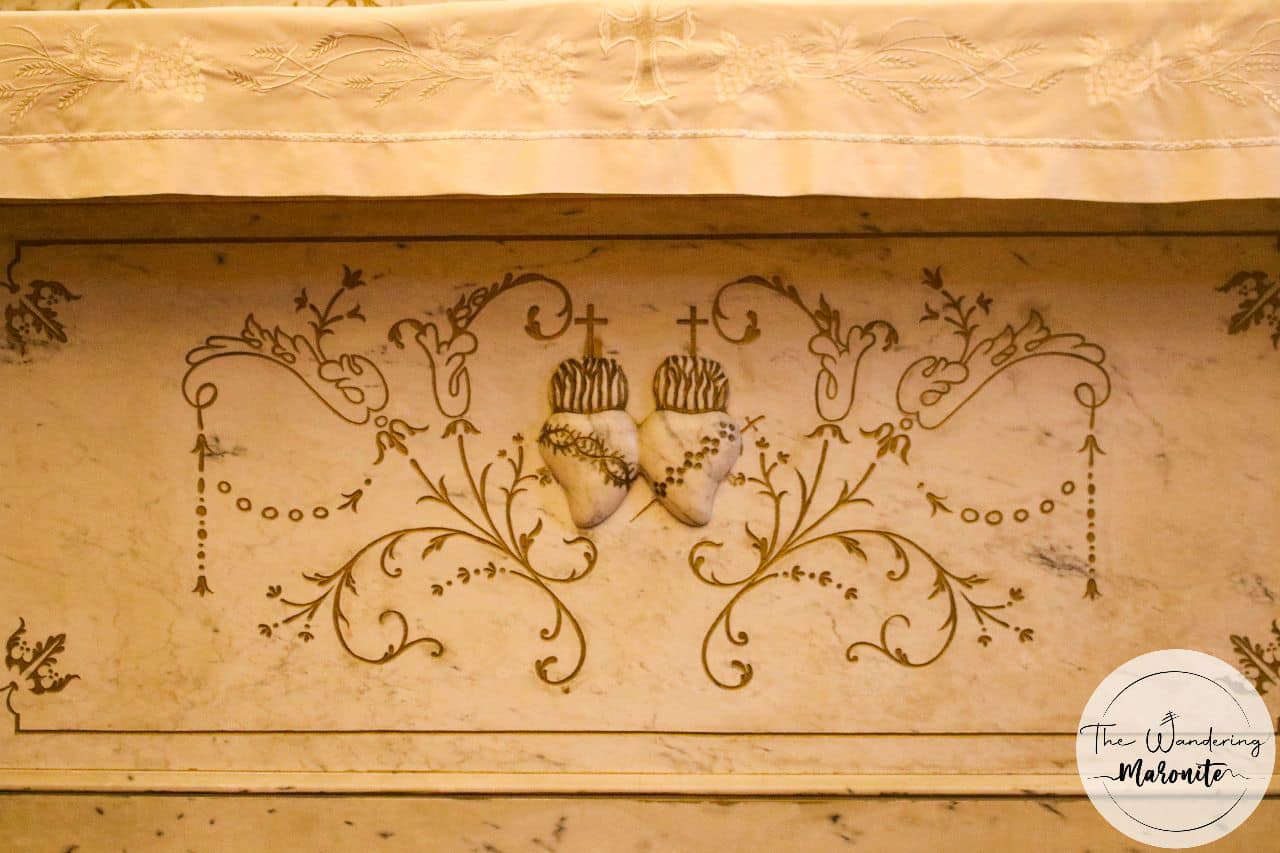
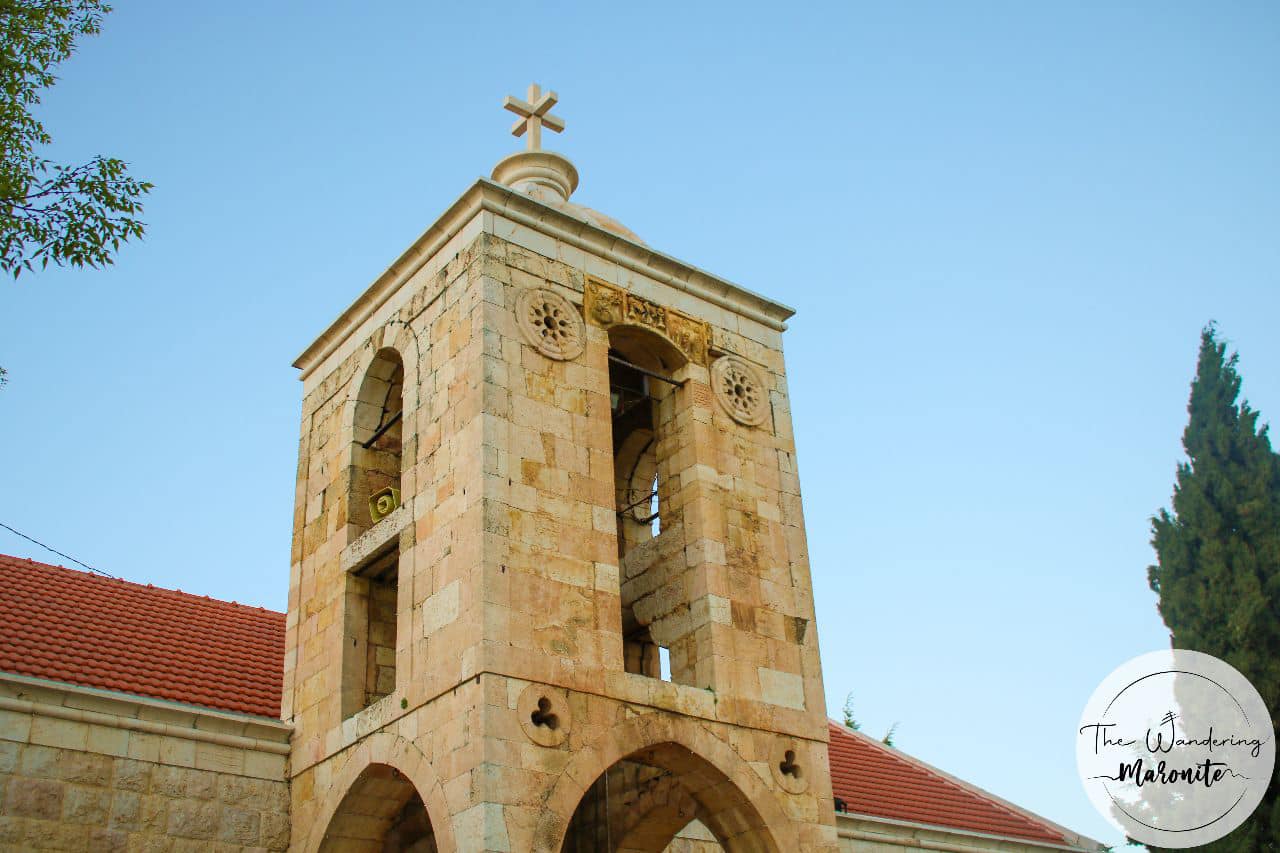
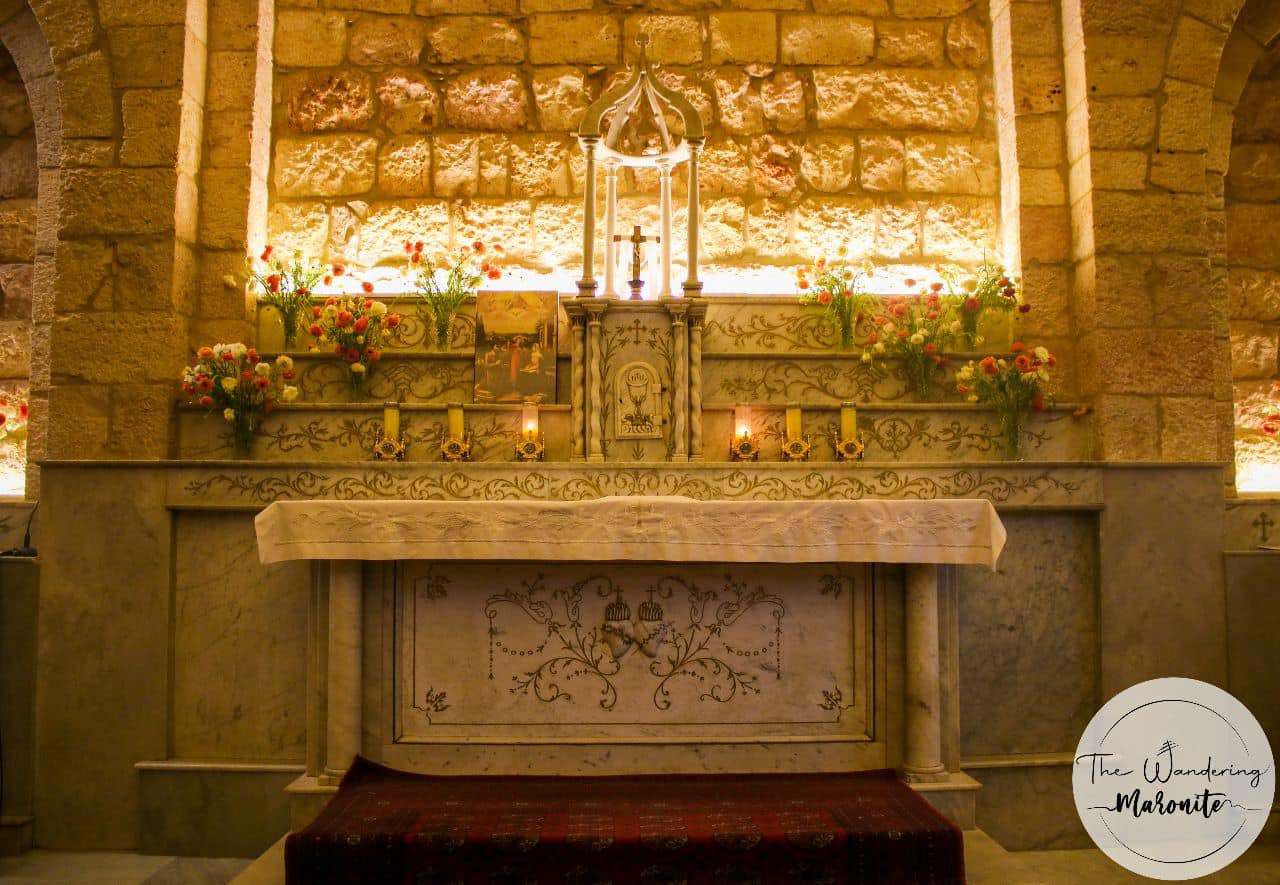
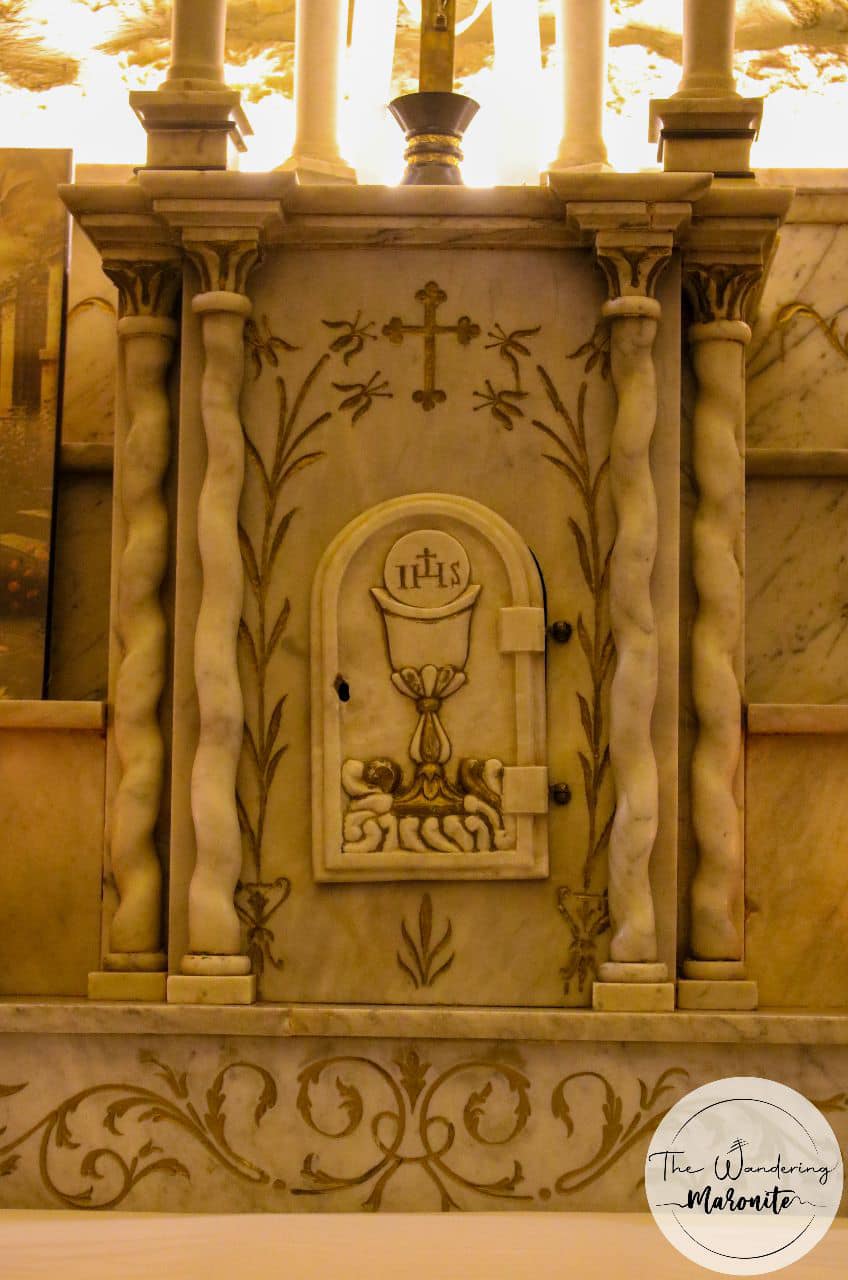
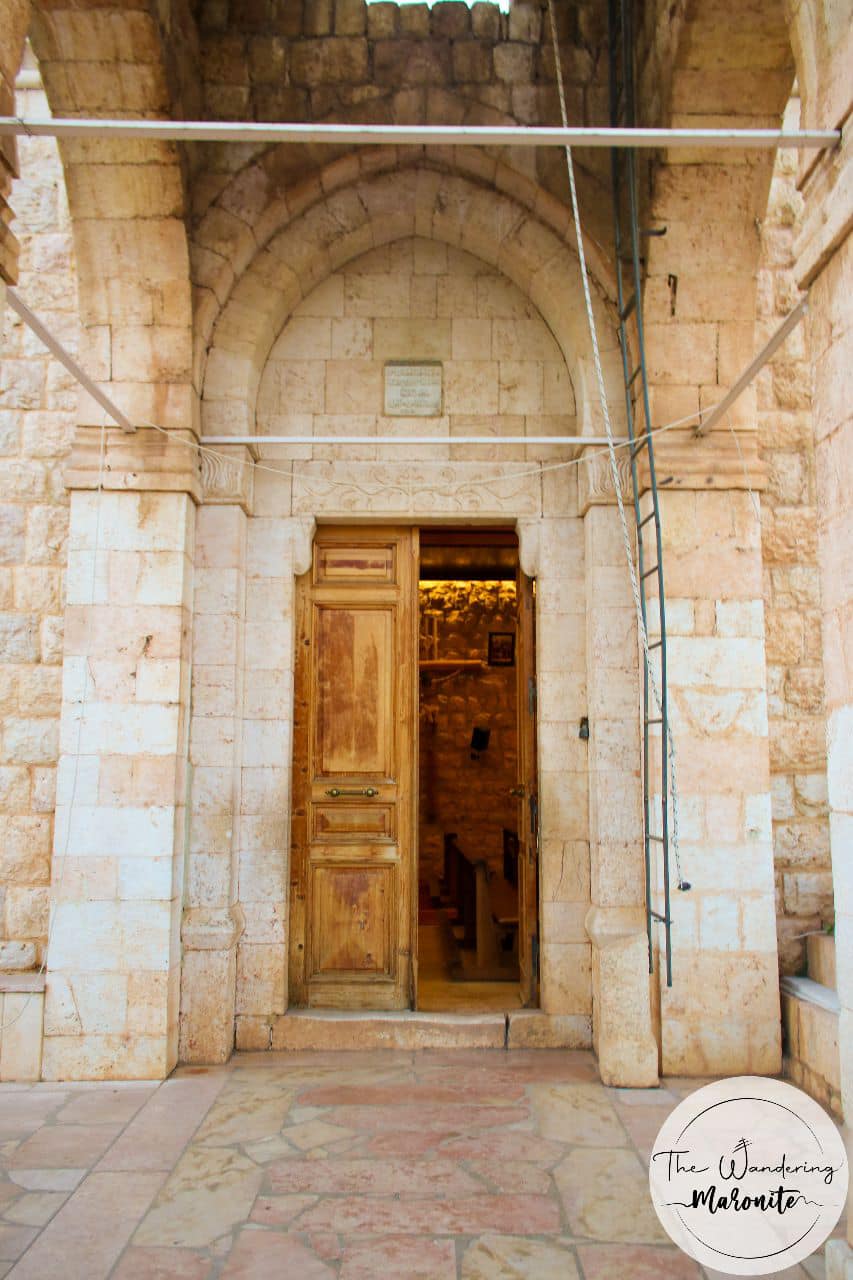
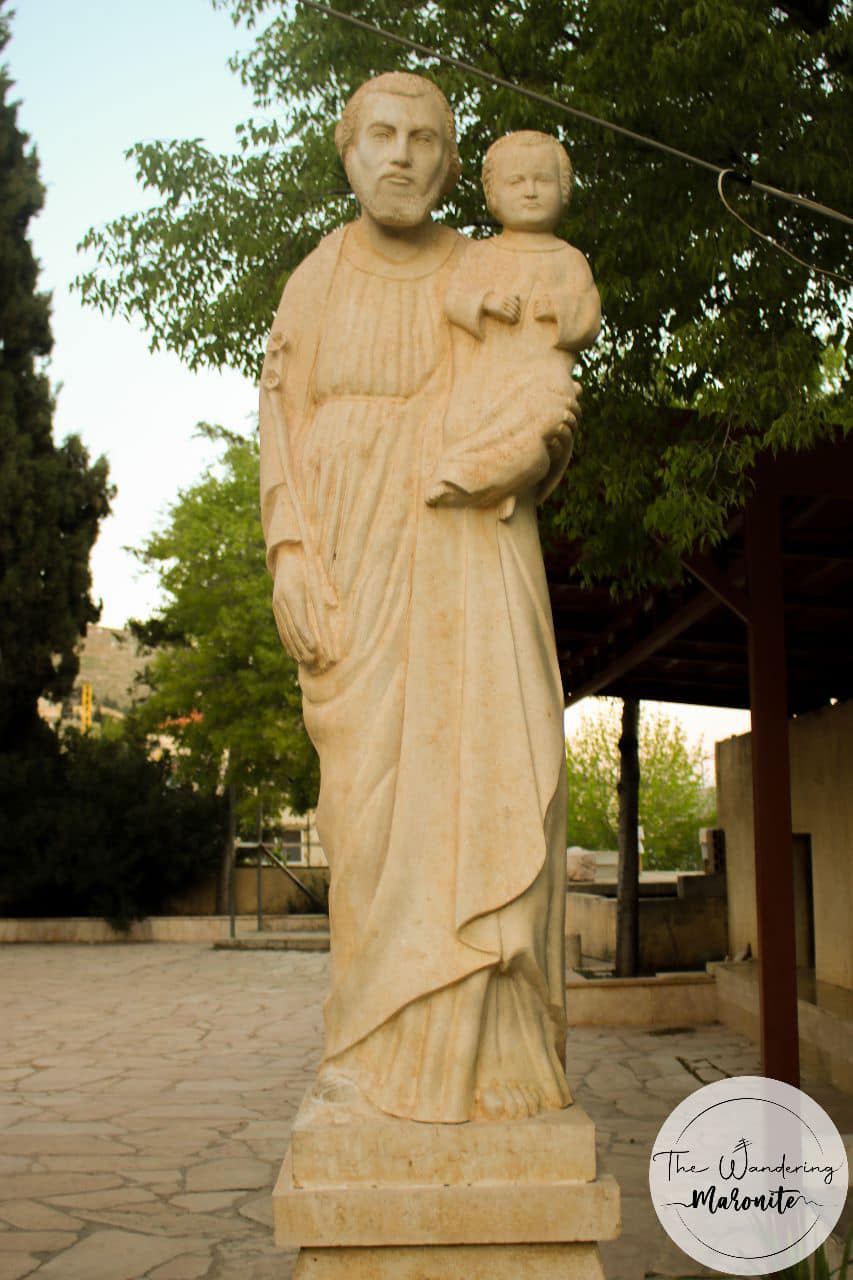
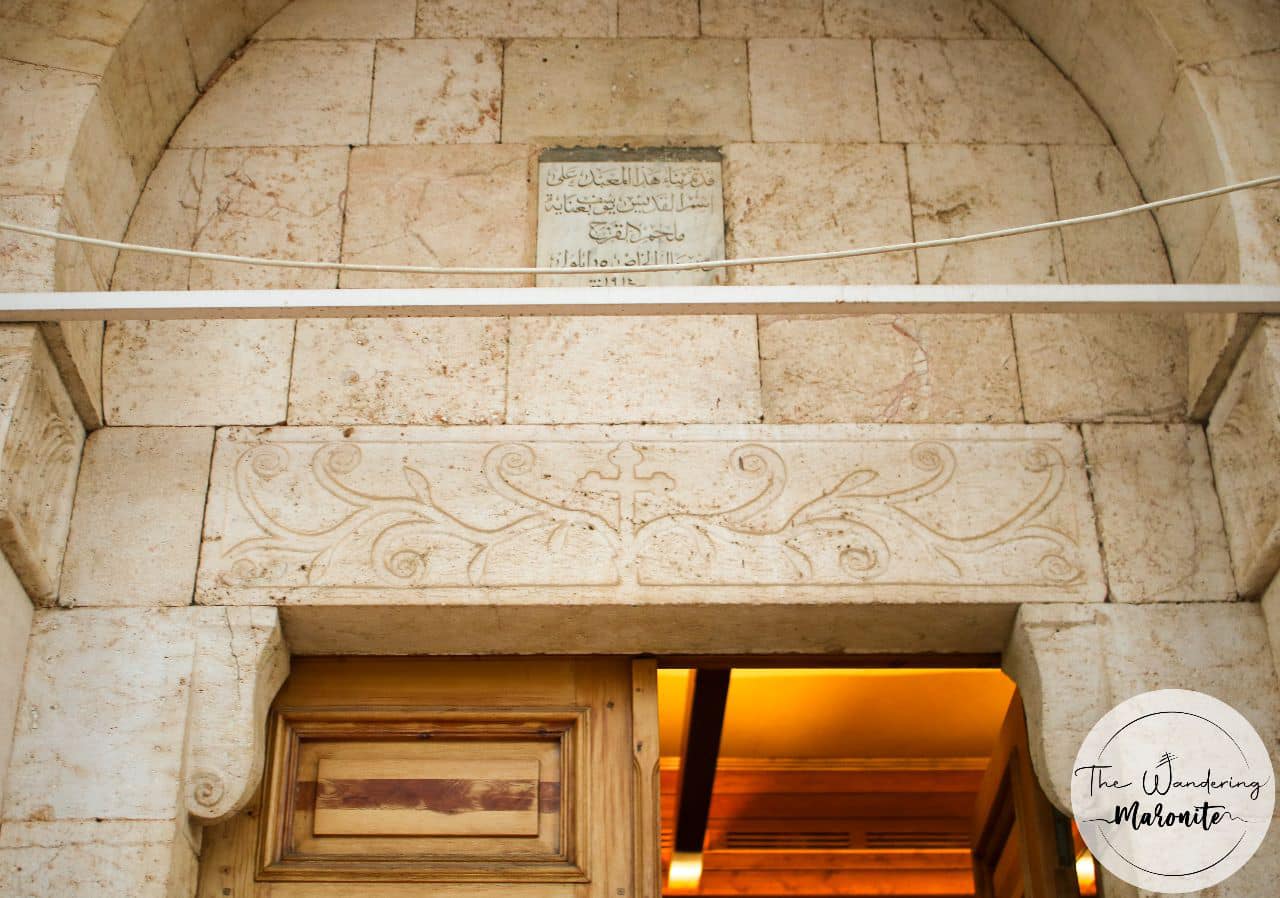
كنيسة مار يوسف - دير الأحمر بُنيت الكنيسة سنة ١٩١٤ بعناية ملحم القزح. هي كنيسة رعائيّة مسقوفة. رمّمت أوائل القرن الحاليّ. مذابح الكنيسة الثلاث الرخاميّة وأيقونة مار يوسف محليّة الصنع. أضيفت للكنيسة قبتها أواسط القرن العشرين. The church of St Joseph - Deir el Ahmar The church is a parochial church built by Melhem Qozah in 1914. The structure consists of a crib vault that was restored in the beginning of this century. The church holds three marble altars and St Joseph’s icon that are locally made. The bell tower was added in the mid XXth century.

Visited 6370 times, 1 Visit today

Reviews are disabled, but trackbacks and pingbacks are open.

Related Listings

Bane – The church of St George

St Georges Church, Bane, Lebanon

كنيسة مار جرجس

Bane

Bcharre

North

كنيسة مار جرجس - بان

هي كنيسة بان الرعائيّة، بُنيت أوائل القرن التاسع عشر موضع كنيستين صغيرتين على اسم مار اسطفان والأخرى على إسم مار نوهرا أقدم عهدًا، وبقي أثر أعتاب هاتين الكنيستين في الواجهة الحاليّة، وكرّس المذبحين الجانبيّين لشفاعة هذين القدّيسين. الكنيسة نمطها بازيليكيّ بثلاث أسواق تنتهي بثلاث مذابح رخاميّة نمطها نيوغوطيّ. رمّمت الكنيسة عدّة مرّاتٍ آخرها في العام ١٩٢٤ حين أخذ مدخل الكنيسة شكله الحاليّ، مع مدخلٍ جنوبيٍّ برتاجٍ ضخم. أواسط القرن العشرين تمّ بناء القبّة وهي من تصميمٍ إيطاليّ.

The church of St George - Bane

St George is the parish church of Bane, built in the XIXth century, over the ruins of two older smaller churches dedicated to Sts Stephen and Nohra. The entablature of the old churches were inserted into the new building, and the two side altars were dedicated to both saints respectively. The church is basilical with three naves ending with three marble neo gothic altars. The church was restored many times the last being in 1924 with the grand southern entrance and portico. In the mid XXth century the bell tower was added by an Italian architect.

Ehden – Saint Jacob the Persian Monastery

Saint Jacob's Monastery of the Abyssinians دير مار يعقوب الا حباش, Baabda, Lebanon

دير مار يعقوب المقطّع

Ehden

Zgharta

North

دير مار يعقوب المقطّع - إهدن

بُني الدّير أواخر القرن الثالث عشر بعد حملة المماليك. سنة ١٤٧٠ قطنه القس يعقوب ورفاقه الوافدين من الحبشة فدُعي بدير الأحباش نسبةً إليهم. سنة ١٤٨٨، طرد الإهدنيّون الأحباش واليعاقبة بعد معركة بقوفا، فأصبح الدّير مقرًّا لأساقفة إهدن. سنة ١٦٣٢، سكنه الفرنسيسكان. جعله البطريرك إسطفانوس الدويهيّ مدرسةً لتعليم الأحداث عندما كان كاهنًا. سنة ١٩٧٦ إنهارت الكنيسة إثر عاصفة ثلجيّة. أعيد ترميمها وتكريسها صيف ٢٠٠٤ على يد المطران سمير مظلوم.

Saint Jacob the Persian Monastery - Ehden

Saint Jacob's Monastery was built at the end of the XIIIth century, after the Mamluks' invasion. In 1470, it was inhabited by Abyssinian monks. However, in 1488, the Ehdenites expelled the monks from the monastery after the Battle of Bqoufa. Later on, the monastery became the seat of Ehden's bishops. Then, in 1641, it was inhabited by Franciscan monks. In 1657, Fr. Estfen al Doueihy (later patriarch) turned it into a school for Ehden's youth. During the 18th century, the convent was completely abandoned. In the winter of 1976, a blizzard destroyed the church. Finally, it was restored in 2004 and reconsecrated by Bishop Samir Mazloum.

Smar Jbeil – Fortress (Citadel)

Smar Jbeil Citadel, Smar Jbeil, Lebanon

قلعة سمار جبيل

Smar Jbayl

Batroun

North

على تلة مشرفة في البلدة ترتفع قلعة عسكرية حصينة. وتعلو القلعة حوالى 500 متر عن سطح البحر ويعود تاريخ بنائها الى ملوك جبيل الفينيقيين الذين اشتهروا بالقصور والقلاع المنحوتة بالصخر، ثم سكنها ملك بابل “بختنصر”. وثمّة تماثيل رومانيّة بأوشحتها المعروفة تدلّ على أنّ الرومان احتلوها وبنوا فيها هيكلًا بأعمدة ضخمة بقاياها مشتتة في نواح عدة من سمار جبيل، وفي الحائط الجنوبي لكنيستها الأثرية. وقد بنى فيها الرومان أيضًا مسرحًا يدعى الراميّة، وهو مفروش بالإسمنت القديم، كما بنوا معاصر موجودة في الجنوب الغربي من القلعة. في القلعة خندق منحوت في الصخر يُملأ بالمياه لمنع دخول الغزاة، وبرج مراقبة وطاقات لفوانيس.
في التقليد القديم يُروى ان مار لوجيوس وهو شفيع العيون والمعروف لدى السريان بمار نوهرا، قصد بلاد البترون للتبشير، ونال اكليل الشهادة بقطع الرأس ورميه في أحد آبار هذه القلعة بالذات. هذا البئر مازال مقصودًا الى اليوم للتبرك بمائه العجائبي الشافي لأمراض العيون.
كذلك يذكر تقليد آخر ان مار يوحنا مارون قصد القلعـة، يوم تعيينه أسقـفًا على البترون سنة 676، واختارهـا حصـناً له بعـد خراب دير مـار مارون في سوريا. ولمّا أصبـح بطريركـًا سنة 685 نُقل مقـرّه الى كفرحي وبنى فيها ديرًا.
بعد سقوط الامبراطورية البيزنطية، تعاقب على القلعة العرب والصليبيون، وأتى بعدهم المماليك ثم العثمانيون. الحكام اللبنانيون قديماً كان لهم نصيب في هذه القلعة، حيث سكنها الشيخ أبو نادر الخازن الذي ولّاه الأمير فخر الدين على مقدّمي البلاد.

Built by the phonecian kings of Byblos on a hill overlooking the coastline, the castle was used by the Babylonian king Baktensar. Later on in the classical period, the romans built a temple inside of it with a large atrium, nowadays the columns of the atrium are scatered all around the village and in the walls of the historical church. The romans also built a theater, and a winery in the western side of the castle. A watch tower and a protective water trench were added in the late classical period for protection.
According to tradition St Logius the patron saint of eye illness, also known as Nohra in the Syriac world, preached in the lands of Batroun. He was sentenced to death during the Diocletian persecution by beheading in the castle patio. His head was thrown in a well nearby, still visited for its miraculous eye healing waters.
According to another tradition, the first Maronite patriarch St John Maroun, and when he became bishop of Batroun in 676, resided in the castle after the devastation of the monastery of St Maroun on the Orontes in Syria. After he was elected patriarch in 685 he moved again to Kfarhay where he built a new monastery.
After the fall of the Byzantine empire the castle was occupied by the Arabs, the Crusarders, the Mamluks and the Ottomans. During the reign of prine Fakhredyn the Second, the first Christian regent of the land Aby Nader Al khazin took hold of the castle and made it his headquarter.