
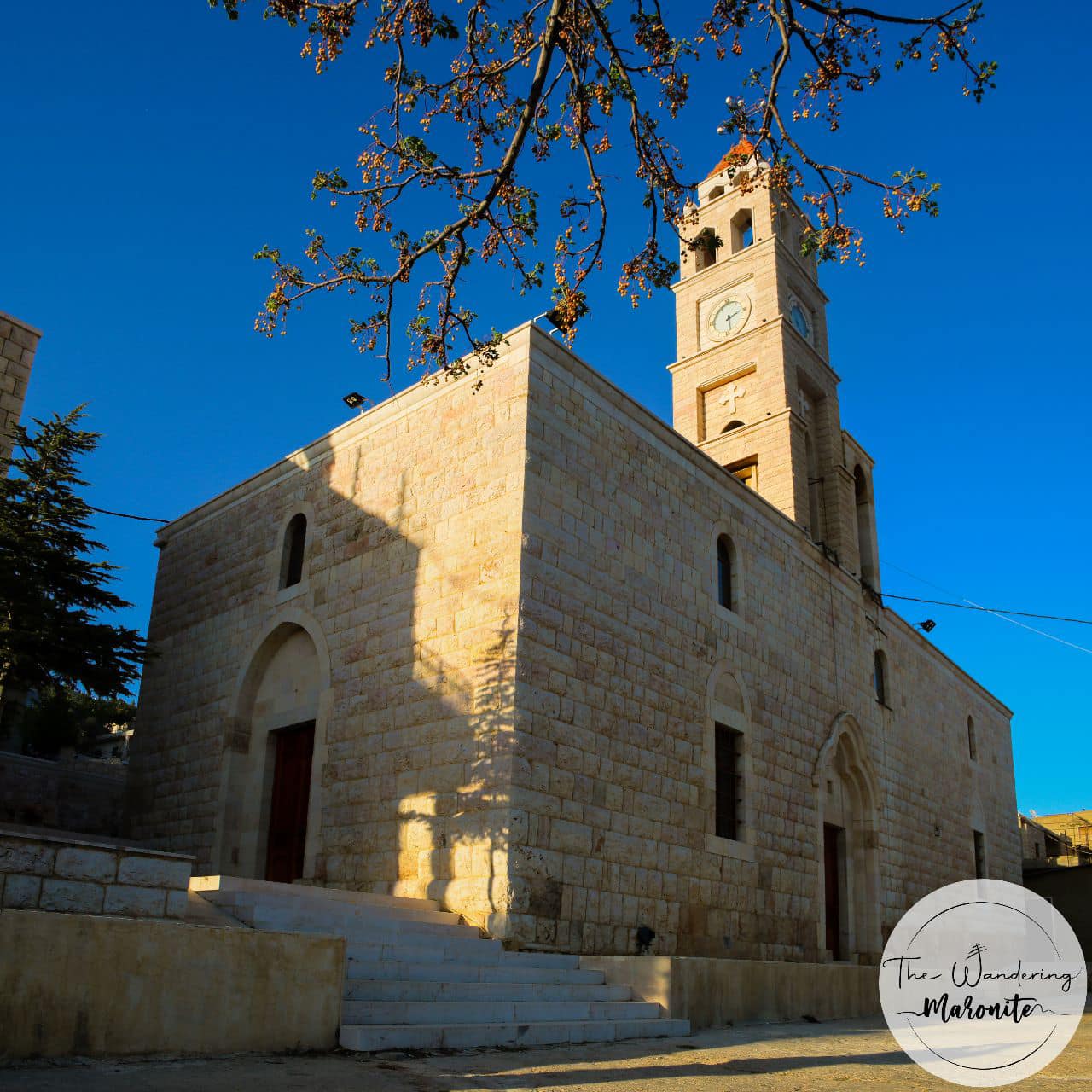
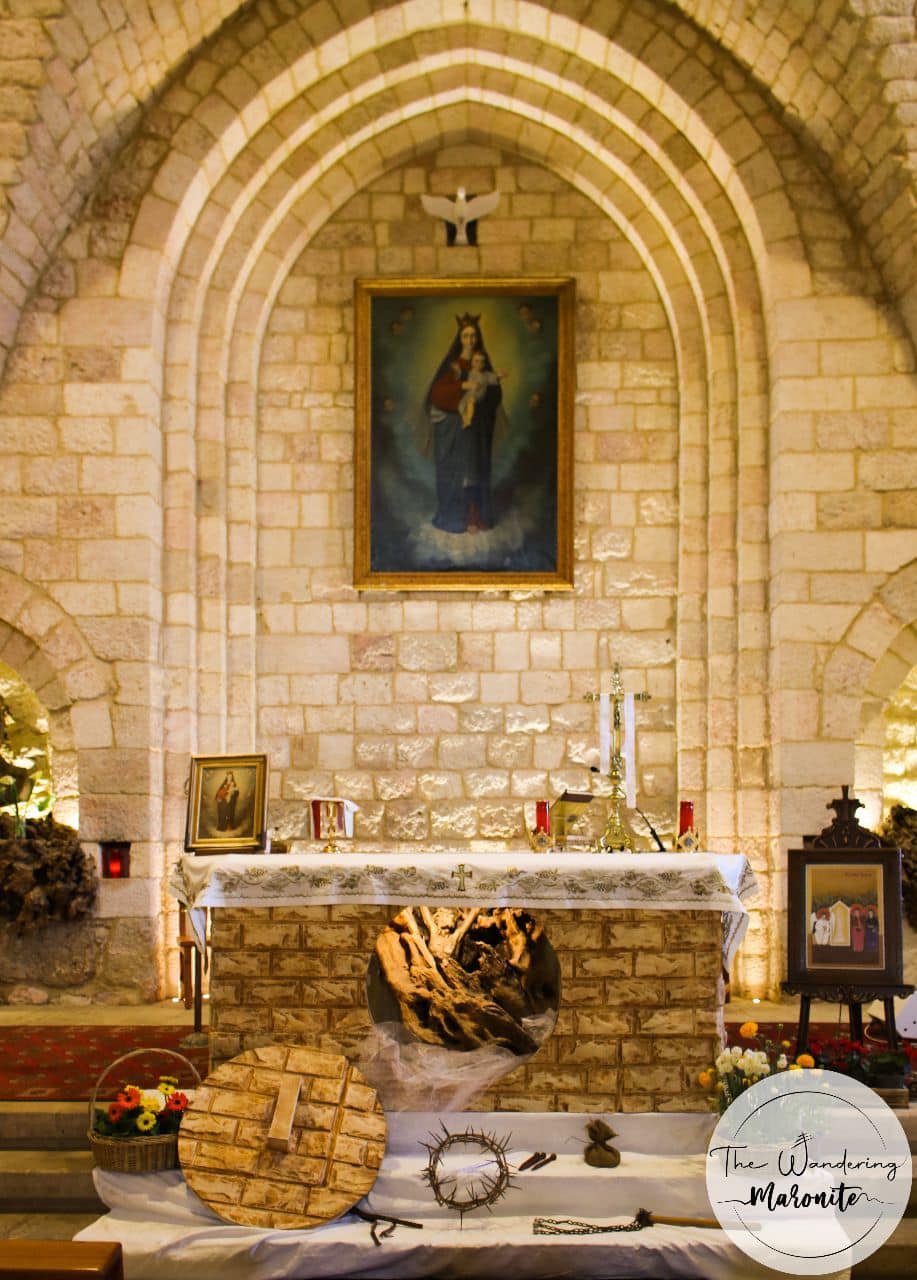
Deir El Ahmar – The Church of Our Lady of the Tower

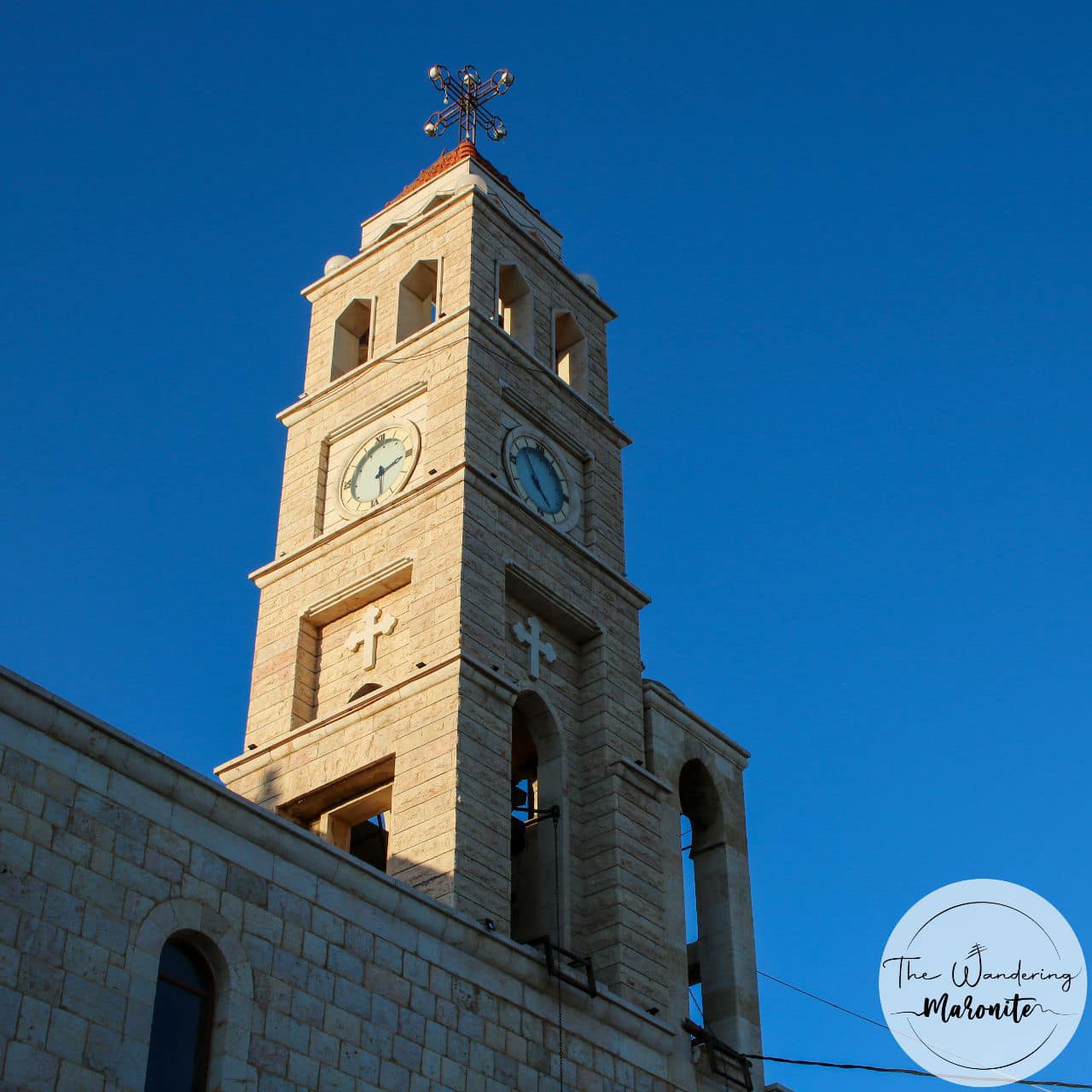
Our Lady of The Tower Maronite Church, Deir Al-Ahmar, Lebanon

Other Details

كنيسة سيّدة البرج

Deir El-Ahmar

Baalbek

Baalbek-Hermel

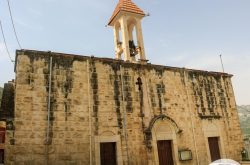
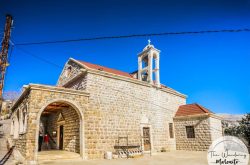
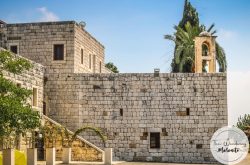
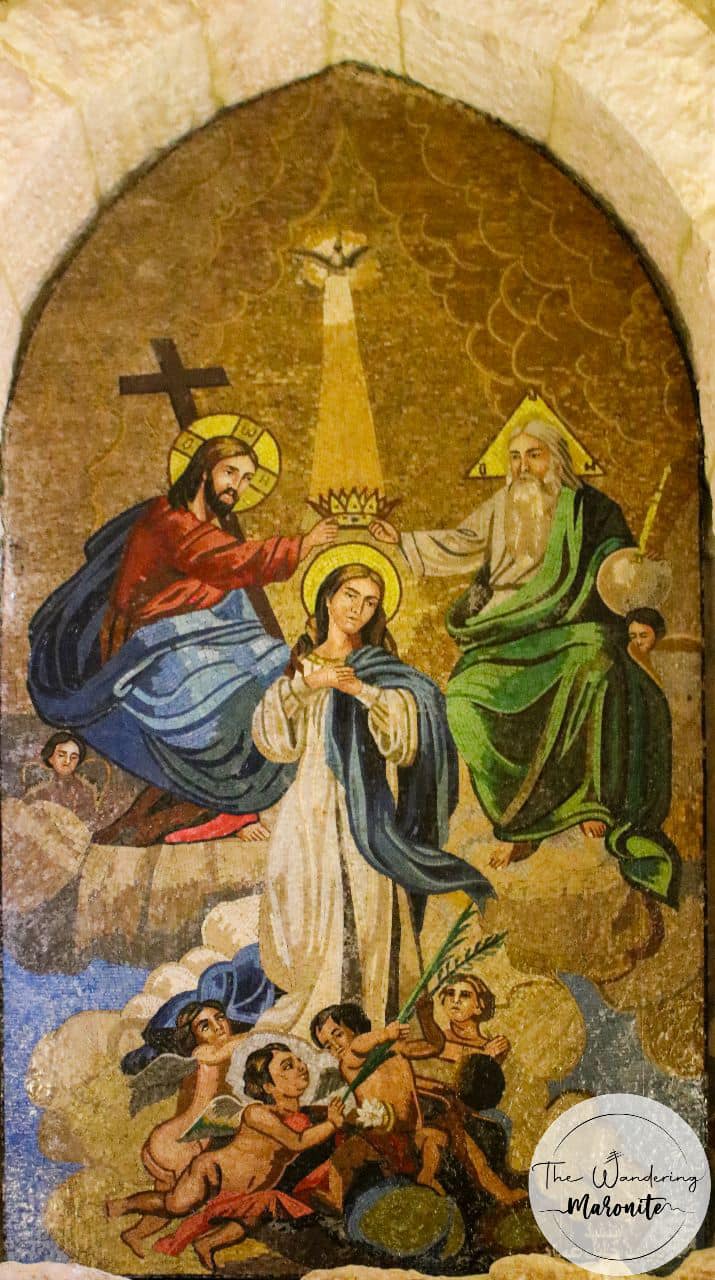
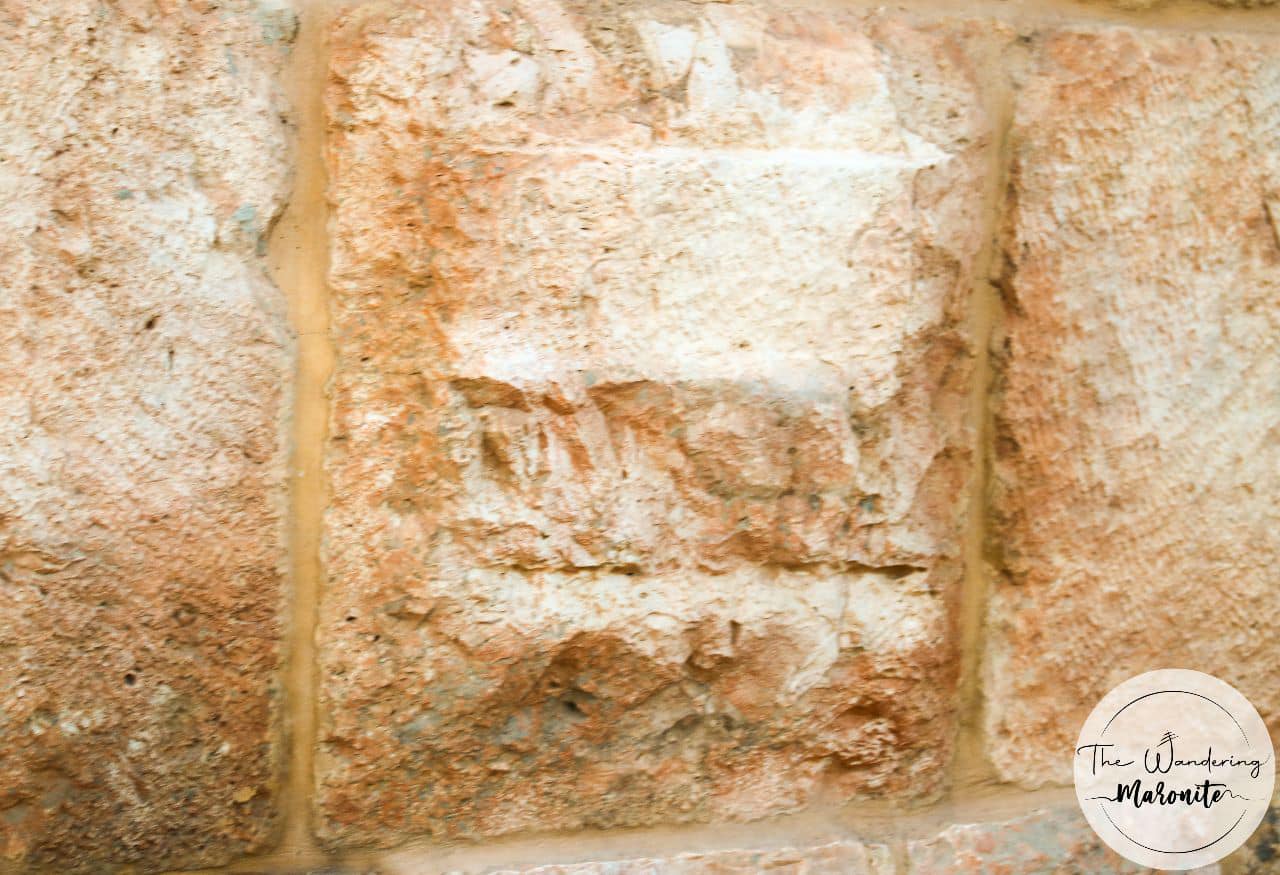
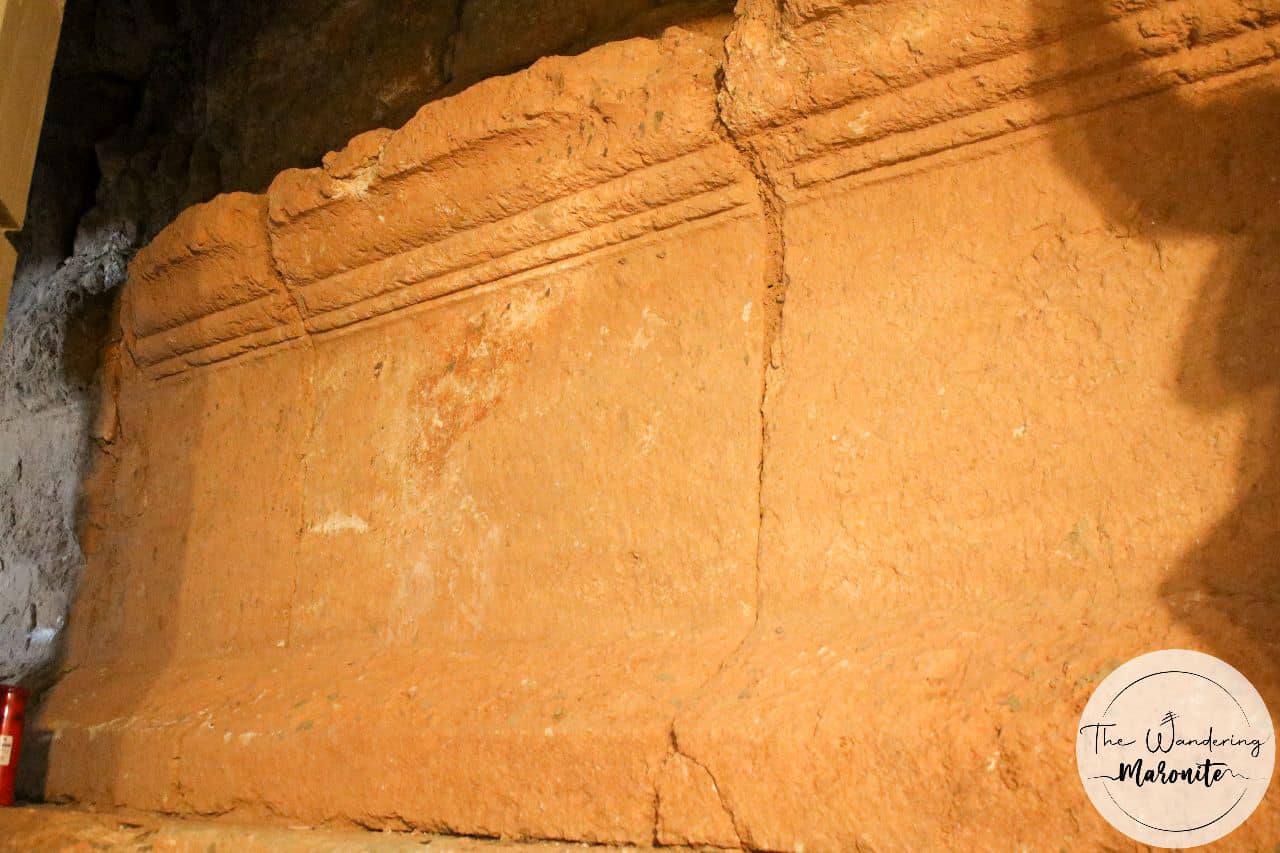
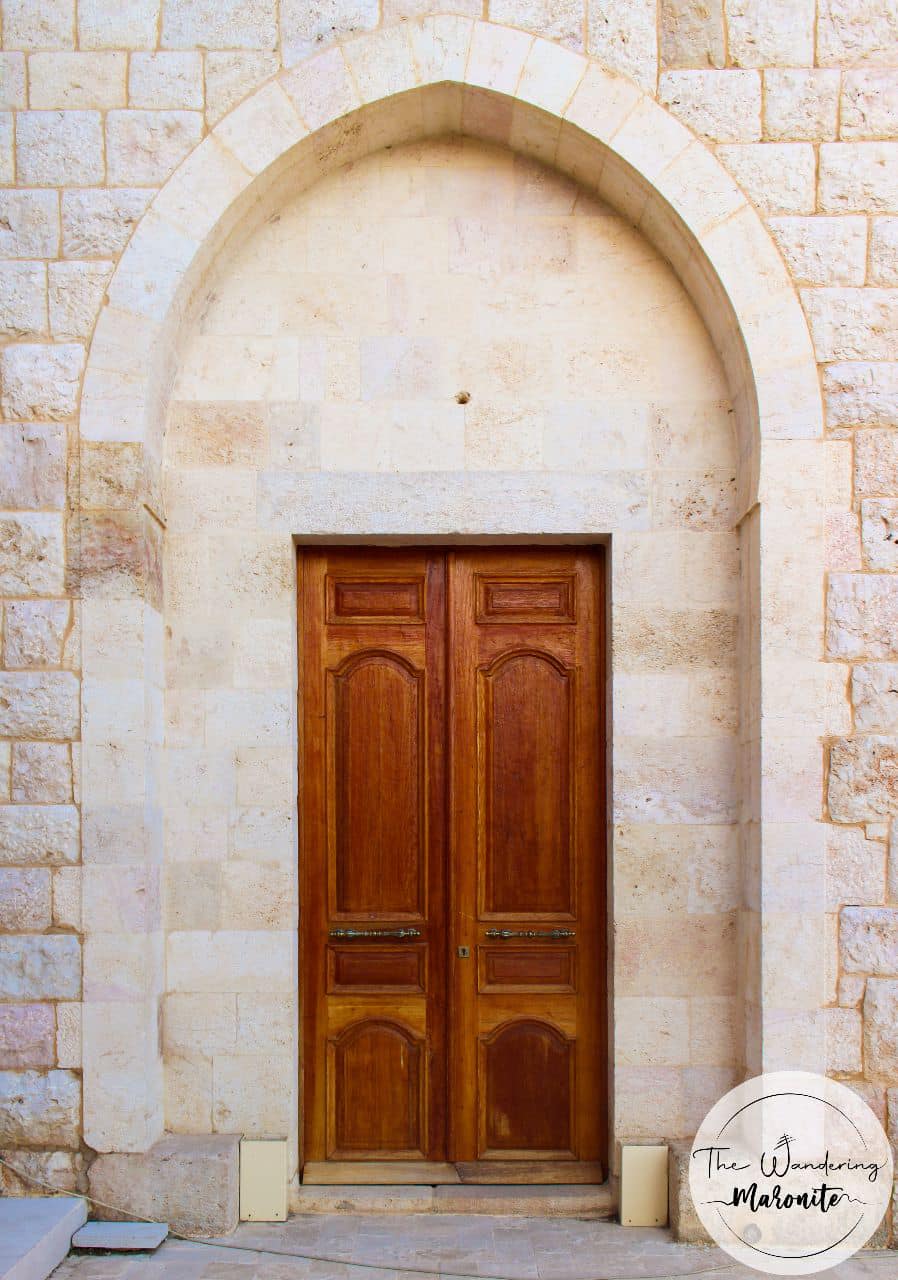
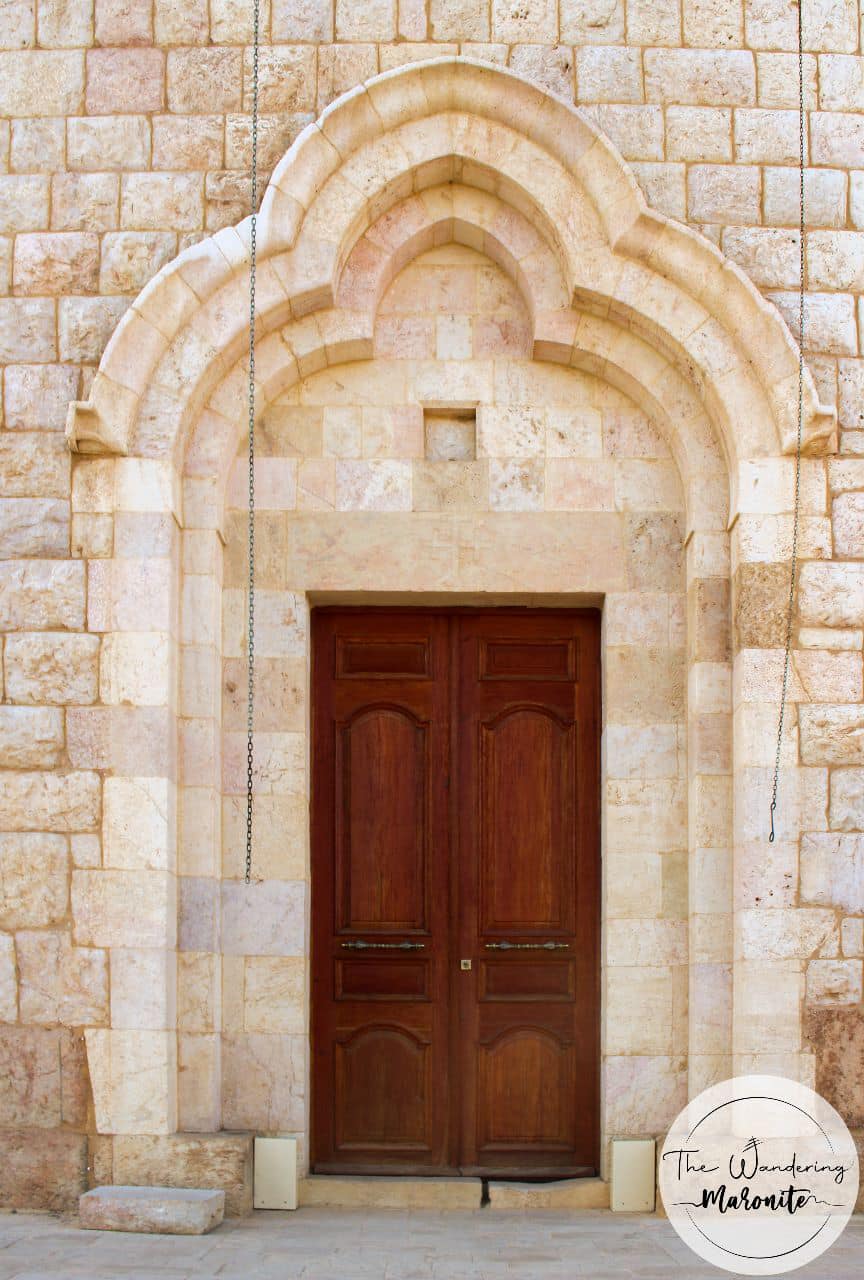
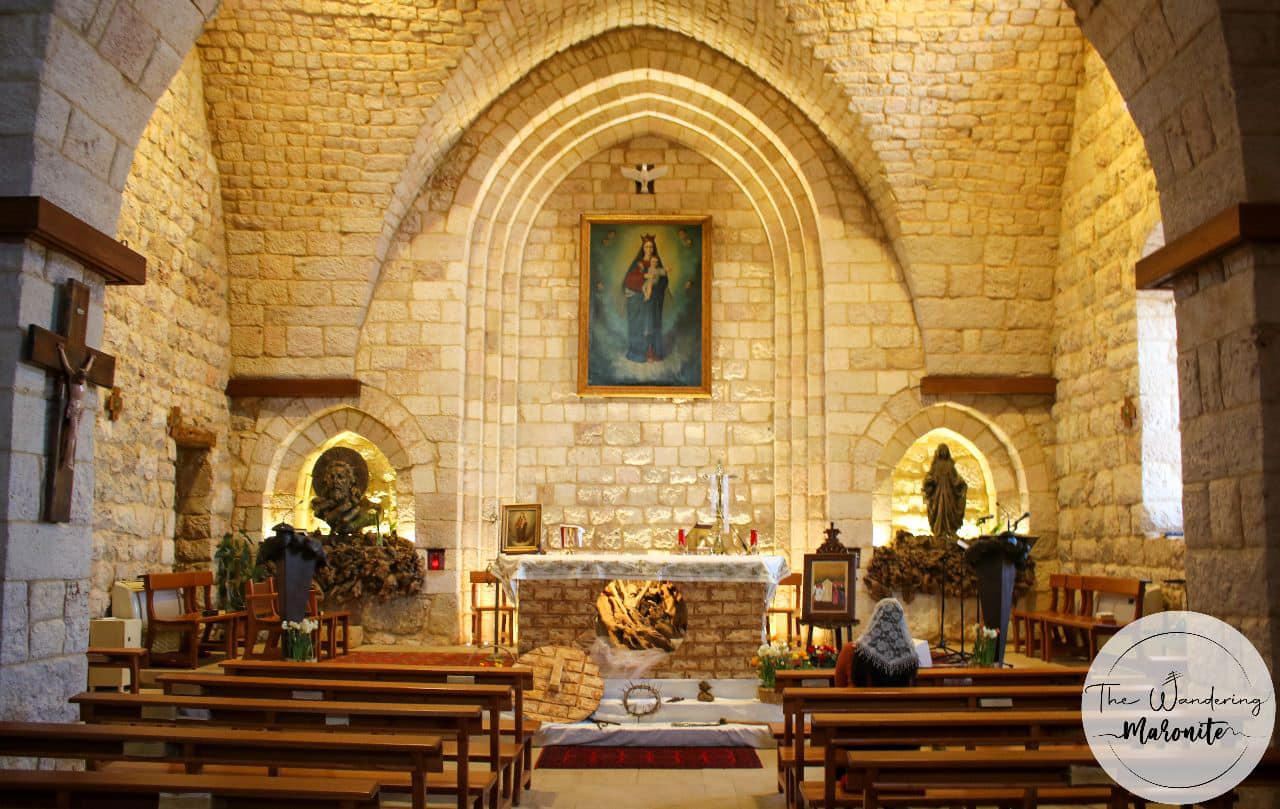
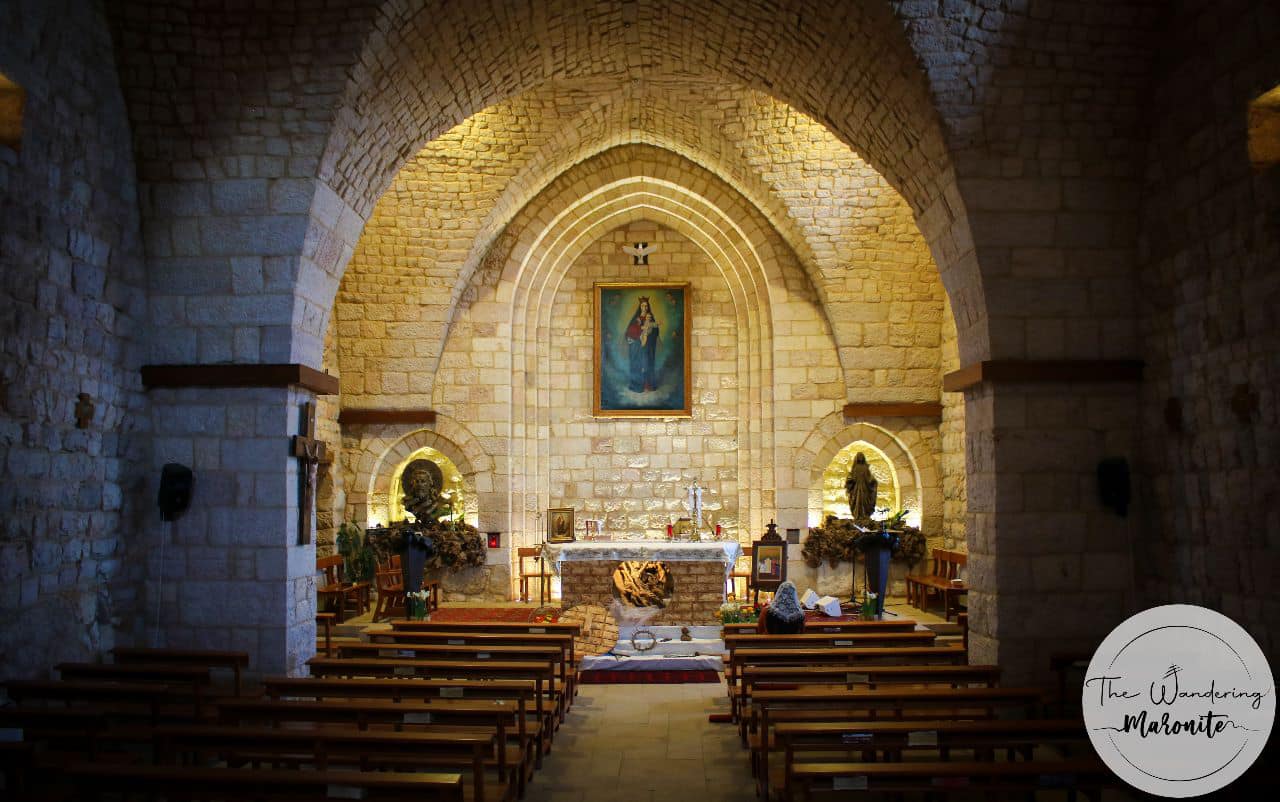
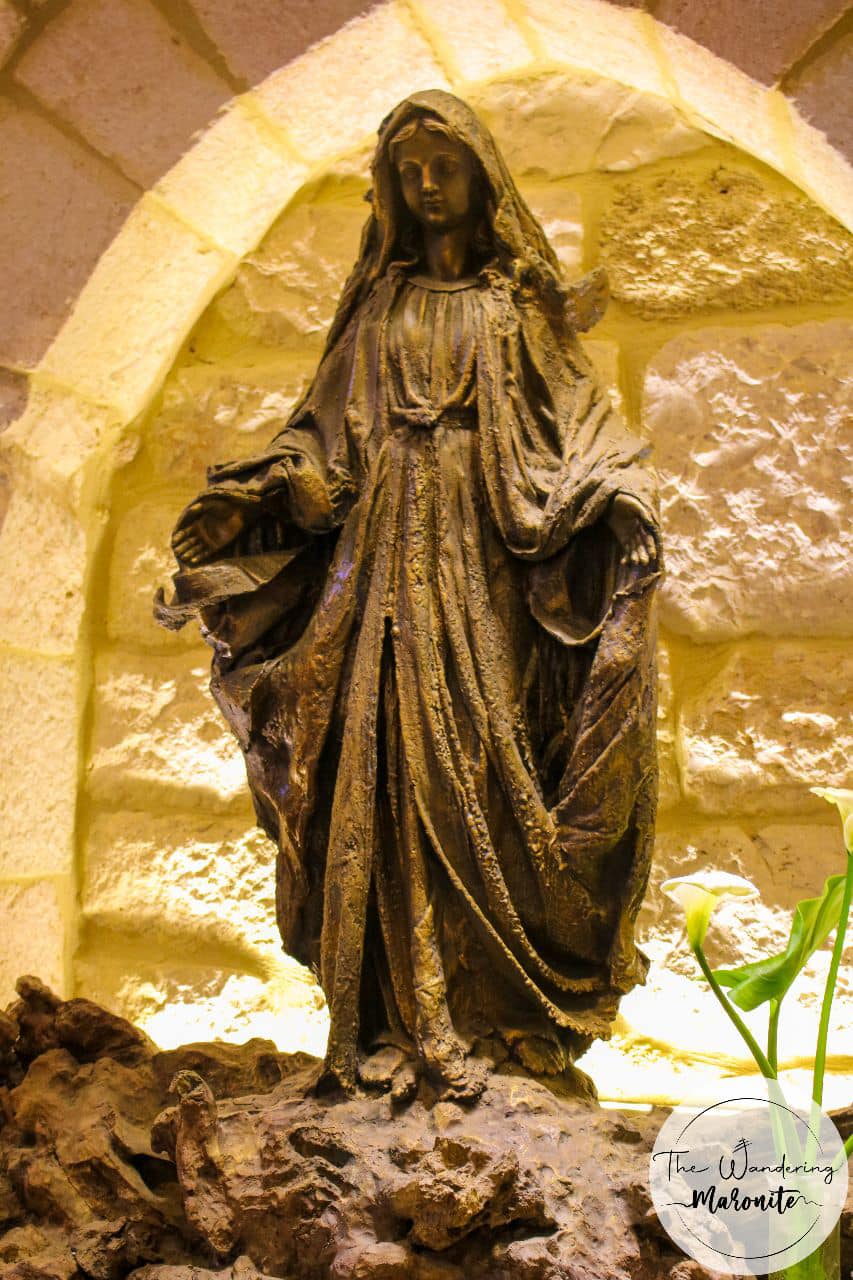
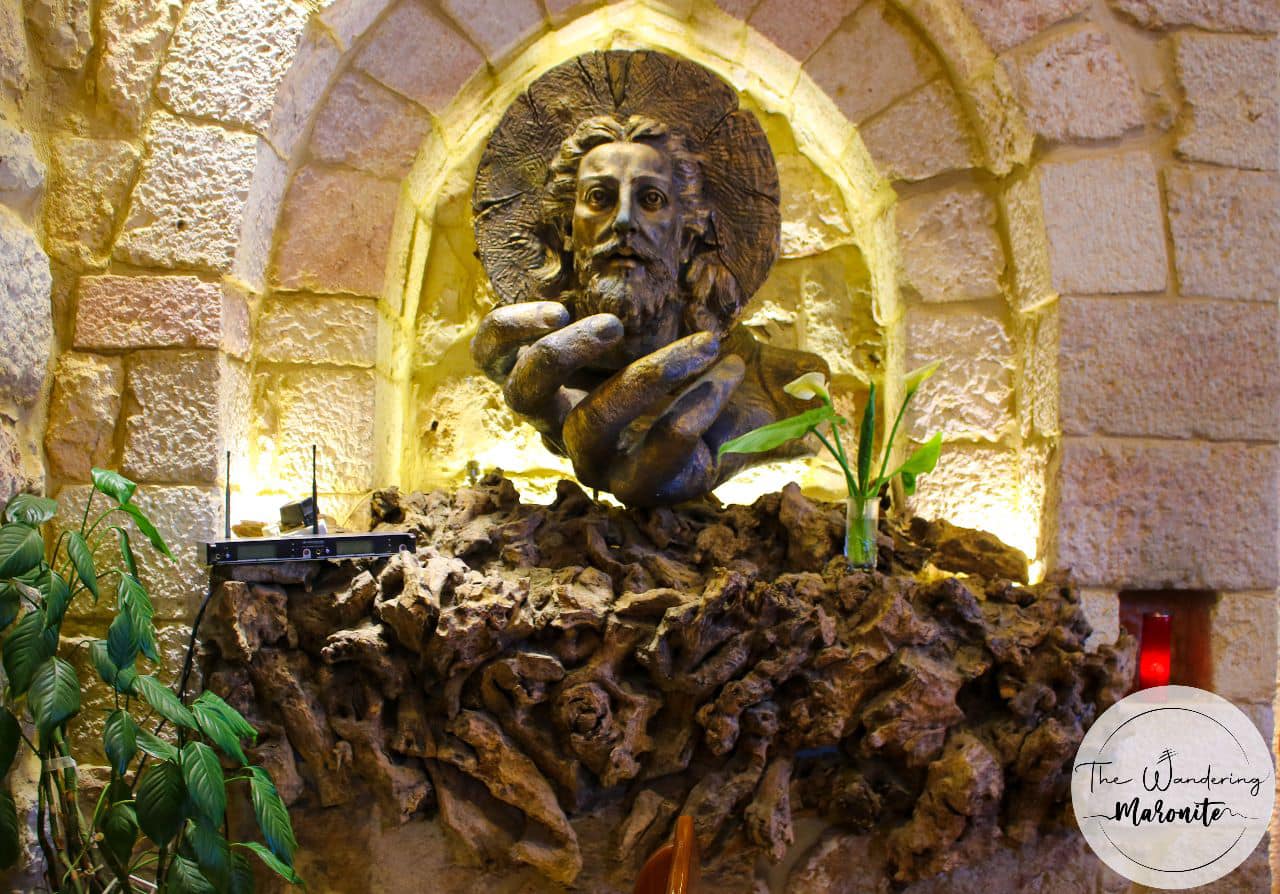
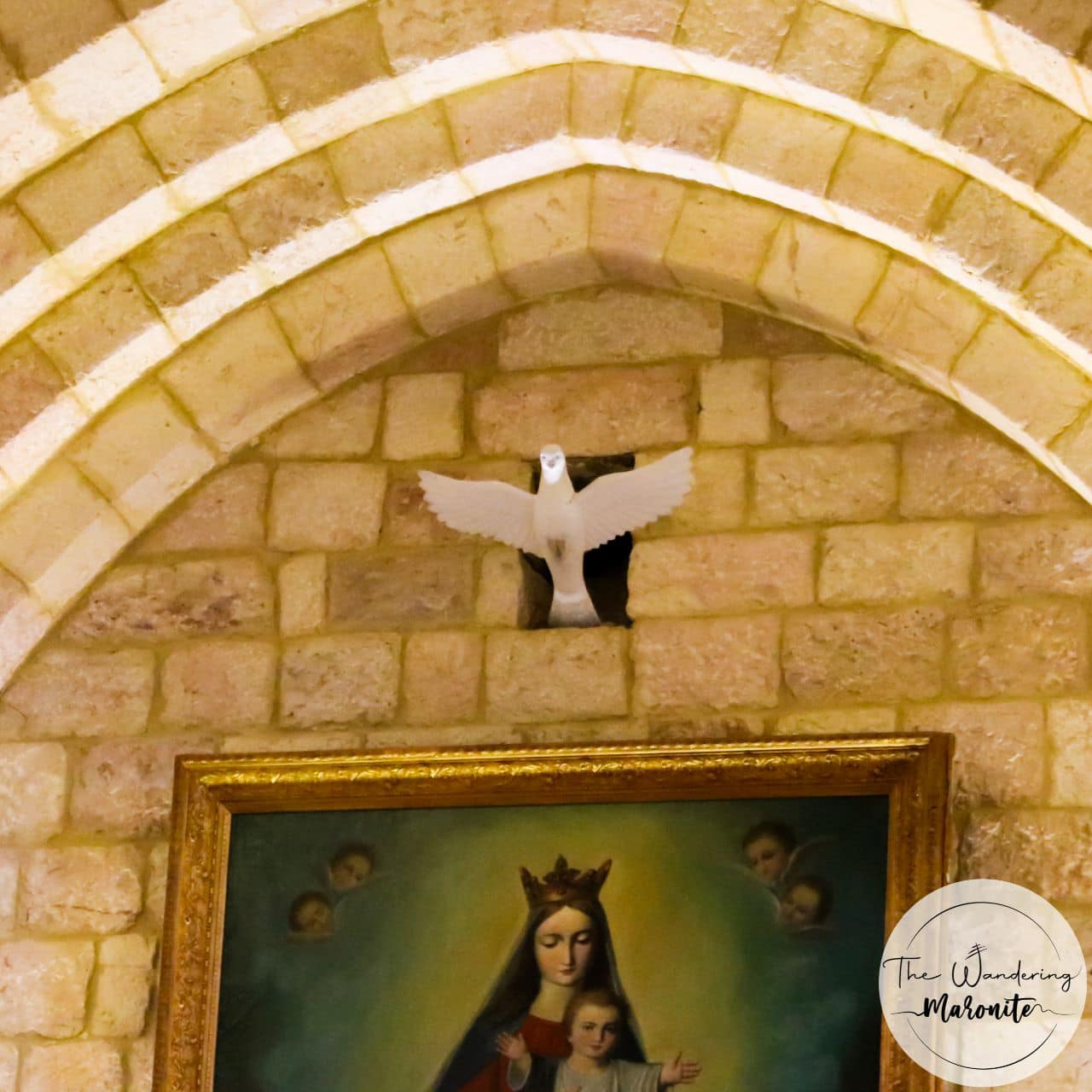
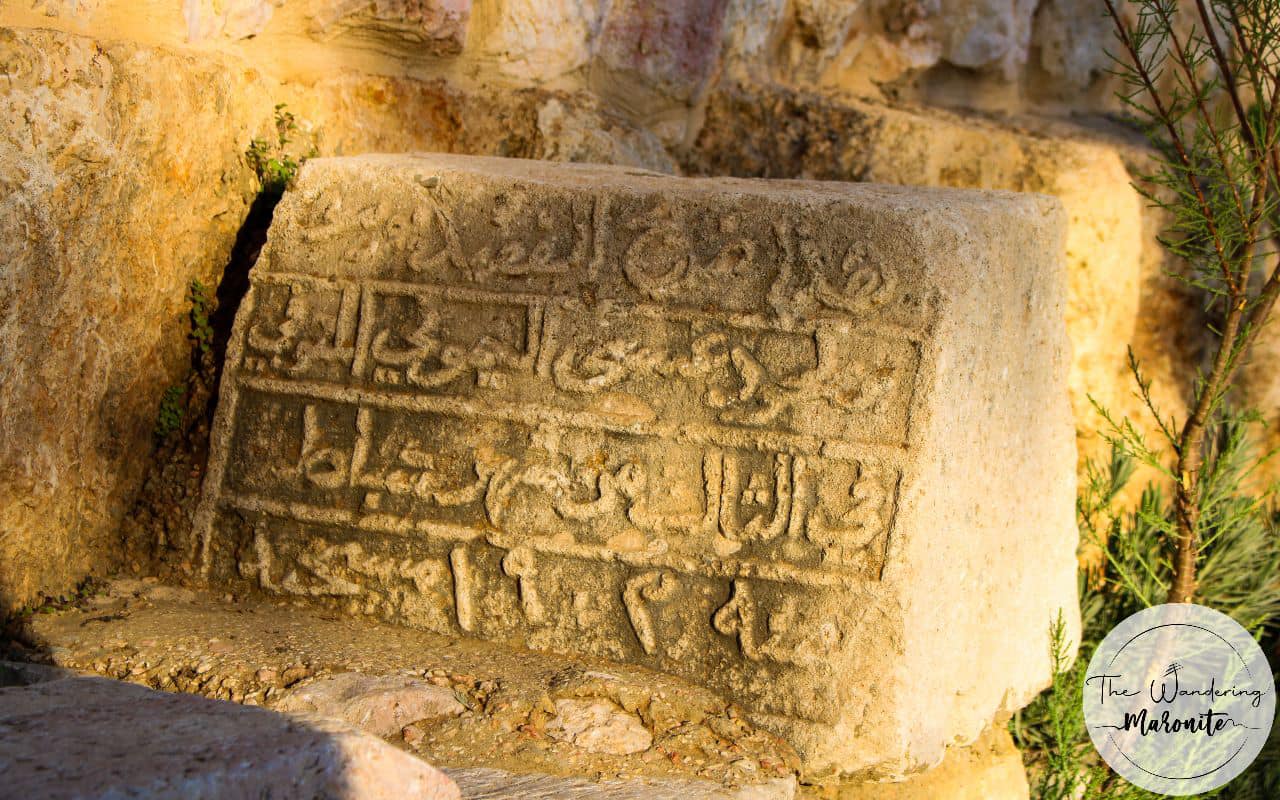
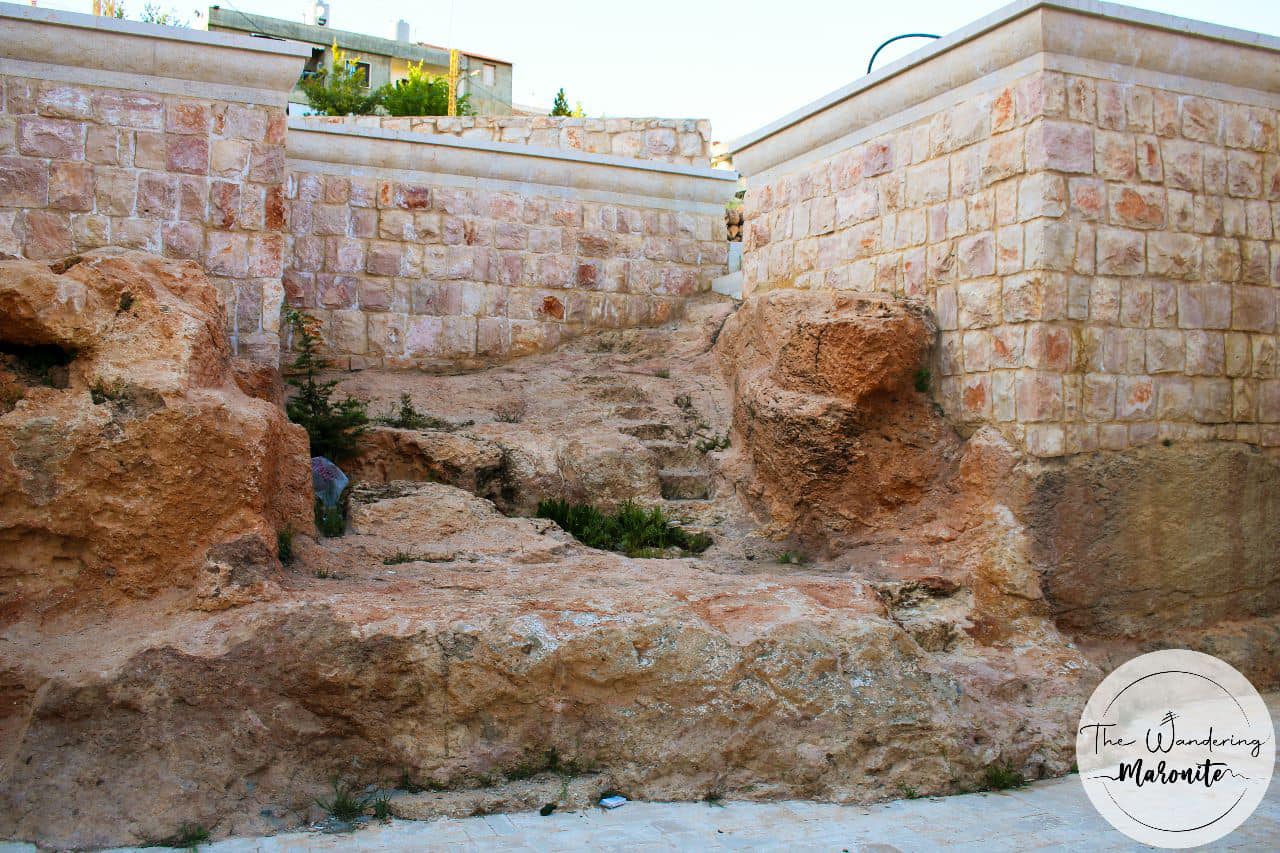
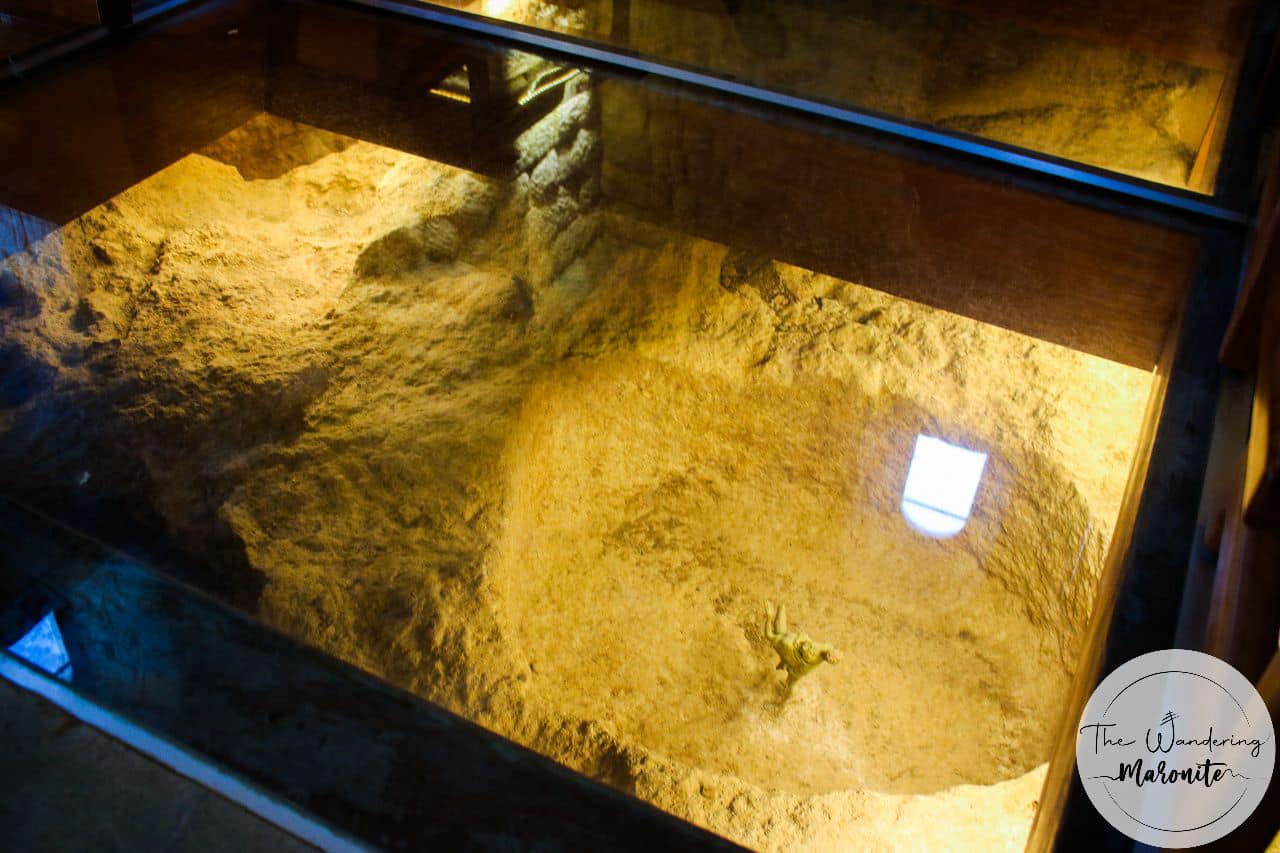
كنيسة سيّدة البرج - دير الأحمر بنى الرومان في دير الأحمر معبدًا لجوبيتير، تحوّل أوائل القرون الوسطى لبرجٍ عسكريّ لم يبقَ من بنائه سوى الطابق الأوّل. خلال القرن العاشر تحوّل الى ديرٍ يعقوبيّ. سنة ١٧٥٩ دمّر زلزال ضخم كنيسة سيّدة الزروع القديمة فتداعى الأهالي لبناء عقدٍ سريريّ كبير فوق آثار البرج، ليصبح البناء كنيسةً جديدةً كبيرة. كُرّست الكنيسة سنة ١٨٤٣ ورُمّمت سنة ٢٠١٧. تضمّ الكنيسة لوحتين للعذراء من عمل كنعان ديب وداوود القرم. كذلك تحتوي على مكتبةً غنيّة بالكتب البيعيّة. The Church of Our Lady of the Tower - Deir El Ahmar The Romans built a temple dedicated to Jupiter in Deir El Ahmar. During the High Middle Ages, the temple was converted into a three-storey military tower, but today only the first storey remains. In the 10th century, Jacobite monks used the site as a monastery. In 1759, an earthquake struck the region and destroyed the old church of Our Lady. The people of Deir el Ahmar then decided to build a great cross-vaulted church on the foundation of the tower. The church was dedicated in 1843 and underwent renovation in 2017. The church is home to a manuscript library and two Marian paintings by Kanaan Dib and Dawoud el Qorm. La Iglesia de Nuestra Señora de la Torre - Deir El-Ahmar Los romanos construyeron un templo dedicado a Júpiter en Deir El-Ahmar. A principios de la Alta Edad Media, el templo se convirtió en una torre militar de tres pisos, de la cual actualmente solo queda el primer piso. En el siglo X, los monjes jacobitas utilizaron el sitio como monasterio. En 1759, un terremoto azotó la región y destruyó la antigua iglesia de Nuestra Señora. La gente de Deir el-Ahmar decidió entonces construir una Iglesia de grandes dimensiones con bóveda de crucería sobre los cimientos de la torre. La iglesia fue consagrada en 1843 y se renovó en 2017. La iglesia alberga una biblioteca de manuscritos y dos pinturas marianas de Kanaan Dib y Dawoud el Qorm.

Visited 6197 times, 4 Visits today

Reviews are disabled, but trackbacks and pingbacks are open.

Related Listings

Zouk Mosbeh – Notre Dame du Rosaire

Église de Notre Dame du Rosaire - Zouk Mosbeh, Zouk Mosbeh, Lebanon

كنيسة سيدة الوردية

1704

Zouk Mousbeh

Keserwan

Mount Lebanon

بنيت الكنيسة سنة ١٧٠٤ على تلّة مشرفة في بلدة ذوق مصبح، على أنقاض كنيسة أقدم عهدًا. بناها وجهاء آلحقلاني الذين قَدِموا الى هذه البلاد من جرود جبيل. يوم انتُخِب المطران عبدالله قرعلي أسقفًا، جَعَل منها كرسيًّا لمدينة بيروت، وفيها أُقيمت للمرّة الأولى رتبة زيّاح الوردية الكبير. فيها العديد من اللوحات الزيتيّة، لكن الأهم هي اللّوحة الأساسيّة لسيّدة الورديّة، وتعود للقرن السادس عشر، فيها مريم العذراء بهيئة شرقية على ذراعها الطفل الإلهيّ، مُحاطة بالقدّيسيَن عبدالاحد وكاترين السيانية مجللة بأسرار الورديّة الخمسة عشر.

The Church of our Lady of the Rosary
Built in 1704 on a hill in the town of Zouk Mosbeh, over the ruins of an older church, by the notables of the Haqlany’s family.
When Abdalla Qaraaly became bishop of Beirut he made it his Cathedral, where he promulgated the rosary devotion.
The church is famous for its paintings, especially its main one: The Virgin Mary portrayed as an oriental lady with the child in her hands, handing the rosary to Sts Catherine and Dominic, with the rosary mysteries on her sides.

Qartaba – The church of St George

St Georges Church, Qartaba, Lebanon

كنيسة مار جرجس

Qartaba

Jbeil

Mount Lebanon

كنيسة مار جرجس - قرطبا

هي كنيسة حارة التحتا، بناها مفرّج جريس أواخر القرن التاسع عشر وجعلها وقفًا ذريًّا. لوحتها عمل كنعان ديب الدلبتاوي سنة ١٨٧٣.

The church of St George - Qartaba

It is the church of El Tahta street, built as a private chapel for the family of Moufarrej Geryes in the late XIXth century. The painting is the work of Kanaan Dib from Dlebta in 1873.

Qozhaya – The Monastery of St. Anthony the Great

دير مار أنطونيوس الكبير قزحيا - الرهبانية اللبنانية المارونية, دير مار أنطونيوس قزحيا، Aarbet Qozhaiya, Lebanon

دير مار أنطونيوس الكبير

Aarbet Qozhaiya

Zgharta

North

دير مار أنطونيوس الكبير – قزحيَّا

يقع الدير في وادي قزحيَّا (الكنز الحيّ). يرجِّح المؤرِّخون تأسيس هذا الدير، في أوائل القرن الرابع. في الدّير آثار من تأسيسه أهمّها عصا رعاية من الملك لويس التاسع. سنة ١٢١٥ بعث البابا إينوشنسيوس الثالث، براءة إلى البطريرك إرميا العمشيتيّ تذكِّر بأنَّ دير قزحيَّا هو أوَّل كرسيّ أسقفيّ مارونيّ. كان الدير، منذ القديم، ركيزة الحياة النسكيَّة في الكنيسة المارونيَّة. بقربه قامت عدّة محابس تابعة له. وتجدر الإشارة إلى أنَّ أوَّل مطبعة وصلت إلى الشرق كانت في دير قزحيّا سنة ١٦١٠. تَسلَّمت الرهبانيَّة اللبنانيَّة الدير، سنة ١٧٠٨. حَلَّت بالدير نَكبات من الطبيعة؛ ونكبات من جور المضطهِدين. سنة ١٨٢٨ بُنيت كنيسة الدّير الحاليّة. في أثناء الحرب العالميَّة الأولى، قام الدير بإيواء جميع الوافدين إليه وإعالتهم. يضم الدّير العديد من الآثار، أخذ شكله الحاليّ في عشرينيّات القرن الماضي ورمّم في آخره. هو من أهمّ الأديار المارونيّة، ومركزًا للحجّ والخلوة

The Monastery of St. Anthony the Great - Qozhaya.

The Monastery sits on a cliff in the valley of Qozhaya (meaning the treasure of life). According to archeologists, the monastery dates back to the 4th century. Evidence of its importance includes a cross given by King Louis IX and a bull from Pope Innocent III, dating back to 1250, which granted Qozhaya precedence over other Maronite monasteries. Qozhaya had a hermitical tradition, and as a result, many hermitages were built near it. In 1610, the first printing press of the Middle East was brought to Qozhaya. In 1708, the Lebanese Maronite Order acquired the monastery. The monastery has suffered from natural disasters and the despotism of rulers. In 1828, a great church was built. During World War I, the monastery served as a refuge. In the 1920s, the monastery took on its current structural shape, and was restored in the 1990s. It is considered a major pilgrimage site for Maronites around the world.