
Deir el Ahmar – The Church of Our Lady of ٍSown

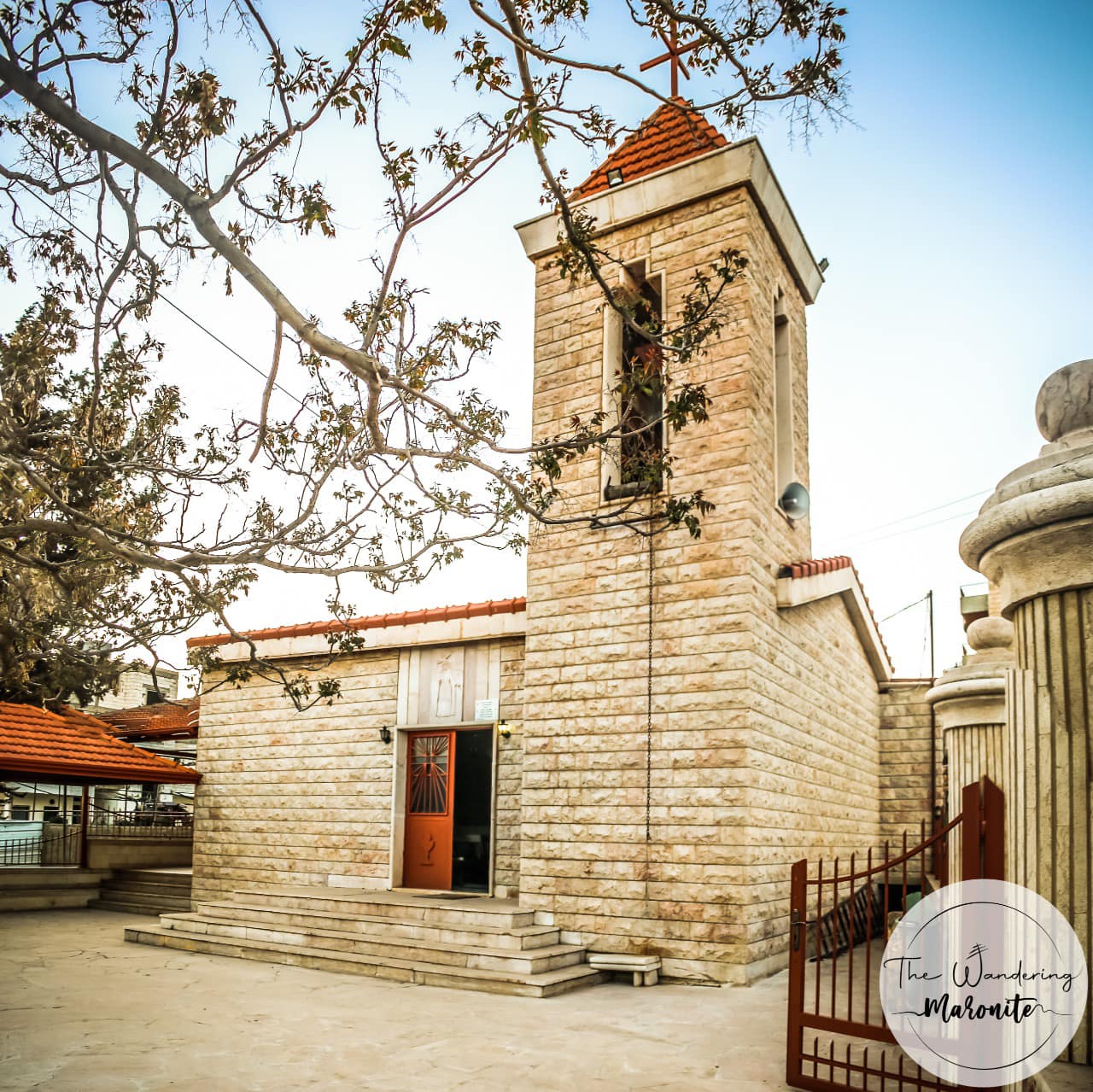
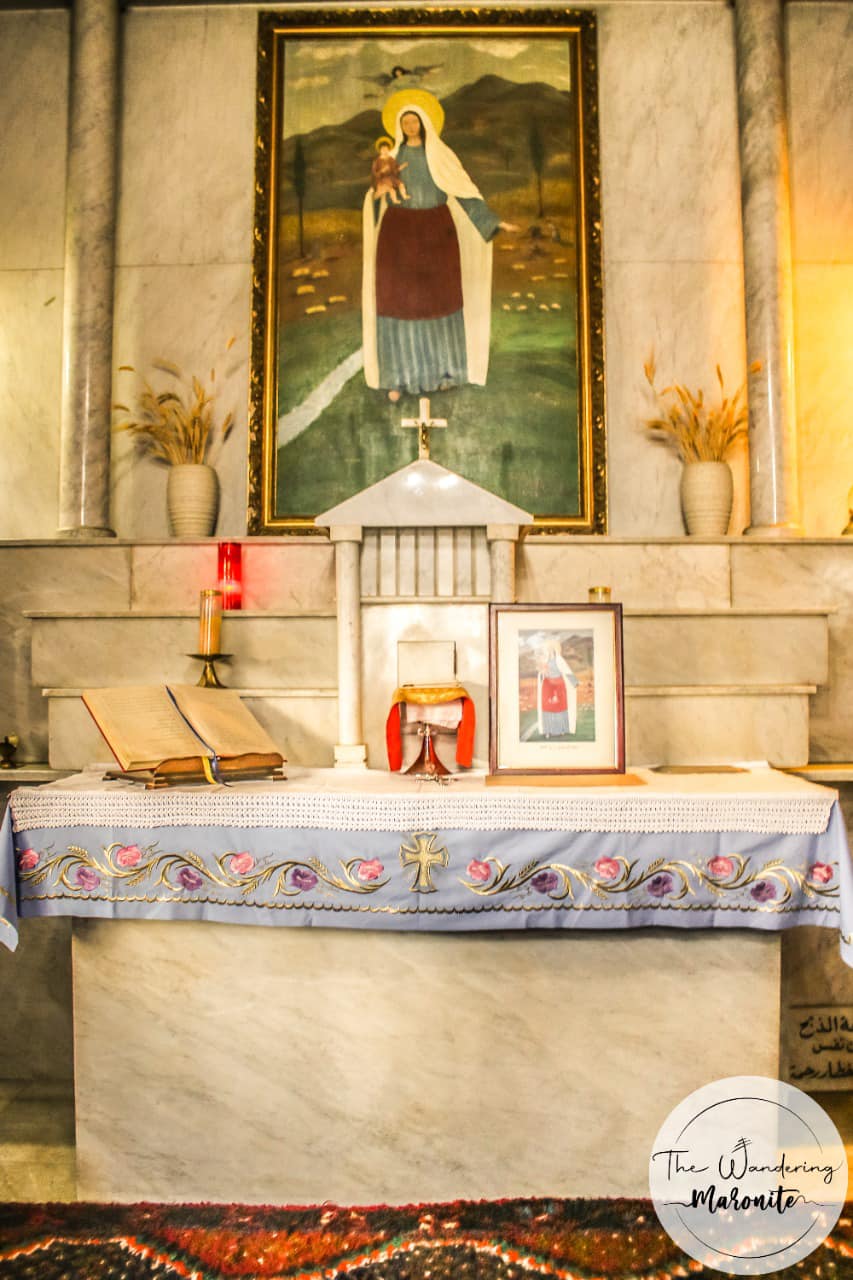
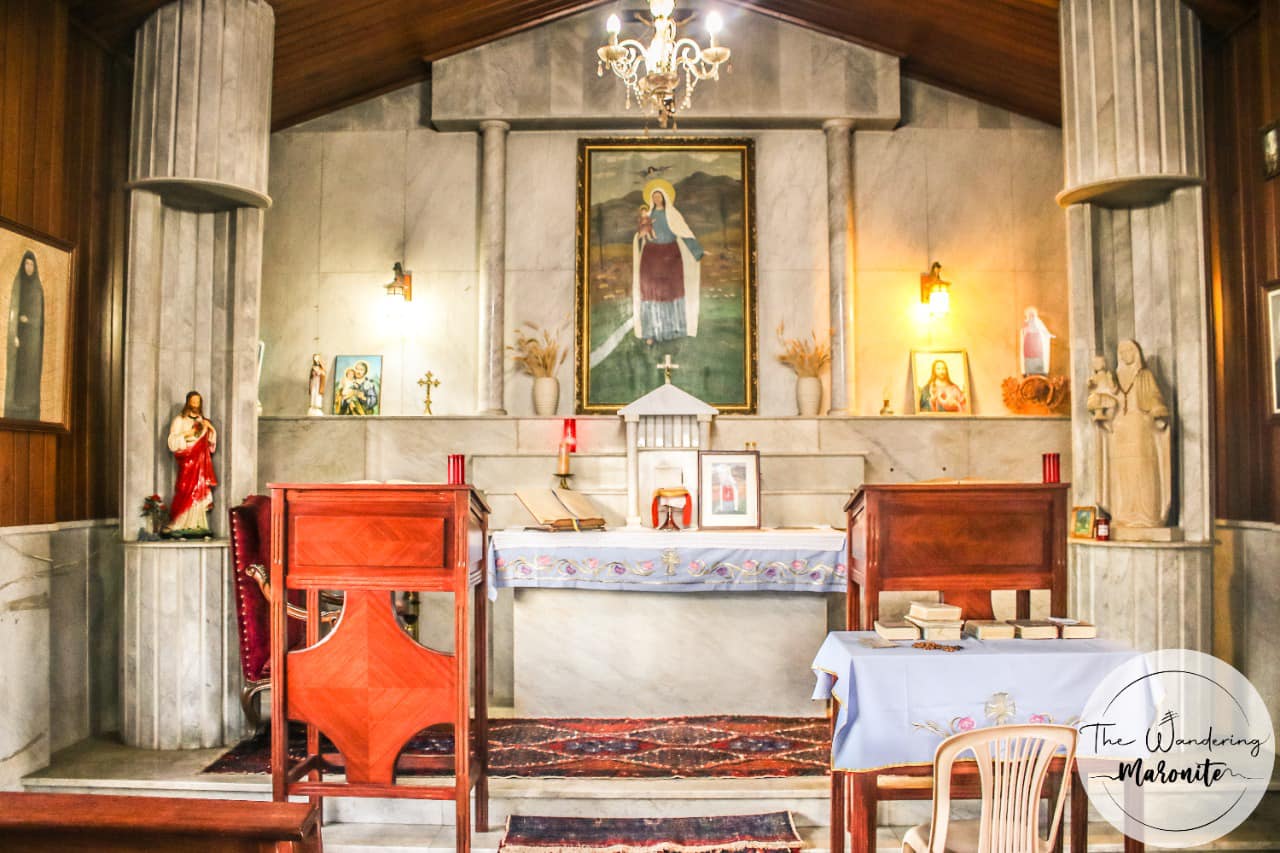
كنيسة سيدة الزروع Church of Our Lady of Sown, Deir Al-Ahmar, Lebanon

Other Details

كنيسة سيّدة الزروع

Deir El-Ahmar

Baalbek

Baalbek-Hermel

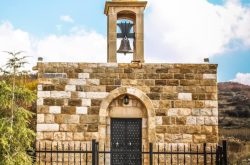
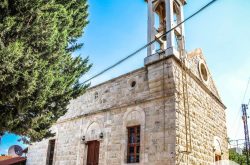
كنيسة سيّدة الزروع - دير الأحمرمنذ القرن السابع عشر سكن الرعاة النازحون من جبّة بشرّي والعاقورة بلدة دير الأحمر، وبدأوا ببناء كنيسة للسيّدة على اسم سيّدة الزروع بإذن مشايخ آل حرفوش، وحفروا بقربها بئراً. في الربع الأوّل من القرن السابع عشر سنة ١٦٢٥ انتُخب القس يوحنا من بيت قيزوح على دير مار اليشع بشري ودير الأحمر بحسب كتاب تاريخ الأزمنة للبطريرك الدويهيّ، وجُعلت هذه الكنيسة مقرًّا له. سنة ١٧٥٩ هُدمت الكنيسة بفعل زلزالٍ كبيرٍ ضرب المنطقة، ولم يبقَ منها سوى حجر عتبة الباب. أعيد بناء الكنيسة الحاليّة في النصف الثاني من القرن العشرين.The Church of Our Lady of ٍSown - Deir el AhmarFrom the beginning of the XVIIth century, many families of shepherds relocated from the regions of Bsharre and Aqoura to Deir el Ahmar. With the approval of the local lords of the Harfoush family, the locals began the construction of a church dedicated to our Lady of the Sown, and they dug a well near it. In 1625 Deir el Ahmar had a bishop as indicated by Patriarch El Douwaihy in his book Tarikh al Azmina where he talks about the monk John of the house Qaizouh bishop of the monastery of St Elishaa and Deir el Ahmar, this bishop had this church as a residence. In 1759 the church was destroyed by an earthquake and only a fraction of the tympant remained of the old church. The church was reconstructed in the second half of the XXth century.

Visited 5267 times, 7 Visits today

Reviews are disabled, but trackbacks and pingbacks are open.

Related Listings

Bcharreh – The Carmelite Convent of St Joseph

Saint Georges Church And Park, Bsharri, Lebanon

دير مار يوسف للآباء الكرمليّبن

Bcharreh

Bcharre

North

دير مار يوسف للآباء الكرمليّبن – بشرّي

تعود رسالة الآباء الكرمليّين في منطقة بشرّي إلى أواخر القرن السابع عشر. سكنوا أوّلاً دير مار أليشاع القديم وانتقلوا سنة ١٧٠٤ إلى دير مار سركيس. في ٩ آذار سنة ١٩٠٥، قام الأب سيريل دي سانتا ماريا، النائب الرسولي لجبل الكرمل، بزيارة بشرّي فاستقبله الأهالي وطالبوه بتوسيع الرسالة وإقامة مدارس. بدأ أبناء بشرّي البناء بمساعدات من فرنسا وبلجيكا وألمانيا سنة ١٩٠٨. سنة ١٩١٠ أكمل الأب جيوسيبي داربينو الجناح بناء الدّير والكنيسة، بمساعدة الكاردينال غوتي. الكنيسة كناية عن سوقٍ واحد بحنية نصف دائريّة وسقفٍ بغداديّ. الكنيسة مزيّنة بجدرانيّات للرسّام جرجس ديب الأورشليميّ وتمثل عدّة مشاهد من وحي روحانيّة الكرمل. يُعرف الدّير محليًّا "بالبادريّة" وهي تعريب لكلمة بادري أي الأب.

The Carmelite Convent of St Joseph - Bcharreh

The Carmelite mission Bcharreh goes back to the late XVIIth century. The fathers resided in St Elishah and moved in 1704 to St Sergius. On the 9th of March 1905 the Carmelite provincial Cyril Da Santa Maria visited the town and was demanded by the locals to enlarge the mission and build schools. After that the locals began building with financial help from France, Belgium, and Germany in 1908. Construction was completed in 1910 with Padre Joseppe Darbino who completed the building with the church with the help of Cardinal Gotti. The church consists of a single roofed nave with a semi circular apse. The church is decorated with frescoes by Gerges Dib from Jerusalem.

Rachkida – Mar Geryes

مار جرجس, Rachkida, Lebanon

دير مار جرجس - راشكيده

Rachkida

Batroun

North

يعود بنا هذه الكنيسة إلى القرون الوسطى وتتألف من كنيستين:
الكنيسة القديمة ‏جدرانها مكسوة بالجداريات. هي من النوادر في العمارة الكنيسة لأن فيها حنيتان يتوسطهم رسم المصلوب. مواضيع الجداريات: الشفاعة، العذراء على العرش محاطة بمار بطرس وبولس، ذبيحة النبي ابراهيم، آثار لجدرانيات أخرى باتت مندثرة.
اما الكنيسة الثانية فهي أحدث عهداً ملاصقة للأولى، مبنية على النمط البازيليكي بثلاث اسواق، وامامها رواق بالحجر المعقود.
بقيت الكنيسة مستخدمة الى القرن التاسع عشر حين نزح آخر موارنة البلدة. ومنذ عام ٢٠١٢ انطلق مشروع ترميم الكنيسة.


This church is built in the medieval ages, and is composed of two parts:
The old church has walls filled with frescoes. It is one of the very rare churches in which you can see the crucified drawn between two naves.
The drawings are as follows:
The Deisis, Mary the throne of wisdom, surrounded by Saints Peter and Paul, Abraham's sacrifice, in addition to different frescoes that are damaged and can hardly be seen now.
The second church is just next to the first, but built in a later era, in a basilical form with three aisles.
The church was still in use by the maronite community until the 19th century.
Since 2012 a project to renew the church was launched.

Hassroun – The church of St Laby the Apostle

St. Jude Church, Hasroun, Lebanon

كنيسة مار لابي الرسول

Hasroun

Bcharre

North

كنيسة مار لابي الرسول - حصرون

بحسب أحد التقاليد بنى الملك حصرائيم (الذي منه اسم بلدة حصرون) قصرًا وهيكلًا في هذا الموضع تحوّل في الجيل الرابع إلى كنيسةٍ على اسم مار لابي وهو اللقب السريانيّ ليهوذا الرسول. بني القسم الشرقيّ من الكنيسة في القرن الثالث عشر، وأضيف سنة ١٧٧٠ القسم الغربيّ. أخذت الكنيسة شكلها مع الصليبيّين، وهي عقد سريريّ منخفض بحنية واحدة. تضمّ الكنيسة مجموعةً من اللوحات التي تعود للقرن الثامن عشر وهي مزيج بين الأيقونة المشرقيّة وفنّ عصر النهضة.

The church of St Laby the Apostle - Hassroun

According to a folk tale, king Hassraym (from whom derived the name Hassroun) built a palace and a temple that was converted in the IVth century into a church dedicated to the apostle Laby (the syriac title given to Thaddeus or Jude). The eastern aisle was built in the XIIIth century. In 1770 the western aisle was built. During the crusaders era the church took its form, a single nave crib vaulted structure beneath the road. The church holds many XVIIth century paintings that are a representation of the local iconography being influenced by the art of the renaissance.