
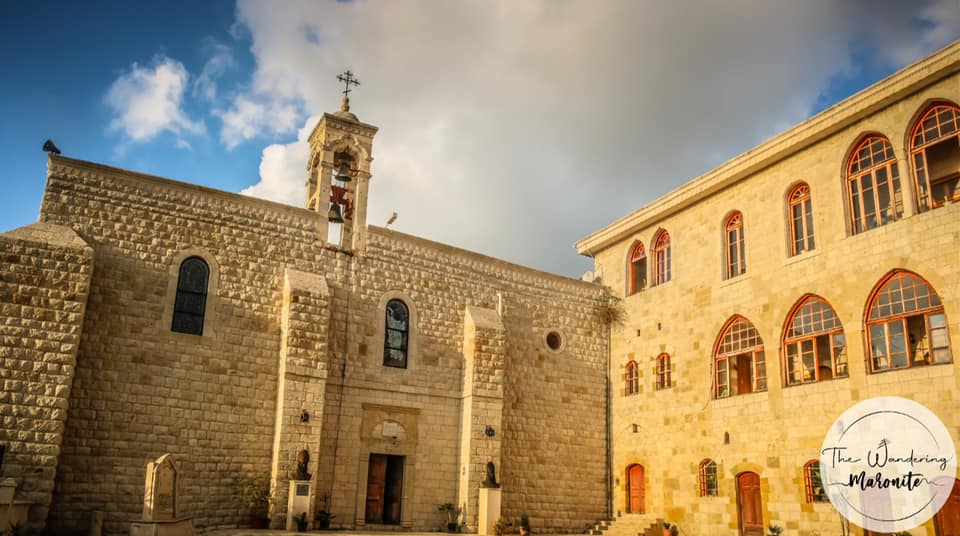
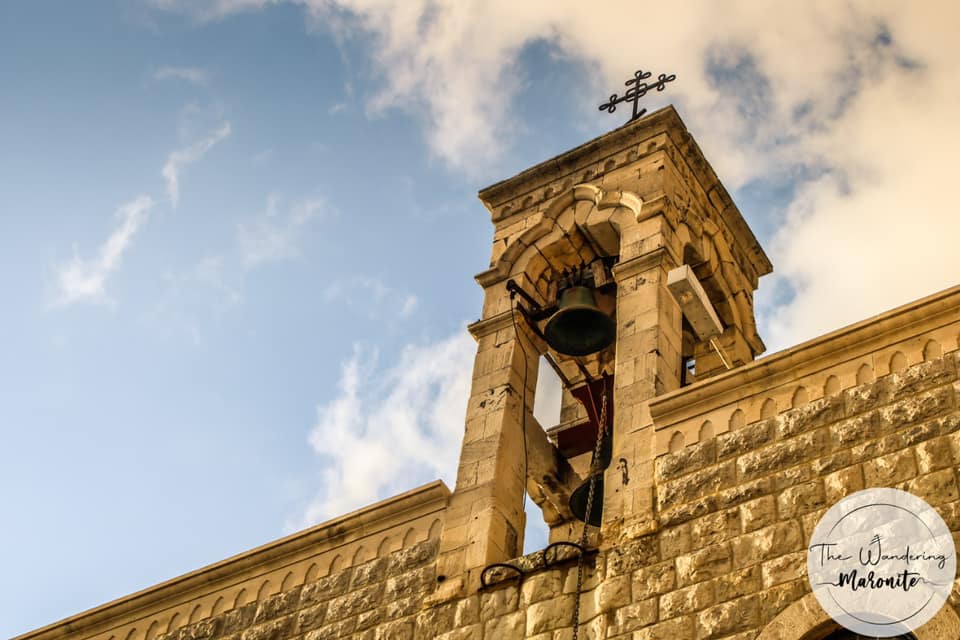
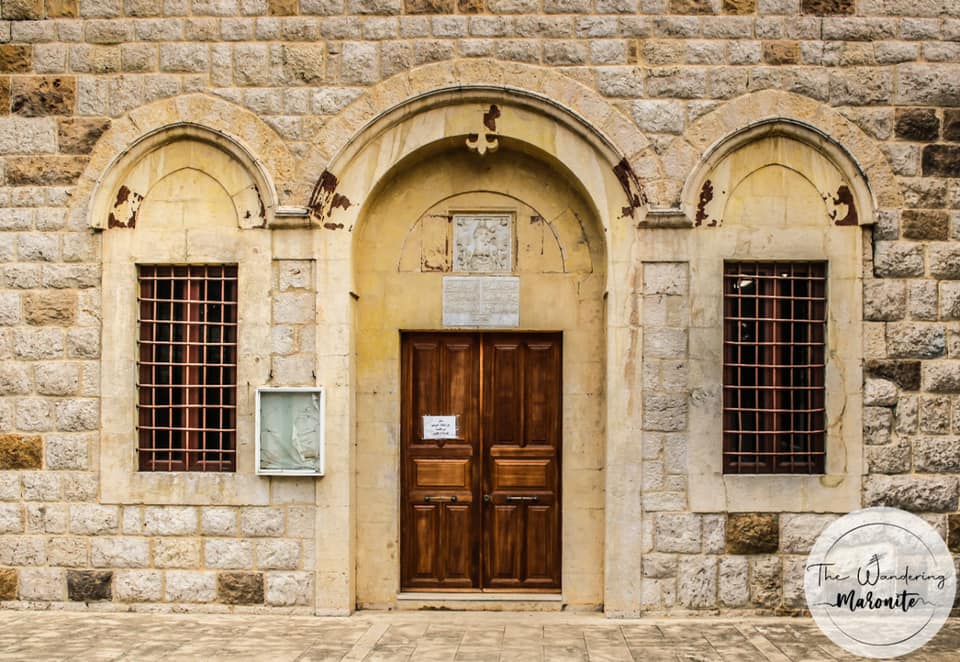
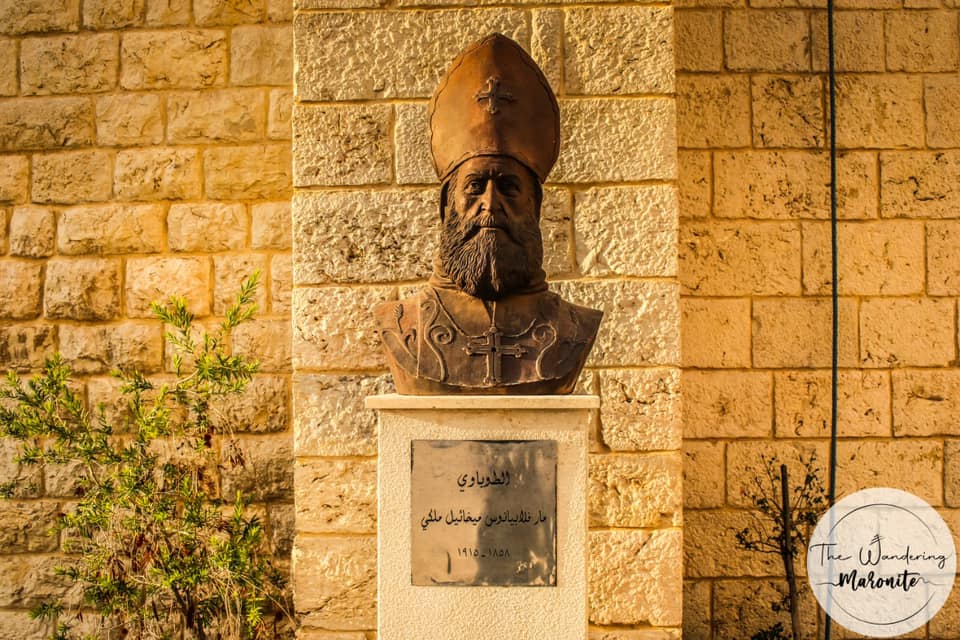
Daaroun – Our Lady of Deliverance

Monastery of our lady of deliverance- El Cherfeh DAroun harissa, Harissa, Lebanon

Other Details

دير سيّدة النجاة الشرفة - درعون

Daraaoun

Keserwan

Mount Lebanon

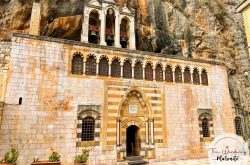
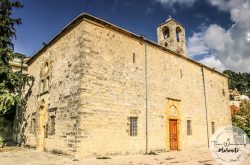
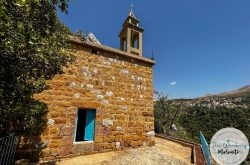
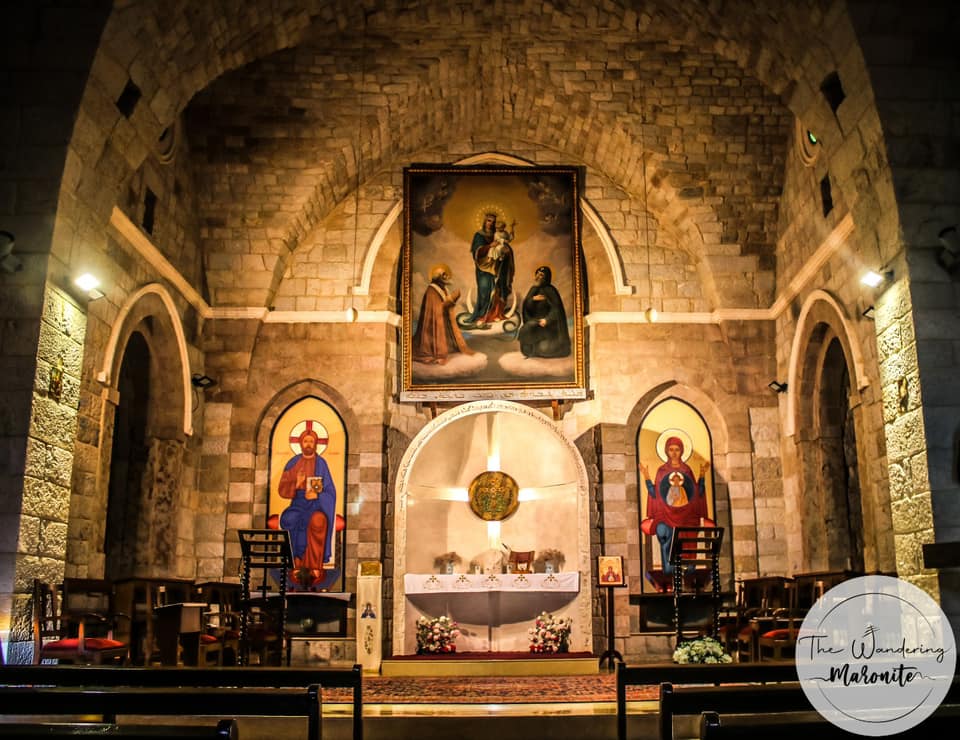
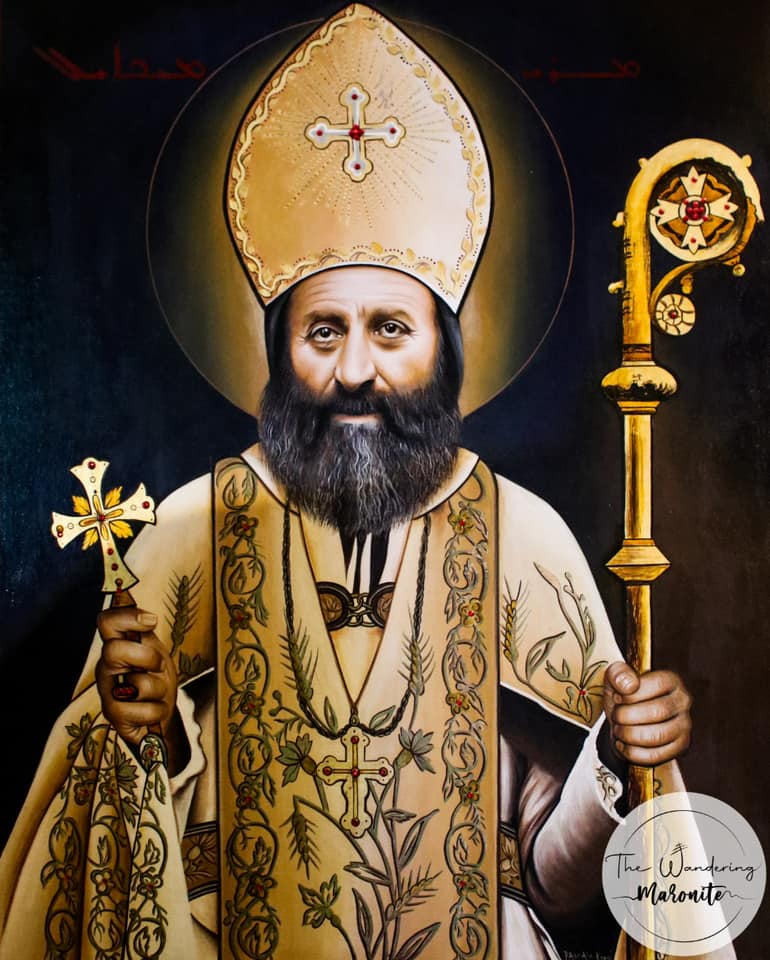
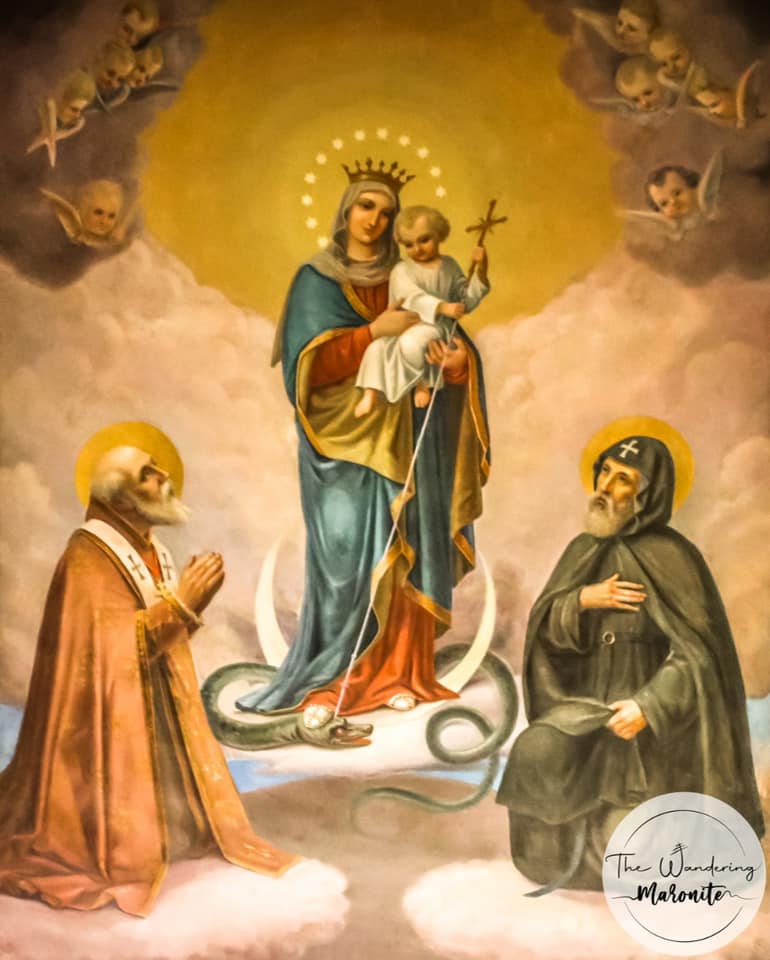
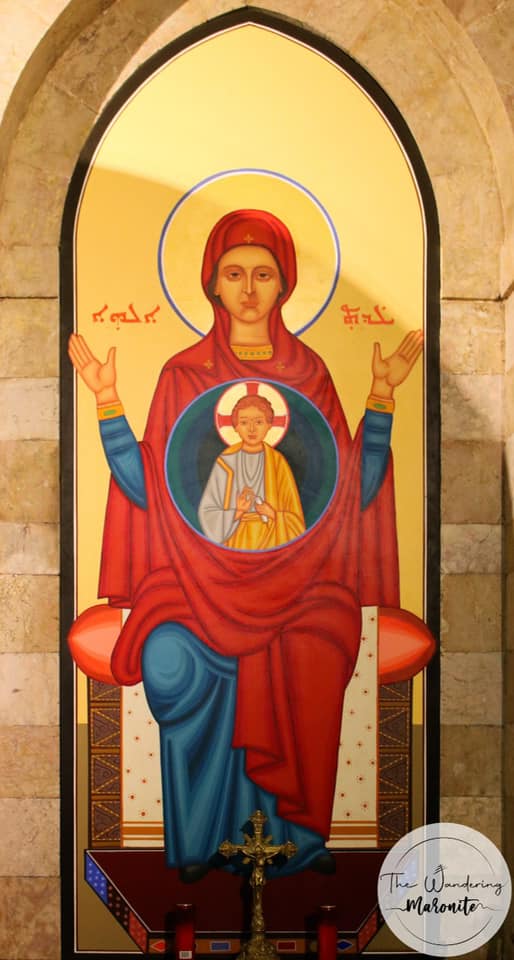
كانت قمّة الشرفة تخصّ مشايخ آل خازن. وقد باعوها عام ١٧٥٤ إلى القس يوسف مارون الطرابلسي بشرط أن يبني مدرسة. بعد إنتخابه بطريركًا سريانيًّا في ماردين وهربه من الإضهاد إثر إعلانه الشركة مع الكنيسة الكاثوليكيّة، إشترى البطريرك إغناطيوس جروة دير الشرفة عام ١٧٨٦ وجعله كرسيًّا له ونقل إليه أيقونة سيّدة النجاة المقدسيّة التي رافقته في ترحاله. يُعدّ هذا الدير المقر البطريركيّ للسريان الكاثوليك، كما ويضمّ مدرسة لتعليم الأولاد وإكليريكيّة.The hill of Sharfe was a property of the Khazen feudal lords. In 1754 the parcel of land was sold to the monk Joseph Maroun from Tripoli to build a school. After he was elected Syriac patriarch in Mardin, Mor Ignatius Jarwe proclaimed communion with the Roman Catholic Church. For this, he was then persecuted and obliged to leave his homeland. He finally settled in Charfe and bought the old school transforming it into a patriarcal seat bringing in an icon of Our Lady of Deliverance from Jerusalem. Since then the monastery became a patriarcal seat with a school and a seminary.

Visited 2225 times, 6 Visits today

Reviews are disabled, but trackbacks and pingbacks are open.

Related Listings

Aqoura – The church of Sts Peter and Paul

Saint Peter and Paul, Aaqoura, Lebanon

كنيسة مار بطرس وبولس

Aaqoura

Jbeil

Mount Lebanon

كنيسة مار بطرس وبولس - العاقورة

الكنيسة عبارة عن مغارة كانت مدفنًا لكهنة أدونيس وتحوي عدّة نواويس، وثلاث اعمدة تنضح الماء كانت قديمًا لنذور العواقر. وثّق المغارة العالم إرنست رينان والمفوّضيّة السّامية الفرنسيّة، لكنّ العديد من معالم المدفن خرّبت جرّاء البحث عن الطمائر. على الجدار الشرقيّ داخل الكنيسة كتابة منقوشة باللغة السريانيّة وهي مختلفة من حيث الاسلوب، لأنّها منقوشةٌ بشكلٍ عاموديٍّ وليس افقياً. وقد فسّر علماء الآثار هذه الظاهرة أنّه في القرن السابع للميلاد زمن الامويّين ذهبت بعثات نسطوريّة الى الصين. وهذا ما يفسّر الاسلوب العامودي في الكتابة الآراميّة المنقوشة، فهؤلاء تأثروا بالكتابة الصينيّة العاموديّة كالكتابات السريانيّة في شيان التي تعود للحقبة نفسها. رمّم المذبح سنة ١٨٩٥، والواجهة الأماميّة سنة ١٩٥٢.

The church of Sts Peter and Paul - Aqoura

The church was a funerary cave for the priests of Adonis, it holds many sarcophaguses and three columns that pour water. The cave was studied by Ernest Renan and the archeologists of the French high commissariat. The church holds a VIIth century Syriac calligraphy that is distinct since it was written vertically, which relates to the Nestorian monks who went to missions during the Umayyad era and reached China. There they were influenced by the mandarin calligraphy and began writing Syriac in this manner. The stella of Xian uses the same type of writing and dates back to that era. The church was plundered by tomb raiders, the high altar was restored in 1895, and the entrance in 1952.

Sarba – The Shrine of St George El Batyeh

Saint George Shrine, Sarba, Lebanon

مزار مار جرجس الباطية

Jounieh Sarba

Keserwan

Mount Lebanon

مزار مار جرجس الباطية - صربا

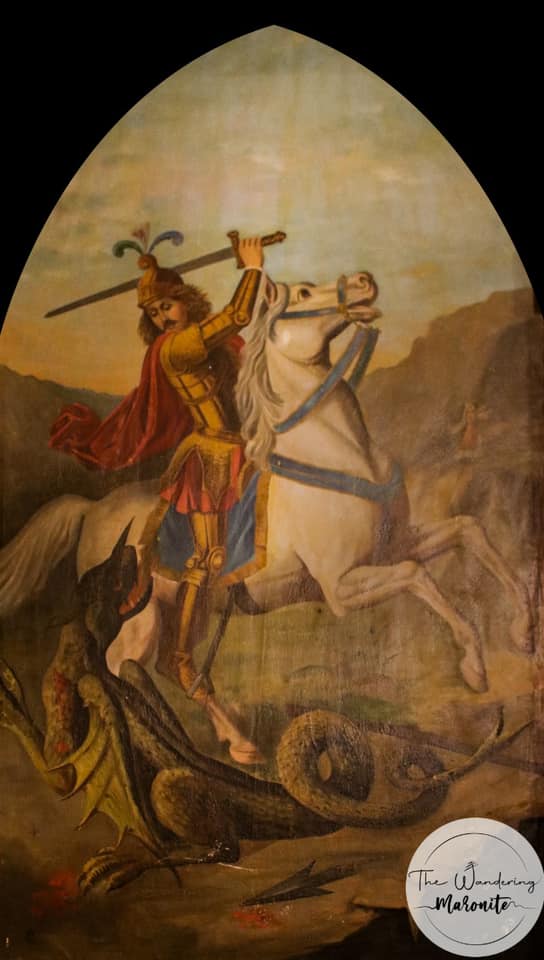
في أسفل الشير الصخري عند شاطىء صربا توجد مغارة طبيعية تعرف بـ"الباطية" وهي تعني "إناء للماء"، إذ تتضمّن المغارة حوضًا صخريًّ تملأه مياه البحر المحاذي للموقع.
فوق المغارة كان يوجد في السابق معبد قديم مكرّس لعبادة البعل. لقد شيّد المسيحيّون في الموقع كنيسةً كبيرةً كانت قد فُرشت أرضيتها بفسيفساء جميلة لم يبق منها سوى بعض الأجزاء. ومن ثم استُبدلت هذه العادات والتقاليد برموز مسيحيّة، فتحوّل الموقع إلى مزار للقديس جرجس، وأصبح السكان المحليّون يقصدون الموقع ويقدمون النذور للقديس جرجس لشفاء الأطفال من الأمراض المستعصية والنساء من مشاكل العقم.

The Shrine of St George El Batyeh - Sarba

Under a huge limestone cliff on the coast of Sarba there is a natural cave known as el Batyeh (meaning the water vessel) because it retains water from the neighboring sea. Over the cave, the Phoenicians erected a temple for Baal, that early christians converted to a church with mosaic flooring. Some of the mosaics are still visible. After the paleochristian era, the local pilgrimage and vitive customs attributed to the site were converted. The shrine was dedicated to St George, with an emergence of votive pilgrimage piety surrounding the place.

Ghazir -The church of Our Lady the Habshiyeh

Notre Dame Habchiyeh, Ghazir, Lebanon

كنيسة سيّدة الحبشيّة

Ghazir

Keserwan

Mount Lebanon

كنيسة سيّدة الحبشيّة - غزير

بحسب التقليد بنى رهبان أحباش الكنيسة الأولى سنة ١٤٤٦ وأتوا بصورة العذراء: هذه الكنيسة القديمة بحنيتين هي اليوم السكرستيا ومدفن الكهنة. سنة ١٦٤٠ إستَحصَل آل حبيش على فرمان من السُلطان العُثماني لِتَرميم كنيسة السيّدة في غزير، وشيَّدوا بِموجب هذا الفَرمان كنيسة السيّدة المَدعوَّة الآن "الحبشية" وكرَّسها البطريرك إسطفان الدويهي في ١٣ آذار سنة ١٦٦٣. الكنيسة بازيليكيّة الطراز، تعرّضت للتخريب سنة ١٩٠٥، رُمّمت في ثمانينات القرن العشرين. تضمّ الكنيسة العديد من اللوحات والعديد من الشواهد.
The church of Our Lady the Habshiyeh - Ghazir

According to tradition the church was first built by Abyssinian monks from Nabak in 1446 and they brought with them the icon of the Madonna. The old church is now the sacristy and the prelates necropolis. In 1640 the Hobeish family got an accord from the Ottoman sultan to build the new church that was named Habshiyeh. Patriarch Estephan El Douwaihy consecrated the church on the 13th of March 1663. The church is a basilical structure, it was sabotaged in 1905 and renewed in the 80s. The church holds many paintings and epitaphs.