
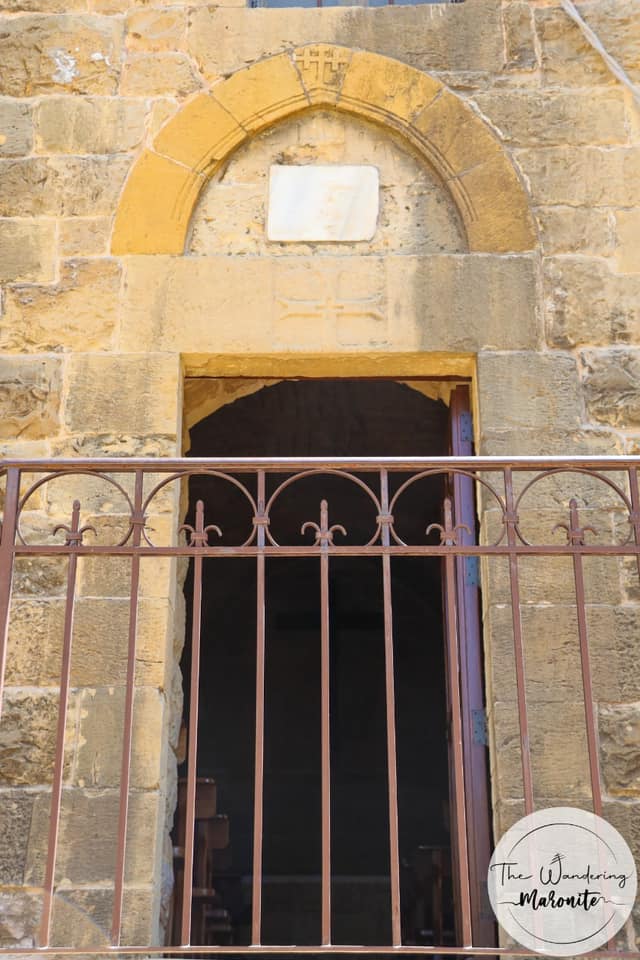
Bherdok – The Monastery of St George

Convent St Georges Bherdok, Unnamed Road, Lebanon

Other Details

دير مار جرجس

Chaouiyeh

Metn

Mount Lebanon

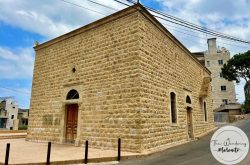
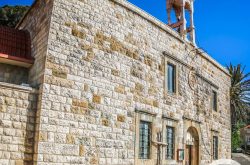
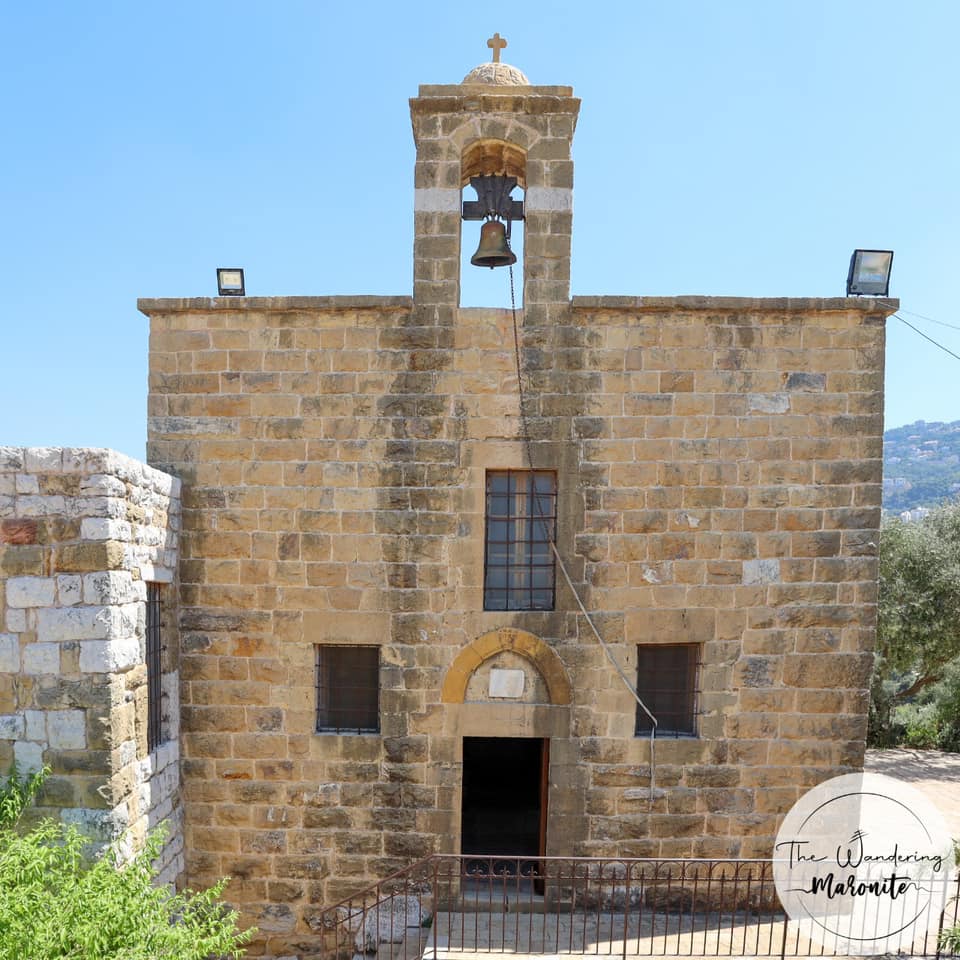
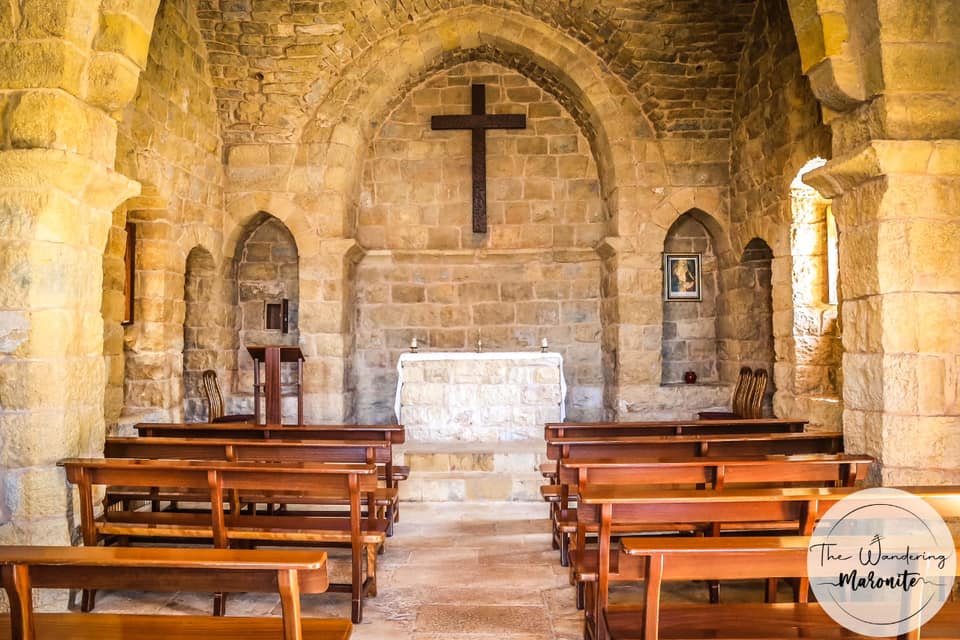
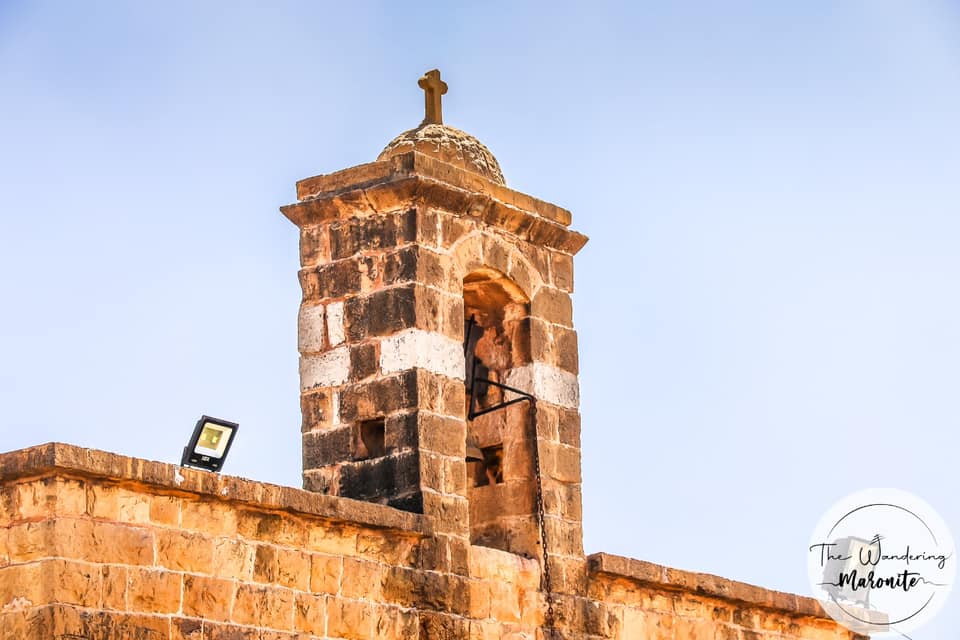
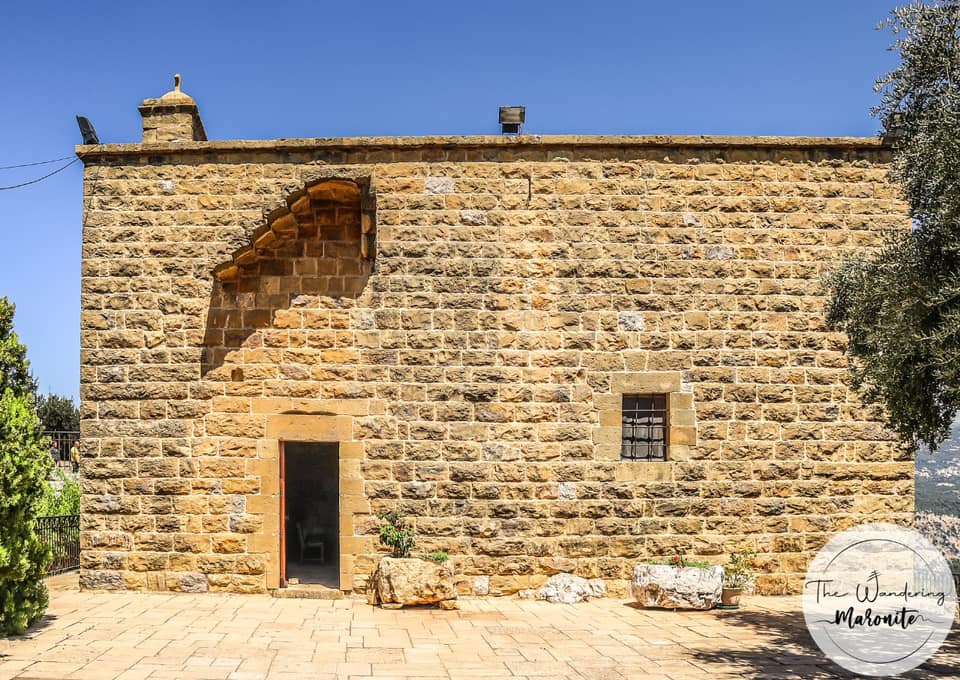
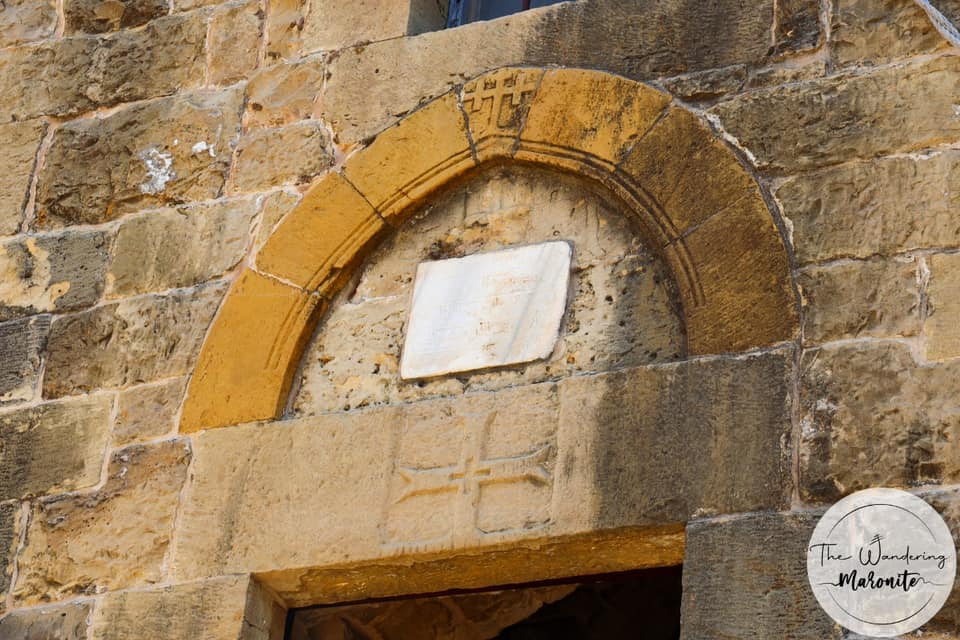
دير مار جرجس - بحردقبُني الدّير سنة ١٦٥٤ بسعي الأب يوسف الرامي، وانتقلت الراهبات إلى الموضع الحالي سنة ١٧٤٤. شُيّدت الكنيسة سنة ١٧٥٠. أواسط القرن التاسع عشر وسّع المطران يوسف جعجع الدّير وجعله كرسيًّا لأبرشيّة قبرص، وجعله بعد سنة ١٨٧٠ مقرًّا لكهنة الأبرشيّة بإذن الكرسيّ الرسوليّ. تحوّل الى مدرسة أقفلت بعد الحرب العالميّة الأولى، بعدها أقفل وترك مهملاً. دشّنه بعد الترميم البطريرك نصرالله بطرس صفير في ٢٥ حزيران سنة ٢٠٠٠.The Monastery of St George - BherdokThe first monastery was built with the efforts of Fr Youssef El Ramy in 1654. Nuns relocated to the current building in 1744. The church was accomplished in 1750. In the middle of the XIXth century, Archbishop Youssef Geagea enlarged the building and made it the seat of the eparchy of Cyprus. After year 1870 he made it a residence to the diocesan priests by a decree from the Holy See. After that it was converted to a school that was shut down after World War I, and then was left to abandon. The monastery was renovated and rededicated on the 25th of June 2000 by later Patriarch Nasrallah Boutros Sfeir.

Visited 2367 times, 3 Visits today

Reviews are disabled, but trackbacks and pingbacks are open.

Related Listings

Sahel Alma – The monastery of Our Lady of the milk

sahel aalma

دير سيّدة البزاز

Sahel Aalma

Keserwan

Mount Lebanon

دير سيّدة البزاز - ساحل علما

بنى الدّير الشيخ عاد صخر الخازن سنة ١٧٢٠ وجعله للراهبات العابدات. واتّبعت عابداته قانون الراهبة هنديّة قبل إلغاء رهبانيّتها. بقي الدّير حتّى منتصف القرن العشرين يضمّ بنات وأرامل العائلة الخازنيّة اللواتي خصّصن حياتهنّ للصلاة. واليوم هو وقفٌ خاص للعائلة. كنيسته صغيرة بعقدٍ مصالب، تضمّ لوحة العذراء المُرضعة وهي رومانيّة المصدر.

The monastery of Our Lady of the milk - Sahel Alma

The monastery was built by Sheikh Aad Sakher el Khazen in 1720, who gave it to the cloistered nuns that followed the rules of Mother Hendiyé Ajaimi before her order was dissolved. The monastery housed until the mid XXth century the daughters and the widows of the Khazen family who consecrated their lives to religion. The monastery is now a private possession of the Khazen family. The church is a crossed vault structure holding a roman painting depicting the blessed mother feeding the Lord.

Kreim Ghosta – The Holy Savior Monastery

جبل الرحمة الالهية, Ghosta, Lebanon

دير المخلص الكريم

Ghosta

Keserwan

Mount Lebanon

دير المخلص الكريم - غوسطا

سنة ١٧٠٨ وصل ثلاثة رهبان أرمن إلى لبنان لتأسيس رهبانيّة أرمنيّة، فأوقف لهم الشّيخ صخر الخازن، أراضًا في وادي غوسطا سنة ١٧١٦. فأنشىء الرهبان إكليريكيّة وامتدّ بناء الدير والكنيسة إلى سنة ١٧٣٣. سنة ١٨٦٥ اشترى الخوري يوحنّا حبيب (المطران لاحقًا)، الدّير من الرّهبان الأرمن حيث انتقل هؤلاء إلى بزمّار، وأسّس جمعيّة المرسلين اللّبنانيّين في الدّير مع العديد من الكهنة وفي مقدَّمهم الخوري إسطفان قزاح، الرّئيس العام الأوّل. إهتمّ الكريميوّن ووسّعوه.. وقد كان هذا الدّير ملجأً للعديد من المهجّرين والمشرّدين والجياع والهاربين من ظلم السّلطات العثمانيّة. خضع البناء لعدّة عمليّات ترميم كان آخرها سنة ٢٠١٣. كان الدّير مركزًا للرّئاسة العامّة للجمعية حتّى العام ١٩٢١، وهو حاليًّا ديراً للابتداء، توجد فيه كنيسة المُخلّص وتحوي لوحةً زيتيّةً قديمة،، تدعى "الثّالوث المتألّم"، ولوحة أخرى أرمنيّة للميلاد. وفي الكنيسة أيضًا مدافن عائدة إلى كلّ من المطران يوحنّا الحبيب مؤسّس الجمعيّة، والخوري اسطفان قزاح رئيسها العام الأوّل، والمطران شكرالله خوري، .

The Holy Savior Monastery - Kreim Ghosta

The monastery was established in 1708 by three Armenian monks who arrived in Lebanon with the intention of creating an Armenian monastic order. Located in Wadi Ghosta, Lebanon, the monastery's history is intertwined with various events and figures over the centuries. In 1716, Sheikh Sakhr al-Khazen granted the Armenian monks lands in Wadi Ghosta, enabling them to establish their monastic order. The construction of the monastery and church complex took several decades, finally extending until 1733. It served as a seminary, providing education and spiritual guidance to the community. Fast forward to 1865, and the ownership of the monastery changed hands. Father John Habib, who later became a Bishop, purchased the monastery from the Armenian monks. With this transaction, the Armenian monks relocated to Bzommar, and Father John Habib initiated the Lebanese Missionaries Congregation within the monastery. Many priests were part of this association, and Father Stephen Qazah became its first superior general. Throughout its history, the Holy Savior Monastery played a crucial role in the local community. It served as a refuge for the displaced, homeless, hungry, and those seeking refuge from the oppression of the Ottoman authorities. The monastery experienced several periods of restoration to preserve its historical significance and structural integrity. The last restoration took place in 2013, ensuring that the monastery continued to stand as a testament to its enduring history and cultural importance. The Holy Savior Monastery, historically serving as the center of the general presidency of the association until 1921, has evolved into a monastery dedicated to novices in the present day. Nestled within its walls is the sacred Church of the Savior, housing cherished relics from the past. One of the notable treasures preserved within the church is an ancient oil painting named "The Suffering Trinity." This artwork carries profound emotional depth and holds a place of reverence within the community, reminding all who behold it of the timeless spiritual journey. Adding to the artistic splendor, another precious possession within the church is an Armenian painting depicting the Nativity. This painting enriches the spiritual ambiance of the sanctuary, reflecting the shared heritage and faith of those who seek solace and inspiration within its halls. Moreover, the church stands as a memorial to the esteemed figures who have shaped the legacy of the monastery and the association it represents. The burials of Bishop Youhanna Al-Habib, the visionary founder of the Lebanese Missionaries Association, Father Estephan Qazzah, the dedicated first general president, and Bishop Shukrallah Khoury, a revered spiritual leader, grace the church grounds. As the monastery continues to embrace novices and nurture their spiritual growth, it remains an enduring symbol of devotion, compassion, and hope. The presence of these sacred artifacts and burials serves as a constant reminder of the monastery's illustrious past and the profound impact it has had on the lives of those who seek solace and enlightenment within its sanctuary.

Smar Jbeil – St Nohra’s church

Saint Nuhro Church - Smar Jbeil, Smar Jbeil, Lebanon

كنيسة مار نهرا

Smar Jbayl

Batroun

North

كنيسة مار نهرا - سمار جبيل

كنيسة مار نهرا التي تُعتبَر من اقدم الكنائس في الشرق، تعود الى القرن الثالث بعد المسيح، وهي تحمل شفاعة مار لوجيوس أي نوهرا الذي إستشهد في قلعة سمار جبيل القريبة منها بحسب التقليد.
أوّل ذكرٍ لهذه الكنيسة ورد باللغة السريانية في كتاب إنجيل موجود في المكتبة الماديشية في فلورنسا. الكنيسة مبنيّة على مراحل من بقايا حجارة هيكلٍ وثنيٍّ قديم. وقد اصبحت هذه الكنيسة محجَّةً للَّذين يطلبون شفاعة مار نهرا، شفيع العيون.
ونرى فوق مدخل الكنيسة الرئيسيّ سلسلةً حجريّةً معلَّقةً، من صنع الياس الخوري وهي مؤلفة من كتلة حجريّة واحدة.
في الكنيسة نقوشًا مضغوطة في الكلس. في القسم الشماليّ الخارجيّ وهو قسم الموعوظين نجد بقايا نقوش من الهيكل الوثنيّ وبئر لتجميع الماء.

المذبح الكبير في الكنيسة تحفة فنيّة أمر به البطريرك بولس مسعد، من عمل المعلّم الياس بربري الحلبيّ ٢٠ تمّوز ١٨٧٠.
يعلو المذبح الأوسط صورة زيتيّة لمار نهرا يُعتقد انها لداود القرم. وعلى المذابح الجانبيّة لوحات لداوود القرم: مار باسيليوس ١٨٩٢، السيّدة العذراء ١٨٧٨.
كذلك زيتيّتين لكنعان ديب: السيّدة ومار مارون. ولوحة نحاسيّة تمثّل مشهد العماد.
مؤخرًا إكتُشف في الكنيسة بقايا جداريّات باتت مجهولة المعالم.

St Nohra’s church - Smar Jbeil

The church of St Nohra is considered to be one of the oldest churches in the Levant dating back to the third century, and bares the patronage of St Logius, also known as Nohra, who was martyred in the nearby castle according to tradition.
The first mention of the church comes from a medieval manuscript of a Bible in the florentine Medicci library.
The church was built over different stages. The first stones were begotten from local pagan temples. It was an important pilgrimage site due to its patron, St Nohra, who is considered the patron saint of the eyesight.
Above the northern entrance a chain carved from a single stone can be spotted, it was made by Elias el Khoury. Also in the church one can find many limestone engravings.
The western exterior part is the narthex with a pagan sculpture and a well.

The high altar of the church was commissioned by Patriarch Boulos Masaad, and was finalized in the twentieth of July 1870 by the aleppan Elias Barbary.
Above the altar is a painting of St Nohra attributed to Dawoud al Qorm. Above the two side altars are two paintings signed by Dawoud al Qorm: The Madonna 1878 and St Basil 1892.
In the church are two older paintings for Kanaan Dib: the Madonna and St Maroun. One can also find a copper engraving depicting the baptism of Jesus.
Lately medieval frescoes were discovered in the old part of the church yet they are in bad condition.