
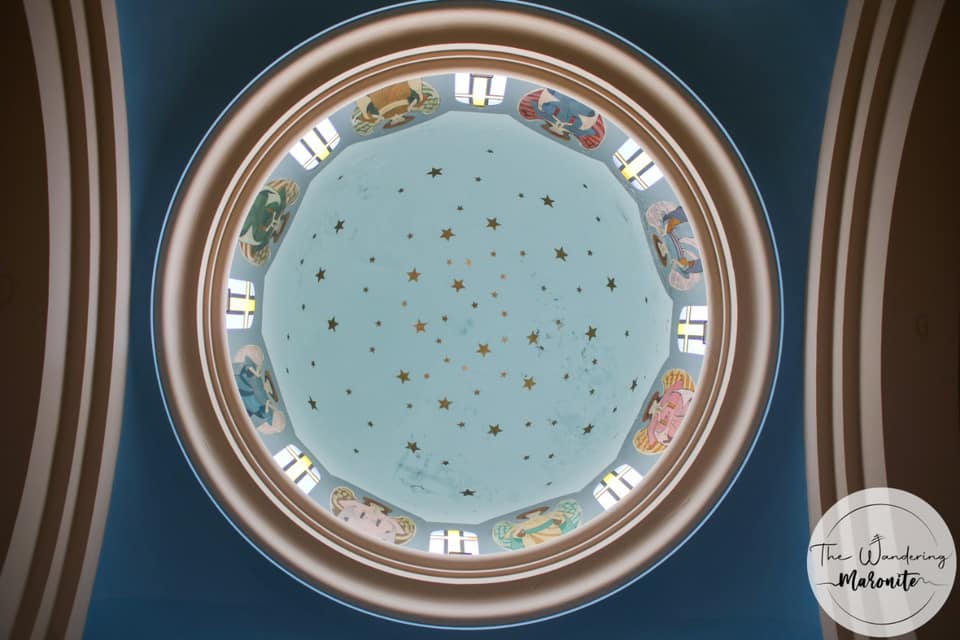
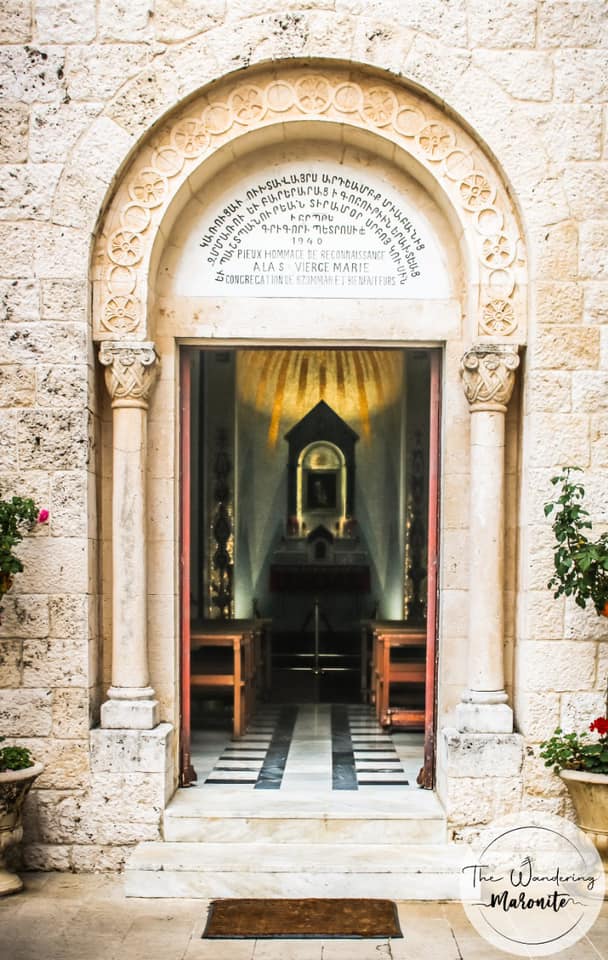
Bzommar – The chapel of Our Lady of Sorrows

Our lady of Bzoumar, Lebanon

Other Details

كابيلا سيّدة الآلام

Bzoummar

Keserwan

Mount Lebanon

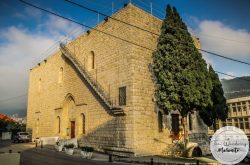
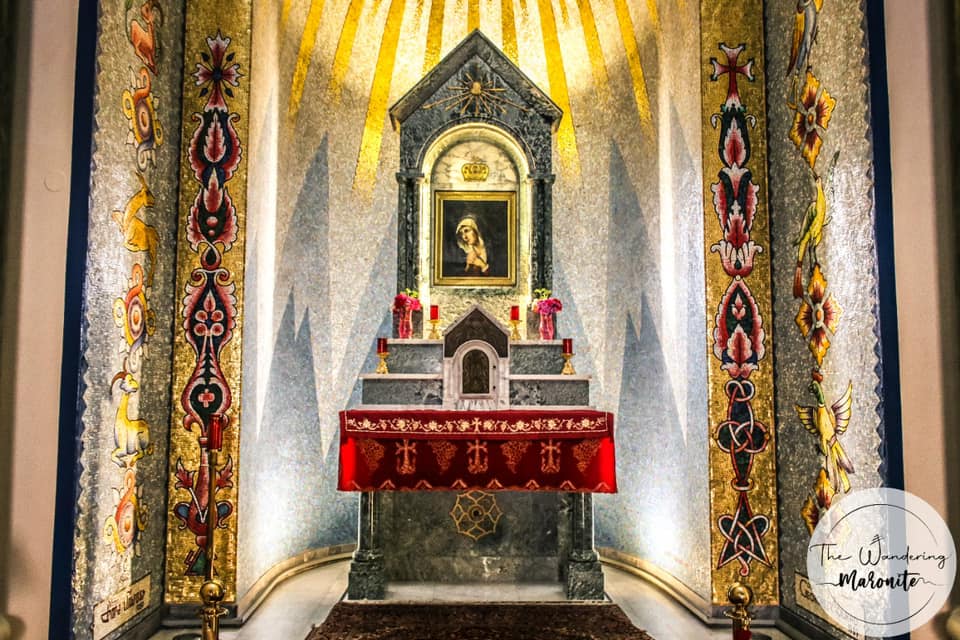
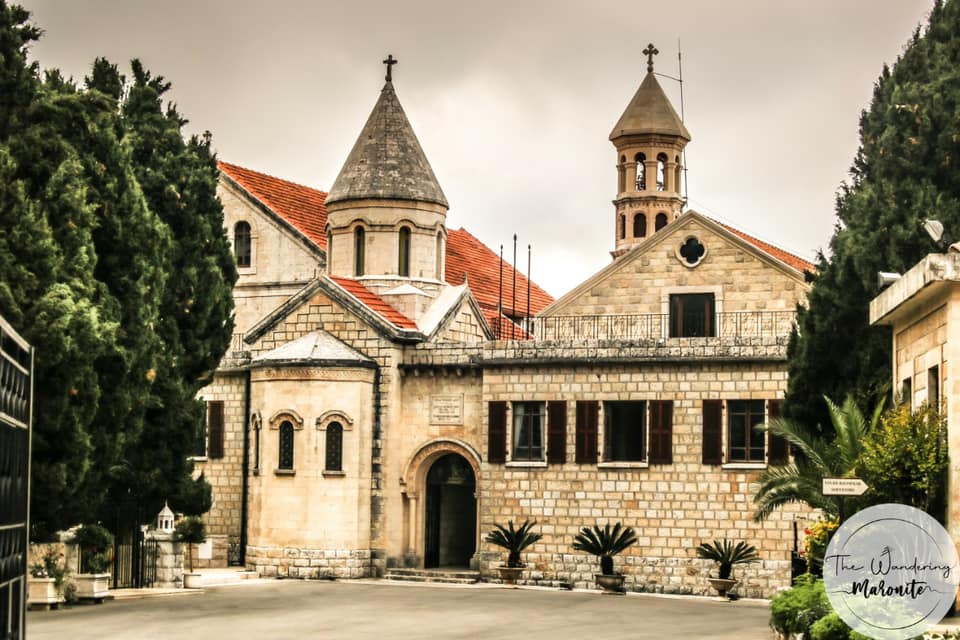
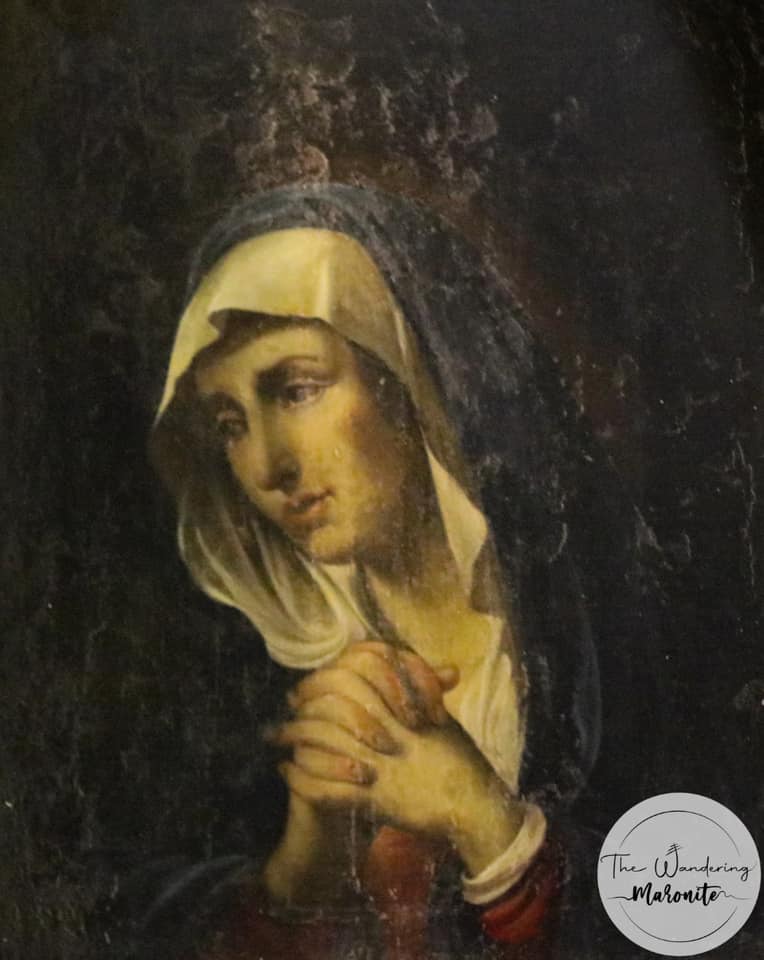
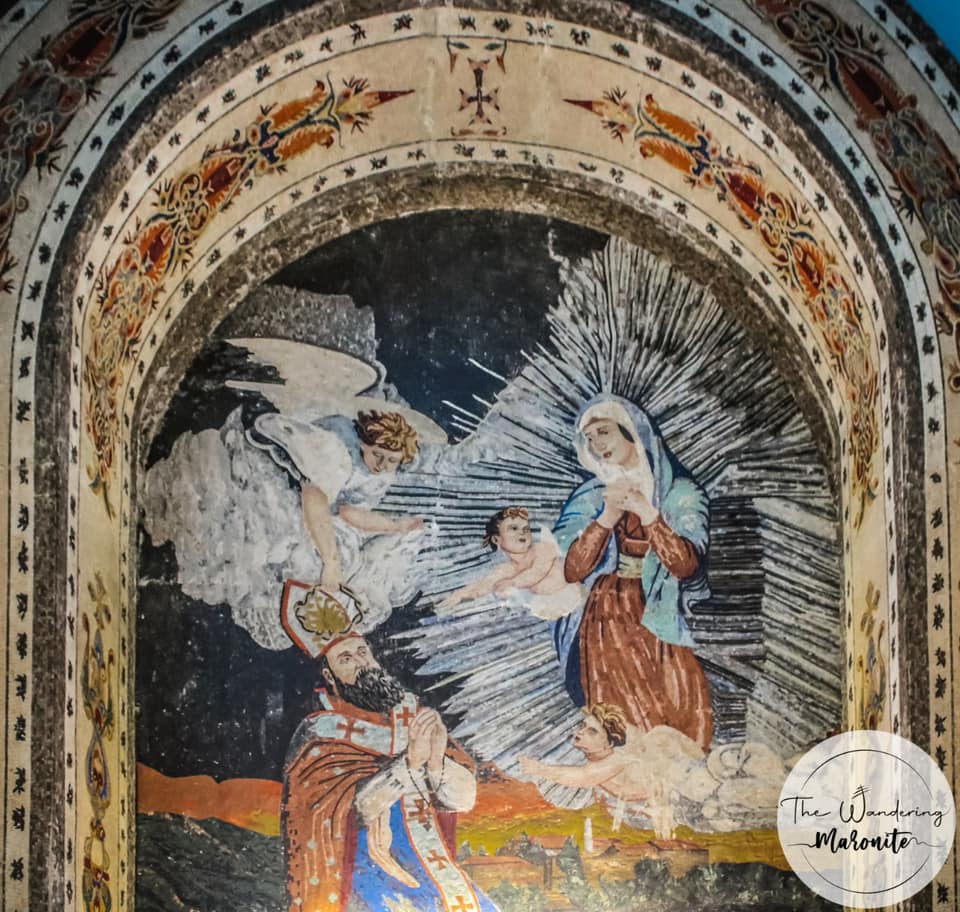
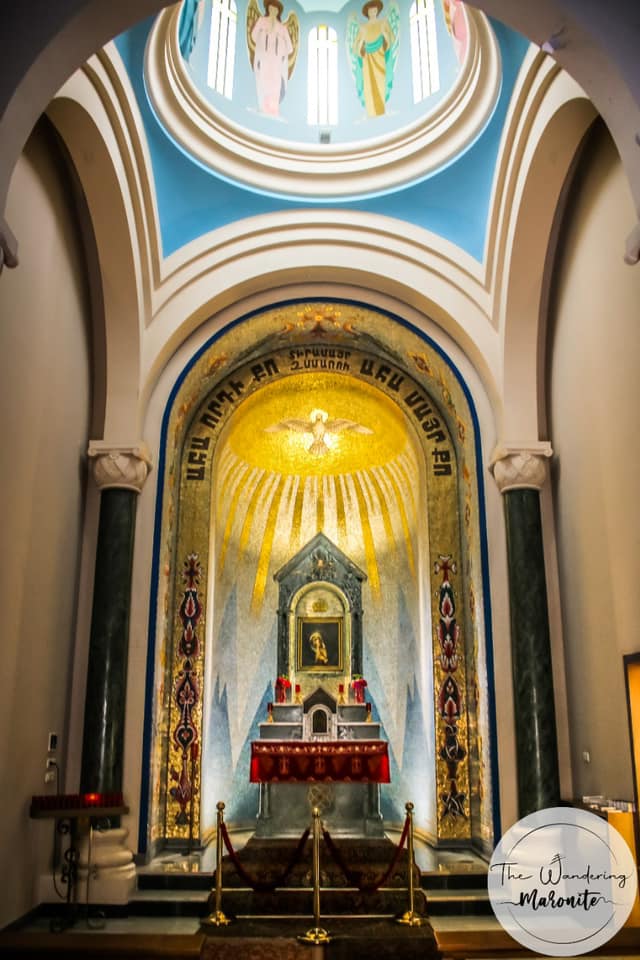
كابيلا سيّدة الآلام - بزمّار في القرن السادس عشر زار البطريرك ارزيفيان روما والتقى البابا بنديكتوس الرابع عشر، وأهداه أحد الكرادلة لوحة لسيّدة الآلام، منسوبة لمدرسة رافاييل تعود لرافاييل سانزيو أو الى غيراريو بار بيري. في رحلة العودة تعرّضت السفينة لخطر الغرق فرُميت اللوحة في البحر ووُجدت تطفو على المياه بشكلٍ عجائبيّ. بعد هذه الحادثة وُضعت اللوحة في كنيسة الدّير فوق العرش البطريركيّ.عام ١٨٠٢ ضربت الصاعقة الكنيسة، وسقطت على العرش البطريركيّ حيث كانت صورة العذراء، من دون الحاق الضرر بالعرش، ولا باللوحة، فبُنيت على إثر المعجزة كابيلا صغيرة ملاصقة للدّير وهي مزار للمؤمنين طالبين نِعم سيّدة الآلام. زارها قداسة البابا بنديكتوس السادس عشر سنة ٢٠١٢.The chapel of Our Lady of Sorrows - BzommarIn the XVIth century, the Armenian Patriarch Arzivian visited Rome and met pope Benedict XIV. He was gifted an icon of our Lady of Sorrows from an Italian cardinal. The painting is from Raphael’s school and is attributed to Raphael Sanzio or Gerario Parperi. On the way back the ship was in danger of shipwreck, and the painting was thrown in the sea with other furniture. It was rediscovered miraculously floating several days later. After the incident it was put over the patriarchal chair in the main church of Bzommar.In 1802 a lighting bolt hit the throne and the painting fell down, yet even the glass that was on it was miraculously preserved. A chapel adjacent to the monastery was erected to enshrine the miraculous icon. The chapel was visited by pope Benedict XVI in 2012.

Visited 3301 times, 5 Visits today

Reviews are disabled, but trackbacks and pingbacks are open.

Related Listings

Yammouneh – The Fountain of the Forty Martyrs

Yammouneh, Lebanon

نبع الأربعين شهيد

Yammouneh

Baalbek

Baalbek-Hermel

نبع الأربعين شهيد - اليمّونة

هو نبعُ ماءٍ طبيعيّ بقربه آثار رومانيّة. هذه الآثار تحوّلت إلى كنيسةٍ وديرٍ في العهد البيزنطيّ، وحافظ المكان على الإسم الذي يشير إلى شهداء سبسطية الأربعون. "

The Fountain of the Forty Martyrs - Yammouneh"

The fountain is a natural water source. Near the source, the Romans built some structures that were later converted into a church and a monastery during the Byzantine era. The ruins of the buildings are still visible, and the place has retained its dedication to the forty martyrs of Sebastopolis.

Ghalboun – The monastery of St Focas

Ghalboun, Lebanon

دير مار فوقا

Ghalboun

Jbeil

Mount Lebanon

دير مار فوقا - غلبون
دير مار فوقا في أعالي بلدة غلبون يعود بناؤه إلى الحقبة البيزنطيّة في القرن السادس. مع مرور الزمن، أصبح الدير أطلالًا وعبثت فيه عوامل الطبيعة. بقي من البناء بقايا الكنيسة التي أخذت شكلها الحاليّ في القرون الوسطى. الكنيسة بسوقٍ واحد بدون سقف وبحنية دائريّة.
The monastery of St Focas - Ghalboun
The monastery of St Focas was built in the VIth century during the Byzantine era. With time the monastery became abandoned, the only remains were those of the church that took its shape in the middle ages. The church is a single nave structure with no roof and a semi circular apse.

Blat Byblos – The church of St Elias

St Elias Church, Blat, Lebanon

كنيسة مار الياس

Blat Jbeil

Jbeil

Mount Lebanon

كنيسة مار الياس - بلاط جبيل

الكنيسة في الأساس مبنيّة بحجارة معبدٍ رومانيّ بُني في زمان الإمبراطور انطونان التقيّ كما تشير النقوش اليونانيّة على جدرانها. تحوي الكنيسة على عدّة آثار من المعبد القديم كتمثال صنمٍ في آخرها. في القرون الوسطى تزيّنت الكنيسة بمجموعة من الجداريّات ما زال قسمٌ منها ماثل. الكنيسة كناية عن بناء بنمط بازيليكيّ بثلاث أسواقٍ وعقدٍ سريريّ. في عهد المماليك إستُعملت هذه الكنيسة كخانٍ للمُسافرين، وفي بداية العهد العُثماني إستُعملت إسطبلاً للخيل في قسمٍ منها، وفي القسم الآخر أُنشئت معصرة للزيتون. وآلت ملكيتها لمشايخ آل حمادة الشيعة. وفي أوآخر القرن الثامن عشر قَدَمَ الشيخ وهبه الدحداح الأول من كسروان وإستملك بلاط، فَحوَّل الإسطبل الذي أصبح من أملاكه الى كنيسة على إسم مار الياس وأعاد ترميمها، فكرَّسها المطران يوسف المريض في 4 كانون الأول ١٨٧٠. وفي العام ١٩١٩ ضربتها صاعقة، فأعاد الشيخ إسكندر كنعان وهبه الدحداح ترميمها. وفي العام ١٩٧٨ قامت المديريّة العامّة للآثار بترميمها على الشكل الذي تقوم عليه الآن. تضمّ الكنيسة لوحةً لمار الياس من عمل كنعان ديب الدلبتاوي.

The church of St Elias - Blat Byblos

The church was built with the spolias of an ancient roman temple built during the reign of the emperor Antoninus the pious. The church holds many remanences of the temple : greek inscriptions and an idol. The church’s structure is a three naved basilical plan with a crib vault. It used to be covered with frescoes some of them can be seen today. During the Mamluk’s era the church was converted into a caravanserai. Later on it was converted into a stable and an olive pressing mill and remained so during the Ottoman era when it became property of the Shia lords of the Hemade family. The church was bought by the Sheikh Wehbe el Dahdah when he came from Kesserwan and bought the village of Blat. The church was reconsecrated and dedicated to the Saint Elias the Prophet by bishop Youssef el Marid of the 4th of december 1870. It was damaged by a lightning stroke and restored in 1919 by Sheikh Kanaan Wehbe Dahdah. The church was renovated by the Lebanese Directorate General of Antiquities in 1978. The church holds a painting of Elias by Kanaan Dib.