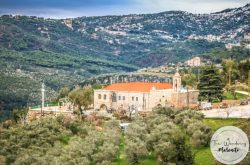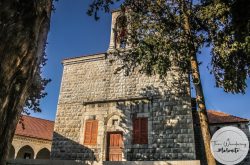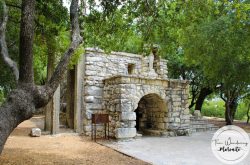

Blat Byblos – The church of St Elias

St Elias Church, Blat, Lebanon

Other Details

كنيسة مار الياس

Blat Jbeil

Jbeil

Mount Lebanon

كنيسة مار الياس - بلاط جبيل الكنيسة في الأساس مبنيّة بحجارة معبدٍ رومانيّ بُني في زمان الإمبراطور انطونان التقيّ كما تشير النقوش اليونانيّة على جدرانها. تحوي الكنيسة على عدّة آثار من المعبد القديم كتمثال صنمٍ في آخرها. في القرون الوسطى تزيّنت الكنيسة بمجموعة من الجداريّات ما زال قسمٌ منها ماثل. الكنيسة كناية عن بناء بنمط بازيليكيّ بثلاث أسواقٍ وعقدٍ سريريّ. في عهد المماليك إستُعملت هذه الكنيسة كخانٍ للمُسافرين، وفي بداية العهد العُثماني إستُعملت إسطبلاً للخيل في قسمٍ منها، وفي القسم الآخر أُنشئت معصرة للزيتون. وآلت ملكيتها لمشايخ آل حمادة الشيعة. وفي أوآخر القرن الثامن عشر قَدَمَ الشيخ وهبه الدحداح الأول من كسروان وإستملك بلاط، فَحوَّل الإسطبل الذي أصبح من أملاكه الى كنيسة على إسم مار الياس وأعاد ترميمها، فكرَّسها المطران يوسف المريض في 4 كانون الأول ١٨٧٠. وفي العام ١٩١٩ ضربتها صاعقة، فأعاد الشيخ إسكندر كنعان وهبه الدحداح ترميمها. وفي العام ١٩٧٨ قامت المديريّة العامّة للآثار بترميمها على الشكل الذي تقوم عليه الآن. تضمّ الكنيسة لوحةً لمار الياس من عمل كنعان ديب الدلبتاوي. The church of St Elias - Blat Byblos The church was built with the spolias of an ancient roman temple built during the reign of the emperor Antoninus the pious. The church holds many remanences of the temple : greek inscriptions and an idol. The church’s structure is a three naved basilical plan with a crib vault. It used to be covered with frescoes some of them can be seen today. During the Mamluk’s era the church was converted into a caravanserai. Later on it was converted into a stable and an olive pressing mill and remained so during the Ottoman era when it became property of the Shia lords of the Hemade family. The church was bought by the Sheikh Wehbe el Dahdah when he came from Kesserwan and bought the village of Blat. The church was reconsecrated and dedicated to the Saint Elias the Prophet by bishop Youssef el Marid of the 4th of december 1870. It was damaged by a lightning stroke and restored in 1919 by Sheikh Kanaan Wehbe Dahdah. The church was renovated by the Lebanese Directorate General of Antiquities in 1978. The church holds a painting of Elias by Kanaan Dib.

Visited 4703 times, 4 Visits today

Reviews are disabled, but trackbacks and pingbacks are open.

Related Listings

Qrayeh Sidon – The church of St George

St Georges Maronite Church, Qraiyeh, Lebanon

كنيسة مار جرجس

Qraiyet Saida

Saida

South

كنيسة مار جرجس - القريّة صيدا

بُنيت الكنيسة الأولى مع قدوم المسيحيّين إلى البلدة في القرن الثامن عشر، وكانت كنيسة صغيرة قليلة الإرتفاع تعرف بالقبو. تعرّضت هذه الكنيسة للتخريب في أحداث سنة ١٨٦٠. سنة ١٩١٤ ومع ازدياد عدد الأهالي، تقرّر بناء كنيسةٍ أكبر في الموضع عينه. فبدأ المشروع في عهد المطران بولس بصبوص والخوري بطرس كسّاب، نفّذه المعمار الياس قسطنطين من عبرا. وهي كنيسة بسوقٍ واحد ينتهي بحنية وسقف قرميد. في ستّينيات القرن العشرين أضيفت إلى قبّتها برج للجرس عند الواجهة الغربيّة. اللوحة التصويريّة من عمل راجي الحاج تعود لسنة ١٩٣٩. تعرّضت الكنيسة للعبث سنة ١٩٨٥ مع تهجير المسيحيّين من شرق صيدا، وأخذَت حلّةً جديدةً بالترميم في أواخر تسعينات القرن العشرين.

The church of St George - Qrayeh Sidon

The first church was built with the settlement of christians in the region in the XVIIIth century. It was known as the Qabou (the cellar) hence it was a small structure. It was sabotaged in the war of 1860. In 1914 with the growth of the congregation, the village needed a new church. The construction began during the pontificate of Bishop Boulos Basbous and Fr. Boutros Kassab, construction was executed by Elias Constantin from Abra. The church is of a single nave ending with an apse, and a brick roof. During the late sixties a bell tower was added to the original old one on the western side. The painting is the work of Raji el Hajj 1939. The church was sabotaged during the civil war in 1985, and restored in the last decade of the XXth century.

Bqorqasha – St Simon the stylite hermitage

Monastery of St. Simon, Bqerqacha, Lebanon

محبسة مار سمعان العاموديّ

Bqerqacha

Bcharre

North

محبسة مار سمعان العاموديّ - بقرقاشا

هذه المحبسة المبنيّة في حرف شيرٍ صخريّ، تعود للقرون الوسطى. بحسب البطريرك الدويهيّ بنتها سنة ١١١٢ تقلا إبنة الخوري باسيل البشرّاني على إسم مار جرجس ومار ضوميط، وما برحت وتحوّلت على اسم مار سمعان العاموديّ. يشهد على ذلك كتاب الريش قُريان السريانيّ الخاص بالمحبسة، الذي يعود لسنة ١٢٤٢، وهو محفوظ في جامعة السلامانكا.

St Simon the stylite hermitage - Bqorqasha

The hermitage is built on the slope of a rocky cliff in the holy valley of Qannoubin. It dates back according to patriarch Stephen Al Douwaihy to year 1112 when Thekle the daughter of a priest named Basil of Bsharre built a hermitage dedicated to Sts George and Doumith, that was rededicated to St Simon the stylite. A Syriac lectionary proper to the hermitage, the Rish Qoryan, dating back to 1242, that was discovered and conserved in Salamanca’s university, attests this story.

Hrash Aïn el rihane – The old monastery of St John

Mar Youhanna El Maam - Church, Deir Hrach, Lebanon

دير مار يوحّنا المعمدان القديم

1570

Ain Er-Rihane

Keserwan

Mount Lebanon

دير مار يوحّنا المعمدان القديم - حراش عين الريحانة

بنى الدير القديم سنة ١٥٧٠ سليمان الحاج إبن حبيش على اسم مار يوحنّا المعمدان. وهو كناية عن كنيسةٍ بعقدٍ سريريٍّ عالٍ، وبعض القلالي. أصبح الدّير كرسيًّا أسقفيًّا لدمشق وبيروت تباعًا. سنة ١٦٤٢ إشتراه الأسقف يوسف حليب العاقوري وبنى سنة ١٦٤٣ الدّير الجديد الذي جعله مسكنًا للراهبات. سنة ١٦٤٤ أصبح الدّير مع انتخاب يوسف العاقوري، كرسيًّا بطريركيًّا. سكن الدّير العديد من الأساقفة في القرنين التاليين وجعله البطريرك ميخائيل فاضل مقرًّا له. في القرن التاسع عشر وُسّع الديّر وجُعل ديرًا للإبتداء. أهميّة هذا الدّير عدا عن كونه مقرًّا بطريركيًّا هو بناؤه في الفترة الأولى بعد عودة الموارنة إلى كسروان، كذلك إحتضانه لأولى الأديار القانونيّة، وتنفيذه لقرار لفصل أديار الرهبان عن الراهبات بعد المجمع اللبنانيّ سنة ١٧٣٦.

The old monastery of St John - Hrash Aïn el rihane

The monastery was built in 1570 by Sleiman el Hajj Hobeish. He dedicated a church and some adjacent cells to St John the baptist. The church is a high crib vault with many spolias used in the building. The monastery was used as an episcopal seat to the sees of Beirut and Damscus. In 1642 bishop Youssef Halib el Aqoury bought the old monastery and built the nunery the next year. Upon bishop’s Youssef election in 1643 the monastery became a patriarchal see. After him many bishops resided, and Patriarch Michael Fadel also took it as his see. In the XIXth century the monastery became a noviciate. The importance of this monastery to the church resides in it’s being a patriarcal seat, it was built right after the return of the Maronites to Kesserwan, it was one of the first headquarters to a canonical monastic order after the Lebanese council of 1736.