
Bickfaya – Saint Michael Church

Saint Michael Church, Lebanon

Other Details

كنيسة مار ميخائيل

Bickfaya

Metn

Mount Lebanon

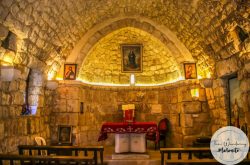
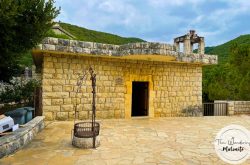
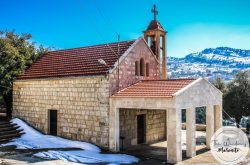
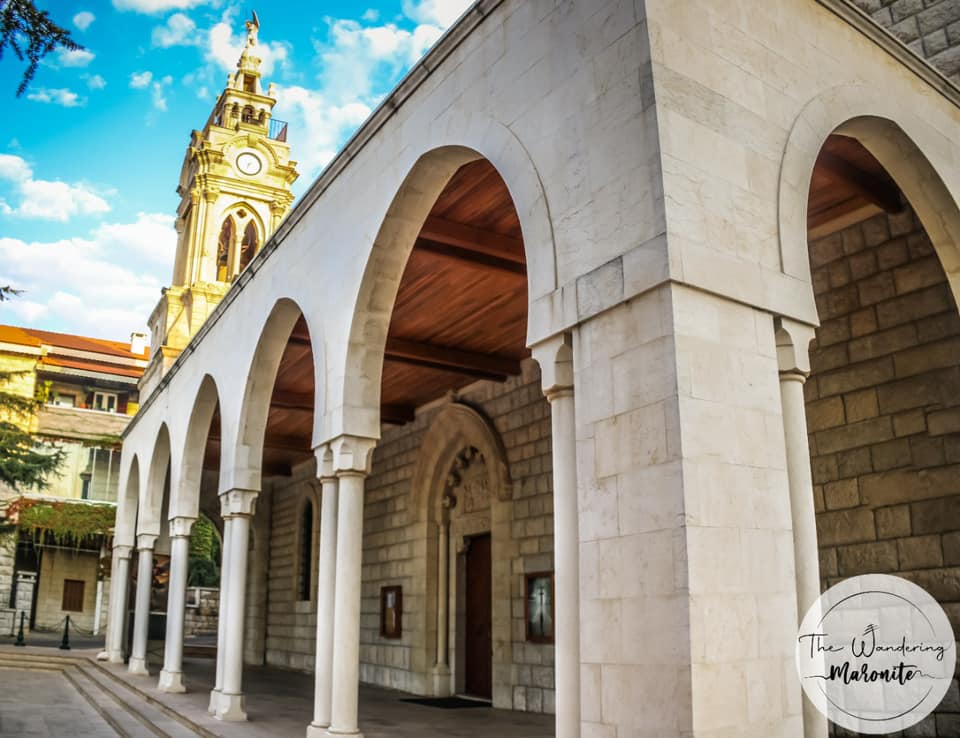
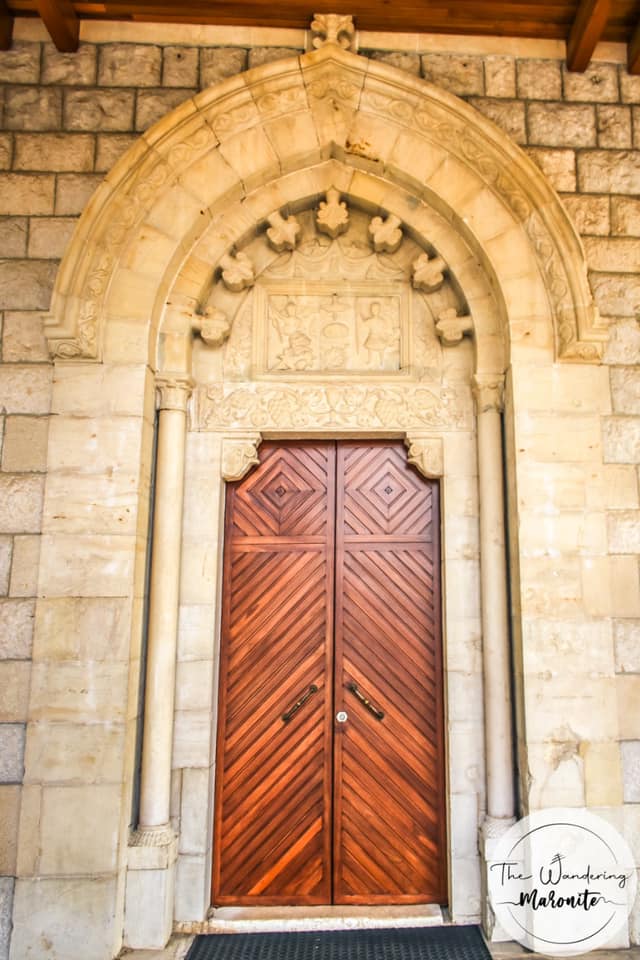
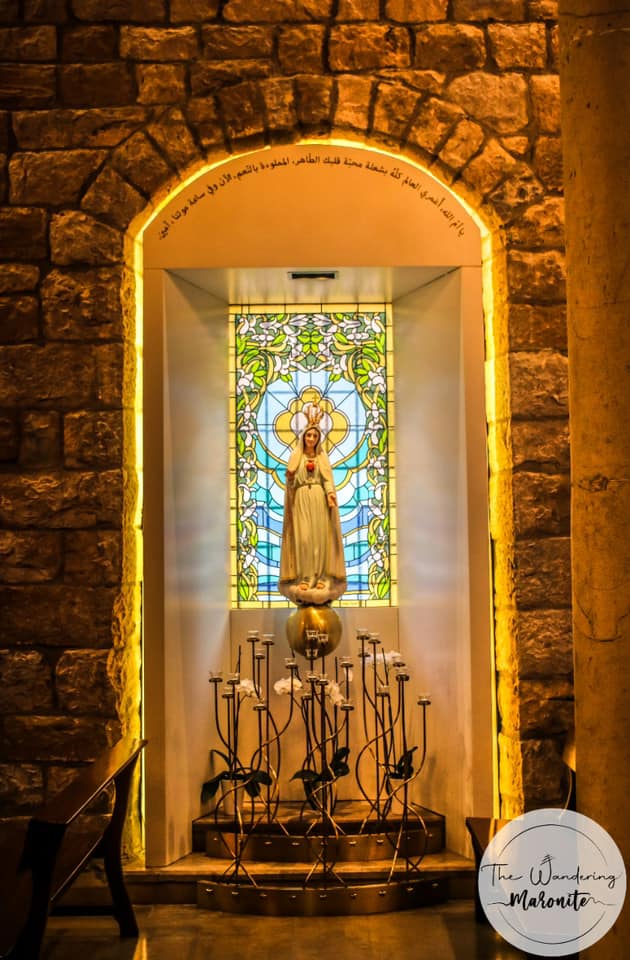
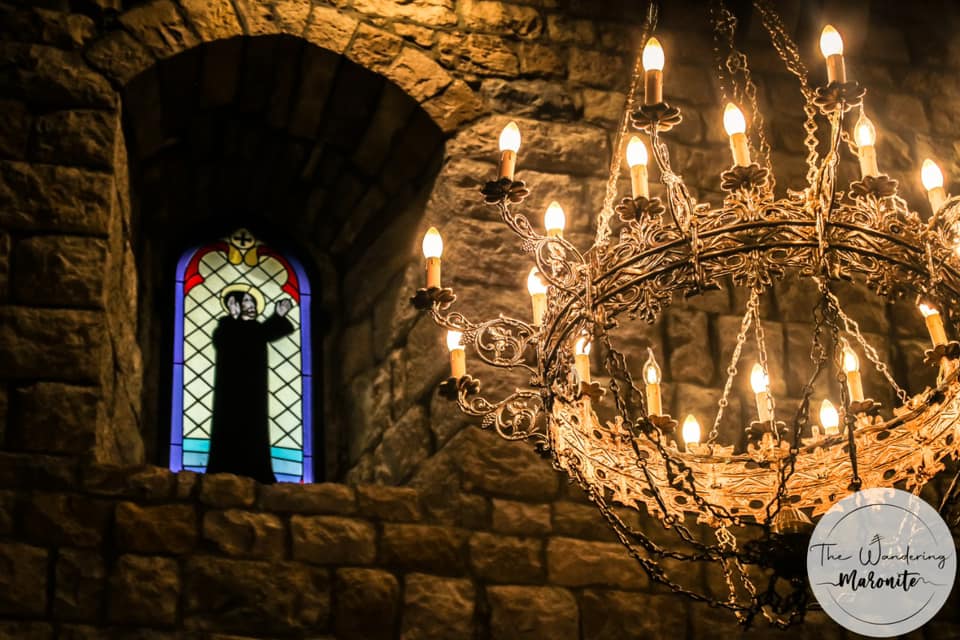
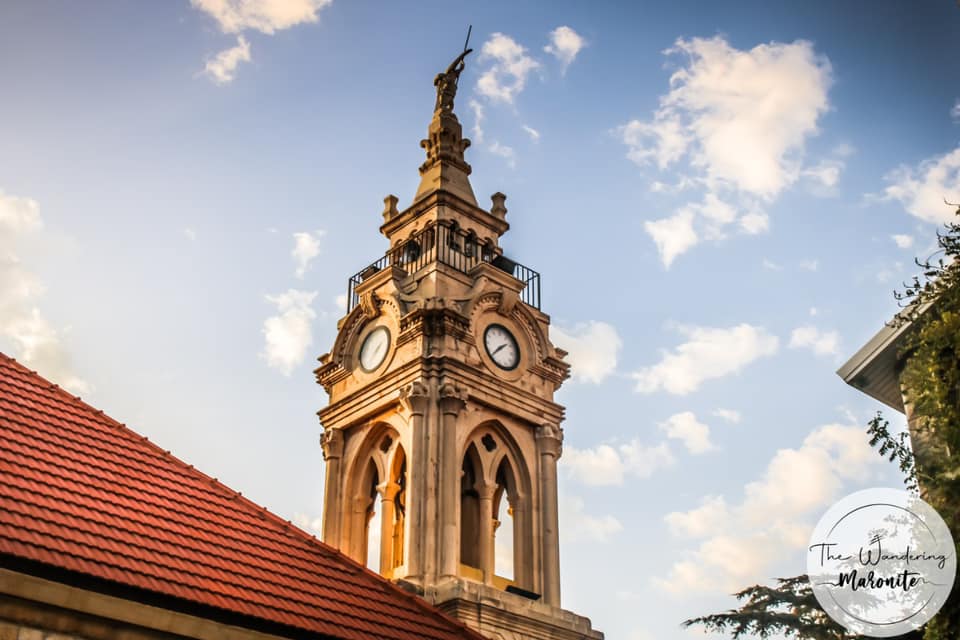
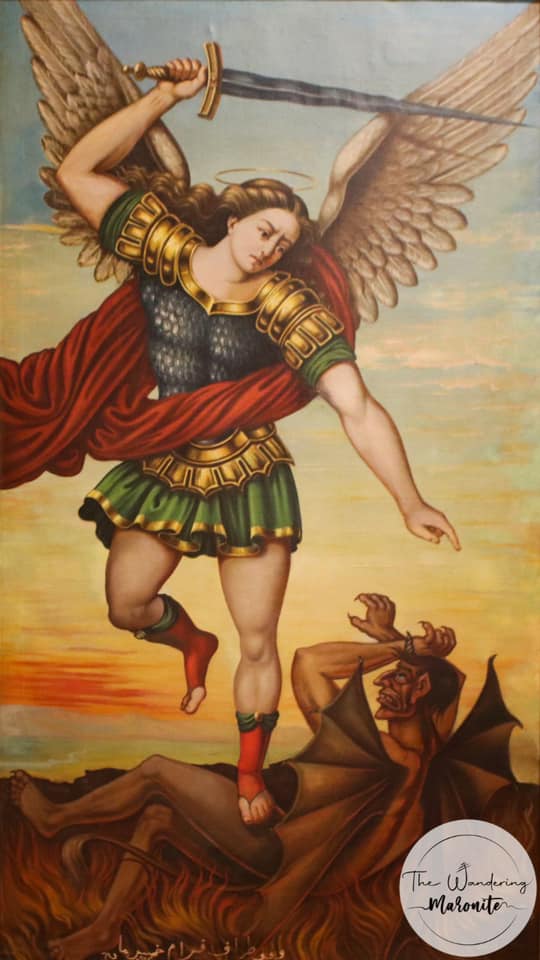
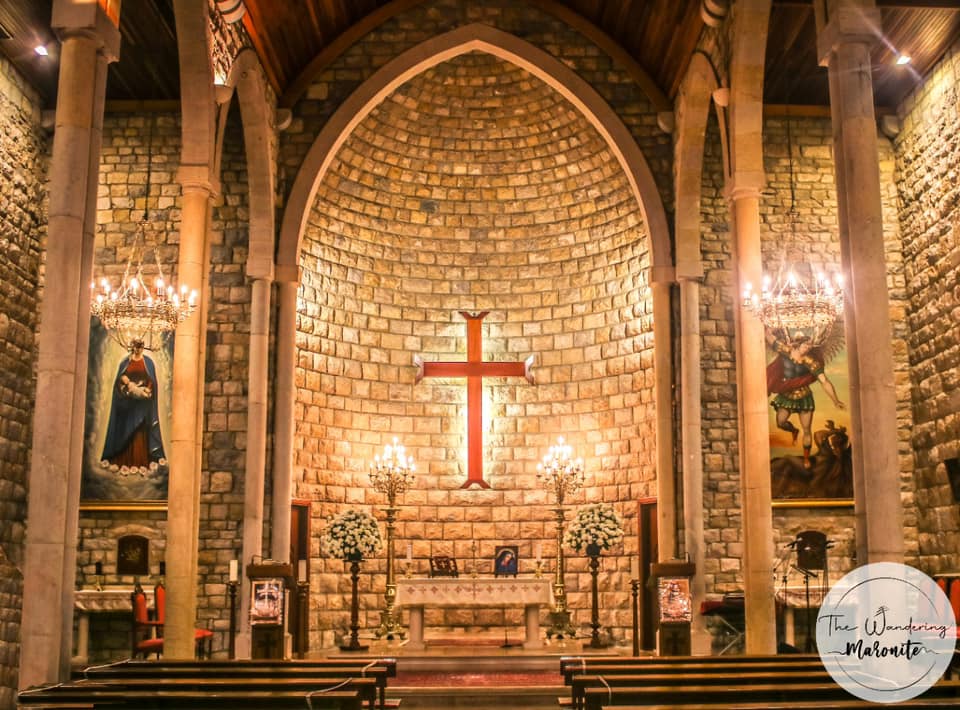
كنيسة مار ميخائيل - بكفيّاسنة ١٥٩٠ حدث خلاف بين البطريرك سركيس الرزّي والمطران أنطون الجميّل الذي منعه من زيارة بكفيّا، فاستاء العديد من آل الجميّل جرّاء هذا الخلاف وناصروا البطريرك، ممّا دفعهم لبناء كنيسة جديدة سنة ١٥٩٢ بسعي الخوري عيسى الخرّاط مكرّسة لمار ميخائيل. توسّعت الكنيسة عدّة مرّات أهمّها سنة ١٨٨٧ حين أعاد تكريسها المطران نعمة الله سلوان، وبعد الحرب الأهليّة. تضمّ الكنيسة قبّة نيوغوطيّة يعلوها تمثال مار ميخائيل. لوحة مار ميخائيل هي للمستشرق وليم الألمانيّ تعود لسنة ١٨٣٩، أمّ لوحة العذراء فهي من رسم حبيب خوري سنة ٢٠٠٦.The church of St Michael - BikfayaIn 1590 a conflict happened between Patriarch Sarkis el Rezzi and bishop Antoun Gemayel who forbade him from visiting Bikfaya. Because of this mishap, many supporters of the patriarch from the Gemayel clan decided with father Issa Kharrat to build a church dedicated to St Michael in 1592. The church was enlarged and renovated on several occasions, the most important are 1887 when it was rededicated by bishop Nematullah Salean and after the Lebanese Civil War. The church holds a neo gothic bell tower. St Michael’s painting is the work of a german orientalist called William and dates back to 1839. The painting of the Madonna is painted by Habib Khoury in 2006.

Visited 2417 times, 1 Visit today

Reviews are disabled, but trackbacks and pingbacks are open.

Related Listings

Blat Byblos – The church of St Elias

St Elias Church, Blat, Lebanon

كنيسة مار الياس

Blat Jbeil

Jbeil

Mount Lebanon

كنيسة مار الياس - بلاط جبيل

الكنيسة في الأساس مبنيّة بحجارة معبدٍ رومانيّ بُني في زمان الإمبراطور انطونان التقيّ كما تشير النقوش اليونانيّة على جدرانها. تحوي الكنيسة على عدّة آثار من المعبد القديم كتمثال صنمٍ في آخرها. في القرون الوسطى تزيّنت الكنيسة بمجموعة من الجداريّات ما زال قسمٌ منها ماثل. الكنيسة كناية عن بناء بنمط بازيليكيّ بثلاث أسواقٍ وعقدٍ سريريّ. في عهد المماليك إستُعملت هذه الكنيسة كخانٍ للمُسافرين، وفي بداية العهد العُثماني إستُعملت إسطبلاً للخيل في قسمٍ منها، وفي القسم الآخر أُنشئت معصرة للزيتون. وآلت ملكيتها لمشايخ آل حمادة الشيعة. وفي أوآخر القرن الثامن عشر قَدَمَ الشيخ وهبه الدحداح الأول من كسروان وإستملك بلاط، فَحوَّل الإسطبل الذي أصبح من أملاكه الى كنيسة على إسم مار الياس وأعاد ترميمها، فكرَّسها المطران يوسف المريض في 4 كانون الأول ١٨٧٠. وفي العام ١٩١٩ ضربتها صاعقة، فأعاد الشيخ إسكندر كنعان وهبه الدحداح ترميمها. وفي العام ١٩٧٨ قامت المديريّة العامّة للآثار بترميمها على الشكل الذي تقوم عليه الآن. تضمّ الكنيسة لوحةً لمار الياس من عمل كنعان ديب الدلبتاوي.

The church of St Elias - Blat Byblos

The church was built with the spolias of an ancient roman temple built during the reign of the emperor Antoninus the pious. The church holds many remanences of the temple : greek inscriptions and an idol. The church’s structure is a three naved basilical plan with a crib vault. It used to be covered with frescoes some of them can be seen today. During the Mamluk’s era the church was converted into a caravanserai. Later on it was converted into a stable and an olive pressing mill and remained so during the Ottoman era when it became property of the Shia lords of the Hemade family. The church was bought by the Sheikh Wehbe el Dahdah when he came from Kesserwan and bought the village of Blat. The church was reconsecrated and dedicated to the Saint Elias the Prophet by bishop Youssef el Marid of the 4th of december 1870. It was damaged by a lightning stroke and restored in 1919 by Sheikh Kanaan Wehbe Dahdah. The church was renovated by the Lebanese Directorate General of Antiquities in 1978. The church holds a painting of Elias by Kanaan Dib.

Zahle – The Church of St. Rafqa

Saint Rafka, Zahlé, Lebanon

كنيسة القديسة رفقا

Zahlé Saydet En-Najat

Zahle

Bekaa

كنيسة القديسة رفقا - زحلة

في أواخر القرن التاسع عشر، بدأت الإرسالية الأميركية الإنجيلية مهمّتها في مدينة زحلة. قامت هذه البعثة ببناء كنيسة بتصميم يشبه بيوت المدينة في تلك الحقبة الزمنية. في بداية القرن الحادي والعشرين، بعدما بدأ عدد المؤمنين بالانخفاض، تم شراء الكنيسة من قبل دير مار أنطونيوس الكبير التابع للرهبنة اللبنانية المارونية، وتحويلها إلى كنيسة مخصصة للقديسة رفقا.

The Church of St. Rafqa - Zahle

In the last decades of the 19th century, an American evangelical mission was established in Zahle. This mission built a church in the local architectural style of houses during that time. In the beginning of the 21st century, after the number of evangelicals began to dwindle, the church was bought by the Monastery of St. Anthony the Great of the Lebanese Maronite Order, who converted it into a chapel dedicated to St. Rafqa. Iglesia de Santa Rafka - Zahle En las últimas décadas del siglo XIX se estableció en Zahle una misión evangélica estadounidense. Esta misión construyó una iglesia según el estilo arquitectónico local de las casas de la época. A principios del siglo XXI, después de que el número de evangélicos empezara a disminuir, la iglesia fue comprada por el Monasterio de San Antonio el Grande de la Orden Libanesa Maronita, que la convirtió en una capilla dedicada a San Rafka.

Kobayyat – The monastery of Chalita

Saint Challita church, Qatlabah, Lebanon

دير مار شليطا

Qbaiyat Aakkar

Akkar

Akkar

دير مار شليطا - القبيات

يقع الدّير في منطقة وادي حلسبان، في الأصل كان البناء معبدًا رومانيًّا للإله بان إله الرعيان والمواشي. حوّله الأهالي إلى كنيسةٍ بيزنطيّة على اسم القدّيس شليطا (أرتاميوس) شفيع الحيوانات والمواشي، إشارةً إلى تحوّلهم من الوثنيّة. بقي الدّير مُهملاً فترةً طويلةً، فآل إلى الخراب. خلال تسعينيّات القرن العشرين رُمّم الدّير، لكنّ الترميم أزال قسمًا كبيرًا من معالمه. أصبح الدّير اليوم مقصدًا للسيّاح ومحجًّا.

The monastery of Chalita - Kobayyat

The monastery is located in the valley of Helesban. The building was a roman temple dedicated to Pan the god of shepherds. The temple was converted into a church during the byzantine era and was dedicated to St Chalita (Arthemius) the patron saint of animals and heards. After the middle ages, the monastery fell into ruins for along time. The structure was restored in the last decade of the XXth century, yet the restoration destroyed many of the original elements. The monastery became a pilgrimage site.