
Bane – The church of St George

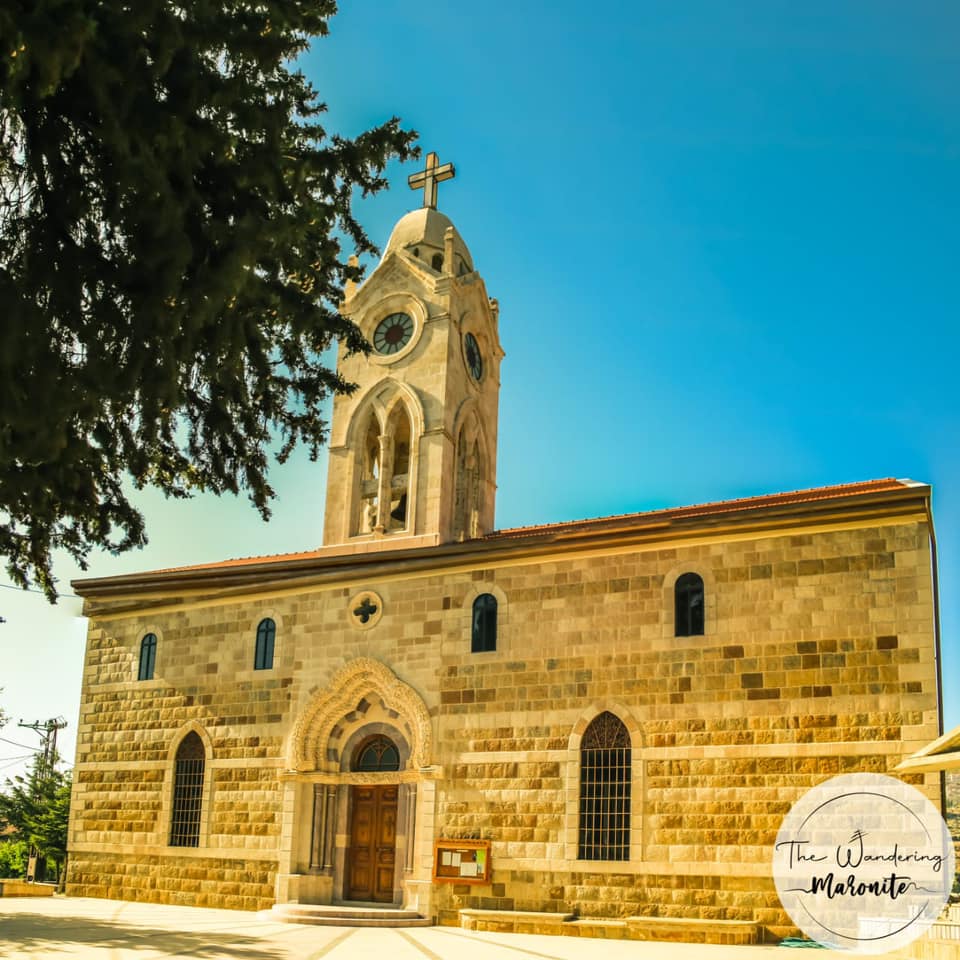
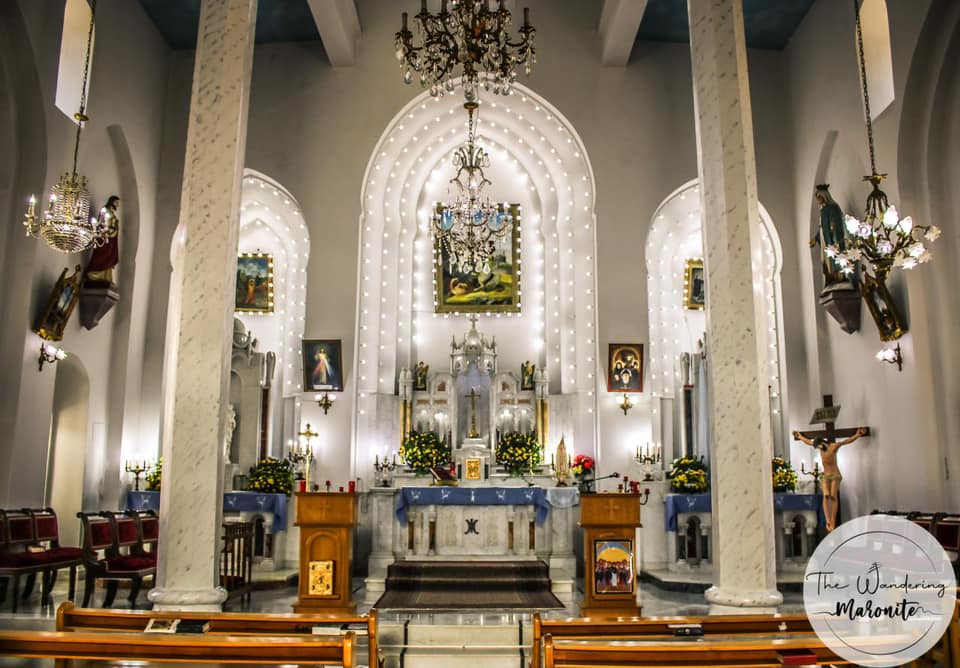
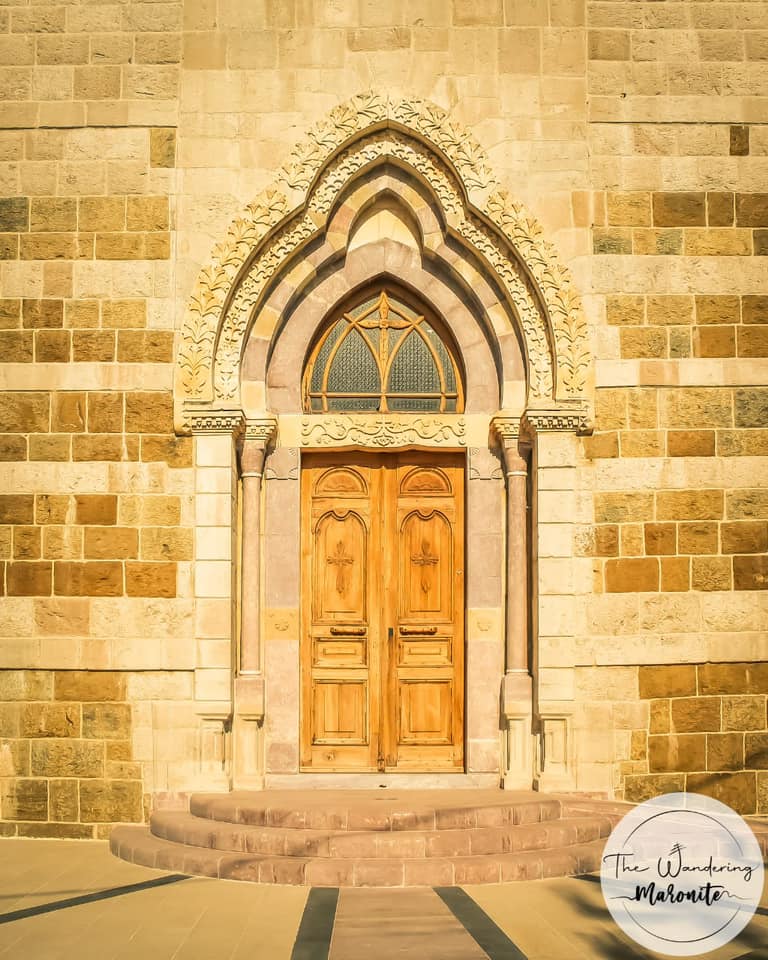
St Georges Church, Bane, Lebanon

Other Details

كنيسة مار جرجس

Bane

Bcharre

North

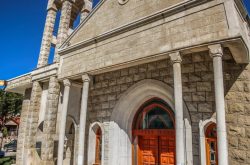
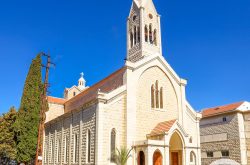
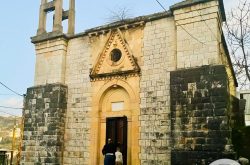
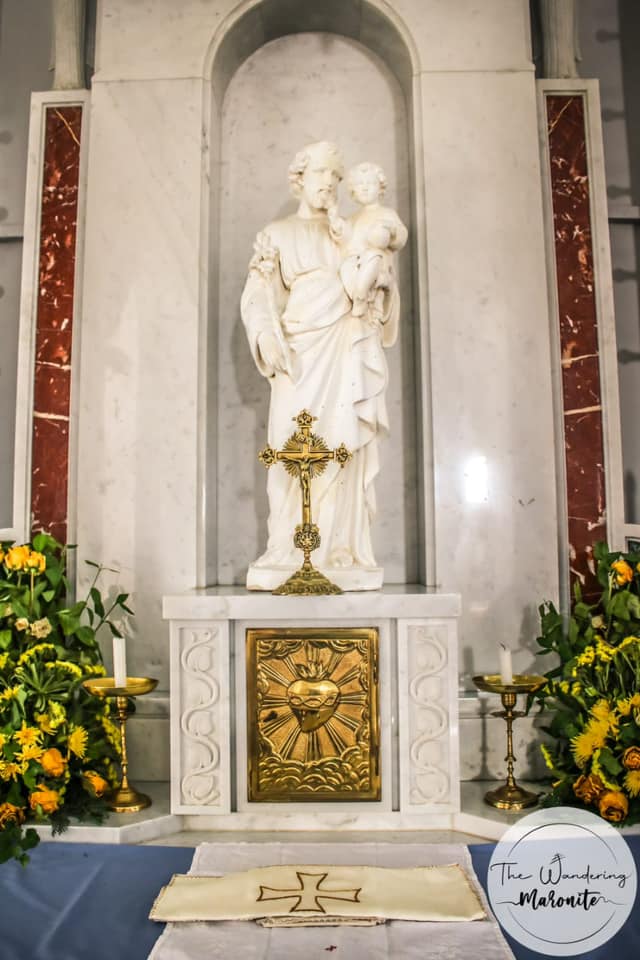
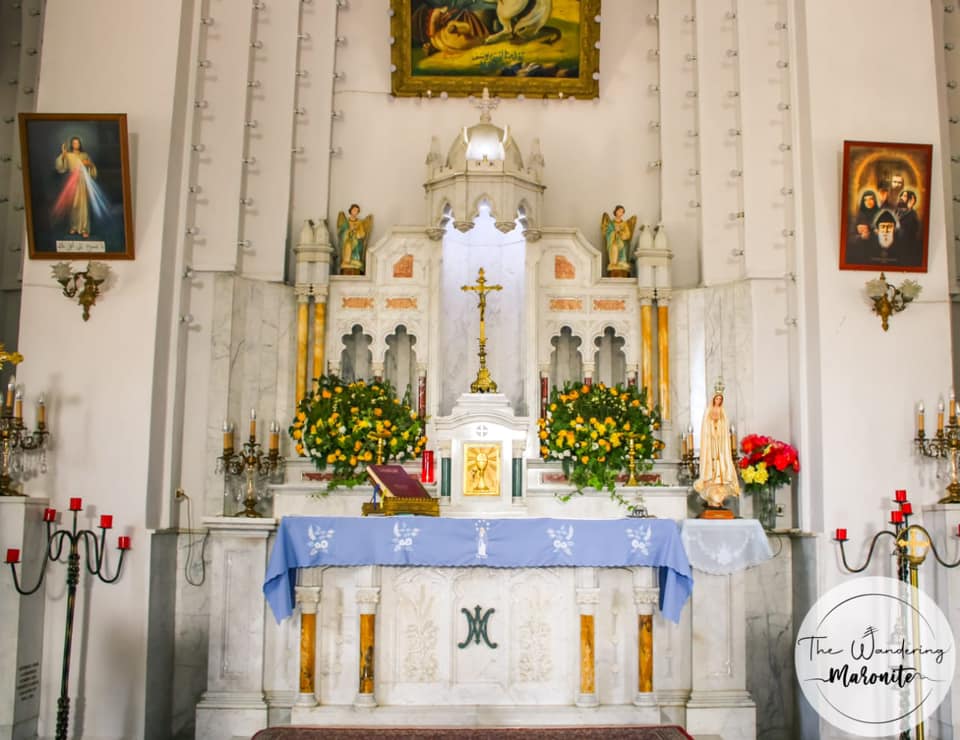
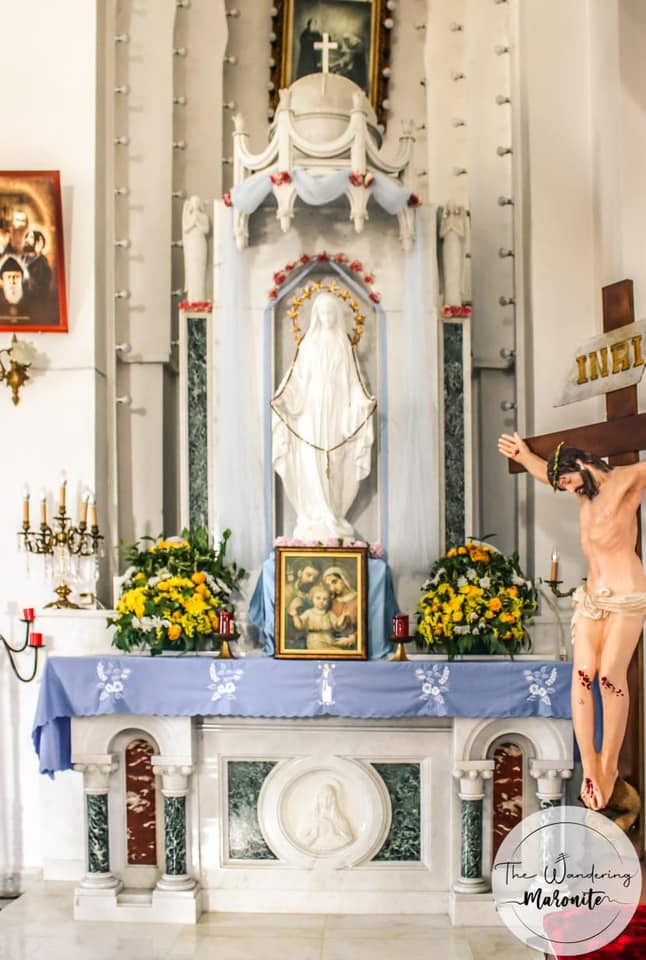
كنيسة مار جرجس - بانهي كنيسة بان الرعائيّة، بُنيت أوائل القرن التاسع عشر موضع كنيستين صغيرتين على اسم مار اسطفان والأخرى على إسم مار نوهرا أقدم عهدًا، وبقي أثر أعتاب هاتين الكنيستين في الواجهة الحاليّة، وكرّس المذبحين الجانبيّين لشفاعة هذين القدّيسين. الكنيسة نمطها بازيليكيّ بثلاث أسواق تنتهي بثلاث مذابح رخاميّة نمطها نيوغوطيّ. رمّمت الكنيسة عدّة مرّاتٍ آخرها في العام ١٩٢٤ حين أخذ مدخل الكنيسة شكله الحاليّ، مع مدخلٍ جنوبيٍّ برتاجٍ ضخم. أواسط القرن العشرين تمّ بناء القبّة وهي من تصميمٍ إيطاليّ.The church of St George - BaneSt George is the parish church of Bane, built in the XIXth century, over the ruins of two older smaller churches dedicated to Sts Stephen and Nohra. The entablature of the old churches were inserted into the new building, and the two side altars were dedicated to both saints respectively. The church is basilical with three naves ending with three marble neo gothic altars. The church was restored many times the last being in 1924 with the grand southern entrance and portico. In the mid XXth century the bell tower was added by an Italian architect.

Visited 3269 times, 2 Visits today

Reviews are disabled, but trackbacks and pingbacks are open.

Related Listings

Qannoubin – The monastery of our Lady of Qannoubin

Deir Qannoubine monastery, Wadi Qannoubine, Lebanon

دير سيّدة قنّوبين

Ouadi Qannoubine

Bcharre

North

دير سيّدة قنّوبين - قنّوبين

هو من أهمّ وأقدم الأديار الأثريَّة في الوادي المقدّس. كان الكرسيّ البطريركيّ للكنيسة المارونيَّة من القرن الخامس عشر حتَّى القرن التاسع عشر. أعطى اسمه لجزء من وادي قاديشا أي وادي قنّوبين، ومعناه من اليونانيّة الشركة.
بحسب تقليد الكنيسة المارونيَّة، أسَّس هذا الدير تاودوسيوس الكبَّادوكيّ، في القرن السادس. أمَّا تقليد الكنيسة السريانيَّة الأرثوذكسيَّة فيذكر أنَّ الإمبراطور تاودوسيوس الأوَّل، في القرن الرابع، بنى كنيسة سيِّدة قنُّوبين. هذان التقليدان ليسا إلاَّ إثباتًا على قِدَم الدير وأهمِّيَّته بالنسبة إلى تاريخ الكنيسة في لبنان. يذكر التقليد أن القدّيسة مارينا سكنته وماتت ودفنت في المغارة المجاورة. إنتقل إليه البطريرك يوحنّا الجاجيّ على إثر تنكيل والي طرابلس بالموارنة. فأصبح مقرًّا بطريركيًّا.
جداريّات الكنيسة الأساسيّة مرسومة على عدّة مراحل من القرن العاشر وصاعدًا. جداريّات المذابح: الشفاعة، مار يوسف ومار دانيال، وجداريّة تكليل السيّدة هي من عمل الراهب اللبنانيّ بطرس القبرصيّ.

The monastery of our Lady of Qannoubin - Qannoubin

The monastery is one of the most important religious sites for the Maronite church. Two traditions narrate its history both attesting the great history behind it: the Maronite tradition dates it back to the VIth century with Theodosius the Cappadocien. The Syriac tradition dates it back to the IVth century when the Byzantine emperor Theodosius the first built a church dedicated for the Madonna in Qannoubin.
The frescoes of the main church were done layer over layer starting the Xth century up until the XVIth century when Boutros el Qobersy the Lebanese monk painted the three apses frescoes: the Deisis, St Joseph and St Daniel, and the frescoe of the coronation of the Virgin.

Kfarshleiman – The church of Our Lady of Naya

Sayyidat Naya Church, Kafr, Lebanon

كنيسة سيّدة نايا

Kfarb Shlaimane

Batroun

Mount Lebanon

كنيسة سيّدة نايا - كفرشليمان

كانت كفرشليمان مركزًا لمعبدٍ فينيقيّ تحوّل في القرن الخامس الميلادي مع إنتشار الديانة المسيحية، الى كنيسة على إسم سيّدة نايا (الكنيسة الجديدة). إزدانت الكنيسة برسوم وجدرانيات ونقوش مميزة على صخورها رمّمت عام ٢٠٠٧. في الكنيسة جداريّات الشفاعة ، الضابط الكلّ، العذراء المرضعة، مار أفسطاقيوس.
كان البطريرك يوسف التِيّان متنسكًا في هذه الكنيسة، بعدما إستقال من السّدة البطريركية جرّاء خلافه مع الأمير بشير الثاني الشهابيّ.

The church of Our Lady of Naya - Kfarshleiman

Kfarshleiman was the land of a Phoenician shrine that was converted in the Vth century into a Byzantine church dedicated to our Lady and named “nea” meaning new church. The church was ornate with frescoes that were restored in 2007 representing: the Deisis, the Pantokrator, the Nourishing Virgin, St Eustache.
The Patriarch Youssef el Tyan used the church as a hermitage for a while after he resigned from his seat due to the polemic with Prince Beshir the second Shehab.