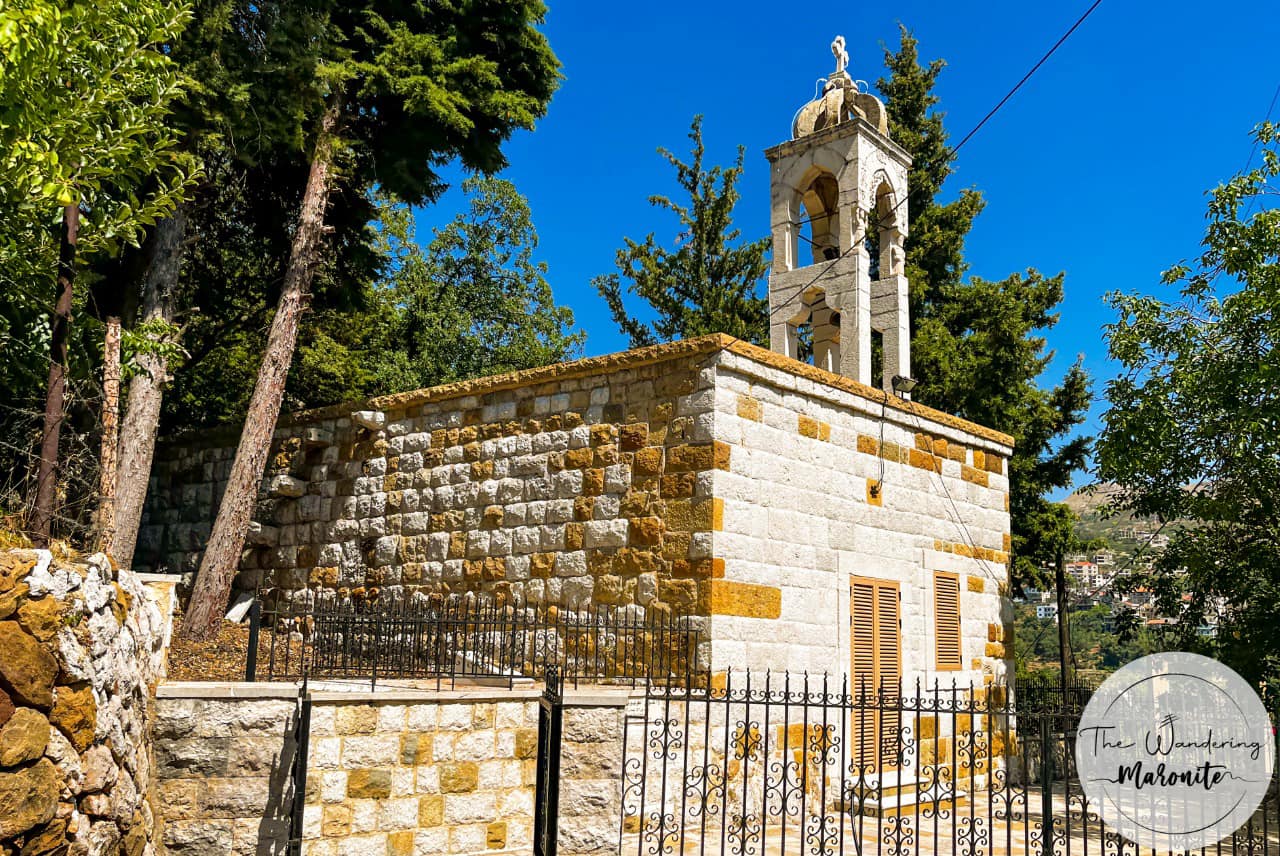
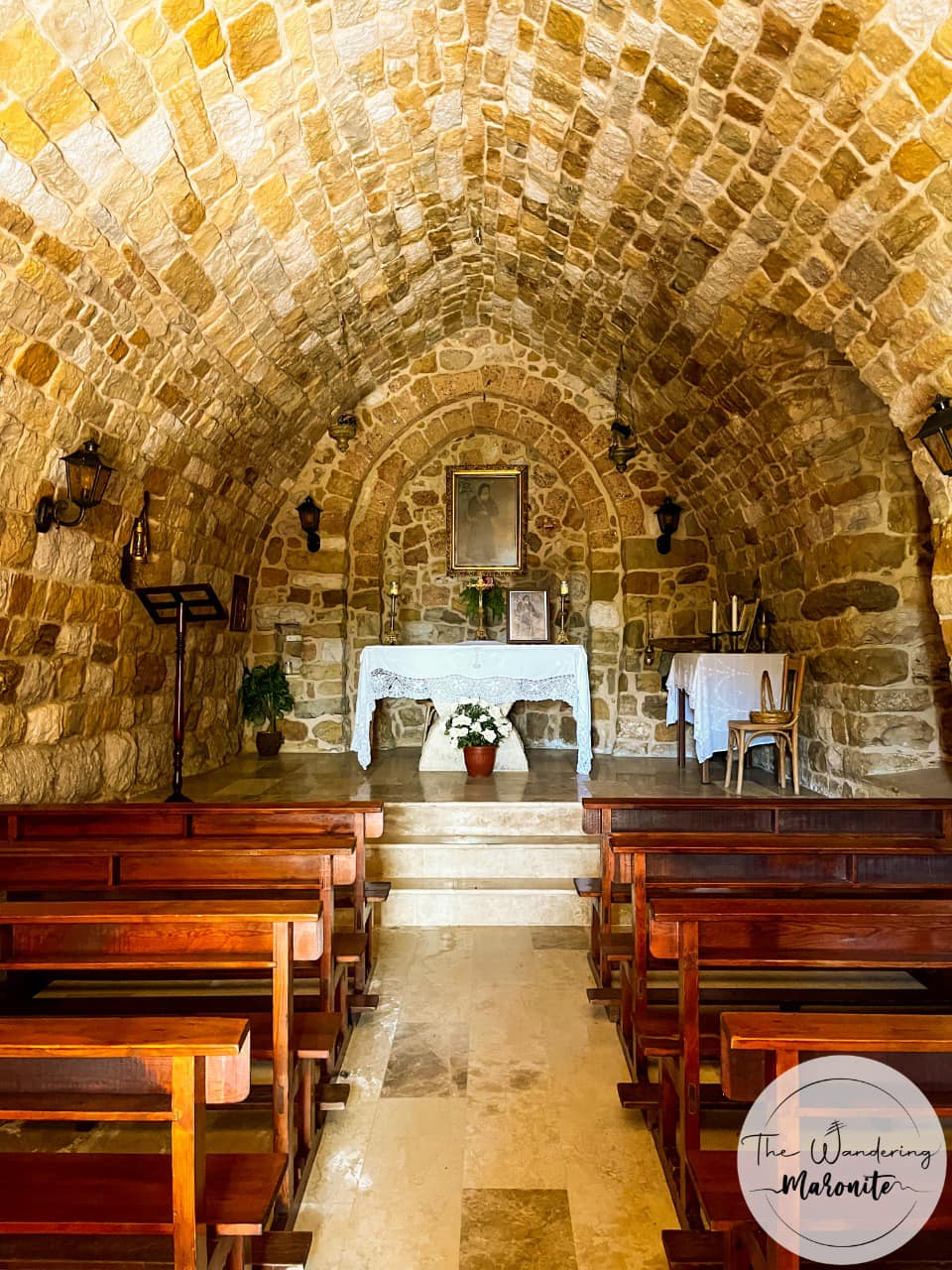
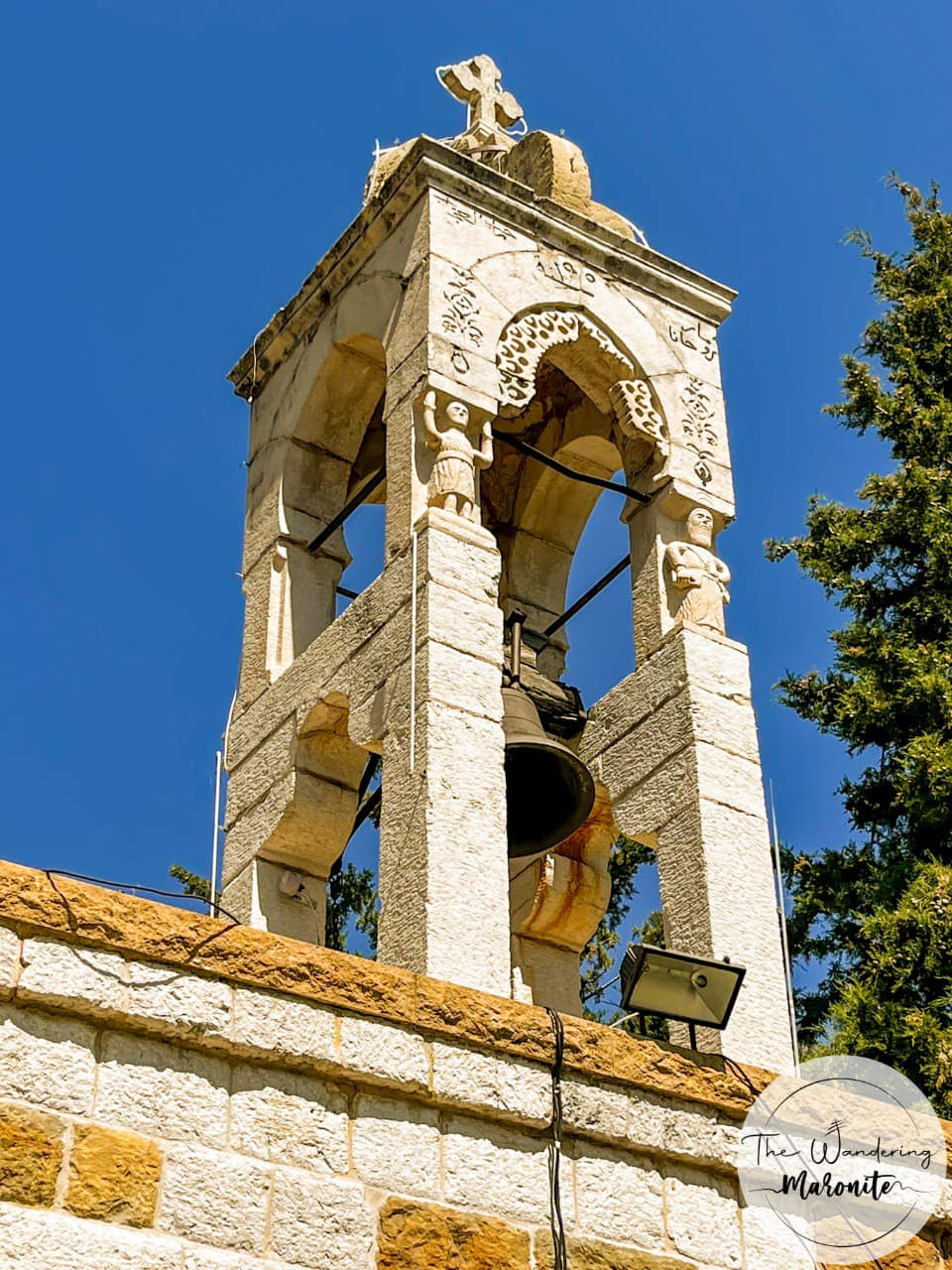
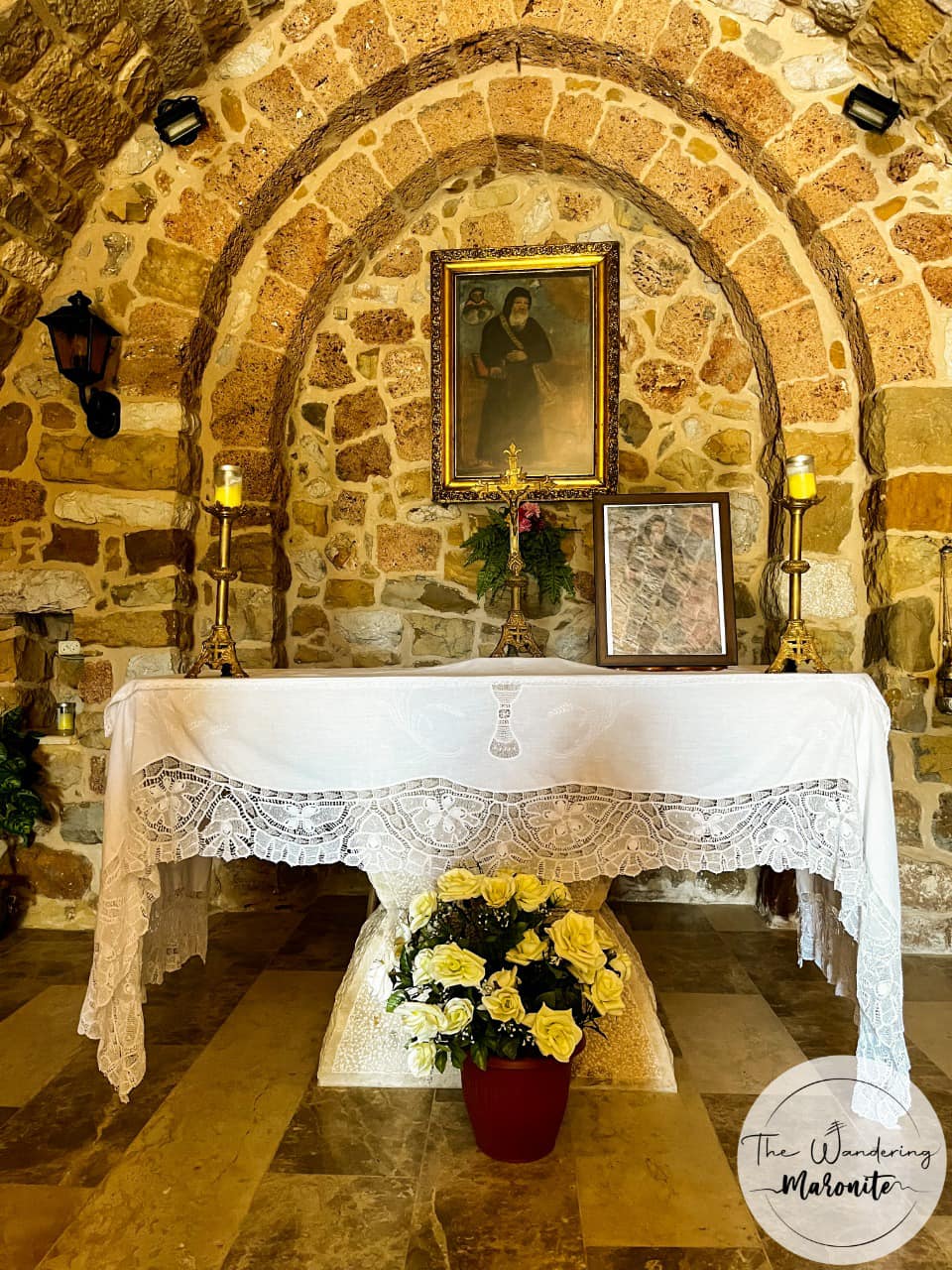
كنيسة مار روحانا - عينطورينالكنيسة قديمة العهد، بناء صغير بعقدٍ سريريّ ينتهي بحنية. زيد عليها القبّة سنة ١٩٥٠. تضمّ الكنيسة أيقونةً محليّة قديمة لمار روحانا بزيّ الشمّاس. رُمّمت الكنيسة أواخر القرن العشرين.The church of St Rouhana - AintourineThe church is an old structure consisting of a single nave crib vault ending with an apse. The bell tower was added in 1950. The church holds a rare local old icon of the saint. The building was restored in the late XXth century.
على تلة مشرفة في البلدة ترتفع قلعة عسكرية حصينة. وتعلو القلعة حوالى 500 متر عن سطح البحر ويعود تاريخ بنائها الى ملوك جبيل الفينيقيين الذين اشتهروا بالقصور والقلاع المنحوتة بالصخر، ثم سكنها ملك بابل “بختنصر”. وثمّة تماثيل رومانيّة بأوشحتها المعروفة تدلّ على أنّ الرومان احتلوها وبنوا فيها هيكلًا بأعمدة ضخمة بقاياها مشتتة في نواح عدة من سمار جبيل، وفي الحائط الجنوبي لكنيستها الأثرية. وقد بنى فيها الرومان أيضًا مسرحًا يدعى الراميّة، وهو مفروش بالإسمنت القديم، كما بنوا معاصر موجودة في الجنوب الغربي من القلعة. في القلعة خندق منحوت في الصخر يُملأ بالمياه لمنع دخول الغزاة، وبرج مراقبة وطاقات لفوانيس. في التقليد القديم يُروى ان مار لوجيوس وهو شفيع العيون والمعروف لدى السريان بمار نوهرا، قصد بلاد البترون للتبشير، ونال اكليل الشهادة بقطع الرأس ورميه في أحد آبار هذه القلعة بالذات. هذا البئر مازال مقصودًا الى اليوم للتبرك بمائه العجائبي الشافي لأمراض العيون. كذلك يذكر تقليد آخر ان مار يوحنا مارون قصد القلعـة، يوم تعيينه أسقـفًا على البترون سنة 676، واختارهـا حصـناً له بعـد خراب دير مـار مارون في سوريا. ولمّا أصبـح بطريركـًا سنة 685 نُقل مقـرّه الى كفرحي وبنى فيها ديرًا. بعد سقوط الامبراطورية البيزنطية، تعاقب على القلعة العرب والصليبيون، وأتى بعدهم المماليك ثم العثمانيون. الحكام اللبنانيون قديماً كان لهم نصيب في هذه القلعة، حيث سكنها الشيخ أبو نادر الخازن الذي ولّاه الأمير فخر الدين على مقدّمي البلاد.
Built by the phonecian kings of Byblos on a hill overlooking the coastline, the castle was used by the Babylonian king Baktensar. Later on in the classical period, the romans built a temple inside of it with a large atrium, nowadays the columns of the atrium are scatered all around the village and in the walls of the historical church. The romans also built a theater, and a winery in the western side of the castle. A watch tower and a protective water trench were added in the late classical period for protection. According to tradition St Logius the patron saint of eye illness, also known as Nohra in the Syriac world, preached in the lands of Batroun. He was sentenced to death during the Diocletian persecution by beheading in the castle patio. His head was thrown in a well nearby, still visited for its miraculous eye healing waters. According to another tradition, the first Maronite patriarch St John Maroun, and when he became bishop of Batroun in 676, resided in the castle after the devastation of the monastery of St Maroun on the Orontes in Syria. After he was elected patriarch in 685 he moved again to Kfarhay where he built a new monastery. After the fall of the Byzantine empire the castle was occupied by the Arabs, the Crusarders, the Mamluks and the Ottomans. During the reign of prine Fakhredyn the Second, the first Christian regent of the land Aby Nader Al khazin took hold of the castle and made it his headquarter.
Mar Youhana Church - كنيسة مار يوحنا, Salima, Lebanon
كنيسة مار يوحنّا المعمدان الأثريّة
Salima Baabda
Baabda
Mount Lebanon
كنيسة مار يوحنّا المعمدان الأثريّة - صليما
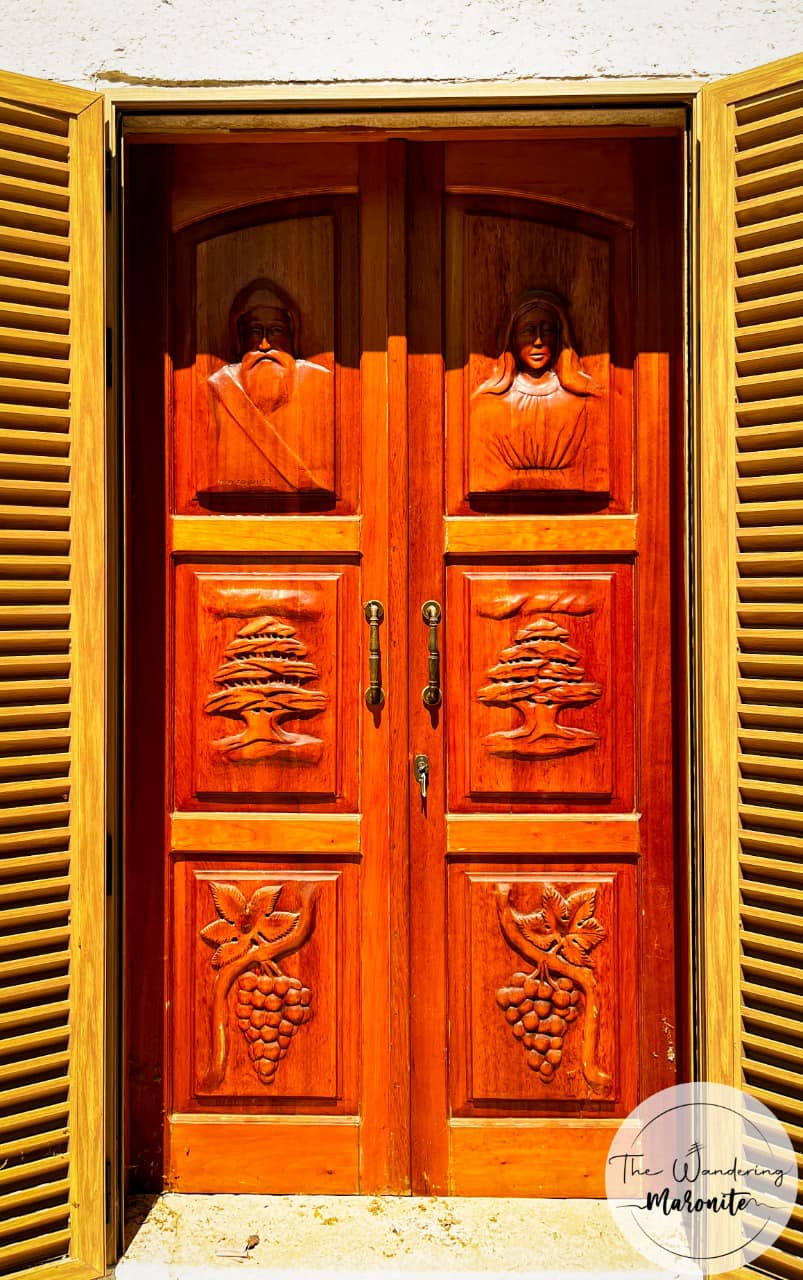
يعود بناء الكنيسة إلى سنة ١٦٥٨، فمع توافد الموارنة إلى البلدة شرعوا ببناء كنيسة. ساعدهم على بنائها الآباء الكبوشيّون الذين بدؤا رسالتهم في دير مار بطرس في البلدة وجلبوا لإعانة موارنة البلدة معونة ماديّة من الكاردينال ريوشوليو وزير الملك لويس الثالث عشر. سنة ١٦٨٤ كرّس المذبح البطريرك أسطفان الدويهيّ. البناء كناية عن عقدِ مُصالب، يتميّز ببابٍ فخمٍ قدّمه أمراء آل أبي اللمع. تعرضت الكنيسة للتخريب إبّان الحرب الأهليّة اللبنانيّة. ورمّمت في تسعينيّات القرن العشرين
St. John the Baptist Ancient Church - Salima
The construction of the church dates back to the year 1658 when the Maronites began to settle in the town and started building a church. The Capuchin fathers, who began their mission at the Monastery of St. Peter in the town, assisted them in its construction. They brought financial assistance from Cardinal Richelieu, the Minister of King Louis XIII, to support the Maronites of the town. In 1684, Patriarch Estephan Douaihy consecrated the altar. The building is in the shape of a crucifix and is distinguished by a magnificent door donated by the Al Abi Al Lamaa family. The church suffered damage during the Lebanese Civil War and was restored in the 1990s.
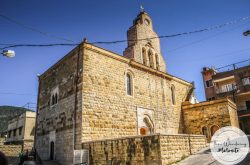
بُنيت سنة ١٤٧٠ بحسب تأريخ الشدياق انطونيوس العنطوري، وورد ذكرها كذلك مع البطريرك اسطفانوس الدويهيّ في تاريخ الأزمنة. البناء الحاليّ يعود لسنة ١٨٦٨، لكنّ الكنيسة رُممّت ووسّعت على عدّة مراحل. تتميّز الكنيسة بعقدها المصالب ذات اللونين وهو من حجر مقالع البلدة المحليّ. في سبعينيّات القرن العشرين أضاف أحد أبناء البلدة المغترين قبّة الساعة. تضمّ الكنيسة ثلاث لوحات للفنّان داوود القرم، أمّا الزجاجيّات فهي من عمل الأب عبده بدوي.
The church of Sts Sergius and Bacchus - Tourza
The church was built in 1470 according to the chronicles of the Subdeacon Antonyos El Aintoury, and it is also mentioned in Patriarch Stephen El Douaihy's "History of the Times". The current building dates back to 1868, yet the church was restored and enlarged on many occasions. The church consists of a crossed vault with two colors stones from the local quaries. During the seventies an emigrant donated the unique clock tower. The church holds three paintings from Dawoud Al Qorm dating back to 1892, and stained glass windows by Fr Abdo Badawi.



Reviews are disabled, but trackbacks and pingbacks are open.