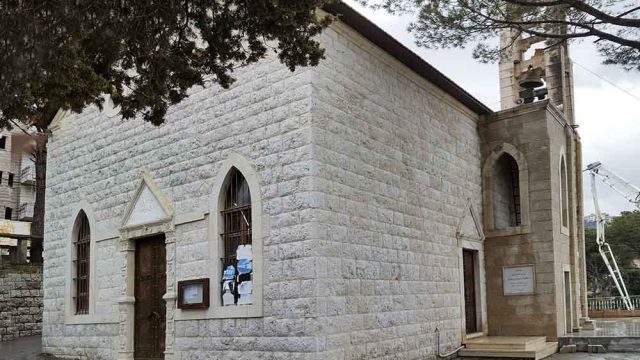
Qozhaya – The Monastery of St. Anthony the Great

دير مار أنطونيوس الكبير قزحيا - الرهبانية اللبنانية المارونية, دير مار أنطونيوس قزحيا، Aarbet Qozhaiya, Lebanon

Other Details

دير مار أنطونيوس الكبير

Aarbet Qozhaiya

Zgharta

North

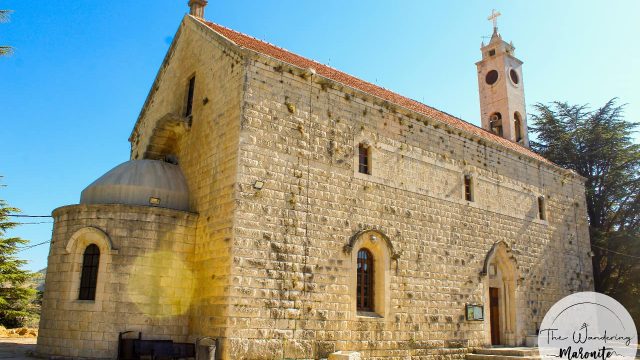
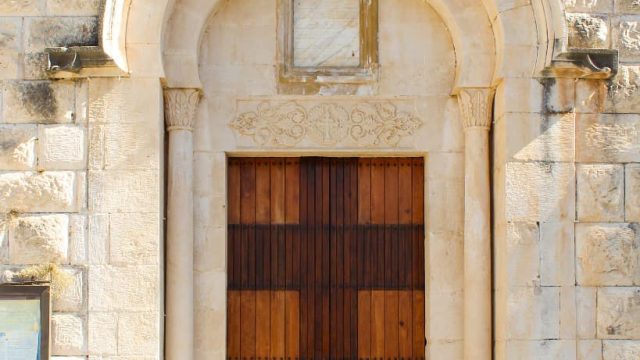
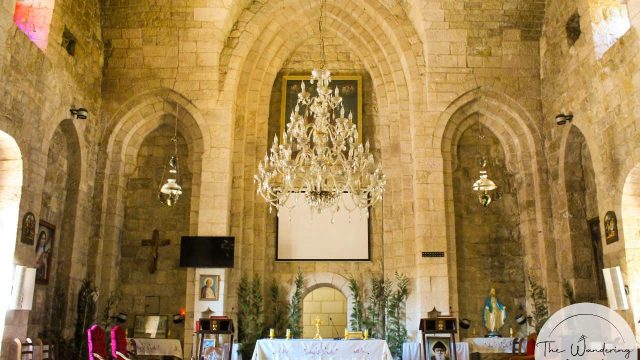
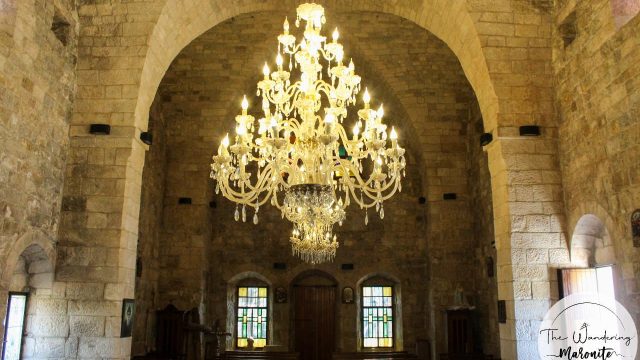
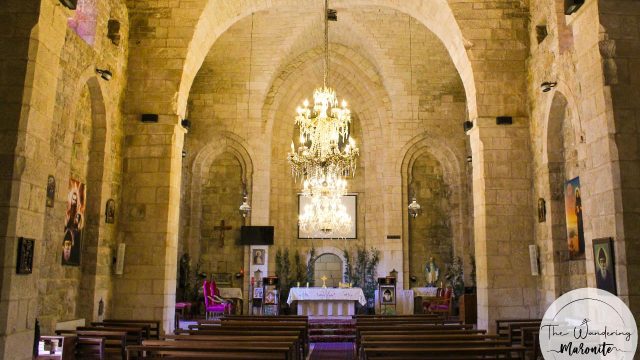
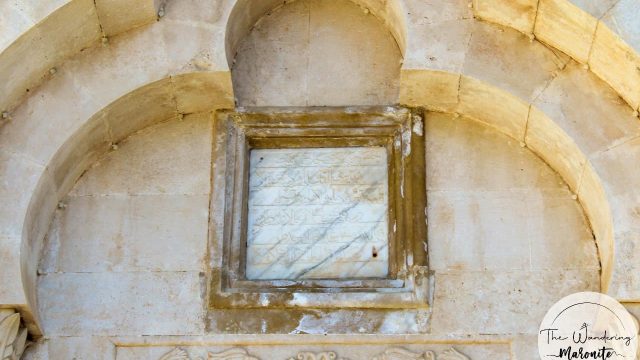
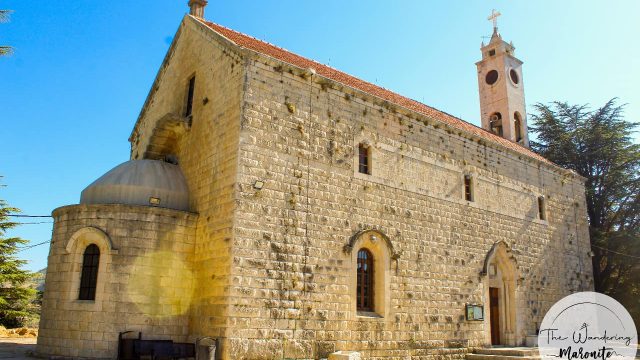
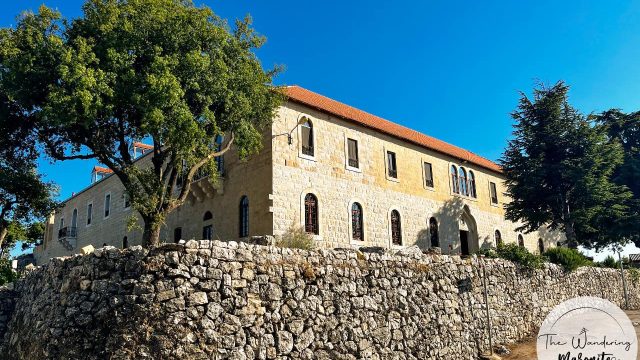
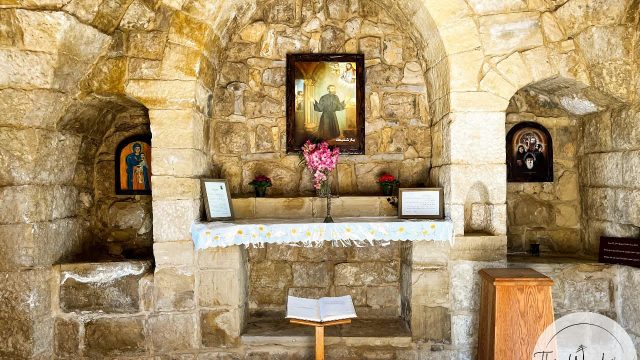
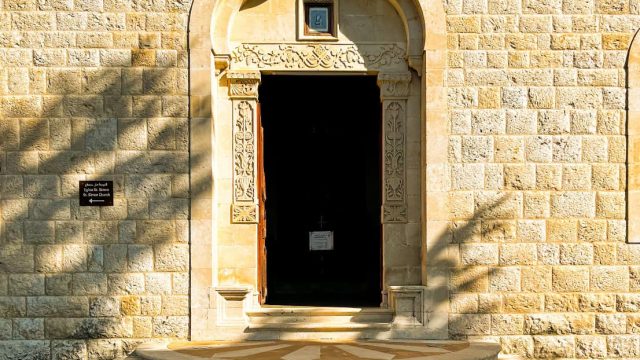
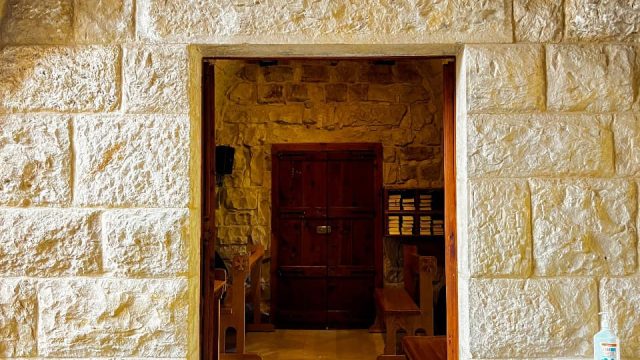
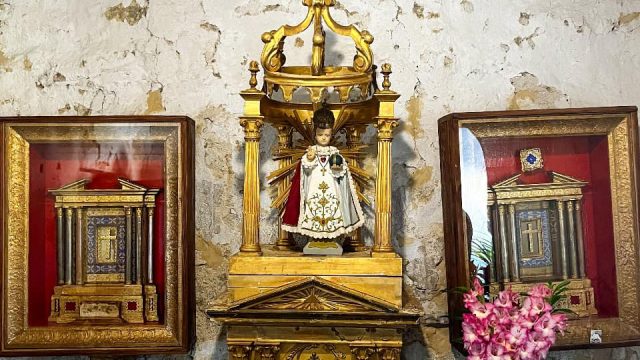
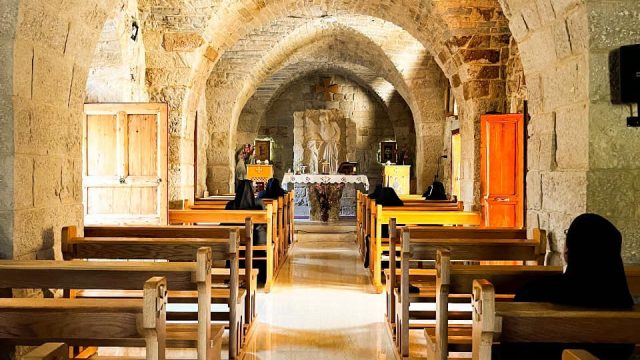
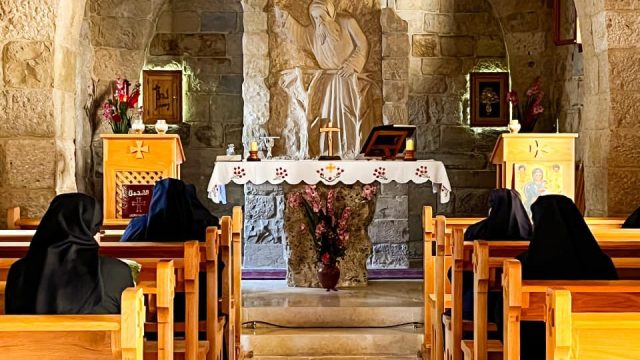
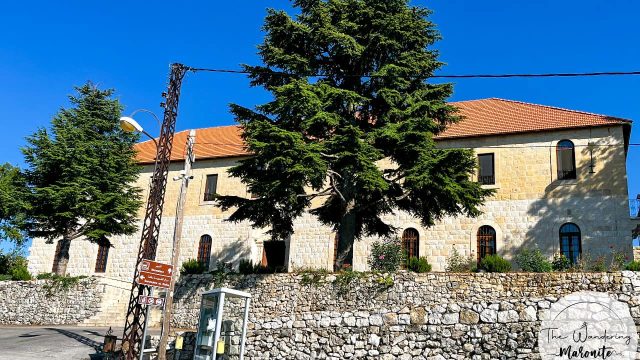
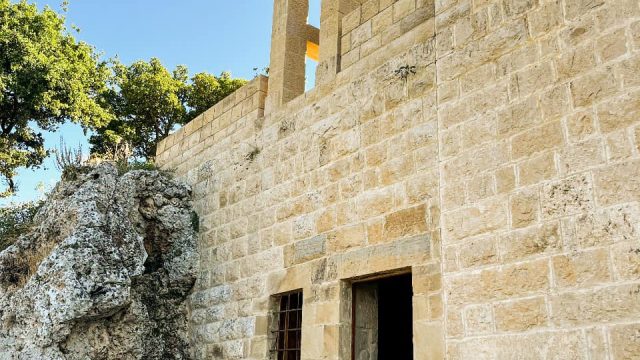
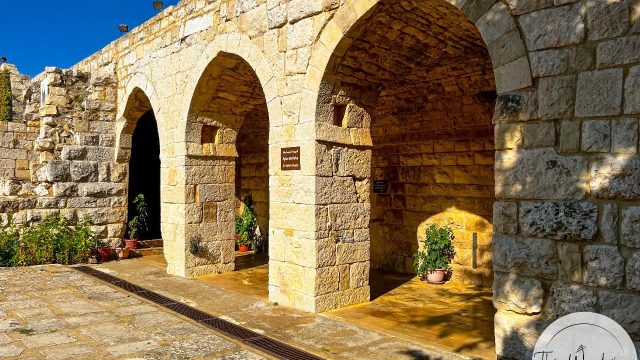
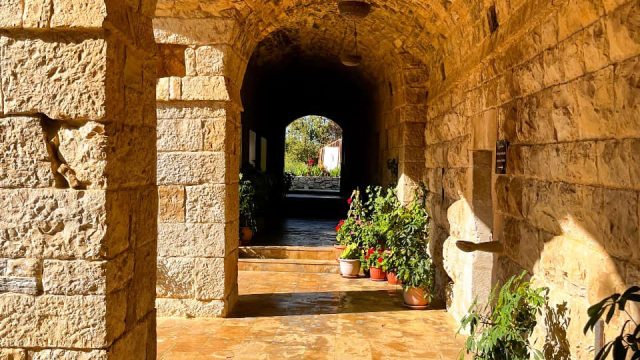
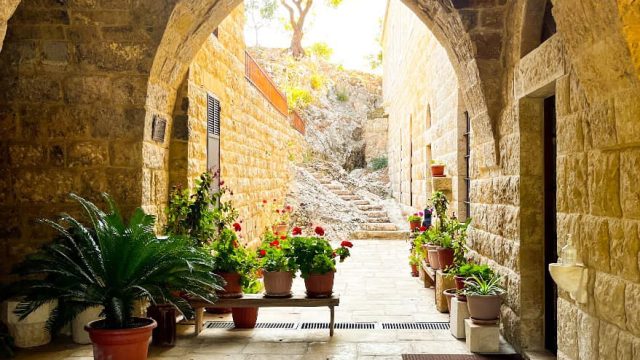
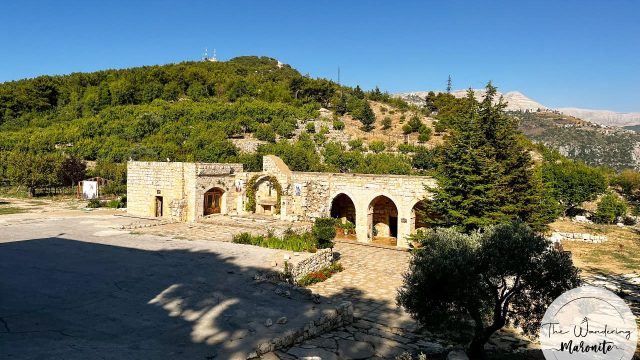
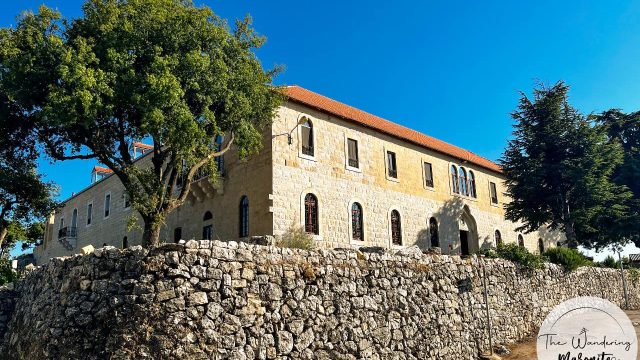
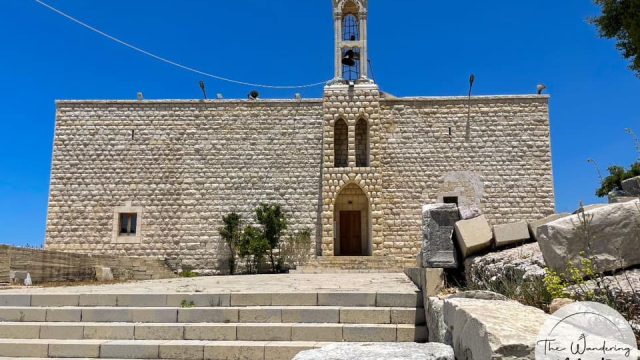
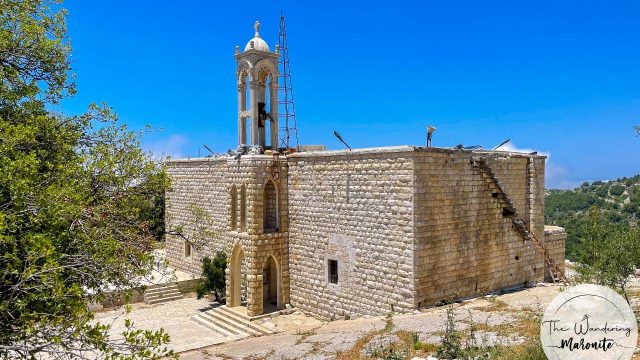
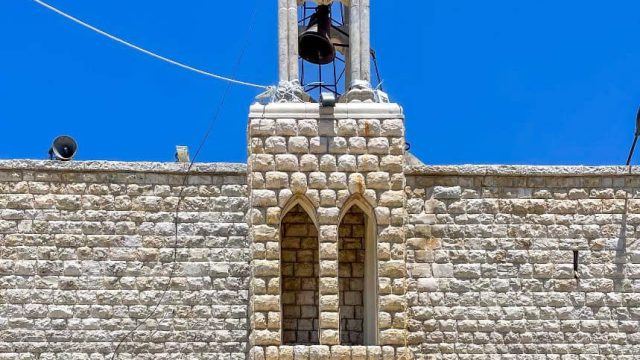
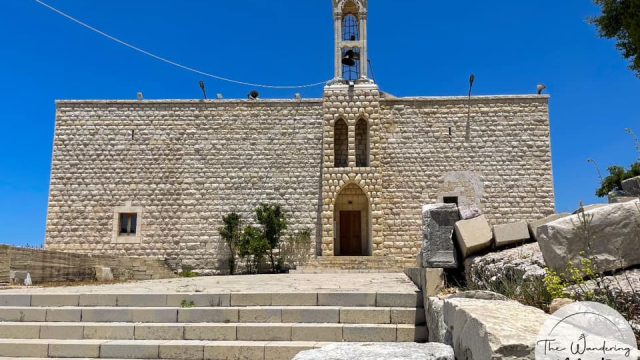
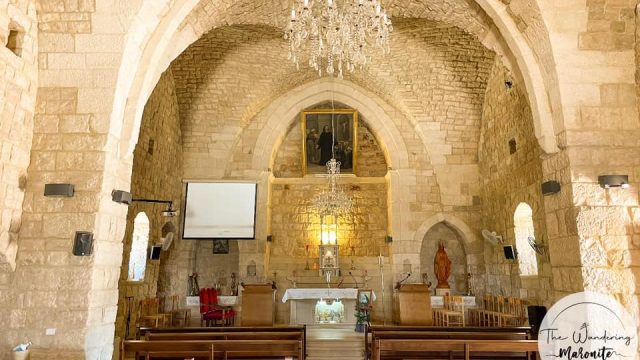
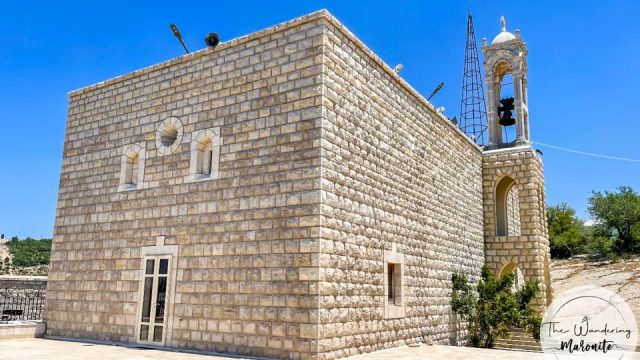
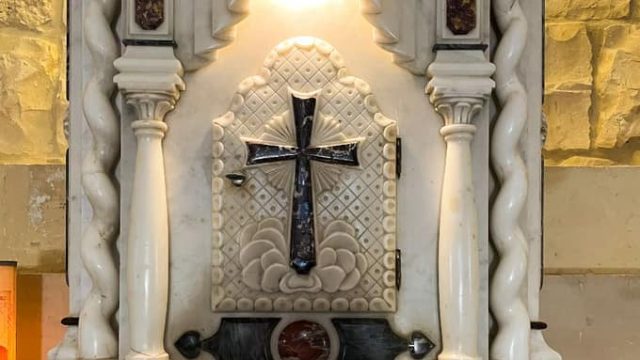
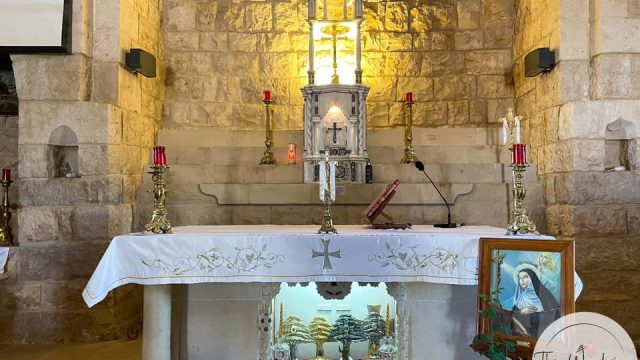
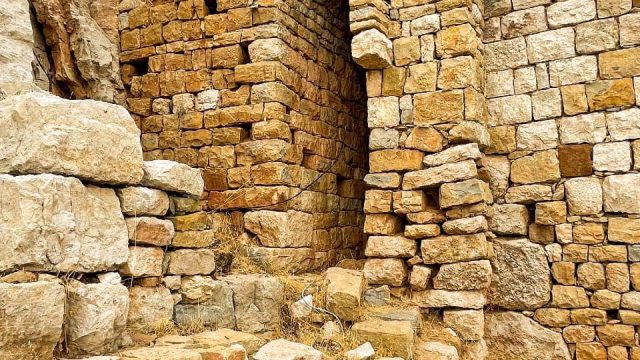
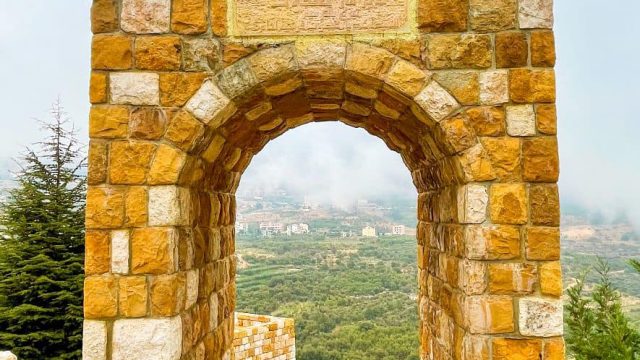
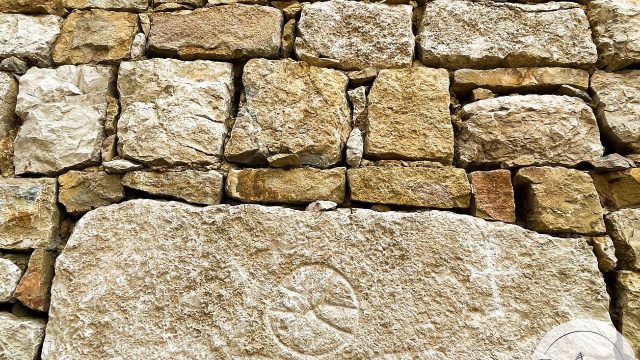
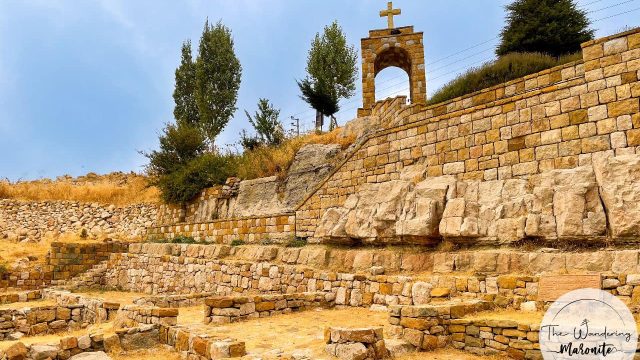
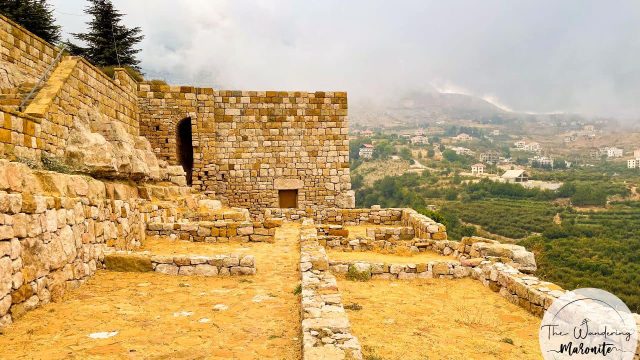
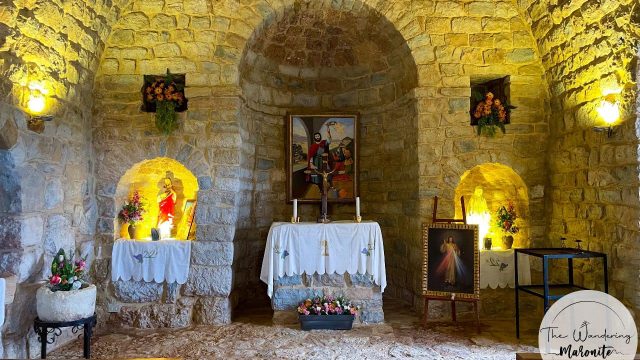
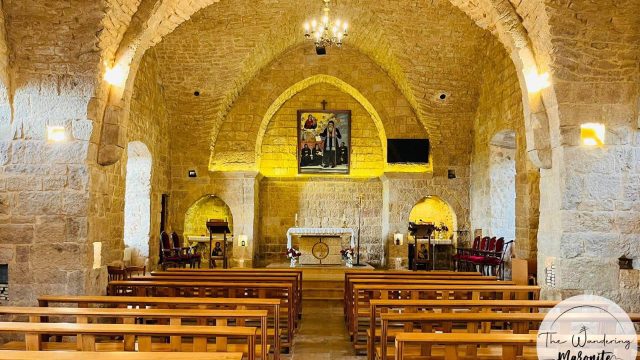
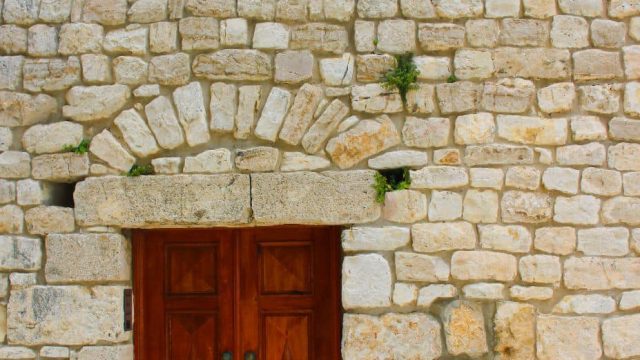
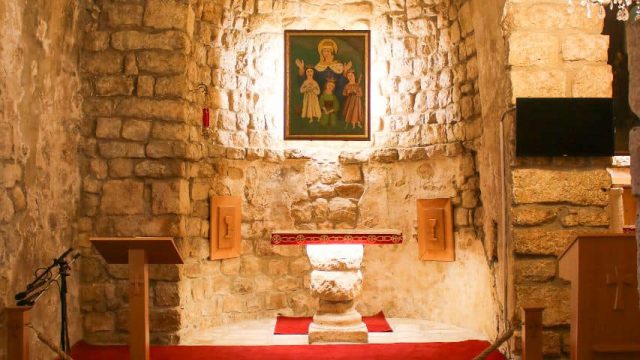
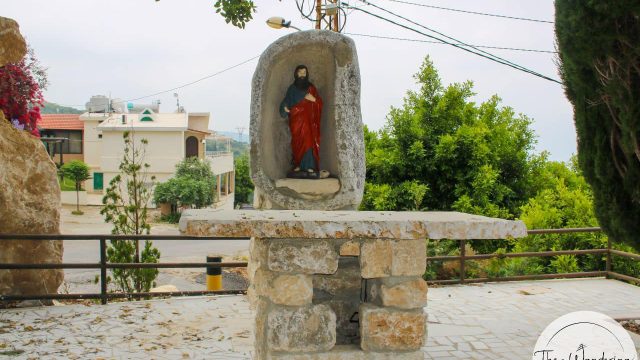
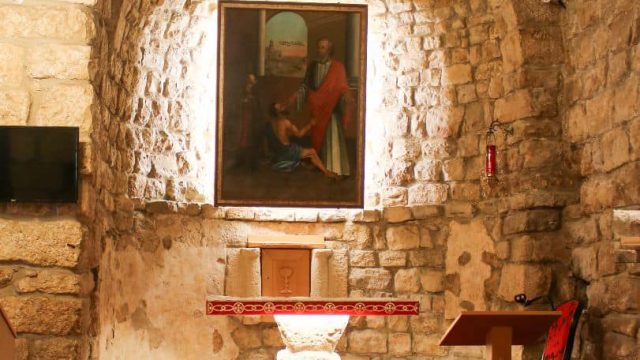
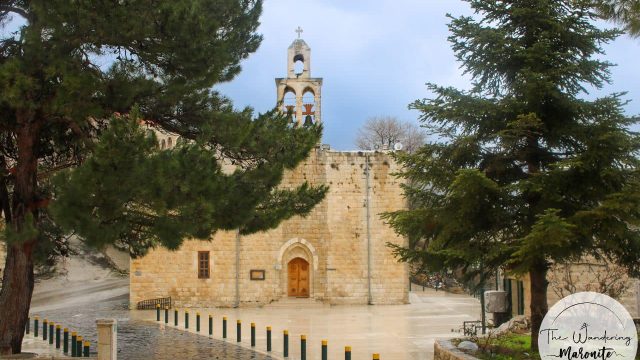
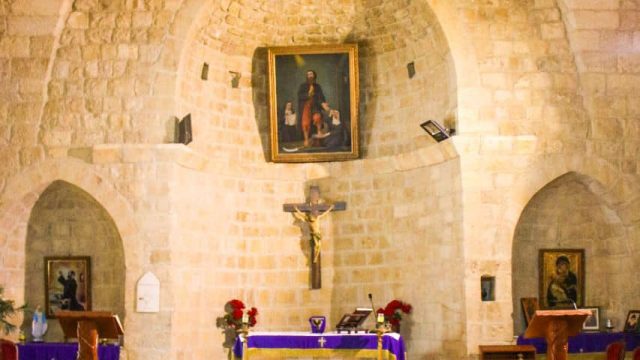
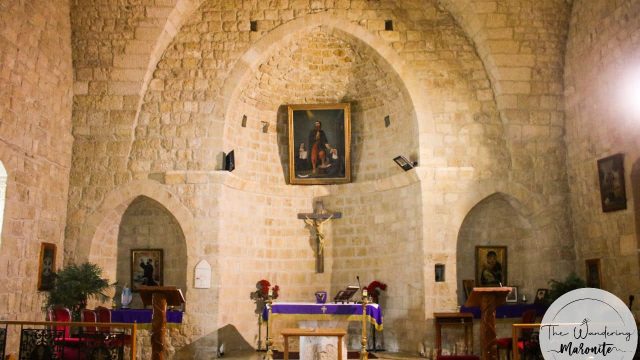
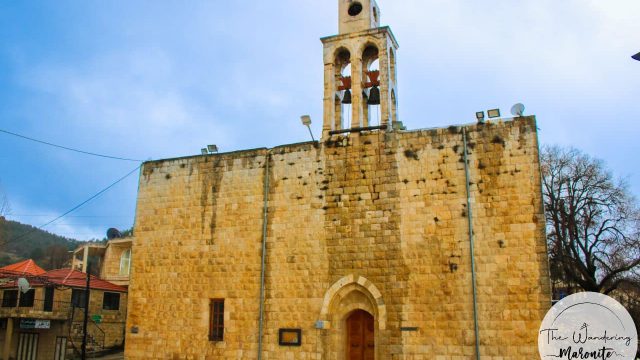
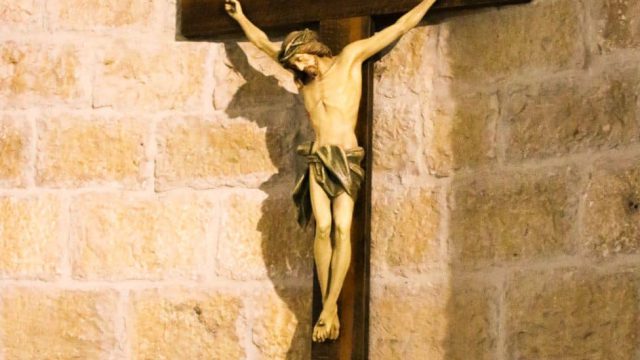
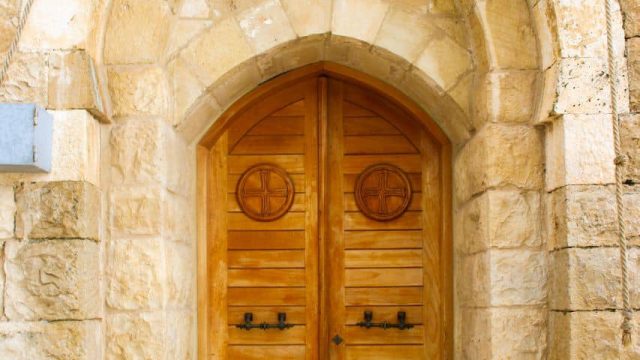
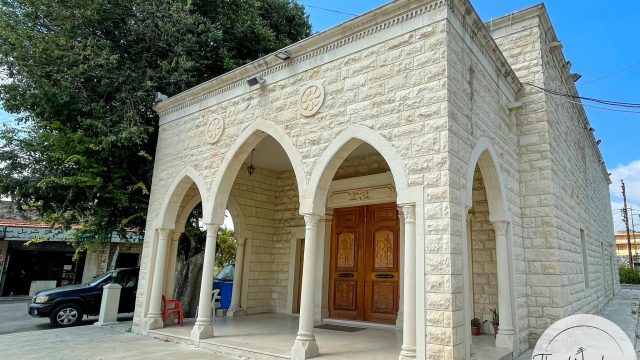
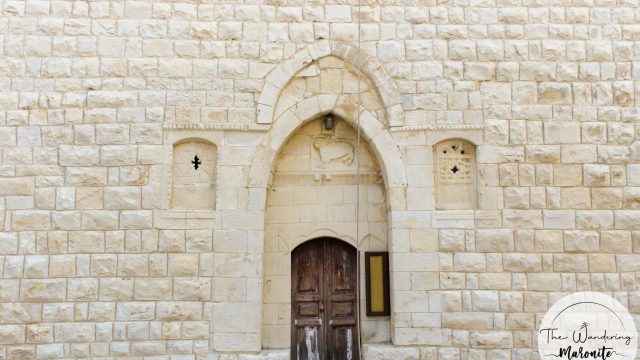
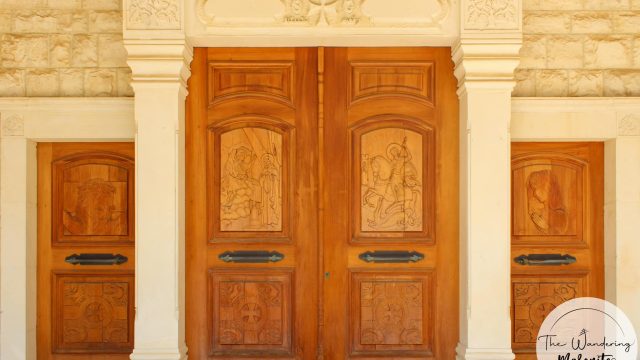
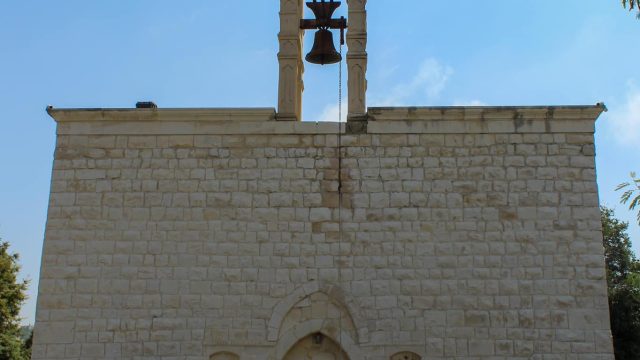
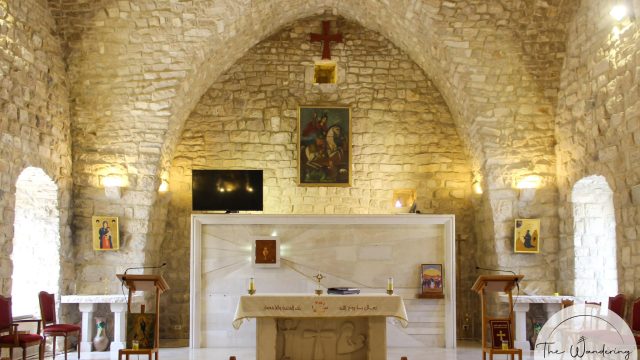
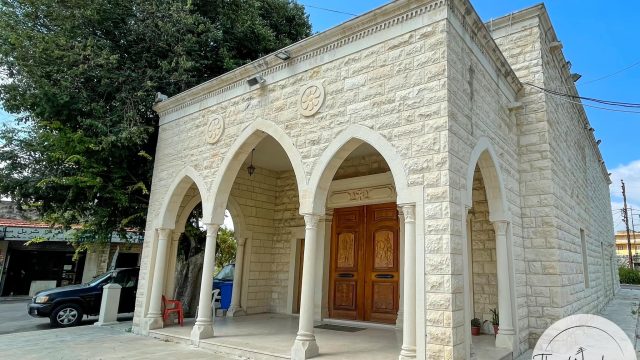
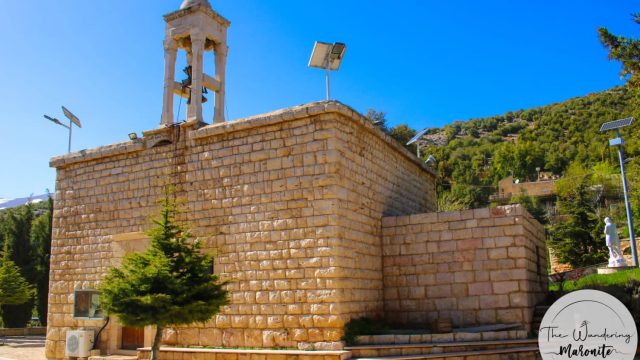
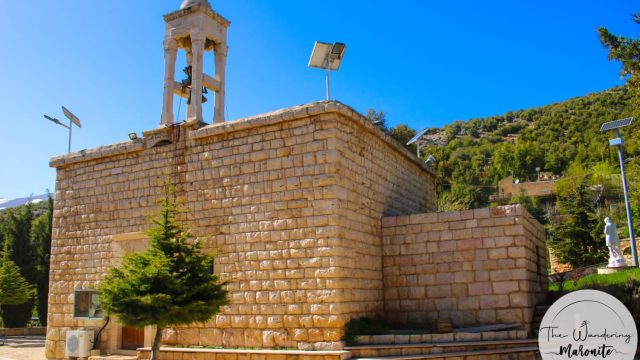
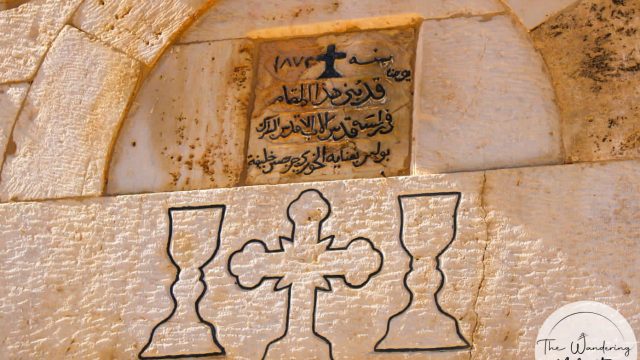
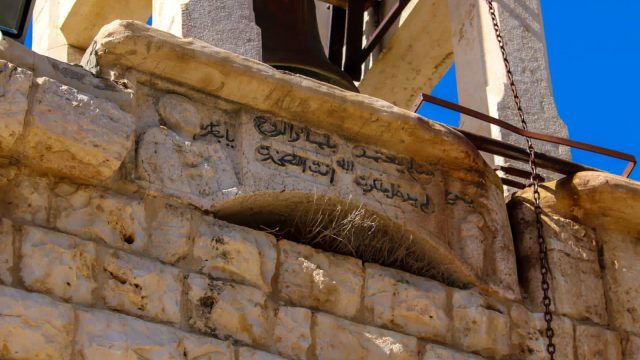
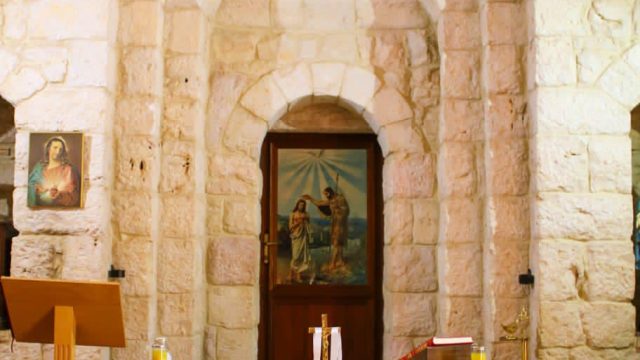
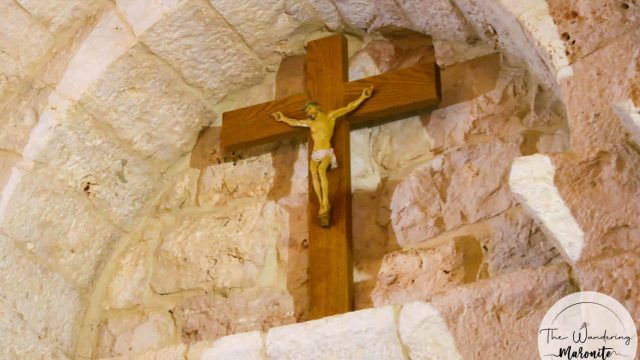
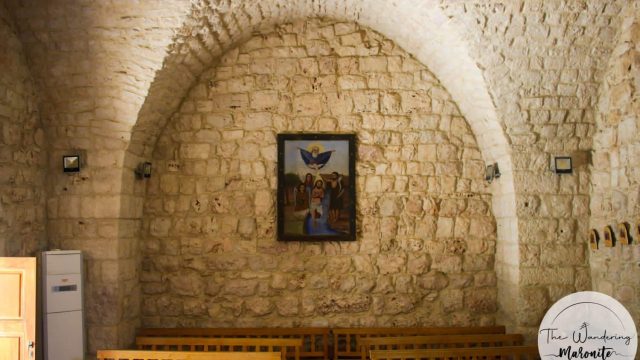
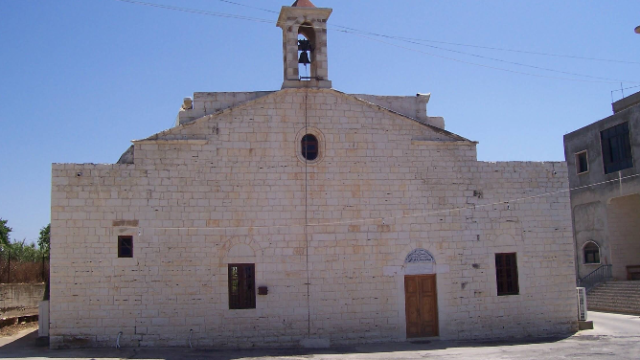
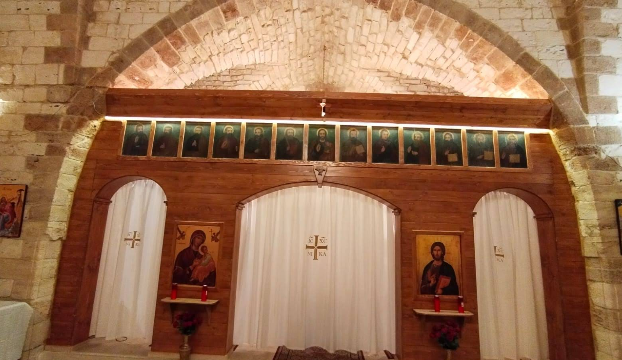
دير مار أنطونيوس الكبير – قزحيَّا يقع الدير في وادي قزحيَّا (الكنز الحيّ). يرجِّح المؤرِّخون تأسيس هذا الدير، في أوائل القرن الرابع. في الدّير آثار من تأسيسه أهمّها عصا رعاية من الملك لويس التاسع. سنة ١٢١٥ بعث البابا إينوشنسيوس الثالث، براءة إلى البطريرك إرميا العمشيتيّ تذكِّر بأنَّ دير قزحيَّا هو أوَّل كرسيّ أسقفيّ مارونيّ. كان الدير، منذ القديم، ركيزة الحياة النسكيَّة في الكنيسة المارونيَّة. بقربه قامت عدّة محابس تابعة له. وتجدر الإشارة إلى أنَّ أوَّل مطبعة وصلت إلى الشرق كانت في دير قزحيّا سنة ١٦١٠. تَسلَّمت الرهبانيَّة اللبنانيَّة الدير، سنة ١٧٠٨. حَلَّت بالدير نَكبات من الطبيعة؛ ونكبات من جور المضطهِدين. سنة ١٨٢٨ بُنيت كنيسة الدّير الحاليّة. في أثناء الحرب العالميَّة الأولى، قام الدير بإيواء جميع الوافدين إليه وإعالتهم. يضم الدّير العديد من الآثار، أخذ شكله الحاليّ في عشرينيّات القرن الماضي ورمّم في آخره. هو من أهمّ الأديار المارونيّة، ومركزًا للحجّ والخلوة The Monastery of St. Anthony the Great - Qozhaya. The Monastery sits on a cliff in the valley of Qozhaya (meaning the treasure of life). According to archeologists, the monastery dates back to the 4th century. Evidence of its importance includes a cross given by King Louis IX and a bull from Pope Innocent III, dating back to 1250, which granted Qozhaya precedence over other Maronite monasteries. Qozhaya had a hermitical tradition, and as a result, many hermitages were built near it. In 1610, the first printing press of the Middle East was brought to Qozhaya. In 1708, the Lebanese Maronite Order acquired the monastery. The monastery has suffered from natural disasters and the despotism of rulers. In 1828, a great church was built. During World War I, the monastery served as a refuge. In the 1920s, the monastery took on its current structural shape, and was restored in the 1990s. It is considered a major pilgrimage site for Maronites around the world.
Visited 5460 times, 3 Visits today

Reviews are disabled, but trackbacks and pingbacks are open.
Related Listings

Smar Jbeil – Fortress (Citadel)

Smar Jbeil Citadel, Smar Jbeil, Lebanon

قلعة سمار جبيل

Smar Jbayl

Batroun

North

على تلة مشرفة في البلدة ترتفع قلعة عسكرية حصينة. وتعلو القلعة حوالى 500 متر عن سطح البحر ويعود تاريخ بنائها الى ملوك جبيل الفينيقيين الذين اشتهروا بالقصور والقلاع المنحوتة بالصخر، ثم سكنها ملك بابل “بختنصر”. وثمّة تماثيل رومانيّة بأوشحتها المعروفة تدلّ على أنّ الرومان احتلوها وبنوا فيها هيكلًا بأعمدة ضخمة بقاياها مشتتة في نواح عدة من سمار جبيل، وفي الحائط الجنوبي لكنيستها الأثرية. وقد بنى فيها الرومان أيضًا مسرحًا يدعى الراميّة، وهو مفروش بالإسمنت القديم، كما بنوا معاصر موجودة في الجنوب الغربي من القلعة. في القلعة خندق منحوت في الصخر يُملأ بالمياه لمنع دخول الغزاة، وبرج مراقبة وطاقات لفوانيس.
في التقليد القديم يُروى ان مار لوجيوس وهو شفيع العيون والمعروف لدى السريان بمار نوهرا، قصد بلاد البترون للتبشير، ونال اكليل الشهادة بقطع الرأس ورميه في أحد آبار هذه القلعة بالذات. هذا البئر مازال مقصودًا الى اليوم للتبرك بمائه العجائبي الشافي لأمراض العيون.
كذلك يذكر تقليد آخر ان مار يوحنا مارون قصد القلعـة، يوم تعيينه أسقـفًا على البترون سنة 676، واختارهـا حصـناً له بعـد خراب دير مـار مارون في سوريا. ولمّا أصبـح بطريركـًا سنة 685 نُقل مقـرّه الى كفرحي وبنى فيها ديرًا.
بعد سقوط الامبراطورية البيزنطية، تعاقب على القلعة العرب والصليبيون، وأتى بعدهم المماليك ثم العثمانيون. الحكام اللبنانيون قديماً كان لهم نصيب في هذه القلعة، حيث سكنها الشيخ أبو نادر الخازن الذي ولّاه الأمير فخر الدين على مقدّمي البلاد.

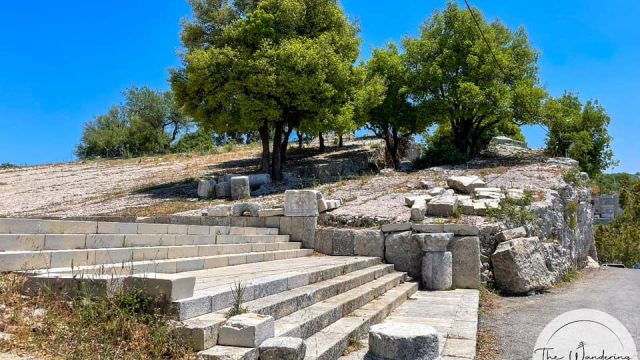
Built by the phonecian kings of Byblos on a hill overlooking the coastline, the castle was used by the Babylonian king Baktensar. Later on in the classical period, the romans built a temple inside of it with a large atrium, nowadays the columns of the atrium are scatered all around the village and in the walls of the historical church. The romans also built a theater, and a winery in the western side of the castle. A watch tower and a protective water trench were added in the late classical period for protection.
According to tradition St Logius the patron saint of eye illness, also known as Nohra in the Syriac world, preached in the lands of Batroun. He was sentenced to death during the Diocletian persecution by beheading in the castle patio. His head was thrown in a well nearby, still visited for its miraculous eye healing waters.
According to another tradition, the first Maronite patriarch St John Maroun, and when he became bishop of Batroun in 676, resided in the castle after the devastation of the monastery of St Maroun on the Orontes in Syria. After he was elected patriarch in 685 he moved again to Kfarhay where he built a new monastery.
After the fall of the Byzantine empire the castle was occupied by the Arabs, the Crusarders, the Mamluks and the Ottomans. During the reign of prine Fakhredyn the Second, the first Christian regent of the land Aby Nader Al khazin took hold of the castle and made it his headquarter.

Mayrouba – The church of St Anthony of Padua Ain el Tannour

Rocher Saint Antoine De Padoue, Mayrouba, Lebanon

كنيسة مار أنطونيوس البادواني عين التنّور

Mayrouba

Keserwan

Mount Lebanon

كنيسة مار أنطونيوس البادواني عين التنّور - ميروبا

هي كنيسة صغيرة ووقفيّة خاصة لآل الخازن. كرّسها المطران أنطون الخازن أواسط القرن التاسع عشر ككنيسة تابعة لدير بقلوش. تضم الكنيسة لوحة غربيّة لمار أنطونيوس وتاج من نقود غربيّة هي نذور المغتربين من أبناء البلدة. البناء قديم وهو عقد سريريّ ينتهي بحنية نصف دائريّة.
The church of St Anthony of Padua Ain el Tannour - Mayrouba

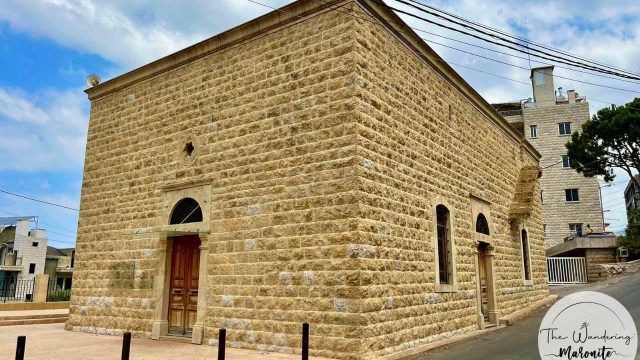
The church is a small private chapel for the Khazen family. It was consecrated by Bishop Antoun el Khazen in the mid XIXth century as a dependency of the monastery of Baqloush. The church holds a western painting of St Anthony and a rare crown made by coins presented as ex votos by the village’s first expats. The structure is old, consisting of a crib vault with a semi circular apse.

Aqoura – St Simon the Stylite church

Saint Semaan, Aaqoura, Lebanon

كنيسة مار سمعان العاموديّ

Aaqoura

Jbeil

Mount Lebanon

كنيسة مار سمعان العاموديّ - العاقورة

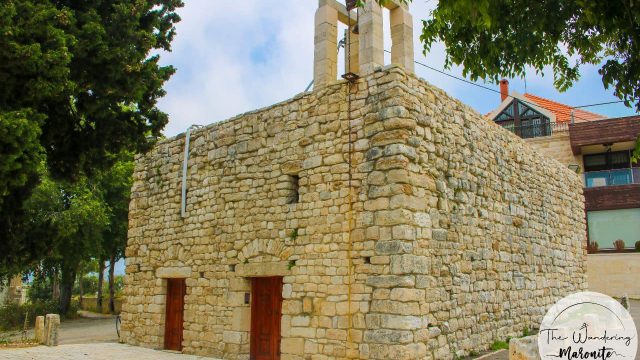
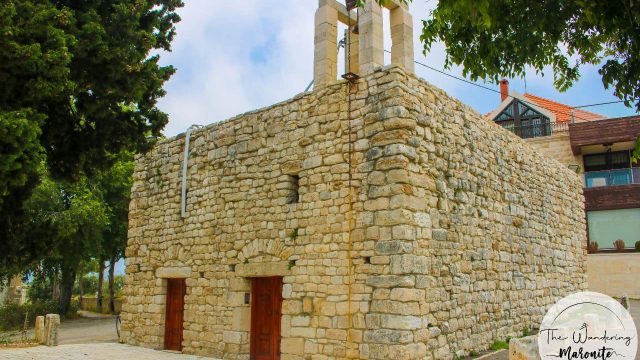
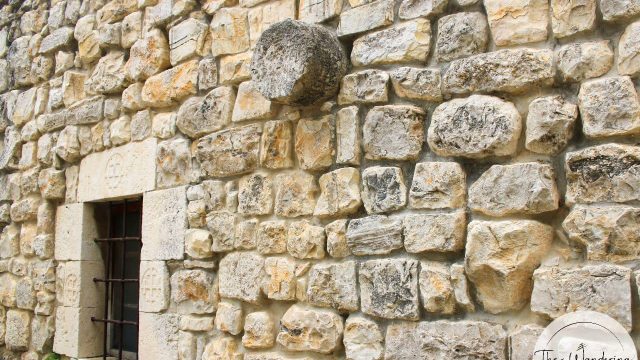
في أعالي العاقورة طريق شقّها الفينيقيّون ورمّمها الرومان، بدليل كتابة لاتينيّة بقرب الكنيسة. ويفيد المؤرّخون أن دوميسيانوس قيصر الامبراطور الرومانيّ مرّ في بلدة العاقورة سنة ٨٢ بعد المسيح ووسّع الطريق شرقيّ البلدة، كما تشير الكتابة: IMP DOMITIANIA, S.V.T. حين نزح الموارنة في القرن السابع إلى البلدة، حوّلوا البناء الرومانيّ بقرب الشير إلى مزار لمار سمعان العاموديّ لتأثرهم بمار سمعان في سوريا. رُمّمت الكنيسة وأخذت شكلها الحاليّ بداية القرن العشرين.

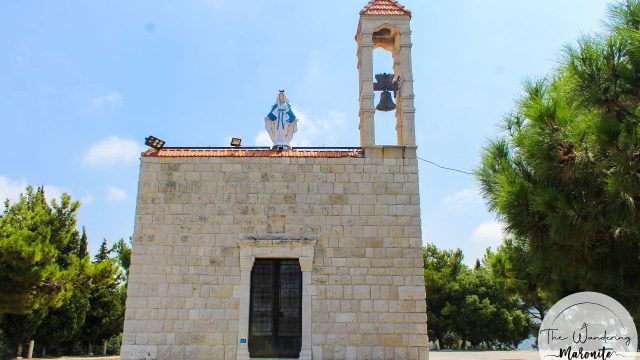
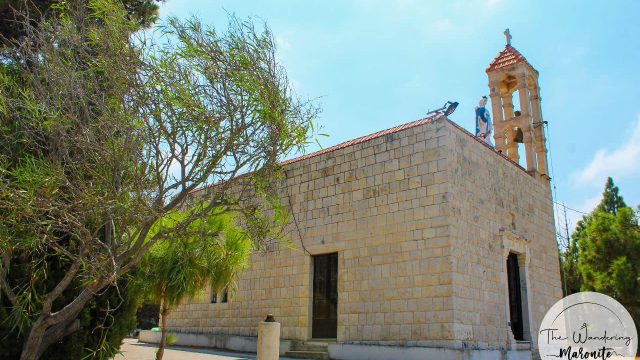
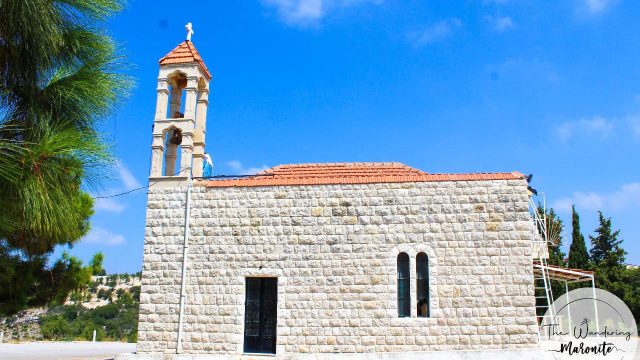
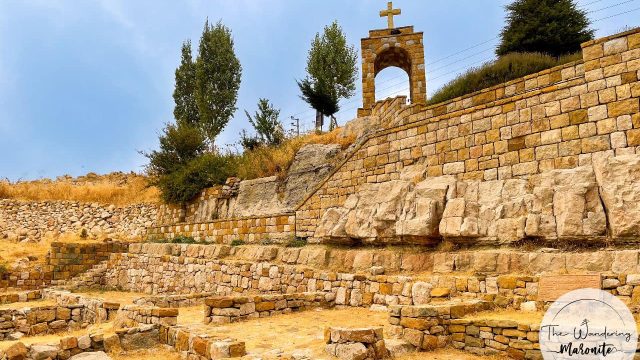
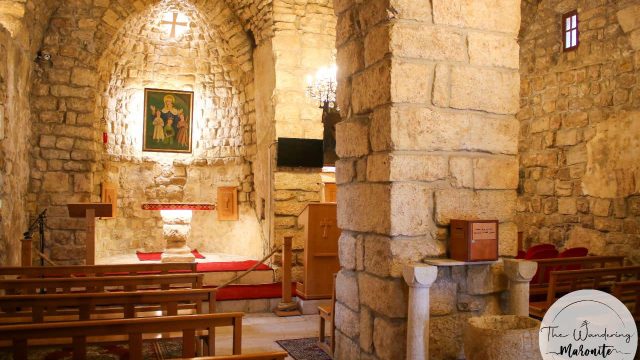
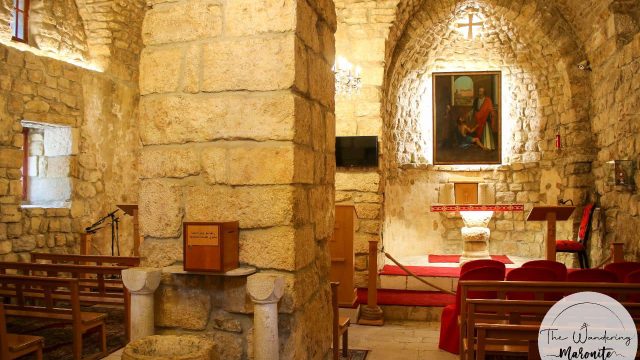
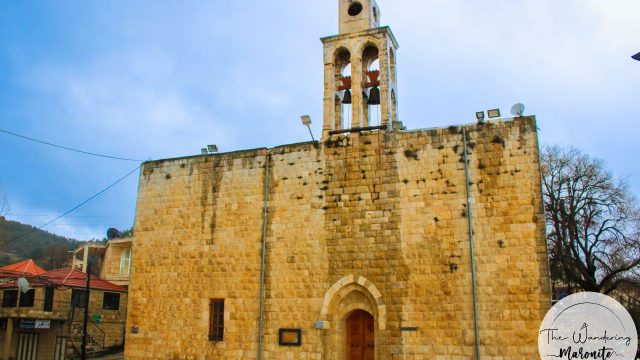
St Simon the Stylite church - Aqoura

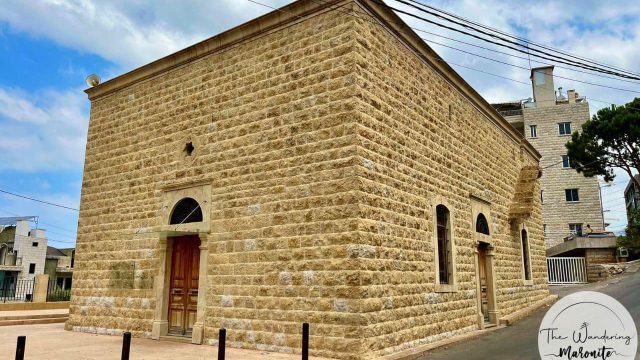
In the mountains east of Aqoura, the Phoenicians built a road that was enlarged by the Romans. Empror Domician passed by this road during his visit to Aqoura in 82 AD, and left a latin inscription near the church that says: IMP DOMITIANIA SVT. When the Maronites came to Aqoura in the VIIth century they converted the old roman building to a shrine church dedicated to St Simon the Stylite since they were influenced by the Stylites of Syria. The church took its final shape after restoration works in the early XXth century.