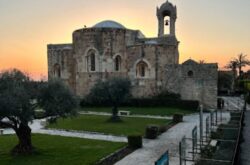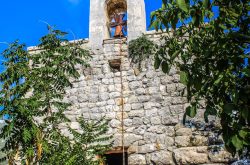

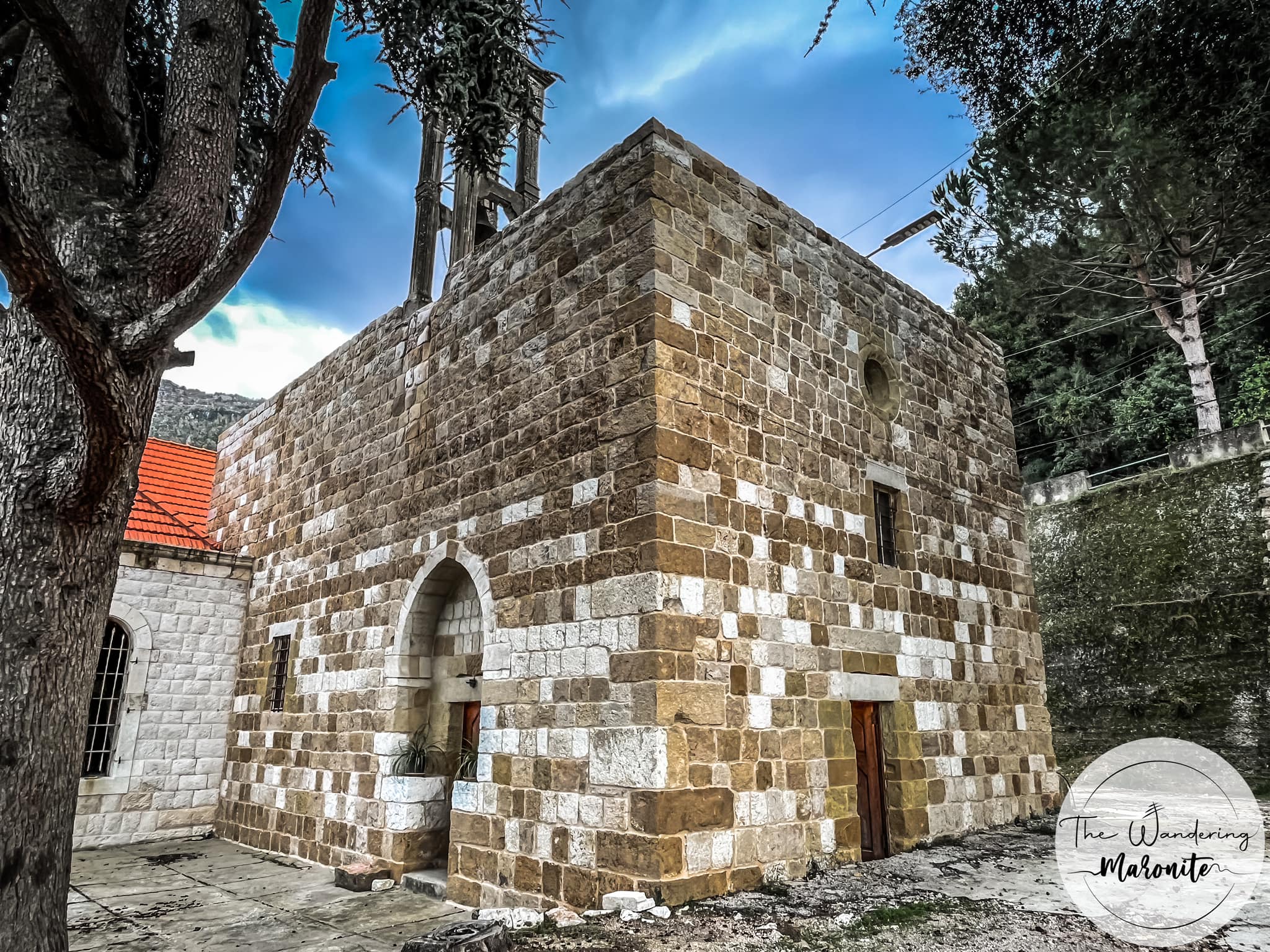
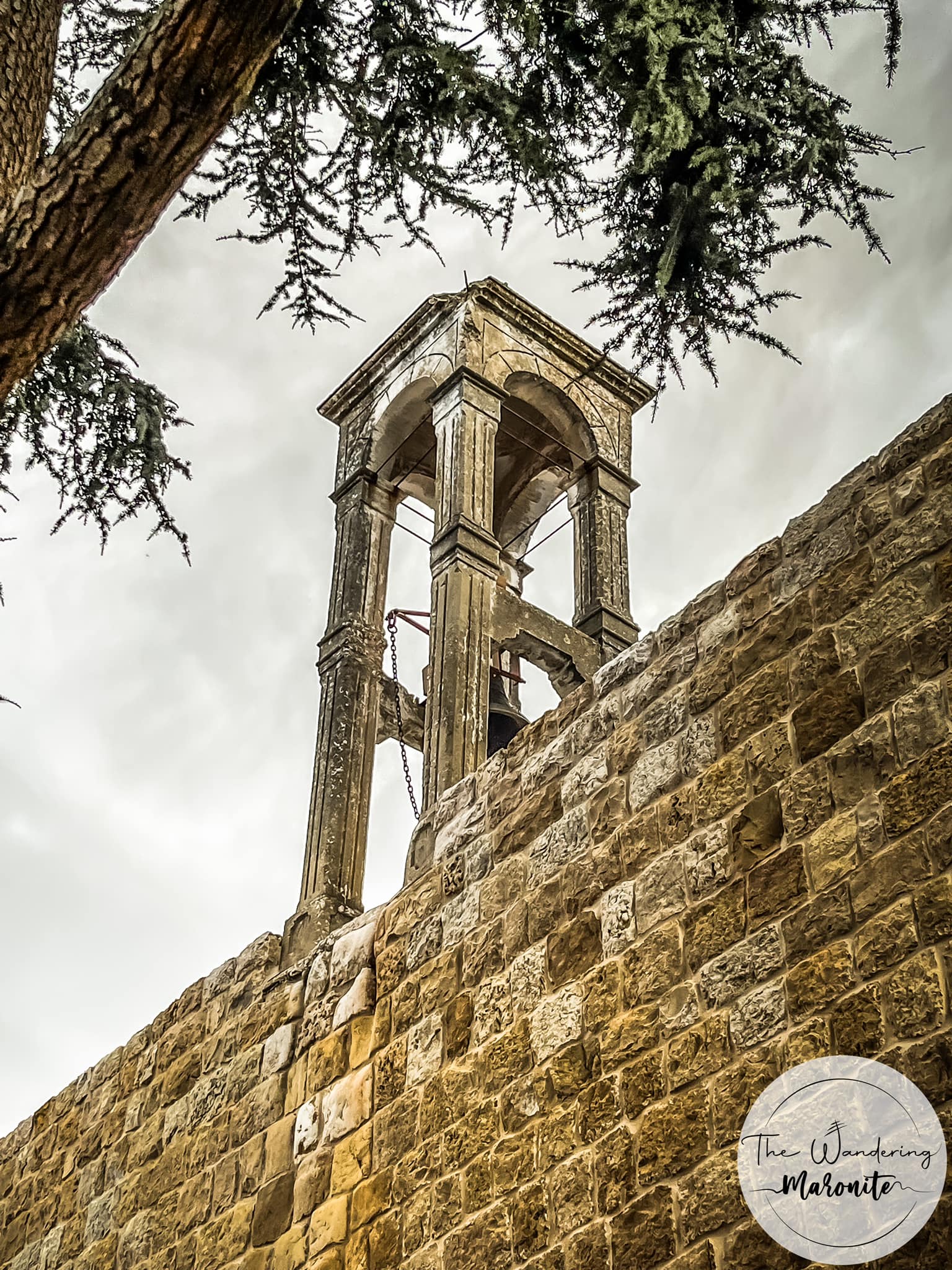
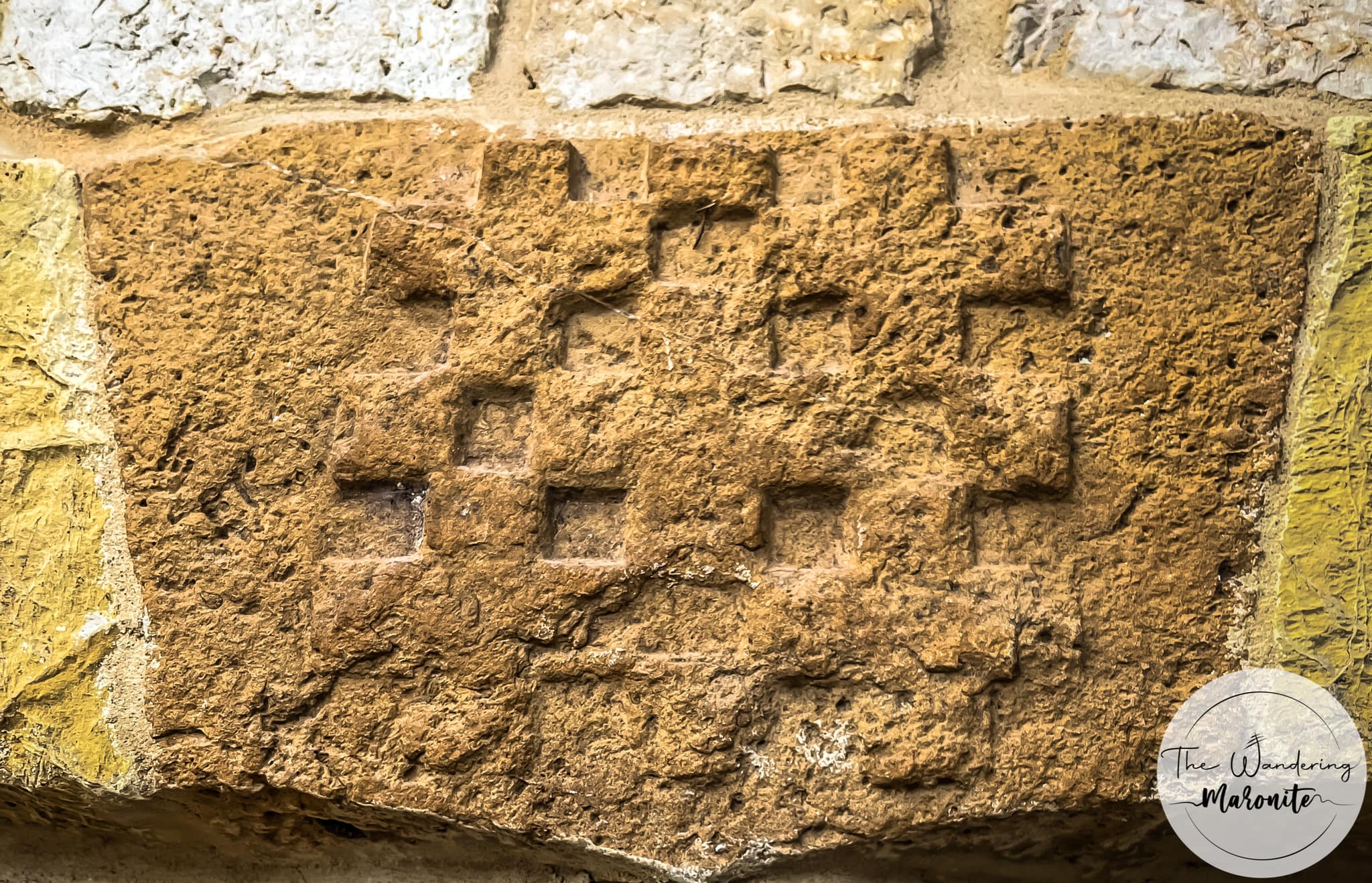
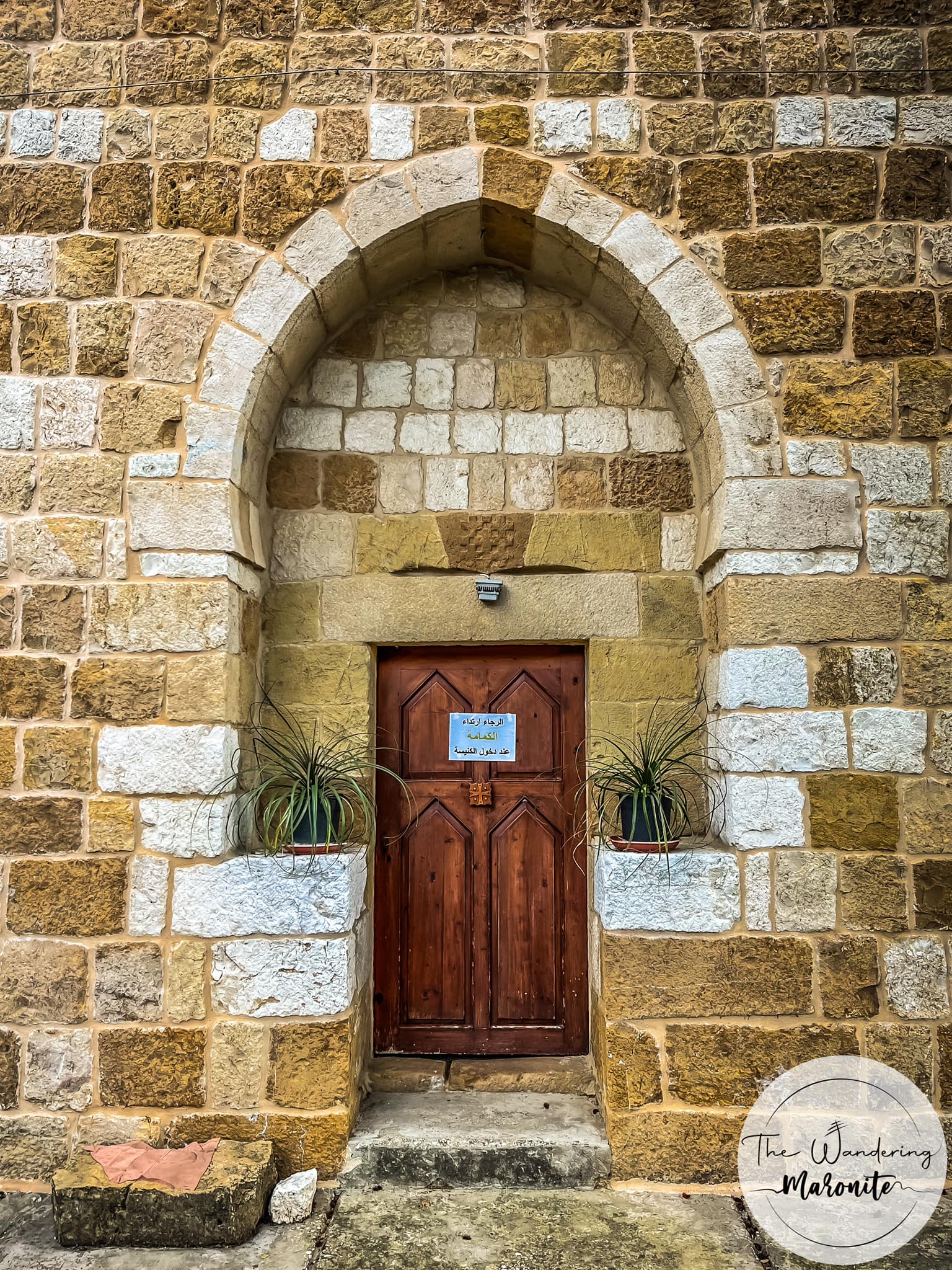
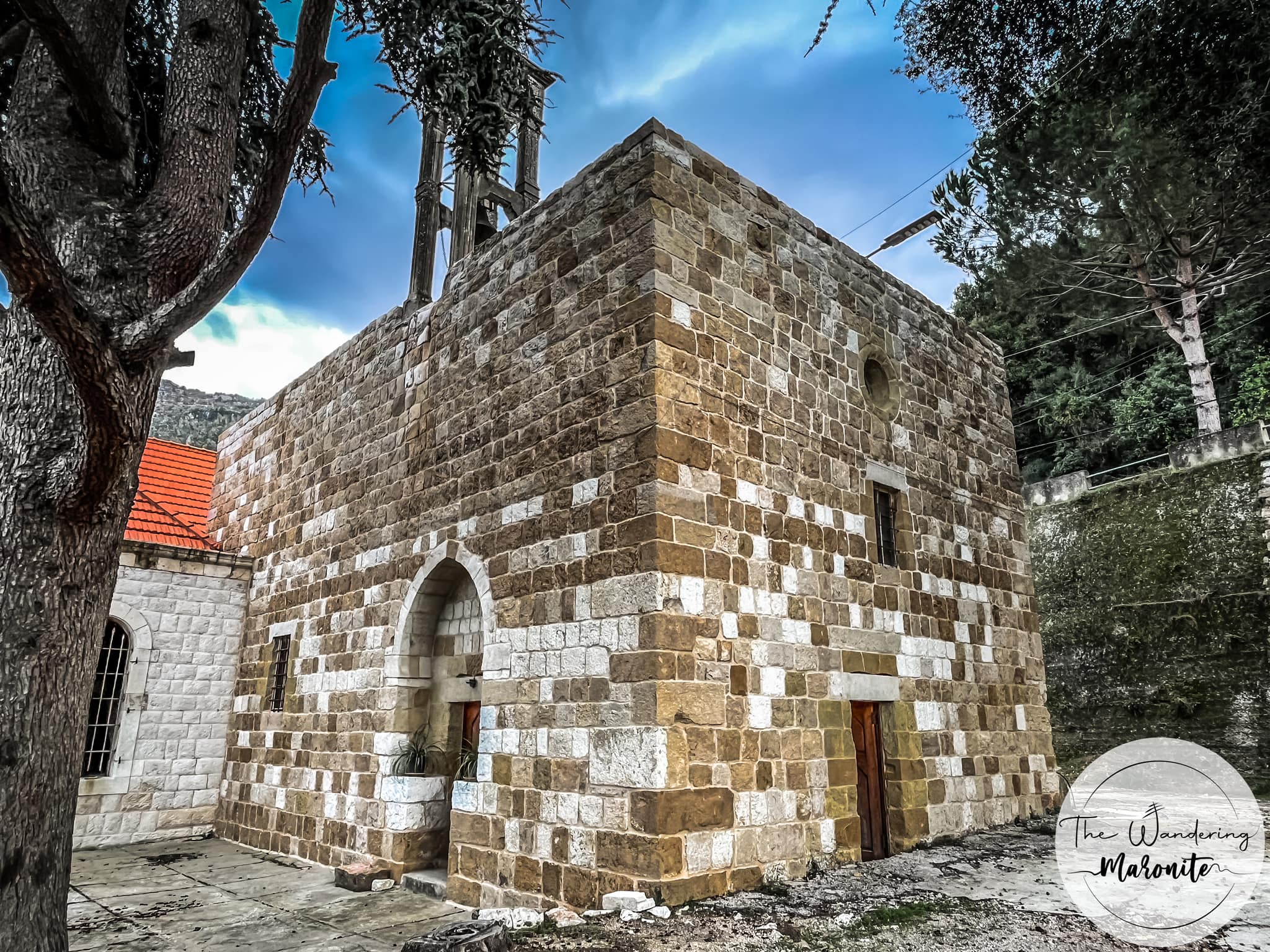
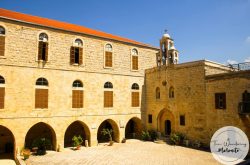
Aramoun – The Monastery of St. Rouhana is located in Al Baqi’a

Monastère St. Rouhana Aramoun, Aaramoun, Lebanon

Other Details

دير مار روحانا البقيعة

Aaramoun Aaley

Aley

Mount Lebanon

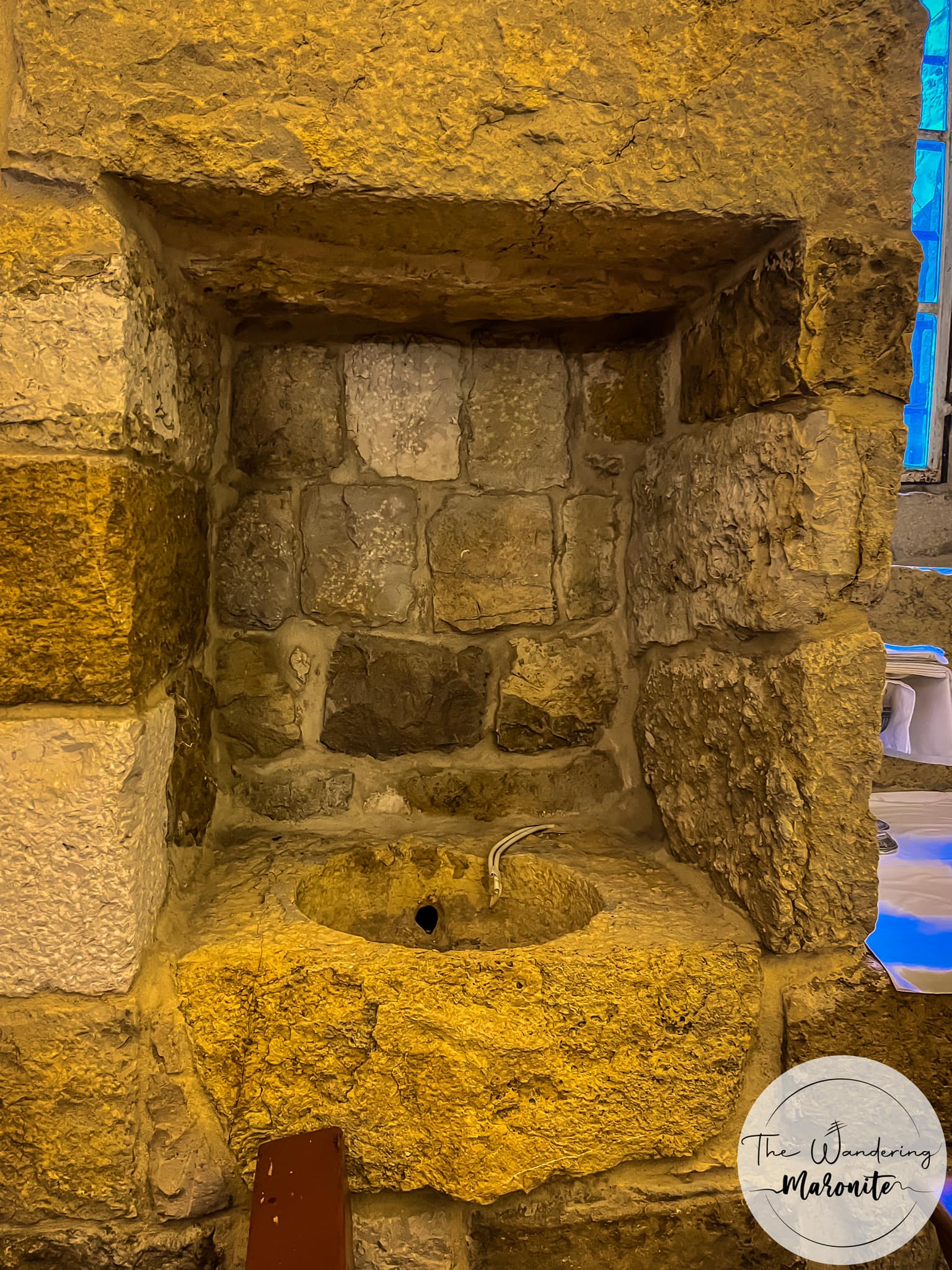
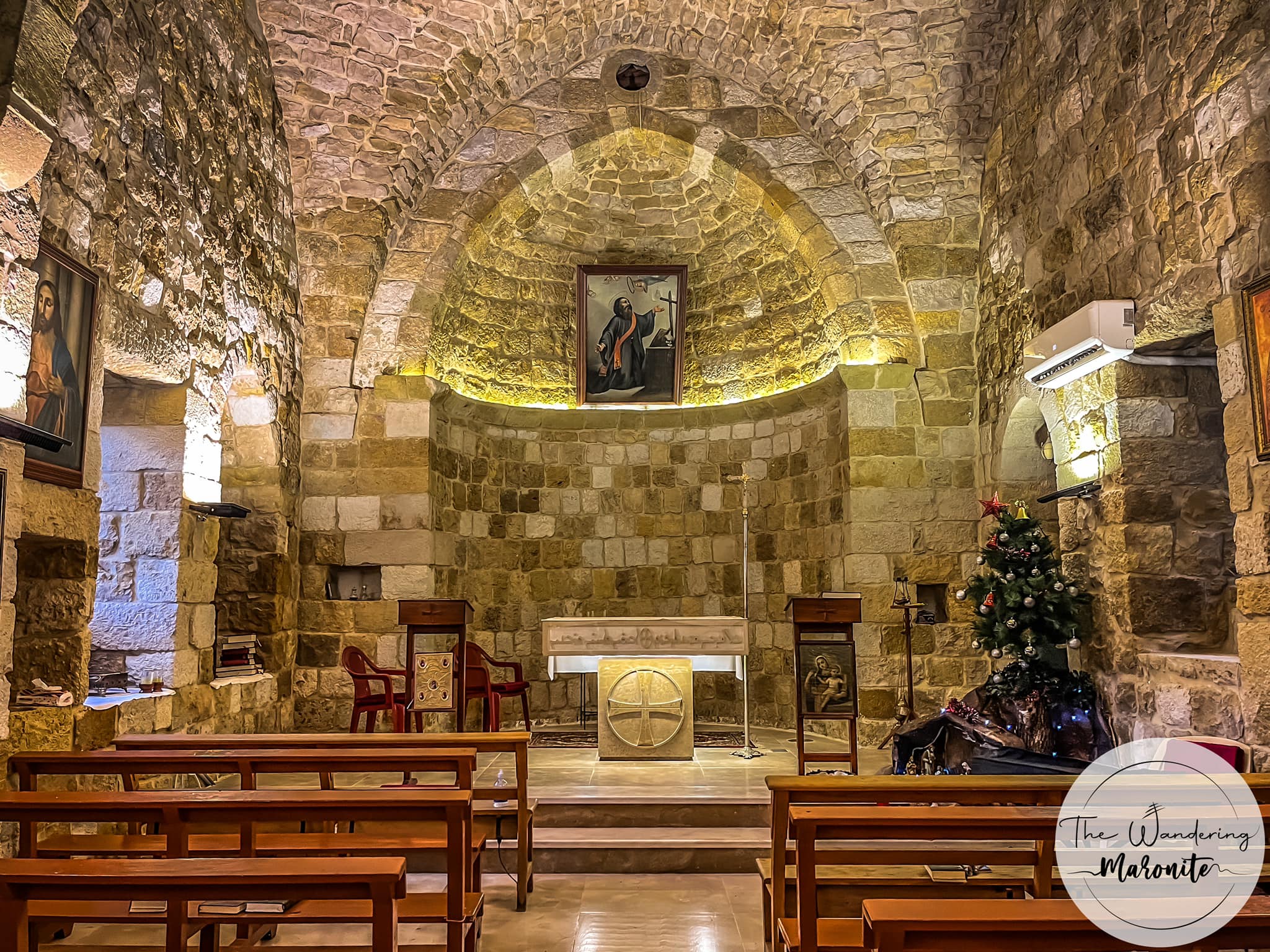
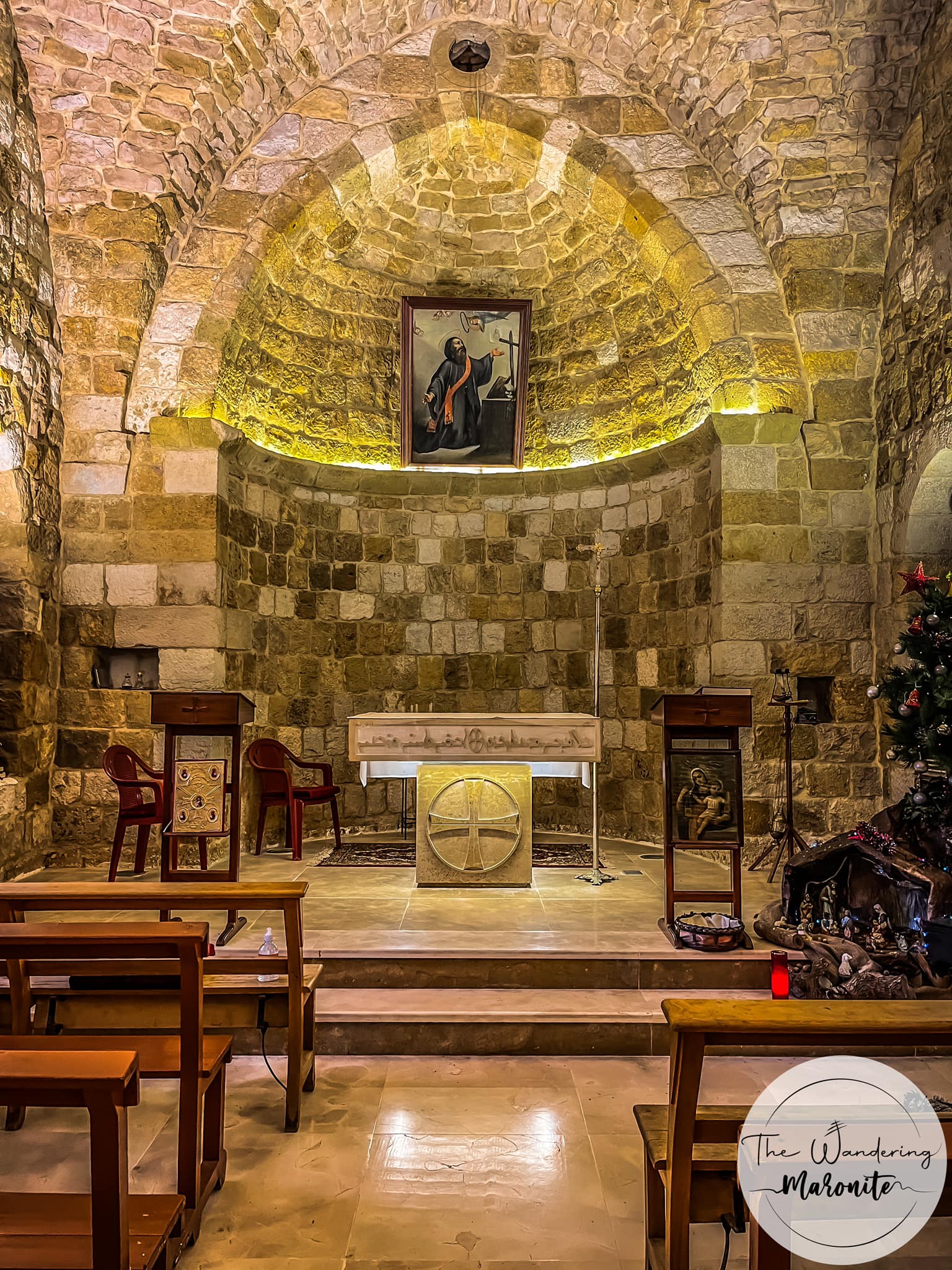
دير مار روحانا البقيعة - عرمون سنة ١٧٠٣ جاء قرار بناء دير مار روحانا، وكان ديرًا مشتركًا للرهبان والعابدات، في موضع مدرسةٍ قديمة لتعليم الأحداث على اسم السيّدة. وسّعه البطريرك طوبيّا الخازن ليكون مقرًّا له خلال إقامته في كسروان. سنة ١٧٧٥ ترهّب في الدير قيس بن رامح الخازن وهو المطران جرمانوس الخازن رئيس أساقفة دمشق. في ٢٥ أيلول ١٨٢٦ فصل البطريرك يوسف حبيش الرهبان عن الدير. رُمّم الدير على عدّة مراحل آخرها سنة ٢٠١٦ حين كُرّس المذبح الجديد. الدير وقف بعناية آل زوين تحت ولاية البطريركيّة المارونيّة. The Monastery of St. Rouhana is located in Al Baqi'a - Aramoun. In 1703, a decision was made to build a joint monastery for monks and nuns on the site of an old school dedicated to the Virgin Mary. Patriarch Tobia El Khazen renovated it to use as his residence during his stay in Keserwan. On September 25, 1826, Patriarch Youssef Hobeish separated the monks from the monastery. The monastery underwent several stages of renovation, with the last one in 2016 when the new altar was consecrated. The monastery is under the jurisdiction of the Maronite Patriarchate and is entrusted to the care of the Zwein family.

Visited 4741 times, 2 Visits today
Reviews are disabled, but trackbacks and pingbacks are open.

Related Listings

Kfarhay – The monastery of St John Maroun

Mar Youhanna Maroun, Lebanon

دير مار يوحنّا مارون

Kfar Hay

Batroun

North

دير مار يوحنّا مارون - كفرحي

يروي التقليد أنّ القدّيس يوحنّا مارون، بنى الدير على أنقاض بيتٍ سكنه العبّاد يوم سيم اسقفًا على البترون في العام ٦٧٦، ونقل إليه هامة مار مارون وسمّاه ريش موران أي رأس مارون، وجعله كرسيّه بعد انتخابه بطريركًا سنة ٦٨٥. أقام في الدّير، البطاركة الموارنة المتعاقبون إلى دانيال الشاماتي. آل الدّير إلى الخراب بعد أن دمّره يوسف سيفا سنة ١٦٣٤. أعاد بناؤه البطريرك يوسف أسطفان سنة ١٧٨٧ وكرّسه على إسم مار يوحنّا مارون، وجعل فيه مدرسةً لتعليم الأحداث ما لبثت أن تحوّلت لإكليريكيّة سنة ١٨١٨ بأمر البطريرك يوحنّا الحلو. الديّر اليوم كرسيّ أساقفة البترون، وهو الشاهد على تاريخ الموارنة في لبنان.

The monastery of St John Maroun - Kfarhay

According to tradition, St John Maroun built the first monastery when he was the bishop of Batroun in 676 over a hermitage, and brought to it the holy relic of the forehead of St Maroun and named it Rish Moran or the head of St Maroun. He made the monastery his patriarcal seat when he was elected in 685. The succeeding patriarchs lived in the monastery until Daniel el Shamaty. The monastery was destroyed by Youssef Sayfa in 1634.
Patriarch Youssef Estfen rebuilt it with a school and consecrated it to St John Maroun, the school was transformed into a seminary in 1818 by a decree of Patriarch Youhanna el Helo.
The monastery is now the seat of the bishops of Batroun, and the witness to the Maronite history.

Jbeil – Saint John Marcus

Monastery of Saint John Marcus Jbeil Lebanese Maronite Order, Byblos, Lebanon

مار يوحنا مرقس - جبيل

1115

Jbayl

Jbeil

Mount Lebanon

A beautiful Romanesque church, Eglise Saint Jean Marc is the cathedral church of Jbail-Byblos. The Church is dedicated to Saint Jean Mark, the patron saint of the town, who is said to have founded the first Christian community of Byblos. The church itself was built in 1115 A.D by the Crusaders, originally as the Cathedral of Saint John the Baptist. After their departure, earthquakes, invasions and other disasters have repeatedly damaged the structure, and for a few centuries it remained disused. In 1764, Emir Youssef Chehab, of the Druze dynasty that ruled a semi- autonomous Lebanon under the Ottomans, donated the church to L’Ordre Libanais Maronite (Lebanese Maronite Order) which subsequently restored and reopened in 1776 after re-dedicating it to St Jean Marc. British bombardments of Lebanon in 1840 caused further damage, but the church was restored yet again. Eglise Saint Jean Marc continues to serve the Maronite Christian community. One interesting feature in the church is its open- air domed baptistery on the northern side which dates from the original construction in 1115 A.D, The church is situated on Rue de Port, between the port and the archaeological area.

Haqel – The church of our Lady of Almonds

Saint Mary -Haqel -Lebanon, 3arbit saydder, Haqel, Lebanon

كنيسة سيّدة اللوزة

Haqel

Jbeil

Mount Lebanon

كنيسة سيّدة اللوزة – حاقل

يعود بناء الكنيسة إلى القرن السابع للميلاد. البناء كناية عن عقدٍ سريريّ ينتهي بحنية. هي من أقدم الكنائس في لبنان، ويعود سبب تسميتها إلى رمزيّة اللوز في الكتاب المقدّس، فاللوزة هي أوّل شجرة تُزهر مُعلنة قدوم الربيع، وقد رأى الآباء في اللوزة رمزًا لإيمان مريم العذراء. كانت هذه الكنيسة منطلقًا للعلّامة إبراهيم الحاقلاني قبل ذهابه إلى روما سنة 1616، وللحاج سلهب الحاقلاني مؤسس دير سيّدة اللويزة – ذوق مصبح سنة 1682. تضمّ الكنيسة نقوشًا صليبيّة على الكلس، لوحة السيّدة من القرن السادس عشر، ونسخة أحدث عنها، مذبح أساسيّ رخاميّ يعود لسنة 1923، ومذبح خلفيّ خشبيّ.

The church of our Lady of Almonds - Haqel

The church was built in the VIIth century. The structure consists of a crib vault. It is one of the oldest churches in Mount Lebanon. The origin of the name Lady of Almond is Biblical, the almond tree being the first tree that blossoms announcing spring. Early Church fathers saw in the almond tree a symbol of the Virgin Mary. The church was the parish of Ibrahim Haqlany before he went to Rome in 1616, and the monk Salhab Haqlany founder of the monastery of Our Lady of Louaize Zouk Mosbeh in 1682. The church holds engravings dating back to the crusaders era, a XVIth century Marian icon and a latter replica, a main marble altar fron 1923, and a wooden altar at the end of the church.