
Aqoura – The monastery of St Edna

Mar Edna Monastery, Aaqoura, Lebanon

Other Details

دير مار إدنا

Aaqoura

Jbeil

Mount Lebanon

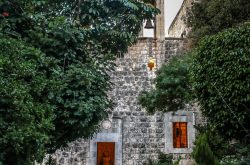
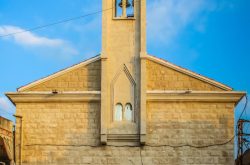
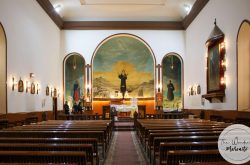
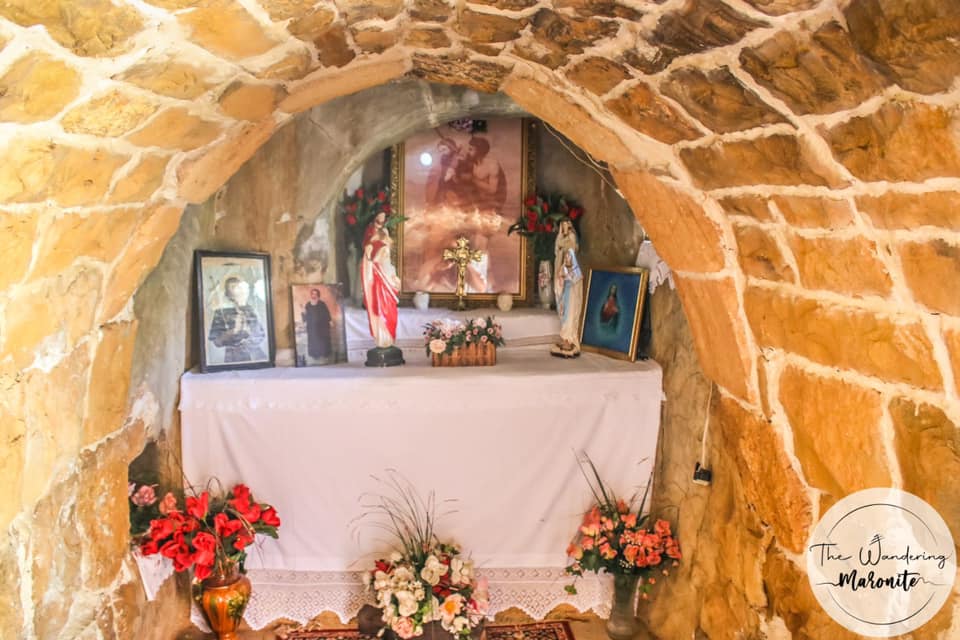
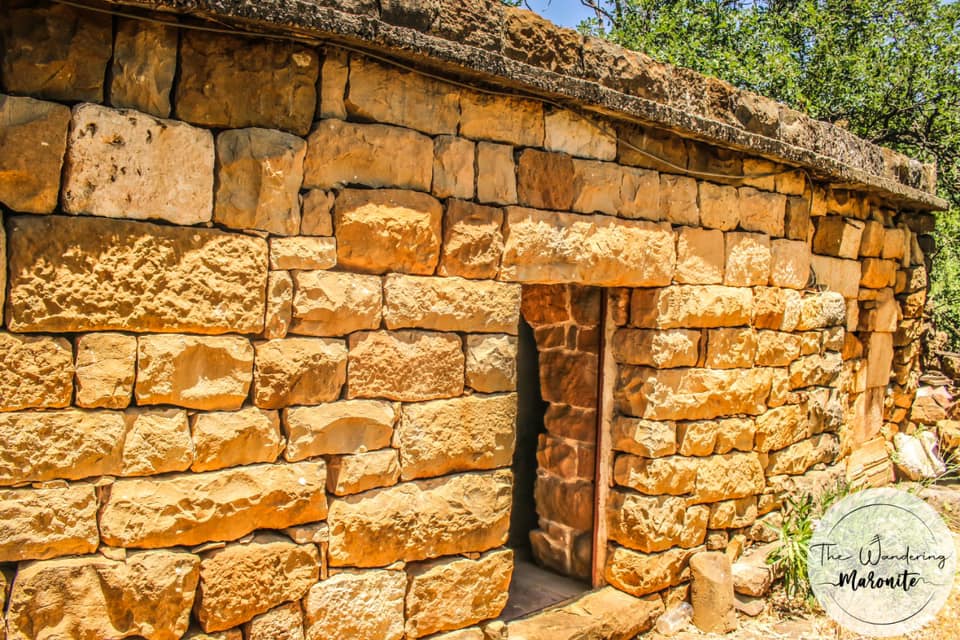
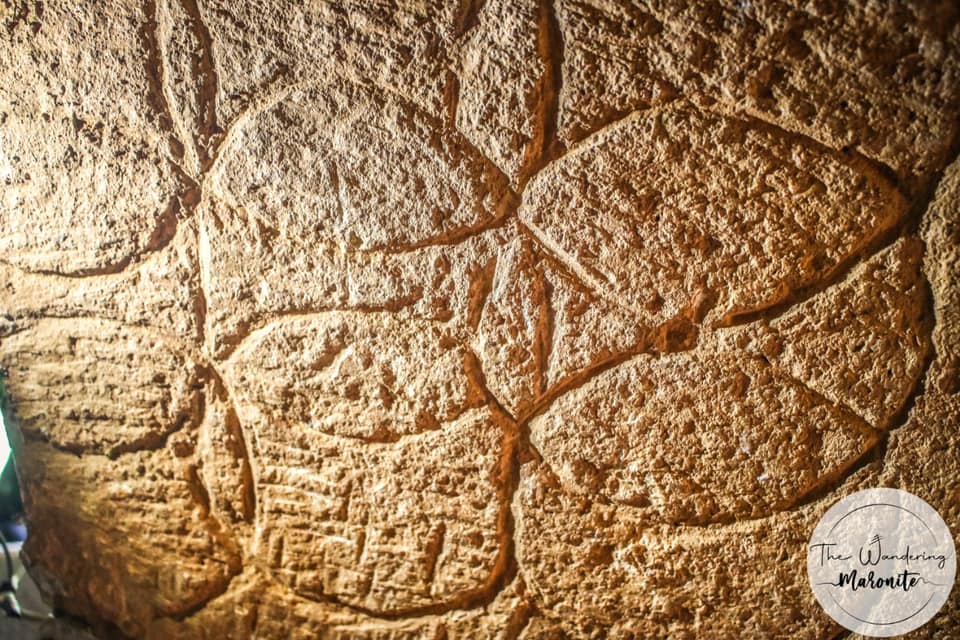
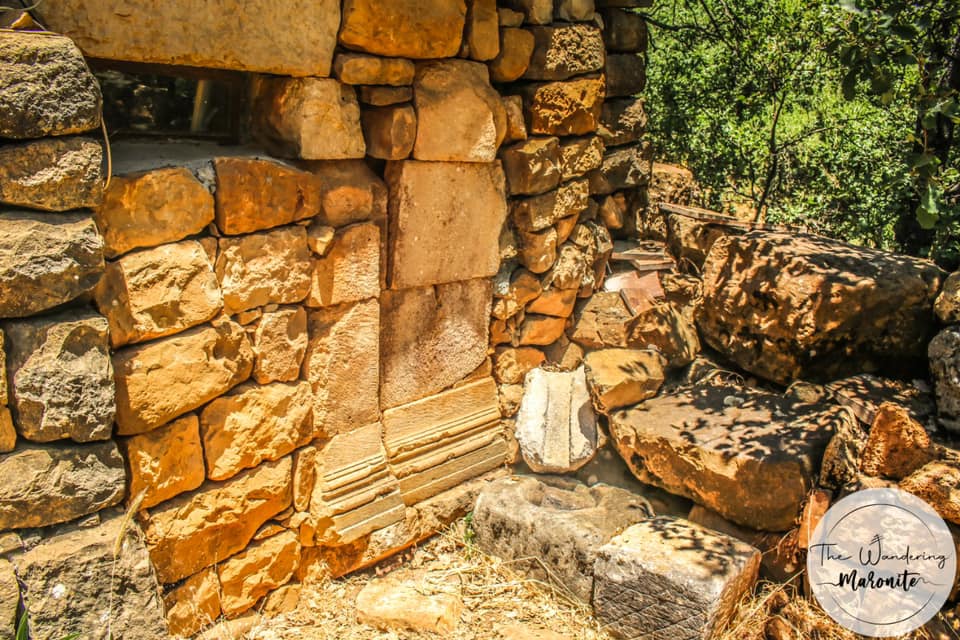
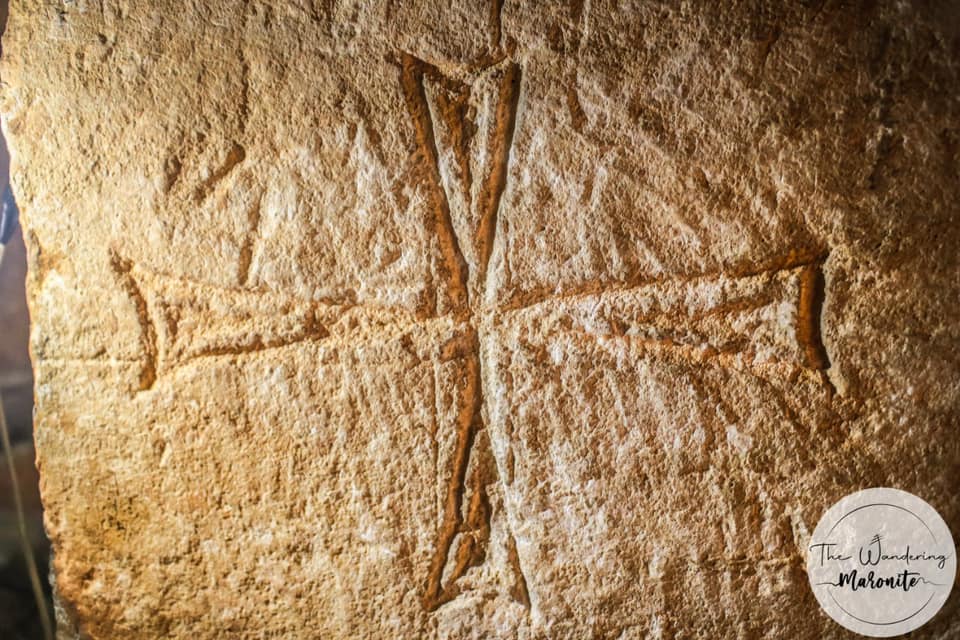
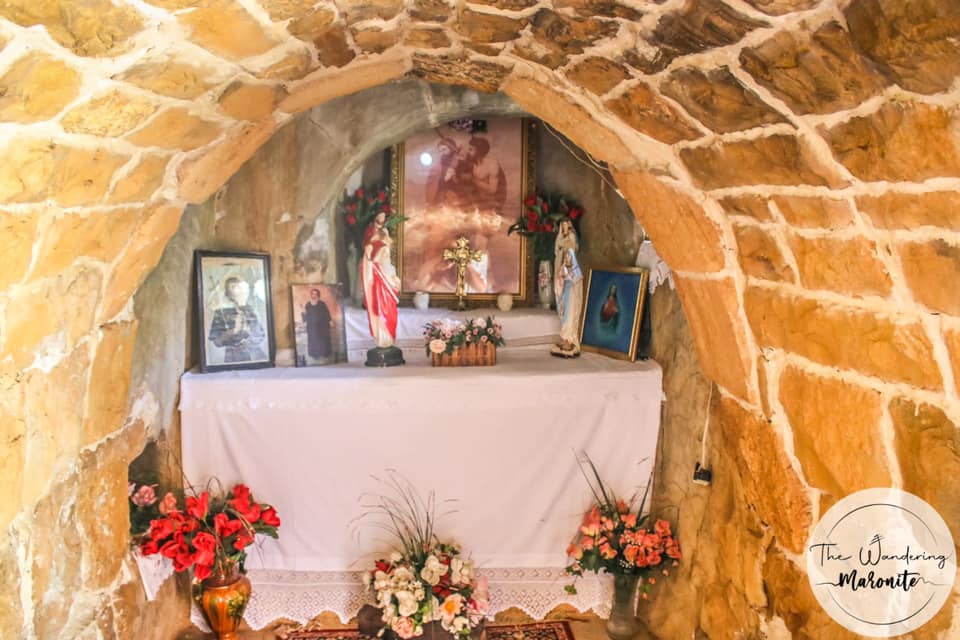
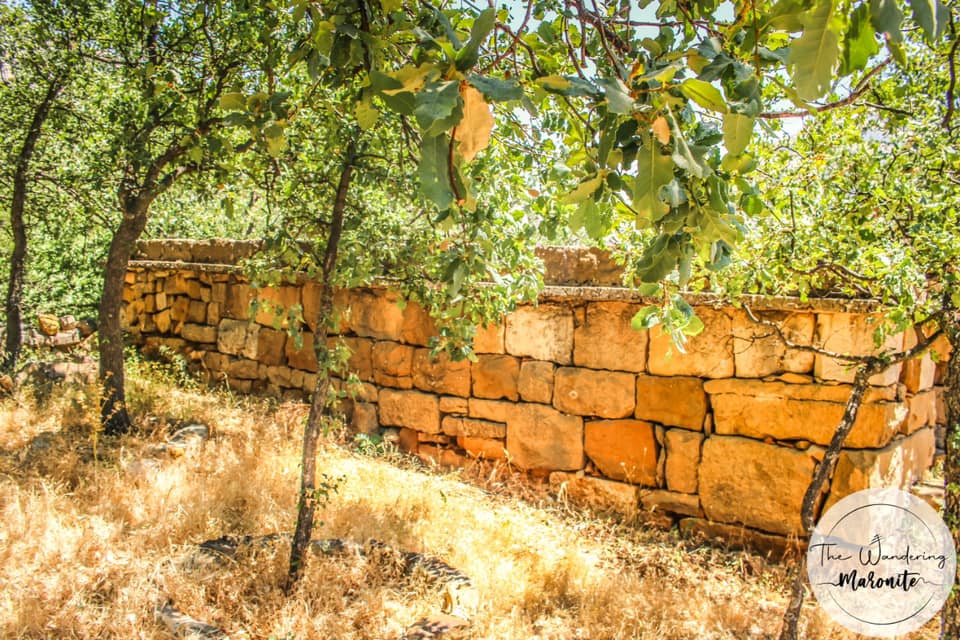
دير مار ادنا - العاقورةادنا هو لقب سريانيّ لمار طراخونيوس، وهو من القدّيسين الأكثر شهرة عند موارنة القرون الوسطى. بني هذا الدّير سنة ٥٠٩ على أنقاضٍ رومانيّة ما زالت ماثلة، ويتألّف من كنيسة بخوروسين ما يزال القسم الجنوبيّ منها ماثل. بقيّة الدّير ودير البنات أي دير الراهبات العابدات الذي بقربه أنقاض. قنطرة الحنية مزيّنة بالعديد من الصلبان والنقوش التي ترمز للتجسد والفداء. كان الدّير مقرًّا لأساقفة العاقورة مدى قرون ومن أشهرهم البطريرك يوحنا السابع العاقوري الذي توفي سنة ١٣٥٧.The monastery of St Edna - AqouraEdna is a title given by syriacs to St Trakhonius, who was one of the most venerated saints by the medieval Maronites. The monastery was built in 509 over roman ruins that are still visible, and it consists of a two aped church, with the southern part of the church still standing. The rest of the church and monastery and the adjacent nunnery are all in ruins. The apse is decorated with crosses and symbols of the Incarnation and Redemption. The monastery was the seat of Aqoura’s bishops for centuries, the most famous of them was patriarch John VII El Aqoury who died in 1357.

Visited 3149 times, 6 Visits today

Reviews are disabled, but trackbacks and pingbacks are open.

Related Listings

Ban – The church of Our Lady of the fields

Saydet El-Hakleh, Ariz, Lebanon

كنيسة سيّدة الحقلة

Bane

Bcharre

North

كنيسة سيّدة الحقلة - بان

بنيت سنة ١٨٨٣ كما تشير البلاطة التذكاريّة. هي كابيلا صغيرة تابعة للرعيّة بجانب المدافن تتألف من سوق واحد ينتهي بالمذبح. زيد عليها قنطرة المدخل والقرميد أواخر القرن العشرين. لوحتها من صنع أوروبي تعود لسنة ١٩٢٣.

The church of Our Lady of the fields - Ban

The church was built in 1883 as it is shown by the epitaph. The church is a small chapel near the cemetery. It consists of one nave ending with the altar. A gateway and a tiled roof were added at the end of the XXth century. The painting is imported from Europe and dates back to 1923.

Kobayyat – The monastery of Chalita

Saint Challita church, Qatlabah, Lebanon

دير مار شليطا

Qbaiyat Aakkar

Akkar

Akkar

دير مار شليطا - القبيات

يقع الدّير في منطقة وادي حلسبان، في الأصل كان البناء معبدًا رومانيًّا للإله بان إله الرعيان والمواشي. حوّله الأهالي إلى كنيسةٍ بيزنطيّة على اسم القدّيس شليطا (أرتاميوس) شفيع الحيوانات والمواشي، إشارةً إلى تحوّلهم من الوثنيّة. بقي الدّير مُهملاً فترةً طويلةً، فآل إلى الخراب. خلال تسعينيّات القرن العشرين رُمّم الدّير، لكنّ الترميم أزال قسمًا كبيرًا من معالمه. أصبح الدّير اليوم مقصدًا للسيّاح ومحجًّا.

The monastery of Chalita - Kobayyat

The monastery is located in the valley of Helesban. The building was a roman temple dedicated to Pan the god of shepherds. The temple was converted into a church during the byzantine era and was dedicated to St Chalita (Arthemius) the patron saint of animals and heards. After the middle ages, the monastery fell into ruins for along time. The structure was restored in the last decade of the XXth century, yet the restoration destroyed many of the original elements. The monastery became a pilgrimage site.

Hassroun – The church of St Laby the Apostle

St. Jude Church, Hasroun, Lebanon

كنيسة مار لابي الرسول

Hasroun

Bcharre

North

كنيسة مار لابي الرسول - حصرون

بحسب أحد التقاليد بنى الملك حصرائيم (الذي منه اسم بلدة حصرون) قصرًا وهيكلًا في هذا الموضع تحوّل في الجيل الرابع إلى كنيسةٍ على اسم مار لابي وهو اللقب السريانيّ ليهوذا الرسول. بني القسم الشرقيّ من الكنيسة في القرن الثالث عشر، وأضيف سنة ١٧٧٠ القسم الغربيّ. أخذت الكنيسة شكلها مع الصليبيّين، وهي عقد سريريّ منخفض بحنية واحدة. تضمّ الكنيسة مجموعةً من اللوحات التي تعود للقرن الثامن عشر وهي مزيج بين الأيقونة المشرقيّة وفنّ عصر النهضة.

The church of St Laby the Apostle - Hassroun

According to a folk tale, king Hassraym (from whom derived the name Hassroun) built a palace and a temple that was converted in the IVth century into a church dedicated to the apostle Laby (the syriac title given to Thaddeus or Jude). The eastern aisle was built in the XIIIth century. In 1770 the western aisle was built. During the crusaders era the church took its form, a single nave crib vaulted structure beneath the road. The church holds many XVIIth century paintings that are a representation of the local iconography being influenced by the art of the renaissance.