
Aqoura – The church of Sts Peter and Paul

Saint Peter and Paul, Aaqoura, Lebanon

Other Details

كنيسة مار بطرس وبولس

Aaqoura

Jbeil

Mount Lebanon

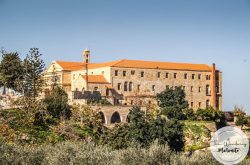
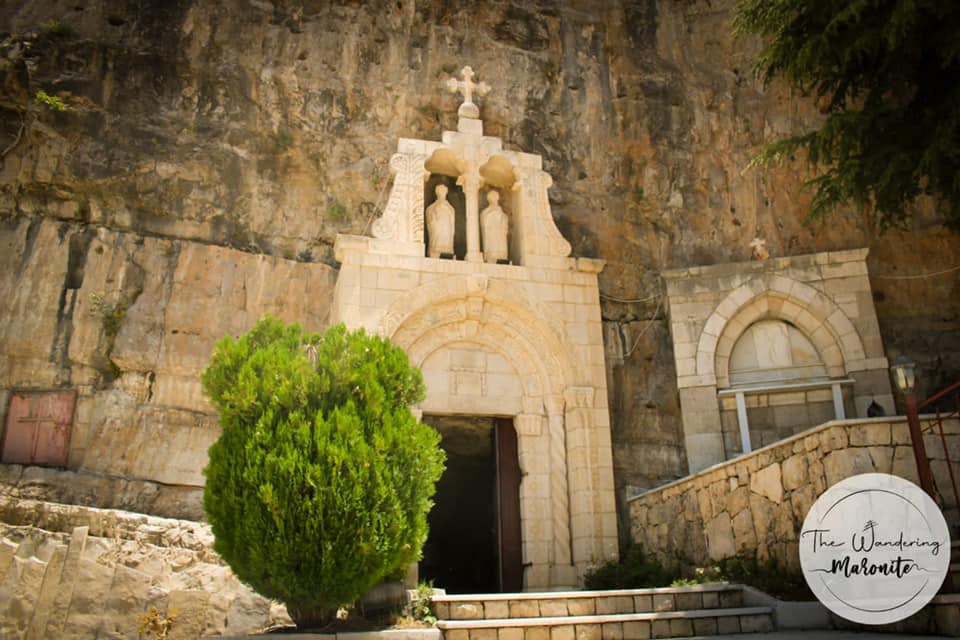
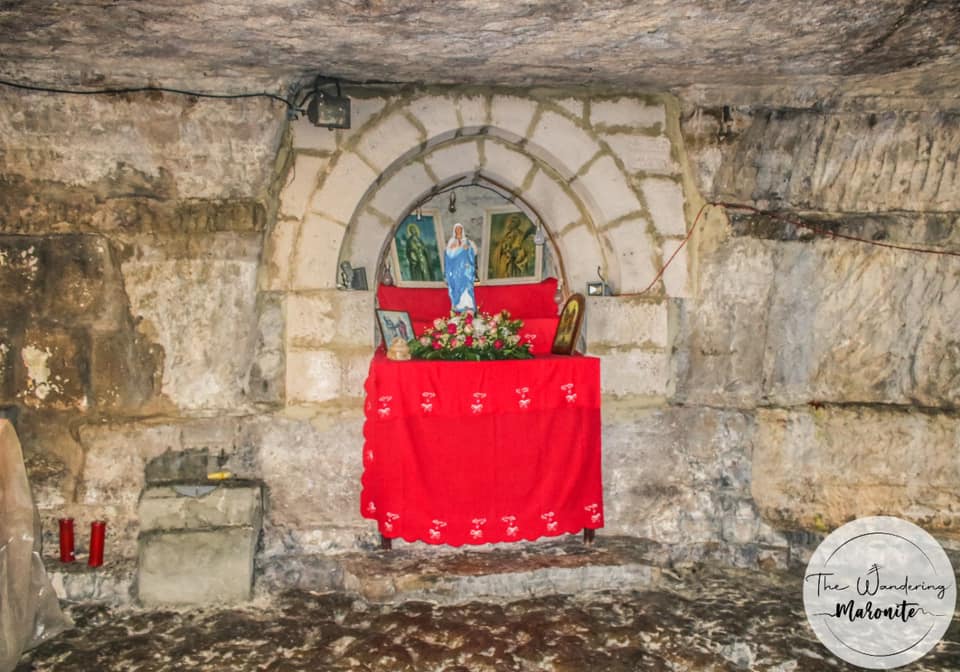
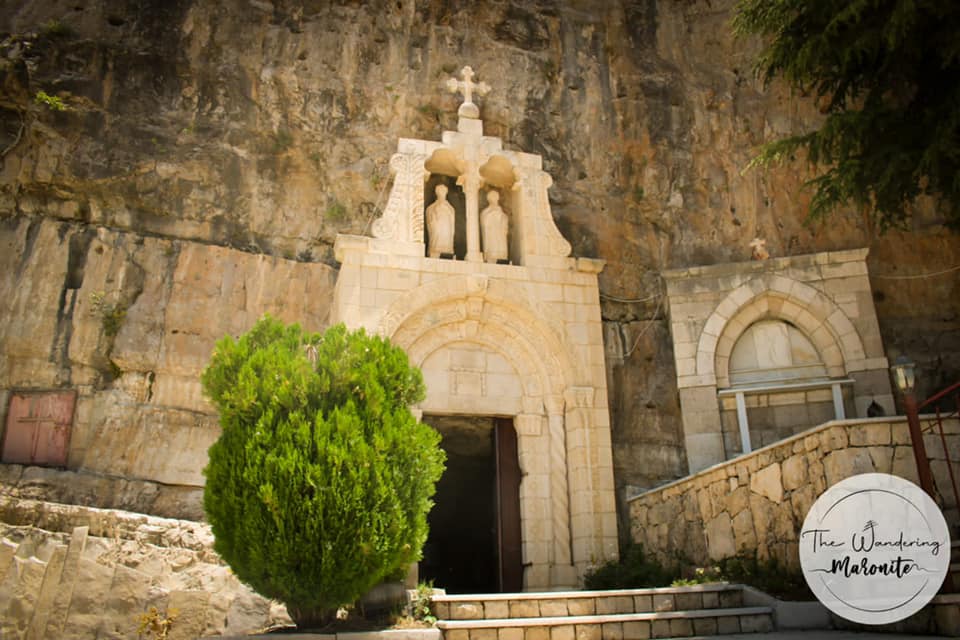
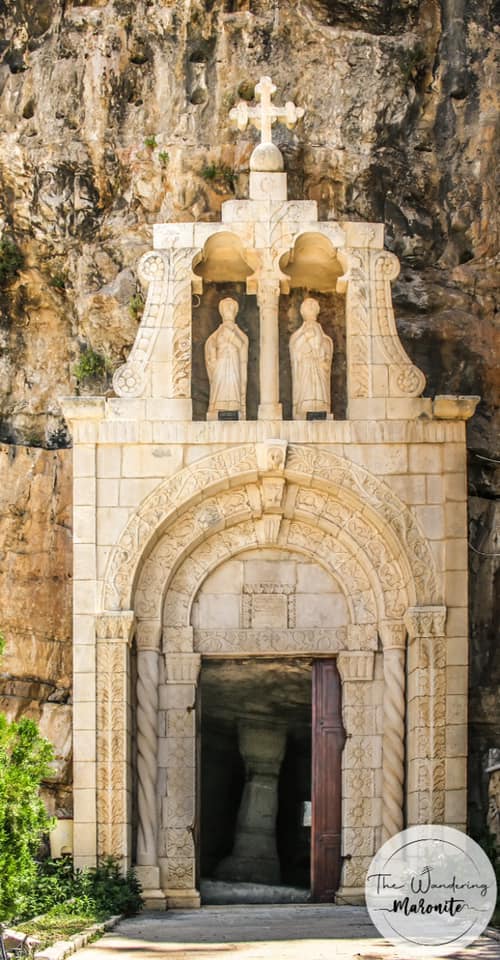
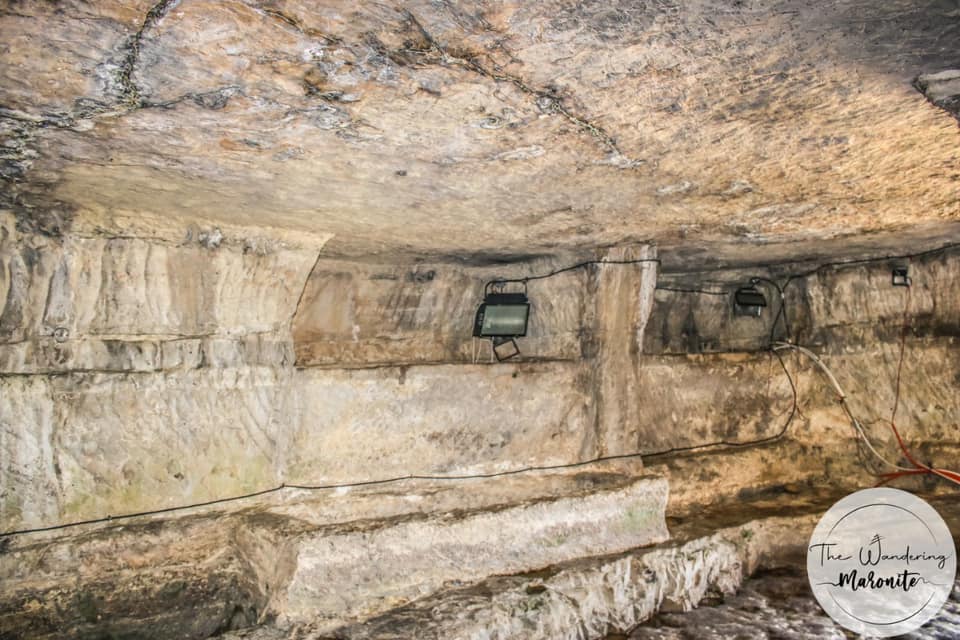
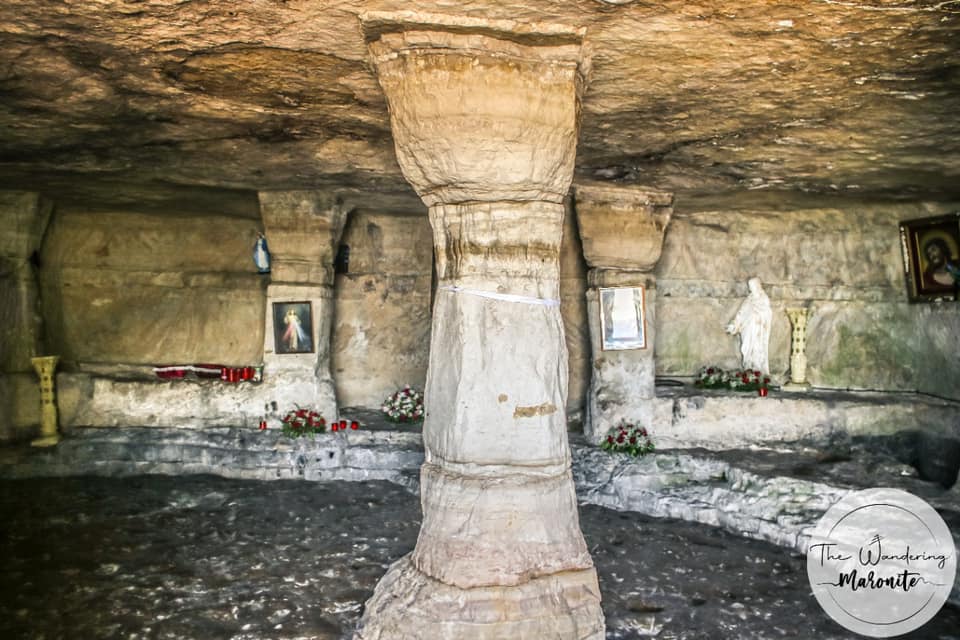
كنيسة مار بطرس وبولس - العاقورةالكنيسة عبارة عن مغارة كانت مدفنًا لكهنة أدونيس وتحوي عدّة نواويس، وثلاث اعمدة تنضح الماء كانت قديمًا لنذور العواقر. وثّق المغارة العالم إرنست رينان والمفوّضيّة السّامية الفرنسيّة، لكنّ العديد من معالم المدفن خرّبت جرّاء البحث عن الطمائر. على الجدار الشرقيّ داخل الكنيسة كتابة منقوشة باللغة السريانيّة وهي مختلفة من حيث الاسلوب، لأنّها منقوشةٌ بشكلٍ عاموديٍّ وليس افقياً. وقد فسّر علماء الآثار هذه الظاهرة أنّه في القرن السابع للميلاد زمن الامويّين ذهبت بعثات نسطوريّة الى الصين. وهذا ما يفسّر الاسلوب العامودي في الكتابة الآراميّة المنقوشة، فهؤلاء تأثروا بالكتابة الصينيّة العاموديّة كالكتابات السريانيّة في شيان التي تعود للحقبة نفسها. رمّم المذبح سنة ١٨٩٥، والواجهة الأماميّة سنة ١٩٥٢.The church of Sts Peter and Paul - AqouraThe church was a funerary cave for the priests of Adonis, it holds many sarcophaguses and three columns that pour water. The cave was studied by Ernest Renan and the archeologists of the French high commissariat. The church holds a VIIth century Syriac calligraphy that is distinct since it was written vertically, which relates to the Nestorian monks who went to missions during the Umayyad era and reached China. There they were influenced by the mandarin calligraphy and began writing Syriac in this manner. The stella of Xian uses the same type of writing and dates back to that era. The church was plundered by tomb raiders, the high altar was restored in 1895, and the entrance in 1952.

Visited 3038 times, 2 Visits today

Reviews are disabled, but trackbacks and pingbacks are open.

Related Listings

Amioun – The church of St Focas

Saint Phocas Antique Church, Amioun, Lebanon

كنيسة مار فوقا

Amioun

Koura

North

كنيسة مار فوقا – أميون
كنيسة مار فوقا كنيسة أرثوذكسيّة تعود الى العهد الصليبيّ. شُيِّدت فوق معبد وثنيّ فوقه كنيسة بيزنطيّة تعود الى القرن السابع. الكنيسة بازيليكيّة، بثلاثة أروقة. تحوي الكنيسة جداريّات بيزنطيّة، تُمَثِّل السيد المسيح والعذراء مريم والرُسُل والقدّيسين، منهم مار فوقا ومار سمعان. دُفن في هذه الكنيسة قائد الجيش البيزنطيّ موريق، الذي أرسله الامبراطور يوستينيانوس لِقَمع تَمَرُّد الموارنة، وقتل في المواجهة التي حدثت في أميون بين الفريقين سنة ٦٩٤.

The church of St Focas - Amioun

The church of St Focas is a Greek Orthodox church built during the times of the Crusades, over a VIIth century Byzantine church built over a Roman temple. The church is basilical with three naves. It is decorated with medieval frescoes depicting Christ, the Theotokos, Apostles and other saints. In this church is buried the Byzantine commander Moricius sent by emperor Justinian to quell the Maronite’s revolt in 694, and died in the battle of Amioun.

Jeita – The convent of St Elias el Ras

Mar Elias El Ras Monastere (Church), Mazraat El Ras, Lebanon

دير مار الياس الراس

Jaaita

Keserwan

Mount Lebanon

دير مار الياس الراس – جعيتا

تأسّس الدّير في مزرعة الراس بعد جلاء المماليك عن كسروان. عام ١٧٠٤ كان الدّير بعهدة القسّ بطرس صفرونيوس الحاقلانيّ من زوق مصبح، الذي ترهّب فيه مع رهبانه العبّاد.
قرّر المجمع اللبنانيّ المنعقد سنة ١٧٣٦ إلغاء الأديار المزدوجة، وفصل أديار الرهبان عن أديار الراهبات، وشدّد على أن يكون للراهبات قانون خاصّ. عند الإنتقال إلى مرحلة تطبيق مبدأ الفصل إتّفق القاصد الرسوليّ يوسف السمعانيّ مع المطران عبدالله قراعلي، على إنشاء دير قانونيّ يكون مثالًا وقدوة لسائر أديار الراهبات في دير ما الياس الراس. وهكذا آل الدير إلى الرّهبانيّة اللبنانيّة المارونيّة.
باشر الرهبان، بعد استلام الدّير، بناء كنيسةٍ ودير مخصّص لسكن راهبات محصّنات فبني الدّير الجديد مع كنيسته الكبيرة. فُتحت أبواب الدير في ٦ كانون الثاني ١٧٤٠. ولا يزال إلى اليوم واحة صلاةٍ وتأملٍ، ومزارًا يقصده المؤمنون من كلّ حدبٍ وصوب.

The convent of St Elias el Ras - Jeita

The convent was built in the farm of El Rass after the Mamluks left Keserwan. In 1704 the convent was under the custody of Boutros Safronius el Haklany, a monk from Zouk Mosbeh. In 1736 the Lebanese Council dictated that nunneries shall be separated from monks' monasteries, thereby abolishing mixed monasteries, and giving nuns their own convents and rules. When it was time to apply the new rules, Monsignor Youssef El Semaany, the papal nuncio, and Bishop Abdallah Qaraaly, decided to give St Elias’s convent to the nuns of the newly formed Lebanese Order. It was decided to build a new convent suitable for contemplative nuns with a big church. The new convent was consecrated on the 6th of January 1740, and is still a haven for prayer and meditation, and a shrine for all pilgrims.