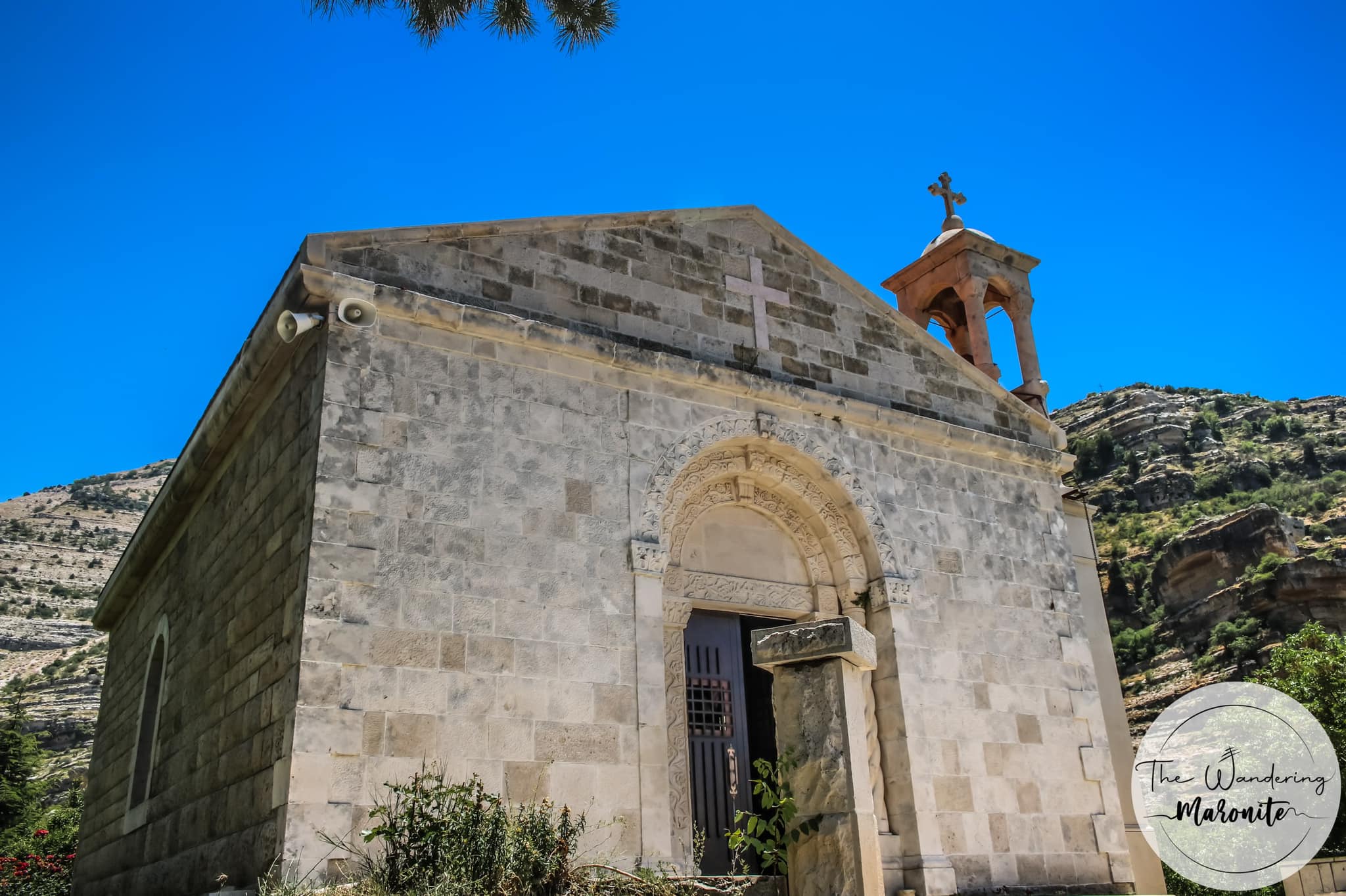
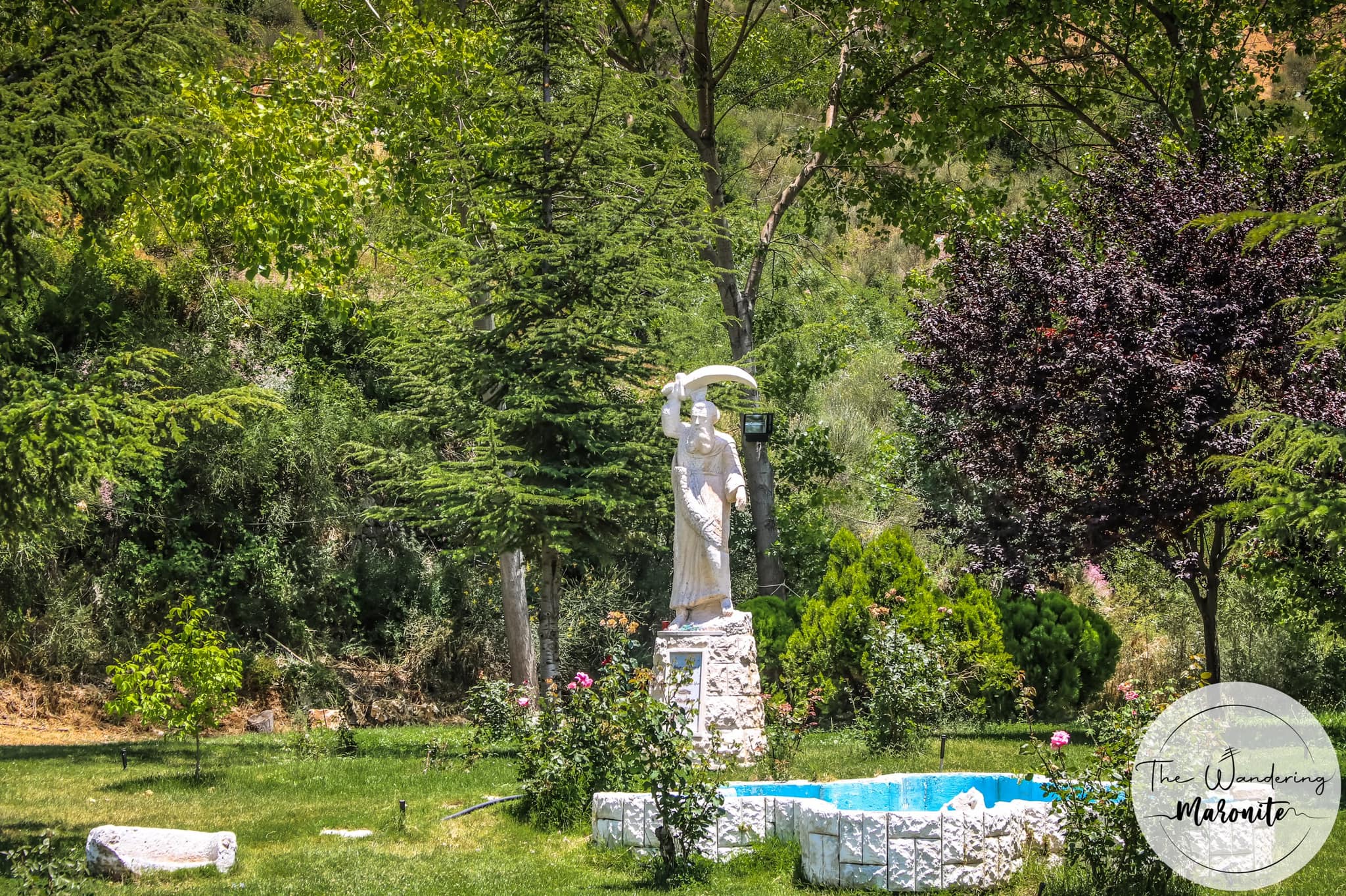
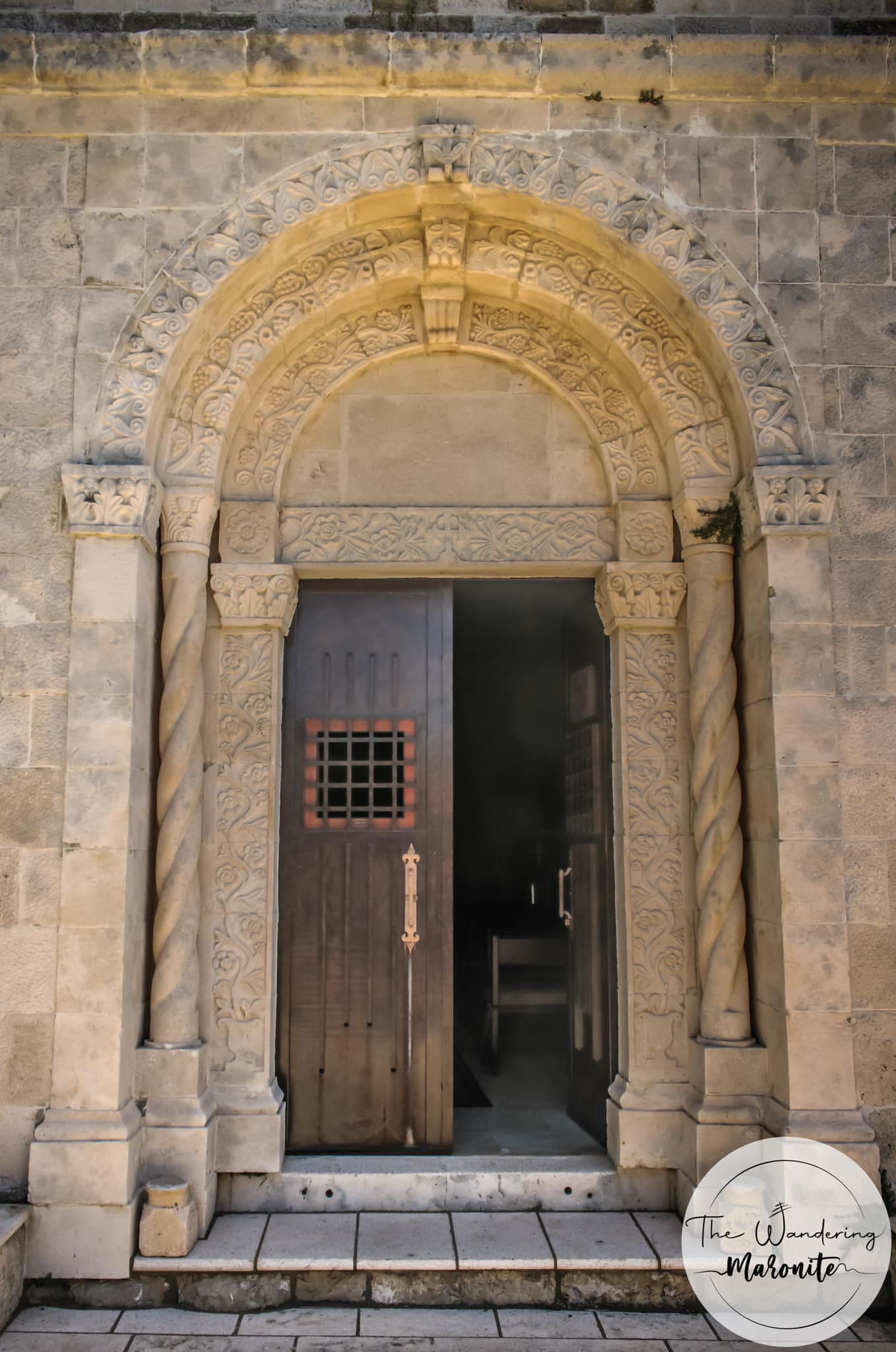
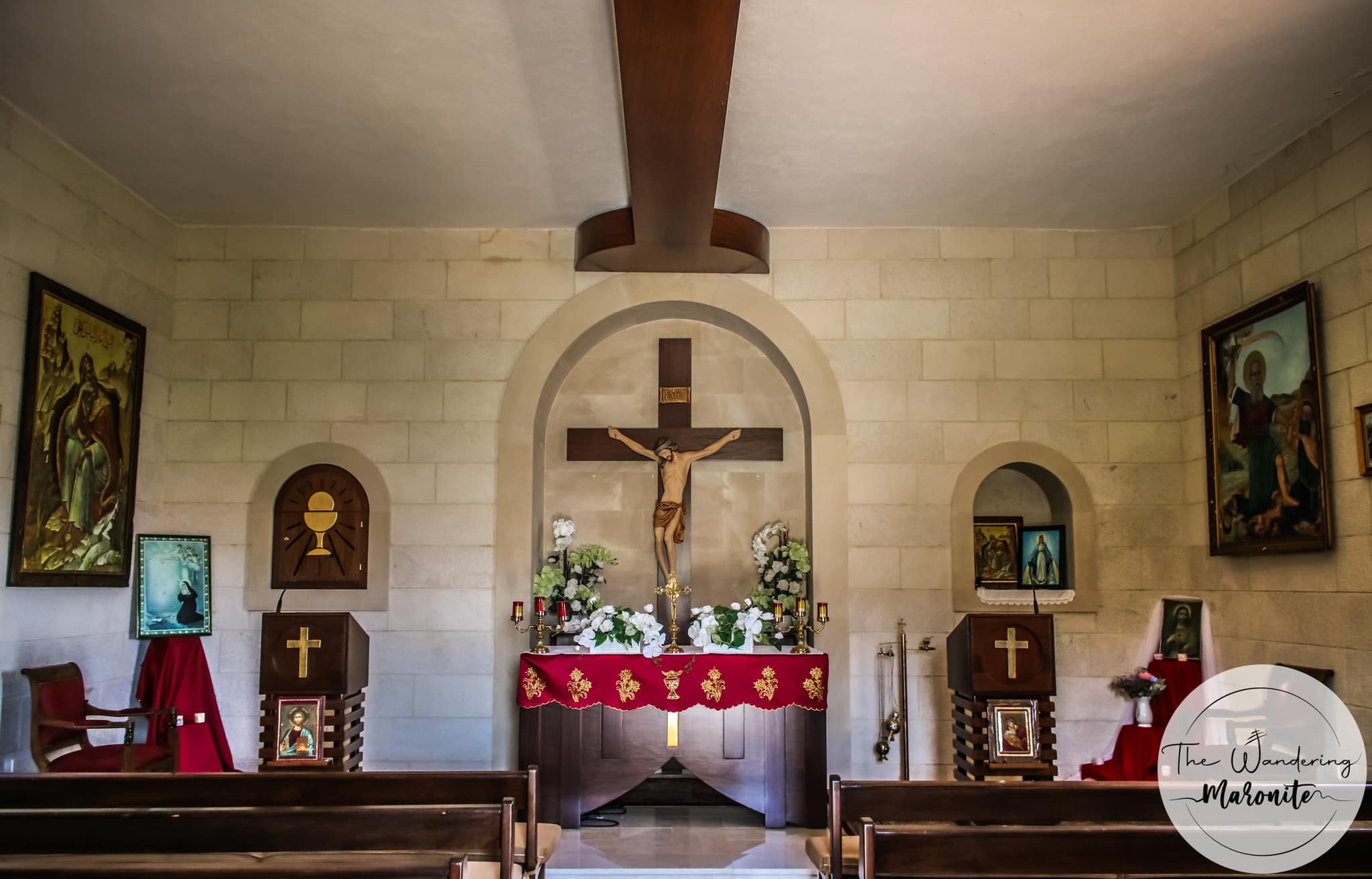
كنيسة مار الياس - العاقورة
هي كنيسة صغيرة مسقوفة بُنيت أواخر القرن التاسع عشر، زُخرف بابها وأُضيفت لها القبّة في خمسينيّات القرن العشرين، رُمّمت وأخذت شكلها الحاليّ سنة ٢٠١٦.
The church of St Elijah - Aaqoura
The church is a small roofed structure built in the late XIXth century. During the mid XXth century the main door was decorated with arabesques and a bell tower was added to the structure. It was restored and took its current form in 2016.
St. Mary Church - كنيسة السيدة, Wadi Jezzine, Lebanon
كنيسة السيّدة
Wadi Jezzine
Jezzine
South
كنيسة السيّدة - وادي جزّين
بُنيت الكنيسة الأولى أواخر القرن الثامن عشر وهي كنيسة صغيرة بسقف خشبيّ بهبة من الشيخ بشير جنبلاط. نجت هذه الكنيسة بأعجوبة من الخراب خلال أحداث ١٨٤٠ حين حاول المعتدون إحراق السقف الخشبيّ فلم يحترق وسنة ١٨٦٠ حين وريت بالضباب. سنة ١٨٩٠ أخذت الكنيسة شكلها الحاليّ، لكنّ البناء لم يكتمل إلّا سنة ١٩٠٣ بسعي أبناء البلدة في الأرجنتين. في الكنيسة لوحتان للسيّدة إحداهما تعود للقرن الثامن عشر، والأخرى تعود لسنة ١٩٠١ من عمل الياس الأسمر كرم.
The church of Our Lady - Wadi Jezzine
The first church was built in the XVIIIth century, it was a small church with a wooden ceiling, on a plot of land donated by Sheikh Bachir Joumblat. The church was miraculously saved from being burned in 1840, and was hidden by a thick fog from the eyes of the aggressors during the war of 1860. In 1890 the church took its final shape with a stone vaulted ceiling. the church was finally completed in 1903. The church holds two paintings of the Virgin Mary: an XVIIIth century icon , and another one from 1901 by Elias Asmar Karam.
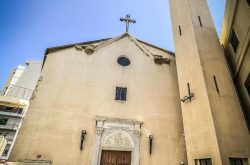
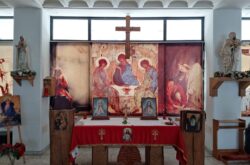
كنيسة مار مخايل للموارنة - الزاهرية, Tripoli, Lebanon
كاتدرائية مار ميخائيل
Trablous Ez-Zahrieh
Tripoli
North
كاتدرائية مار ميخائيل - الزاهريّة طرابلس
شُيِّدت الكاتدرائيّة سنة ١٨٥٨، واكتُمل البناء سنة ١٨٨٩. كان الساعي لبنائها الخورأسقف يوسف فاضل السمعاني. انتقلت الكاتدرائيّة الى كنيسة مار مارون أواسط القرن العشرين. تتميّز الكنيسة بطرازها البازيليكيّ ونقوشها الشرقيّة.
The Cathedral of St Michael - El Zahrye Tripoli
The cathedral was built in 1885 and completed in 1889. It was Chorbishop Youssef Fadel El Semaany who commissioned the construction. The seat of the bishop was moved to the new St Maroun Cathedral in the mid XXth century. The church is basilical with distinctive oriental arabesque.




Reviews are disabled, but trackbacks and pingbacks are open.