
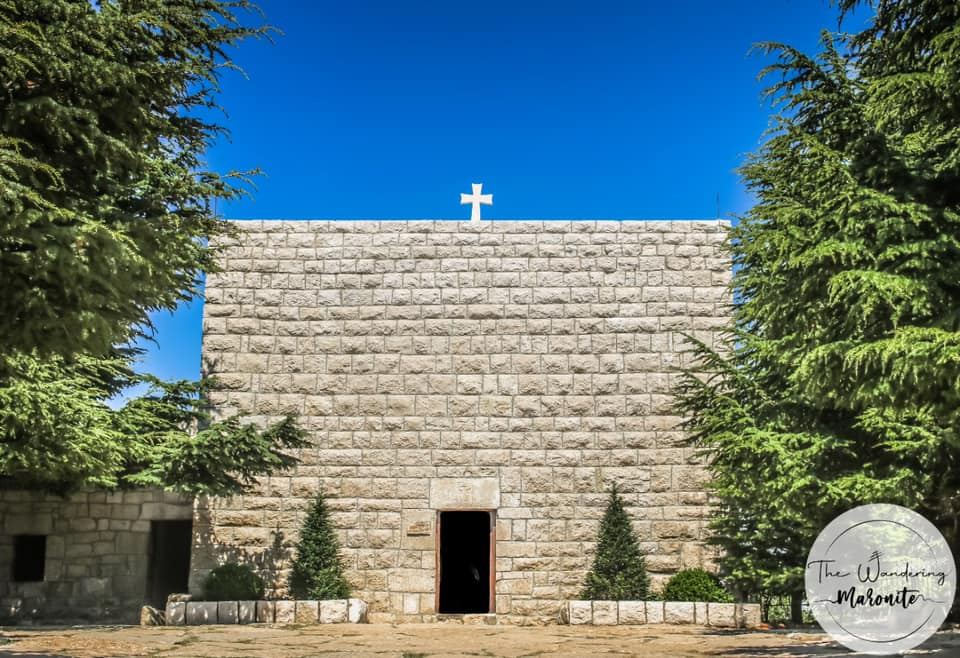
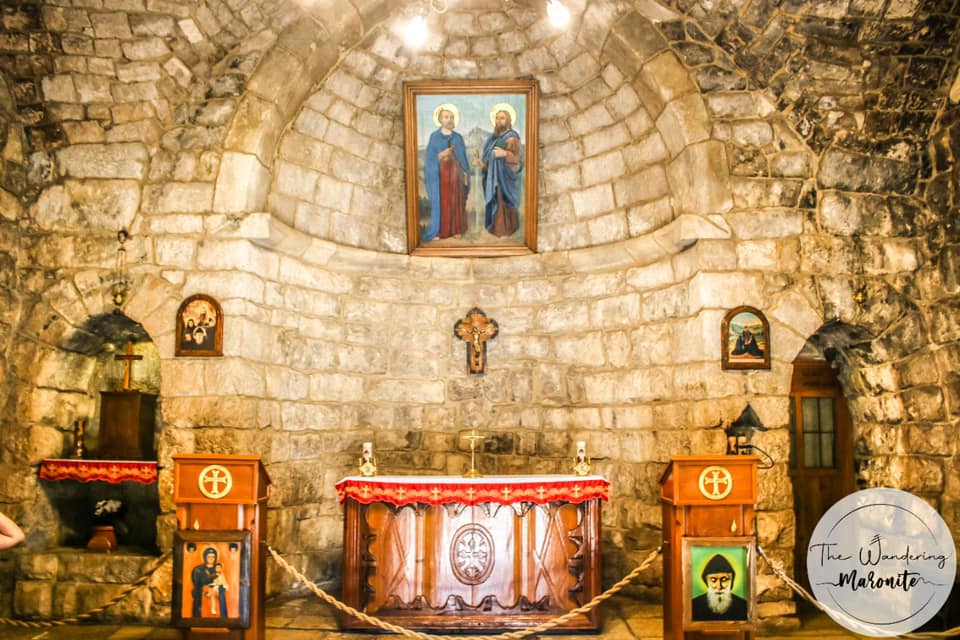
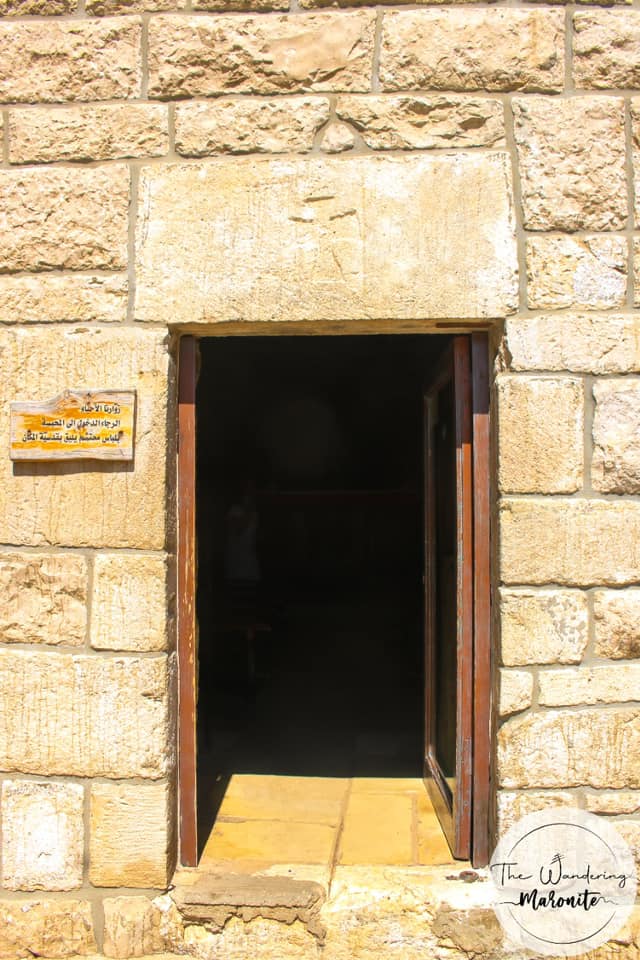
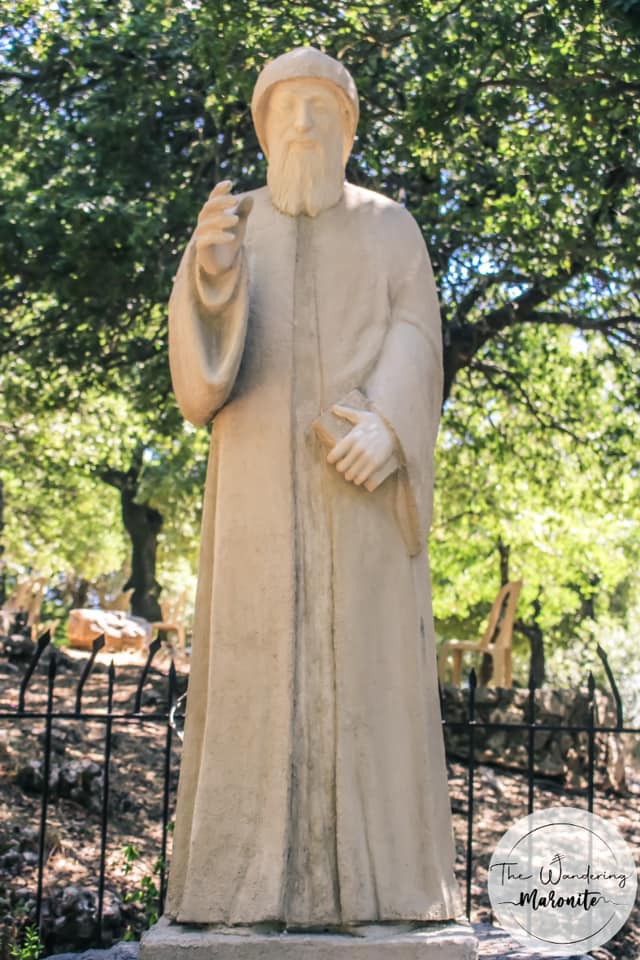
Annaya – The Hermitage of Sts Peter and Paul

Saint Charbel hermitage, Aannaya, Lebanon

Other Details

محبسة مار بطرس وبولس

AAnaya

Jbeil

Mount Lebanon

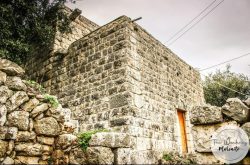
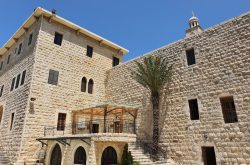
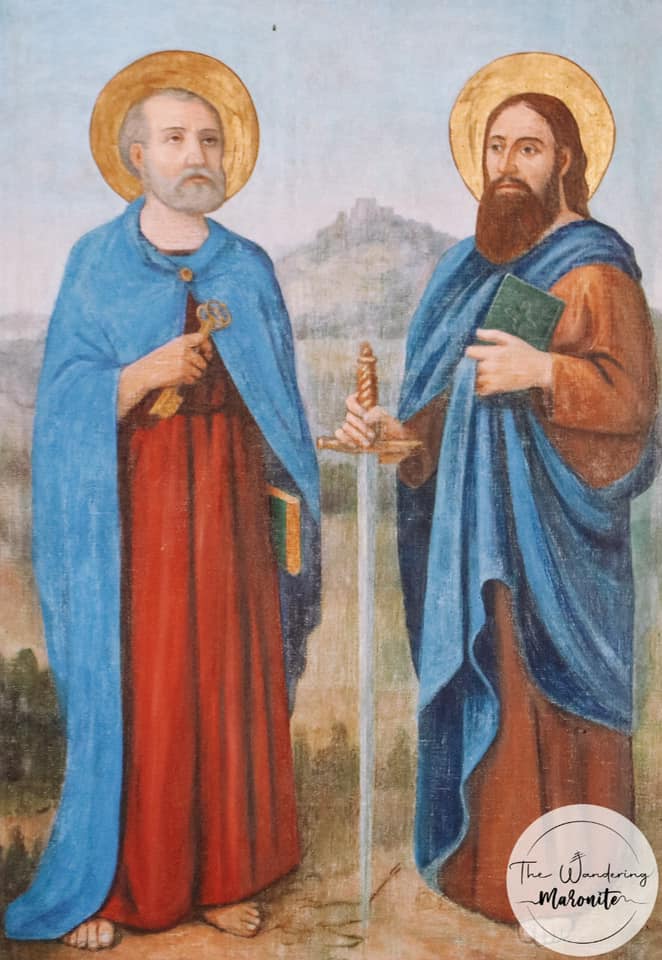
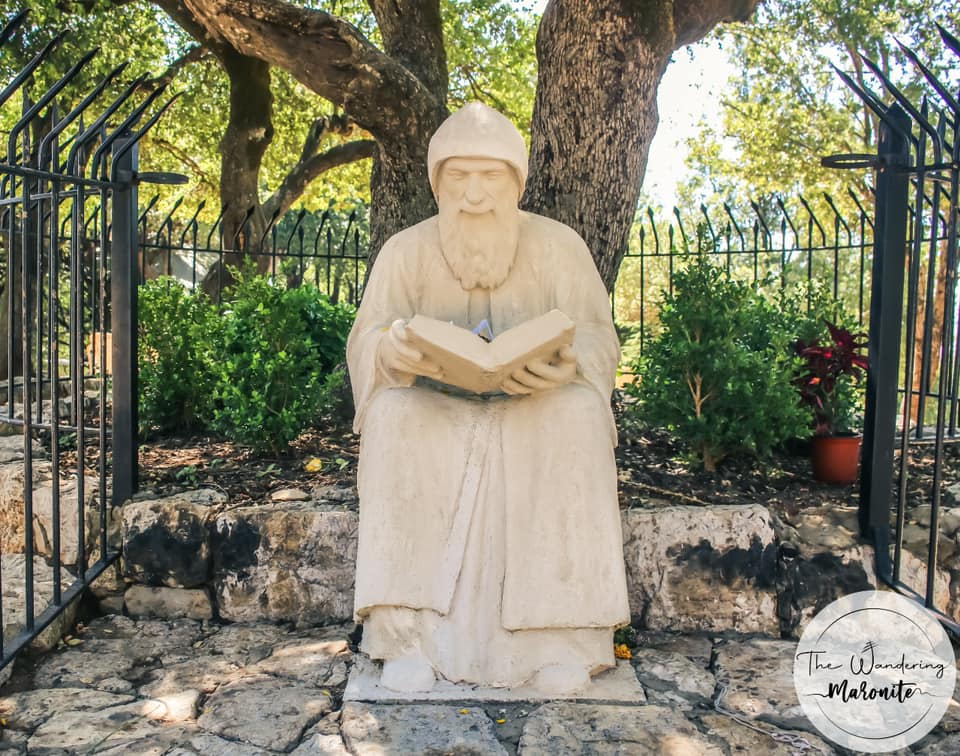
محبسة مار بطرس وبولس - عنّايابُنيت المحبسة سنة ١٧٩٨، على يد الراهبان يوسف أبي رميا وداود بن موسى عيسى خليفة من إهمج، اللذان بنيا معبدًا صغيرًا، على أنقاض معبد قديم، وأطلقوا عليه إسم دير التجلّي، وستّة قلالي للسكن. عام ١٨١٤، إنضمّ هذان الراهبان إلى الرهبانيّة اللبنانيّة المارونيّة، فتسلّمت الرهبانيّة المحبسة على عهد الرئيس العام اغناطيوس بليبل، وتحوّلت كنيستها بأمر البطريرك يوحنا الحلو إلى إسم القديسين بطرس وبولس. من أشهر حبسائها: الأب أليشاع كسّاب الحرديني شقيق القديس نعمةالله، والأب الأب شربل مخلوف أي القديس شربل. تحوّلت المحبسة إلى مزار، يزوره المؤمنون للصلاة وطلب شفاعة القدّيس شربل.The Hermitage of Sts Peter and Paul - AnnayaThe hermitage was built in 1798 by two monks from Ehmej: Youssef Abi Ramia and Dawood Bin Moussa Issa. It consisted of six cells and a chapel dedicated to the Transfiguration of the Lord. In 1814 both monks joined the Lebanese Maronite Order. The hermitage was transferred to the Order during the days of Abbot Ignatius Bleibel and by order of Patriarch Youhanna el Helou was rededicated to Sts Peter and Paul. The most famous hermits who resided in the hermitage are Fr Elishaa Kassab, the brother of St Nematullah and St Charbel Makhlouf. Today the hermitage is a shrine and a pilgrimage site to those asking for St Charbel’s intercession.

Visited 2510 times, 7 Visits today

Reviews are disabled, but trackbacks and pingbacks are open.

Related Listings

El Hajje – The church of St Joseph

Saint Joseph Church, Hajjeh, Lebanon

كنيسة مار يوسف

Hajjeh

Saida

South

كنيسة مار يوسف - الحجّة

هي كنيسة البلدة الرعائيّة بُنيت سنة ١٩١١. بانيها المعلّم الياس قسطنطين وكرّسها المطران شكرالله الخوري. البناء كناية عن عقدٍ مُصالبٍ مليّس وملوّن بجداريّة رخاميّة. رُمّمت الكنيسة سنة ٢٠١٧ محافظةً على شكلها الأساسيّ.

The church of St Joseph - El Hajje

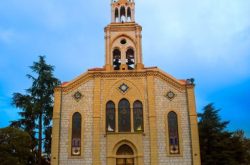
The church is the village’s parrochial church built in 1911 by Elias Costantine. The church was consecrated by Bishop Chukrallah el Khoury. The structure is a crossed vault decorated with a faux marbre fresco. The church was restored in 2017 while preserving its original decor.

Rabwe – The Patriarchal residence of the Greek Melkite Catholics

Melkite Greek Catholic Patriarchal Residence, Rabieh, Lebanon

الكرسيّ البطريركيّ للروم الملكيّين الكاثوليك

Qornet Chehouane

Metn

Mount Lebanon

الكرسيّ البطريركيّ للروم الملكيّين الكاثوليك - الربوة

بُني المقرّ البطريركيّ في الربوة سنة ١٩٧٦ على عهد البطريرك مكسيموس الخامس حكيم. داخل المقرّ كابيلا على اسم القدّيسة حنّة جدّة الإله، والمُميّز في هذه الكنيسة أنّها تحفة فنيّة مكسوّة بالكامل بجداريّات تمثّل مواضيع كتابيّة جمّة وأيقونات قدّيسين. الجداريّات من عمل الإيقونوغرافيّ الرومانيّ كوستيل ميسو سنة ٢٠٠٢.
The Patriarchal residence of the Greek Melkite Catholics - Rabwe

The Patriarchal residence was built in Rabwe in 1976 during the pontificate of Patriarch Maximos V Hakim. Inside the residence lies a chapel dedicated to St Anne, the grandmother of the Lord, which is completely covered with frescoes. The church is the masterpeice of the Romanian iconograpger Costel Micu in 2002. The frescoes represent various biblical scenes and icons of saints.

El Gharbye Kobayat – The church of the Forty Martyrs

40 Martyrs Church, Qoubaiyat El Gharbiyeh, Lebanon

كنيسة الأربعين شهيد

Qbaiyat Aakkar

Akkar

Akkar

كنيسة الأربعين شهيد - الغربيّة القبيّات

بُنيت الكنيسة الأولى في القرن السادس عشر في المحلّة التي تعرف بالقبيّات العتيقة. ومن أبرز أبنائها في تلك الحقبة الأولى سمعان ابن شمعة الذي كتب مدحًا في البطريرك موسى سعادة العكّاري سنة ١٥٥٧ بحسب سلسلة البطاركة التي كتبها البطريرك الدويهيّ. أعيد بناء الكنيسة سنة ١٩٢٥ وكرّسها رئيس أساقفة طرابلس آنذاك المطران أطون عريضه (البطريرك لاحقً). الكنيسة مبنيّة بالحجر البركانيّ الأسود، مؤلفة من سوق واحد بحنية نصف دائريّة. رمّمت في العقد الأخير ممّا أضفى على داخلها نمطًا حديثًا في الهندسة يختلف عن نمطها الخارجيّ.

The church of the Forty Martyrs - El Gharbye Kobayat

The first church was originally built in the XVIth century in the locality known as Kobayat el Atiqa (the old Kobayat). One of its most famous parishioners from that era is Semaan Ibn Shamaa el Kobayati who wrote a eulogy for patriarch Moussa Saade el Akkari in 1557, according to the patriarchal list written by patriarch El Douwaihy. The church was rebuilt in 1925 and consecrated by the archbishop of Tripoli Mgr. Antoun Arida (later patriarch). The church is built with black basalt, it consists of a single nave with a semi circular apse. It was restored in the last decade, with a modern interior that is in real contrast with the exterior.