
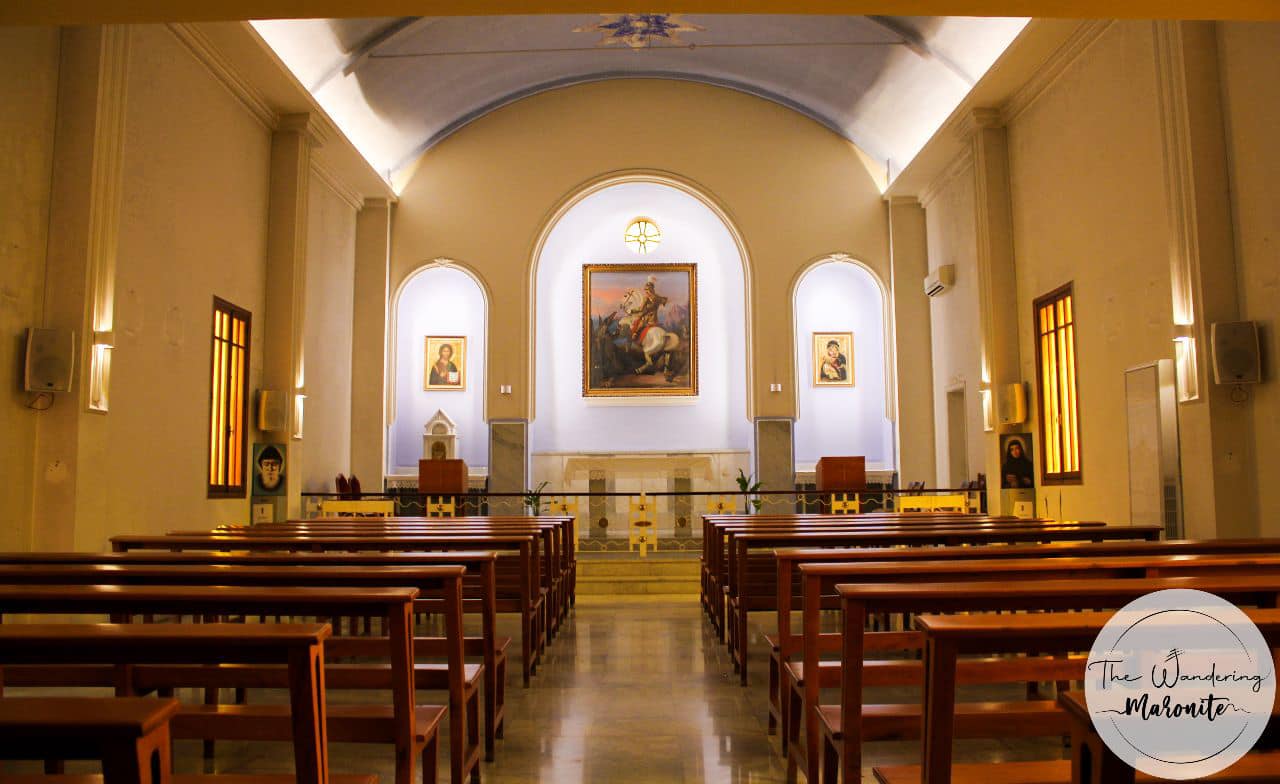
Amaret Chalhoub – St. George Church

Saint George church eglise, Wata Aamaret Chalhoub, Lebanon

Other Details

كنيسة مار جرجس

Aamaret Chalhoub

Metn

Mount Lebanon

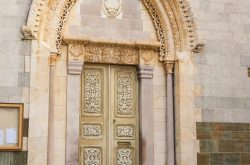
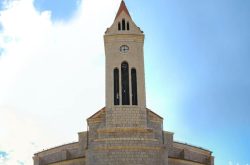
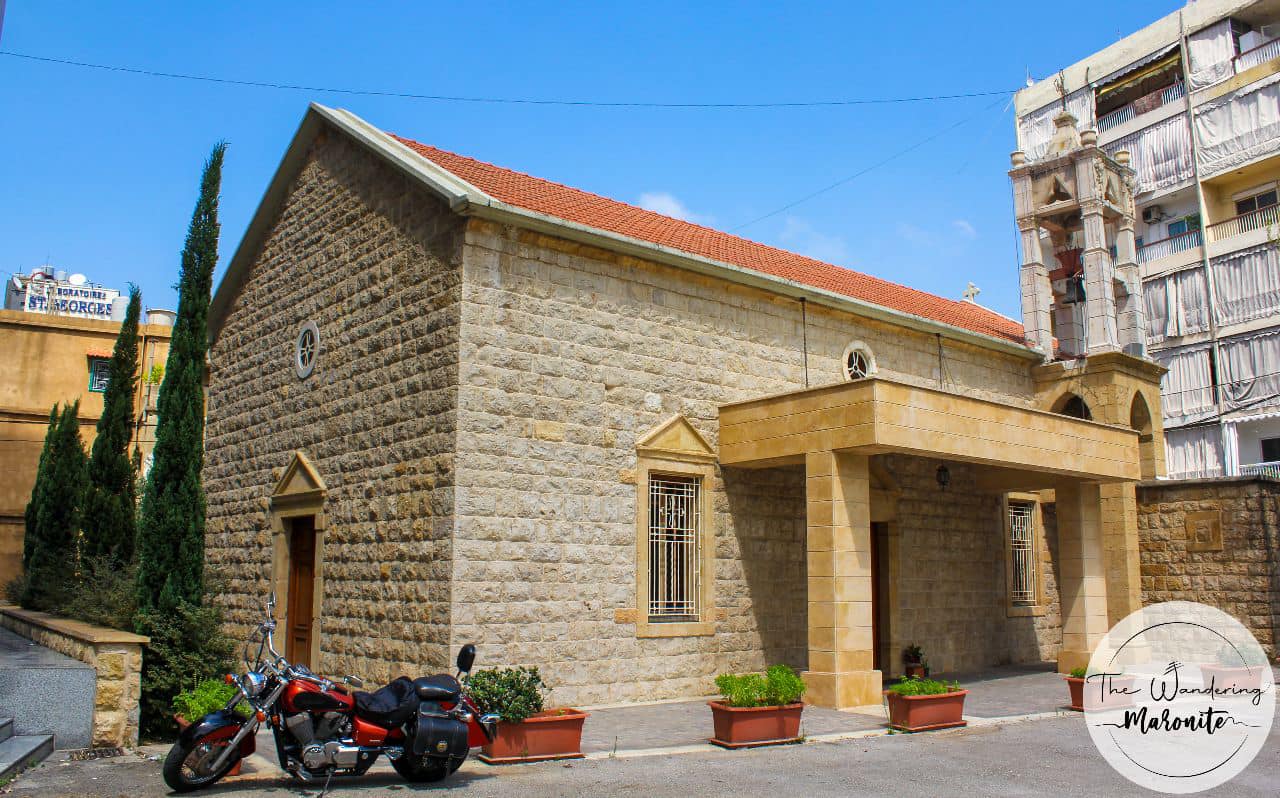
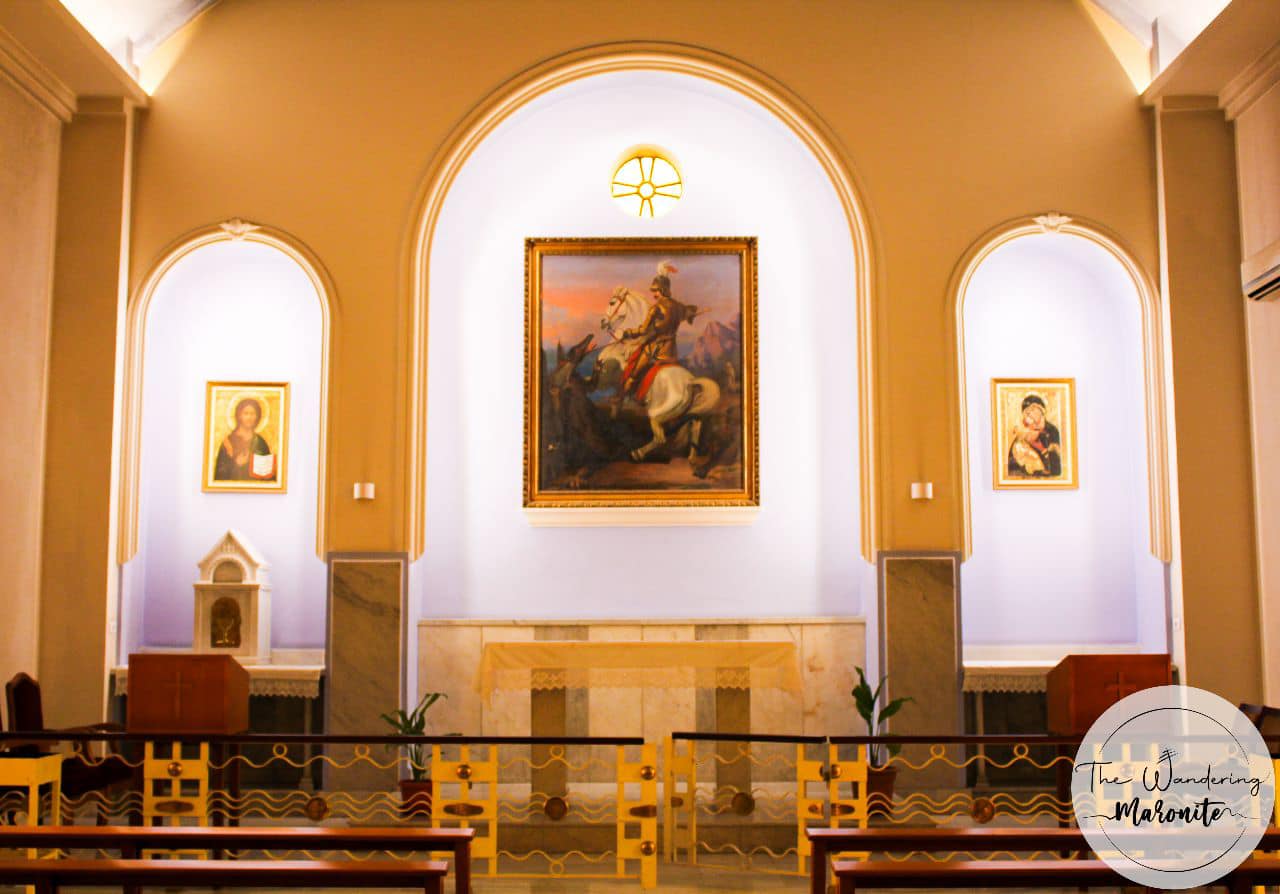
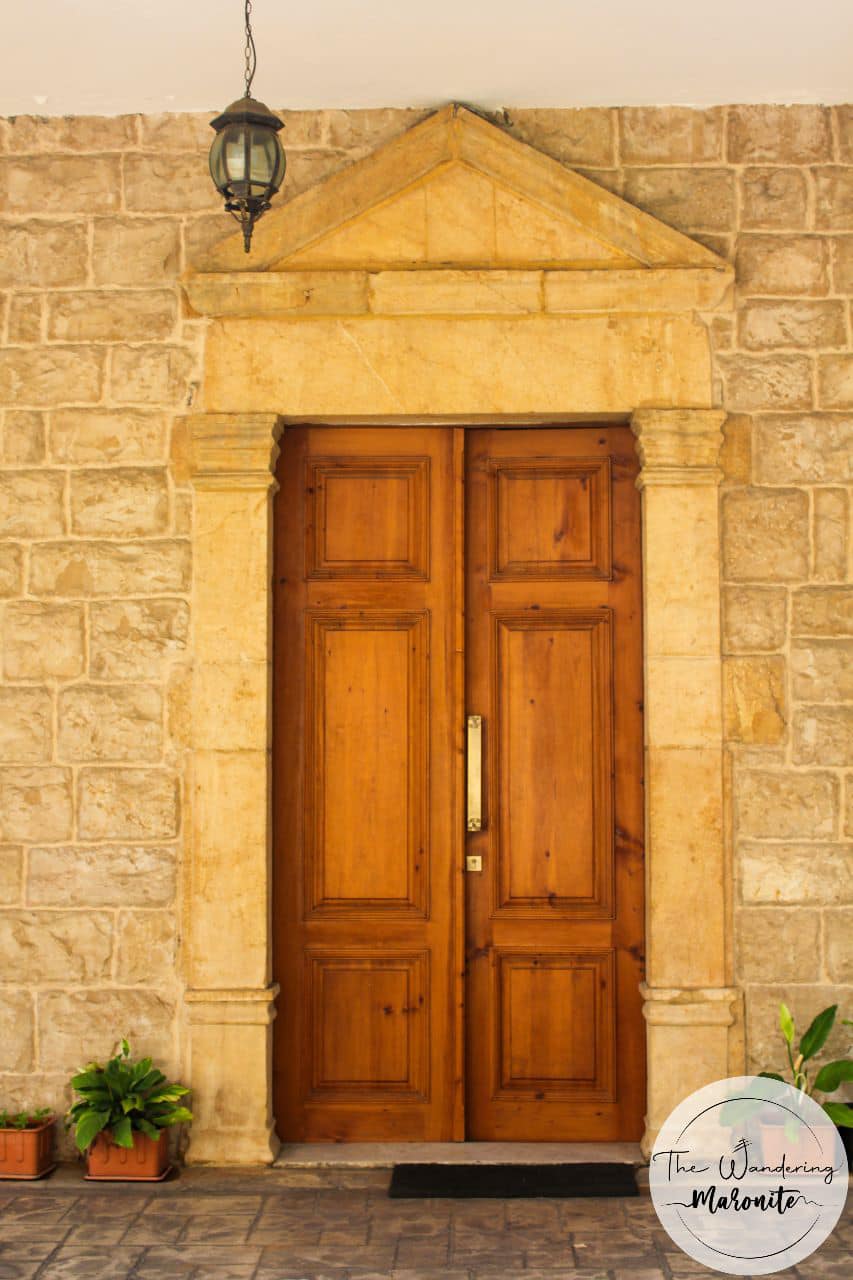
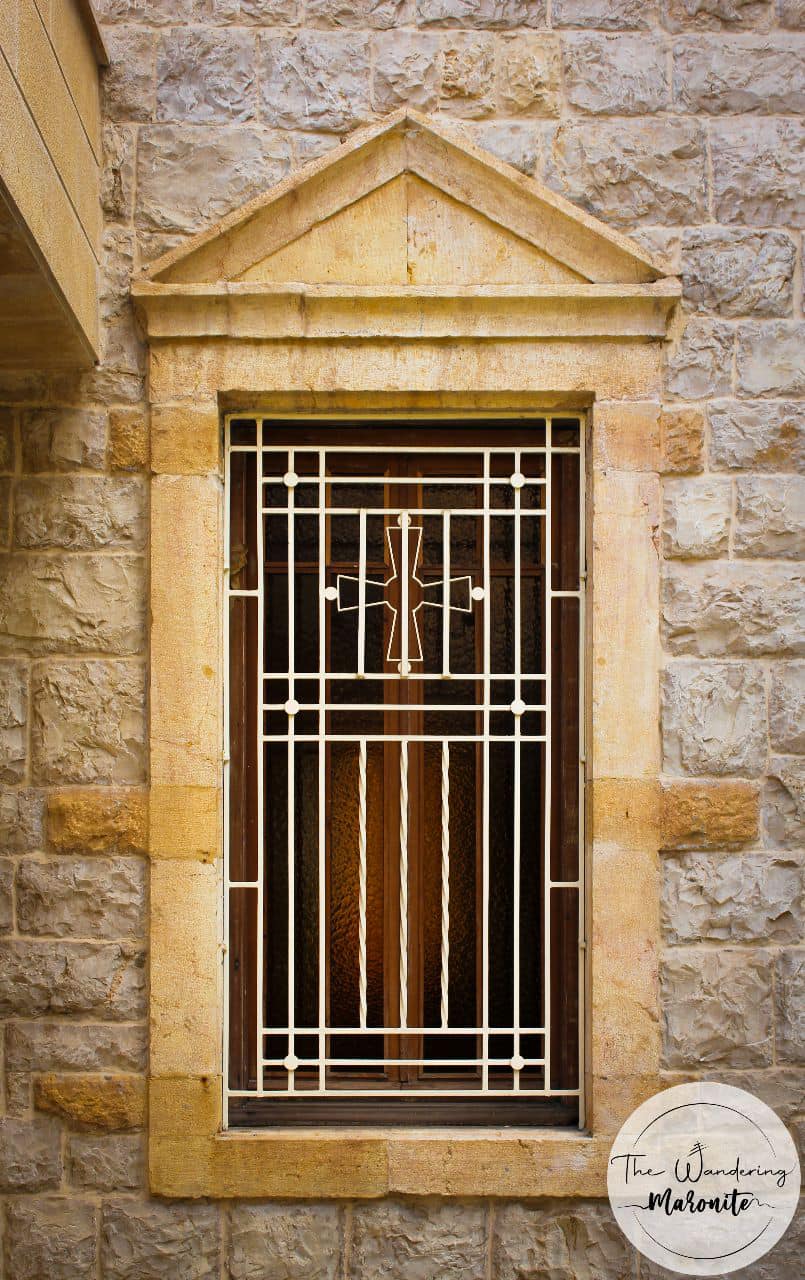
كنيسة مار جرجس - عمارة شلهوب أعطى المطران المثلث الرحمات نعمة الله سلوان الإذن ببناء الكنيسة ( كنيسة القديس مارون آنذاك) وأوقفت الأرض من المرحوم سلوم بسول سنة ١٨٩٩. اكتمل بناء الكنيسة مار جرجس الأعظم حوالي سنة ١٩٠٠/١٩٠١ من أموال أبناء الرعيّة بدليل تعيين أول وكيل وقف سنة ١٩٠٠ وتسجيل أول عمادة فيها سنة ١٩٠١ كما وتعيين أول كاهن لخدمتها سنة ١٩٠٢. تضرّر السقف خلال الحرب اللبنانيّة فتمّ ترميمه وطرشه على عجل. عند ترميم الكنيسة الثاني سنة ٢٠١٧ تم اعادة كشف رسومات السقف الأصلية. St. George Church - Amaret Chalhoub The late Salloum Bessoul donated the land for the building of the Maronite Church of St. Maron (at that time), and Archibishop Neematullah Selwan granted permission for its construction. The construction of the Church of St. George the Great was completed around 1900/1901 from the funds of the parishioners, with the appointment of the first trustee in 1900 and the registration of the first baptism in 1901, as well as the appointment of the first priest to serve in it in 1902. The ceiling was damaged during the Lebanese war and was hastily restored and painted. During the second restoration of the church in 2017, the original ceiling paintings were rediscovered.

Visited 5426 times, 2 Visits today

Reviews are disabled, but trackbacks and pingbacks are open.

Related Listings

Beit Shabab – The church of St John the Baptist

St Jean Church, Beit Chabeb, Lebanon

كنيسة مار يوحنّا المعمدان

Beit Chabab

Metn

Mount Lebanon

كنيسة مار يوحنّا المعمدان - بيت شباب
هي وقف خاص لعائلة يمّين. بُنيت في مطلع القرن التاسع عشر، إذ يذكر المطران عبدالله بليبل أنّه رسم يوسف يمّين كاهنًا عليها سنة ١٨١١، الكنيسة عبارة عن عقد واحد ينتهي بحنية. جُدّدت حوالي سنة ١٨٦٣. سنة ١٩٤٢ بني الباب. رمّمت أخيرًا في مطلع الثمانينات.

The church of St John the Baptist - Beit Shabab
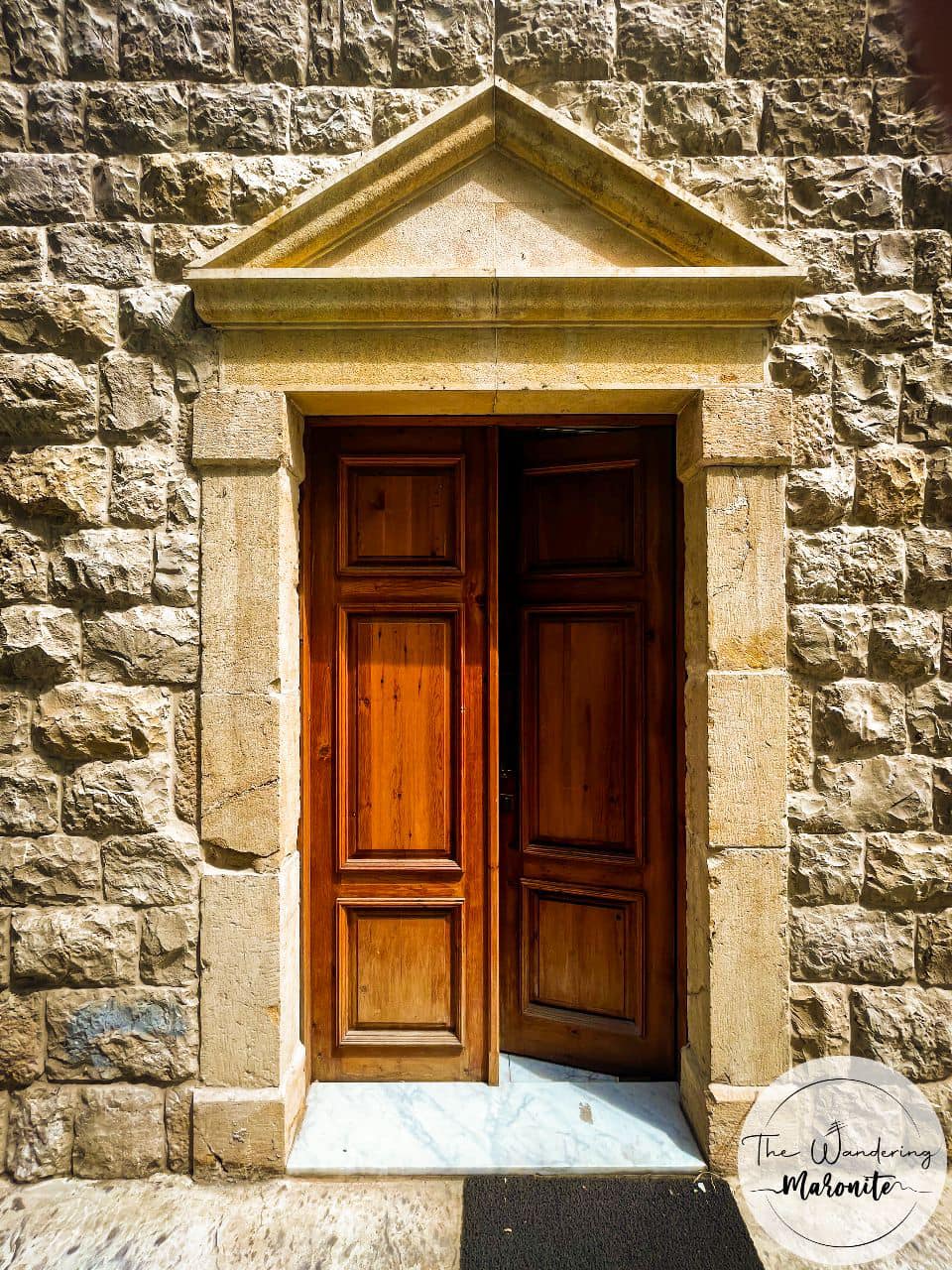
The church is a private chapel to the Yammine family. The church was built in the early XIXth century, the oldest trace of it dates to1811 when Bishop Abdallah Bleibel ordained Youssef Yammine as a pastor for the church. The church is a single crossed vault ending with a semi circular apse. The church was restored in 1863, the door was built in 1942. The church was completely restored in the eighties of the XXth century.

Deir El Ahmar – The Church of Our Lady of the Tower

Our Lady of The Tower Maronite Church, Deir Al-Ahmar, Lebanon

كنيسة سيّدة البرج

Deir El-Ahmar

Baalbek

Baalbek-Hermel

كنيسة سيّدة البرج - دير الأحمر

بنى الرومان في دير الأحمر معبدًا لجوبيتير، تحوّل أوائل القرون الوسطى لبرجٍ عسكريّ لم يبقَ من بنائه سوى الطابق الأوّل. خلال القرن العاشر تحوّل الى ديرٍ يعقوبيّ. سنة ١٧٥٩ دمّر زلزال ضخم كنيسة سيّدة الزروع القديمة فتداعى الأهالي لبناء عقدٍ سريريّ كبير فوق آثار البرج، ليصبح البناء كنيسةً جديدةً كبيرة. كُرّست الكنيسة سنة ١٨٤٣ ورُمّمت سنة ٢٠١٧. تضمّ الكنيسة لوحتين للعذراء من عمل كنعان ديب وداوود القرم. كذلك تحتوي على مكتبةً غنيّة بالكتب البيعيّة.

The Church of Our Lady of the Tower - Deir El Ahmar

The Romans built a temple dedicated to Jupiter in Deir El Ahmar. During the High Middle Ages, the temple was converted into a three-storey military tower, but today only the first storey remains. In the 10th century, Jacobite monks used the site as a monastery. In 1759, an earthquake struck the region and destroyed the old church of Our Lady. The people of Deir el Ahmar then decided to build a great cross-vaulted church on the foundation of the tower. The church was dedicated in 1843 and underwent renovation in 2017. The church is home to a manuscript library and two Marian paintings by Kanaan Dib and Dawoud el Qorm. La Iglesia de Nuestra Señora de la Torre - Deir El-Ahmar Los romanos construyeron un templo dedicado a Júpiter en Deir El-Ahmar. A principios de la Alta Edad Media, el templo se convirtió en una torre militar de tres pisos, de la cual actualmente solo queda el primer piso. En el siglo X, los monjes jacobitas utilizaron el sitio como monasterio. En 1759, un terremoto azotó la región y destruyó la antigua iglesia de Nuestra Señora. La gente de Deir el-Ahmar decidió entonces construir una Iglesia de grandes dimensiones con bóveda de crucería sobre los cimientos de la torre. La iglesia fue consagrada en 1843 y se renovó en 2017. La iglesia alberga una biblioteca de manuscritos y dos pinturas marianas de Kanaan Dib y Dawoud el Qorm.

Bcharre – The old monastery of Prophet Elishah

Saint Elisha the Prophet, Bcharre - Tannourine Road, Lebanon

دير مار أليشاع القديم

Bcharreh

Bcharre

North

دير مار أليشاع القديم - بشرّي

يقع الدير في وادي قنّوبين على السفح أسفل مدينة بشرّي. أولى الإشارات لوجوده تعود لسنة ١٣١٥، حين كان الدير مقرًّا لأساقفة بشرّي.
سنة ١٦٤٣، قطنه الرهبان الكرمليّون وهم أوّل إرساليّة أجنبيّة خدمت الموارنة. سنة ١٦٤٤، توفّي فيه برائحة القداسة، الناسك الفرنسيّ فرانسوا دي شاستوي. سنة ١٦٩٥، تسلّمت الرهبانيّة الحلبيّة اللبنانيّة الناشئة الدير من اهالي بشرّي، فأعاد الرهبان بناءه، وأقاموا فيه مدرسةً، وجلبوا من حلب أيقونة مار أليشاع. في ١٠ تشرين الثاني ١٦٩٨ إنعقد فيه أوّل مجمع للرهبانيّة، وفيه وُضع القانون الرهبانيّ الذي ثبّته فيما بعد البابا أقليمنضوس الثاني عشر وأهدى بدوره الدّير بيت قربانٍ وذخيرة مار مارون. أصبح الدّير محبسةً بعد بناء الدّير الجديد سنة ١٨٧٤، وكان آخر حبسائه الأب أنطونيوس طربيه (+١٩٩٨). وهو اليوم محجّ ومقصد للعزلة والصلاة.

The old monastery of Prophet Elishah - Bcharre

The monastery is situated in the holy valley of Qannoubin, on a cliff underneath the city of Bcharre. The oldest signs of it’s existence date back to 1315 when it was the seat of Bcharre’s bishops.
In 1643 it was the headquarters of the Carmelites, the first western missionaries to the Maronites.
In 1644 the saintly hermit Francois de Chasteuil died and was buried in the monastic church.
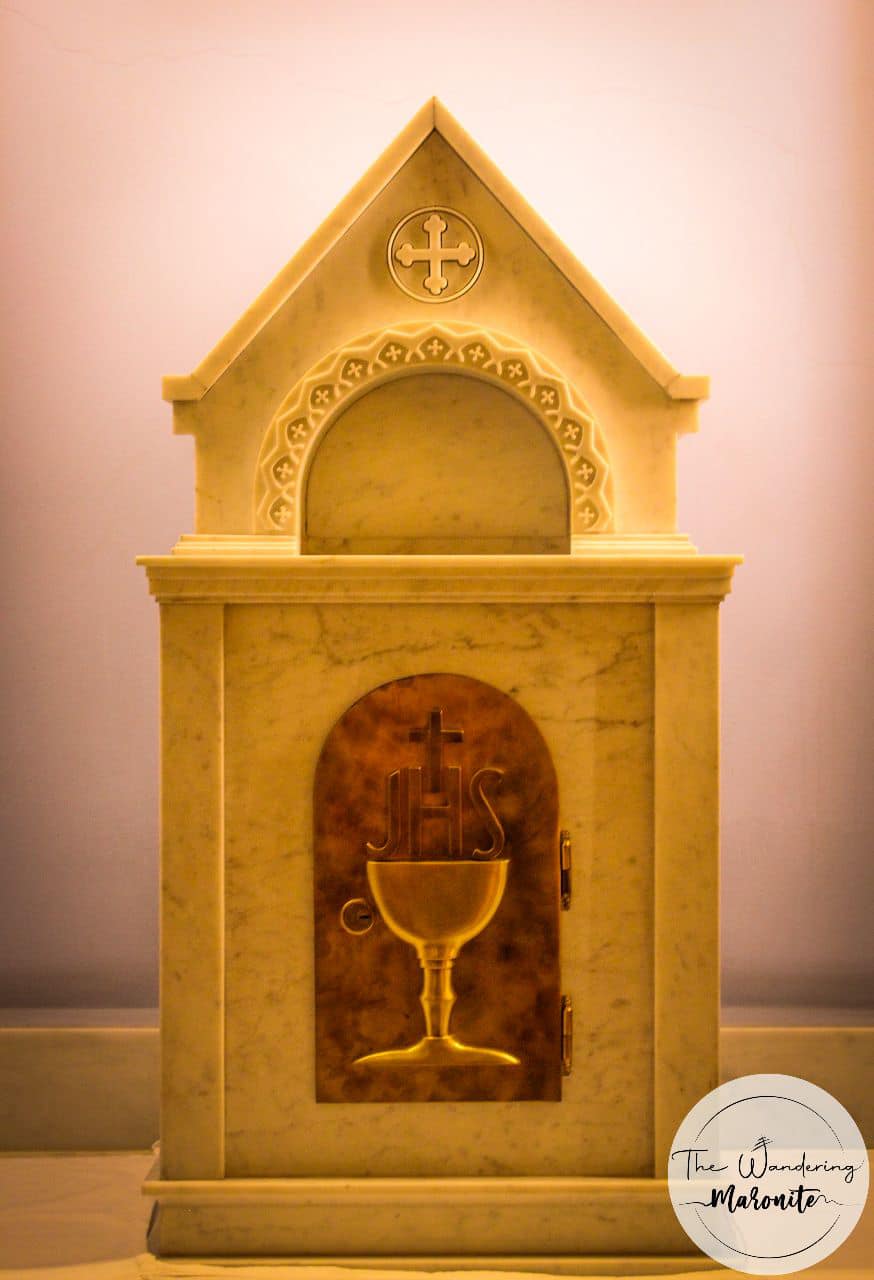
The newly founded Lebanese Aleppan Maronite took the monastery as it’s headquarter in 1695 and bought the icon of Prophet Elishah from Aleppo. On the 10th of November 1698 the first monastic council was held and the new monastic rules where promulgated. They where later acknowledged by Pope Clement XII who gave the monastery a tabernacle and a relic of St Maroun.
The monastery was used as a hermitage after the construction of the new monastery in 1874. The last of the hermits was Father Antonios Torbey (+1998). The monastery is now a shrine for pilgrims who seek solitude.