
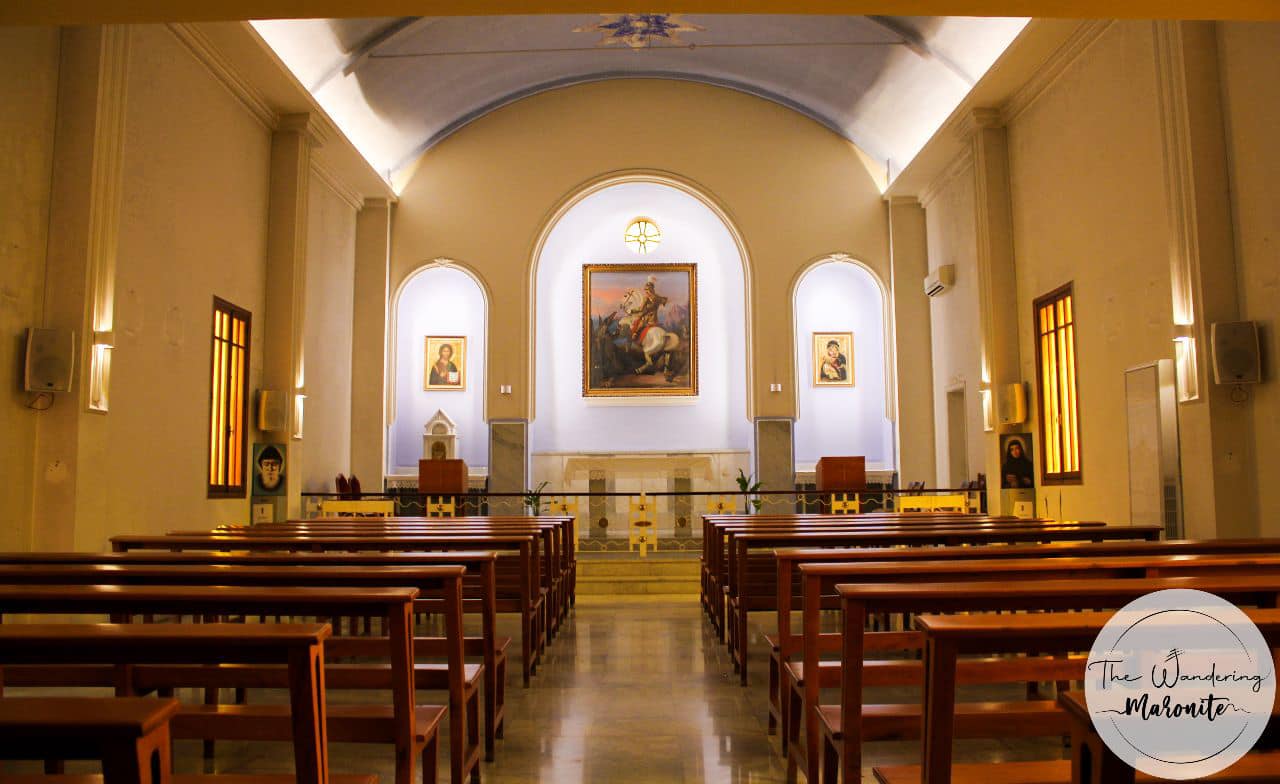
Amaret Chalhoub – St. George Church

Saint George church eglise, Wata Aamaret Chalhoub, Lebanon

Other Details

كنيسة مار جرجس

Aamaret Chalhoub

Metn

Mount Lebanon

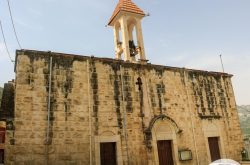
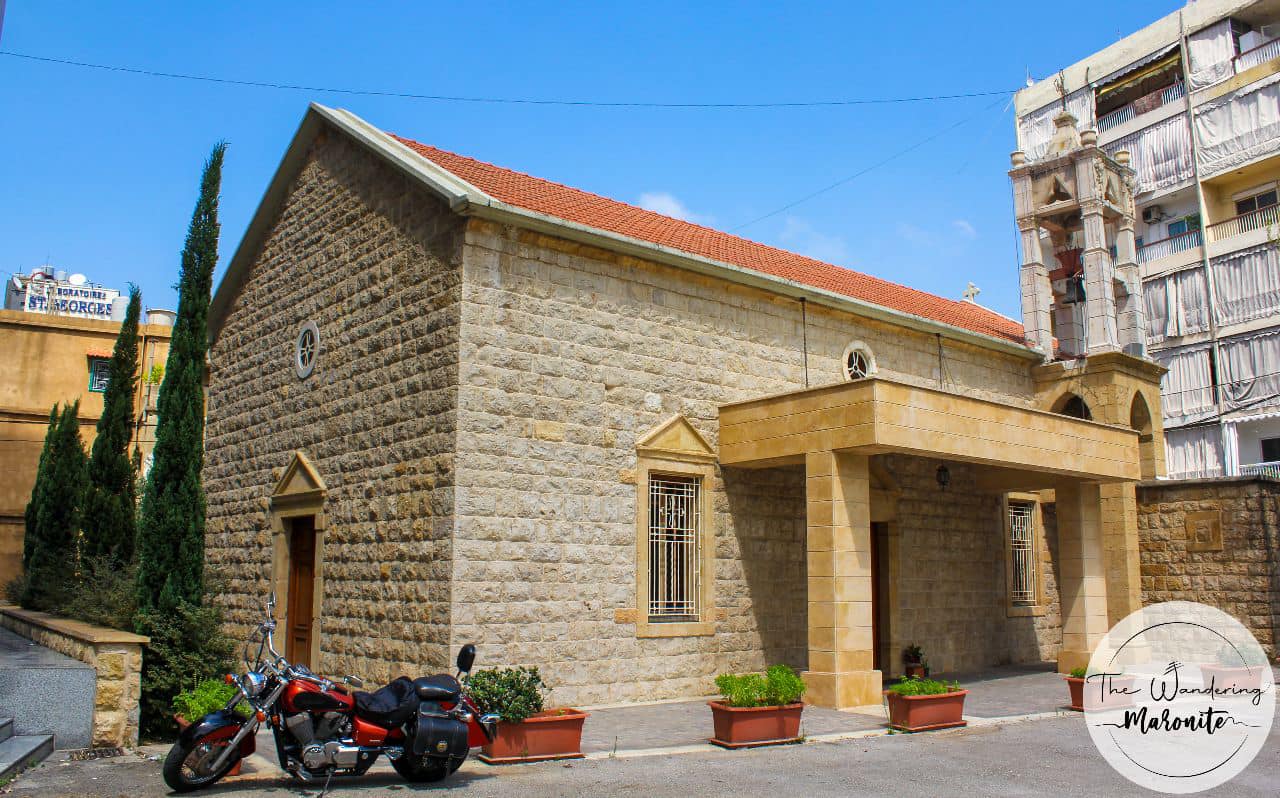
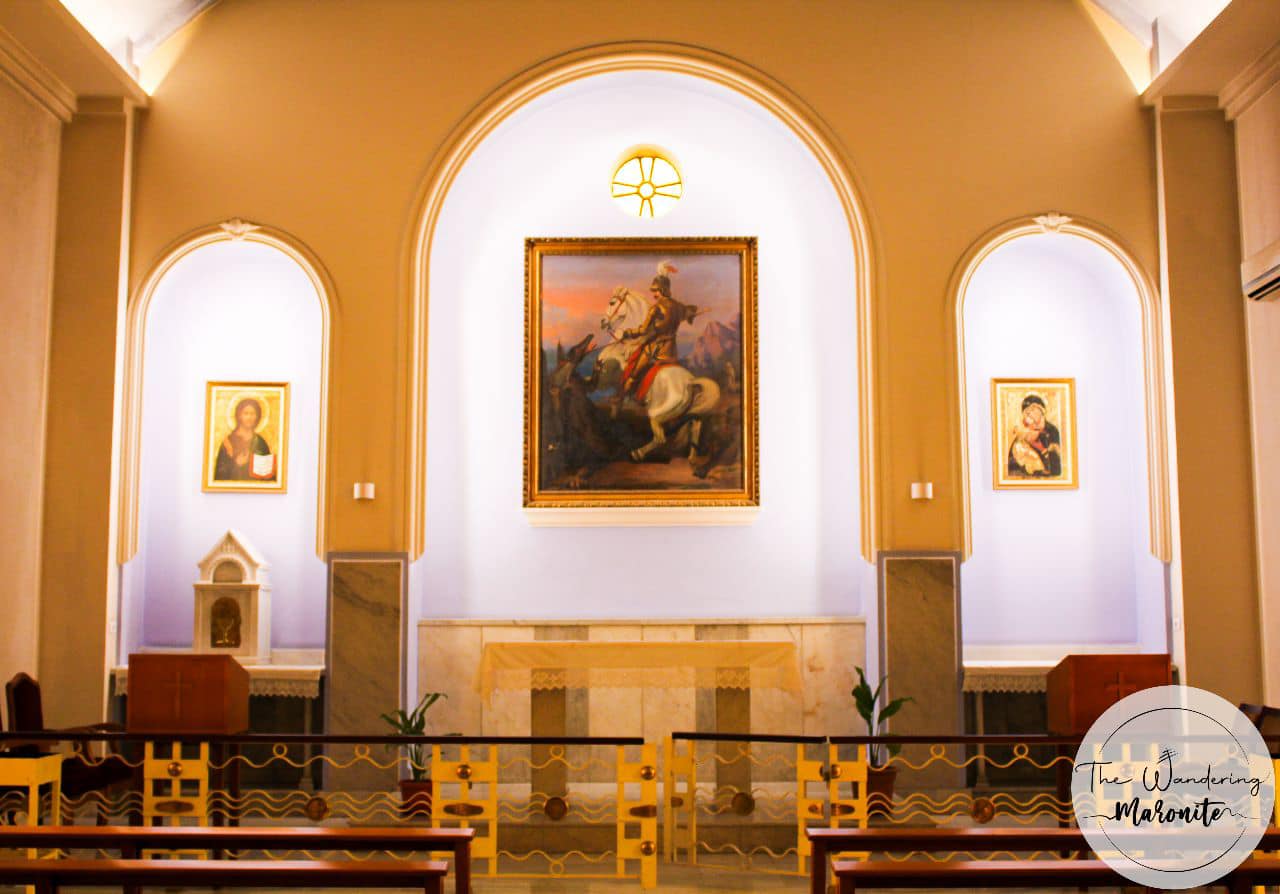
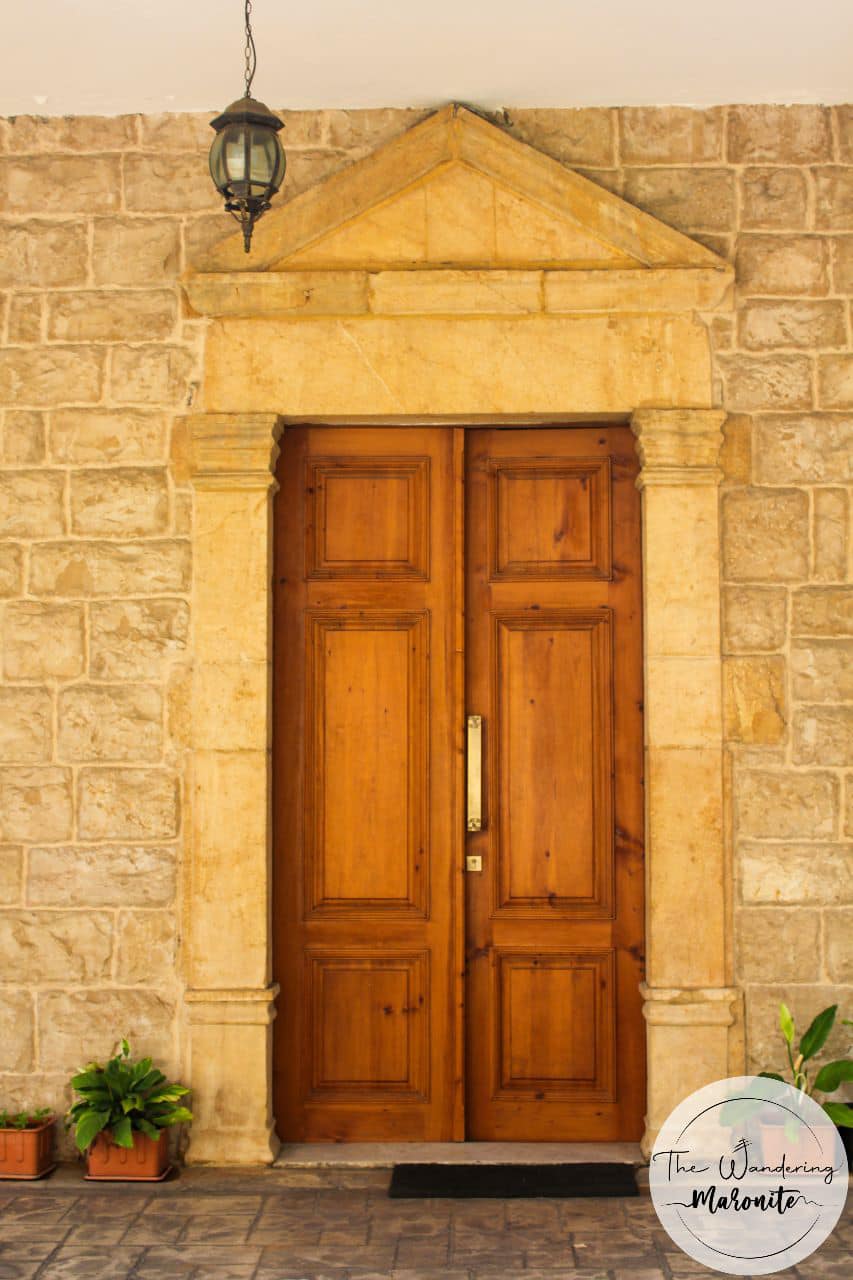
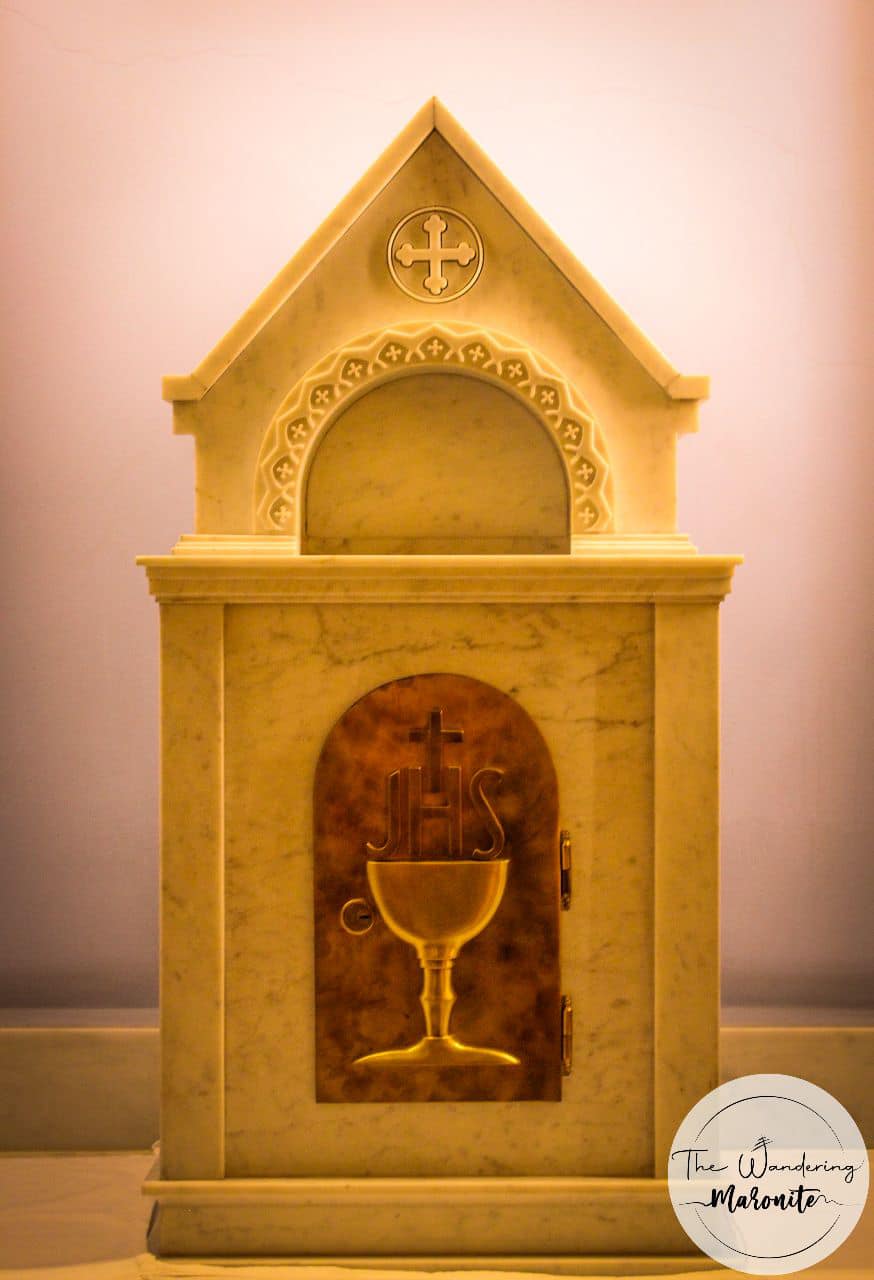
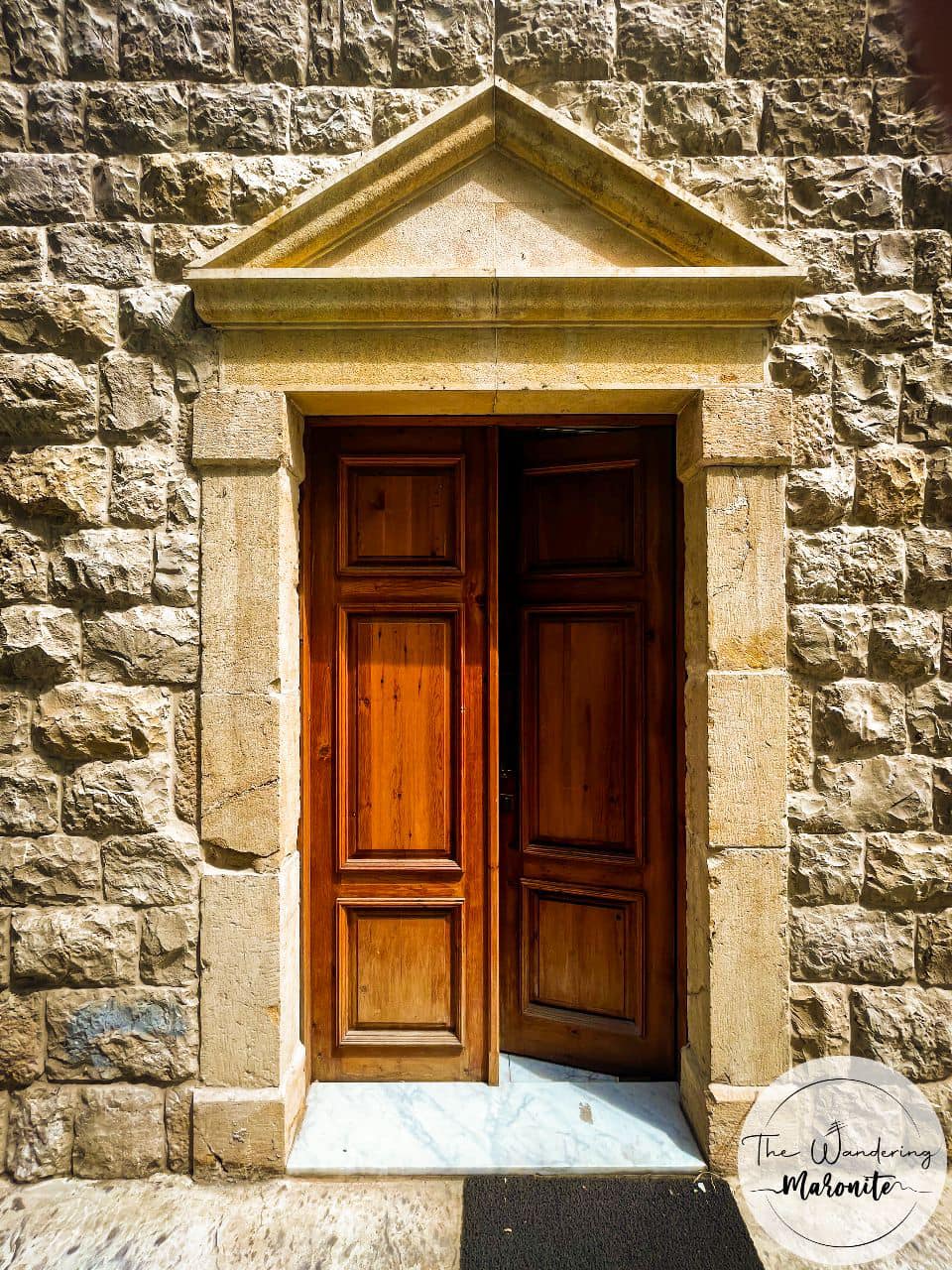
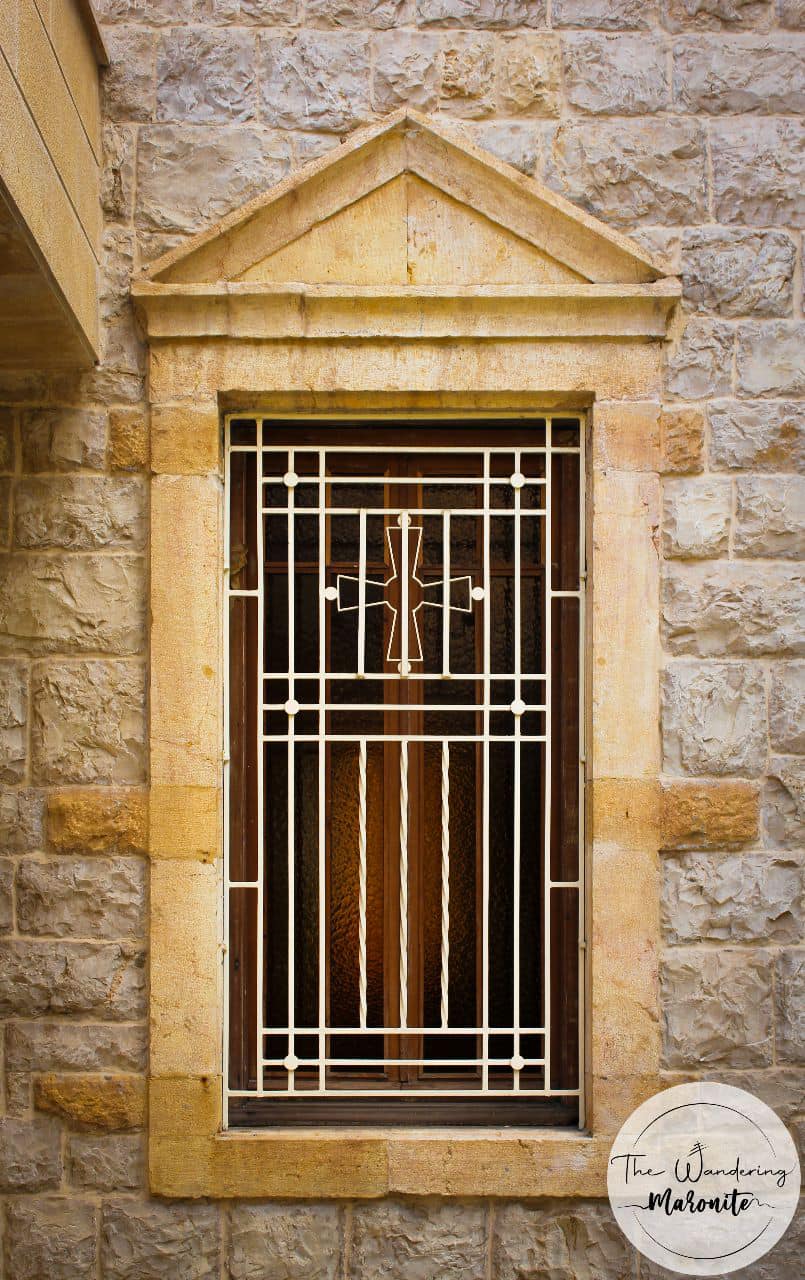
كنيسة مار جرجس - عمارة شلهوب أعطى المطران المثلث الرحمات نعمة الله سلوان الإذن ببناء الكنيسة ( كنيسة القديس مارون آنذاك) وأوقفت الأرض من المرحوم سلوم بسول سنة ١٨٩٩. اكتمل بناء الكنيسة مار جرجس الأعظم حوالي سنة ١٩٠٠/١٩٠١ من أموال أبناء الرعيّة بدليل تعيين أول وكيل وقف سنة ١٩٠٠ وتسجيل أول عمادة فيها سنة ١٩٠١ كما وتعيين أول كاهن لخدمتها سنة ١٩٠٢. تضرّر السقف خلال الحرب اللبنانيّة فتمّ ترميمه وطرشه على عجل. عند ترميم الكنيسة الثاني سنة ٢٠١٧ تم اعادة كشف رسومات السقف الأصلية. St. George Church - Amaret Chalhoub The late Salloum Bessoul donated the land for the building of the Maronite Church of St. Maron (at that time), and Archibishop Neematullah Selwan granted permission for its construction. The construction of the Church of St. George the Great was completed around 1900/1901 from the funds of the parishioners, with the appointment of the first trustee in 1900 and the registration of the first baptism in 1901, as well as the appointment of the first priest to serve in it in 1902. The ceiling was damaged during the Lebanese war and was hastily restored and painted. During the second restoration of the church in 2017, the original ceiling paintings were rediscovered.

Visited 4747 times, 2 Visits today

Reviews are disabled, but trackbacks and pingbacks are open.

Related Listings

Kousba – Hamatoura Monastery

Hamatoura Monastery, Karm Saddeh, Lebanon

دير رقاد السيدة - حمطورة

Kousba

Koura

North

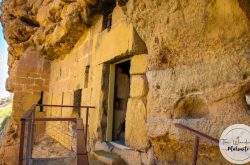
On the northern side of the village of Kousba, is the monastery of Our Lady of Hamatoura, built in the rocky hollow of a high cliff which overlooks the holy valley of Kadisha. Hamatoura is 84km from Beirut.

The church of Saint Jacob is the most ancient part of the monastery, belonging to the 4th century, while a large cross from the 7th century rises above the outer doorway. Some quite well preserved frescoes dating back to the middle ages cover the walls of the church, one of which shows the Holy Virgin, Queen of Heaven, seated on a throne with the Child Jesus on her knees.

Near the monastery are two venerable churches, one dedicated to Saint Michael and the other to Saint John the Baptist. On the top of the hill one can see the church of St. George. Close by the monastery is a rocky cave where one may perceive the base of a stalagmite, where barren women come to pray in the hope of bearing a child, for this grotto was dedicated to the pagan goddess of fecundity.

Late in the 13th century, at Our Lady Monastery in Hamatoura, Saint Jacob began his ascetic life. Later, when the monastery was destroyed by the Mamlukes, he reestablished monasticism along the perimeter of the ruined monastery. In time, he rebuilt the monastery, regenerating and giving renewed vigor to monastic life in the area. His spiritual briskness, vivacity, and popularity among believers drew the attention of the Mamelukes who set their minds to stop his verve and determination and force him to convert to Islam. He stubbornly refused their relentless pressures. The Mamlukes killed him and burned the church. Today, believers and pilgrims are constantly reporting his apparitions, miraculous healings and other Grace-filled deeds.

Qartaba – The church of St George

St Georges Church, Qartaba, Lebanon

كنيسة مار جرجس

Qartaba

Jbeil

Mount Lebanon

كنيسة مار جرجس - قرطبا

هي كنيسة حارة التحتا، بناها مفرّج جريس أواخر القرن التاسع عشر وجعلها وقفًا ذريًّا. لوحتها عمل كنعان ديب الدلبتاوي سنة ١٨٧٣.

The church of St George - Qartaba

It is the church of El Tahta street, built as a private chapel for the family of Moufarrej Geryes in the late XIXth century. The painting is the work of Kanaan Dib from Dlebta in 1873.

Hermel – The monastery of St Maroun on the Orontes

Hermel, Lebanon

دير مار مارون على نهر العاصي

Hermel

Hermel

Baalbek-Hermel

The monastery of St Maroun on the Orontes - Hermel

The monastery was originally a natural cave consisting of three sections, it was expanded by Roman builders working in nearby stone quarries. It is situated above Ain El Zarqa, one of the sources of the Orontes River, and connected to the river via a corridor carved into the mountainside. This was used to fetch water and provide a hiding place during enemy attacks. In the VIth century, Maronite monks sought refuge in the cave after facing persecution in northern Syria, where their monastery was destroyed and its contents dispersed. The monks expanded the cave and carved an altar, turning the cave into a new monastery. This marked the beginning of the Maronite migration to the mountains of Lebanon along the Orontes River. Over time, the monastery was neglected and became an abandoned farm. In 2011, it was visited by Patriarch Bechara Boutros Al-Rahi and has since been restored in 2018, returning to the Maronite Church. The monastery serves as a testament to the spread and perseverance of the Maronite Church in the Levant.