
Obeidat – The hermitage of Mar Semaan Al Amoudi

The Old Monastery of St. Semaan, Saqyet El Khayt, Lebanon

Other Details

محبسة مار سمعان العاموديّ وادي البواليع - عبيدات

Aabaydat

Jbeil

Mount Lebanon

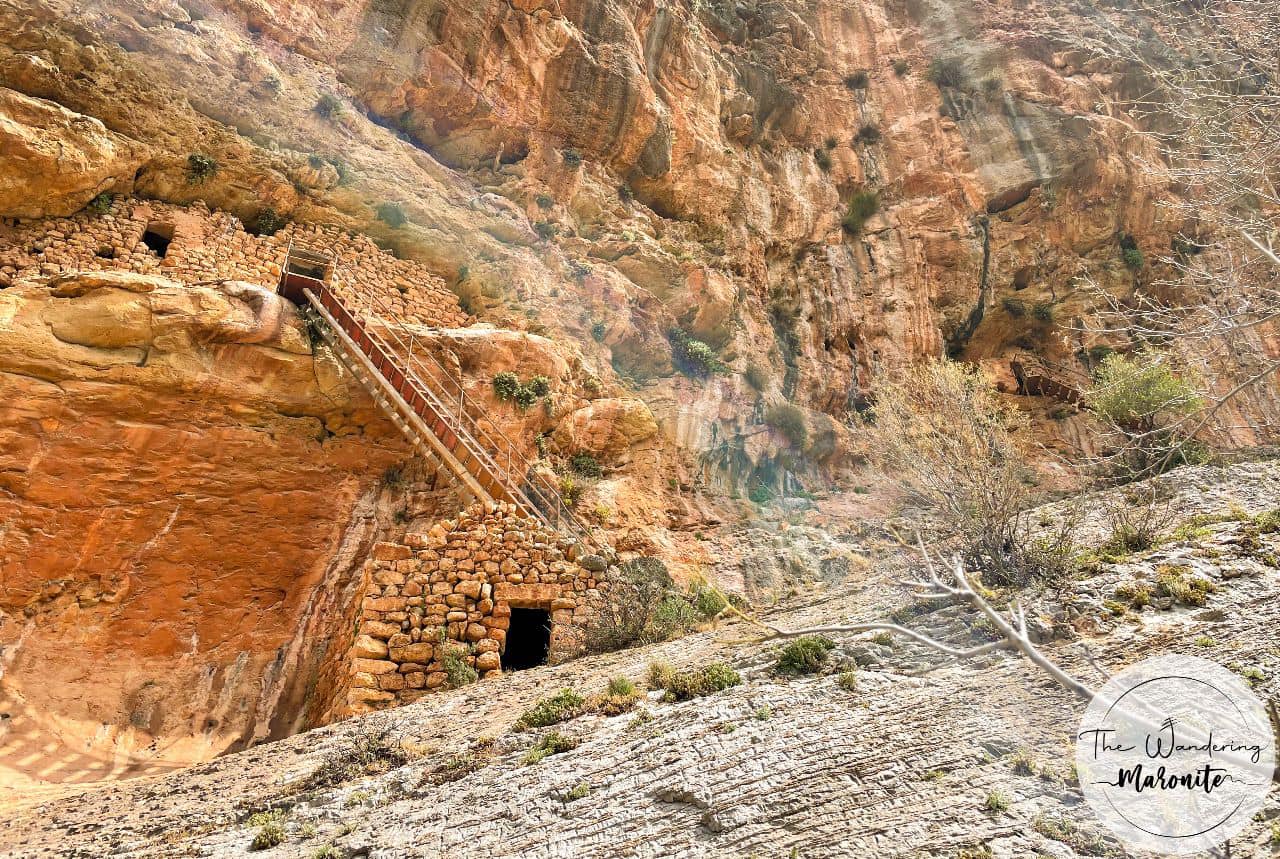
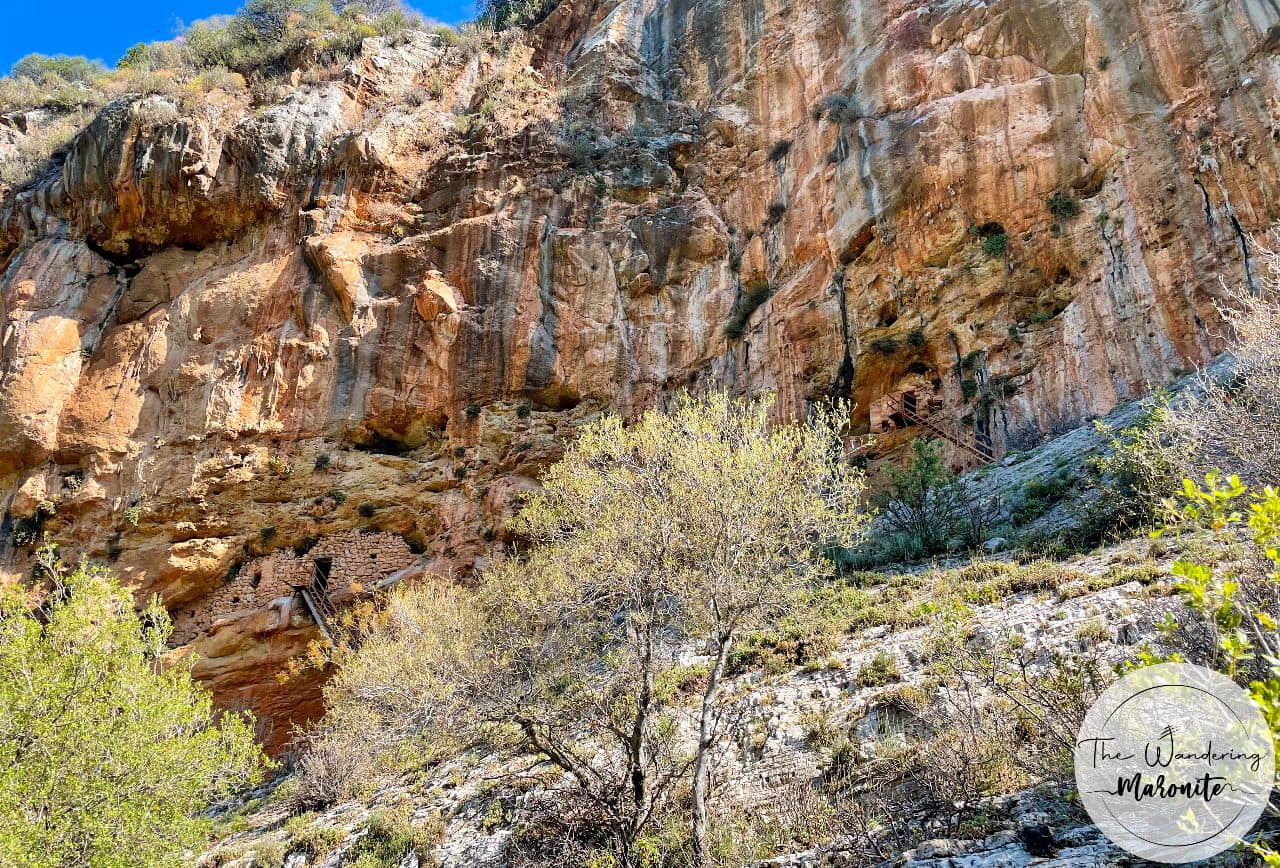
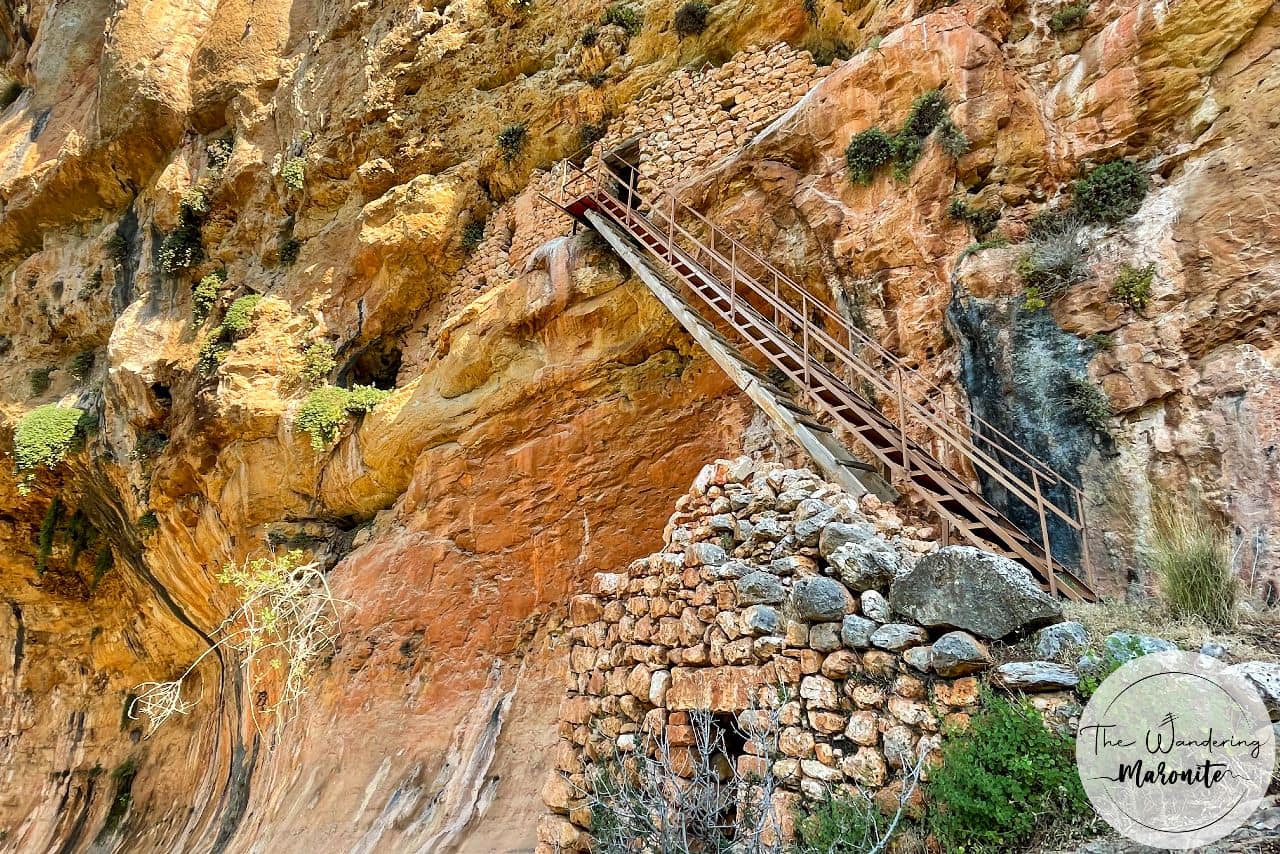
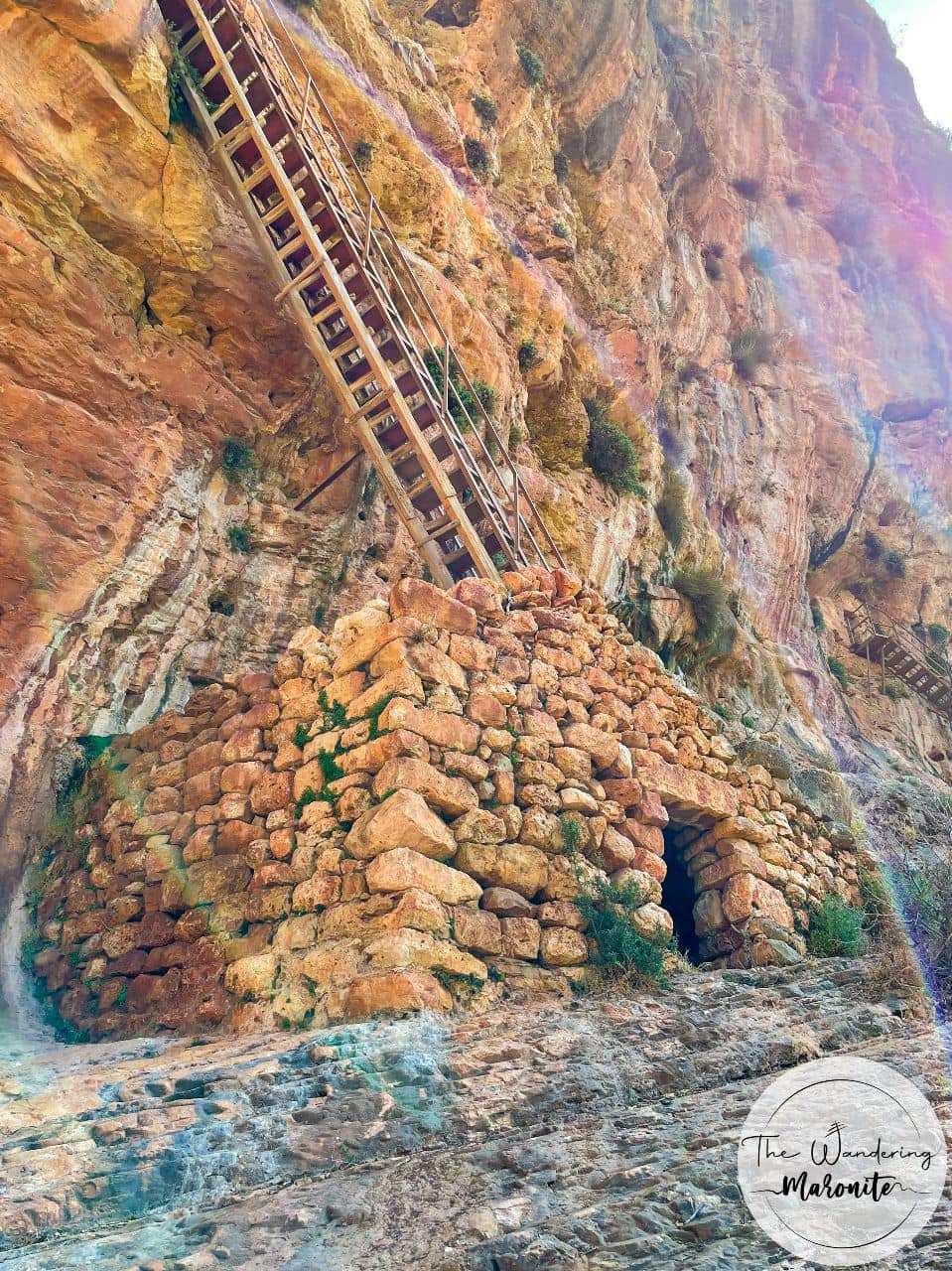
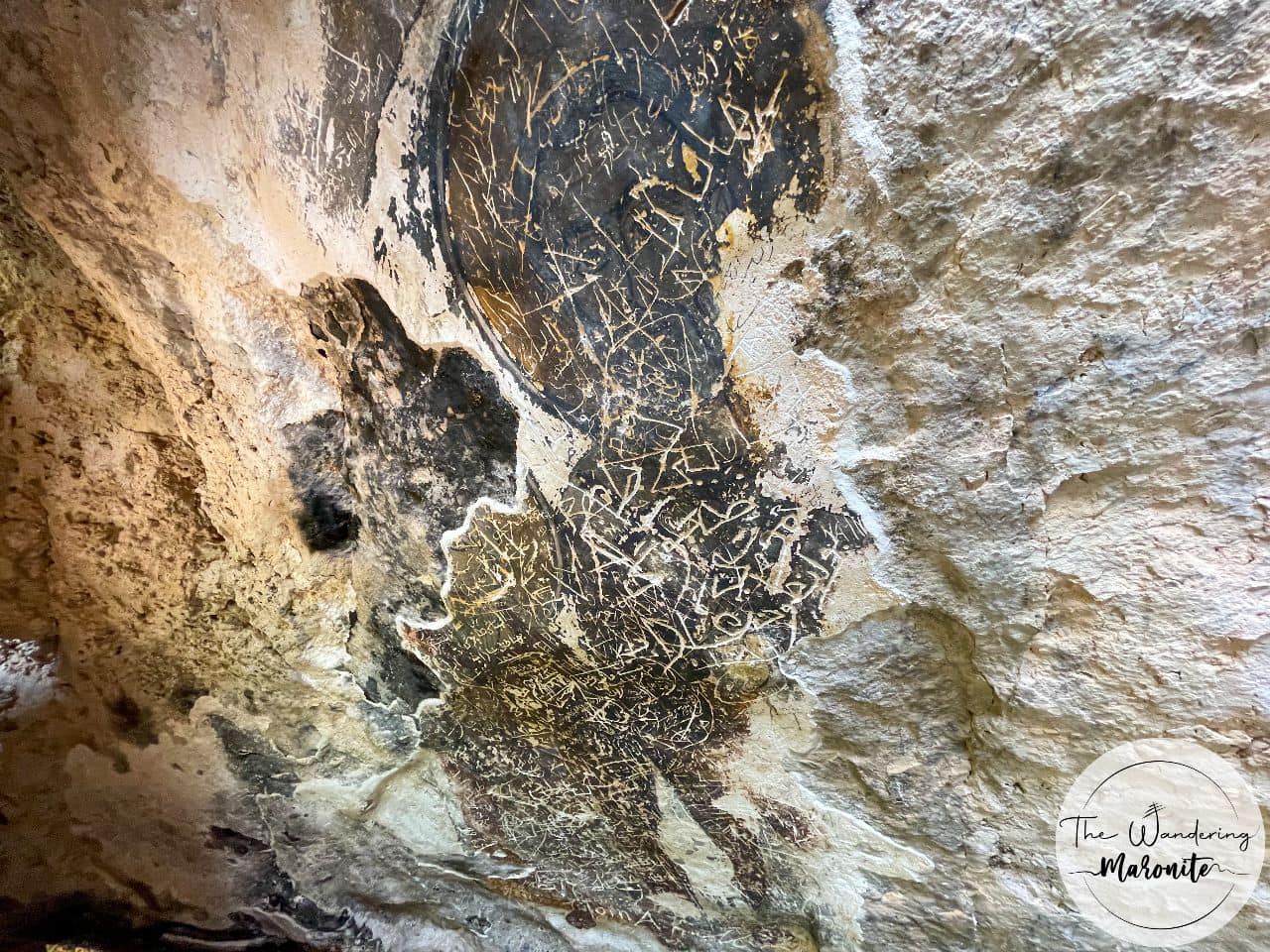
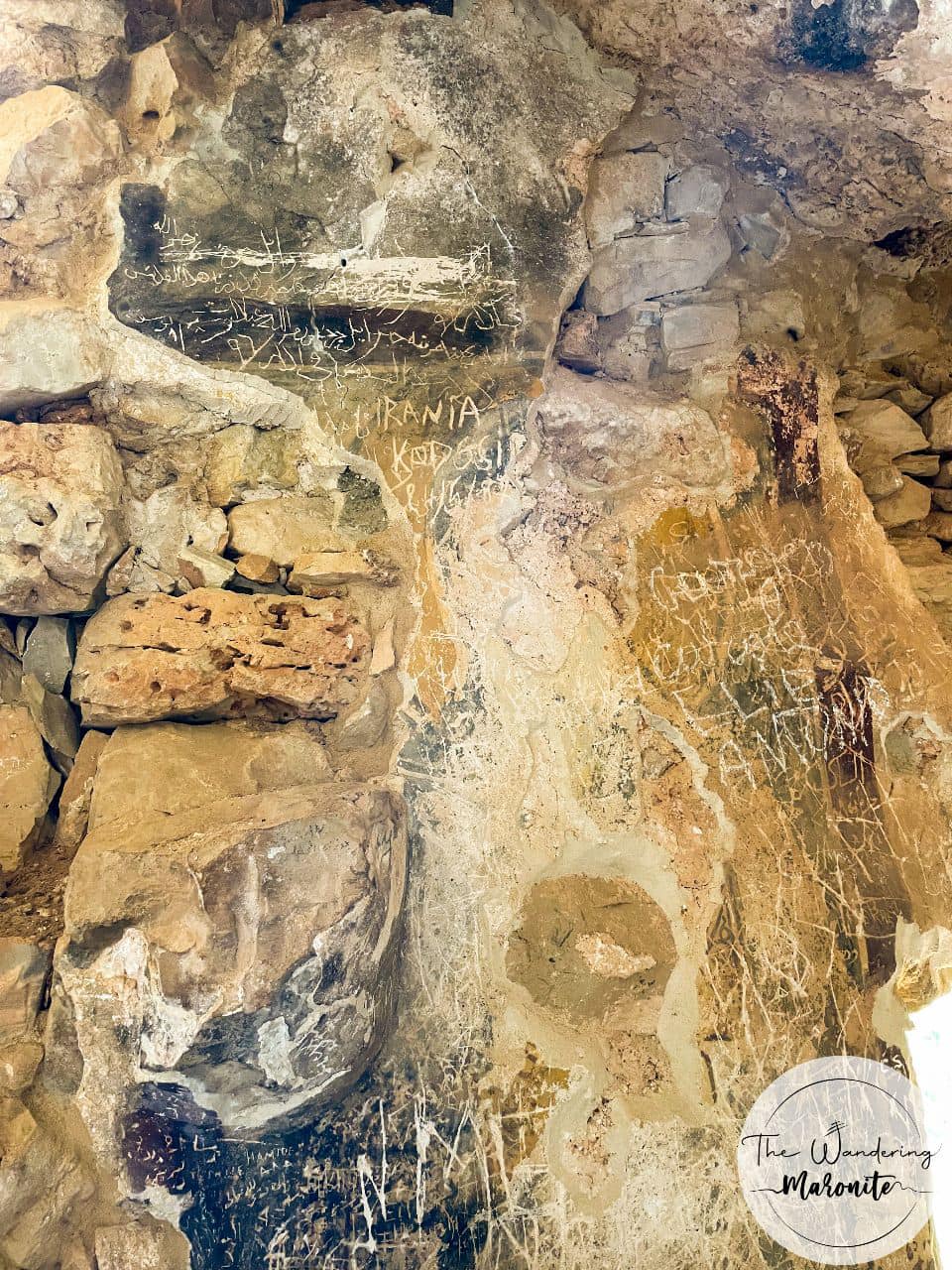
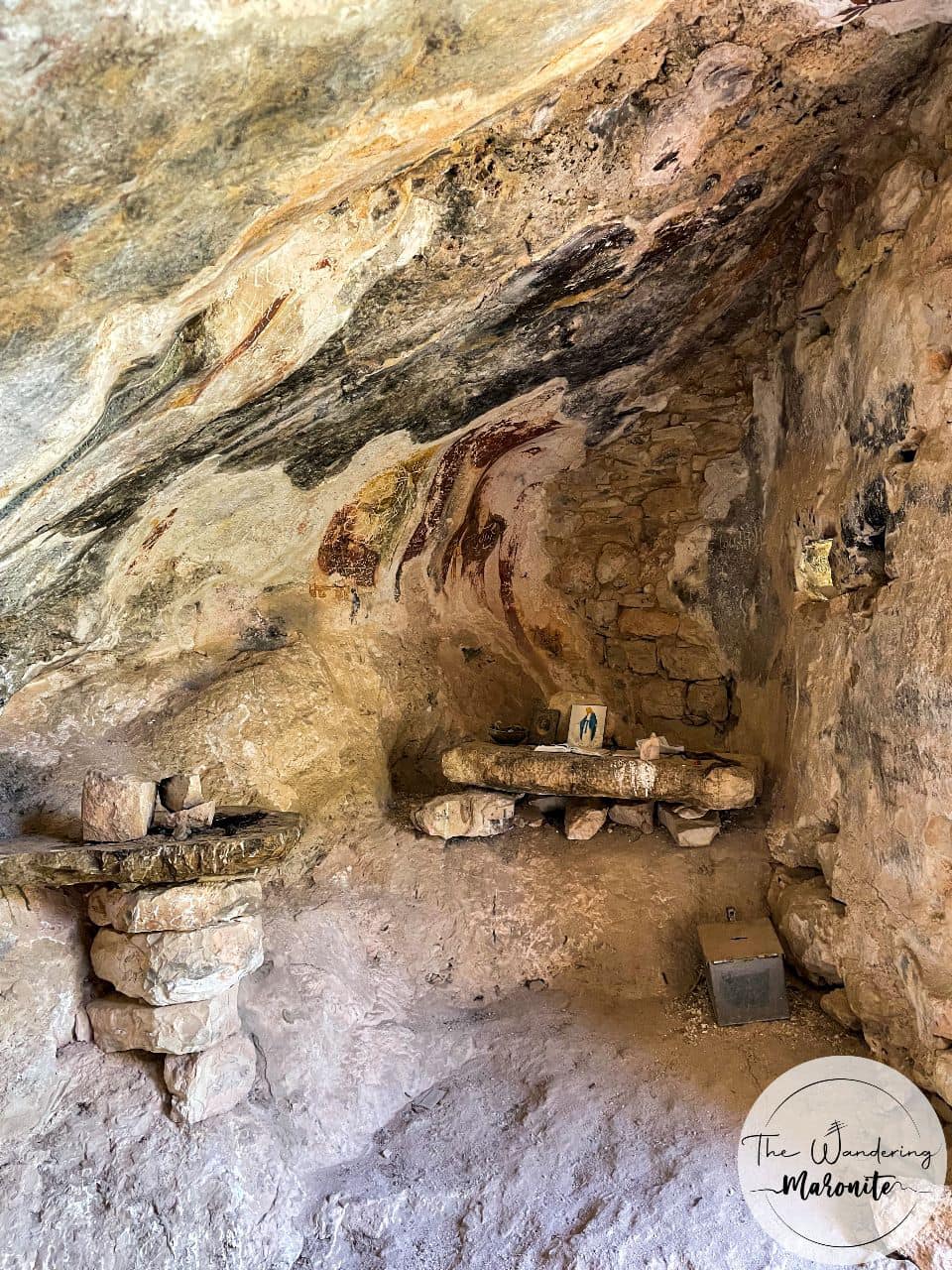
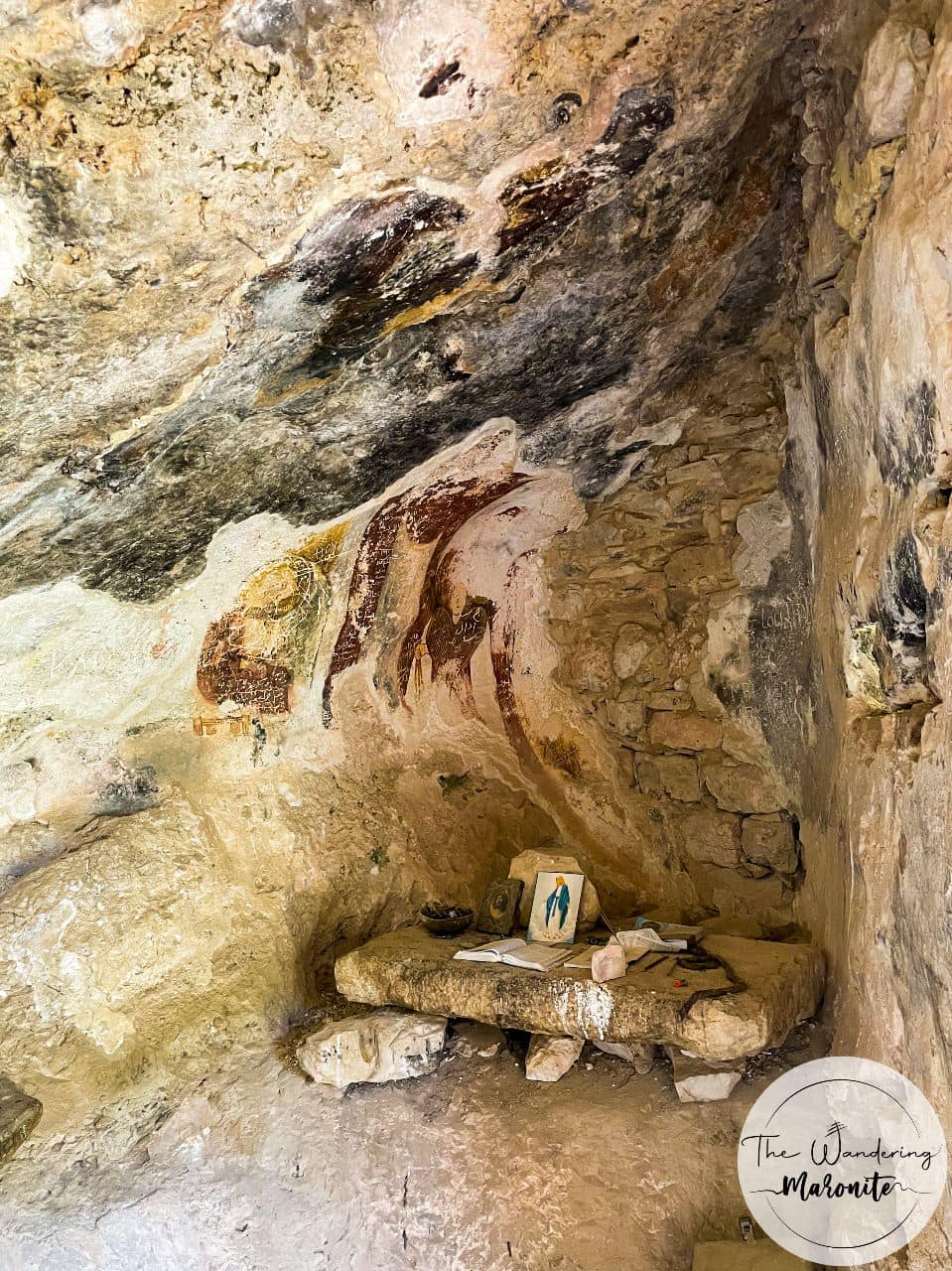
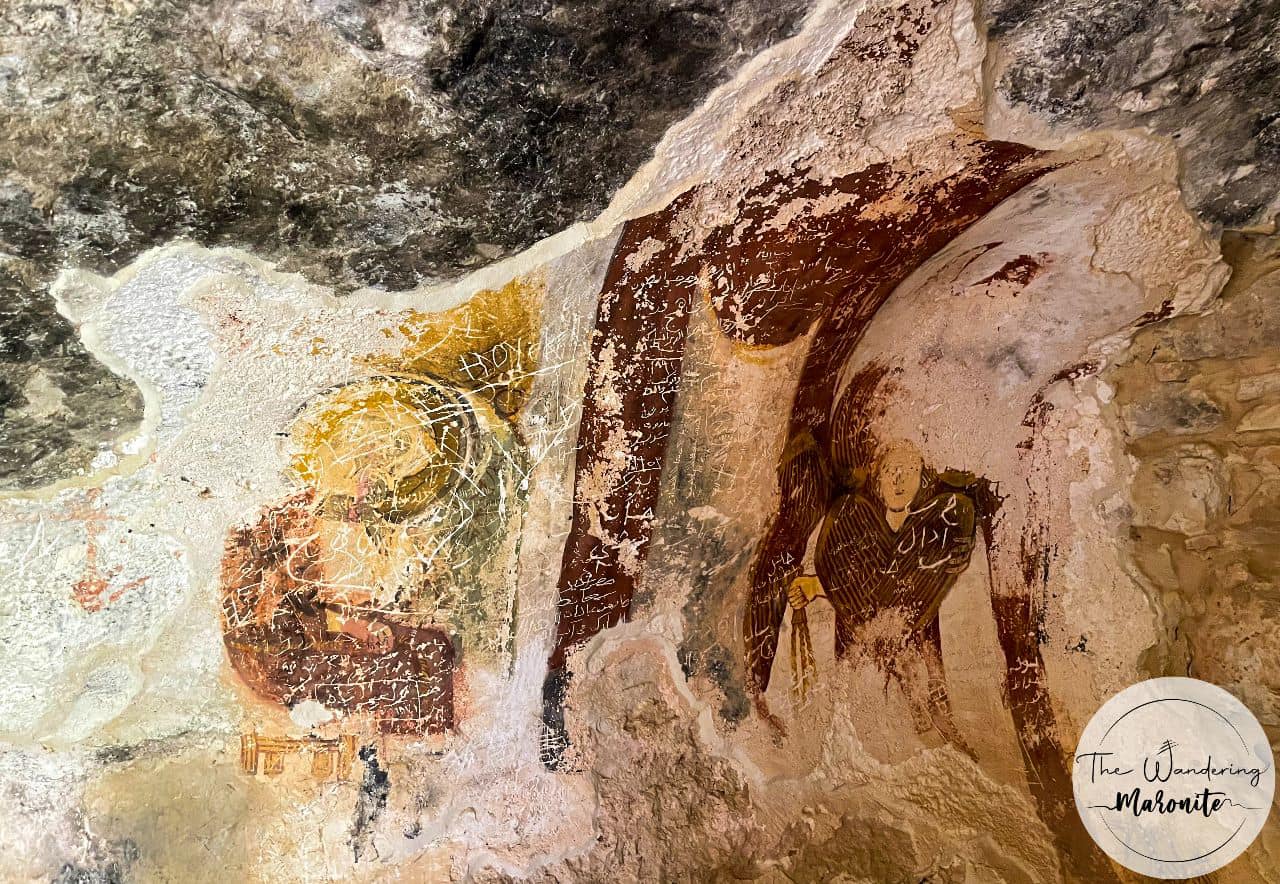
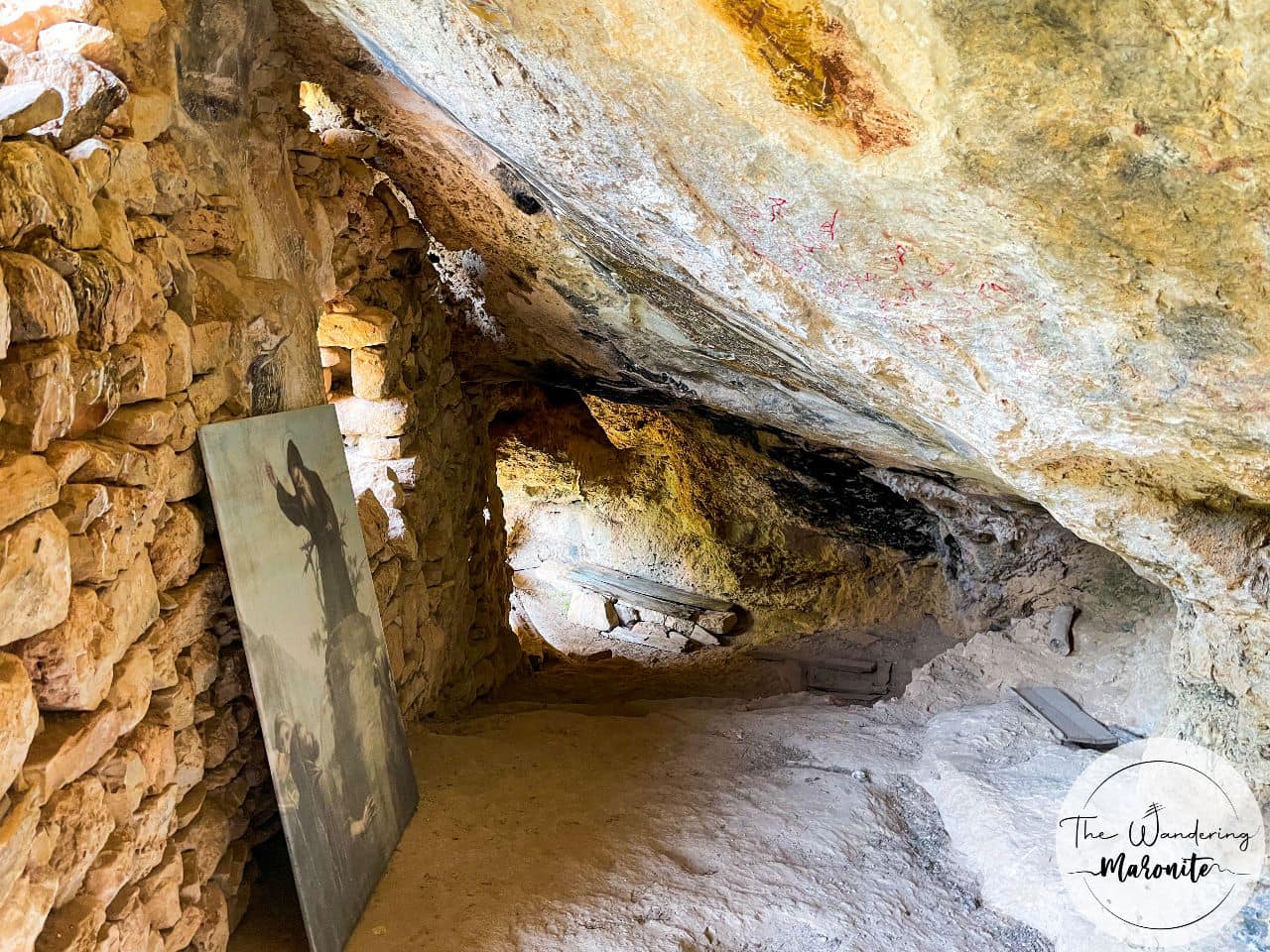
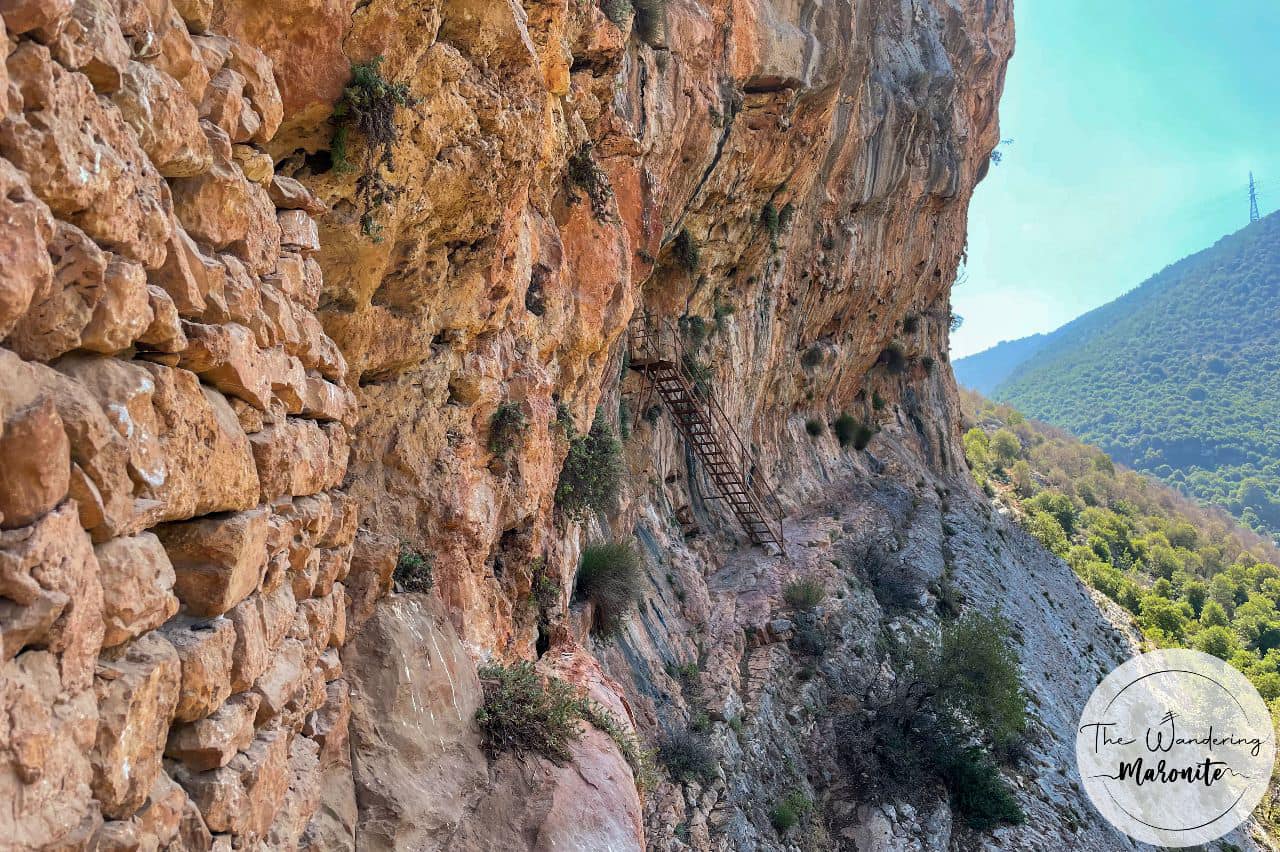
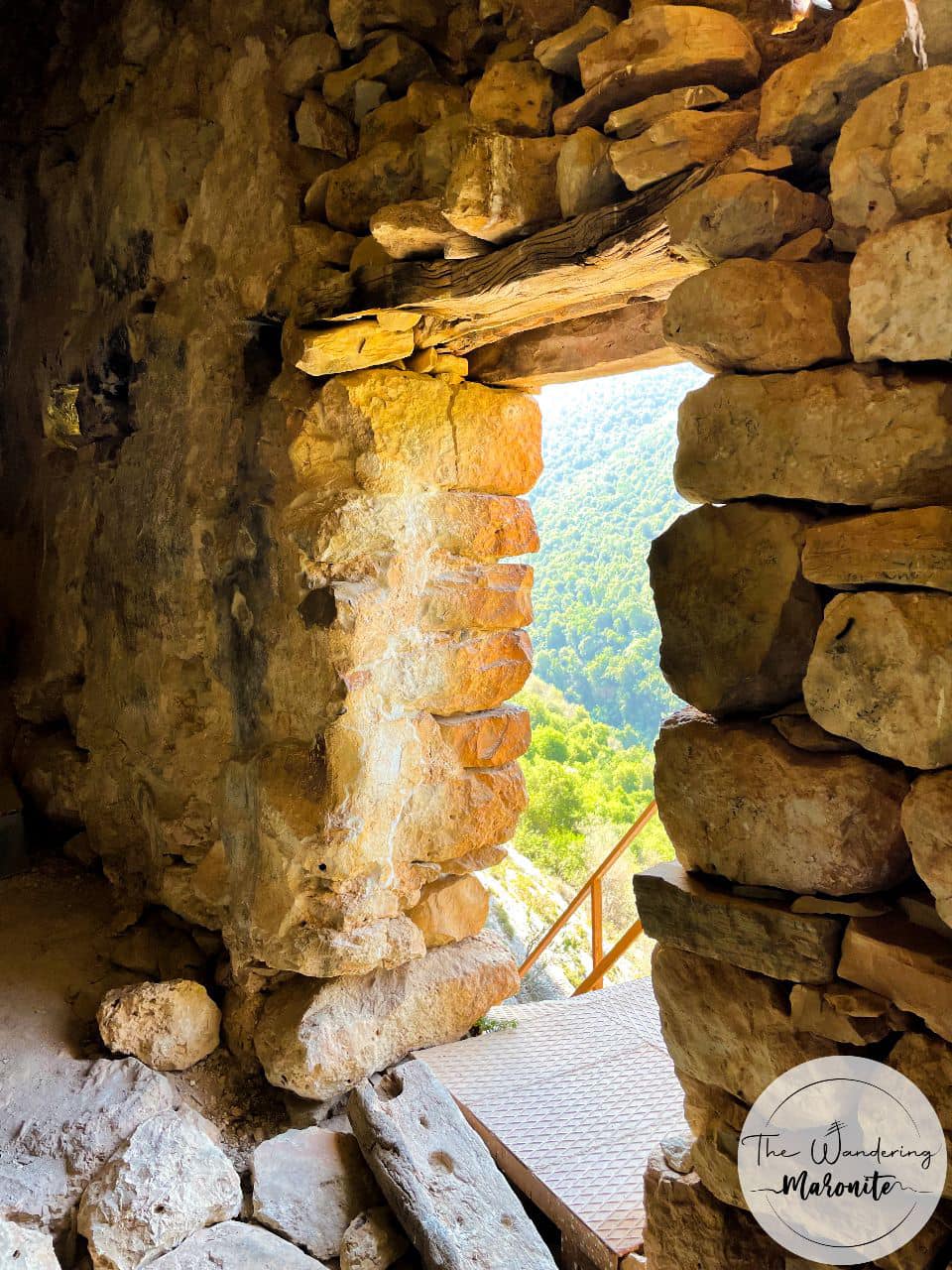
محبسة مار سمعان العاموديّ وادي البواليع - عبيدات المحبسة عبارة عن تَجوِيفٍ مَحفُورٍ فِي الصَّخر، بِدَاخِله صُوَرٌ جُدرَانِيَّةٌ تعود إِلى القَرن الثَّاني عَشَر. مِن بَينِ هِﺬهِ الجُدرَانِيّات رَسمُ الشفاعة، وَكِتَابَةٌ سِرَيَانِيَّةٌ لَم يَبقَ منهَاوَمِن الرُّسُومِ إلّا القَلِيل بِسَبَب عَوَامِل الطَّبِيعَة وَجَهل الإِنسَان. يَتمُّ الصُعُودُ إِلَى غُرَفِ الدَّير بِوَاسِطة سَلَالِم خَشَبِيَّةٍ وَأُخرَى حَدِيدِيَّةٍ مُستَحدَثَةٍ.تُجَاوِرُ دَيرَ مَار سِمعَان كَنِيسَةمَارت مُورَا، وَهِيَ عِبَارَةٌ عَن نَقرٍ في الصَخرِ.بحسب الخبراء جداريّات عبيدات تعودُ لراسم جداريّات كنيسة مار تادرس بحديدات.   The hermitage of St Simeon the stylite in Wadi al-Bouwayli'e - 'Abeydat The monastery is a hollowed-out cavity in the rock, containing frescoes dating back to the XIIth century. Among these wall paintings is the depiction of the deisis, as well as Syriac inscriptions, of which only a few remain due to natural factors and human ignorance. Access to the monastery's chambers is achieved through newly installed wooden and iron ladders. Adjacent to the Mar Simeon monastery is the St Moura's Church, which is a carved cave in the rock. According to experts, the wall paintings in 'Abeydat belong to the same artist who painted the wall paintings in the Mar Tadros Church in Behadidat. La Ermita de San Simeón el estilita en Wadi al-Bouwayli'e - 'Abeydat El monasterio es una cavidad excavada en la roca, que contiene frescos que datan del siglo XII. Entre estas pinturas murales se encuentra la representación de la deisis, así como inscripciones siríacas, de las cuales, debido a factores naturales y la ignorancia humana, solo quedan unas pocas. Para acceder a las cámaras del monasterio se utilizan las escaleras de hierro y madera recién instaladas. Colindante al monasterio de San Simeon se encuentra la iglesia de San Moura, que es una cueva tallada en la roca. Según los expertos, las pinturas murales de 'Abeydat pertenecen al mismo artista que pintó las pinturas murales de la iglesia de San Tadros en Behadidat

Visited 2190 times, 9 Visits today

Reviews are disabled, but trackbacks and pingbacks are open.

Related Listings

Lehfed – The monastery of St Eusabius of Caesarea

كنيسة مار حوشب, Lehfed, Lebanon

دير مار حوشب

Lehfed

Jbeil

Mount Lebanon

دير مار حوشب - لحفد

دير مار حوشب يقع شرقيّ البلدة. وهو عِبارة عن كَهف في الشير المُسمَّى شير العاميّة. بُنيَ الدير في القَرن الثاني عشر، إذ اختار البطريرك يوحنا اللِحفِدي أحد أساقفته الأربعة للإقامة فيه. وللدّير ثلاث صوامع متعلقة به وهي اليوم آثار.

The monastery of St Eusabius of Caesarea - Lehfed

The monastery is located in the eastern side of the village, like the old monasteries of the Qadisha valley. It is a cave inside a cliff called El Aamlyeh. The monastery dates back to the XIIth century, when Patriarch John of Lehfed appointed one of his four bishops as it’s head.

Hardine – Saint God’s grace (Neamtallah)

House and the Church of St. God's grace (Neamtallah) Hardini Lebanese Maronite Order, Hardine, Lebanon

بيت وكنيسة القديس نعمة الله الحرديني

Hardine

Batroun

North

Hardine’s name is derived from the Syriac language meaning ‘pious’, Witness of justice, Ardent in faith and Square of religion.

It is located about 1100m. above sea level. A large area of very thick forests surrounds it and the following ruins of its inveterate past decorate its mountain terraces:

-The «rocky tile of Hardine» with its marine fossils and its unique length of 350 m along a slope to the west and its width of nearly l00m. Some one said, «The three most beautiful in Mount Lebanon are the valley of Kannoubine, The Palace of Beit Eddine and the tile of Hardine».

–The Temple of God Mercury With 30 majestic pillars built according to the rare ionic style. This temple known as «the roman Palace of Hardine». It’s a really fantastic one; it goes back to the time of Emperor Hadrian Augustus (117-137 A.D).

-“St Fawka’s” monastery (6th century)

-“Patriarchal monastery” since the Maronites came to Lebanon, known as “St. Sergios Alkarn”.

-“St John Alchakf” monastery, since the days of the Crusaders.

-“St Taqla” church in Beit Kassab square. It was the father of St Hardidni, who first started its renovation in the 19th Century.

-The church and hermitage of “St Stephan” in a hollow in a light rock over the Plain of Al Jawz River.

-The ruins of “St Richa’s” monastery, where the Syriac Diocese was moved between 1384 and 1598.

-The hermitages of “St Joseph”, “Ste Anne”, “St Ephram” the Syriac, “St Jacob Jesus’ brother” and “the pottery monastery” in the hollows of Kfarshira, and “the Lady of the Castle” in the hollow of the water spring.

-The Church of “St. Georges and Edna” which is distinguished Christian inscriptions (fish and cross).

-The churches of “St Elias”, “St Challita and Nohra” in the hollows engraved in the rocks, the old parish churches, like “St. Sergios and Bacchus” (rebui1t in 1932). “the Lady of deliverance” (rebuilt in 1948). The current one is St. Shayna” (1844), and finally the church of “St. Tadros” with its maronite alter, The two rebuilt churches of “St. Antonios of Padova” (1907), “St. Thomas” (1950) and the church of “Ste Theresa of the Baby Jesus” (1946).

-The monastery of St. Hardini» built with the donations of the people from Hardine in Lebanon and all over the world.

– Hardine is the hometown of one of Lebanon’s four saints, Saint Nimatullah Hardini (1808-58) who was canonised by Roman Catholic Pope John Paul II in 2004.


The village is naturally protected by the valleys and the rocky mountains around it making it an ideal place for the then new religion (Christianity) to flourish.

Legend has it that in 270AD, a Roman official imprisoned his daughter in Hardine for converting to Christianity. She converted many others in Hardine to the Christian faith.

Lehfed – The church of St Stephen

St. Estephan Church, Lehfed, Lebanon

كنيسة مار أسطفان

Lehfed

Jbeil

Mount Lebanon

كنيسة مار أسطفان - لحفد

الكنيسة بالأصل كانت معبدًا رومانيًّا على تلّة حوّله الصليبيّون إلى بُرجٍ للمراقبة، سكنه مقدَّموا لحفد. سنة ١٨١٠ تحوّل المكان إلى كنيسةٍ بعقدٍ مُصالبٍ لتكون رعيّة البلدة. مذبح الكنيسة ولوحة مار أسطفان، مُستوردان من إيطاليا بسعي من أبناء البلدة في بيروت أواخر القرن التاسع عشر. حمل إبن لحفد الطوباوي أسطفان نعمه شفاعة صاحب الكنيسة وتكنّى باسمه عند دخوله الرهبانيّة.

The church of St Stephen - Lehfed

The church was originally a pagan roman temple on a hill that was converted into a watch tower by the crusaders, after they left the land the maronite lords of Lehfed used it as residence. In 1810 the crossed vault structure took it’s current shape and was converted into a parochial church. The altar and the painting are imported from Italy with the help of the villagers who lived in Beirut at the end of the XIXth century. Blessed Stephen Nehme, the son of Lehfed, took the name of the Church's patron saint when he entered the monastic life.