Overview
Map
Other Details
كنيسة سيدة البشارة للروم الأورثوذوكس
Kfar Aaqab
Metn
Mount Lebanon
Visited 4834 times, 2 Visits today
Directory of Churches in Lebanon

.jpeg)
Eglise Notre-Dame De l'Annonciation - كنيسة سيدة البشارة للروم الأورثوذوكس, Lebanon
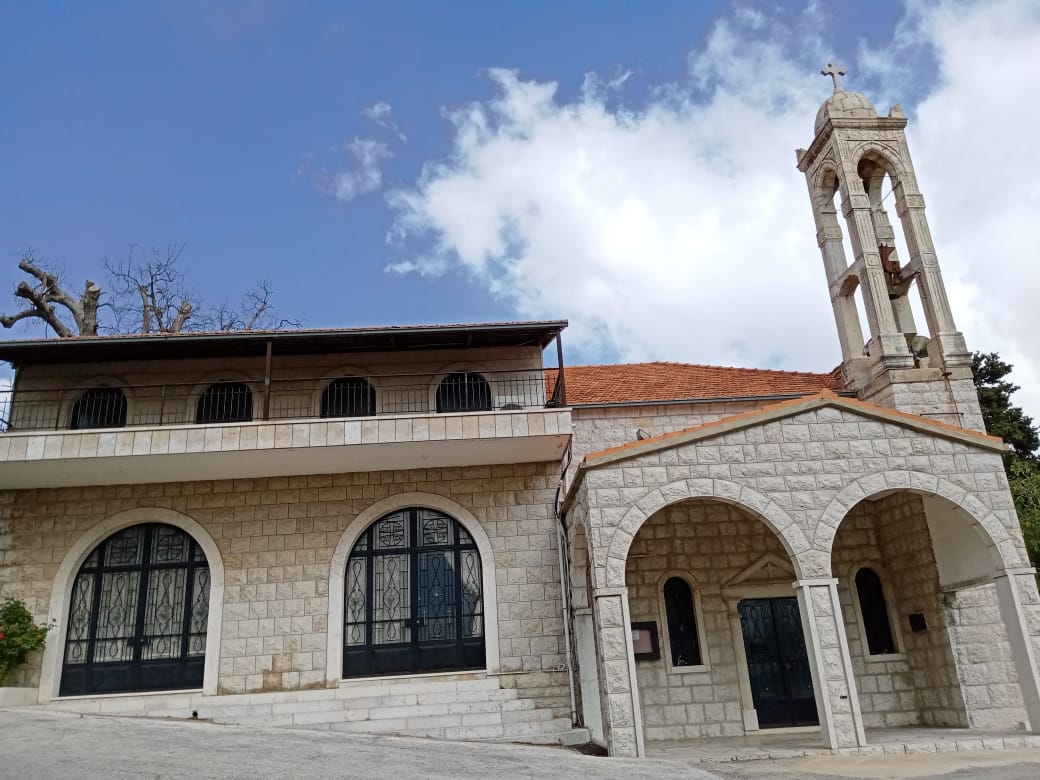
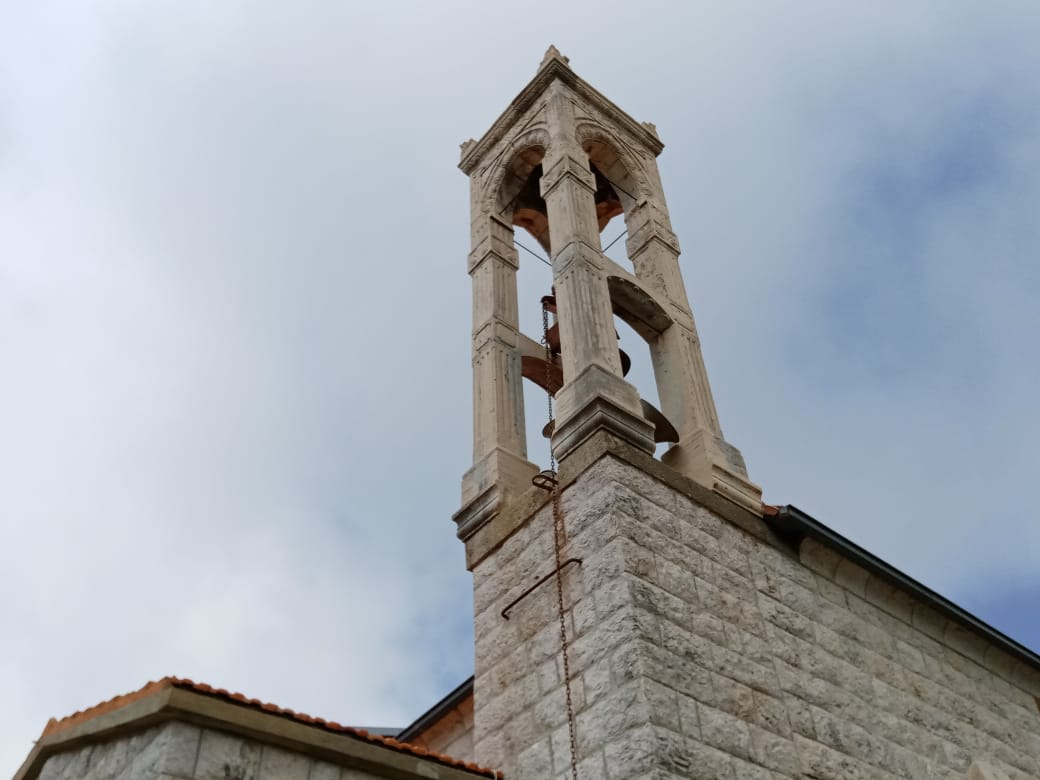

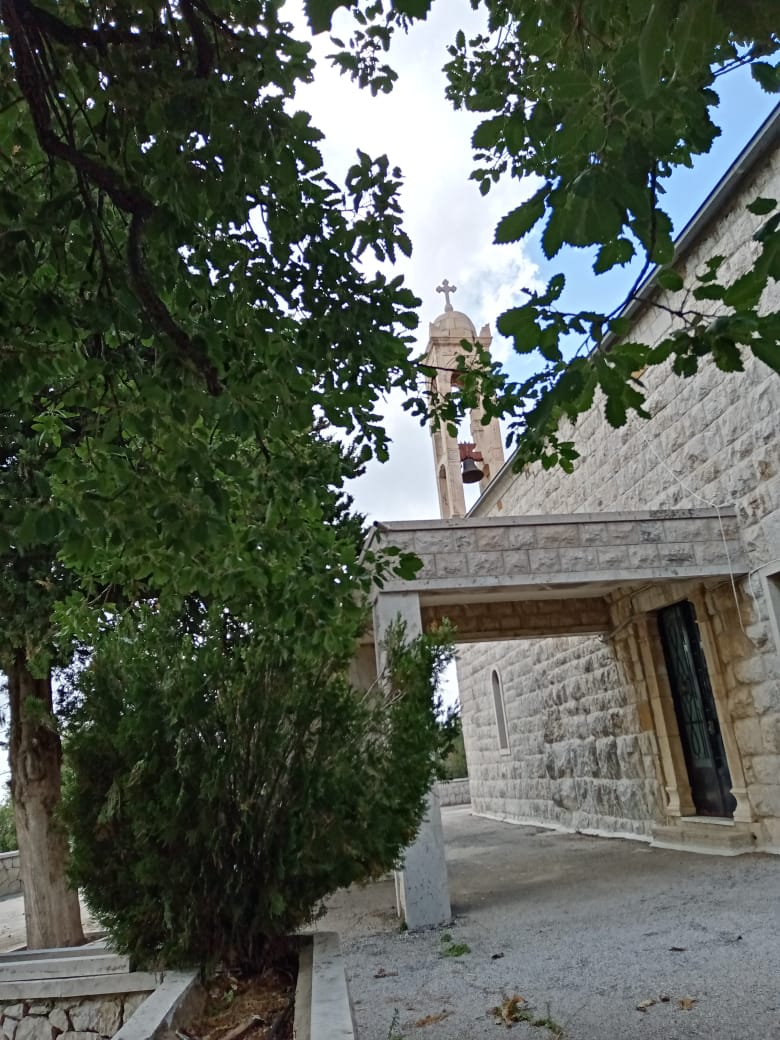
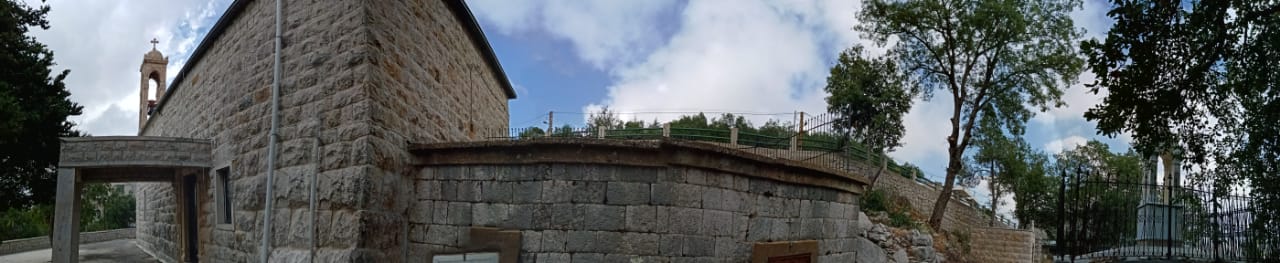


كنيسة سيدة البشارة للروم الأورثوذوكس
Kfar Aaqab
Metn
Mount Lebanon
Visited 4834 times, 2 Visits today
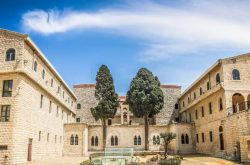
Maronite Patriarchal Seminary - Ghazir, Ghazir, Lebanon
الإكليريكيّة البطريركيّة المارونيّة
Ghazir
Keserwan
Mount Lebanon
الإكليريكيّة البطريركيّة المارونيّة - غزير
بنى أمراء آل شهاب قصرًا لهم في غزير مع بداية القرن التاسع عشر ما لبث أن باعه الأمير عبدالله شهاب للآباء اليسوعيّين سنة ١٨٤٣ لتأسيس مدرسة إكليريكيّة. سنة ١٨٨١ بنيت كنيسة مار يوسف الكبيرة. سنة ١٩١٤ طرد العثمانيّون الرهبان من الدّير، ليعودوا بعد الحرب ويؤسسوا ميتمًا في رحابه. سنة ١٩٣٤ أصبح الدّير إكليريكيّة بإدارة اليسوعيّين. اشترى الدّير أخيرًا البطريرك أنطونيوس خريش سنة ١٩٧٦، ليصبح شرعًا مبنى الإكليريكيّة البطريركيّة المارونيّة. عدّل بناء الدّير عدّة مرّات وأضيف عليه عدّة مبانٍ على مراحل. يحوي العديد من الأجنحة ويحوي إضافةً لكنيسته الكبرى اربعة كنائس: مار مارون شفيع الإكليريكيّة، البشارة، مار شربل، والقدّيسة رفقا التي خدمت في الدّير ردحًا من الزمن.
The Maronite Patriarchal Seminary - Ghazir
In the early XIXth century the Chehaby princes of Ghazir built a palace that prince Abdallah Chehab sold to the Jesuits in 1843, to build a seminary. In 1881 the grand church was built and dedicated to St Joseph. In 1914 the Ottomans occupied the seminary, it was reopened at the end of the war as a foster home. In 1934 the Jesuits reopened the seminary. In 1976 Patriarch Khoreiche bought the building from the Jesuits to house the Maronite Patriarchal Seminary. The building was renovated and repurposed many times. It holds many wings, the church of St Joseph, and four other chapels: St Maroun the patron of the seminary, St Charbel, The Annunciation, St Rafqa who served as a nun in Ghazir during her lifetime.
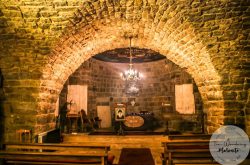
Church, who was baptized by St. Charbel, Bqaa Kafra, Lebanon
كنيسة سيّدة الإنتقال القديمة
Bqaa Kafra
Bcharre
North
كنيسة سيّدة الإنتقال القديمة - بقاع كفرا
الكنيسة القديمة يعود تأسيسها إلى نحو سبعمئة عام، تتميّز بالصليب المثلث الأطراف الموجود على عتبة بابها الرئيسيّ، وأيقونة السيّدة التي تعود للقرن السادس عشر، وجرن العماد القديم حيث قبل مار شربل سرّه الأوّل. لم يتوقف اهل هذه البلدة يومًا عن صلاة الفرض الإلهيّ حتى خلال فصل الشتاء القارس، اذ بنوا دهليزًا تحت الارض يصل البيوت بالكنيسة، ولكنّ معظمه قد سقط.
سنة ١٩٢٥ دُعِّم العقد القديم ليتحمّل الكنيسة الجديدة فوقه.
The old church of Our Lady of Assumption - Bekaa Kafra
The old church was built in the XIVth century, it holds a medieval three branched cross on her tympanum. The church also holds the baptismal font of St Charbel, a XVIth century icon of the Madona and ruined catacombs that the local used to get to church during harsh winters to pray the office.
In 1925 the new church was built on top of the old one. To accommodate this renewal the old vault was reinforced changing the medieval allure of the old church.
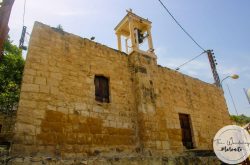
Hajjeh, Lebanon
كنيسة سيّدة المزار
Hajjeh
Saida
South
كنيسة سيّدة المزار - الحجة
بُنيت الكنيسة أواخر القرن الثامن عشر مع قدوم المسيحيّين إلى البلدة، وكانت كنيستهم الأساسيّة. تعرّضت للسلب خلال أحداث سنة ١٨٦٠. أُهملت الكنيسة بعد بناء كنيسة مار يوسف وسط البلدة، وأعيد ترميمها مؤخّرًا. الكنيسة مبنيّة بأسواقٍ ثلاث أفقيّة على نمط العليّة في البيت اللبنانيّ مسقوفة بالخشب وقد أُضيفت إليها قبّة صغيرة وقت الترميم.
The Church of Our Lady of Mzaar - El Hajje
The church is the original parochial church of the village, built during the late 18th century. It was sabotaged during the war of 1860 and remained abandoned after the construction of St. Joseph's Church in the village center. However, it has been recently restored. The structure of the church resembles that of a cenacle in a traditional Lebanese house, with three horizontal aisles. A dome was added to the structure during the restoration.
Reviews are disabled, but trackbacks and pingbacks are open.